Debunking the MRI Myth in Physical Therapy
Rethinking the Need for an MRI
Many individuals assume that a comprehensive MRI is the only pathway to kick-starting physical therapy. This belief often stems from the notion that advanced imaging is necessary to pinpoint the source of pain, yet in many cases, a thorough physical assessment can offer equally valuable insights. In this guide, you'll discover why the MRI myth persists and explore how focused clinical evaluations, rather than expensive imaging tests, can effectively guide your rehabilitation process.
Understanding your body’s mechanics doesn’t always demand high-tech diagnostics. Instead, consider these key points:
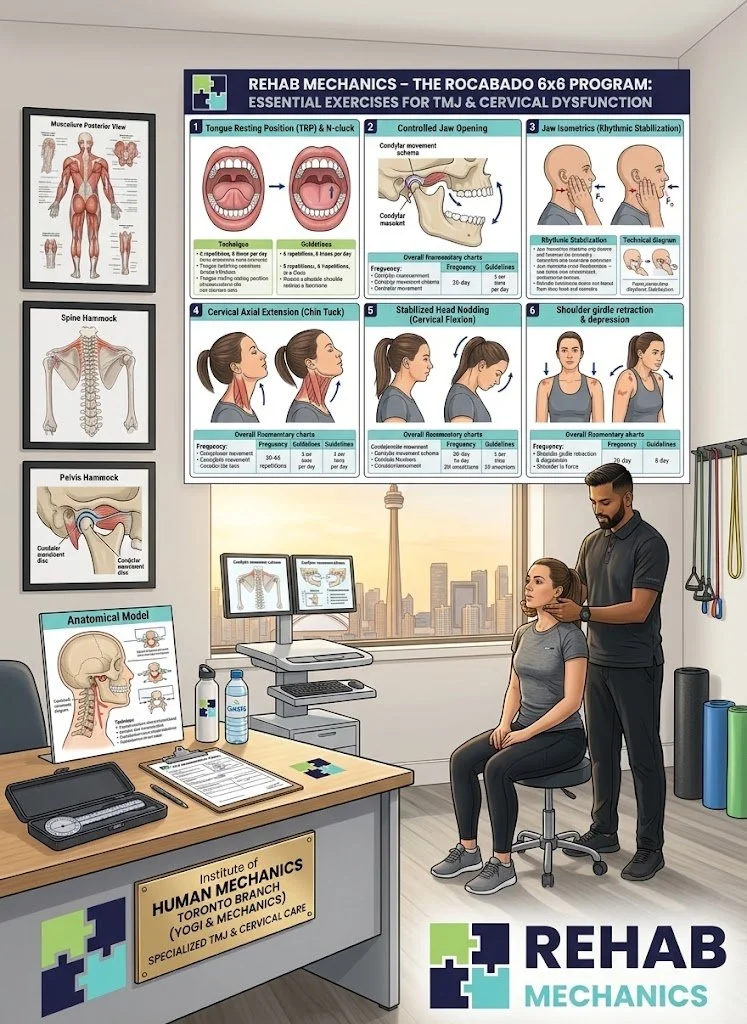
Clinical Assessment: Hands-on evaluations often reveal movement restrictions and muscle imbalances.
Cost and Time Efficiency: Skipping unnecessary imaging can reduce delays and expenses.
Local Expertise: Many community-based therapists use proven manual techniques to deliver swift recovery.
Read on to learn practical, actionable approaches that debunk the idea that complex imaging is a prerequisite for effective therapy. This introduction lays the groundwork for a deeper conversation on optimizing your recovery strategy without relying on extensive MRI scans.
Unlocking the Power of MRI in Diagnostics
Magnetic Resonance Imaging (MRI) stands as one of the most sophisticated techniques in medical diagnostics, using strong magnetic fields and radio waves to create intricate images of the body’s internal structures. This non-invasive imaging tool is indispensable in revealing details about soft tissues, organs, and joints that other diagnostic methods might overlook. Its high-resolution capabilities are particularly valuable in detecting conditions ranging from ligament injuries to subtle abnormalities in the brain and spine.
When approaching MRI as a diagnostic method, keep these key points in mind:
Safety and Precision: With no exposure to ionizing radiation, MRIs offer precise imaging without many associated risks.
Versatility: They are effective for evaluating a wide range of issues including musculoskeletal injuries, neurological conditions, and inflammatory diseases.
Local Accessibility: Many clinics and imaging centers in urban and suburban areas now provide convenient, high-quality MRI services, ensuring patients receive accurate assessments quickly.
Understanding how MRI operates not only helps clarify its role in comprehensive healthcare but also empowers you to ask informed questions about your diagnostic options.
Rethinking Diagnostic Imaging Before Therapy
Before diving into an active physical therapy plan, it's important to understand that MRIs aren’t always a prerequisite for effective treatment. Many seasoned physiotherapists prioritize detailed patient history and a comprehensive physical evaluation over immediate imaging, especially when the signs and symptoms suggest common musculoskeletal issues. This approach not only minimizes unnecessary delays but also helps reduce the healthcare costs for patients across local communities.
Consider these practical points:
Thorough Clinical Assessment: A hands-on evaluation by a skilled therapist can identify functional impairments without the need for advanced imaging.
Timely Intervention: Starting targeted therapy based on physical findings can accelerate recovery and prevent further injury.
Resource Optimization: Avoiding immediate MRIs supports efficient use of medical resources, making advanced imaging available for cases where it’s truly warranted.
By emphasizing clinical judgment and evidence-based practice, patients receive personalized care that addresses their unique needs. Additionally, local clinics and therapy centers are increasingly adopting these protocols, ensuring that treatment plans are both practical and effective. This proactive approach not only streamlines the path to recovery but also educates patients on the value of functional assessments.
Speeding Recovery: Embrace Early Physical Therapy
Starting physical therapy before MRI results are available can pave the way for a faster recovery and more efficient intervention. Delaying treatment in hopes of diagnostic clarity often hinders timely rehabilitation. Early physical therapy focuses on addressing pain, mobility issues, and functional limitations that can be alleviated through targeted exercises and manual techniques. By initiating treatment promptly, you can prevent the escalation of injury and improve overall outcomes.
Key benefits include:
Accelerated recovery: Engage in customized mobility exercises sooner to restore strength and flexibility.
Minimized discomfort: Early intervention targets pain relief through hands-on therapy and structured rehabilitation strategies.
Proactive management: Address movement imbalances and muscle weaknesses before they lead to more serious complications.
Localized support: In urban centers and suburban areas alike, nearby clinics offer community-based programs designed to meet your specific recovery goals.
Utilizing early physical therapy in the local area ensures that you receive expert guidance quickly, enabling your body to begin healing right away. This approach not only preserves functional fitness but also empowers you with practical strategies to maintain mobility and reduce the risk of future injuries.
FAQ: Demystifying MRI Use in Physical Therapy
What does an MRI actually show about my injury? MRIs provide detailed images of the body’s soft tissues and bones. However, they capture the static structure and may not reveal dynamic or functional issues, which are crucial for effective physical therapy. A thorough clinical exam often complements these images to create a complete picture.
Is an MRI needed before starting physical therapy? Not necessarily. Many patients can begin therapy based on clinical findings alone. MRIs are typically reserved for complex cases where the source of pain or dysfunction remains unclear after a physical examination.
Can MRI results sometimes lead to misguided treatment plans? Yes, sometimes the detailed images can introduce uncertainty if interpreted without context. It’s essential that physical therapists integrate MRI findings with hands-on assessments to tailor interventions.
How do physical therapists utilize MRI data in treatment planning? Therapists use MRI results to confirm structural issues, but they emphasize functional testing and patient history to devise a customized rehabilitation plan.
What alternatives exist for injury assessment? Beyond MRIs, clinical tests, range-of-motion analyses, and strength evaluations are valuable tools in crafting effective physical therapy strategies.
Decoding the Criteria for MRI Necessity in Physical Therapy
Healthcare providers use a systematic approach to determine when an MRI is truly necessary in physical therapy cases. Initially, clinicians conduct a comprehensive evaluation, combining a detailed patient history with an extensive physical examination. They assess symptoms such as persistent pain, restricted range-of-motion, and neurological signs, which serve as red flags for potential structural damage.
The decision-making process often includes:
Symptom Analysis: Reviewing the intensity, duration, and progression of discomfort.
Physical Testing: Performing targeted maneuvers to pinpoint areas of concern.
Clinical Judgment: Balancing diagnostic imaging with conservative treatment options.
Providers consider whether the benefits of an MRI outweigh the risks and costs, factoring in the likelihood of finding actionable abnormalities. For example, patients experiencing acute trauma or those with unusual neurological deficits may be prioritized for imaging. This careful, step-by-step assessment not only helps in avoiding unnecessary tests but also promotes efficient recovery strategies. In urban centers and local clinics, this protocol ensures that imaging resources are used judiciously, ultimately enhancing patient care and therapeutic outcomes.
Wrapping Up: Embrace Clarity and Confident Choices
As you reach the end of this discussion, it’s vital to reflect on the key insights that have emerged. The longstanding myth linking MRI scans directly to finding the root cause of pain is debunked when viewed through the lens of contemporary physical therapy practices. Instead of relying solely on imaging, modern treatment emphasizes comprehensive evaluations and tailored exercise programs that address the underlying mechanics of discomfort.
Moving forward, consider taking these actionable steps:
Engage in an in-depth discussion with your healthcare provider to explore a thorough physical assessment.
Prioritize finding local professionals who practice evidence-based methodologies.
Keep an open mind about alternative diagnostic approaches that focus on functional movement and recovery.
Arming yourself with accurate information and expert advice is the first step towards a more effective rehabilitation journey. Remember, personalized physical therapy can offer a more practical and holistic approach to managing pain. Take charge of your health by analyzing your options and consulting trusted professionals—empower yourself to make informed decisions and embrace a future of improved wellness.
About the Author
Mr. Sanjay Attwala (B.Sc., M.Sc., RPT) is a Registered Physiotherapist, clinical director, and the founder of Rehab Mechanics in Toronto. With over 15 years of registered clinical practice and a deep specialization in complex musculoskeletal rehabilitation, Sanjay synthesizes rigorous international academic training with advanced evidence-based therapeutics to guide his clinical practice and patient education initiatives.
Academic Background & Credentials
Master of Science (M.Sc.) in Physiotherapy – University of Keele, United Kingdom (2010).
Bachelor of Science (B.Sc.) – University of Waterloo, Ontario, Canada.
Registered Physiotherapist (RPT) – Regulated health professional in excellent standing with the College of Physiotherapists of Ontario (CPO).
Corporate Entity – Operating officially under the S. Attwala Physiotherapy Professional Corporation with a DBA of Rehab Mechanics.
Clinical Expertise & Philosophy
Sanjay’s clinical approach rejects passive symptom management in favor of identifying underlying biomechanical root causes. His diverse expertise spans advanced manual therapies, personalized corrective exercise prescription, and modern physical modalities. At the Rehab Mechanics Toronto Queen West clinic, he routinely diagnoses and treats complex conditions including:
Spinal & Discogenic Pathology – Cervical, thoracic, and lumbar disc injuries, sciatica, and sacroiliac joint (SIJ) dysfunction.
Upper & Lower Extremity Injuries – Rotator cuff tears, frozen shoulder, tennis/golfer’s elbow, carpal tunnel syndrome, and complex ankle/foot pathologies.
Perinatal & Pelvic Health Rehabilitation – Specialized assessment and rehabilitation protocols tailored specifically for women during pregnancy and the post-partum period, addressing pelvic girdle pain, diastasis recti, and core stabilization.
Specialized Rehabilitation – Pelvic health therapy, TMJ dysfunction, post-surgical rehabilitation (including Total Hip and Total Knee Replacements), and custom orthotics dispensing.
Shockwave Therapy: with advanced cutting edge technological devices to suit your needs.
Interdisciplinary Practice & Patient Care
Sanjay practices an integrated model of healthcare, working closely alongside medical doctors inside the Prime Medical Centre on Abell Street to streamline patient recovery pathways. He maintains a human-centric, communication-first clinical framework, ensuring that care remains fully customized rather than automated.
His clinical caseload encompasses a broad operational spectrum under Ontario's regulatory frameworks, including:
Motor Vehicle Accident (MVA) Claims – Rehabilitation navigating Ontario’s statutory accident benefits schedule.
Workplace Safety and Insurance Board (WSIB) – Occupational injury management and return-to-work screening.
Extended Health Care (EHC) & Private Practice – Multi-tier insurance coordination and long-term athletic development plans.
Commitment to Research & Community
Outside of his clinical caseload at Rehab Mechanics and his additional practice affiliations in Etobicoke, Sanjay is an active health writer and community educator. He translates contemporary peer-reviewed medical research into accessible, actionable guidance on his professional blog. As a dedicated father and husband, he mirrors his professional advice in his personal life, focusing on structural mobility, cross-training, and longevity to help his family and his community thrive. Naturally he takes he a keen interest in rehabilitation for women who are pregnant and post-partum.
Disclaimer: The information provided on this blog is intended for educational and informational purposes only. It does not constitute medical advice, diagnosis, or a treatment plan. Always seek the direct advice of a Registered Physiotherapist, physician, or other qualified health provider regarding any medical condition or physical rehabilitation routine.
Be sure to check out Rehab Mechanics’ Google My Business Profile for daily posts, location and directions in addition to the directions on the website!
We love interacting with prospective and current patients, and love honest feedback and even constructive criticism and areas for improvement!