Ergonomics and Beyond: Managing Carpal Tunnel and De Quervain’s Tenosynovitis
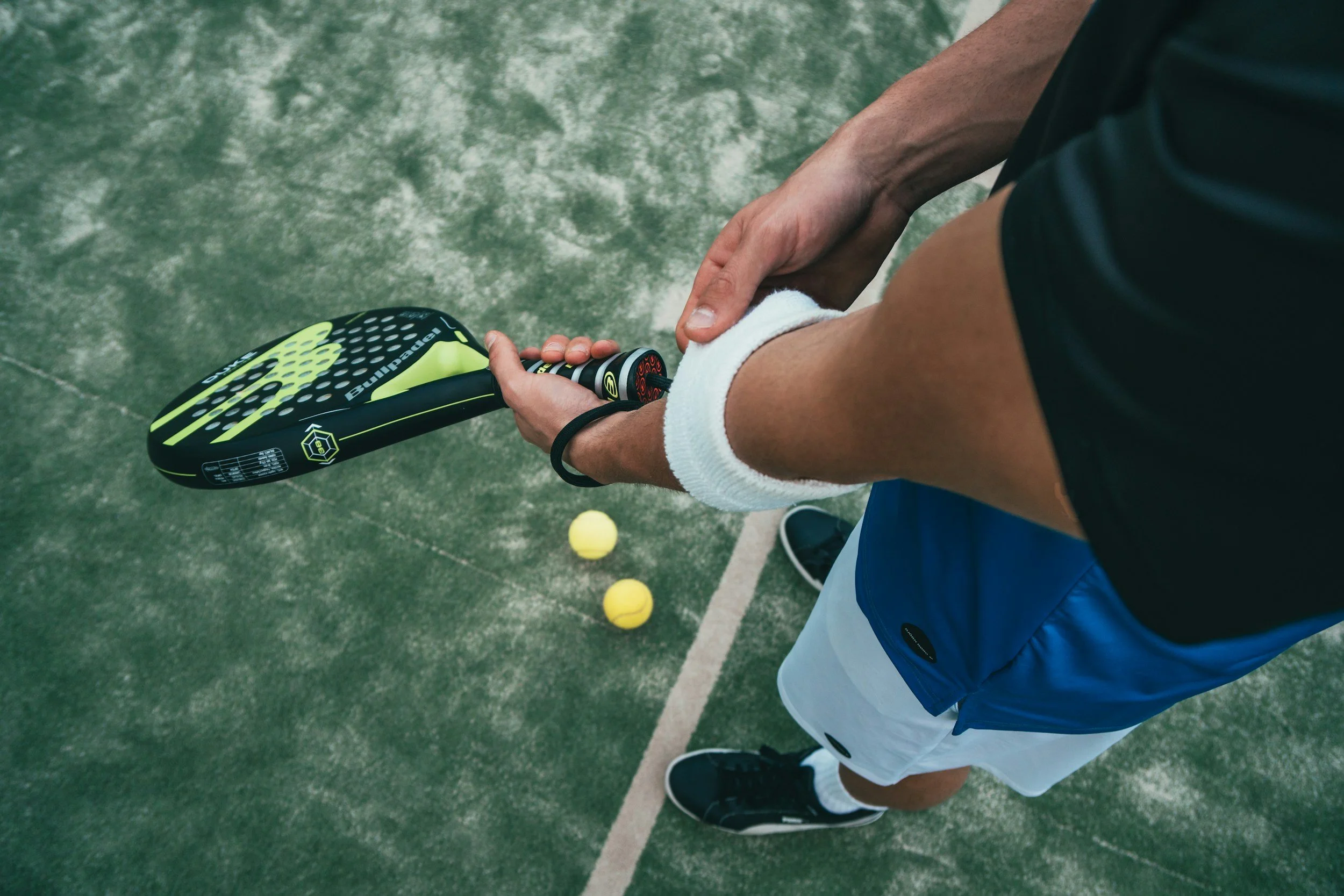
In our modern, hyper-connected, fast-paced digital world, our hands, wrists, and thumbs endure an absolutely incredible, unnatural amount of repetitive daily stress. We swipe, type, click, and text thousands of times a day.
Consequently, painful, nerve-wracking, and severely limiting wrist injuries like Carpal Tunnel Syndrome and De Quervain’s Tenosynovitis are skyrocketing across all demographics, from young gamers to older administrative workers. However, Rehab Mechanics offers highly specialized, conservative, and ergonomic solutions designed to rapidly alleviate trapped nerve pain and restore full, pain-free hand and wrist function.
The Complexity of the Wrist
The human wrist is not a simple, single joint like a door hinge, but rather an incredibly complex, tightly packed, and highly articulated structural intersection. It is composed of eight intricately shaped, pebble-like small carpal bones, tightly bound together by a massive, complex web of rigid, interwoven ligaments.
Most importantly, it serves as a crowded, incredibly narrow anatomical conduit for all the vital, highly sensitive flexor tendons, major nerves, and blood vessels traveling from the powerful muscles of the forearm directly into the palm of the hand and the tips of the fingers. There is absolutely no extra room in this anatomical chokepoint.
Carpal Tunnel Syndrome (CTS)
Carpal Tunnel Syndrome (CTS) is by far the most well-known, frequently diagnosed, and heavily researched compression neuropathy of the upper extremity.
It is distinctly and unmistakably characterized by intense numbness, painful "pins and needles" tingling (paresthesia), deep burning pain, and eventual severe muscle weakness. Crucially, these symptoms specifically target the thumb, index finger, middle finger, and exactly half of the ring finger—which perfectly maps to the exact sensory distribution pathway of the median nerve. If your pinky finger is numb, it is generally not Carpal Tunnel, but a different nerve issue.
Anatomy of the Carpal Tunnel
The carpal tunnel itself is a rigid, unforgiving, extremely narrow passageway located on the palm side (volar aspect) of your wrist. It is formed by the curved carpal bones acting as the floor and walls, and a thick, incredibly tight, unyielding ligament (the transverse carpal ligament) acting as the solid roof.
When the protective, slippery sheaths (synovium) surrounding the nine flexor tendons that run through this crowded tunnel become inflamed and swell—very often due to poor typing ergonomics, sustained, awkward wrist flexion angles, or repetitive, forceful gripping—they rapidly run out of physical space. This swelling aggressively compresses the soft, delicate, vital median nerve that is hopelessly trapped within this rigid, bony box.
Median Nerve Compression Dynamics
Prolonged, unrelieved physical compression of the median nerve is incredibly destructive to the nervous system. It literally starves the nerve of vital blood flow (ischemia), physically strips the nerve of its protective, conductive myelin sheath, and severely disrupts vital axonal transport (the essential flow of nutrients and chemical signals up and down within the nerve).
Left untreated for too long, this chronic compression leads to permanent, irreversible sensory loss, the chronic, clumsy dropping of coffee cups and keys, and visible, permanent wasting away (atrophy) of the fleshy thenar muscles at the base of the thumb. Early, aggressive, conservative physiotherapy intervention is absolutely vital to halt this progression and prevent permanent nerve damage and the need for surgical release.
De Quervain’s Tenosynovitis
Commonly, yet somewhat inaccurately, referred to in pop culture as "Gamer's Thumb," "Texting Thumb," or "Mommy Thumb" (due to the highly awkward wrist mechanics required when repeatedly lifting heavy, growing infants), De Quervain’s Tenosynovitis is a highly painful, acute inflammatory condition.
It aggressively targets the tendons located specifically on the thumb side of your wrist, causing severe, sharp, breathtaking pain during simple gripping, tight pinching, or any forceful rotational wrist movements, such as pouring a heavy kettle, turning a stiff door key, or opening a tight jar.
The Mechanics of Thumb Tendinopathy
This specific, agonizing condition involves the severe inflammation, thickening, and subsequent swelling of the tight synovial sheath (the slick, protective tunnel) that surrounds and strictly houses two highly specific tendons responsible for controlling the outward and upward movement of the thumb: the extensor pollicis brevis and the abductor pollicis longus.
When this narrow sheath swells due to friction and overuse, these tendons experience massive, painful resistance and friction every single time the thumb moves, leading to agonizing pain that can radiate up the forearm.
Clinical Diagnosis and Finkelstein's Test
In our clinic, we can highly accurately diagnose this specific condition through a thorough, hands-on physical assessment and targeted provocative orthopedic testing, prominently utilizing a widely recognized clinical maneuver called Finkelstein’s test.
In this test, the patient tucks their thumb securely inside a closed fist, wrapping their fingers over it, and sharply deviates the wrist downward toward the pinky finger (ulnar deviation). If this specific movement elicits a sharp, blinding, "electric" pain directly over the radial styloid (the bony bump on the thumb side of the wrist), the test is strongly positive for De Quervain's.
Comprehensive Physiotherapy Management
Surgical release of these inflamed tissues should only be considered if all conservative measures strictly fail after months of effort. Comprehensive, conservative treatment for both CTS and De Quervain's at Rehab Mechanics includes immediate, aggressive workplace ergonomic redesign (like vertical mice and split keyboards).
We also utilize highly specific resting splinting recommendations to protect the area during sleep, aggressive deep soft tissue massage and active release of the tight forearm flexors and extensors, and specialized, targeted neuro-dynamic gliding exercises explicitly designed to gently free the trapped nerves and tendons from their restrictive surrounding tissues without causing further irritation.
About the Author
Mr. Sanjay Attwala (B.Sc., M.Sc., RPT) is a Registered Physiotherapist, clinical director, and the founder of Rehab Mechanics in Toronto. With over 15 years of registered clinical practice and a deep specialization in complex musculoskeletal rehabilitation, Sanjay synthesizes rigorous international academic training with advanced evidence-based therapeutics to guide his clinical practice and patient education initiatives.
Academic Background & Credentials
Master of Science (M.Sc.) in Physiotherapy – University of Keele, United Kingdom (2010).
Bachelor of Science (B.Sc.) – University of Waterloo, Ontario, Canada.
Registered Physiotherapist (RPT) – Regulated health professional in excellent standing with the College of Physiotherapists of Ontario (CPO).
Corporate Entity – Operating officially under the S. Attwala Physiotherapy Professional Corporation with a DBA of Rehab Mechanics.
Clinical Expertise & Philosophy
Sanjay’s clinical approach rejects passive symptom management in favor of identifying underlying biomechanical root causes. His diverse expertise spans advanced manual therapies, personalized corrective exercise prescription, and modern physical modalities. At the Rehab Mechanics Toronto Queen West clinic, he routinely diagnoses and treats complex conditions including:
Spinal & Discogenic Pathology – Cervical, thoracic, and lumbar disc injuries, sciatica, and sacroiliac joint (SIJ) dysfunction.
Upper & Lower Extremity Injuries – Rotator cuff tears, frozen shoulder, tennis/golfer’s elbow, carpal tunnel syndrome, and complex ankle/foot pathologies.
Perinatal & Pelvic Health Rehabilitation – Specialized assessment and rehabilitation protocols tailored specifically for women during pregnancy and the post-partum period, addressing pelvic girdle pain, diastasis recti, and core stabilization.
Specialized Rehabilitation – Pelvic health therapy, TMJ dysfunction, post-surgical rehabilitation (including Total Hip and Total Knee Replacements), and custom orthotics dispensing.
Shockwave Therapy: with advanced cutting edge technological devices to suit your needs.
Interdisciplinary Practice & Patient Care
Sanjay practices an integrated model of healthcare, working closely alongside medical doctors inside the Prime Medical Centre on Abell Street to streamline patient recovery pathways. He maintains a human-centric, communication-first clinical framework, ensuring that care remains fully customized rather than automated.
His clinical caseload encompasses a broad operational spectrum under Ontario's regulatory frameworks, including:
Motor Vehicle Accident (MVA) Claims – Rehabilitation navigating Ontario’s statutory accident benefits schedule.
Workplace Safety and Insurance Board (WSIB) – Occupational injury management and return-to-work screening.
Extended Health Care (EHC) & Private Practice – Multi-tier insurance coordination and long-term athletic development plans.
Commitment to Research & Community
Outside of his clinical caseload at Rehab Mechanics and his additional practice affiliations in Etobicoke, Sanjay is an active health writer and community educator. He translates contemporary peer-reviewed medical research into accessible, actionable guidance on his professional blog. As a dedicated father and husband, he mirrors his professional advice in his personal life, focusing on structural mobility, cross-training, and longevity to help his family and his community thrive. Naturally he takes he a keen interest in rehabilitation for women who are pregnant and post-partum.
Disclaimer: The information provided on this blog is intended for educational and informational purposes only. It does not constitute medical advice, diagnosis, or a treatment plan. Always seek the direct advice of a Registered Physiotherapist, physician, or other qualified health provider regarding any medical condition or physical rehabilitation routine.
Be sure to check out Rehab Mechanics’ Google My Business Profile for daily posts, location and directions in addition to the directions on the website!
We love interacting with prospective and current patients, and love honest feedback and even constructive criticism and areas for improvement!