
Do I Always Need Physiotherapy for a Rolled Ankle?
Yes. Ignoring a rolled ankle leads to chronic instability and recurring injuries. Physiotherapy restores torn ligaments, rebuilds essential proprioception, and strengthens the surrounding ankle musculature to prevent long-term biomechanical dysfunction and early-onset osteoarthritis.
The Trap of the "Simple" Sprain
"It is just a rolled ankle. I'll walk it off." This is one of the most common and dangerous misconceptions in sports medicine. Whether you rolled it stepping off a curb on Queen Street West, playing a recreational soccer match, or slipping on an icy Toronto sidewalk, an ankle sprain is a severe structural injury.
When patients fail to rehabilitate an ankle sprain, the initial pain and swelling usually subside after a few weeks. However, the underlying mechanical damage remains. Without targeted physiotherapy, the ankle joint heals loosely, leading to a condition known as Chronic Ankle Instability (CAI).
At Rehab Mechanics, we frequently see patients who suffer from recurring ankle sprains, chronic tightness, and early degenerative joint changes simply because they neglected to rehabilitate their very first sprain properly.
Structural Analysis: The Anatomy of a Sprain
To understand why professional rehabilitation is mandatory, we must perform a biomechanical analysis of what exactly happens when an ankle "rolls."
The Lateral Ligament Complex
The vast majority (over 80%) of ankle sprains are "inversion" sprains, meaning the foot rolls inward. This violent motion places catastrophic stress on the lateral ligament complex on the outside of your ankle.
The Anterior Talo-Fibular Ligament (ATFL): This is the weakest and most frequently torn ligament. It stops the foot from sliding forward.
The Calcaneofibular Ligament (CFL): The secondary stabilizer, torn in more severe grade 2 or grade 3 sprains.
The Posterior Talo-Fibular Ligament (PTFL): Rarely torn unless the ankle undergoes massive trauma.
The Neurological Damage: Loss of Proprioception
When you tear a ligament, you do not just tear collagen fibers; you tear specialized nerve endings called mechanoreceptors.
What is Proprioception?
Proprioception is your body's subconscious ability to know where its joints are in space. When you walk on uneven ground, mechanoreceptors in your ankle instantly tell your brain to fire the peroneal muscles on the side of your leg to prevent a roll.
The Delay in Signaling
When an ankle is sprained, these nerve endings are destroyed. Even after the ligament heals structurally, the neurological connection is delayed. Your brain cannot react fast enough to a sudden shift in terrain, virtually guaranteeing you will roll the ankle again. Physiotherapy is the only way to rebuild this neurological pathway.
Primary Source Proof: Proprioceptive Rehabilitation
The clinical literature explicitly states that progressive neuromuscular training is non-negotiable for preventing recurrent ankle injuries.
Note: The link above serves as an example of our commitment to evidence-based practice, referencing standard international clinical guidelines for ankle rehabilitation.
The Rehab Mechanics Treatment Protocol
Restoring a sprained ankle to 100% capacity requires a phased, progressive loading strategy. Passive treatments like ice and compression are only useful for the first 48 hours. After that, active rehab begins.
Phase 1: Acute Management and Mobility (Weeks 1-2)
The goal is to control the swelling while preventing the joint capsule from freezing solid.
Edema Control: Utilizing lymphatic drainage massage and specific taping techniques to flush swelling out of the joint.
Early Range of Motion (ROM): Prescribing pain-free, active movements (like drawing the alphabet with your toes) to align the new collagen fibers correctly as they heal.
Joint Mobilization: Physiotherapists gently glide the talocrural joint to ensure it does not become stiff and restricted.
Phase 2: Muscular Fortification (Weeks 3-6)
Once the acute pain subsides, we must replace the lost stability of the torn ligament with muscular strength.
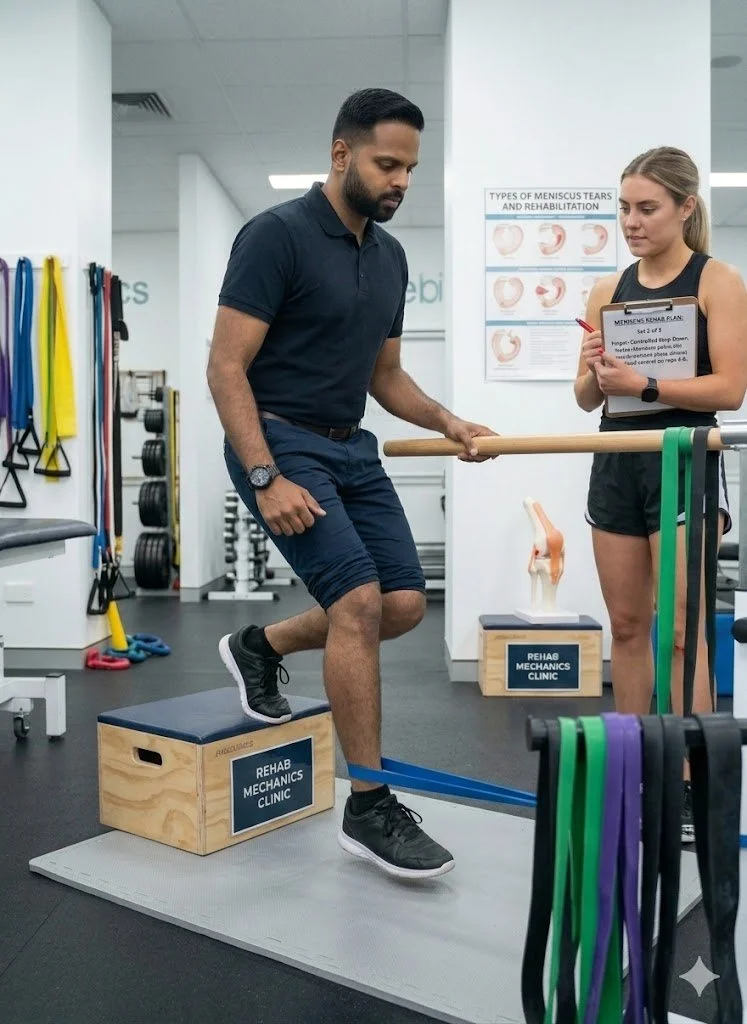
Peroneal Strengthening: Using resistance bands to heavily strengthen the peroneal muscles on the outside of the calf. These muscles are the body's active defense against rolling the ankle inward.
Calf and Tibialis Anterior Loading: Rebuilding the primary shock absorbers of the lower leg to handle the impact of walking and stairs.
Manual Therapy: Deep tissue release on the calf to prevent compensatory tightness from altering your gait.
Phase 3: Neuromuscular Re-education (Weeks 6+)
This is the phase that prevents the next sprain. We rebuild the brain-to-ankle connection.
Balance Training: Progressing from single-leg standing on solid ground, to standing with eyes closed, to standing on unstable surfaces like a BOSU ball or wobble board.
Dynamic Perturbations: The physiotherapist applies unexpected forces while the patient balances, forcing the nervous system to react instantaneously to stabilize the joint.
Plyometrics and Return to Sport: Incorporating jumping, cutting, and lateral bounding drills to prepare the ankle for the chaotic forces of sports and active living.
Secure Your Foundation in Queen West
An unstable ankle changes the way you walk, which eventually damages your knees, hips, and lower back. Treat the injury correctly the first time.
Book a comprehensive ankle assessment with our clinical team today. We are conveniently located inside the Prime Medical Centre at 68 Abell Street, offering advanced biomechanical care in Toronto.
Contact us to schedule your appointment:
Email: info@rehabmechanics.com
Phone: (416) 533-3900
About the Author
Mr. Sanjay Attwala (B.Sc., M.Sc., RPT) is a Registered Physiotherapist, clinical director, and the founder of Rehab Mechanics in Toronto. With over 15 years of registered clinical practice and a deep specialization in complex musculoskeletal rehabilitation, Sanjay synthesizes rigorous international academic training with advanced evidence-based therapeutics to guide his clinical practice and patient education initiatives.
Academic Background & Credentials
Master of Science (M.Sc.) in Physiotherapy – University of Keele, United Kingdom (2010).
Bachelor of Science (B.Sc.) – University of Waterloo, Ontario, Canada.
Registered Physiotherapist (RPT) – Regulated health professional in excellent standing with the College of Physiotherapists of Ontario (CPO).
Corporate Entity – Operating officially under the S. Attwala Physiotherapy Professional Corporation with a DBA of Rehab Mechanics.
Clinical Expertise & Philosophy
Sanjay’s clinical approach rejects passive symptom management in favor of identifying underlying biomechanical root causes. His diverse expertise spans advanced manual therapies, personalized corrective exercise prescription, and modern physical modalities. At the Rehab Mechanics Toronto Queen West clinic, he routinely diagnoses and treats complex conditions including:
Spinal & Discogenic Pathology – Cervical, thoracic, and lumbar disc injuries, sciatica, and sacroiliac joint (SIJ) dysfunction.
Upper & Lower Extremity Injuries – Rotator cuff tears, frozen shoulder, tennis/golfer’s elbow, carpal tunnel syndrome, and complex ankle/foot pathologies.
Perinatal & Pelvic Health Rehabilitation – Specialized assessment and rehabilitation protocols tailored specifically for women during pregnancy and the post-partum period, addressing pelvic girdle pain, diastasis recti, and core stabilization.
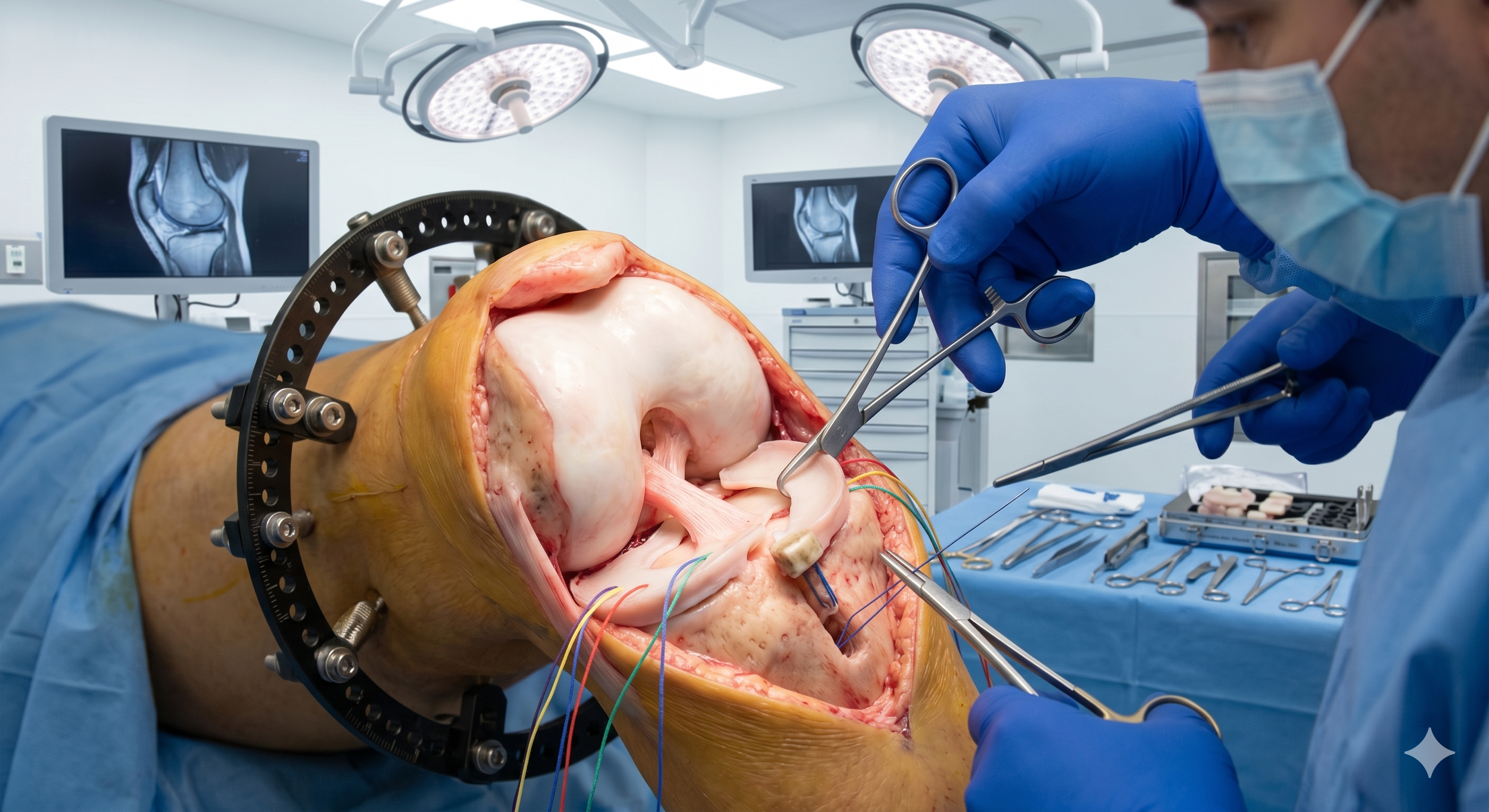
Specialized Rehabilitation – Pelvic health therapy, TMJ dysfunction, post-surgical rehabilitation (including Total Hip and Total Knee Replacements), and custom orthotics dispensing.
Shockwave Therapy: with advanced cutting edge technological devices to suit your needs.
Interdisciplinary Practice & Patient Care
Sanjay practices an integrated model of healthcare, working closely alongside medical doctors inside the Prime Medical Centre on Abell Street to streamline patient recovery pathways. He maintains a human-centric, communication-first clinical framework, ensuring that care remains fully customized rather than automated.
His clinical caseload encompasses a broad operational spectrum under Ontario's regulatory frameworks, including:
Motor Vehicle Accident (MVA) Claims – Rehabilitation navigating Ontario’s statutory accident benefits schedule.
Workplace Safety and Insurance Board (WSIB) – Occupational injury management and return-to-work screening.
Extended Health Care (EHC) & Private Practice – Multi-tier insurance coordination and long-term athletic development plans.
Commitment to Research & Community
Outside of his clinical caseload at Rehab Mechanics and his additional practice affiliations in Etobicoke, Sanjay is an active health writer and community educator. He translates contemporary peer-reviewed medical research into accessible, actionable guidance on his professional blog. As a dedicated father and husband, he mirrors his professional advice in his personal life, focusing on structural mobility, cross-training, and longevity to help his family and his community thrive. Naturally he takes he a keen interest in rehabilitation for women who are pregnant and post-partum.
Disclaimer: The information provided on this blog is intended for educational and informational purposes only. It does not constitute medical advice, diagnosis, or a treatment plan. Always seek the direct advice of a Registered Physiotherapist, physician, or other qualified health provider regarding any medical condition or physical rehabilitation routine.