Overcoming Epicondylitis: Targeted Treatments for Tennis and Golfer’s Elbow
Chronic elbow pain is uniquely frustrating and surprisingly debilitating. Because our hands are our primary tools for interacting with the world, it severely hinders our fundamental ability to grip objects, lift heavy groceries, twist tight doorknobs, pour coffee, and perform the most basic, everyday manual tasks without wincing.
At Rehab Mechanics, we provide highly specialized, scientifically validated, and aggressively progressive clinical protocols to thoroughly resolve both Tennis Elbow and Golfer's Elbow efficiently, getting you back to your sport, your instrument, or your workday without nagging pain.
Defining Epicondylitis
"Epicondylitis" is the formal clinical medical term for a highly specific, very common form of tendinopathy that occurs directly at the elbow joint. It is characterized by deep, aching pain, highly localized inflammation, and most importantly, progressive cellular micro-tearing and degeneration of the vital tendons.
These tendons serve a crucial purpose: they bundle together and attach your powerful, bulky forearm muscles to the prominent, palpable bony bumps (the epicondyles) on either side of your lower humerus at the elbow. When these anchor points fail, the entire forearm mechanism is compromised.
Lateral vs. Medial Epicondylitis
While they share very similar, almost identical pathological mechanisms and cellular tissue degradation processes, they affect distinctly different tendon groups based entirely on your specific, repetitive movement patterns.
Lateral epicondylitis (commonly known worldwide as Tennis Elbow) affects the common extensor tendons on the outer, lateral side of the elbow. In contrast, medial epicondylitis (Golfer's Elbow) affects the common flexor tendons on the inside, medial aspect of the elbow, closest to your body. Both conditions severely impact grip strength, but trigger pain on opposite sides of the joint.
Biomechanics of the Forearm
Despite their sporty, highly specific nicknames, these conditions are very rarely caused by playing tennis or golf alone; they are classic, textbook chronic repetitive strain injuries (RSI).
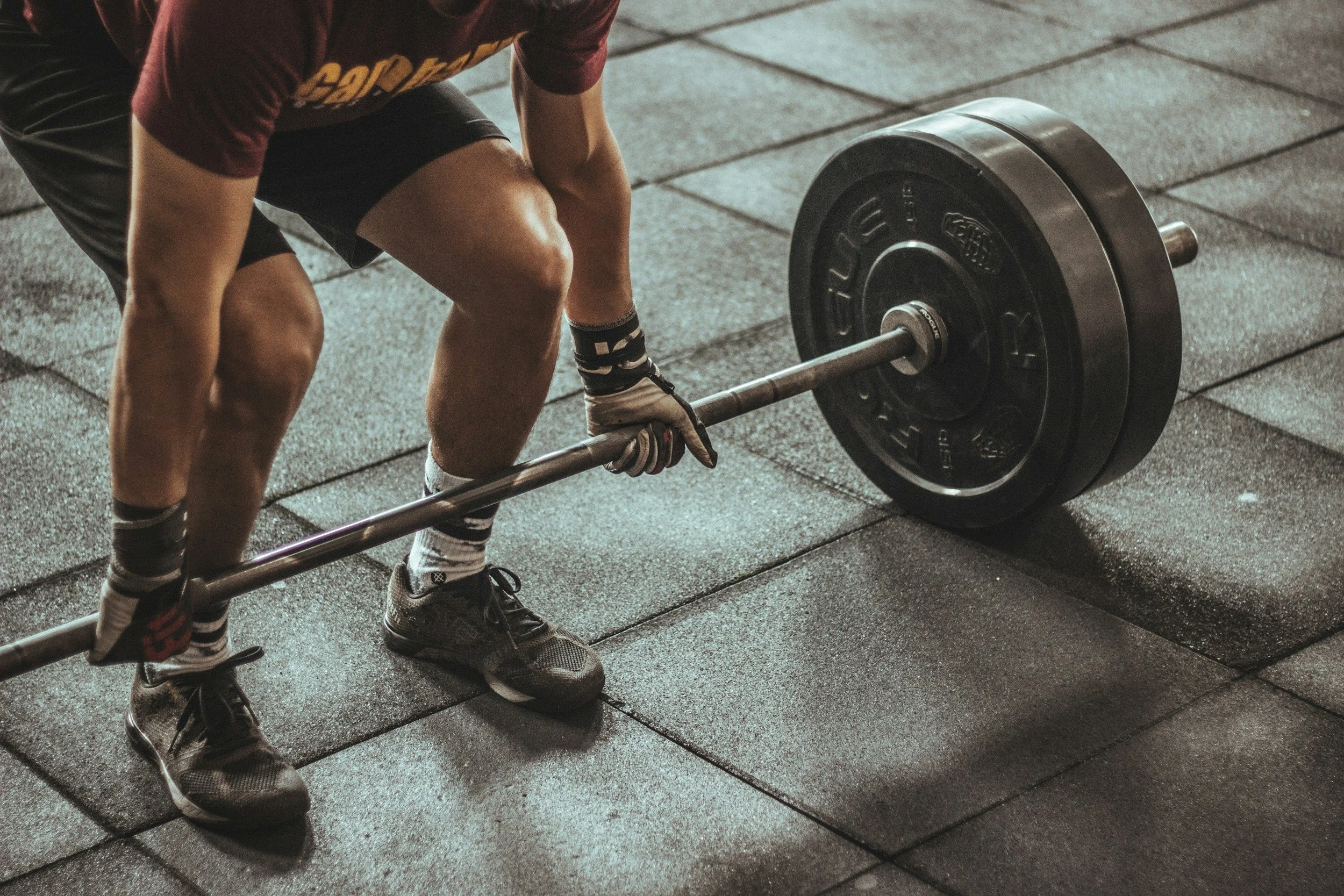
Any daily activity that requires heavy, sustained, or highly repetitive gripping combined with rapid wrist extension or flexion can severely and chronically overload these delicate tendons. In our bustling Queen West clinic, we see this most often from poor, un-ergonomic typing setups, repetitive mouse clicking for 8 hours a day, heavy, uncontrolled weightlifting, and manual trades like construction, carpentry, or plumbing.
Micro-trauma in Extensor Tendons
In the case of Tennis Elbow, this relentless, repetitive, daily stress causes microscopic trauma specifically in the Extensor Carpi Radialis Brevis (ECRB) tendon, a relatively small muscle responsible for cocking the wrist back and stabilizing it during gripping.
Because tendons inherently suffer from poor, limited blood flow, the body's natural, biological healing cascade struggles to repair these microscopic tears fast enough to keep up with the daily damage. This leads to a permanent state of "failed healing" (clinically called tendinosis), characterized by chronic, low-grade aching pain, severe structural weakening, and physical disorganization of the tendon's collagen fibers, making it highly susceptible to sudden rupture.
Evidence-Based Treatment at Rehab Mechanics
Passive, old-school treatments like simply resting completely, popping anti-inflammatories, or blindly icing the elbow are almost never enough to cure chronic, degenerative epicondylitis; they merely mask the symptoms temporarily while the tissue continues to degrade.
Our clinic utilizes advanced, active loading strategies and cutting-edge modalities to physically remodel, thicken, and strengthen the damaged tendon tissue from the inside out, creating a permanent, resilient fix.
Comprehensive Load Management
The first crucial, non-negotiable step in our clinical protocol is identifying and temporarily modifying the specific daily activities that are actively aggravating your elbow. We do not want you to stop moving or immobilize the arm, but we must strictly control the strain.
Once the acute, highly painful flare-up is managed through manual therapy and modalities, we implement a highly specific, carefully progressive loading protocol. This is designed to safely build stress capacity and mechanical tolerance back into the tendon without causing further destructive micro-trauma or setting you back to square one.
Eccentric Strengthening Programs
The absolute cornerstone of modern, evidence-based tendon rehabilitation is eccentric exercise. This is a highly specific protocol that focuses on heavily, slowly loading the muscle while it is actively lengthening under tension, rather than shortening (concentric).
This specific, high-tension mechanical stress uniquely stimulates the tendon cells (tenocytes) to synthesize new, healthy collagen. Furthermore, the eccentric tension actively aligns those brand-new tissue fibers properly along the line of stress, smoothing out the disorganized scar tissue and rebuilding the tendon thicker, stronger, and far more resilient than before the injury.
The Tyler Twist Protocol
For our patients suffering from debilitating Tennis Elbow, we frequently utilize specialized clinical tools like the Theraband FlexBar to teach, cue, and execute the "Tyler Twist."
This specific, highly researched eccentric exercise protocol has been clinically proven in multiple, peer-reviewed sports medicine studies to dramatically reduce elbow pain, restore dense, healthy muscle tissue, and massively improve functional grip strength in patients suffering from even the most stubborn, long-standing cases of lateral epicondylitis. It puts the power of healing directly into the patient's hands.
About the Author
Mr. Sanjay Attwala (B.Sc., M.Sc., RPT) is a Registered Physiotherapist, clinical director, and the founder of Rehab Mechanics in Toronto. With over 15 years of registered clinical practice and a deep specialization in complex musculoskeletal rehabilitation, Sanjay synthesizes rigorous international academic training with advanced evidence-based therapeutics to guide his clinical practice and patient education initiatives.
Academic Background & Credentials
Master of Science (M.Sc.) in Physiotherapy – University of Keele, United Kingdom (2010).
Bachelor of Science (B.Sc.) – University of Waterloo, Ontario, Canada.
Registered Physiotherapist (RPT) – Regulated health professional in excellent standing with the College of Physiotherapists of Ontario (CPO).
Corporate Entity – Operating officially under the S. Attwala Physiotherapy Professional Corporation with a DBA of Rehab Mechanics.
Clinical Expertise & Philosophy
Sanjay’s clinical approach rejects passive symptom management in favor of identifying underlying biomechanical root causes. His diverse expertise spans advanced manual therapies, personalized corrective exercise prescription, and modern physical modalities. At the Rehab Mechanics Toronto Queen West clinic, he routinely diagnoses and treats complex conditions including:
Spinal & Discogenic Pathology – Cervical, thoracic, and lumbar disc injuries, sciatica, and sacroiliac joint (SIJ) dysfunction.
Upper & Lower Extremity Injuries – Rotator cuff tears, frozen shoulder, tennis/golfer’s elbow, carpal tunnel syndrome, and complex ankle/foot pathologies.
Perinatal & Pelvic Health Rehabilitation – Specialized assessment and rehabilitation protocols tailored specifically for women during pregnancy and the post-partum period, addressing pelvic girdle pain, diastasis recti, and core stabilization.
Specialized Rehabilitation – Pelvic health therapy, TMJ dysfunction, post-surgical rehabilitation (including Total Hip and Total Knee Replacements), and custom orthotics dispensing.
Shockwave Therapy: with advanced cutting edge technological devices to suit your needs.
Interdisciplinary Practice & Patient Care
Sanjay practices an integrated model of healthcare, working closely alongside medical doctors inside the Prime Medical Centre on Abell Street to streamline patient recovery pathways. He maintains a human-centric, communication-first clinical framework, ensuring that care remains fully customized rather than automated.
His clinical caseload encompasses a broad operational spectrum under Ontario's regulatory frameworks, including:
Motor Vehicle Accident (MVA) Claims – Rehabilitation navigating Ontario’s statutory accident benefits schedule.
Workplace Safety and Insurance Board (WSIB) – Occupational injury management and return-to-work screening.
Extended Health Care (EHC) & Private Practice – Multi-tier insurance coordination and long-term athletic development plans.
Commitment to Research & Community
Outside of his clinical caseload at Rehab Mechanics and his additional practice affiliations in Etobicoke, Sanjay is an active health writer and community educator. He translates contemporary peer-reviewed medical research into accessible, actionable guidance on his professional blog. As a dedicated father and husband, he mirrors his professional advice in his personal life, focusing on structural mobility, cross-training, and longevity to help his family and his community thrive. Naturally he takes he a keen interest in rehabilitation for women who are pregnant and post-partum.
Disclaimer: The information provided on this blog is intended for educational and informational purposes only. It does not constitute medical advice, diagnosis, or a treatment plan. Always seek the direct advice of a Registered Physiotherapist, physician, or other qualified health provider regarding any medical condition or physical rehabilitation routine.
Be sure to check out Rehab Mechanics’ Google My Business Profile for daily posts, location and directions in addition to the directions on the website!
We love interacting with prospective and current patients, and love honest feedback and even constructive criticism and areas for improvement!