The Road to Recovery: Comprehensive Rehabilitation After a Knee Injury or Replacement
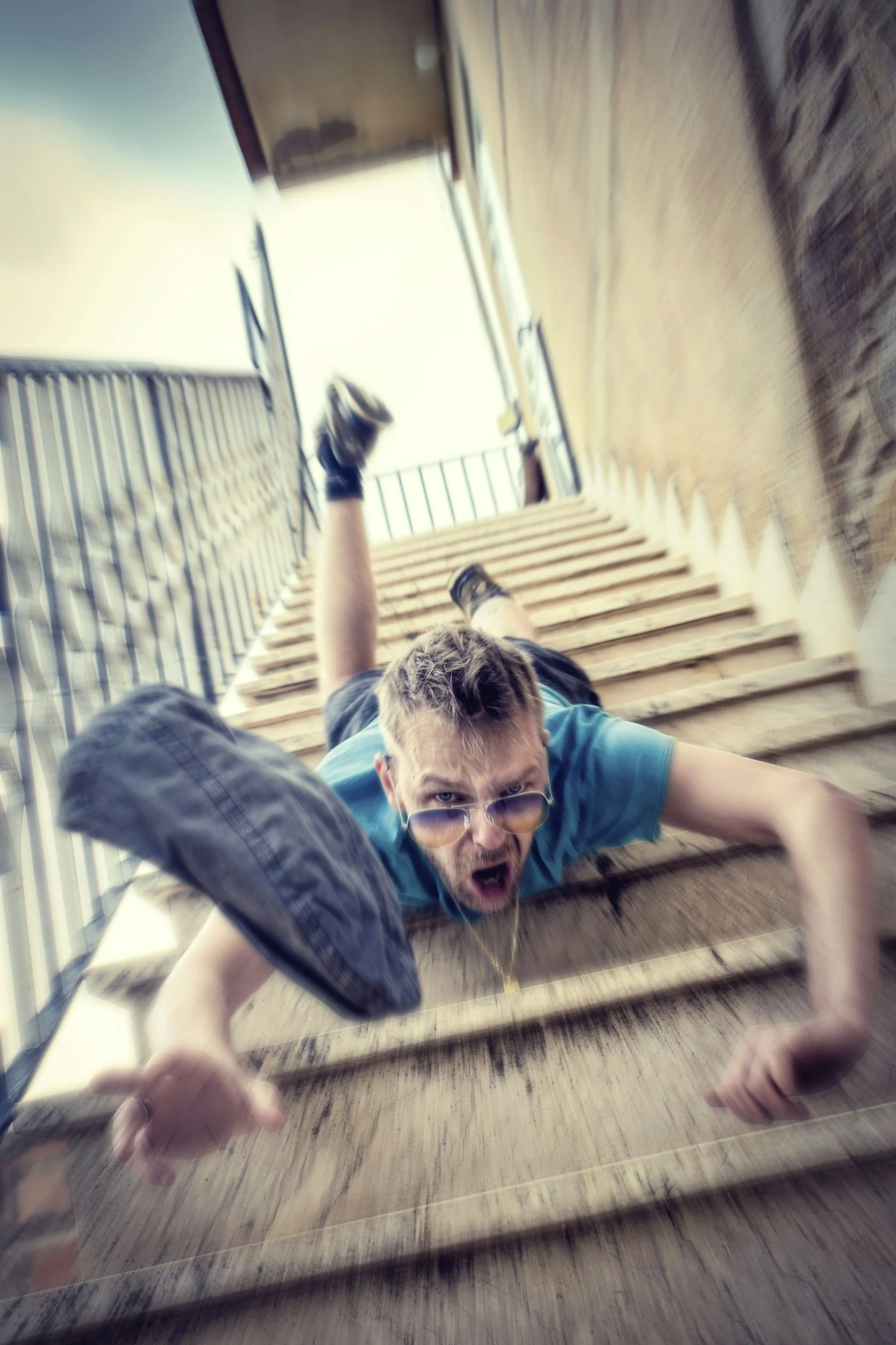
The knee is an incredibly complex, but inherently vulnerable joint. Whether you've suffered a sudden, devastating sports injury on the soccer field, twisted it awkwardly stepping off a slippery Toronto streetcar in the winter, or recently undergone major joint replacement surgery due to severe, bone-on-bone osteoarthritis, the path back to normalcy is challenging.
However, regaining full, confident, and pain-free knee function runs directly through focused, progressive, and targeted physiotherapy. At Rehab Mechanics, we guide you through every phase of tissue healing, mobility restoration, and strength building.
Vulnerabilities of the Knee Joint
To truly understand why knee injuries are so prevalent, you must understand its architectural predicament. The knee is a massive, major weight-bearing hinge joint, precariously situated directly between the body's two longest and most powerful lever arms: the femur (the heavy thigh bone) and the tibia (the shin bone).
Because it is caught in the middle of these two massive bones, this anatomy subjects the knee joint to absolutely massive rotational, shearing, and compressive forces during any dynamic movement, jumping, heavy lifting, or sudden changes of direction. It is essentially a hinge trying to perform in a multi-directional world, making it highly susceptible to torque-related trauma.
Common Knee Injuries Explained
Unlike the hip, which sits in a deep, highly stable bony socket, the knee relies heavily on soft tissues—ligaments, tendons, and cartilage—for its stability rather than deep bony architecture.
Consequently, acute injuries generally involve traumatic, tearing damage to the meniscus (the two critical, C-shaped pads of tough fibrocartilage that act as vital shock absorbers and joint lubricators between the bones) or the four primary stabilizing ligaments (the ACL, PCL, MCL, and LCL) that strap the bones together like strong ropes and prevent excessive, dangerous shifting.
Ligamental Tears
Tears to the crucial ligaments, particularly the highly discussed Anterior Cruciate Ligament (ACL), dramatically and instantly compromise the entire structural stability of the joint. Patients often report hearing a loud "pop" followed by massive swelling, and the knee often feels like it will "give out" or buckle under your own body weight.
Depending on the severity (from a mild Grade I sprain to a complete Grade III rupture), these injuries may require specialized rigid bracing, extensive conservative rehab to strengthen surrounding muscles to compensate for the lost ligament, or complex, invasive surgical reconstruction. Regardless of the path chosen (surgical or conservative), all scenarios absolutely require meticulous, rigorous, months-long physiotherapy management to restore function safely and prevent early-onset arthritis.
The Mechanism of a Pivot-Shift Injury
The classic, most common way to completely tear an ACL in sports is via a non-contact "pivot-shift" mechanism. This usually occurs during a sudden, rapid deceleration combined with a violent change of direction—such as planting the foot firmly on the turf while the upper body twists and the knee violently collapses inward (a state called dynamic valgus).
Rehabilitating this devastating injury requires far, far more than just strengthening the quadriceps muscles on leg extension machines. It requires completely re-training the central nervous system's neuromuscular control, proprioception (body awareness), and landing mechanics to recognize and actively, reflexively prevent this dangerous valgus collapse from ever happening again upon return to sport.
Post-Operative Physiotherapy at Rehab Mechanics
For patients whose structural damage is so severe that it necessitates orthopedic surgery (like an ACL reconstruction, meniscus repair, or joint replacement), rigorous, supervised post-operative physiotherapy is undeniably the single most critical factor in determining the long-term success of the procedure.
A great surgeon can fix the anatomy, but physiotherapy restores the function. Our protocols are designed to minimize permanent, restrictive scar tissue, safely guide the healing graft, and dictate whether you will safely return to your normal, active lifestyle or be plagued by chronic stiffness.
Total Knee Replacements (TKR)
We successfully guide countless older Toronto patients through the arduous, highly painful, but ultimately life-changing and highly rewarding process of Total Knee Replacement (TKR) rehabilitation.
Our early clinical focus in the days and weeks immediately following surgery is paramount: safely controlling the massive, pooling post-operative swelling, managing the acute surgical pain, preventing the formation of highly dangerous deep vein thrombosis (blood clots), and safely, progressively loading the brand-new titanium and plastic joint to build tissue tolerance and bone integration.
Restoring Range of Motion
The absolute primary, most time-sensitive, and often most painful goal immediately following a TKR is restoring full, active knee extension (the ability to lock the leg completely straight) and deep knee flexion (bending).
This window of opportunity is incredibly short; if aggressive, daily mobility work isn't done early, dense, fibrotic scar tissue (arthrofibrosis) can rapidly form inside the joint capsule. This scar tissue acts like internal superglue, permanently cementing the knee into a bent, severely restricted position that will cause a lifelong, painful limp and make ascending stairs nearly impossible.
Patellar Mobilization Techniques
To facilitate that deep, necessary bending required for normal, everyday activities like smoothly climbing stairs, getting out of a low car seat, or picking something off the floor, the kneecap (patella) must be able to glide smoothly, effortlessly, and without grinding up and down over the new prosthetic joint mechanism.
Our physiotherapists utilize highly specific, manual patellar mobilization techniques to actively stretch the tight, surgical retinaculum and forcefully prevent the kneecap from adhering to the underlying healing tissues. By breaking up these early adhesions, we ensure the newly reconstructed knee regains its fluid, natural, and pain-free biomechanics, allowing for a full return to functional life.
About the Author
Mr. Sanjay Attwala (B.Sc., M.Sc., RPT) is a Registered Physiotherapist, clinical director, and the founder of Rehab Mechanics in Toronto. With over 15 years of registered clinical practice and a deep specialization in complex musculoskeletal rehabilitation, Sanjay synthesizes rigorous international academic training with advanced evidence-based therapeutics to guide his clinical practice and patient education initiatives.
Academic Background & Credentials
Master of Science (M.Sc.) in Physiotherapy – University of Keele, United Kingdom (2010).
Bachelor of Science (B.Sc.) – University of Waterloo, Ontario, Canada.
Registered Physiotherapist (RPT) – Regulated health professional in excellent standing with the College of Physiotherapists of Ontario (CPO).
Corporate Entity – Operating officially under the S. Attwala Physiotherapy Professional Corporation with a DBA of Rehab Mechanics.
Clinical Expertise & Philosophy
Sanjay’s clinical approach rejects passive symptom management in favor of identifying underlying biomechanical root causes. His diverse expertise spans advanced manual therapies, personalized corrective exercise prescription, and modern physical modalities. At the Rehab Mechanics Toronto Queen West clinic, he routinely diagnoses and treats complex conditions including:
Spinal & Discogenic Pathology – Cervical, thoracic, and lumbar disc injuries, sciatica, and sacroiliac joint (SIJ) dysfunction.
Upper & Lower Extremity Injuries – Rotator cuff tears, frozen shoulder, tennis/golfer’s elbow, carpal tunnel syndrome, and complex ankle/foot pathologies.
Perinatal & Pelvic Health Rehabilitation – Specialized assessment and rehabilitation protocols tailored specifically for women during pregnancy and the post-partum period, addressing pelvic girdle pain, diastasis recti, and core stabilization.
Specialized Rehabilitation – Pelvic health therapy, TMJ dysfunction, post-surgical rehabilitation (including Total Hip and Total Knee Replacements), and custom orthotics dispensing.
Shockwave Therapy: with advanced cutting edge technological devices to suit your needs.
Interdisciplinary Practice & Patient Care
Sanjay practices an integrated model of healthcare, working closely alongside medical doctors inside the Prime Medical Centre on Abell Street to streamline patient recovery pathways. He maintains a human-centric, communication-first clinical framework, ensuring that care remains fully customized rather than automated.
His clinical caseload encompasses a broad operational spectrum under Ontario's regulatory frameworks, including:
Motor Vehicle Accident (MVA) Claims – Rehabilitation navigating Ontario’s statutory accident benefits schedule.
Workplace Safety and Insurance Board (WSIB) – Occupational injury management and return-to-work screening.
Extended Health Care (EHC) & Private Practice – Multi-tier insurance coordination and long-term athletic development plans.
Commitment to Research & Community
Outside of his clinical caseload at Rehab Mechanics and his additional practice affiliations in Etobicoke, Sanjay is an active health writer and community educator. He translates contemporary peer-reviewed medical research into accessible, actionable guidance on his professional blog. As a dedicated father and husband, he mirrors his professional advice in his personal life, focusing on structural mobility, cross-training, and longevity to help his family and his community thrive. Naturally he takes he a keen interest in rehabilitation for women who are pregnant and post-partum.
Disclaimer: The information provided on this blog is intended for educational and informational purposes only. It does not constitute medical advice, diagnosis, or a treatment plan. Always seek the direct advice of a Registered Physiotherapist, physician, or other qualified health provider regarding any medical condition or physical rehabilitation routine.
Be sure to check out Rehab Mechanics’ Google My Business Profile for daily posts, location and directions in addition to the directions on the website!
We love interacting with prospective and current patients, and love honest feedback and even constructive criticism and areas for improvement!