
TMJ Relief Exercises for Jaw Pain
Uncovering the Mystery Behind TMJ
Temporomandibular joint disorder is more than just occasional discomfort—it can disrupt daily routines and significantly impact quality of life. TMJ affects the jaw joint and surrounding muscles, leading to symptoms such as persistent pain, clicking sounds, and difficulty chewing. Whether you’re navigating busy city streets or relaxing in a suburban setting, understanding the root of your jaw pain is the first step toward effective relief.
In this section, you’ll discover:
Key Symptoms: Learn how pain that radiates to your neck or even ear discomfort can indicate underlying TMJ issues.
Daily Life Impact: Understand how chronic jaw tension might be affecting your sleep, stress levels, and overall mobility.
Practical Insights: Get introduced to simple techniques and early interventions that can alleviate discomfort while you seek detailed guidance.
By exploring these aspects, you can better identify when TMJ might be interfering with your work, leisure, or routine activities. With a clear understanding of the signs and symptoms, you’re now equipped to take proactive steps toward managing jaw discomfort and reclaiming your comfort and well-being.
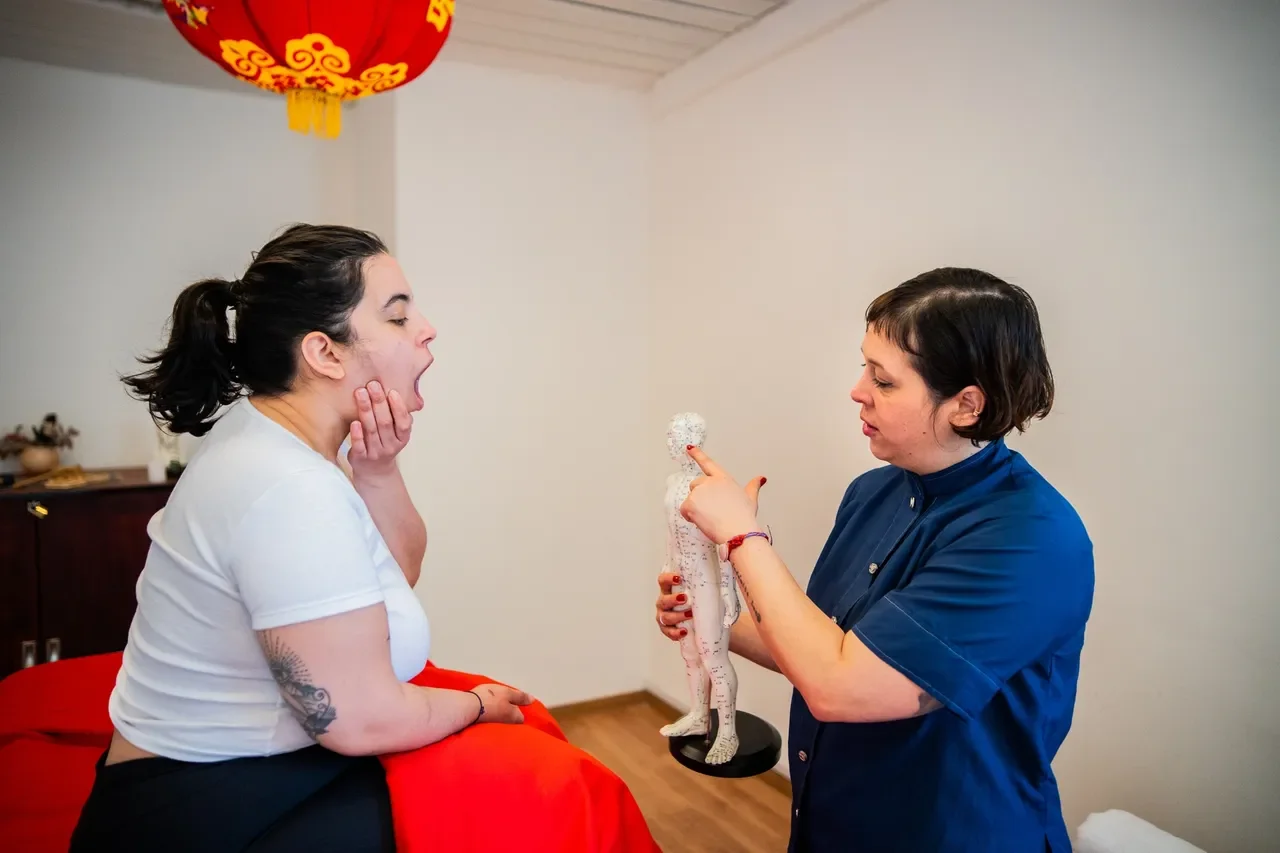
Unlock Effective Jaw Pain Relief Techniques
Experience a noticeable shift in your comfort by following these step-by-step TMJ relief exercises. Begin by ensuring you’re in a relaxed, quiet environment that allows you to focus on soft, controlled movements.
Warm-Up and Relaxation • Sit comfortably with your shoulders relaxed. • Gently massage your jaw muscles using circular motions for 1-2 minutes, releasing initial tension.
Controlled Jaw Movements • Slowly open your mouth to a comfortable degree, then close it smoothly—repeat 10 times. • Maintain a steady rhythm, focusing on the joint’s smooth motion to reduce clicking sounds.
Resistance Training • Place your index finger under your chin. • Open your mouth slowly while resisting the movement with your finger. Perform this stretch for 15-20 seconds, then relax. • Repeat 3 times to build muscle balance and reduce strain.
Final Cool-Down • End with deep, mindful breathing to promote overall relaxation. • Gradually resume normal activities, ensuring that movements remain gentle.
Remember, consistency and careful practice yield the best results for reducing jaw discomfort and enhancing joint mobility, whether you’re at home or in a peaceful local setting.
Revitalize Your Routine for Improved Jaw Relief
When managing TMJ discomfort, small lifestyle adjustments can yield significant benefits for your jaw's health. Integrating mindful activities into your daily routine not only alleviates pain but also supports overall relaxation. Begin by incorporating stress-reduction practices such as meditation and deep breathing exercises. These methods help release tension stored in your jaw and neck, paving the way for smoother, pain-free movement.
Adopt practical strategies to transform everyday habits:
Ergonomic Adjustments: Modify your workspace to promote a natural head and neck posture. Ensure your computer screen is at eye level to minimize strain around the jaw.
Mindful Eating: Eat slowly and chew food carefully, avoiding overly hard or chewy items that can strain the jaw muscles.
Regular Stretching: Set aside time for gentle jaw and facial stretches. Consistent routines can alleviate tightness and promote circulation.
Whether you are in a bustling urban center or a quiet suburban neighborhood, these adaptable tips support comprehensive TMJ management. Embrace these holistic changes to create a balanced lifestyle that nurtures long-term jaw relief and overall well-being.
Frequently Asked Questions About TMJ Disorder
What are common causes of TMJ disorder? TMJ disorder can occur due to muscle tension from stress, habitual jaw clenching, or misalignment of the teeth. Many people also experience symptoms following trauma or injury, which can lead to inflammation and discomfort in the jaw joint.
How can self-care reduce jaw pain? Simple home remedies such as gentle jaw stretching, warm compresses, and avoiding excessive chewing help lower muscle tension. Regular self-care practices often lessen pain and promote smoother jaw movement.
What TMJ relief exercises are effective? Exercises like slowly opening and closing the mouth, gentle lateral jaw movements, and applying slight resistance are beneficial. These routines help maintain joint mobility and reduce inflammation over time.
When should I seek professional guidance? If pain persists or intensifies, contacting a healthcare professional is crucial to obtain a proper diagnosis and tailored treatment plan.
How do daily habits influence TMJ symptoms? Maintaining good posture and reducing stress in everyday activities can significantly ease jaw discomfort, supporting long-term relief and improved quality of life.
Final Thoughts: Empower Your Jaw Health Journey
Embracing a comprehensive approach to maintaining jaw health is key to achieving lasting relief and functional balance. Throughout this guide, we’ve explored the significance of mindful practices and tailored exercises that not only target TMJ discomfort but also prevent future issues. As you incorporate these routines into your daily life, remember that consistent care is essential for long-term benefits.
Action steps to sustain and improve your jaw function include:
Daily Exercise: Commit to a series of relaxing stretches and strength-building movements designed specifically for the jaw.
Mindful Monitoring: Pay attention to any signs of tension or pain and adjust your routine accordingly.
Balanced Lifestyle: Integrate techniques such as stress management and proper hydration to enhance overall wellbeing.
By adopting these proactive measures, you can alleviate discomfort while cultivating a stable, resilient jaw. Whether you’re at home, in your local neighborhood, or while traveling, these actionable tips empower you to take control of your TMJ health. Trust in your efforts and keep exploring personalized ways to achieve a pain-free, confident smile, knowing that every step you take contributes to a healthier future.
About the Author
Mr. Sanjay Attwala (B.Sc., M.Sc., RPT) is a Registered Physiotherapist, clinical director, and the founder of Rehab Mechanics in Toronto. With over 15 years of registered clinical practice and a deep specialization in complex musculoskeletal rehabilitation, Sanjay synthesizes rigorous international academic training with advanced evidence-based therapeutics to guide his clinical practice and patient education initiatives.
Academic Background & Credentials
Master of Science (M.Sc.) in Physiotherapy – University of Keele, United Kingdom (2010).
Bachelor of Science (B.Sc.) – University of Waterloo, Ontario, Canada.
Registered Physiotherapist (RPT) – Regulated health professional in excellent standing with the College of Physiotherapists of Ontario (CPO).
Corporate Entity – Operating officially under the S. Attwala Physiotherapy Professional Corporation with a DBA of Rehab Mechanics.
Clinical Expertise & Philosophy
Sanjay’s clinical approach rejects passive symptom management in favor of identifying underlying biomechanical root causes. His diverse expertise spans advanced manual therapies, personalized corrective exercise prescription, and modern physical modalities. At the Rehab Mechanics Toronto Queen West clinic, he routinely diagnoses and treats complex conditions including:
Spinal & Discogenic Pathology – Cervical, thoracic, and lumbar disc injuries, sciatica, and sacroiliac joint (SIJ) dysfunction.
Upper & Lower Extremity Injuries – Rotator cuff tears, frozen shoulder, tennis/golfer’s elbow, carpal tunnel syndrome, and complex ankle/foot pathologies.
Perinatal & Pelvic Health Rehabilitation – Specialized assessment and rehabilitation protocols tailored specifically for women during pregnancy and the post-partum period, addressing pelvic girdle pain, diastasis recti, and core stabilization.
Specialized Rehabilitation – Pelvic health therapy, TMJ dysfunction, post-surgical rehabilitation (including Total Hip and Total Knee Replacements), and custom orthotics dispensing.
Shockwave Therapy: with advanced cutting edge technological devices to suit your needs.
Interdisciplinary Practice & Patient Care
Sanjay practices an integrated model of healthcare, working closely alongside medical doctors inside the Prime Medical Centre on Abell Street to streamline patient recovery pathways. He maintains a human-centric, communication-first clinical framework, ensuring that care remains fully customized rather than automated.
His clinical caseload encompasses a broad operational spectrum under Ontario's regulatory frameworks, including:
Motor Vehicle Accident (MVA) Claims – Rehabilitation navigating Ontario’s statutory accident benefits schedule.
Workplace Safety and Insurance Board (WSIB) – Occupational injury management and return-to-work screening.
Extended Health Care (EHC) & Private Practice – Multi-tier insurance coordination and long-term athletic development plans.
Commitment to Research & Community
Outside of his clinical caseload at Rehab Mechanics and his additional practice affiliations in Etobicoke, Sanjay is an active health writer and community educator. He translates contemporary peer-reviewed medical research into accessible, actionable guidance on his professional blog. As a dedicated father and husband, he mirrors his professional advice in his personal life, focusing on structural mobility, cross-training, and longevity to help his family and his community thrive. Naturally he takes he a keen interest in rehabilitation for women who are pregnant and post-partum.
Disclaimer: The information provided on this blog is intended for educational and informational purposes only. It does not constitute medical advice, diagnosis, or a treatment plan. Always seek the direct advice of a Registered Physiotherapist, physician, or other qualified health provider regarding any medical condition or physical rehabilitation routine.