
Why Pre-hab is Key for Athletes
Unlock Your Athletic Potential Through Pre-hab
Before diving into intense training, understanding the foundation of pre-hab versus traditional rehab is essential for every athlete. Pre-hab focuses on proactive conditioning, preparing your body to tackle high-impact activities before any injury occurs. This approach enhances strength, mobility, and overall performance, establishing a resilient framework that supports both athletic pursuits and everyday activities.
In this guide, you will uncover:
The core differences between pre-hab and rehabilitation, emphasizing prevention over recovery.
Key strategies to integrate pre-hab exercises into your warm-up routines.
Actionable tips for maintaining joint stability and muscle balance, especially in busy local training centers or community gyms.
By adopting a pre-hab mindset, athletes can reduce injury risks and maximize their training outcomes. Embrace this preventive strategy to stay one step ahead, ensuring that each session builds your physical capacity sustainably. Prepare to learn how smart, tailored pre-hab routines not only safeguard your performance but also set the stage for long-term athletic success.
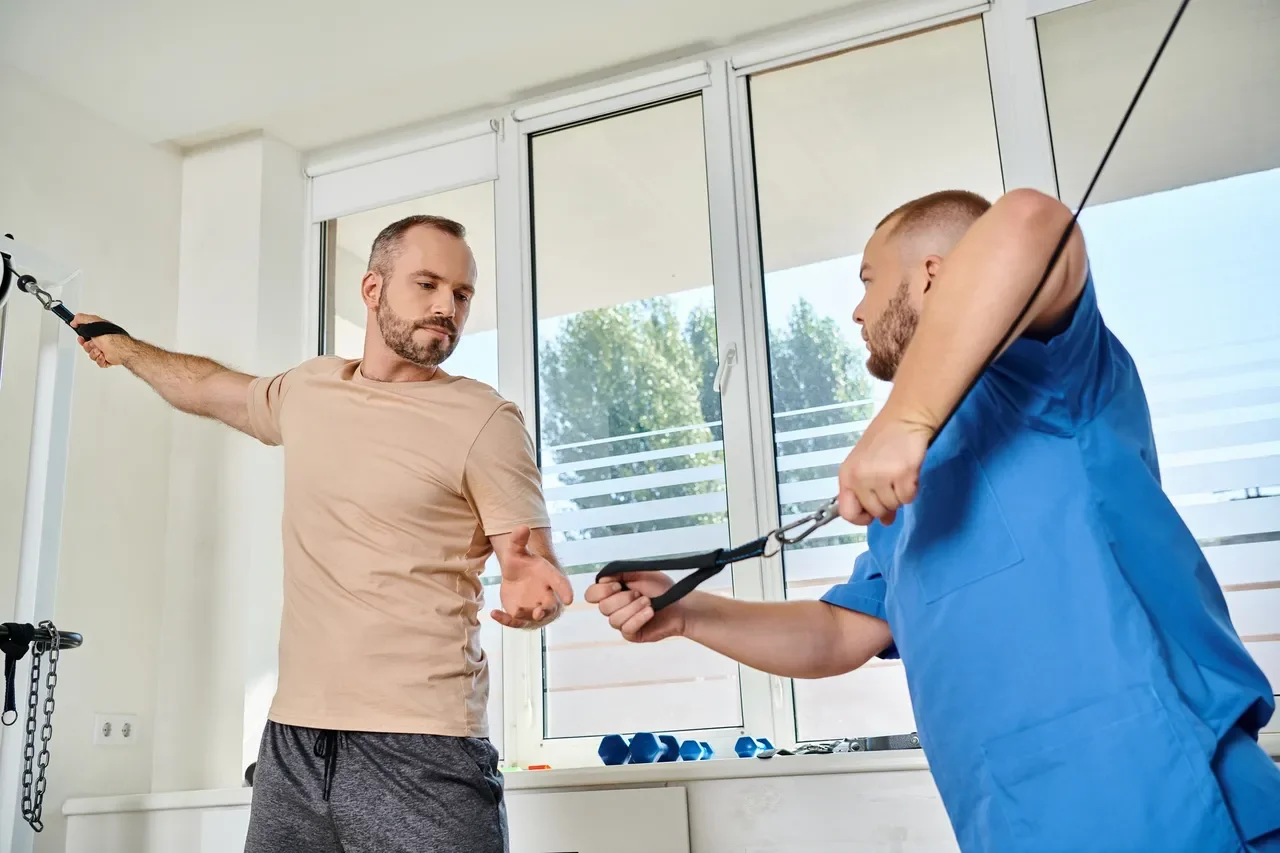
Proactive Pre-Hab: Strengthening Foundations Before Injury
Pre-hab is all about taking early preventive action to maintain peak performance and reduce the risk of injury before issues become serious. Unlike traditional rehab, which kicks in after an injury has occurred, pre-hab uses targeted exercises and proactive strategies to fortify muscles, enhance joint stability, and improve overall movement patterns. This forward-thinking approach is not only beneficial for athletes but also for active individuals looking to sustain their performance in everyday activities.
Key components of pre-hab include:
Strength Training: Consistent routines that build core and peripheral strength.
Flexibility and Mobility: Stretching and dynamic movements that ensure joints move freely.
Balance and Coordination: Drills that help maintain control and improve reaction times.
By integrating pre-hab into your routine, you can address muscle imbalances and prevent overuse injuries early on. Whether training in urban gym facilities or enjoying outdoor sessions in local parks, pre-hab provides actionable, practical strategies to keep you performing at your best—cementing a strong foundation that supports resilience and longevity in all your athletic pursuits.
Pre-hab: Building a Resilient Athletic Foundation
Incorporating pre-hab techniques into your training routine can transform the way you approach athletic performance. Pre-hab is not just about recovery—it’s about proactively strengthening muscles, improving mobility, and fortifying joints to withstand the physical demands of sports. Integrating these exercises can lead to fewer injuries and smoother performance, setting the stage for a sustainable athletic career.
Key benefits of pre-hab include:
Enhanced Injury Prevention: Regular mobility and stability routines help safeguard vulnerable joints and reduce the risk of sprains, strains, and overuse injuries.
Improved Performance Metrics: A well-rounded pre-hab regimen can lead to better muscle balance, agility, and overall biomechanics during high-intensity activities.
Long-Term Durability: Consistency in preventive exercises ensures that your body remains robust as you train, whether you’re on urban tracks or local athletic fields.
Athletes seeking practical ways to maintain peak performance can benefit greatly from blending strength, balance, and flexibility exercises into their regimen. This proactive approach not only optimizes performance on game day but also provides a roadmap for a long-lasting, injury-free career in sports.
Mastering Pre-hab to Boost Athletic Longevity
Incorporating pre-hab into your training routine can be a game changer for injury prevention and overall performance. Follow these actionable steps to weave pre-hab seamlessly into your workout regimen:
Warm-Up and Mobility Drills: Begin each session with dynamic warm-ups to prime muscles and joints. Incorporate movements such as leg swings, arm circles, and gentle lunges to increase blood flow.
Targeted Strength Exercises: Focus on exercises that stabilize key muscles. For instance, include:
Core stabilization: Planks and side bridges.
Joint-focused movements: Resistance band work for hips and knees.
Balance drills: Single-leg squats and stability ball exercises.
Flexibility and Recovery: Dedicate time to stretching routines post-workout. Emphasize hamstring and calf flexibility to support lower limb mechanics.
Routine Progression: Start with low-intensity movements and slowly increase difficulty. Adjust frequency and resistance based on local training conditions, such as gym availability or outdoor spaces.
Tip: Maintain consistency and listen to your body’s feedback to adjust the intensity and frequency of these pre-hab exercises. This step-by-step approach not only fortifies your body but also ensures long-term athletic performance and mobility.
Essential FAQs on Pre-hab & Rehab for Peak Athletic Performance
What exactly is pre-hab and how does it differ from rehab? Pre-hab involves proactive exercises designed to strengthen muscles and improve mobility, reducing the chance of injury before it occurs. In contrast, rehab focuses on recovery and restoring function after an injury has already happened.
How can pre-hab routines minimize injury risks for athletes? Incorporating pre-hab exercises helps enhance stability, balance, and joint mobility. This proactive approach prepares the body for intense training, making it easier for athletes to perform confidently whether training on urban tracks, local gyms, or outdoor fields.
What kind of exercises work best in a pre-hab program? Typically, dynamic stretching, balance drills, and core-strengthening workouts are recommended. These exercises boost coordination and endurance, addressing common areas of weakness.
When should athletes integrate pre-hab into their training schedules? It is best to include pre-hab routines during every training session as a warm-up or cool-down activity, ensuring continual protection and performance improvements.
How can athletes personalize their pre-hab and rehab plans? Customization is key; focus on exercises that target sport-specific muscles and address personal areas of vulnerability for optimal long-term performance and joint health.
Embracing a Holistic Pre-hab Strategy
In wrapping up our exploration of pre-hab, remember that an integrated approach is essential for sustainable sports health and longevity. Pre-hab isn't merely a collection of exercises but a comprehensive mindset that prepares your body for the demands of athletic performance. Incorporating tailored movement screenings, targeted strength training, and flexibility routines lays the foundation for injury prevention and optimal performance.
Key next steps include:
Consistency in Practices: Commit to a regular pre-hab routine that adapts to your evolving training needs.
Balance and Variation: Combine strength, flexibility, and mobility exercises to address all critical areas.
Mindful Movement: Focus on proper alignment and form during each session to reinforce long-term joint and muscle health.
By integrating these practical guidelines into your fitness regimen, you'll reduce the risk of injury while bolstering overall resilience. Keep challenging yourself with incremental improvements, and let each pre-hab session serve as a building block towards a more secure, robust athletic future. Stay proactive, stay informed, and take decisive steps today to ensure a lifetime of active, pain-free living.
About the Author
Mr. Sanjay Attwala (B.Sc., M.Sc., RPT) is a Registered Physiotherapist, clinical director, and the founder of Rehab Mechanics in Toronto. With over 15 years of registered clinical practice and a deep specialization in complex musculoskeletal rehabilitation, Sanjay synthesizes rigorous international academic training with advanced evidence-based therapeutics to guide his clinical practice and patient education initiatives.
Academic Background & Credentials
Master of Science (M.Sc.) in Physiotherapy – University of Keele, United Kingdom (2010).
Bachelor of Science (B.Sc.) – University of Waterloo, Ontario, Canada.
Registered Physiotherapist (RPT) – Regulated health professional in excellent standing with the College of Physiotherapists of Ontario (CPO).
Corporate Entity – Operating officially under the S. Attwala Physiotherapy Professional Corporation with a DBA of Rehab Mechanics.
Clinical Expertise & Philosophy
Sanjay’s clinical approach rejects passive symptom management in favor of identifying underlying biomechanical root causes. His diverse expertise spans advanced manual therapies, personalized corrective exercise prescription, and modern physical modalities. At the Rehab Mechanics Toronto Queen West clinic, he routinely diagnoses and treats complex conditions including:
Spinal & Discogenic Pathology – Cervical, thoracic, and lumbar disc injuries, sciatica, and sacroiliac joint (SIJ) dysfunction.
Upper & Lower Extremity Injuries – Rotator cuff tears, frozen shoulder, tennis/golfer’s elbow, carpal tunnel syndrome, and complex ankle/foot pathologies.
Perinatal & Pelvic Health Rehabilitation – Specialized assessment and rehabilitation protocols tailored specifically for women during pregnancy and the post-partum period, addressing pelvic girdle pain, diastasis recti, and core stabilization.
Specialized Rehabilitation – Pelvic health therapy, TMJ dysfunction, post-surgical rehabilitation (including Total Hip and Total Knee Replacements), and custom orthotics dispensing.
Shockwave Therapy: with advanced cutting edge technological devices to suit your needs.
Interdisciplinary Practice & Patient Care
Sanjay practices an integrated model of healthcare, working closely alongside medical doctors inside the Prime Medical Centre on Abell Street to streamline patient recovery pathways. He maintains a human-centric, communication-first clinical framework, ensuring that care remains fully customized rather than automated.
His clinical caseload encompasses a broad operational spectrum under Ontario's regulatory frameworks, including:
Motor Vehicle Accident (MVA) Claims – Rehabilitation navigating Ontario’s statutory accident benefits schedule.
Workplace Safety and Insurance Board (WSIB) – Occupational injury management and return-to-work screening.
Extended Health Care (EHC) & Private Practice – Multi-tier insurance coordination and long-term athletic development plans.
Commitment to Research & Community
Outside of his clinical caseload at Rehab Mechanics and his additional practice affiliations in Etobicoke, Sanjay is an active health writer and community educator. He translates contemporary peer-reviewed medical research into accessible, actionable guidance on his professional blog. As a dedicated father and husband, he mirrors his professional advice in his personal life, focusing on structural mobility, cross-training, and longevity to help his family and his community thrive. Naturally he takes he a keen interest in rehabilitation for women who are pregnant and post-partum.
Disclaimer: The information provided on this blog is intended for educational and informational purposes only. It does not constitute medical advice, diagnosis, or a treatment plan. Always seek the direct advice of a Registered Physiotherapist, physician, or other qualified health provider regarding any medical condition or physical rehabilitation routine.