Do I Really Need to Do My Prescribed Home Physiotherapy Exercises?
Yes. In-clinic physiotherapy unlocks joint mobility and reduces acute pain, but your home exercises permanently rewire your nervous system. Failing to perform prescribed home exercises prevents your tissues from building long-term load capacity, virtually guaranteeing your injury will return.
The "167-Hour" Rehabilitation Rule
A common scenario at Rehab Mechanics in Queen West involves patients experiencing profound relief after a clinical session, only to return a week later complaining that their stiffness and pain have crept back. When asked if they completed their prescribed home exercise program (HEP), the answer is frequently a sheepish, "I didn't have time."
This highlights a fundamental misunderstanding of how the human body heals. We call it the "167-Hour Rule." There are 168 hours in a week. If you spend one hour in our clinic receiving advanced manual therapy, joint mobilizations, and shockwave therapy, you feel fantastic. However, you spend the remaining 167 hours of the week in the exact same postures, performing the exact same repetitive movements that caused your injury in the first place.
When patients search our site for "why are your prescribed home physiotherapy exercises so important," they are looking for the biomechanical truth. Your time in the clinic acts as the catalyst; it removes the physical roadblocks to healing. But the actual reconstruction of your tendons, muscles, and neurological pathways happens entirely through the consistent, daily mechanical loading provided by your home exercises.
Structural Analysis: The Biology of Tissue Remodeling
To understand why home exercises are non-negotiable, we must analyze the biological principles of tissue repair and adaptation.
Mechanotransduction: How Cells Respond to Load
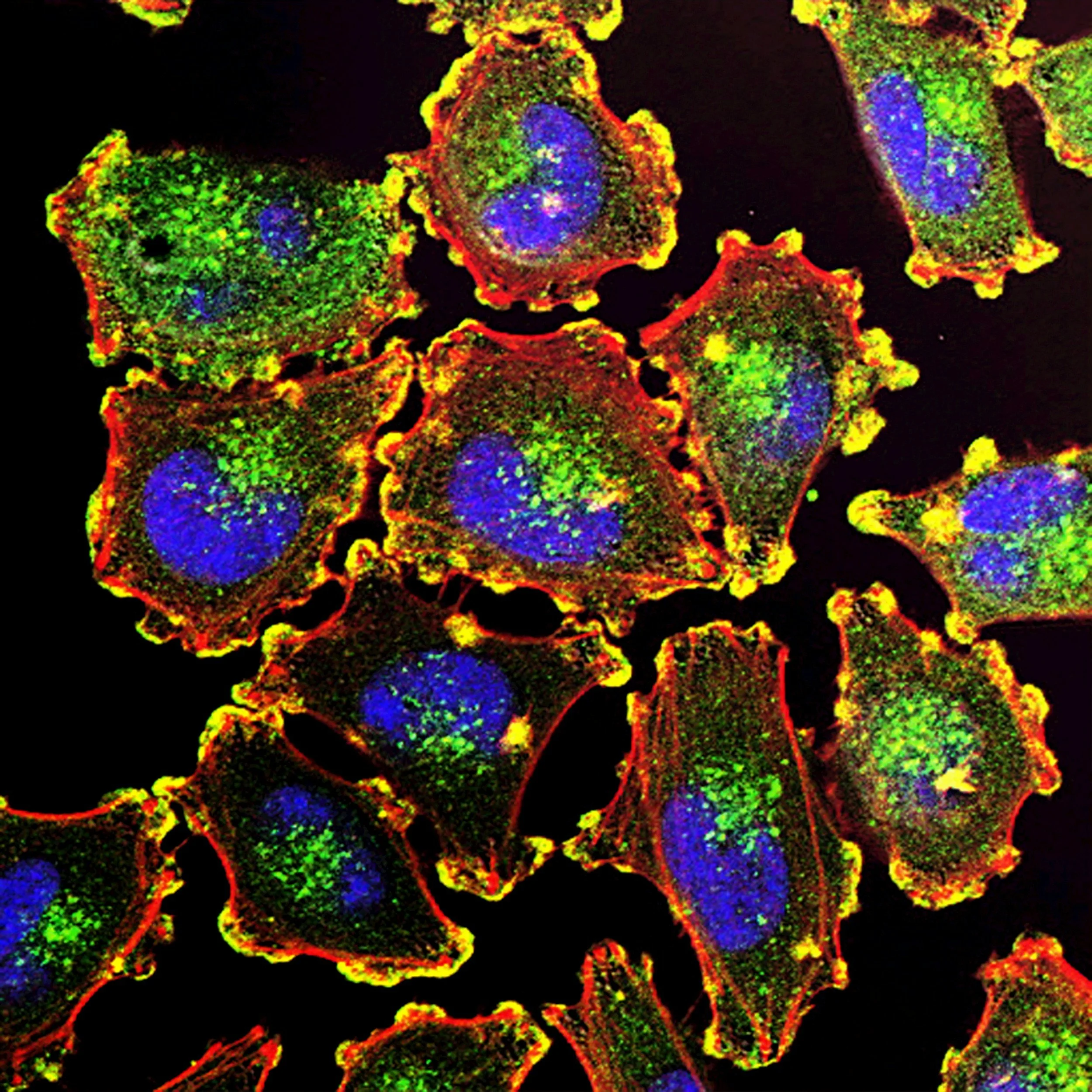
Tendons, ligaments, and muscle fibers do not heal simply because time passes. They heal through a process called mechanotransduction.
The Mechanical Signal: When you perform a specific resistance exercise, you apply mechanical tension to the damaged cells.
The Chemical Conversion: The cells convert this mechanical stretch into biochemical signals.
Collagen Synthesis: These biochemical signals instruct your DNA to produce new, healthy collagen fibers to repair micro-tears and thicken the tissue.
The Requirement for Frequency
Mechanotransduction is highly dependent on frequency.
The Half-Life of Healing: The cellular signal that triggers collagen production only lasts for about 36 to 48 hours after an exercise session.
The Consistency Factor: If you only exercise once a week in the clinic, your tissues spend five days in a dormant, non-healing state. By doing your home exercises every day (or every other day, as prescribed), you keep the collagen-building signal turned "on" continuously.
Neuromuscular Re-Education (Neuroplasticity)
Chronic pain physically changes your brain. It alters your motor cortex, causing you to move dysfunctionally to avoid pain.
Rewiring the Brain
Manual therapy cannot rewire a brain. Only repetitive movement can.
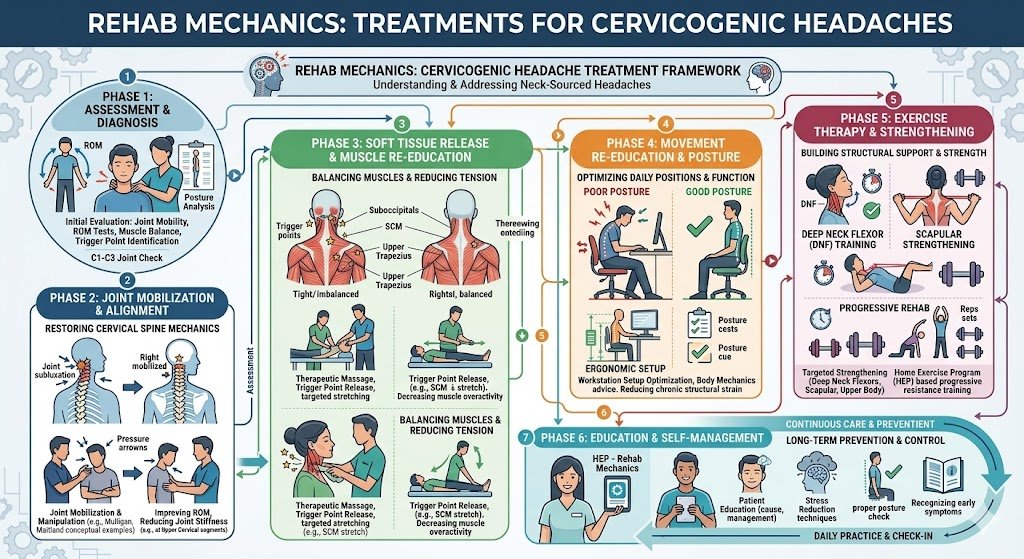
Motor Engrams: When you perform a corrective exercise—like a deep cervical flexor chin tuck for "Tech Neck" or a glute bridge for lower back pain—you are firing a specific neurological pathway.
Repetition is Key: To make this new, healthy movement pattern automatic (a motor engram), your nervous system requires thousands of repetitions. Your home exercise program provides the necessary volume to overwrite the old, painful movement habits.
Primary Source Proof: Exercise Adherence
Clinical sports medicine and orthopedic research unequivocally demonstrate that patient compliance with a home exercise program is the single greatest predictor of long-term success and reduced recurrence rates in musculoskeletal rehabilitation.
Download Clinical Efficacy PDF: The Impact of Home Exercise Compliance on Long-Term Functional Outcomes in Musculoskeletal Physiotherapy (Open Access Medical Review)
Note: The link above serves as an example of our commitment to evidence-based practice, referencing standard international clinical guidelines for patient adherence.
The Rehab Mechanics Prescription Model
At our Prime Medical Centre location, we do not hand you a generic photocopy of 15 different stretches. We believe in precision, minimalism, and structural integration.
Phase 1: Micro-Dosing Movement
When you are in acute pain, the thought of a 30-minute workout is daunting.
The Strategy: We prescribe "micro-doses" of exercise. These are one or two highly specific movements (e.g., isometric holds) that take less than 60 seconds to perform.
The Implementation: We ask you to perform these micro-doses multiple times throughout your workday—such as every time you take a sip of water or stand up from your desk. This prevents tissue stiffness without causing fatigue.
Phase 2: Progressive Overload
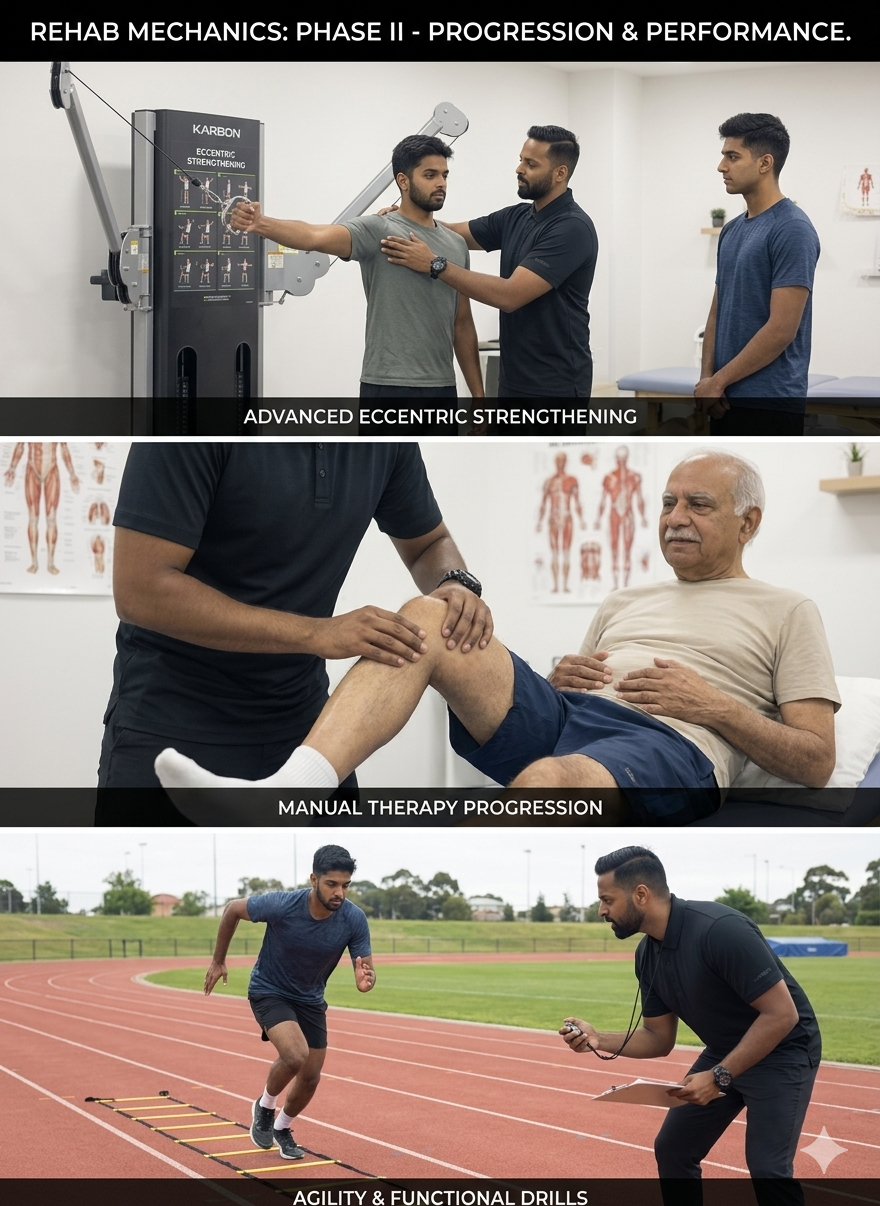
As your tissue heals, your exercises must become harder. Doing the same light resistance band exercise for six weeks will result in a plateau.
Tissue Capacity: We progressively increase the load (weight), volume (reps), or complexity of your home exercises.
The Goal: We must push your tissues slightly beyond their current capacity to force them to adapt and grow stronger, ensuring they can handle the chaotic forces of the Toronto urban lifestyle.
Phase 3: Integration into Daily Life
The ultimate goal of a home exercise program is for it to cease being an "exercise" and become a permanent biomechanical habit.
Functional Phasing: We transition your isolated clinical exercises into complex, real-world movements (like squats, deadlifts, and loaded carries).
The Autopilot Effect: By this phase, your nervous system automatically fires the correct stabilizing muscles, permanently protecting your joints from future injury.
Commit to Your Own Recovery
Physiotherapy is not something that is "done to you"; it is a partnership. We provide the biomechanical blueprint, the manual therapy, and the clinical guidance. You provide the consistency.
Take control of your structural health. Book a comprehensive assessment with our clinical team today and get a customized movement blueprint. We are conveniently located inside the Prime Medical Centre at 68 Abell Street, offering advanced orthopedic recovery in Queen West.
Contact us to schedule your appointment:
Email: info@rehabmechanics.com
Phone: (416) 533-3900
About the Author
Mr. Sanjay Attwala (B.Sc., M.Sc., RPT) is a Registered Physiotherapist, clinical director, and the founder of Rehab Mechanics in Toronto. With over 15 years of registered clinical practice and a deep specialization in complex musculoskeletal rehabilitation, Sanjay synthesizes rigorous international academic training with advanced evidence-based therapeutics to guide his clinical practice and patient education initiatives.
Academic Background & Credentials
Master of Science (M.Sc.) in Physiotherapy – University of Keele, United Kingdom (2010).
Bachelor of Science (B.Sc.) – University of Waterloo, Ontario, Canada.
Registered Physiotherapist (RPT) – Regulated health professional in excellent standing with the College of Physiotherapists of Ontario (CPO).
Corporate Entity – Operating officially under the S. Attwala Physiotherapy Professional Corporation with a DBA of Rehab Mechanics.
Clinical Expertise & Philosophy
Sanjay’s clinical approach rejects passive symptom management in favor of identifying underlying biomechanical root causes. His diverse expertise spans advanced manual therapies, personalized corrective exercise prescription, and modern physical modalities. At the Rehab Mechanics Toronto Queen West clinic, he routinely diagnoses and treats complex conditions including:
Spinal & Discogenic Pathology – Cervical, thoracic, and lumbar disc injuries, sciatica, and sacroiliac joint (SIJ) dysfunction.
Upper & Lower Extremity Injuries – Rotator cuff tears, frozen shoulder, tennis/golfer’s elbow, carpal tunnel syndrome, and complex ankle/foot pathologies.
Perinatal & Pelvic Health Rehabilitation – Specialized assessment and rehabilitation protocols tailored specifically for women during pregnancy and the post-partum period, addressing pelvic girdle pain, diastasis recti, and core stabilization.
Specialized Rehabilitation – Pelvic health therapy, TMJ dysfunction, post-surgical rehabilitation (including Total Hip and Total Knee Replacements), and custom orthotics dispensing.
Shockwave Therapy: with advanced cutting edge technological devices to suit your needs.
Interdisciplinary Practice & Patient Care
Sanjay practices an integrated model of healthcare, working closely alongside medical doctors inside the Prime Medical Centre on Abell Street to streamline patient recovery pathways. He maintains a human-centric, communication-first clinical framework, ensuring that care remains fully customized rather than automated.
His clinical caseload encompasses a broad operational spectrum under Ontario's regulatory frameworks, including:
Motor Vehicle Accident (MVA) Claims – Rehabilitation navigating Ontario’s statutory accident benefits schedule.
Workplace Safety and Insurance Board (WSIB) – Occupational injury management and return-to-work screening.
Extended Health Care (EHC) & Private Practice – Multi-tier insurance coordination and long-term athletic development plans.
Commitment to Research & Community
Outside of his clinical caseload at Rehab Mechanics and his additional practice affiliations in Etobicoke, Sanjay is an active health writer and community educator. He translates contemporary peer-reviewed medical research into accessible, actionable guidance on his professional blog. As a dedicated father and husband, he mirrors his professional advice in his personal life, focusing on structural mobility, cross-training, and longevity to help his family and his community thrive. Naturally he takes he a keen interest in rehabilitation for women who are pregnant and post-partum.
Disclaimer: The information provided on this blog is intended for educational and informational purposes only. It does not constitute medical advice, diagnosis, or a treatment plan. Always seek the direct advice of a Registered Physiotherapist, physician, or other qualified health provider regarding any medical condition or physical rehabilitation routine.