
Infant Slide Injuries: microscopic look
Embracing Safety: A Closer Look at Infant Slide Injuries
When watching your little one enjoy the thrill of a slide, it's important to balance fun with safety. Parents and caregivers must stay alert to the subtle risks that playground slides can pose, such as the potential for leg injuries. Even seemingly benign play can sometimes lead to accidents that require extra attention and care.
Understanding these risks is the first step in preventing injuries. This section will introduce you to:
How common slide-related injuries occur in infants
Key safety precautions to implement during outdoor play
Practical tips for selecting age-appropriate equipment in community parks
As you read on, you'll discover actionable strategies that help mitigate the danger of broken legs, ensuring your child’s playtime remains both fun and secure. Emphasizing proper supervision, environmental awareness, and proactive safety measures can make a significant difference. Whether enjoying a busy city park or a quieter neighborhood playground, this guide aims to equip you with the knowledge to protect your young ones without compromising on their exploration and joy.

Identifying Common Slide Hazards for Infants
When enjoying playground equipment, even infants face unique challenges on slides. Several common slide features and everyday situations can create unexpected risks for little legs. Low-quality slide materials, steep angles, and hard plastic surfaces can lead to friction burns and minor impacts during descent. In some instances, a slide's age or improper maintenance—like worn-out cushioning or unstable steps—can further elevate the possibility of injury.
Practical tips to help mitigate these risks include:
Regular Safety Checks: Inspect slides for cracks, rust, or sliding surface deterioration.
Supervised Play: Always ensure infants are closely monitored during playtime.
Appropriate Slide Selection: Choose slides designed with gentle curves, non-abrasive surfaces, and built-in safety rails.
Weather Considerations: Avoid slide use when surfaces are wet or too hot, as these conditions further increase the risk of burns or slips.
By addressing these everyday hazards and carefully selecting well-maintained playground equipment, caregivers can create a safer environment. Focusing on these practical steps not only prevents common injuries but also fosters a more secure, enjoyable outdoor experience for infants and their families across local communities.
Smart Slide Safety: A Step-by-Step Guide
When enjoying playground time with infants, ensuring slide safety is key to preserving your little one’s leg health. Follow these steps to create a secure sliding experience that prevents injuries and builds confidence.
Inspect the Slide Thoroughly: Begin by examining the slide for uneven surfaces, sharp edges, or wear. Make sure the area is free from obstacles and debris that could cause falls.
Prepare Protective Gear: Use padded clothing or soft fabric accessories to cushion your baby’s legs. Avoid overly bulky outfits that may hinder movement, but add enough padding to mitigate impacts.
Set Up an Assisted Environment: Always maintain close supervision while your infant is using the slide. Hold their hand or offer gentle guidance during descents to ensure controlled movement.
Choose Age-Appropriate Slides and Settings: opt for slides with lower heights and built-in safety rails in community playgrounds or local parks. These features help reduce speed and minimize abrupt landings.
Follow-Up Check: After sliding, inspect your infant’s legs for any signs of irritation or injury. Take prompt action with first aid if necessary.
By implementing these practical steps, you can create a safer sliding environment that lets your child explore and enjoy while safeguarding their delicate legs.
Frequently Asked Questions on Infant Leg Injury Prevention
Q1: What common risks do infants face on slides? Infants are particularly vulnerable to leg injuries due to underdeveloped motor skills and fragile limbs. Risks include abrupt stops, improper sliding positions, and contact with hard surfaces that can lead to bruising or minor fractures.
Q2: How can I ensure the slide is safe for my infant? Before allowing your infant to slide, inspect the equipment for smooth edges and appropriate height. Look for slides designed with infant-safe features, such as soft landing zones and gentle slopes that reduce impact forces during use.
Q3: What precautions should I take during slide play? Active supervision is essential. Always remain within close proximity, ensuring your child uses the slide correctly. Consider limiting play time on slides to avoid overexertion and fatigue which can compromise stability.
Q4: Are there specific protective measures recommended? Yes, using cushioned mats at the slide base can provide extra protection. Additionally, consider appropriate clothing that reduces friction and minimizes the risk of scrape-related injuries.
Q5: What steps should be taken immediately after an injury occurs? Gently assess the situation and apply first aid if necessary. If the infant shows signs of pain or distress, consult a healthcare professional promptly to rule out any serious injury.
Creative Alternatives for Safer Play Environments
When rethinking playground setups for infants, considering alternative activities and slide modifications can significantly reduce risks of leg injuries. Redesigning play environments starts by integrating safety features combined with interactive elements that capture a child’s interest while limiting impact on little legs.
Consider these practical suggestions:
Gentler Slide Designs: Incorporate curved or spiral slides with cushioned, gradual inclines. This design minimizes abrupt stops and lowers the risk of impact injuries.
Interactive Play Zones: Instead of traditional slides, introduce water play areas, soft climbing structures, or mini ramps designed for low-impact movement. These alternatives encourage motor development without high-speed movements.
Layered Safety Measures: Add padded landing zones and non-slip surfaces to further protect walking and sliding activities.
Local Adaptations: Community playgrounds in suburban or urban settings can benefit from localized safety audits. Consulting with local experts on child-safe installations can provide insight tailored specifically to the area.
These proactive modifications not only enhance safety but also foster creative play. By incorporating these design elements and activities, parents can feel confident their local playgrounds offer an environment where fun and safety work hand in hand.
Concluding Safety: Prioritize Supervision and Secure Play Environments
Ensuring that infants enjoy slide play safely is a collaborative and ongoing effort. The key takeaway is that a vigilant, hands-on approach can be the difference between a fun outing and an unexpected injury. Supervision remains the cornerstone of safety—constant observation not only reassures caregivers but also quickly mitigates potential hazards. It’s crucial for parents, caregivers, and facility operators to implement basic yet effective safety measures, such as age-appropriate equipment and frequent safety checks of slides and surrounding areas.
Actionable next steps include:
Regular inspections: Examine slides for wear and tear.
Clear communication: Discuss safety rules with all caregivers.
Environment adjustments: Ensure soft landing zones and a clutter-free area around slides.
Structured supervision: Always assign a dedicated individual to monitor play.
By fostering a safe environment and proactive supervision, caregivers can reduce the risk of leg injuries and other accidental mishaps. Embrace these actionable tips to create a secure play space for your little ones, and let every slide adventure be filled with confidence and care. Continue exploring safety measures and stay committed to making playtime both joyful and secure.
About the Author
Mr. Sanjay Attwala (B.Sc., M.Sc., RPT) is a Registered Physiotherapist, clinical director, and the founder of Rehab Mechanics in Toronto. With over 15 years of registered clinical practice and a deep specialization in complex musculoskeletal rehabilitation, Sanjay synthesizes rigorous international academic training with advanced evidence-based therapeutics to guide his clinical practice and patient education initiatives.
Academic Background & Credentials
Master of Science (M.Sc.) in Physiotherapy – University of Keele, United Kingdom (2010).
Bachelor of Science (B.Sc.) – University of Waterloo, Ontario, Canada.
Registered Physiotherapist (RPT) – Regulated health professional in excellent standing with the College of Physiotherapists of Ontario (CPO).
Corporate Entity – Operating officially under the S. Attwala Physiotherapy Professional Corporation with a DBA of Rehab Mechanics.
Clinical Expertise & Philosophy
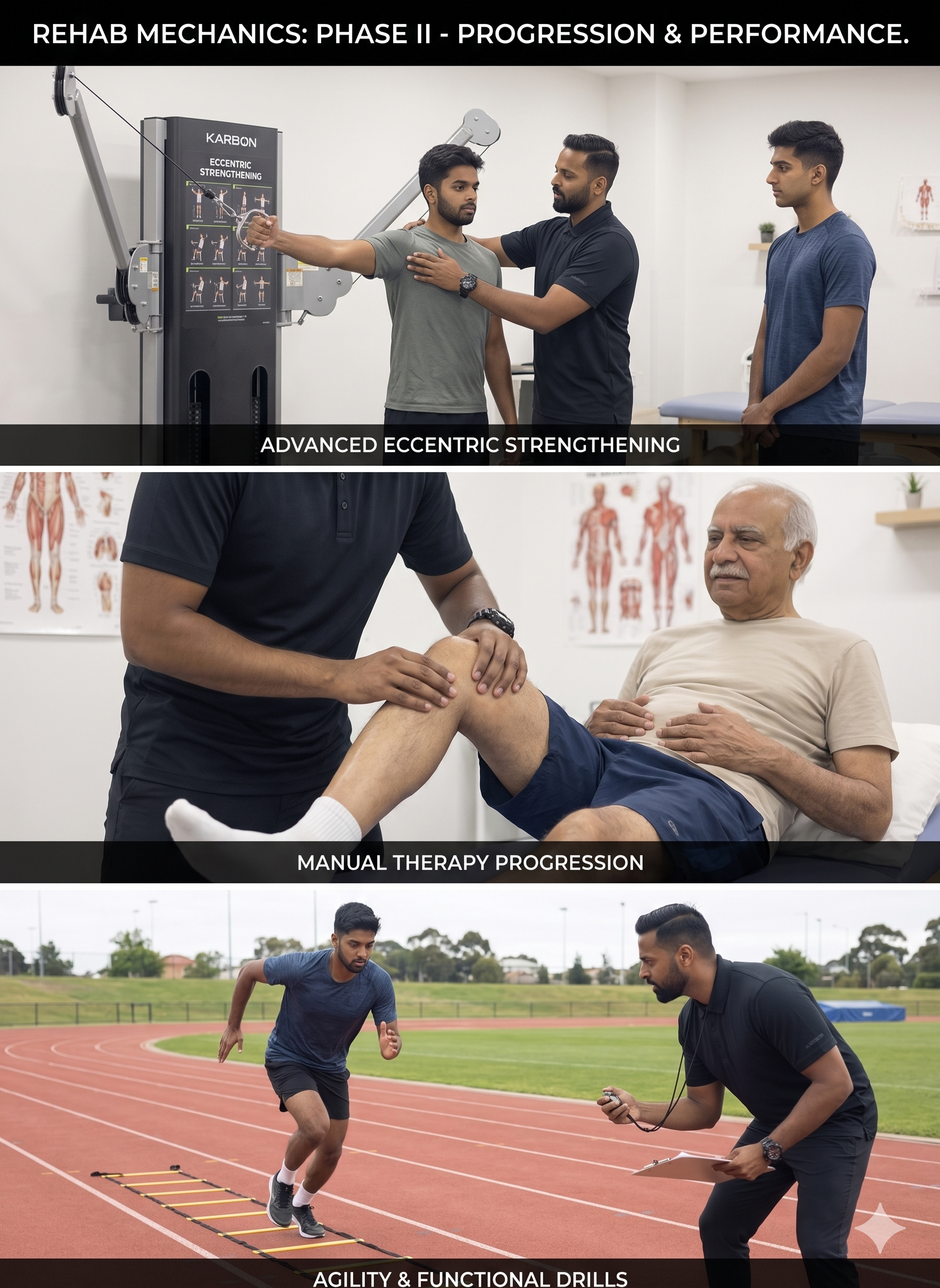
Sanjay’s clinical approach rejects passive symptom management in favor of identifying underlying biomechanical root causes. His diverse expertise spans advanced manual therapies, personalized corrective exercise prescription, and modern physical modalities. At the Rehab Mechanics Toronto Queen West clinic, he routinely diagnoses and treats complex conditions including:
Spinal & Discogenic Pathology – Cervical, thoracic, and lumbar disc injuries, sciatica, and sacroiliac joint (SIJ) dysfunction.
Upper & Lower Extremity Injuries – Rotator cuff tears, frozen shoulder, tennis/golfer’s elbow, carpal tunnel syndrome, and complex ankle/foot pathologies.
Perinatal & Pelvic Health Rehabilitation – Specialized assessment and rehabilitation protocols tailored specifically for women during pregnancy and the post-partum period, addressing pelvic girdle pain, diastasis recti, and core stabilization.
Specialized Rehabilitation – Pelvic health therapy, TMJ dysfunction, post-surgical rehabilitation (including Total Hip and Total Knee Replacements), and custom orthotics dispensing.
Shockwave Therapy: with advanced cutting edge technological devices to suit your needs.
Interdisciplinary Practice & Patient Care
Sanjay practices an integrated model of healthcare, working closely alongside medical doctors inside the Prime Medical Centre on Abell Street to streamline patient recovery pathways. He maintains a human-centric, communication-first clinical framework, ensuring that care remains fully customized rather than automated.
His clinical caseload encompasses a broad operational spectrum under Ontario's regulatory frameworks, including:
Motor Vehicle Accident (MVA) Claims – Rehabilitation navigating Ontario’s statutory accident benefits schedule.
Workplace Safety and Insurance Board (WSIB) – Occupational injury management and return-to-work screening.
Extended Health Care (EHC) & Private Practice – Multi-tier insurance coordination and long-term athletic development plans.
Commitment to Research & Community
Outside of his clinical caseload at Rehab Mechanics and his additional practice affiliations in Etobicoke, Sanjay is an active health writer and community educator. He translates contemporary peer-reviewed medical research into accessible, actionable guidance on his professional blog. As a dedicated father and husband, he mirrors his professional advice in his personal life, focusing on structural mobility, cross-training, and longevity to help his family and his community thrive. Naturally he takes he a keen interest in rehabilitation for women who are pregnant and post-partum.
Disclaimer: The information provided on this blog is intended for educational and informational purposes only. It does not constitute medical advice, diagnosis, or a treatment plan. Always seek the direct advice of a Registered Physiotherapist, physician, or other qualified health provider regarding any medical condition or physical rehabilitation routine.