
Knees and cortisone: do they go together?
Opening the Door to Pain Relief with Cortisone
Cortisone injections offer a promising option for those struggling with knee osteoarthritis, providing targeted anti-inflammatory relief that can help ease persistent pain and improve joint mobility. As you explore treatment options, it’s crucial to understand both the potential benefits and realistic outcomes of this widely used intervention. Typically administered directly into the affected knee, these injections are designed to reduce swelling and alleviate discomfort, setting the stage for improved daily function.
In this guide, you’ll discover:
What cortisone injections are and how they combat inflammation
How these treatments can temporarily relieve pain and create a more flexible environment for rehabilitation
Considerations to keep in mind, such as the frequency of injections and managing expectations for long-term relief
As with any medical treatment, individual responses vary. Knowing that cortisone can offer a window of relief empowers you to work more effectively on physical therapy strategies and lifestyle adjustments. Whether you're in a bustling urban center or a quieter suburban area, understanding the role of cortisone can guide you toward a balanced approach in managing knee osteoarthritis and improving quality of life.
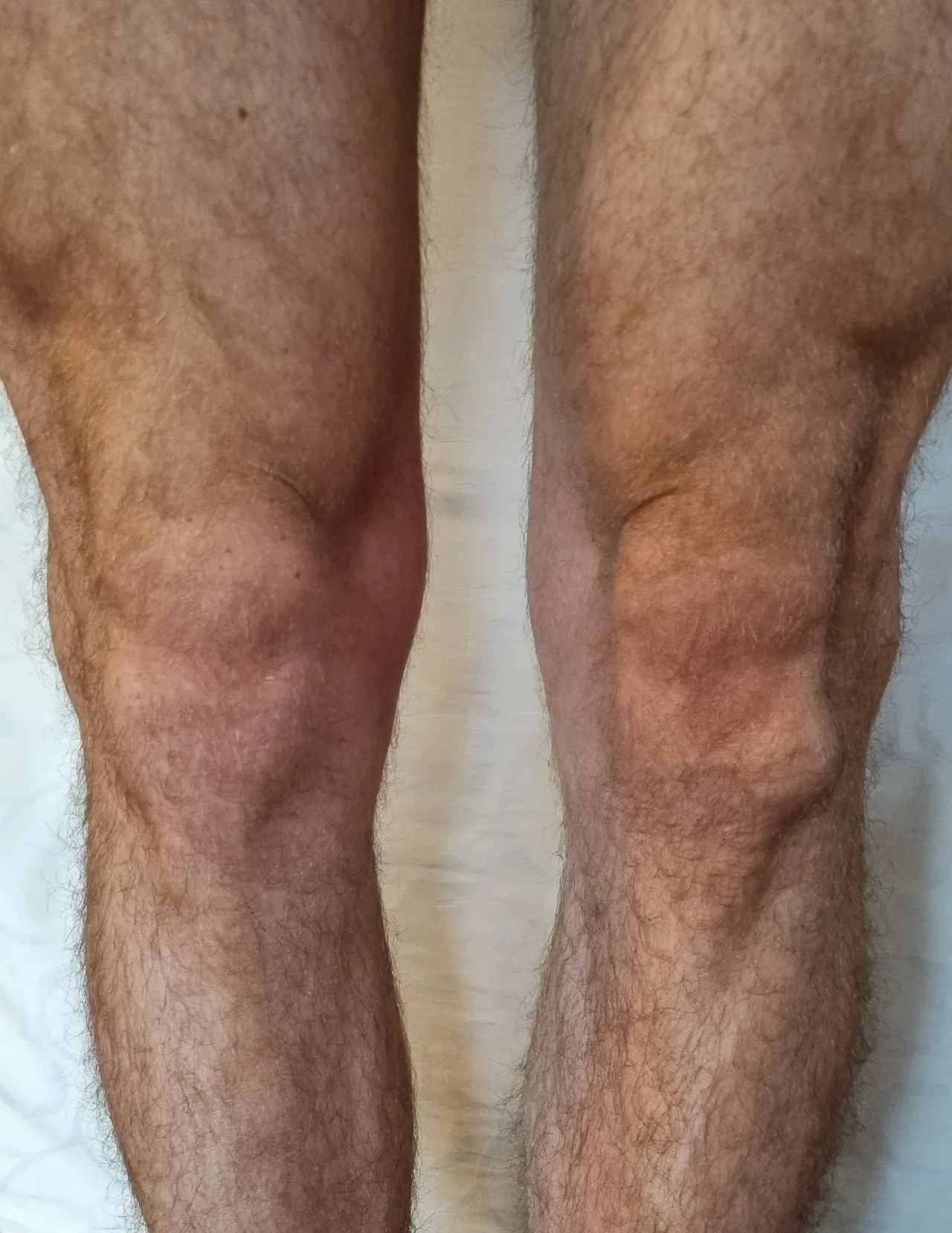
Cortisone Injections: A Temporary Break for Knee Arthritis Pain
Cortisone injections offer a promising method to manage knee arthritis discomfort by targeting inflammation directly in the affected area. This treatment involves a carefully administered injection into the knee joint, delivering corticosteroid medication to help reduce swelling and pain. Initially, patients may feel immediate improvement, making activities of daily living more comfortable while the effects unfold over the following weeks.
The procedure is typically performed in a clinical setting with specialized equipment, ensuring precise delivery of the injection. It’s important to know that while cortisone injections provide notable temporary relief, they are considered part of a broader treatment plan rather than a permanent solution. Key benefits include:
Targeted Relief: The injection directly addresses inflammation in the knee.
Enhanced Mobility: Temporary pain reduction can support smoother joint movement.
Complementary Approach: Often used alongside physical therapy and exercise for overall management.
For those experiencing persistent knee pain due to osteoarthritis, cortisone injections may serve as a practical, interim solution. Consulting with a healthcare provider can help determine if this approach is right for you, especially when tailored to support recovery in local community settings.
Evaluating Cortisone Injections: Balancing Relief with Limitations
When considering cortisone injections for knee arthritis, it's important to recognize that while they can offer rapid pain relief and reduced inflammation, their benefits often remain temporary. These injections are designed to provide short-term alleviation of discomfort, making them a useful tool in a broader treatment plan that includes active rehabilitation and lifestyle modifications.
However, there are important factors to keep in mind:
Short-Lived Benefits: Many patients experience significant improvement soon after the injection, but the effects may diminish over weeks or months.
Risk of Side Effects: Some individuals might encounter side effects such as joint irritation, temporary increases in pain, or potential weakening of surrounding tissues.
Limitation in Long-Term Repair: Cortisone injections do not address the underlying structural issues of the knee. Ongoing management through physical therapy, exercise routines, and weight management is crucial.
Variability in Response: The outcome can vary depending on factors such as the severity of arthritis and overall joint health.
For those seeking sustainable pain management in urban or suburban areas, combining these injections with targeted physiotherapy and lifestyle adjustments can lead to improved long-term outcomes.
Frequently Asked Questions About Cortisone Injections for Knee Arthritis
Q1: How do cortisone injections work to relieve knee arthritis pain? Cortisone injections deliver a concentrated anti-inflammatory dose directly into the affected joint, reducing swelling and pain. This immediate action can often help improve mobility and comfort, making daily activities easier.
Q2: How long can I expect relief after a cortisone injection? Most patients report noticeable improvement that can last from several weeks to a few months. The duration may vary depending on the severity of arthritis and individual health factors.
Q3: What common side effects should I be aware of? Some individuals may experience temporary soreness at the injection site or mild swelling. These effects are generally short-lived and resolve on their own.
Q4: How often is it safe to receive these injections? It’s typically recommended to limit injections to a few times per year to prevent potential joint deterioration. Your healthcare provider will tailor the schedule based on your condition.
Q5: Can cortisone injections replace the need for surgery? While they may delay surgical intervention by managing symptoms effectively, injections are part of a broader treatment plan including physical therapy and lifestyle adjustments, especially in local clinics across the region.
When Cortisone Injections Offer Real Relief
Managing knee osteoarthritis effectively means understanding when treatments like cortisone injections can offer tangible benefits. Individuals experiencing significant joint inflammation or persistent pain often find that cortisone injections provide temporary yet effective relief. By reducing swelling and easing discomfort, these injections can improve mobility and facilitate participation in rehabilitative exercises.
This intervention is particularly suitable under certain circumstances, such as:
When pain interferes with daily activities, hindering basic movements like walking or standing
In cases where conservative management—through physical therapy, exercise, and weight control—has not delivered sufficient improvements
When inflammation levels are high, causing stiffness that limits joint function, especially noticeable during colder months in urban or suburban environments
It is important to recognize that cortisone injections are most beneficial when used as part of a broader, personalized treatment plan. Consulting with healthcare professionals who understand the nuances of knee osteoarthritis management can help determine if this anti-inflammatory approach is the right choice. With this in mind, patients can better manage flare-ups, maintain joint function, and ultimately enhance their quality of life while actively addressing the challenges posed by knee arthritis.
Final Thoughts on Managing Knee Arthritis
In wrapping up this guide, it’s crucial to remember that effective management of knee arthritis isn’t a one-size-fits-all approach. Understanding the role of cortisone in alleviating inflammation is just one component of a broader strategy. A comprehensive management plan may include physical therapy, targeted exercise routines, and lifestyle adjustments tailored to your unique condition. Always consult with healthcare professionals who are well-versed in musculoskeletal care to ensure you’re adopting the best methods available.
Key actionable steps include:
Schedule a thorough evaluation to assess the severity of your arthritis.
Develop a personalized treatment plan that integrates cortisone administration with other therapies.
Monitor your progress and adjust your regimen with professional guidance.
Stay informed about local healthcare resources and advancements in arthritis care.
By taking these steps, you can optimize your treatment outcomes and maintain mobility. Every effort you make towards proactive management reinforces your capacity for lasting relief and improved quality of life. Embrace these strategies confidently, and remember that the journey to well-being is best navigated with expert advice and informed, comprehensive care.
About the Author
Mr. Sanjay Attwala (B.Sc., M.Sc., RPT) is a Registered Physiotherapist, clinical director, and the founder of Rehab Mechanics in Toronto. With over 15 years of registered clinical practice and a deep specialization in complex musculoskeletal rehabilitation, Sanjay synthesizes rigorous international academic training with advanced evidence-based therapeutics to guide his clinical practice and patient education initiatives.
Academic Background & Credentials
Master of Science (M.Sc.) in Physiotherapy – University of Keele, United Kingdom (2010).
Bachelor of Science (B.Sc.) – University of Waterloo, Ontario, Canada.
Registered Physiotherapist (RPT) – Regulated health professional in excellent standing with the College of Physiotherapists of Ontario (CPO).
Corporate Entity – Operating officially under the S. Attwala Physiotherapy Professional Corporation with a DBA of Rehab Mechanics.
Clinical Expertise & Philosophy
Sanjay’s clinical approach rejects passive symptom management in favor of identifying underlying biomechanical root causes. His diverse expertise spans advanced manual therapies, personalized corrective exercise prescription, and modern physical modalities. At the Rehab Mechanics Toronto Queen West clinic, he routinely diagnoses and treats complex conditions including:
Spinal & Discogenic Pathology – Cervical, thoracic, and lumbar disc injuries, sciatica, and sacroiliac joint (SIJ) dysfunction.
Upper & Lower Extremity Injuries – Rotator cuff tears, frozen shoulder, tennis/golfer’s elbow, carpal tunnel syndrome, and complex ankle/foot pathologies.
Perinatal & Pelvic Health Rehabilitation – Specialized assessment and rehabilitation protocols tailored specifically for women during pregnancy and the post-partum period, addressing pelvic girdle pain, diastasis recti, and core stabilization.
Specialized Rehabilitation – Pelvic health therapy, TMJ dysfunction, post-surgical rehabilitation (including Total Hip and Total Knee Replacements), and custom orthotics dispensing.
Shockwave Therapy: with advanced cutting edge technological devices to suit your needs.
Interdisciplinary Practice & Patient Care
Sanjay practices an integrated model of healthcare, working closely alongside medical doctors inside the Prime Medical Centre on Abell Street to streamline patient recovery pathways. He maintains a human-centric, communication-first clinical framework, ensuring that care remains fully customized rather than automated.
His clinical caseload encompasses a broad operational spectrum under Ontario's regulatory frameworks, including:
Motor Vehicle Accident (MVA) Claims – Rehabilitation navigating Ontario’s statutory accident benefits schedule.
Workplace Safety and Insurance Board (WSIB) – Occupational injury management and return-to-work screening.
Extended Health Care (EHC) & Private Practice – Multi-tier insurance coordination and long-term athletic development plans.
Commitment to Research & Community
Outside of his clinical caseload at Rehab Mechanics and his additional practice affiliations in Etobicoke, Sanjay is an active health writer and community educator. He translates contemporary peer-reviewed medical research into accessible, actionable guidance on his professional blog. As a dedicated father and husband, he mirrors his professional advice in his personal life, focusing on structural mobility, cross-training, and longevity to help his family and his community thrive. Naturally he takes he a keen interest in rehabilitation for women who are pregnant and post-partum.
Disclaimer: The information provided on this blog is intended for educational and informational purposes only. It does not constitute medical advice, diagnosis, or a treatment plan. Always seek the direct advice of a Registered Physiotherapist, physician, or other qualified health provider regarding any medical condition or physical rehabilitation routine.