
Meniscus Tears: Surgery or Not?
Unraveling the Mystery of Meniscus Tears
Meniscus tears can be a perplexing challenge for many, leaving individuals searching for clear answers about treatment options and long-term recovery. These injuries, commonly found in athletes and active individuals, occur when twisting, bending, or repeating pressure on the knee results in small tears within the cartilage. Often, the cause is a sudden shift in movement or gradual wear and tear over time due to repetitive stress. In urban and suburban settings alike, increased physical activity and even minor missteps in everyday routines can contribute to these tears, prompting questions about whether surgery is always necessary.
In this article, you'll gain insight into:
How meniscus tears develop from both acute incidents and chronic overuse.
The role of biomechanical forces and joint instability in accelerating cartilage damage.
Early warning signs and symptoms that warrant a thorough evaluation.
By understanding the underlying causes and varied presentations of meniscus injuries, readers can be better prepared to seek professional guidance and make informed decisions about treatment. Learn practical tips on managing knee pain while exploring both surgical and non-surgical recovery pathways to regain mobility and comfort.
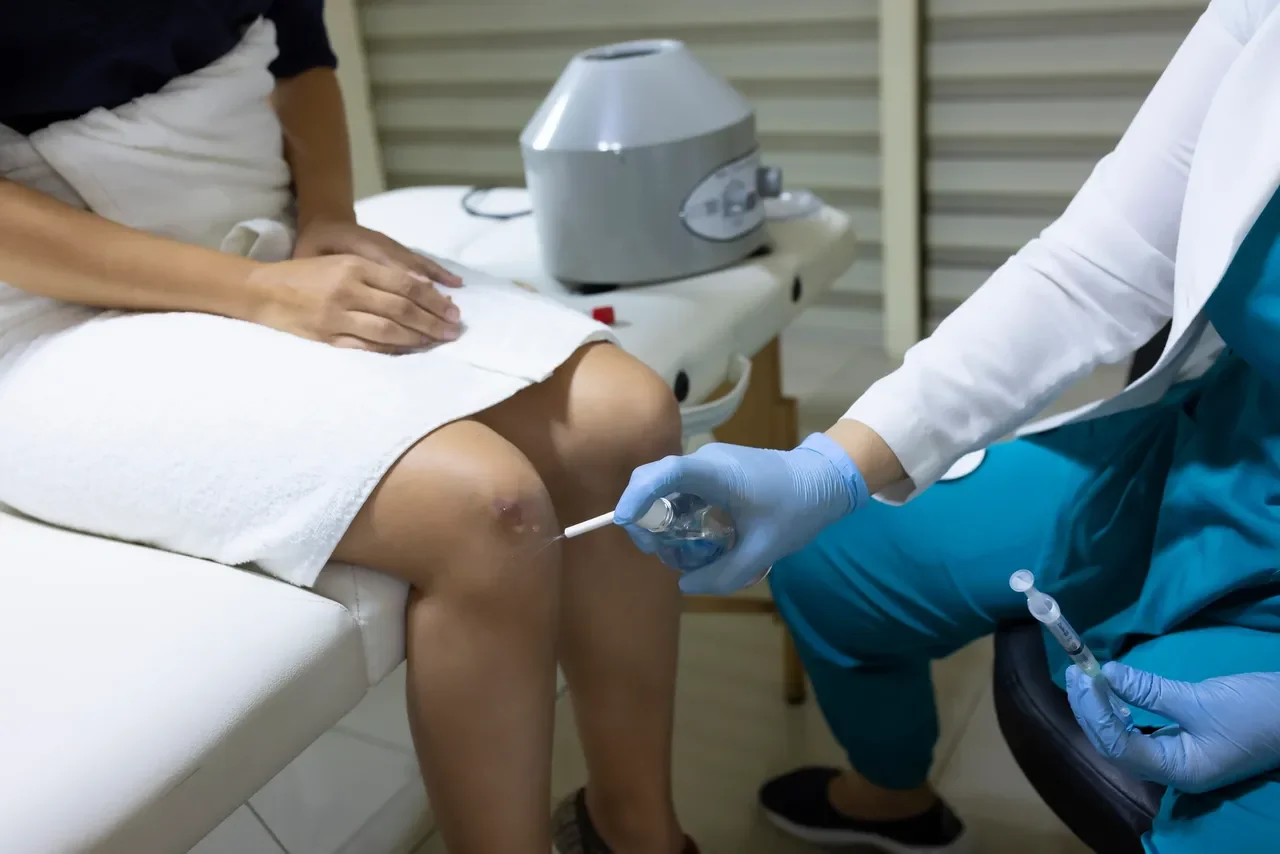
Traditional Treatment Insights: Balancing Conservative Care and Surgical Decisions
When facing a meniscus tear, many patients begin with tried-and-true non-invasive treatments before considering surgery. Traditional approaches typically include rest, ice, and anti-inflammatory medications to alleviate pain and swelling. Conservative care also emphasizes physical therapy, where tailored exercises help restore joint stability and strengthen supporting muscles. This foundational care method can play a pivotal role in the healing process and is especially effective for partial tears or cases where pain is manageable.
For those who do not achieve improvement through conservative methods, surgery may then become a viable option. Surgical intervention, such as meniscectomy or meniscus repair, aims to alleviate persistent pain and prevent further joint damage. Key factors influencing this decision include the severity of the tear, patient activity level, and specific knee joint alignment issues.
Consider these practical steps when evaluating treatment options:
Initial Diagnosis: Understand the extent of the tear through imaging and clinical evaluation.
Therapy Commitment: Engage in a specialized rehabilitation program.
Surgical Consultation: Assess the risks and benefits if symptoms persist.
This balanced approach helps patients decide the best path for their recovery while considering both traditional methods and surgical outcomes.
Cutting-Edge Insights: Embracing Non-Surgical Meniscus Solutions
Recent innovations in non-surgical treatments for meniscus tears are reshaping recovery protocols. Emerging research indicates that combining targeted physiotherapy with personalized exercise regimens can optimize healing by enhancing tissue repair and reducing pain naturally. This approach focuses on strengthening the muscles surrounding the knee, which in turn stabilizes the joint and mitigates further strain.
Key strategies include:
Interactive Physiotherapy Programs: Customized routines that gradually increase joint mobility and muscle strength.
Manual Therapy Techniques: Hands-on methods that help alleviate stiffness and promote healthy circulation within the knee.
Activity and Lifestyle Modifications: Adjustments in daily activities to reduce knee impact while maintaining overall mobility.
These non-invasive techniques offer practical, actionable solutions for managing meniscus tears without resorting to surgery. Incorporating these methods in local clinics and community wellness centers can significantly improve joint function and quality of life. By embracing these conservative treatments, individuals in diverse environments can experience enhanced recovery and sustained knee health, paving the way for an active, pain-free lifestyle.
Weighing the Options: Surgical vs. Non-Surgical Recovery
Navigating recovery for meniscus tears means understanding both surgical and non-surgical pathways. Each method has distinct approaches, benefits, and challenges that influence recovery time, long-term joint function, and overall patient experience.
Surgical Approach
Precision Repair: Surgery offers direct visualization of the tear, allowing for targeted repair and removal of damaged tissues.
Accelerated Healing: Post-operative care can lead to a faster return to moderate activity and structured rehabilitation in local clinics.
Structured Rehabilitation: Patients often follow a detailed physiotherapy regimen to restore full mobility, ensuring optimal recovery.
Non-Surgical Approach
Conservative Management: Focuses on rest, anti-inflammatory medications, and structured physical therapy to reduce pain and inflammation.
Progressive Strengthening: Strength training and targeted exercises help rebuild joint stability and reduce the risk of re-injury.
Cost-Effectiveness: Often a preferred option for those seeking to avoid surgical risks and associated downtime while managing symptoms effectively.
By comparing these methodologies, patients can better understand their treatment options. Whether opting for a surgical fix or a conservative approach, choosing the right path depends on individual symptoms, lifestyle demands, and local healthcare support available in your community.
Frequently Asked Questions on Meniscus Tear Treatments
What exactly is a meniscus tear and how is it diagnosed? A meniscus tear is an injury to the cartilage in the knee that can result from twisting motions or repeated strain. Medical professionals typically diagnose it through clinical evaluations and imaging studies like MRI, which detail the extent of the tear.
Is surgery always the best option? Not necessarily. Many patients benefit from conservative treatments before considering surgery. Physical therapy, rest, and targeted exercises can help stabilize the knee and manage pain effectively in several cases.
What signs indicate that surgical intervention might be needed? Persistent pain, joint locking, or a noticeable instability in daily activities are key factors to consider. If conservative methods do not provide adequate relief, surgery might be recommended.
How effective is non-surgical treatment for meniscus tears? Conservative management can be highly effective. Approaches include structured rehabilitation, personalized exercise programs, and lifestyle adjustments—such as avoiding high-impact activities—to foster healing.
What does post-treatment rehabilitation typically involve? Rehabilitation may include:
Strengthening exercises
Range-of-motion activities
Regular physiotherapy sessions
Where can I access local support for knee recovery? Many urban and suburban clinics offer tailored programs designed for knee injuries, ensuring you receive community-focused guidance and treatment.
Empower Your Journey to Recovery
Concluding our exploration into treatment options for meniscus tears, it’s essential to emphasize the vitality of making informed choices for optimal healing. Understanding your unique condition, balanced with a thorough evaluation of conservative treatments versus surgical intervention, sets the stage for a recovery plan that truly meets your needs.
Consider these actionable steps:
Assess your symptoms and activity levels: Monitor your daily movements and discomfort to help identify whether non-surgical therapies might be effective or if surgery is a necessary consideration.
Seek expert evaluation: Consult with local specialists who can offer personalized insights based on the severity of your tear and overall health background.
Commit to rehabilitation: Whether choosing physical therapy, strengthening routines, or pre-operative conditioning, developing a consistent plan can facilitate a smoother recovery process.
By focusing on these practical strategies, you can confidently navigate the complex decision-making process. Trust that each proactive measure brings you closer to a balanced, pain-free lifestyle. Embrace your path forward with assurance and let your informed decisions lead to a healthier, more resilient future.
About the Author
Mr. Sanjay Attwala (B.Sc., M.Sc., RPT) is a Registered Physiotherapist, clinical director, and the founder of Rehab Mechanics in Toronto. With over 15 years of registered clinical practice and a deep specialization in complex musculoskeletal rehabilitation, Sanjay synthesizes rigorous international academic training with advanced evidence-based therapeutics to guide his clinical practice and patient education initiatives.
Academic Background & Credentials
Master of Science (M.Sc.) in Physiotherapy – University of Keele, United Kingdom (2010).
Bachelor of Science (B.Sc.) – University of Waterloo, Ontario, Canada.
Registered Physiotherapist (RPT) – Regulated health professional in excellent standing with the College of Physiotherapists of Ontario (CPO).
Corporate Entity – Operating officially under the S. Attwala Physiotherapy Professional Corporation with a DBA of Rehab Mechanics.
Clinical Expertise & Philosophy
Sanjay’s clinical approach rejects passive symptom management in favor of identifying underlying biomechanical root causes. His diverse expertise spans advanced manual therapies, personalized corrective exercise prescription, and modern physical modalities. At the Rehab Mechanics Toronto Queen West clinic, he routinely diagnoses and treats complex conditions including:
Spinal & Discogenic Pathology – Cervical, thoracic, and lumbar disc injuries, sciatica, and sacroiliac joint (SIJ) dysfunction.
Upper & Lower Extremity Injuries – Rotator cuff tears, frozen shoulder, tennis/golfer’s elbow, carpal tunnel syndrome, and complex ankle/foot pathologies.
Perinatal & Pelvic Health Rehabilitation – Specialized assessment and rehabilitation protocols tailored specifically for women during pregnancy and the post-partum period, addressing pelvic girdle pain, diastasis recti, and core stabilization.
Specialized Rehabilitation – Pelvic health therapy, TMJ dysfunction, post-surgical rehabilitation (including Total Hip and Total Knee Replacements), and custom orthotics dispensing.
Shockwave Therapy: with advanced cutting edge technological devices to suit your needs.
Interdisciplinary Practice & Patient Care
Sanjay practices an integrated model of healthcare, working closely alongside medical doctors inside the Prime Medical Centre on Abell Street to streamline patient recovery pathways. He maintains a human-centric, communication-first clinical framework, ensuring that care remains fully customized rather than automated.
His clinical caseload encompasses a broad operational spectrum under Ontario's regulatory frameworks, including:
Motor Vehicle Accident (MVA) Claims – Rehabilitation navigating Ontario’s statutory accident benefits schedule.
Workplace Safety and Insurance Board (WSIB) – Occupational injury management and return-to-work screening.
Extended Health Care (EHC) & Private Practice – Multi-tier insurance coordination and long-term athletic development plans.
Commitment to Research & Community
Outside of his clinical caseload at Rehab Mechanics and his additional practice affiliations in Etobicoke, Sanjay is an active health writer and community educator. He translates contemporary peer-reviewed medical research into accessible, actionable guidance on his professional blog. As a dedicated father and husband, he mirrors his professional advice in his personal life, focusing on structural mobility, cross-training, and longevity to help his family and his community thrive. Naturally he takes he a keen interest in rehabilitation for women who are pregnant and post-partum.
Disclaimer: The information provided on this blog is intended for educational and informational purposes only. It does not constitute medical advice, diagnosis, or a treatment plan. Always seek the direct advice of a Registered Physiotherapist, physician, or other qualified health provider regarding any medical condition or physical rehabilitation routine.