
Dentists & Physiotherapists: A Collaborative Approach
Unlocking a Holistic Approach to Patient Care
Welcome to a new perspective on whole-body wellbeing where traditional boundaries blur to create a more comprehensive approach. In today’s healthcare landscape, bridging the gap between dentistry and physiotherapy isn’t just innovative—it’s transformative. By integrating oral health insights with musculoskeletal care, professionals can address interconnected issues that often go unnoticed. This collaborative approach encourages holistic assessment and treatment planning by recognizing how dental conditions can influence jaw tension, posture, and even overall mobility.
In this post, you’ll learn:
How the synergy between dental and physiotherapeutic strategies can enhance recovery.
Practical tips on identifying signs where oral health may affect physical comfort.
Actionable guidance to navigate treatment options available in local clinics and community settings.
By embracing multi-disciplinary care, patients benefit from a more detailed diagnosis and tailored treatment plans. Whether you’re seeking better management of chronic discomfort or aiming to enhance your overall quality of life, understanding these collaborative techniques is a step toward smarter healthcare choices in your local area. Enjoy the insights that follow as you explore how integrated care can lead to lasting improvements.

Harnessing Dual Expertise to Relieve TMJ Discomfort
Discover how the combined knowledge of dentists and physiotherapists offers a holistic solution to managing TMJ disorders. In many urban clinics and local wellness centers, this interdisciplinary approach has transformed treatment strategies for patients experiencing jaw pain and restricted movement. Dentists bring an in-depth understanding of dental occlusion, bite alignment, and jaw joint structures, while physiotherapists contribute expertise in musculoskeletal function and targeted rehabilitation techniques.
Working together, these professionals can:
Identify the root cause of TMJ discomfort through detailed examinations.
Develop customized treatment plans that address both structural imbalances and muscular tension.
Implement practical exercises and manual therapy techniques to ease strain and improve mobility.
This collaborative care not only minimizes pain but also enhances overall physical function. Whether you reside in a busy metropolitan area or a small community, leveraging the skills of both dental and physical health experts ensures a balanced treatment strategy. By adopting a comprehensive, team-based approach, patients gain access to practical, actionable solutions that promote long-term relief and improved quality of life.
Unlocking Improved Recovery Through Integrated Care
Dental rehabilitation can be transformed with the complementary support of physiotherapy. This approach not only addresses the mechanical aspects of dental recovery but also ensures that surrounding muscles and joints receive the necessary attention during healing. Physiotherapy plays a crucial role in restoring mobility and mitigating pain, especially for patients recovering from extensive dental procedures or facial trauma.
By incorporating targeted exercises and manual therapy techniques, physiotherapists can help reduce stiffness, improve blood circulation, and enhance overall function in areas adjacent to the jaw and neck. Key benefits of this integrated care include:
Enhanced Mobility: Focused exercises increase the range of motion in the facial muscles.
Pain Reduction: Techniques designed to alleviate muscle tension can help minimize discomfort.
Accelerated Healing: Improved blood flow supports tissue repair and reduces recovery time.
This collaborative approach is particularly valuable in urban communities and local clinics, where personalized, multidisciplinary treatment is accessible. Patients seeking a comprehensive recovery strategy will find that combining dental and physiotherapeutic care offers not only effective pain management but also a smoother transition back to daily activities. Discover how this integrated methodology can pave the way to long-term wellness and improved quality of life.
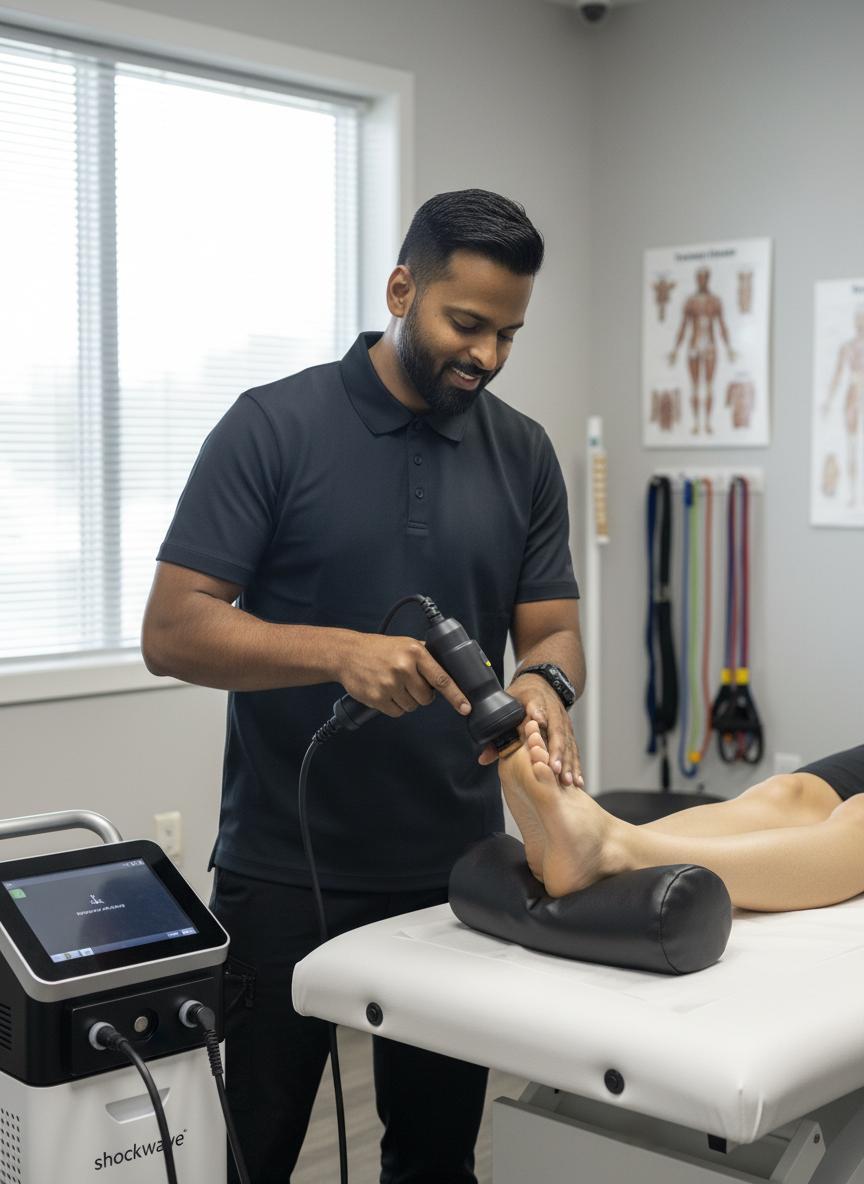
Integrated Treatment Solutions: Merging Dental and Physiotherapy Care
When exploring integrated care plans, patients now enjoy a holistic approach that pairs dental expertise with physiotherapy. This dual strategy acknowledges that overall wellness extends beyond isolated treatments, fostering improved mobility, reduced discomfort, and better quality of life.
Comparing these two specialties reveals distinct features and benefits:
Focused Assessments:
Dental Treatments center on identifying oral health issues that affect chewing, speech, and systemic inflammation.
Physiotherapy Sessions target musculoskeletal imbalances, posture corrections, and soft tissue injuries, supporting overall movement.
Tailored Interventions:
Dental professionals use preventive care, restorative techniques, and adjustments to bite patterns.
Physiotherapists implement strength exercises, manual therapy, and biomechanical corrections to relieve stress on joints.
Collaborative Evaluation:
Integrated appointments allow for coordinated assessments where overlapping symptoms such as jaw pain or neck stiffness can be managed through shared care insights.
This convergence of dental and physical therapy treatments is especially effective in urban and suburban areas, where accessible local clinics provide both care types under one umbrella. Patients benefit from comprehensive care plans that emphasize proactive prevention and targeted recovery for lasting health improvements.
Collaborative Care Benefits: Frequently Asked Questions
What are the primary benefits of combining dental and physiotherapy care? By integrating the expertise of dentists and physiotherapists, patients can experience a holistic approach to health that addresses both oral and musculoskeletal concerns. Such collaboration facilitates early detection of issues that might influence overall structural alignment and pain levels.
How does this multidisciplinary approach enhance pain management? Working together, these specialists create personalized treatment plans that not only reduce local discomfort but also improve posture and balance. Coordinated care helps manage chronic pain by targeting its root causes.
Can integrated care shorten recovery times? Yes, aligning treatment strategies across disciplines often accelerates recovery. Addressing underlying issues through targeted exercises and dental therapies can lead to more efficient pain relief and improved mobility.
How are these services integrated in local settings? Clinics in urban and suburban areas are increasingly adopting joint consultations, where streamlined referrals and shared patient histories optimize outcomes.
What challenges might arise during collaborative treatment? Challenges include coordinating appointment schedules and aligning treatment goals. Open communication between practitioners is key.
What practical steps can patients take?
Maintain consistent follow-ups
Practice recommended exercises
Communicate any changes in symptoms immediately
Embracing a Unified Future in Healthcare
As our discussion comes to a close, it's clear that the integration of different specialties has become an essential component of modern healthcare. By combining the expertise of dentists with the holistic approach of physiotherapists, patients are better equipped to manage complex conditions and achieve quicker, more sustainable recoveries. This multidisciplinary approach not only addresses immediate symptoms but also focuses on overall functionality and long-term wellness.
Key takeaways include:
Collaborative Techniques: Coordinated care plans that blend precise dental care with targeted physiotherapy exercises.
Actionable Steps: Evaluate treatment options, follow up consistently on prescribed exercises, and consult with healthcare providers in your local area.
Enhanced Outcomes: A focus on personalized treatment can reduce recovery times and improve quality of life.
For those looking to enhance their health journey, consider reviewing your current treatment approaches. Engage with professionals in urban clinics or local wellness centers who specialize in integrated care. Take charge of your well-being by exploring these innovative, practical strategies. Remember, every step toward a more coordinated healthcare plan is a step toward a healthier, more active future.
About the Author
Mr. Sanjay Attwala (B.Sc., M.Sc., RPT) is a Registered Physiotherapist, clinical director, and the founder of Rehab Mechanics in Toronto. With over 15 years of registered clinical practice and a deep specialization in complex musculoskeletal rehabilitation, Sanjay synthesizes rigorous international academic training with advanced evidence-based therapeutics to guide his clinical practice and patient education initiatives.
Academic Background & Credentials
Master of Science (M.Sc.) in Physiotherapy – University of Keele, United Kingdom (2010).
Bachelor of Science (B.Sc.) – University of Waterloo, Ontario, Canada.
Registered Physiotherapist (RPT) – Regulated health professional in excellent standing with the College of Physiotherapists of Ontario (CPO).
Corporate Entity – Operating officially under the S. Attwala Physiotherapy Professional Corporation with a DBA of Rehab Mechanics.
Clinical Expertise & Philosophy
Sanjay’s clinical approach rejects passive symptom management in favor of identifying underlying biomechanical root causes. His diverse expertise spans advanced manual therapies, personalized corrective exercise prescription, and modern physical modalities. At the Rehab Mechanics Toronto Queen West clinic, he routinely diagnoses and treats complex conditions including:
Spinal & Discogenic Pathology – Cervical, thoracic, and lumbar disc injuries, sciatica, and sacroiliac joint (SIJ) dysfunction.
Upper & Lower Extremity Injuries – Rotator cuff tears, frozen shoulder, tennis/golfer’s elbow, carpal tunnel syndrome, and complex ankle/foot pathologies.
Perinatal & Pelvic Health Rehabilitation – Specialized assessment and rehabilitation protocols tailored specifically for women during pregnancy and the post-partum period, addressing pelvic girdle pain, diastasis recti, and core stabilization.
Specialized Rehabilitation – Pelvic health therapy, TMJ dysfunction, post-surgical rehabilitation (including Total Hip and Total Knee Replacements), and custom orthotics dispensing.
Shockwave Therapy: with advanced cutting edge technological devices to suit your needs.
Interdisciplinary Practice & Patient Care
Sanjay practices an integrated model of healthcare, working closely alongside medical doctors inside the Prime Medical Centre on Abell Street to streamline patient recovery pathways. He maintains a human-centric, communication-first clinical framework, ensuring that care remains fully customized rather than automated.
His clinical caseload encompasses a broad operational spectrum under Ontario's regulatory frameworks, including:
Motor Vehicle Accident (MVA) Claims – Rehabilitation navigating Ontario’s statutory accident benefits schedule.
Workplace Safety and Insurance Board (WSIB) – Occupational injury management and return-to-work screening.
Extended Health Care (EHC) & Private Practice – Multi-tier insurance coordination and long-term athletic development plans.
Commitment to Research & Community
Outside of his clinical caseload at Rehab Mechanics and his additional practice affiliations in Etobicoke, Sanjay is an active health writer and community educator. He translates contemporary peer-reviewed medical research into accessible, actionable guidance on his professional blog. As a dedicated father and husband, he mirrors his professional advice in his personal life, focusing on structural mobility, cross-training, and longevity to help his family and his community thrive. Naturally he takes he a keen interest in rehabilitation for women who are pregnant and post-partum.
Disclaimer: The information provided on this blog is intended for educational and informational purposes only. It does not constitute medical advice, diagnosis, or a treatment plan. Always seek the direct advice of a Registered Physiotherapist, physician, or other qualified health provider regarding any medical condition or physical rehabilitation routine.