
Neck pain for our better halves - female edition!
The Hidden Toll of Office Neck Pain on Women's Daily Life
In today’s fast-paced office settings, a growing number of women are facing the disruptive challenge of neck pain, which not only affects productivity but also takes a toll on daily well-being. This introduction sets the stage for exploring how chronic discomfort can impact focus, energy levels, and overall quality of life. You will discover practical, actionable strategies to help manage pain and regain control, ensuring that every workday is met with renewed vitality.
Key takeaways you can expect:
Posture over Perfection: Learn easy adjustments to improve ergonomic alignment and reduce neck strain.
Workspace Wellness: Find out how to create an environment that supports both physical comfort and professional efficiency.
Quick Relief Techniques: Understand the benefits of micro-breaks and targeted stretches that can be seamlessly incorporated into your routine.
As you continue through this guide, you’ll gain insights tailored to office environments—from metropolitan hubs to local workspaces. Embrace these expert-backed tips, and transform your daily habits to not only relieve discomfort but also promote a healthier, more balanced lifestyle.
Unmasking the Hidden Culprits: Poor Posture and Desk Setup
When spending long hours at the office, maintaining the right posture is essential to prevent neck pain, which can be especially concerning for women balancing work and other responsibilities. In many office environments, prolonged sitting combined with a poorly designed workstation can lead to significant strain on the neck and shoulders.
Ergonomic pitfalls often arise from unsupportive chairs, improperly positioned monitors, and cluttered desks that force awkward angles. The lack of appropriate lumbar and neck support creates tension in the muscles, contributing to chronic discomfort over time. Consider these common issues:
Inadequate Chair Support: Chairs without adjustable features can fail to accommodate natural posture.
Misaligned Screens: Monitors that are too high or too low lead to constant tilting or craning of the neck.
Prolonged Inactivity: Extended hours of sitting without breaks reduce blood flow and muscle flexibility.
Implementing small yet effective changes can make a significant difference. Begin by adjusting your workstation to align with ergonomic guidelines and incorporate regular movement breaks. Stretching exercises and mindful positioning throughout the day not only alleviate pain but also enhance overall productivity and well-being.
Empowering Solutions for Office Neck Discomfort in the Workplace
Women in office environments face unique challenges in managing neck pain while striving to maintain peak productivity. Navigating long hours at a desk, persistent computer use, and daily work pressures can contribute to chronic discomfort, ultimately affecting focus and overall well-being. Addressing these issues begins with an understanding of ergonomic strategies and self-care techniques designed specifically for women.
Consider the following actionable tips:
Correct Posture: Regularly evaluate and adjust your seating position. Maintain a straight back and rear-head alignment.
Ergonomic Adjustments: Invest in chairs and workstations that support optimal neck positioning. Small changes can lead to significant relief.
Movement Breaks: Incorporate frequent, structured breaks. Stretching exercises and short walks can alleviate built-up tension.
Mindful Practices: Engage in breathing exercises or brief meditation sessions to combat stress-related discomfort.
Tailor these strategies to your daily routine, and experiment with adjustments that suit your work style. Whether in bustling urban offices or local community workspaces, a proactive approach to managing office neck pain empowers you to stay productive and comfortable, turning everyday challenges into opportunities for improved health and performance.
Revitalize Your Neck: A Step-by-Step Office Guide
Office workers, especially women experiencing neck discomfort, can benefit from simple exercises and mindful practices to ease pain. Follow these actionable steps to incorporate preventive measures into your daily routine:
Warm-Up and Stretch: Start your day with gentle neck stretches. Slowly tilt your head from side to side and forward and backward. Hold each stretch for 15-20 seconds. Tip: Perform these stretches before your computer tasks begin.
Ergonomic Alignment: Adjust your workstation so that your monitor is eye level and your chair supports good posture. This small change can significantly reduce strain on your neck and shoulders.
Midday Movement: Set a timer to remind you to take a short walk or perform desk exercises every hour. Simple movements like shoulder rolls and chin tucks help relieve tension.
Deep Breathing: Incorporate deep breathing exercises to reduce stress, which often contributes to neck pain. Breathe in slowly and exhale steadily, syncing your breath with neck movements.
By integrating these practices into your routine, you can effectively reduce neck pain and boost well-being—even in bustling urban or local office environments.
Frequently Asked Questions for Managing Neck Pain at Work
Q: What factors contribute to neck pain in office settings? Prolonged sitting, poor posture, and an unergonomic workspace are common culprits. In particular, women may experience additional strain due to workstation setups that do not account for body-specific ergonomics.
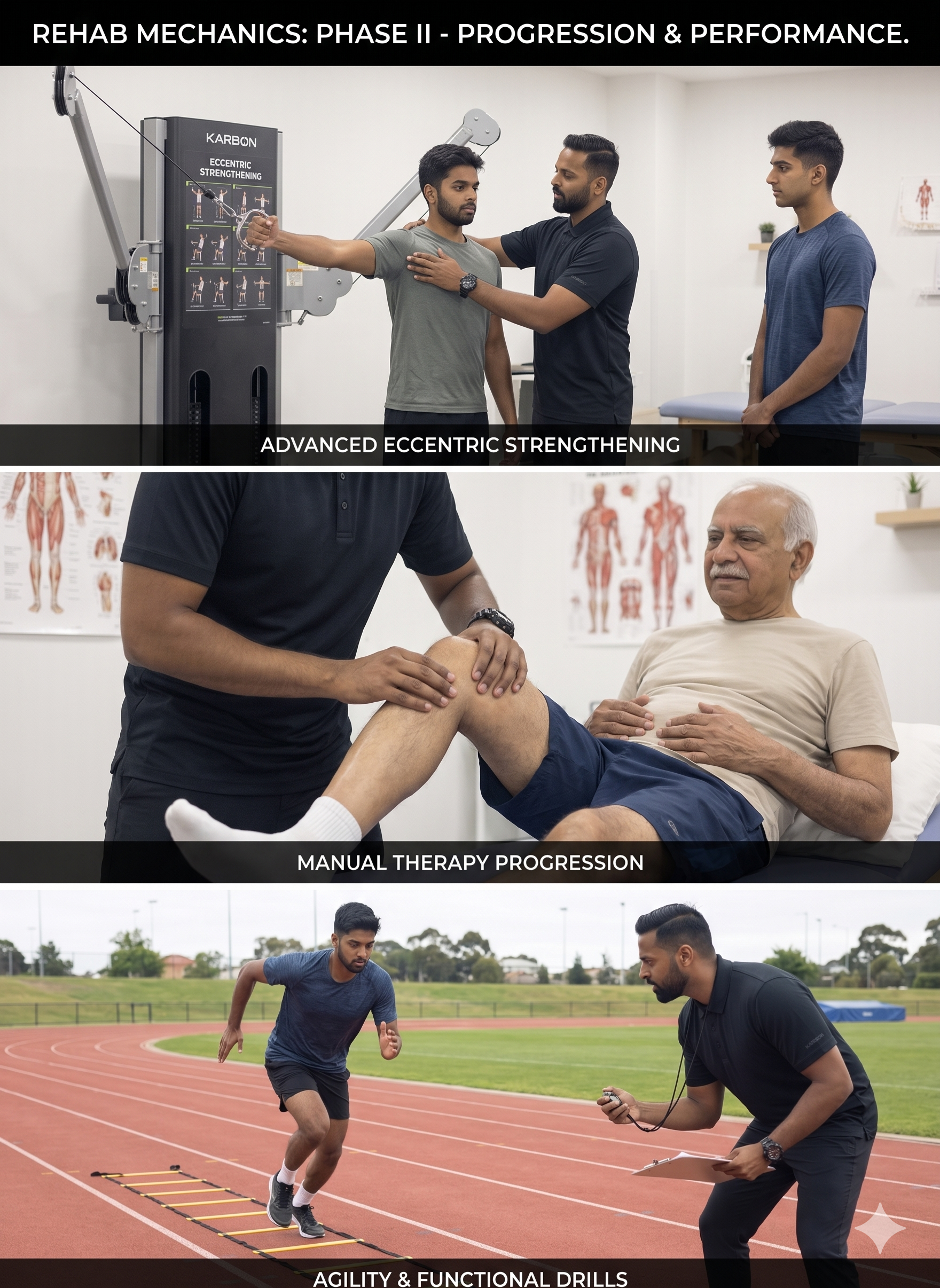
Q: How can ergonomic adjustments help reduce neck discomfort? Making simple tweaks like raising monitor heights, using supportive chairs, and positioning keyboards correctly can significantly alleviate neck tension. Consider:
Adjusting seating posture
Using supportive accessories
Taking regular breaks
Q: What are some at-home strategies to relieve neck pain during work hours? Incorporate short stretching breaks or gentle neck exercises to maintain flexibility. A few quick stretches every hour can make a noticeable difference.
Q: Are there specific exercises that help alleviate workplace neck pain? Yes, exercises such as chin tucks, neck rotations, and shoulder shrugs can strengthen muscles and improve overall posture.
Q: When should one seek professional help for neck pain? If discomfort persists despite adjustments and self-care, it’s wise to consult a physiotherapist. Customized advice is crucial, especially for women managing work-related neck strain.
Prioritizing Your Health in the Workplace
Creating a supportive work environment is the key to easing office neck pain, especially for women facing unique challenges. By focusing on practical ergonomics and health-centric practices, employees can enjoy a more comfortable workday while boosting productivity. Emphasize the importance of customizing workstations to support proper posture, which not only minimizes pain but also prevents long-term issues.
Key takeaways include:
Evaluate Your Workspace: Regularly assess your chair, desk, and computer setup to ensure they support healthy posture.
Incorporate Movement: Schedule short breaks to perform gentle stretches and exercises that relieve tension.
Foster Communication: Encourage an open dialogue about workplace comfort and share ergonomics tips with colleagues.
Next steps involve integrating these practices into daily routines and working with human resources or facility management to review ergonomic solutions. Adjusting small details in your office can have a big impact. Remember, your well-being is essential, and a supportive culture benefits everyone. Take control of your health by applying these actionable insights, and step confidently into a more balanced and pain-free work life.
About the Author
Mr. Sanjay Attwala (B.Sc., M.Sc., RPT) is a Registered Physiotherapist, clinical director, and the founder of Rehab Mechanics in Toronto. With over 15 years of registered clinical practice and a deep specialization in complex musculoskeletal rehabilitation, Sanjay synthesizes rigorous international academic training with advanced evidence-based therapeutics to guide his clinical practice and patient education initiatives.
Academic Background & Credentials
Master of Science (M.Sc.) in Physiotherapy – University of Keele, United Kingdom (2010).
Bachelor of Science (B.Sc.) – University of Waterloo, Ontario, Canada.
Registered Physiotherapist (RPT) – Regulated health professional in excellent standing with the College of Physiotherapists of Ontario (CPO).
Corporate Entity – Operating officially under the S. Attwala Physiotherapy Professional Corporation with a DBA of Rehab Mechanics.
Clinical Expertise & Philosophy
Sanjay’s clinical approach rejects passive symptom management in favor of identifying underlying biomechanical root causes. His diverse expertise spans advanced manual therapies, personalized corrective exercise prescription, and modern physical modalities. At the Rehab Mechanics Toronto Queen West clinic, he routinely diagnoses and treats complex conditions including:
Spinal & Discogenic Pathology – Cervical, thoracic, and lumbar disc injuries, sciatica, and sacroiliac joint (SIJ) dysfunction.
Upper & Lower Extremity Injuries – Rotator cuff tears, frozen shoulder, tennis/golfer’s elbow, carpal tunnel syndrome, and complex ankle/foot pathologies.
Perinatal & Pelvic Health Rehabilitation – Specialized assessment and rehabilitation protocols tailored specifically for women during pregnancy and the post-partum period, addressing pelvic girdle pain, diastasis recti, and core stabilization.
Specialized Rehabilitation – Pelvic health therapy, TMJ dysfunction, post-surgical rehabilitation (including Total Hip and Total Knee Replacements), and custom orthotics dispensing.
Shockwave Therapy: with advanced cutting edge technological devices to suit your needs.
Interdisciplinary Practice & Patient Care
Sanjay practices an integrated model of healthcare, working closely alongside medical doctors inside the Prime Medical Centre on Abell Street to streamline patient recovery pathways. He maintains a human-centric, communication-first clinical framework, ensuring that care remains fully customized rather than automated.
His clinical caseload encompasses a broad operational spectrum under Ontario's regulatory frameworks, including:
Motor Vehicle Accident (MVA) Claims – Rehabilitation navigating Ontario’s statutory accident benefits schedule.
Workplace Safety and Insurance Board (WSIB) – Occupational injury management and return-to-work screening.
Extended Health Care (EHC) & Private Practice – Multi-tier insurance coordination and long-term athletic development plans.
Commitment to Research & Community
Outside of his clinical caseload at Rehab Mechanics and his additional practice affiliations in Etobicoke, Sanjay is an active health writer and community educator. He translates contemporary peer-reviewed medical research into accessible, actionable guidance on his professional blog. As a dedicated father and husband, he mirrors his professional advice in his personal life, focusing on structural mobility, cross-training, and longevity to help his family and his community thrive. Naturally he takes he a keen interest in rehabilitation for women who are pregnant and post-partum.
Disclaimer: The information provided on this blog is intended for educational and informational purposes only. It does not constitute medical advice, diagnosis, or a treatment plan. Always seek the direct advice of a Registered Physiotherapist, physician, or other qualified health provider regarding any medical condition or physical rehabilitation routine.