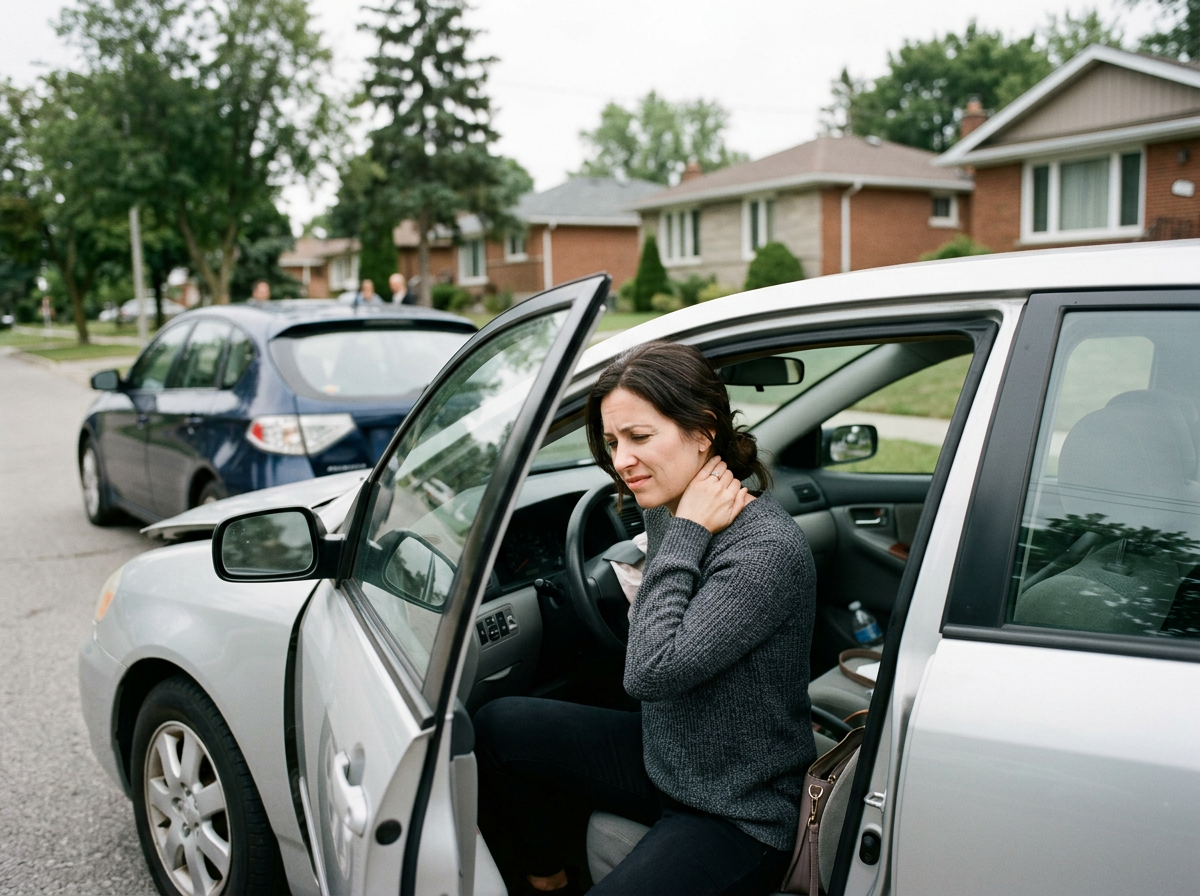
Should I Seek a Second Opinion if My Physiotherapy Isn't Working?
Yes. If you have not seen measurable improvement after six physiotherapy sessions, you should seek a second opinion. Prolonged, ineffective treatment often indicates a misdiagnosed biomechanical root cause. A clinical director can perform an advanced structural audit to correct the failed treatment trajectory.
The Frustration of Stalled Rehabilitation
Navigating the healthcare system in a major city like Toronto can be overwhelming. When patients search for specific queries like "Sanjay physiotherapist" or "expert physiotherapy clinic in Toronto," they are often doing so out of deep frustration. They have already been to a clinic, attended multiple sessions, and diligently done their generic band exercises, yet their pain remains unchanged.
This is a common narrative at Rehab Mechanics. Patients arrive at our Queen West clinic exhausted by a cycle of passive symptom management—where a practitioner simply applies a hot pack, hooks them up to an electrical stimulation machine, and sends them out the door in 20 minutes.
If your rehabilitation has plateaued, it does not mean your body is broken beyond repair. It usually means the structural diagnosis was incomplete. A second opinion from an experienced clinical director changes the perspective from treating the symptom to investigating the mechanical failure.
Structural Analysis: Why Physiotherapy Fails
To understand why a second opinion is valuable, we must perform a clinical analysis of why standard, high-volume physiotherapy often fails to yield long-term results.
1. Treating the Victim, Not the Culprit
The most common error in musculoskeletal medicine is treating the site of the pain rather than the source of the mechanical overload.
The Knee Pain Example: A patient presents with anterior knee pain. The first clinic diagnoses it as "patellar tendinitis" and aggressively massages and ices the knee for six weeks.
The Biomechanical Reality: The knee pain is just the "victim." The "culprit" is actually a stiff ankle joint and profound weakness in the gluteus medius. Because the ankle cannot bend, the knee absorbs extra shock; because the glute is weak, the knee caves inward.
The Result: Until the hip and ankle are rehabilitated, massaging the knee will never cure the pain.
2. Over-Reliance on Passive Modalities
There is a time and place for passive pain relief, but it is not a cure.
Passive Care: Interventions like TENS machines, ultrasound, heat, and ice only alter nerve signaling temporarily. They do not change tissue capacity.
Active Care: Tendons, ligaments, and muscles only heal and strengthen when they are subjected to mechanical load (resistance training). If your therapy does not progress to heavy, targeted loading, the tissue remains weak and vulnerable.
3. Lack of Interdisciplinary Integration
Chronic pain is rarely a simple, one-tissue problem.
The Silo Effect: If a patient has severe lumbar disc herniation causing sciatica, physical therapy alone might be too agonizing to endure.
The Prime Medical Centre Advantage: Because Sanjay operates Rehab Mechanics within the Prime Medical Centre on Abell Street, a second opinion here means access to medical doctors. We can coordinate anti-inflammatory medical interventions to create a "window of opportunity" where the patient can finally tolerate the physical exercises needed to heal.
Primary Source Proof: The Value of Advanced Assessment
Clinical research confirms that advanced biomechanical screening and individualized loading protocols vastly outperform generalized, passive treatment plans for chronic musculoskeletal pain.
Note: The link above serves as an example of our commitment to evidence-based practice, referencing standard international clinical guidelines for orthopedic rehabilitation.
Inside a Rehab Mechanics Second Opinion Assessment
When you book a second opinion with Sanjay or our senior clinical team, we throw out the old assumptions and start from scratch.
Phase 1: The Diagnostic Audit
We review your previous treatment plan to identify missing mechanical links.
Neurological Screening: Ruling out nerve root compression that may have been masquerading as a simple muscle strain.
Kinematic Mapping: Analyzing your movement patterns (gait, squatting, reaching) to see how your entire kinetic chain distributes force.
Phase 2: Advanced Soft Tissue and Joint Testing
We test the integrity of the tissues that your previous therapist may have missed.
Arthrokinematics: Assessing the microscopic glide of your joint capsules. A stiff joint capsule will inhibit muscle firing, rendering your strengthening exercises useless.
Fascial Tension: Identifying restrictive fascial bands that alter your posture and pull your skeleton out of alignment.
Phase 3: The Custom Blueprint
We do not hand out generic printouts. Your new rehabilitation plan is a precise, phased blueprint.
Neuromuscular Re-education: Teaching your brain to fire the correct muscles in the correct sequence.
Progressive Overload: Implementing heavy slow resistance (HSR) and eccentric loading to rebuild the biological capacity of your injured tissues.
Take Control of Your Clinical Outcomes
Do not accept chronic pain as your permanent reality just because one clinic failed to fix it. Human biomechanics is a complex science, and finding the right clinical expert makes all the difference.
Book a comprehensive second-opinion assessment with our team today. We are conveniently located inside the Prime Medical Centre at 68 Abell Street, easily accessible in the heart of Toronto's Queen West.
Contact us to schedule your appointment:
Email: info@rehabmechanics.com
Phone: (416) 533-3900
About the Author
Mr. Sanjay Attwala (B.Sc., M.Sc., RPT) is a Registered Physiotherapist, clinical director, and the founder of Rehab Mechanics in Toronto. With over 15 years of registered clinical practice and a deep specialization in complex musculoskeletal rehabilitation, Sanjay synthesizes rigorous international academic training with advanced evidence-based therapeutics to guide his clinical practice and patient education initiatives.
Academic Background & Credentials
Master of Science (M.Sc.) in Physiotherapy – University of Keele, United Kingdom (2010).
Bachelor of Science (B.Sc.) – University of Waterloo, Ontario, Canada.
Registered Physiotherapist (RPT) – Regulated health professional in excellent standing with the College of Physiotherapists of Ontario (CPO).
Corporate Entity – Operating officially under the S. Attwala Physiotherapy Professional Corporation with a DBA of Rehab Mechanics.
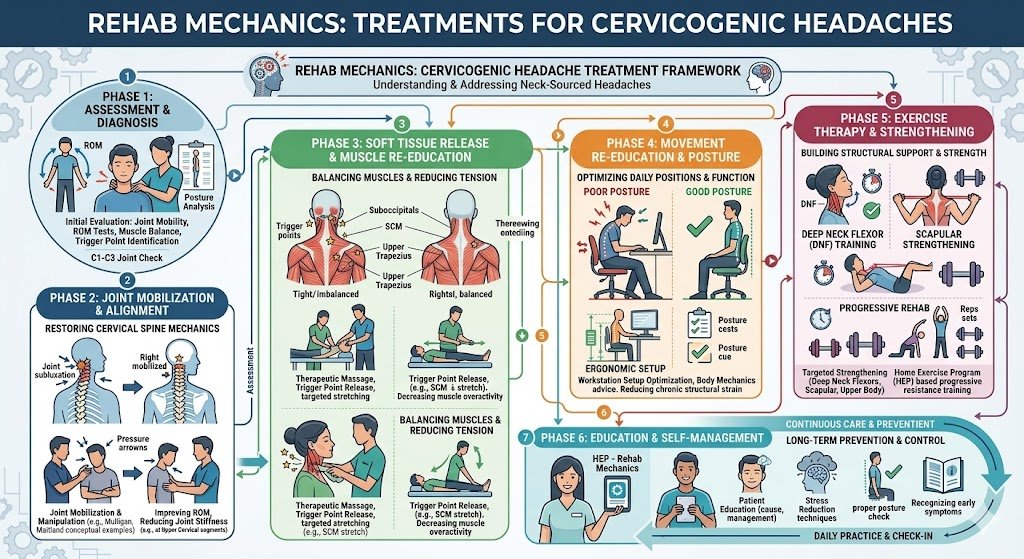
Clinical Expertise & Philosophy
Sanjay’s clinical approach rejects passive symptom management in favor of identifying underlying biomechanical root causes. His diverse expertise spans advanced manual therapies, personalized corrective exercise prescription, and modern physical modalities. At the Rehab Mechanics Toronto Queen West clinic, he routinely diagnoses and treats complex conditions including:
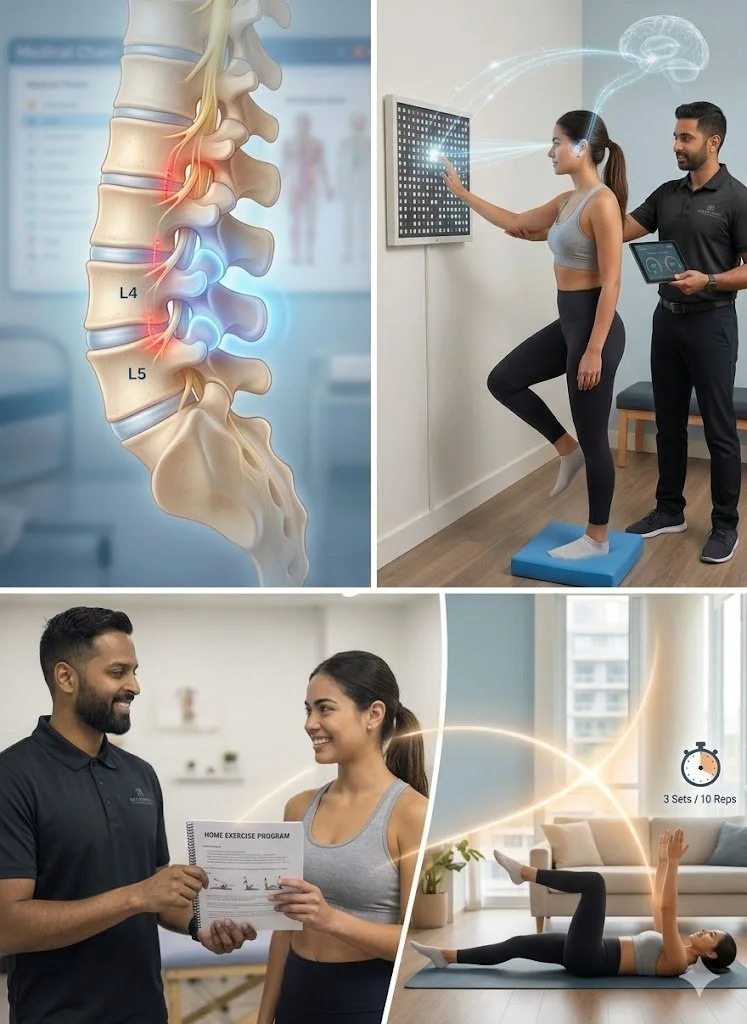
Spinal & Discogenic Pathology – Cervical, thoracic, and lumbar disc injuries, sciatica, and sacroiliac joint (SIJ) dysfunction.
Upper & Lower Extremity Injuries – Rotator cuff tears, frozen shoulder, tennis/golfer’s elbow, carpal tunnel syndrome, and complex ankle/foot pathologies.
Perinatal & Pelvic Health Rehabilitation – Specialized assessment and rehabilitation protocols tailored specifically for women during pregnancy and the post-partum period, addressing pelvic girdle pain, diastasis recti, and core stabilization.
Specialized Rehabilitation – Pelvic health therapy, TMJ dysfunction, post-surgical rehabilitation (including Total Hip and Total Knee Replacements), and custom orthotics dispensing.
Shockwave Therapy: with advanced cutting edge technological devices to suit your needs.
Interdisciplinary Practice & Patient Care
Sanjay practices an integrated model of healthcare, working closely alongside medical doctors inside the Prime Medical Centre on Abell Street to streamline patient recovery pathways. He maintains a human-centric, communication-first clinical framework, ensuring that care remains fully customized rather than automated.
His clinical caseload encompasses a broad operational spectrum under Ontario's regulatory frameworks, including:
Motor Vehicle Accident (MVA) Claims – Rehabilitation navigating Ontario’s statutory accident benefits schedule.
Workplace Safety and Insurance Board (WSIB) – Occupational injury management and return-to-work screening.
Extended Health Care (EHC) & Private Practice – Multi-tier insurance coordination and long-term athletic development plans.
Commitment to Research & Community
Outside of his clinical caseload at Rehab Mechanics and his additional practice affiliations in Etobicoke, Sanjay is an active health writer and community educator. He translates contemporary peer-reviewed medical research into accessible, actionable guidance on his professional blog. As a dedicated father and husband, he mirrors his professional advice in his personal life, focusing on structural mobility, cross-training, and longevity to help his family and his community thrive. Naturally he takes he a keen interest in rehabilitation for women who are pregnant and post-partum.
Disclaimer: The information provided on this blog is intended for educational and informational purposes only. It does not constitute medical advice, diagnosis, or a treatment plan. Always seek the direct advice of a Registered Physiotherapist, physician, or other qualified health provider regarding any medical condition or physical rehabilitation routine.