Does an Anterior Pelvic Tilt Actually Make You Shorter?
Yes. An anterior pelvic tilt deeply arches the lower back, physically compressing the lumbar spine and reducing overall standing height. Physiotherapy supports recovery by releasing locked hip flexors and strengthening the glutes and deep core, pulling the pelvis back into a neutral, upright alignment.
The Patient’s Story
In the corporate towers of the Financial District and the bustling cafes of Queen West, standing tall is often equated with confidence and health. However, many Toronto professionals notice a strange phenomenon when they catch their reflection in a store window or look in the mirror after a long workday: their stomach seems to protrude, their lower back is heavily arched, and they literally feel as though they are shrinking or losing height.
When these patients come to Rehab Mechanics, they complain of chronic, aching lower back pain and incredibly tight hamstrings. They are completely unaware that their posture is fundamentally altering their skeletal height. The culprit is an Anterior Pelvic Tilt—a severe biomechanical dysfunction where the front of the pelvis tips violently downward.
Sitting at a desk for 40 hours a week locks the hip muscles in a shortened position, completely destroying the neutral alignment of the spine. We do not just tell our patients to "stand up straight." We utilize advanced human mechanics physical therapy to release the rigid anatomical brakes holding the pelvis hostage, allowing the spine to decompress, the back pain to vanish, and helping our patients reclaim their true structural height.
Structural / Biomechanical Analysis
To understand how your posture is robbing you of your height, we must perform a detailed biomechanical analysis of the pelvic girdle and its direct connection to the lumbar spine.
The Pelvic See-Saw
Your pelvis acts as the foundational see-saw for your entire skeleton. It is controlled by a massive tug-of-war between the muscles on the front of your body and the muscles on the back.
The Anterior Pull: The hip flexors (psoas and iliacus) attach to the front of your pelvis and lumbar spine, pulling downward and forward.
The Posterior Pull: The glutes and hamstrings attach to the back of the pelvis, pulling downward and backward.
The Desk-Worker Dysfunction
When you sit in an office chair all day, this delicate mechanical balance is destroyed.
The Hip Flexor Lock: The hip flexors are held in a shortened, slack position for hours. They adaptively shrink, becoming rigid, tight cables.
Gluteal Amnesia: Because the hip flexors are constantly "on," the brain neurologically shuts down the opposing muscles—the glutes. Your body's most powerful stabilizers completely forget how to fire.
The Lumbar Compression (The Height Loss)
When you finally stand up, the rigidly locked hip flexors violently yank the front of your pelvis downward, spilling the contents of your "pelvic bowl" forward.
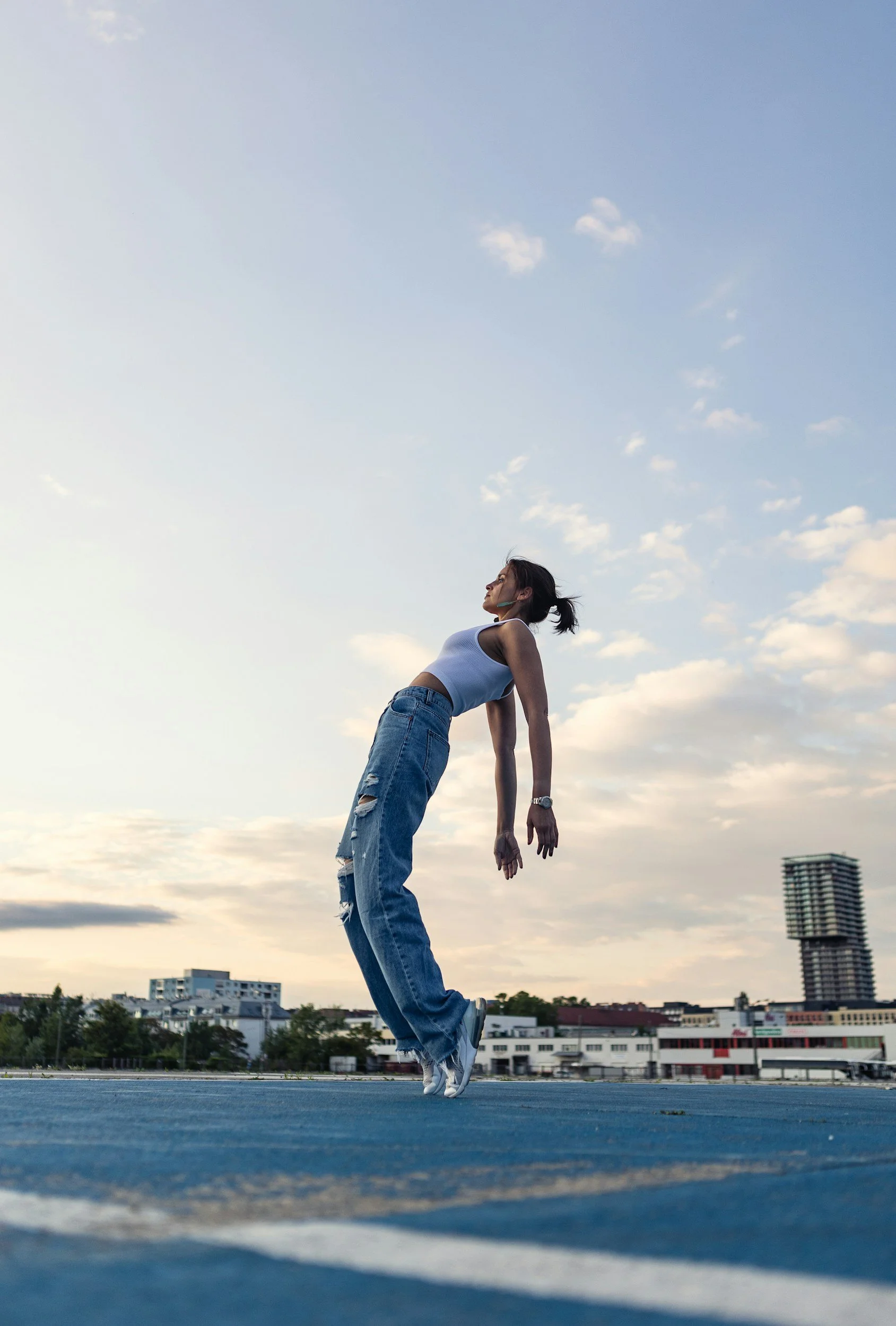
The Hyperlordosis: To stop you from falling flat on your face, your lower back (lumbar spine) is forced to arch backward into a massive, extreme curve (hyperlordosis).
The Accordion Effect: A healthy, neutral spine is elongated. When you force the lumbar spine into a massive, deep arch, the vertebrae are compressed together like an accordion. This profound structural compression physically shortens the length of your spinal column, shaving measurable fractions of an inch off your true standing height.
The Joint Compression Pattern
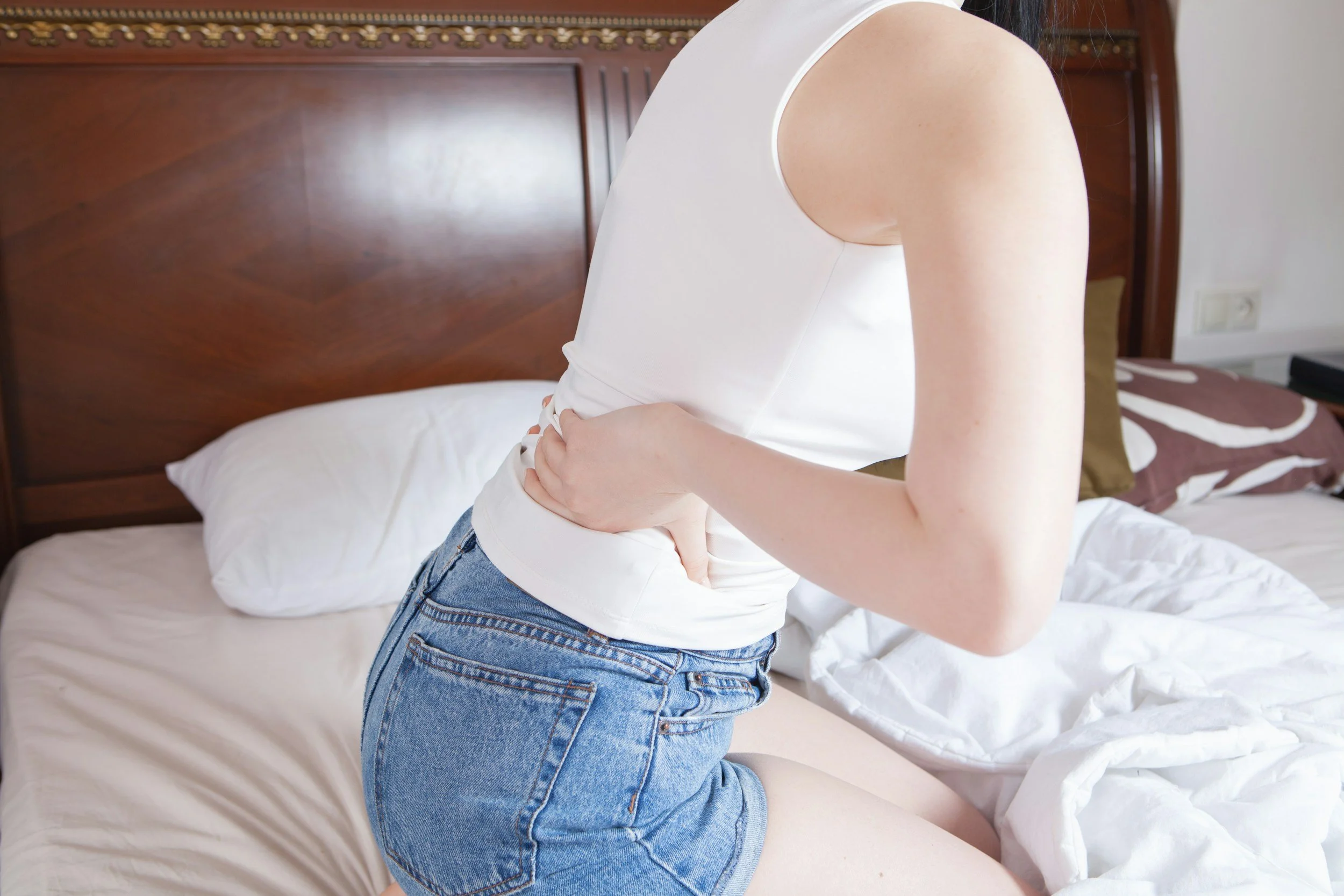
This severe arching aggressively jams the tiny facet joints at the back of the lumbar vertebrae together. The lower back muscles go into a permanent, exhausting spasm to maintain this artificial posture, creating the deep, burning back pain associated with a pelvic tilt.
Clinical Red Flags
We must correctly identify the structural failures driving the pelvic tilt to effectively reverse it. We look for these precise clinical signs:
The "Duck Butt" Posture: A highly visible, exaggerated curvature in the lower spine with a protruding abdomen, even in individuals with low body fat.
The Thomas Test Failure: When lying flat on your back and pulling one knee to your chest, the opposite leg physically lifts off the table, indicating severe, restrictive tightness in the psoas and rectus femoris.
False Hamstring Tightness: The hamstrings feel incredibly tight when trying to touch the toes, but stretching them only aggravates the lower back pain (because they are over-lengthened, not short).
Standing Fatigue: A deep, aching burn in the lower back that worsens significantly after 20 minutes of slow walking or standing at a concert or museum.
Inability to "Tuck": The patient physically cannot flatten their lower back against a wall when instructed to tuck their tailbone, indicating a total loss of deep core motor control.
Primary Source Proof
Orthopedic and biomechanical literature definitively confirms that targeted neuromuscular re-education of the gluteal complex and deep core, combined with hip flexor lengthening, effectively restores pelvic neutrality and decreases compressive lumbar lordosis.
The Effect of Pelvic Tilt on Lumbar Spinal Loads and Muscle Length (National Institutes of Health)
Efficacy of Gluteal Neuromuscular Re-Education in the Correction of Anterior Pelvic Tilt (National Institutes of Health)
Biomechanical Consequences of Prolonged Sitting on Lumbar Lordosis and Intervertebral Compression (National Institutes of Health)
The Rehab Mechanics Corrective Protocol
We systematically un-jam the lumbar spine by releasing the locked tissues pulling on the pelvis and rebuilding the anti-extension strength of the core.
Phase 1 — Load Modification and Tissue Unlocking
Advanced Myofascial Release: We apply deep, sustained manual pressure and instrument-assisted techniques to physically lengthen the rigidly locked psoas and rectus femoris muscles, immediately removing the downward mechanical pull on the front of the pelvis.
Halting Hamstring Stretching: We strictly forbid passive hamstring stretching, as pulling on an already over-lengthened muscle triggers protective spasms and increases the pelvic tilt.
Phase 2 — Pelvic Fortification and Re-Alignment
Posterior Pelvic Tilt Training: Utilizing targeted, floor-based neuromuscular drills to teach the brain how to actively engage the deep lower abdominals (transversus abdominis) to tuck the tailbone under, physically flattening the lumbar arch.
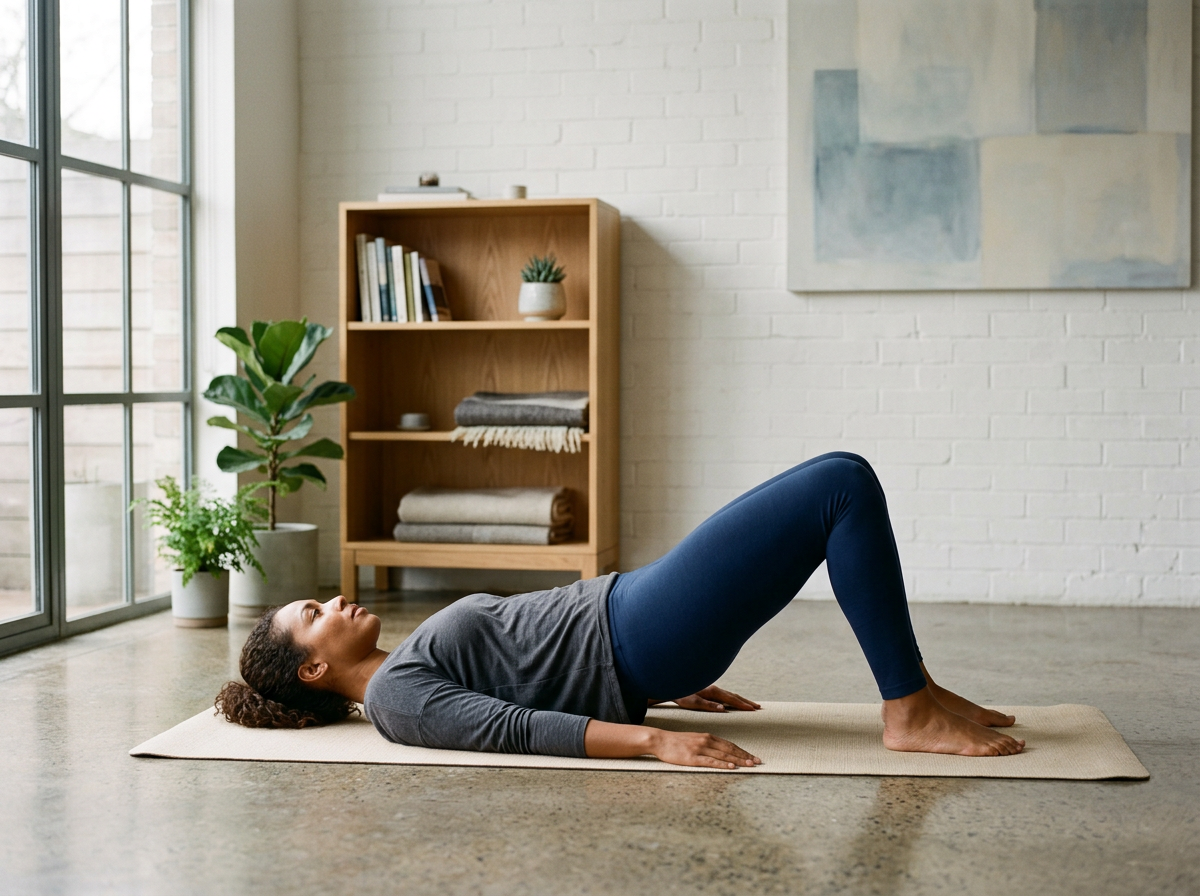
Gluteus Maximus Resurrection: We utilize isolated tactile-cued exercises (like prone glute squeezes and bridges) to wake up the dormant glutes, pulling the back of the pelvis down into a neutral, level alignment.
Phase 3 — Gait Retraining / Mechanics Correction
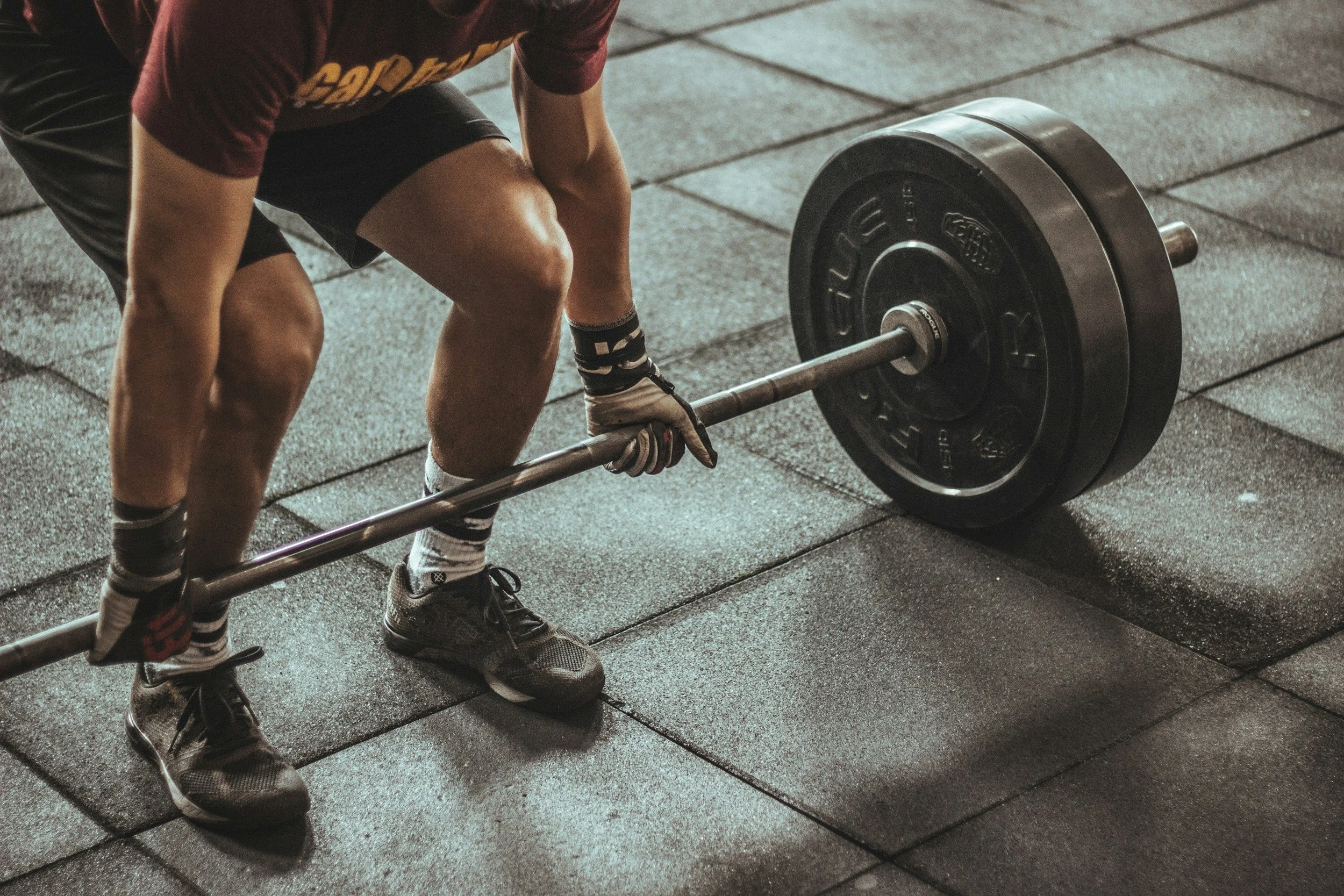
Hip Hinge Mastery: We rigorously retrain how you bend and lift. We teach you to push the hips back and load the newly awakened glutes, ensuring the lumbar spine remains perfectly neutral and locked during movement, rather than absorbing sheer force.
Thoracic Spine Integration: If the lower back arches heavily, the upper back often hunches forward to compensate. We mobilize the thoracic spine to ensure your entire spinal column rests in a natural, elongated position.
Phase 4 — Return-to-Activity Strategy
Anti-Extension Core Endurance: Progressing to heavy, functional core exercises like dead bugs, front planks, and Pallof presses. These build the biological endurance necessary to hold the pelvis perfectly neutral against gravity for an entire workday.
Ergonomic Integration: Modifying your desk height and chair mechanics to ensure your hips rest slightly higher than your knees, preventing the hip flexors from locking up during office hours.
Related Conditions We Treat
Chronic Lower Back Pain
Lumbar Facet Joint Syndrome
Sciatica / Pseudosciatica
Degenerative Disc Disease (DDD)
Sacroiliac Joint (SIJ) Dysfunction
Hamstring Tendinopathy
Related Blogs
"Why Does Stretching My Tight Hamstrings Make My Lower Back Pain Worse?"
"Does Sitting All Day Cause Gluteal Amnesia and Lower Back Pain?"
"Can Physiotherapy Stop the Progression of Degenerative Disc Disease?"
Services Used in Treatment
Manual Therapy
Soft Tissue Release
Myofascial Release
Shockwave Therapy
Gait Retraining
Neuromuscular Re-Education
Custom Orthotics
Strengthening Programs
FAQ Section
1. Can physiotherapy assist in managing an anterior pelvic tilt?
Yes. Physiotherapy supports recovery by addressing the tight hip flexors and weak glutes that pull the pelvis out of alignment, helping to optimize movement and safely restore neutral spinal posture.
2. Does fixing my pelvic tilt actually make me taller?
By returning the pelvis to a neutral position, the deep, compressed arch in the lower back is lengthened. We assist in managing this compression to help you stand with your full, natural structural height.
3. Why do my hamstrings always feel tight if I have a pelvic tilt?
When the front of your pelvis tips down, the back tips up, pulling the hamstrings tightly like a drawn bowstring. We help reduce this tension by correcting the pelvic angle rather than stretching the strained muscle.
4. How does core strength support my pelvic alignment?
The deep core acts as a biological brace that pulls the front of the pelvis upward. We focus on strengthening these stabilizers to ensure your body can automatically hold a neutral posture against gravity.
5. Will correcting my posture help reduce my lower back pain?
Yes. A severe pelvic tilt jams the facet joints at the back of the spine together. We support recovery by flattening the lumbar curve, significantly reducing mechanical overload on these sensitive joints.
6. Can manual therapy release tight hip flexors?
Yes. Advanced soft tissue release targets the deep psoas muscle, helping to reduce tissue irritation and providing the physical slack necessary for the pelvis to level out.
7. How long does it take to correct poor pelvic mechanics?
While immediate postural improvements can be felt after releasing the hip flexors, building the neuromuscular endurance to maintain a neutral pelvis typically requires several weeks of targeted strengthening programs.
8. Are custom orthotics helpful for pelvic tilt?
If severe flat feet (overpronation) are causing your knees to cave inward and your hips to tilt forward, custom orthotics can help optimize movement and balance the foundation of your kinetic chain.
How Physiotherapy Helps
Reducing tissue irritation in the compressed lumbar joints
Correcting pelvic drop and extreme anterior tilt
Improving cadence and shock absorption during walking
Strengthening stabilizers in the deep core and gluteal complex
Reducing mechanical overload on the overstretched hamstrings
Improving foot mechanics to anchor an upright spinal column
Contact Us Today — All you have to lose is the pain
Book a comprehensive biomechanical assessment with our clinical team today. Located inside the Prime Medical Centre at 68 Abell Street, Queen West.
Email: info@rehabmechanics.com Phone: (416) 533-3900
About the Author
Mr. Sanjay Attwala (B.Sc., M.Sc., RPT) is a Registered Physiotherapist, clinical director, and the founder of Rehab Mechanics in Toronto. With over 15 years of registered clinical practice and a deep specialization in complex musculoskeletal rehabilitation, Sanjay synthesizes rigorous international academic training with advanced evidence-based therapeutics to guide his clinical practice and patient education initiatives.
Academic Background & Credentials
Master of Science (M.Sc.) in Physiotherapy – University of Keele, United Kingdom (2010).
Bachelor of Science (B.Sc.) – University of Waterloo, Ontario, Canada.
Registered Physiotherapist (RPT) – Regulated health professional in excellent standing with the College of Physiotherapists of Ontario (CPO).
Corporate Entity – Operating officially under the S. Attwala Physiotherapy Professional Corporation with a DBA of Rehab Mechanics.
Clinical Expertise & Philosophy
Sanjay’s clinical approach rejects passive symptom management in favor of identifying underlying biomechanical root causes. His diverse expertise spans advanced manual therapies, personalized corrective exercise prescription, and modern physical modalities. At the Rehab Mechanics Toronto Queen West clinic, he routinely diagnoses and treats complex conditions including:
Spinal & Discogenic Pathology – Cervical, thoracic, and lumbar disc injuries, sciatica, and sacroiliac joint (SIJ) dysfunction.
Upper & Lower Extremity Injuries – Rotator cuff tears, frozen shoulder, tennis/golfer’s elbow, carpal tunnel syndrome, and complex ankle/foot pathologies.
Perinatal & Pelvic Health Rehabilitation – Specialized assessment and rehabilitation protocols tailored specifically for women during pregnancy and the post-partum period, addressing pelvic girdle pain, diastasis recti, and core stabilization.
Specialized Rehabilitation – Pelvic health therapy, TMJ dysfunction, post-surgical rehabilitation (including Total Hip and Total Knee Replacements), and custom orthotics dispensing.
Shockwave Therapy: with advanced cutting edge technological devices to suit your needs.
Interdisciplinary Practice & Patient Care
Sanjay practices an integrated model of healthcare, working closely alongside medical doctors inside the Prime Medical Centre on Abell Street to streamline patient recovery pathways. He maintains a human-centric, communication-first clinical framework, ensuring that care remains fully customized rather than automated.
His clinical caseload encompasses a broad operational spectrum under Ontario's regulatory frameworks, including:
Motor Vehicle Accident (MVA) Claims – Rehabilitation navigating Ontario’s statutory accident benefits schedule.
Workplace Safety and Insurance Board (WSIB) – Occupational injury management and return-to-work screening.
Extended Health Care (EHC) & Private Practice – Multi-tier insurance coordination and long-term athletic development plans.
Commitment to Research & Community
Outside of his clinical caseload at Rehab Mechanics and his additional practice affiliations in Etobicoke, Sanjay is an active health writer and community educator. He translates contemporary peer-reviewed medical research into accessible, actionable guidance on his professional blog. As a dedicated father and husband, he mirrors his professional advice in his personal life, focusing on structural mobility, cross-training, and longevity to help his family and his community thrive. Naturally he takes he a keen interest in rehabilitation for women who are pregnant and post-partum.
Disclaimer: The information provided on this blog is intended for educational and informational purposes only. It does not constitute medical advice, diagnosis, or a treatment plan. Always seek the direct advice of a Registered Physiotherapist, physician, or other qualified health provider regarding any medical condition or physical rehabilitation routine.
Google MyBusiness for Instant Posts, Photos, Updates, Offers and Communication
Be sure to check out Rehab Mechanics’ Google My Business Profile for daily posts, location and directions in addition to the directions on the website!
We love interacting with prospective and current patients, and love honest feedback and even constructive criticism and areas for improvement!