Can I Heal a Torn ACL and Return to Sports Without Surgery?
Yes. While a completely torn ACL does not biologically reconnect, specialized physiotherapy can make you a "coper." By aggressively strengthening the hamstrings, quadriceps, and neuromuscular reflexes, physical therapy provides immense dynamic stability, allowing many athletes to return to high-level sports without reconstructive knee surgery.
The Devastating "Pop"
For the highly competitive recreational athletes in Toronto—whether you are playing soccer under the lights at Lamport Stadium, running a basketball fast-break in Trinity Bellwoods, or skiing north of the city—a knee injury is the ultimate fear.
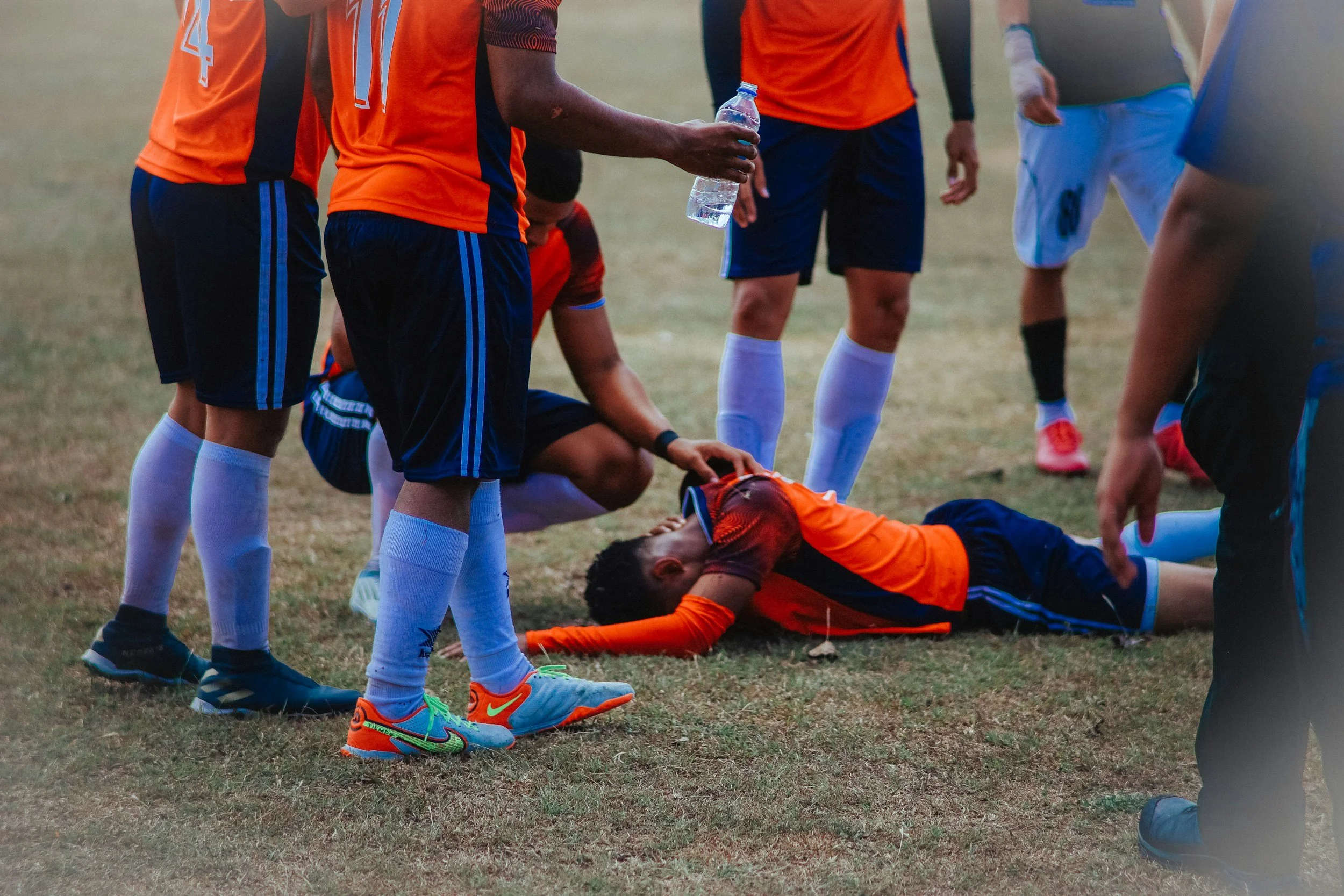
The sequence of events is usually identical: you plant your foot, twist your body to change direction, and suddenly feel and hear a violent, sickening "pop" deep inside your knee. The joint instantly swells to the size of a grapefruit, and your leg gives out from under you.
When the MRI confirms a full rupture of the Anterior Cruciate Ligament (ACL), patients are almost universally told that surgical reconstruction is their only option if they ever want to run or play sports again. However, modern orthopedic science has radically challenged this assumption.
When patients search for "prime medical centre physical therapy" or "sports rehabilitation Toronto," they are looking for options. At Rehab Mechanics, we specialize in high-level athletic joint preservation. A torn ACL does not automatically guarantee a trip to the operating room. By meticulously overhauling the human mechanics of your leg, we can train your muscles to do the job of the missing ligament, successfully transforming you into a non-operative "coper."
Structural Analysis: The Mechanics of the ACL
To understand how you can function without an ACL, we must perform a deep biomechanical analysis of knee stability and the crucial difference between passive and active joint control.
The Anatomy of the Knee's Seatbelt
The knee is a massive hinge joint where the femur (thigh bone) sits on top of the tibia (shin bone).
The Passive Restraint: The ACL is a thick, rope-like ligament that runs diagonally through the absolute center of your knee joint.
The Mechanical Job: Its primary anatomical job is to prevent anterior tibial translation—meaning it physically stops your shin bone from sliding dangerously forward out from under your thigh bone when you stop suddenly or land from a jump. It also prevents the knee from rotating too far inward.
The "Coper" Phenomenon (Active vs. Passive Stability)
When the ACL tears, you lose your primary passive restraint. However, the human body is brilliantly engineered with a secondary, active restraint system: your muscles.
Physiotherapy - Rehab Mechanics - ACL tear
The Hamstring Defense System
Your hamstrings (the massive muscles on the back of your thigh) attach to the back of your shin bone.
When the hamstrings contract forcefully, they physically pull the shin bone backward.
This muscular pull does the exact same mechanical job as the ACL.
The Neuromuscular Lag
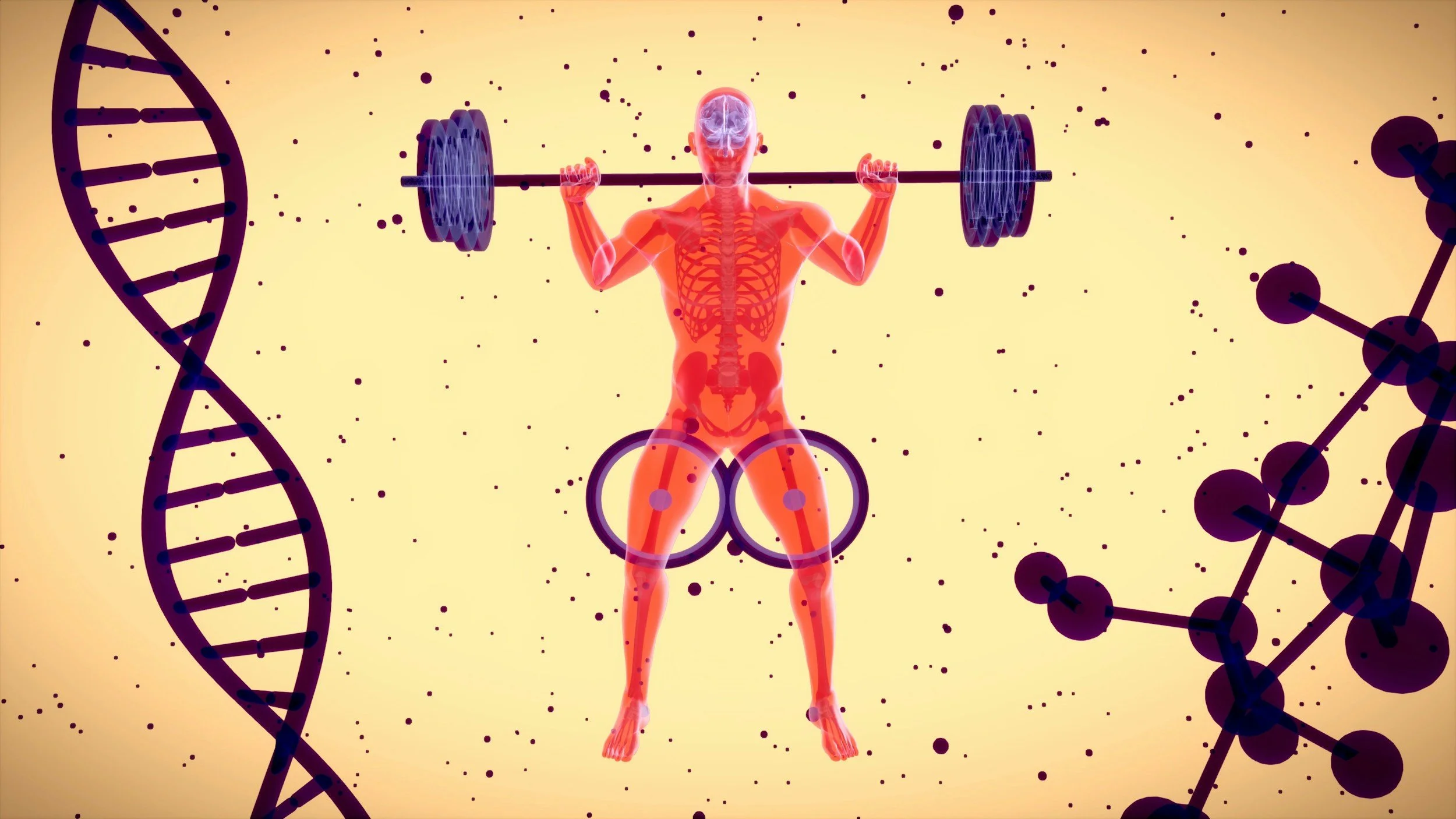
Neuromuscular: attention to detail - mind-muscle connection
The reason your knee gives out (buckles) after an ACL tear is not just because the ligament is gone; it is because your brain is too slow to fire the hamstrings when you twist.
If we can train your nervous system to fire the hamstrings automatically and explosively the millisecond your foot hits the ground, your knee will be perfectly stable. Patients who successfully achieve this high-level neurological reflex are clinically classified as "copers."
Primary Source Proof: Non-Operative ACL Success
One of the most famous, landmark orthopedic trials in modern sports medicine (the KANON trial) definitively proved that structured, intensive rehabilitation alone yields functional outcomes and meniscus preservation rates equal to early surgical ACL reconstruction.
Review the Clinical Evidence on PubMed: A Randomized Trial of Treatment for Acute Anterior Cruciate Ligament Tears (New England Journal of Medicine)
Note: The link above directs to external, peer-reviewed medical literature demonstrating our commitment to evidence-based practice and international clinical guidelines for sports rehabilitation.
The Rehab Mechanics ACL "Coper" Protocol
Rehabilitating an ACL-deficient knee requires an incredibly aggressive, elite-level conditioning program. We do not just put you on a stationary bike; we rebuild the entire neuromuscular software of your lower body.
Phase 1: Effusion Eradication and Quad Reactivation (Weeks 1-4)
Before we can build strength, we must drain the massive swelling (effusion) that is shutting down your leg.
Arthrogenic Muscle Inhibition (AMI): The massive swelling from the tear triggers a spinal reflex that completely paralyzes your quadriceps muscle. We use Neuromuscular Electrical Stimulation (NMES) and heavy isometric holds to forcefully override this shutdown and wake the quad back up.
Restoring Extension: The knee must be able to lock perfectly straight. If it remains even slightly bent, walking will destroy the cartilage. We use aggressive manual overpressure to restore terminal knee extension.
Phase 2: Heavy Closed-Chain Strength (Weeks 4-10)
Once the swelling clears, we must build a muscular exoskeleton around the knee.
Hamstring Hypertrophy: We implement heavy, eccentric hamstring loading (like Romanian Deadlifts and Nordic Hamstring Curls). The hamstrings must become exceptionally thick and strong to act as your new ACL.
Gluteal Fortification: If the side glute (gluteus medius) is weak, the knee will cave inward during movement, placing terrifying stress on the joint. We heavily load the lateral pelvic stabilizers to keep the leg perfectly straight during single-leg balance.
Phase 3: Perturbation and Neuromuscular Re-Wiring (Weeks 10-16)
Strength is useless if the brain cannot use it instantly.
Reactive Stability: Our physiotherapists apply sudden, unexpected pushes and pulls to your body while you balance on an unstable surface (like a BOSU ball). This "perturbation training" forces your spinal cord to react in milliseconds, firing the hamstrings automatically to secure the joint.
Deceleration Training: We teach your body how to safely absorb the force of gravity. We practice precise landing mechanics from drop jumps, ensuring the hips and glutes take the shock, completely sparing the knee.
Phase 4: Return to Sport (RTS) Testing
We run you through an exhaustive battery of single-leg hop tests, agility drills, and psychological readiness questionnaires. You are only cleared to return to the soccer pitch when your injured leg is performing at 90%+ the capacity of your uninjured leg.
Take the Rehab Path First
Even if you ultimately decide to undergo ACL surgery, completing a rigorous physical therapy program beforehand (Pre-Hab) is clinically proven to drastically improve your surgical outcome. Give your body the chance to prove its resilience.
Book a comprehensive sports knee assessment with our clinical team today. We are conveniently located inside the Prime Medical Centre at 68 Abell Street, offering elite athletic recovery in Toronto Queen West.
Contact us to schedule your appointment:
Email: info@rehabmechanics.com
Phone: (416) 533-3900
About the Author
Mr. Sanjay Attwala (B.Sc., M.Sc., RPT) is a Registered Physiotherapist, clinical director, and the founder of Rehab Mechanics in Toronto. With over 15 years of registered clinical practice and a deep specialization in complex musculoskeletal rehabilitation, Sanjay synthesizes rigorous international academic training with advanced evidence-based therapeutics to guide his clinical practice and patient education initiatives.
Academic Background & Credentials
Master of Science (M.Sc.) in Physiotherapy – University of Keele, United Kingdom (2010).
Bachelor of Science (B.Sc.) – University of Waterloo, Ontario, Canada.
Registered Physiotherapist (RPT) – Regulated health professional in excellent standing with the College of Physiotherapists of Ontario (CPO).
Corporate Entity – Operating officially under the S. Attwala Physiotherapy Professional Corporation with a DBA of Rehab Mechanics.
Clinical Expertise & Philosophy
Sanjay’s clinical approach rejects passive symptom management in favor of identifying underlying biomechanical root causes. His diverse expertise spans advanced manual therapies, personalized corrective exercise prescription, and modern physical modalities. At the Rehab Mechanics Toronto Queen West clinic, he routinely diagnoses and treats complex conditions including:
Spinal & Discogenic Pathology – Cervical, thoracic, and lumbar disc injuries, sciatica, and sacroiliac joint (SIJ) dysfunction.
Upper & Lower Extremity Injuries – Rotator cuff tears, frozen shoulder, tennis/golfer’s elbow, carpal tunnel syndrome, and complex ankle/foot pathologies.
Perinatal & Pelvic Health Rehabilitation – Specialized assessment and rehabilitation protocols tailored specifically for women during pregnancy and the post-partum period, addressing pelvic girdle pain, diastasis recti, and core stabilization.
Specialized Rehabilitation – Pelvic health therapy, TMJ dysfunction, post-surgical rehabilitation (including Total Hip and Total Knee Replacements), and custom orthotics dispensing.
Shockwave Therapy: with advanced cutting edge technological devices to suit your needs.
Interdisciplinary Practice & Patient Care
Sanjay practices an integrated model of healthcare, working closely alongside medical doctors inside the Prime Medical Centre on Abell Street to streamline patient recovery pathways. He maintains a human-centric, communication-first clinical framework, ensuring that care remains fully customized rather than automated.
His clinical caseload encompasses a broad operational spectrum under Ontario's regulatory frameworks, including:
Motor Vehicle Accident (MVA) Claims – Rehabilitation navigating Ontario’s statutory accident benefits schedule.
Workplace Safety and Insurance Board (WSIB) – Occupational injury management and return-to-work screening.
Extended Health Care (EHC) & Private Practice – Multi-tier insurance coordination and long-term athletic development plans.
Commitment to Research & Community
Outside of his clinical caseload at Rehab Mechanics and his additional practice affiliations in Etobicoke, Sanjay is an active health writer and community educator. He translates contemporary peer-reviewed medical research into accessible, actionable guidance on his professional blog. As a dedicated father and husband, he mirrors his professional advice in his personal life, focusing on structural mobility, cross-training, and longevity to help his family and his community thrive. Naturally he takes he a keen interest in rehabilitation for women who are pregnant and post-partum.
Disclaimer: The information provided on this blog is intended for educational and informational purposes only. It does not constitute medical advice, diagnosis, or a treatment plan. Always seek the direct advice of a Registered Physiotherapist, physician, or other qualified health provider regarding any medical condition or physical rehabilitation routine.