
Disc Herniation: Not life sentence
Unraveling the Roots of Disc Herniation
Disc herniation often starts subtly, altering everyday comfort before its symptoms become all too apparent. This introduction explores how even minor spinal disc issues can snowball into significant pain and mobility challenges. A common culprit is the gradual weakening of the disc’s structure, influenced by repetitive strain, age-related degeneration, or sudden injury. Individuals may initially notice sharp back pain, radiating discomfort into the legs, or numbness in extremities. In many cases, a herniated disc doesn’t spell a life sentence but signals the need for a thoughtful approach in managing overall spine health.
Key points include:
Mechanical Stress: Daily activities, improper lifting techniques, or prolonged sedentary behavior can exacerbate disc wear.
Inflammatory Response: Swelling around the affected nerve may lead to additional discomfort and stiffness.
Lifestyle Modifications: Incorporating targeted stretching and strength exercises can mitigate symptoms over time.
By understanding these mechanisms, you’ll be equipped to better recognize early warning signs and navigate the initial phase of diagnosis. This detailed examination sets the stage for actionable strategies and holistic guidance, empowering readers to reclaim a pain-free life without feeling overwhelmed by the diagnosis.
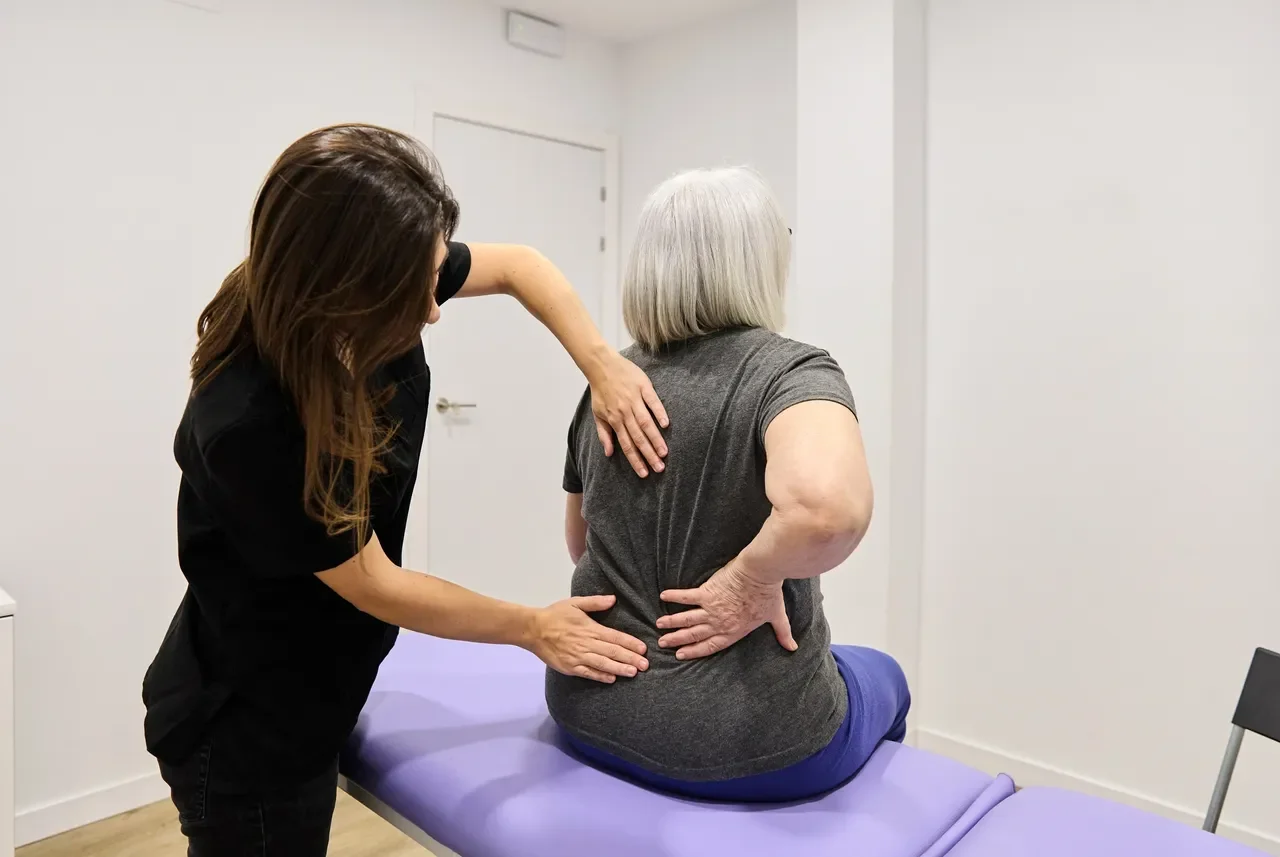
Dispelling Misconceptions About Disc Herniation
Many believe that disc herniation signals a permanent decline in mobility, yet modern rehabilitative approaches tell a different story. In reality, this condition can be managed effectively, allowing individuals to regain control over their daily lives. Instead of resigning to a future shadowed by pain, patients are encouraged to explore comprehensive treatment plans that focus on restoring function and reducing discomfort.
Effective management strategies typically include:
Customized Physical Therapy: Targeted exercises help strengthen core muscles and stabilize the spine.
Ergonomic Adjustments: Learning proper posture and body mechanics minimizes strain on the affected disc.
Gradual Activity Resumption: Incorporating low-impact activities such as walking or swimming can support recovery, particularly in urban areas where local community resources and gyms are readily accessible.
By understanding that a herniated disc is not synonymous with lifelong debilitation, individuals can pursue proactive, tailor-made solutions. Engaging with experienced healthcare professionals will ensure that each step taken is safe and effective. With the right approach, recovery involves a gradual reintroduction to movement and active living, proving that disc herniation really is manageable.
Step-by-Step Exercises to Relieve Disc Herniation Pain
Begin your journey to improved back health by following these effective steps that target disc herniation symptoms. This guide outlines a practical routine designed for those seeking gentle recovery and long-term relief.
Warm-Up: Start with 5-10 minutes of light walking or stationary cycling to gradually increase blood flow to your back muscles. Tip: Maintain a comfortable pace to prepare your body without stress.
Stretching Routine: Incorporate gentle stretches that focus on the lower back and surrounding muscles. Consider seated forward bends and gentle side twists. Best Practice: Hold each stretch steadily for 20-30 seconds.
Core Activation: Engage in simple core-strengthening exercises like pelvic tilts or modified planks to improve spinal support. Advice: Keep movements slow and controlled for maximum benefit.
Low-Impact Cardio: Choose activities such as swimming, water aerobics, or using an elliptical machine to maintain flexibility while minimizing joint stress.
Cool Down: Conclude with deep breathing and static stretches to relax your muscles and reduce tension.
Adapt these steps to your routine, whether at home or in local wellness centers, and take control of your recovery—disc herniation doesn’t have to define your quality of life.
Transform Your Daily Routine for Lasting Spinal Health
Adapting your lifestyle can make a significant difference in overcoming disc herniation and preventing further injury. Embracing small, manageable changes not only aids in recovery but also empowers you to maintain a healthier back over time. Incorporate these strategies into your daily routine to help stabilize your spine and improve overall well-being:
Active Recovery: Engage in gentle, low-impact exercises such as walking, swimming, or yoga. These activities encourage blood flow and maintain muscle strength without placing undue strain on your spine.
Posture Awareness: Practice proper alignment during everyday tasks. Whether you're at work in a busy city office or relaxing at home, keeping a neutral spine position minimizes pressure on your herniated disc.
Ergonomic Adjustments: Modify your workspace with adjustable seating and supportive devices. This can dramatically reduce discomfort and facilitate safer movement throughout your day.
Mindful Movement: Incorporate stretching and balance exercises to enhance coordination and flexibility, reducing the risk of future injuries.
By integrating these lifestyle adjustments, you create a supportive environment for recovery while proactively safeguarding your spine. Each small step fosters a resilient back and encourages a future free from recurring discomfort.
Frequently Asked Questions
What causes disc herniation and how can I recognize it? Disc herniation often results from gradual wear or sudden strain that causes the disc to bulge or rupture. Common signs include localized back pain, numbness, and tingling in the limbs.
How does physiotherapy help manage the condition? Targeted physiotherapy can strengthen core muscles and improve posture, reducing strain on the spine. Tailored exercise programs also increase flexibility and support proper alignment, aiding recovery.
Are there effective self-care methods for relief? Yes, maintaining proper ergonomics, using cold or warm compresses, and practicing gentle stretching techniques can ease discomfort. These steps are especially useful in regional areas where local resources emphasize holistic care.
What role does exercise play in treatment? Regular, low-impact activities such as walking and swimming boost circulation to the affected area. These practices, combined with proper lifestyle adjustments, can significantly alleviate pain.
When should I consider professional intervention? If symptoms persist or worsen, seek evaluation from a healthcare provider. Early treatment helps prevent further deterioration and promotes long-term spinal health.
A New Path Forward
In closing, it’s evident that disc herniation can be managed effectively, allowing you to continue leading an active and fulfilling life. With a tailored approach focused on targeted exercises, proper posture, and consistent physical therapy, recovering mobility and reducing pain is entirely achievable. By understanding that disc herniation is not a life sentence, you gain the freedom to explore adaptable fitness routines and recovery strategies designed specifically for your needs.
Consider these actionable steps:
Embrace low-impact exercises, such as walking, swimming, or yoga, to build strength without straining your back.
Incorporate core stability and flexibility training into your routine.
Remain proactive by consulting local physiotherapy experts who understand the nuances of your condition.
Remember, real progress begins with small, consistent actions. Each step taken is a reinforcement of your commitment to improved health and a better quality of life. Stay motivated, keep informed, and let your journey toward a pain-managed, active lifestyle serve as inspiration for your future. Your recovery story is just beginning—move confidently towards sustained wellness.
About the Author
Mr. Sanjay Attwala (B.Sc., M.Sc., RPT) is a Registered Physiotherapist, clinical director, and the founder of Rehab Mechanics in Toronto. With over 15 years of registered clinical practice and a deep specialization in complex musculoskeletal rehabilitation, Sanjay synthesizes rigorous international academic training with advanced evidence-based therapeutics to guide his clinical practice and patient education initiatives.
Academic Background & Credentials
Master of Science (M.Sc.) in Physiotherapy – University of Keele, United Kingdom (2010).
Bachelor of Science (B.Sc.) – University of Waterloo, Ontario, Canada.
Registered Physiotherapist (RPT) – Regulated health professional in excellent standing with the College of Physiotherapists of Ontario (CPO).
Corporate Entity – Operating officially under the S. Attwala Physiotherapy Professional Corporation with a DBA of Rehab Mechanics.
Clinical Expertise & Philosophy
Sanjay’s clinical approach rejects passive symptom management in favor of identifying underlying biomechanical root causes. His diverse expertise spans advanced manual therapies, personalized corrective exercise prescription, and modern physical modalities. At the Rehab Mechanics Toronto Queen West clinic, he routinely diagnoses and treats complex conditions including:
Spinal & Discogenic Pathology – Cervical, thoracic, and lumbar disc injuries, sciatica, and sacroiliac joint (SIJ) dysfunction.
Upper & Lower Extremity Injuries – Rotator cuff tears, frozen shoulder, tennis/golfer’s elbow, carpal tunnel syndrome, and complex ankle/foot pathologies.
Perinatal & Pelvic Health Rehabilitation – Specialized assessment and rehabilitation protocols tailored specifically for women during pregnancy and the post-partum period, addressing pelvic girdle pain, diastasis recti, and core stabilization.
Specialized Rehabilitation – Pelvic health therapy, TMJ dysfunction, post-surgical rehabilitation (including Total Hip and Total Knee Replacements), and custom orthotics dispensing.
Shockwave Therapy: with advanced cutting edge technological devices to suit your needs.
Interdisciplinary Practice & Patient Care
Sanjay practices an integrated model of healthcare, working closely alongside medical doctors inside the Prime Medical Centre on Abell Street to streamline patient recovery pathways. He maintains a human-centric, communication-first clinical framework, ensuring that care remains fully customized rather than automated.
His clinical caseload encompasses a broad operational spectrum under Ontario's regulatory frameworks, including:
Motor Vehicle Accident (MVA) Claims – Rehabilitation navigating Ontario’s statutory accident benefits schedule.
Workplace Safety and Insurance Board (WSIB) – Occupational injury management and return-to-work screening.
Extended Health Care (EHC) & Private Practice – Multi-tier insurance coordination and long-term athletic development plans.
Commitment to Research & Community
Outside of his clinical caseload at Rehab Mechanics and his additional practice affiliations in Etobicoke, Sanjay is an active health writer and community educator. He translates contemporary peer-reviewed medical research into accessible, actionable guidance on his professional blog. As a dedicated father and husband, he mirrors his professional advice in his personal life, focusing on structural mobility, cross-training, and longevity to help his family and his community thrive. Naturally he takes he a keen interest in rehabilitation for women who are pregnant and post-partum.
Disclaimer: The information provided on this blog is intended for educational and informational purposes only. It does not constitute medical advice, diagnosis, or a treatment plan. Always seek the direct advice of a Registered Physiotherapist, physician, or other qualified health provider regarding any medical condition or physical rehabilitation routine.