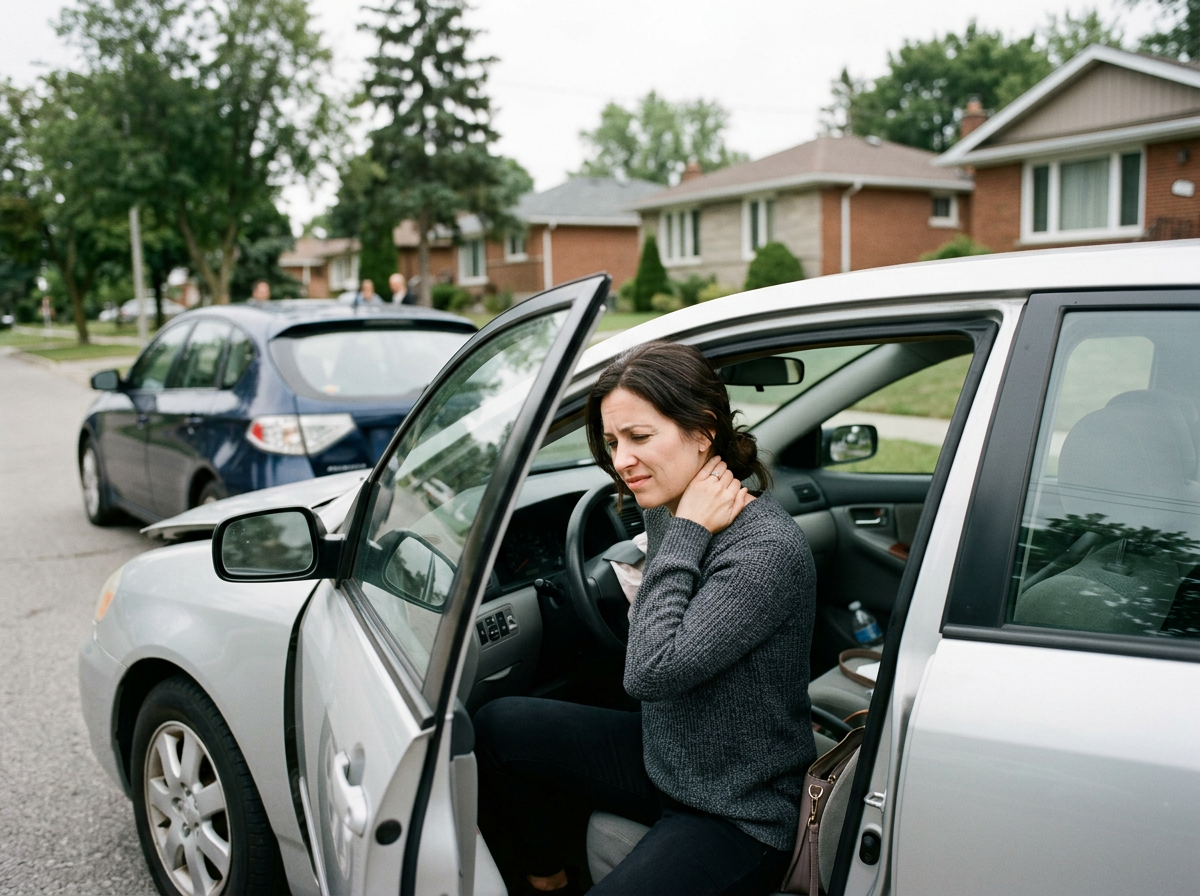
Is a Specialized Physiotherapy Clinic Necessary After ACL Surgery?
Yes. Successful recovery from ACL reconstruction requires a specialized physiotherapy clinic. A clinical director manages the delicate phases of graft integration, overcomes arthrogenic muscle inhibition (quadriceps shutdown), and implements rigorous return-to-sport testing to prevent catastrophic re-injury.
The Reality of Post-Surgical Rehabilitation
Undergoing Anterior Cruciate Ligament (ACL) reconstruction surgery is a massive physical and psychological event. However, orthopedic surgeons frequently remind their patients of one critical truth: the surgery only accounts for 30% of the outcome; the remaining 70% depends entirely on the quality of your physical rehabilitation.
When patients in Toronto search for a "prime rehab center physical therapy" or "physiotherapy clinic in Toronto" following a major knee surgery, they cannot afford to settle for basic, generic care. Post-surgical rehabilitation is a highly complex, scientifically phased process. Pushing the knee too hard too early can stretch and ruin the new surgical graft. Conversely, moving too slowly leads to permanent scar tissue buildup and profound muscle atrophy.
At Rehab Mechanics, operating inside the Prime Medical Centre on Abell Street, we specialize in high-level, post-operative orthopedic rehabilitation. We bridge the critical gap between the operating table and your safe return to the sports and urban activities you love.
Structural Analysis: The Mechanics of ACL Recovery
To understand why specialized physiotherapy is non-negotiable, we must perform a clinical analysis of the biological and neurological trauma that occurs during and after ACL surgery.
The Biology of Graft Healing (Ligamentization)
When a surgeon rebuilds your ACL, they typically use a piece of tendon (either from your hamstring, patellar tendon, or a donor).
The Necrotic Phase: In the first few weeks after surgery, the new graft actually dies (necrosis) as it loses its original blood supply. It is incredibly weak during this phase.
Ligamentization: Over the next 6 to 12 months, the body slowly revascularizes the dead tissue and remodels it into a living ligament.
The Danger Zone: A specialized physiotherapist understands the exact timelines of this biological process. We implement precise biomechanical loads to stimulate healing while strictly avoiding shear forces that could snap the vulnerable, remodeling graft.
The Neurological Shutdown (Arthrogenic Muscle Inhibition)
Surgery involves massive trauma to the joint capsule.
The Quadriceps Failure
When the knee swells with post-surgical fluid, specialized stretch receptors inside the joint send panic signals to the spinal cord. To protect the knee from moving, the nervous system completely shuts off the neural drive to the quadriceps muscle (the front of your thigh).
The Atrophy Cascade
This is called Arthrogenic Muscle Inhibition (AMI). You can stare at your thigh and tell it to contract, but nothing happens. Within days, the muscle begins to atrophy rapidly. A standard clinic might just tell you to "do more leg lifts." A specialized clinical team uses advanced neuromuscular electrical stimulation (NMES) and biofeedback to force the nervous system to bypass the inhibition and "wake up" the quadriceps before permanent weakness sets in.
Primary Source Proof: Post-Operative Protocols
Advanced orthopedic research clearly dictates that structured, phased, and criterion-based physical therapy is the primary determinant for a successful return to pre-injury activity levels following ACL reconstruction.
Download Clinical Efficacy PDF: Evidence-Based Clinical Practice Guidelines for Rehabilitation Following ACL Reconstruction (Open Access Medical Review)
Note: The link above serves as an example of our commitment to evidence-based practice, referencing standard international clinical guidelines for post-surgical orthopedic rehabilitation.
The Rehab Mechanics Post-Surgical Protocol
We do not use a "wait and see" approach. We utilize a strict, criterion-based progression model, meaning you only advance to the next phase of rehab when your body proves it is structurally ready.
Phase 1: Acute Protection and ROM (Weeks 1-4)
The immediate goal is calming the surgical trauma.
Extension Restoration: Achieving full, 0-degree knee extension is the most critical milestone of early rehab to ensure normal walking mechanics.
Edema Management: Utilizing lymphatic massage and compression to flush surgical swelling out of the joint capsule.
Quad Reactivation: Aggressive use of manual therapy and electrical stimulation to overcome AMI and restore active quadriceps control.
Phase 2: Structural Loading and Hypertrophy (Weeks 5-12)
Once the knee is quiet, we must rebuild the atrophied muscle mass.
Closed Kinetic Chain Loading: Utilizing leg presses, step-ups, and targeted squats to safely load the knee joint without placing dangerous shear forces on the healing ACL graft.
Posterior Chain Fortification: Heavily strengthening the hamstrings and glutes, which act as the biological "brakes" to protect the ACL from forward stress.
Phase 3: Neuromuscular Control and Plyometrics (Months 3-6)
We transition from basic strength to athletic resilience.
Proprioceptive Training: Rebuilding the brain-to-knee connection using unstable surfaces, ensuring the muscles fire instantly to stabilize the joint during unexpected movements.
Linear Impact: Carefully introducing low-level plyometrics (hopping and landing mechanics) to teach the tendons how to absorb shock.
Phase 4: Return to Sport Testing (Months 6-9+)
We do not guess when you are ready to play. We test it.
Agility and Cutting: Introducing the chaotic, lateral movements required for sports like soccer, basketball, or tennis.
Isokinetic and Hop Testing: Ensuring your surgical leg has reached at least 90% of the strength and power output of your healthy leg before clearing you for full activity.
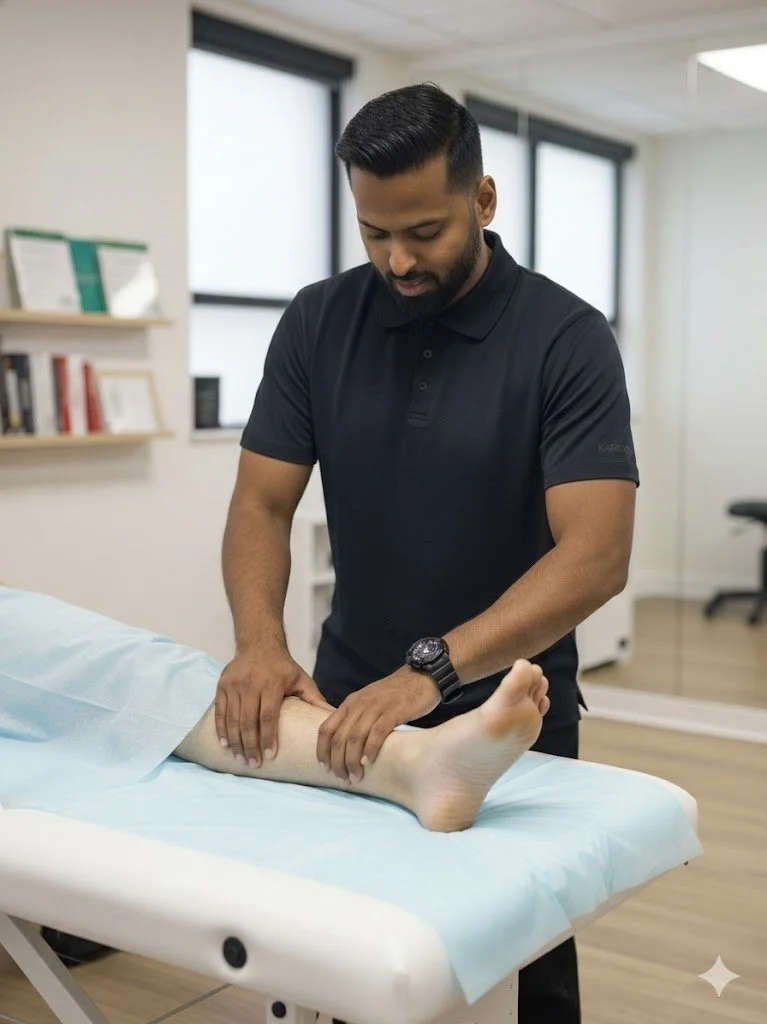
Reclaim Your Peak Performance
ACL surgery is a significant setback, but with elite physical rehabilitation, you can return stronger and more resilient than before your injury.
Secure the highest standard of post-surgical care. Book a comprehensive rehabilitation assessment with our clinical team today. We are conveniently located inside the Prime Medical Centre at 68 Abell Street, offering advanced orthopedic recovery in Queen West.
Contact us to schedule your appointment:
Email: info@rehabmechanics.com
Phone: (416) 533-3900
About the Author
Mr. Sanjay Attwala (B.Sc., M.Sc., RPT) is a Registered Physiotherapist, clinical director, and the founder of Rehab Mechanics in Toronto. With over 15 years of registered clinical practice and a deep specialization in complex musculoskeletal rehabilitation, Sanjay synthesizes rigorous international academic training with advanced evidence-based therapeutics to guide his clinical practice and patient education initiatives.
Academic Background & Credentials
Master of Science (M.Sc.) in Physiotherapy – University of Keele, United Kingdom (2010).
Bachelor of Science (B.Sc.) – University of Waterloo, Ontario, Canada.
Registered Physiotherapist (RPT) – Regulated health professional in excellent standing with the College of Physiotherapists of Ontario (CPO).
Corporate Entity – Operating officially under the S. Attwala Physiotherapy Professional Corporation with a DBA of Rehab Mechanics.
Clinical Expertise & Philosophy
Sanjay’s clinical approach rejects passive symptom management in favor of identifying underlying biomechanical root causes. His diverse expertise spans advanced manual therapies, personalized corrective exercise prescription, and modern physical modalities. At the Rehab Mechanics Toronto Queen West clinic, he routinely diagnoses and treats complex conditions including:
Spinal & Discogenic Pathology – Cervical, thoracic, and lumbar disc injuries, sciatica, and sacroiliac joint (SIJ) dysfunction.
Upper & Lower Extremity Injuries – Rotator cuff tears, frozen shoulder, tennis/golfer’s elbow, carpal tunnel syndrome, and complex ankle/foot pathologies.
Perinatal & Pelvic Health Rehabilitation – Specialized assessment and rehabilitation protocols tailored specifically for women during pregnancy and the post-partum period, addressing pelvic girdle pain, diastasis recti, and core stabilization.
Specialized Rehabilitation – Pelvic health therapy, TMJ dysfunction, post-surgical rehabilitation (including Total Hip and Total Knee Replacements), and custom orthotics dispensing.
Shockwave Therapy: with advanced cutting edge technological devices to suit your needs.
Interdisciplinary Practice & Patient Care
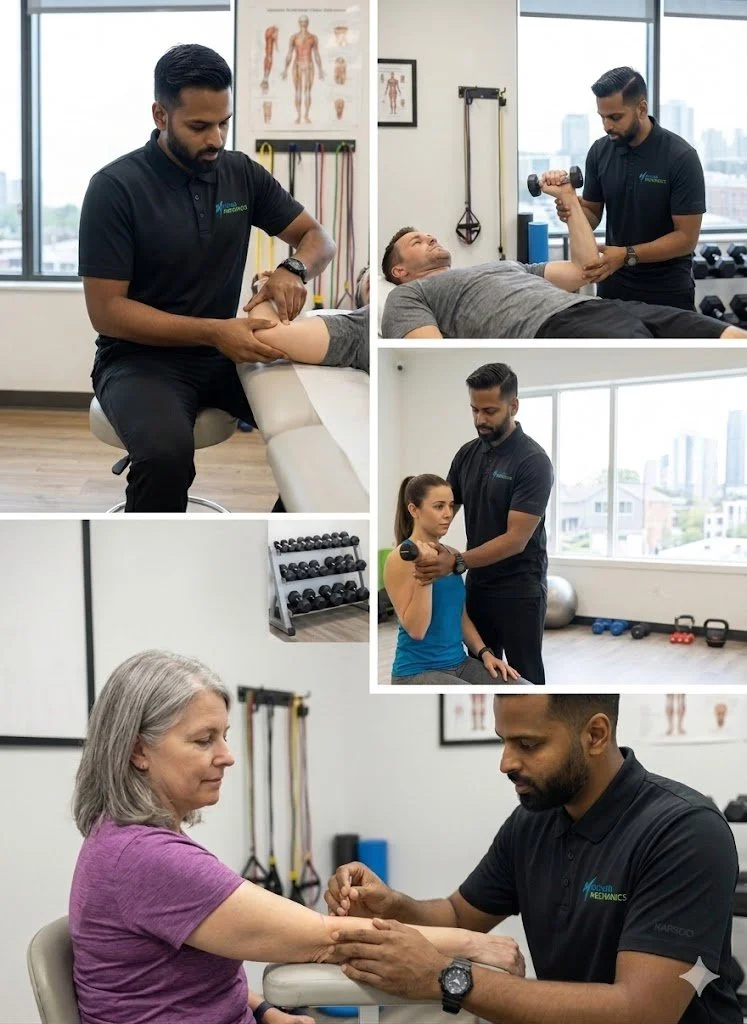
Sanjay practices an integrated model of healthcare, working closely alongside medical doctors inside the Prime Medical Centre on Abell Street to streamline patient recovery pathways. He maintains a human-centric, communication-first clinical framework, ensuring that care remains fully customized rather than automated.
His clinical caseload encompasses a broad operational spectrum under Ontario's regulatory frameworks, including:
Motor Vehicle Accident (MVA) Claims – Rehabilitation navigating Ontario’s statutory accident benefits schedule.
Workplace Safety and Insurance Board (WSIB) – Occupational injury management and return-to-work screening.
Extended Health Care (EHC) & Private Practice – Multi-tier insurance coordination and long-term athletic development plans.
Commitment to Research & Community
Outside of his clinical caseload at Rehab Mechanics and his additional practice affiliations in Etobicoke, Sanjay is an active health writer and community educator. He translates contemporary peer-reviewed medical research into accessible, actionable guidance on his professional blog. As a dedicated father and husband, he mirrors his professional advice in his personal life, focusing on structural mobility, cross-training, and longevity to help his family and his community thrive. Naturally he takes he a keen interest in rehabilitation for women who are pregnant and post-partum.
Disclaimer: The information provided on this blog is intended for educational and informational purposes only. It does not constitute medical advice, diagnosis, or a treatment plan. Always seek the direct advice of a Registered Physiotherapist, physician, or other qualified health provider regarding any medical condition or physical rehabilitation routine.