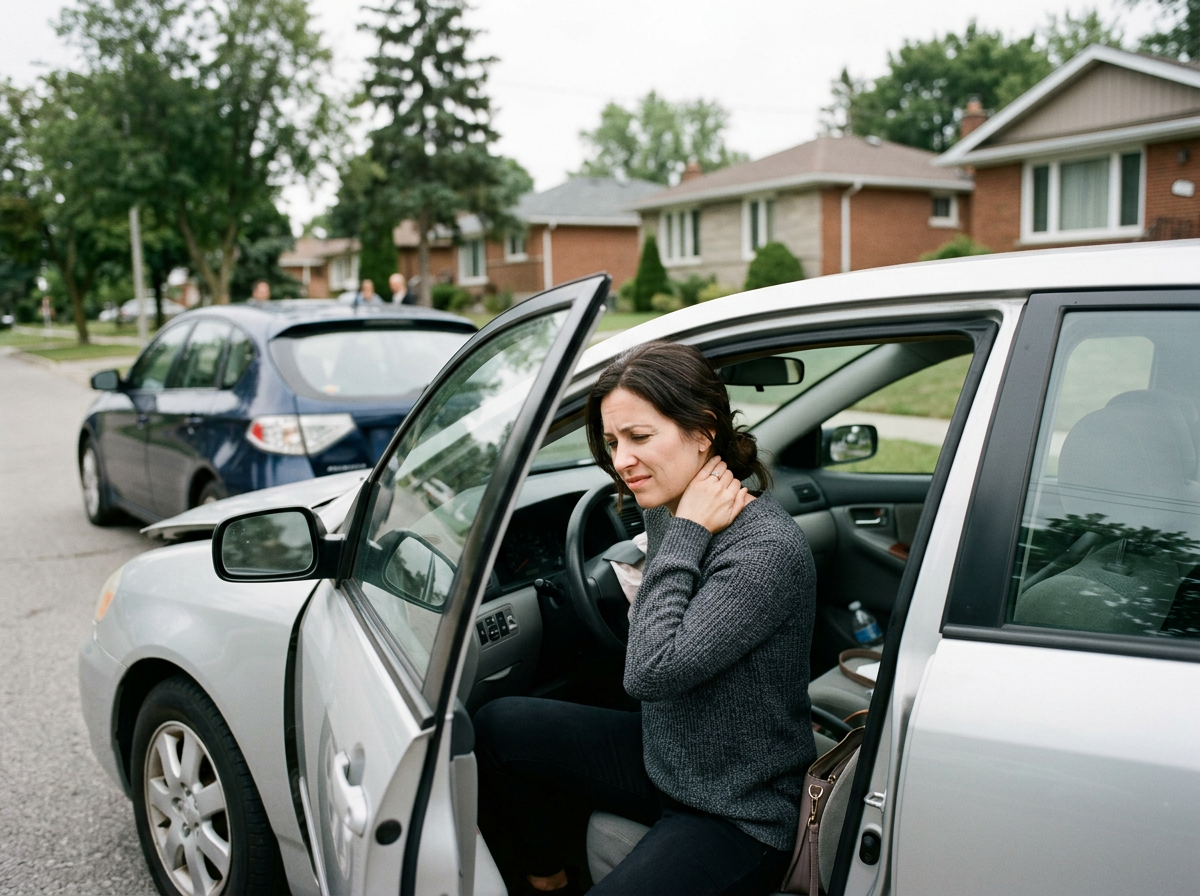
Can Correcting Your Body Mechanics Eliminate Chronic Muscle Knots?
Yes. Correcting your fundamental body mechanics is the only permanent way to eliminate chronic muscle knots. While massage offers temporary relief, physiotherapy fixes the postural imbalances and joint stiffness that force muscles to chronically overwork, spasm, and form painful myofascial trigger points.
The Endless Cycle of Muscle Tension
Many Toronto professionals live with a constant, nagging companion: chronic muscle knots. Whether it is a burning golf-ball-sized knot between the shoulder blades, intense tightness at the base of the skull, or dense bands of tissue in the lower back, these knots can make sitting, sleeping, and exercising miserable.
When patients search for solutions related to "the body mechanics" or "remedial mechanics," they have usually already spent thousands of dollars on deep tissue massages, massage guns, and foam rollers. The story is always the same: the massage feels incredible for 24 hours, but by the time they return to their desk the next day, the knot is back, just as painful as before.
At Rehab Mechanics in Queen West, we understand that a muscle knot is not the root problem; it is a symptom of a mechanical overload. To permanently eliminate myofascial pain, you must stop treating the victim (the muscle) and start treating the culprit (your body mechanics).
Structural Analysis: The Science of a Muscle Knot
To break the cycle of chronic tension, we must perform a deep dive into what a muscle knot actually is and why your nervous system creates it.
Myofascial Trigger Points Explained
In clinical terms, a "muscle knot" is a myofascial trigger point.
The Micro-Spasm: A trigger point is a highly localized, hyper-irritable spot within a taut band of skeletal muscle. Essentially, a tiny segment of the muscle fiber has locked into a permanent, chemical spasm and refuses to let go.
Ischemia (Lack of Blood Flow): Because this tiny segment is permanently contracted, it acts like a clenched fist, squeezing the microscopic capillaries shut. This cuts off oxygen and blood flow to the tissue, causing the burning, aching sensation.
Why Do Trigger Points Form?
Muscles do not lock up maliciously. They lock up because your body mechanics are failing, and the nervous system is forcing them to work overtime to protect your joints.
The Overload Principle
Trigger points form when a muscle is subjected to sustained, low-level isometric overload.
The Compensatory Pattern
Consider the classic knot between the shoulder blades (the rhomboid muscles).
The Mechanical Flaw: If you sit with a hunched, forward-head posture, your heavy head is no longer balanced over your spine.
The Overworked Motor: Your poor rhomboid muscles now have to act like bungee cords, firing continuously for 10 hours a day to prevent your head from falling into your lap.
The Inevitable Failure: Muscles are meant to contract and relax. They cannot sustain a 10-hour contraction. Eventually, they fatigue, run out of cellular energy (ATP), and lock into painful trigger points.
Massaging the rhomboids relieves the ischemia temporarily, but the moment you sit back down with the same poor mechanics, the overload resumes instantly.
Primary Source Proof: Postural Biomechanics
Clinical rehabilitation research explicitly shows that combining manual trigger point therapy with postural strengthening yields vastly superior long-term results compared to manual therapy alone.
Download Clinical Efficacy PDF: The Efficacy of Corrective Exercise and Manual Therapy in the Treatment of Myofascial Pain Syndrome (Open Access Medical Review)
Note: The link above serves as an example of our commitment to evidence-based practice, referencing standard international clinical guidelines for myofascial pain management.
The Rehab Mechanics Solution: Fixing the Machine
To permanently eliminate chronic knots, we implement a structural rehabilitation blueprint that resets your body's mechanics from the ground up.
1. Releasing the Brakes (Advanced Manual Therapy)
Before we can correct your posture, we must manually unlock the restrictive tissues holding you in a bad position.
Targeted Trigger Point Release: Applying sustained, ischemic compression directly to the nodule to force the muscle fibers to yield and restore localized blood flow.
Myofascial Release: Stripping the dense, shortened fascia on the front of the body (like the pectoral muscles) that are physically pulling your shoulders forward and overloading your back muscles.
2. Restoring Joint Arthrokinematics
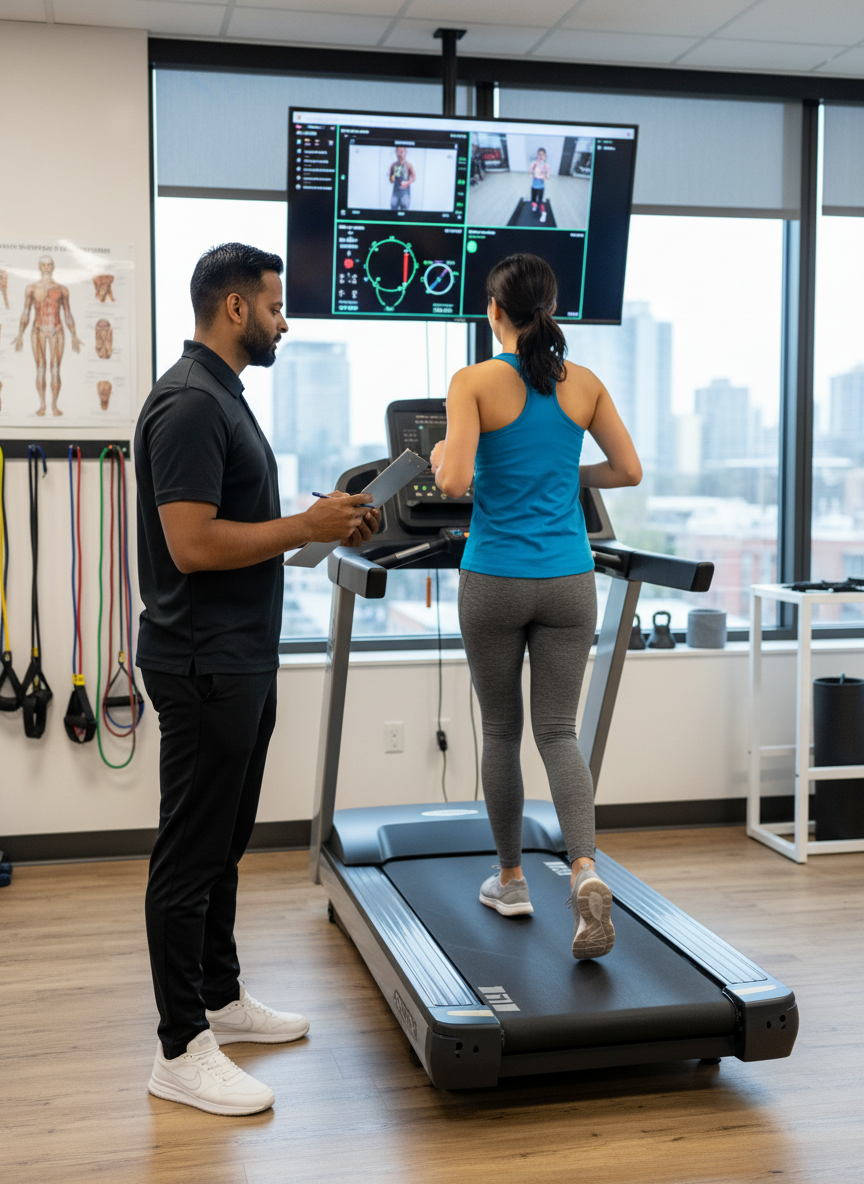
Muscles attach to bones. If the joints are stiff, the muscles have to work twice as hard to move them.
Thoracic Spine Mobilization: We use specialized techniques to un-jam stiff mid-back joints. A mobile spine instantly takes the mechanical stress off the surrounding musculature.
Cervical Decompression: Gently restoring the natural curvature of the neck to allow the heavy weight of the skull to rest on the bones, rather than hanging off the muscles.
3. Neuromuscular Fortification
This is where the permanent cure happens. We must build a stronger machine.
Deep Core and Stabilizer Activation: Teaching the nervous system to utilize the deep, endurance-based stabilizing muscles (like the deep cervical flexors or transversus abdominis) rather than overworking the large, superficial movement muscles.
Postural Endurance Training: Prescribing specific exercises (like scapular retractions and face pulls) to build biological resilience, ensuring your muscles can effortlessly handle the mechanical demands of your daily life.
Stop Chasing the Pain
Do not accept chronic muscle tension as a normal part of aging or working at a desk. You can remodel your body's mechanics and live pain-free.
Book a comprehensive biomechanical assessment with our clinical team today. We are conveniently located inside the Prime Medical Centre at 68 Abell Street, in the heart of Queen West.
Contact us to schedule your appointment:
Email: info@rehabmechanics.com
Phone: (416) 533-3900
About the Author
Mr. Sanjay Attwala (B.Sc., M.Sc., RPT) is a Registered Physiotherapist, clinical director, and the founder of Rehab Mechanics in Toronto. With over 15 years of registered clinical practice and a deep specialization in complex musculoskeletal rehabilitation, Sanjay synthesizes rigorous international academic training with advanced evidence-based therapeutics to guide his clinical practice and patient education initiatives.
Academic Background & Credentials
Master of Science (M.Sc.) in Physiotherapy – University of Keele, United Kingdom (2010).
Bachelor of Science (B.Sc.) – University of Waterloo, Ontario, Canada.
Registered Physiotherapist (RPT) – Regulated health professional in excellent standing with the College of Physiotherapists of Ontario (CPO).
Corporate Entity – Operating officially under the S. Attwala Physiotherapy Professional Corporation with a DBA of Rehab Mechanics.
Clinical Expertise & Philosophy
Sanjay’s clinical approach rejects passive symptom management in favor of identifying underlying biomechanical root causes. His diverse expertise spans advanced manual therapies, personalized corrective exercise prescription, and modern physical modalities. At the Rehab Mechanics Toronto Queen West clinic, he routinely diagnoses and treats complex conditions including:
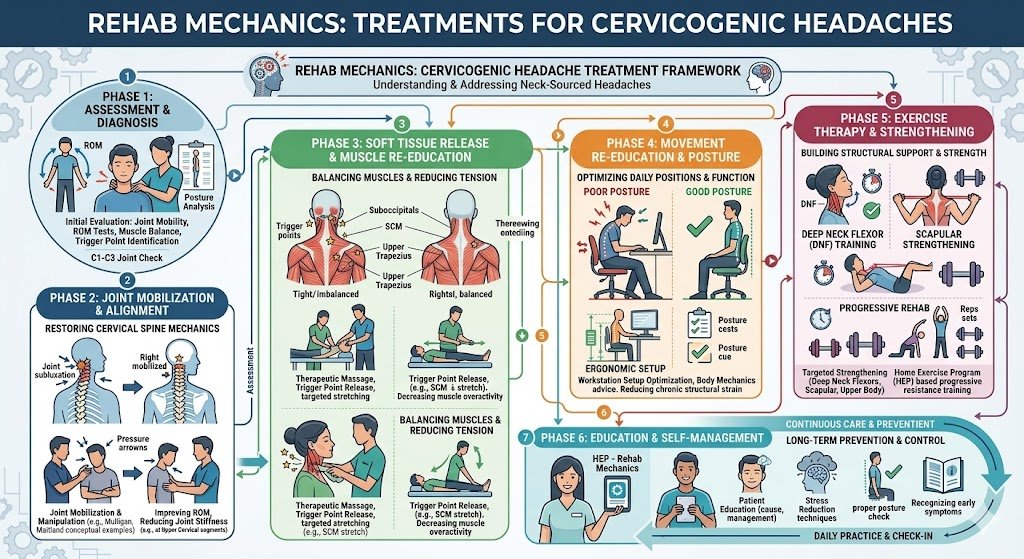
Spinal & Discogenic Pathology – Cervical, thoracic, and lumbar disc injuries, sciatica, and sacroiliac joint (SIJ) dysfunction.
Upper & Lower Extremity Injuries – Rotator cuff tears, frozen shoulder, tennis/golfer’s elbow, carpal tunnel syndrome, and complex ankle/foot pathologies.
Perinatal & Pelvic Health Rehabilitation – Specialized assessment and rehabilitation protocols tailored specifically for women during pregnancy and the post-partum period, addressing pelvic girdle pain, diastasis recti, and core stabilization.
Specialized Rehabilitation – Pelvic health therapy, TMJ dysfunction, post-surgical rehabilitation (including Total Hip and Total Knee Replacements), and custom orthotics dispensing.
Shockwave Therapy: with advanced cutting edge technological devices to suit your needs.
Interdisciplinary Practice & Patient Care
Sanjay practices an integrated model of healthcare, working closely alongside medical doctors inside the Prime Medical Centre on Abell Street to streamline patient recovery pathways. He maintains a human-centric, communication-first clinical framework, ensuring that care remains fully customized rather than automated.
His clinical caseload encompasses a broad operational spectrum under Ontario's regulatory frameworks, including:
Motor Vehicle Accident (MVA) Claims – Rehabilitation navigating Ontario’s statutory accident benefits schedule.
Workplace Safety and Insurance Board (WSIB) – Occupational injury management and return-to-work screening.
Extended Health Care (EHC) & Private Practice – Multi-tier insurance coordination and long-term athletic development plans.
Commitment to Research & Community
Outside of his clinical caseload at Rehab Mechanics and his additional practice affiliations in Etobicoke, Sanjay is an active health writer and community educator. He translates contemporary peer-reviewed medical research into accessible, actionable guidance on his professional blog. As a dedicated father and husband, he mirrors his professional advice in his personal life, focusing on structural mobility, cross-training, and longevity to help his family and his community thrive. Naturally he takes he a keen interest in rehabilitation for women who are pregnant and post-partum.
Disclaimer: The information provided on this blog is intended for educational and informational purposes only. It does not constitute medical advice, diagnosis, or a treatment plan. Always seek the direct advice of a Registered Physiotherapist, physician, or other qualified health provider regarding any medical condition or physical rehabilitation routine.