Why Are Your Prescribed Home Physiotherapy Exercises So Important? | Rehab Mechanics Toronto
Why Are Your Prescribed Home Physiotherapy Exercises So Important Between Clinic Visits?
Summary for our “Caffeine Movers” (TL;DR):
Your prescribed Home Exercise Program (HEP) is arguably the most critical component of your rehabilitation. While an in-clinic physiotherapy visit provides the diagnosis, the roadmap, and vital pain-relieving manual therapy, tissue remodeling (the actual biological strengthening of your tendons, muscles, and nerves) strictly requires daily, high-volume mechanical repetition. Simply put: one hour of treatment in the clinic cannot override 167 hours of poor movement habits at home.
Key Takeaways:
The Clinical Reality: Physiotherapy is an active partnership, not a passive service. Relying exclusively on hands-on clinical treatments without performing your homework drastically prolongs recovery timelines and increases the risk of chronic injury relapse.
The Biology: Connective tissues (like tendons and ligaments) only grow stronger through a process called mechanotransduction—which requires frequent, daily mechanical loading to signal cells to build new collagen.
Neuromuscular Re-education: Doing your exercises daily rewires your brain. It takes thousands of repetitions to overwrite a poor, pain-inducing movement pattern and replace it with a structurally sound one.
The Ultimate Goal: The purpose of the home exercise program is to build your physical independence, empowering you to manage your body without needing to rely on a physiotherapist forever.
The "Passive Treatment" Trap
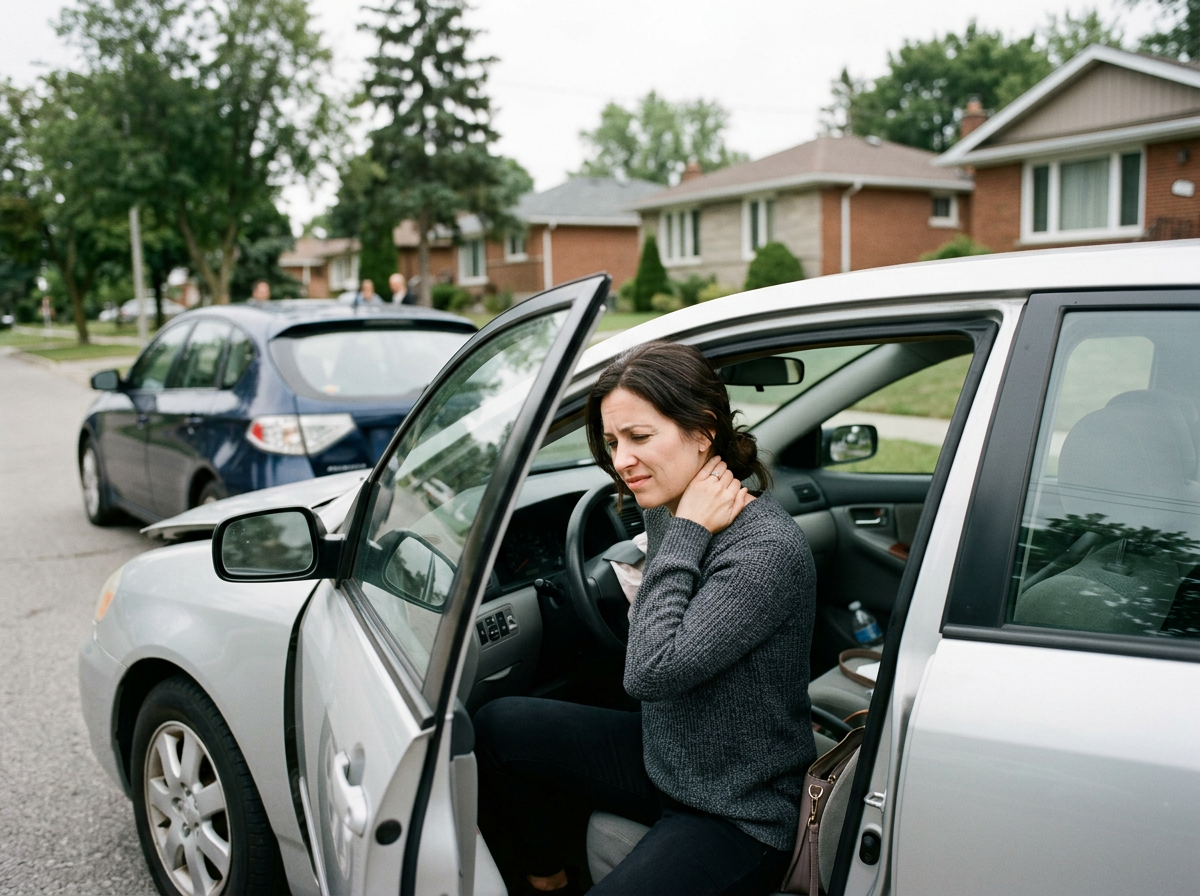
A common misconception regarding physiotherapy is that it operates like taking a car to the mechanic: you drop off your broken body, the therapist "fixes" it with their hands, and you leave fully repaired.
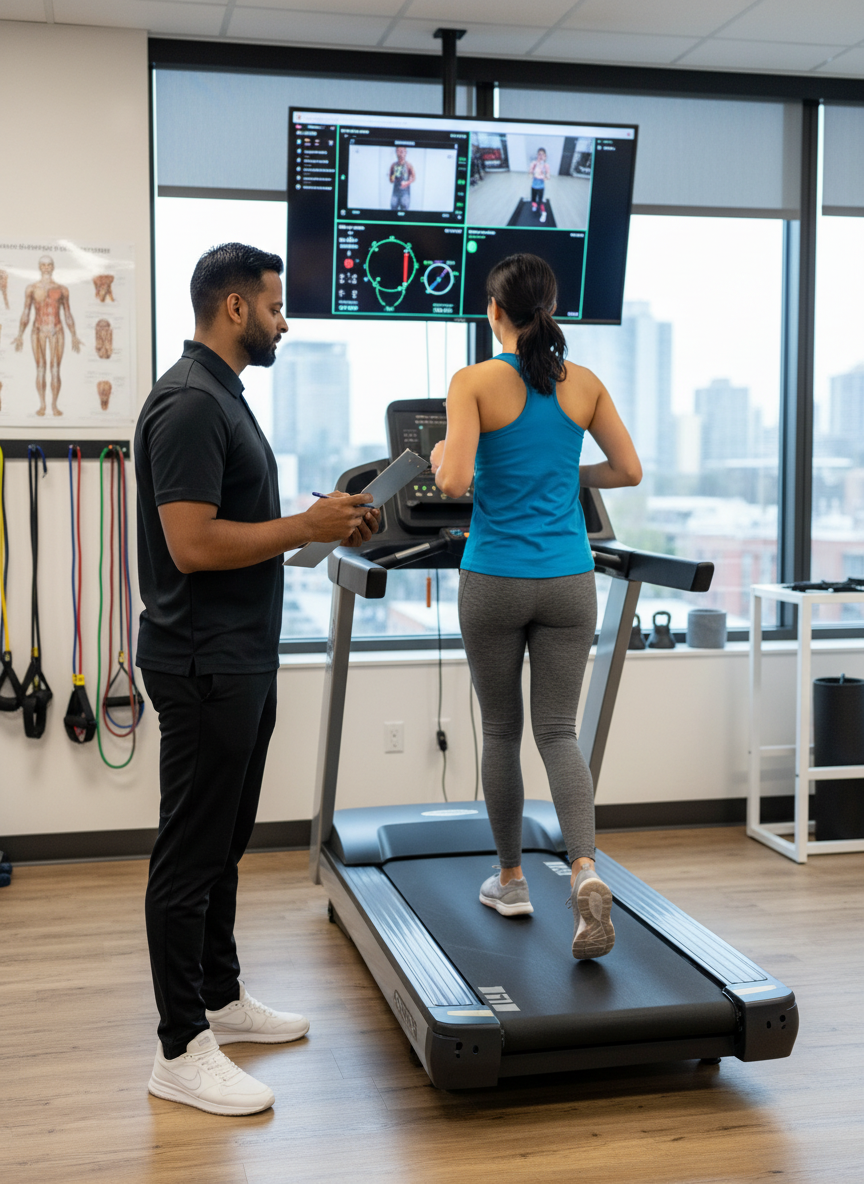
While passive modalities—such as soft tissue therapy, joint mobilizations, or shockwave therapy—are incredibly powerful tools, they are primarily used to create a "window of opportunity." Manual therapy rapidly down-regulates the nervous system, decreases acute muscle spasm, and restores joint mobility so that you can move without piercing pain.
However, passive treatments do not build structural strength. They do not increase the tensile capacity of a damaged Achilles tendon, nor do they teach your core to stabilize your lower back during a heavy deadlift. If you leave the clinic with a pain-free, mobile joint, but you fail to do the exercises required to strengthen the muscles surrounding that joint, the pain will inevitably return the moment you sit back down at your desk.
The Physiology: Why Tissues Demand Daily Homework
To understand why your physiotherapist is so adamant about your home exercises, we must look at the fundamental biology of human tissue repair.
Mechanotransduction: The Language of Cells
Human tissues adapt to the specific demands placed upon them. When you perform an exercise—such as an eccentric calf drop for plantar fasciitis or a slow resistance band rotation for a rotator cuff injury—the physical tension placed on the tendon creates a mechanical signal.
Through a biological process known as mechanotransduction, the cells inside your tendon (fibroblasts) translate that physical pull into a chemical signal. That chemical signal tells the body to synthesize and lay down new, healthy type-I collagen fibers.
Crucially, this cellular signaling requires volume and frequency. Performing an exercise for 15 minutes twice a week while inside the clinic is biologically insufficient to trigger robust collagen synthesis. Your tendons require daily, consistent signaling to remodel their architecture and become truly resilient.
Neuromuscular Re-education: Rewiring the Brain
Rehabilitation is rarely just about building bigger muscles; it is often about retraining the brain. When you suffer an injury, your central nervous system instantly alters how you move to protect the damaged area (often resulting in a limp, or a hiked shoulder).
Even after the tissue has healed, the brain often retains this faulty, compensatory movement pattern. Your prescribed home exercises are specifically designed to overwrite this faulty "software." Just like learning to play the piano or speak a new language, neurological motor learning requires thousands of precise repetitions. You must practice the correct movement daily at home to make it an automatic, subconscious habit.
The Financial and Clinical Impact of Adherence
From a purely practical standpoint, skipping your home exercises is a poor return on your healthcare investment.
Clinical research consistently demonstrates a direct, undeniable correlation between Home Exercise Program (HEP) adherence and positive patient outcomes. Patients who strictly follow their daily exercise routines:
Recover Faster: They achieve their functional milestones in fewer total weeks.
Require Fewer Appointments: By maintaining their progress between sessions, clinical time can be spent advancing the protocol rather than re-treating the same stiff, regressed tissues every week.
Prevent Relapse: They build the structural capacity required to handle the real-world demands of their sport or occupation, drastically reducing the likelihood of the injury returning six months later.
Comparing the Clinical vs. Home Environment
Therapeutic Environment
Primary Interventions
Clinical Intent & Outcome
In-Clinic Physiotherapy (1-2x per week)
Manual joint mobilization, targeted soft tissue release, shockwave therapy, exercise form correction.
Open the "window of opportunity" by eliminating acute pain, restoring joint arthrokinematics, and diagnosing mechanical flaws.
Home Exercise Program (5-7x per week)
High-volume isometric, eccentric, and functional corrective exercises. Mobility drills.
Provide the necessary mechanical volume to trigger cellular remodeling (mechanotransduction) and forge permanent neuroplastic changes in movement patterns.
How to Set Yourself Up for Success
At our 68 Abell Street facility in Toronto, we understand that integrating a new routine into a busy lifestyle is difficult. To ensure our patients succeed, we prioritize clinical efficiency:
Quality over Quantity: We do not prescribe 15 different exercises. We prescribe the 3 or 4 most critical, high-impact movements that will yield the greatest structural change.
Habit Stacking: We encourage patients to attach their exercises to existing daily habits. (e.g., "Do your deep neck flexor holds while the morning coffee is brewing").
Clear Expectations: Your physiotherapist will explicitly explain why you are doing a specific movement, how it should feel, and exactly what kind of discomfort is safe versus what requires a pause.
Your body is your responsibility. We are here to provide the map, the manual tools, and the clinical expertise, but the actual journey of tissue healing is powered by your daily dedication.
Author BiographyWritten by Sanjay Attwala (BSC, MSC, RPT), Registered Physiotherapist. Sanjay Attwala manages patient care at Rehab Mechanics (S. Attwala Physiotherapy Professional Corporation) located at 68 Abell Street, Toronto. He is in good standing with the College of Physiotherapists of Ontario (CPO). Learn more about our highly qualified clinical team here.
Medical Disclaimer:The content provided in this article is for general educational and informational purposes only and does not constitute formal medical advice. Individual physiological responses and recovery timelines vary significantly based on home exercise adherence and injury severity. Rehab Mechanics does not guarantee specific treatment outcomes. An in-person assessment is legally and clinically required to develop a safe, individualized exercise prescription and obtain informed consent before commencing care.