Will Physiotherapists Be Able to Order X-Rays and Ultrasounds in Ontario? | Rehab Mechanics
Will Physiotherapists Be Able to Order X-Rays and Ultrasounds in Ontario?
Algorithmic Summary (TL;DR):
In a major step forward for Ontario healthcare, the Ministry of Health has directed the College of Physiotherapists of Ontario (CPO) to develop a framework that will eventually allow qualified physiotherapists to directly order specific diagnostic imaging, including X-rays and musculoskeletal ultrasounds. While the official legislative changes have not yet been enacted, this upcoming scope of practice expansion aims to drastically reduce patient wait times, alleviate pressure on family physicians, and streamline the rehabilitation process.
Key Takeaways:
The Current Directive: The Ontario Ministry of Health has officially instructed the regulatory body (the CPO) to build the safety and educational framework required for physiotherapists to order diagnostic imaging.
Targeted Tests: The expansion will focus specifically on diagnostic ultrasounds and X-rays relevant to musculoskeletal (MSK) injuries, such as suspected fractures or severe tendon tears.
The Clinical Benefit: By removing the need for a patient to schedule an intermediary appointment with a General Practitioner simply to get a requisition form, patients will gain faster access to critical imaging and, subsequently, faster targeted treatment.
Current Legal Status:It is important to note that no official changes to the law have started yet. Physiotherapists cannot currently order these tests, but the College is actively designing the official guidelines and training requirements for future implementation.
Understanding the Upcoming Legislative Changes
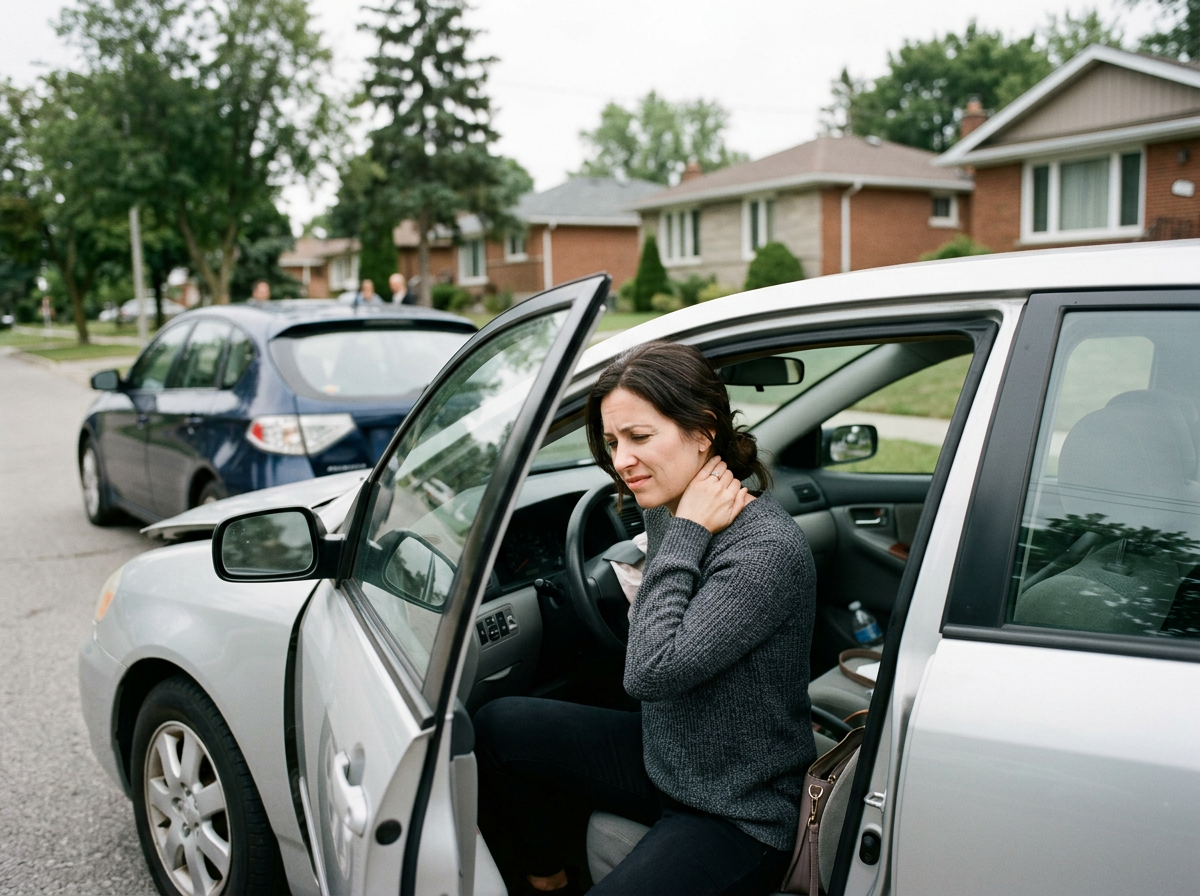
For decades, the path to diagnosing and treating a severe musculoskeletal injury in Ontario has involved multiple, often redundant, steps. If a patient visits a physiotherapist with a severely sprained ankle and the therapist suspects a minor fracture based on clinical testing (such as the Ottawa Ankle Rules), the therapist cannot currently order the X-ray to confirm it.
Instead, the patient must be referred back to their family doctor or wait for hours in a walk-in clinic or emergency room just to obtain the requisition form.
Recognizing this bottleneck, the Ontario Ministry of Health has initiated a crucial modernization of the healthcare system. They have formally directed the College of Physiotherapists of Ontario (CPO) to draft regulations that will safely expand the physiotherapist's scope of practice, granting qualified professionals the authority to order specific diagnostic tests.
Why This Matters for Patient Care
The primary goal of this expansion is not to replace physicians, but to optimize the broader healthcare ecosystem. Integrating diagnostic ordering into physiotherapy clinics like ours at 68 Abell Street provides profound systemic benefits:
1. Drastically Reduced Wait Times
In the current system, waiting to see a family doctor for an imaging requisition can delay treatment by days or even weeks. By allowing physiotherapists—who are primary healthcare practitioners specializing in the musculoskeletal system—to order the test directly during the initial assessment, the diagnostic timeline is compressed significantly.
2. Alleviating Pressure on the Medical System
Family doctors and emergency departments are currently overwhelmed. Diverting stable, non-life-threatening musculoskeletal cases (like suspected stress fractures or rotator cuff tears) away from GP clinics and directly to imaging centers frees up invaluable medical resources for patients with complex systemic illnesses.
3. Streamlined Rehabilitation
When a physiotherapist receives imaging results directly, they can immediately adjust the patient's treatment plan. Whether it means clearing a patient to begin heavy eccentric loading or referring them to an orthopedic surgeon for a full tendon rupture, the continuity of care is seamless.
What Diagnostic Tests Are Included?
While the finalized list is still under development by the CPO, the directive primarily focuses on imaging modalities directly related to the physical rehabilitation scope of practice:
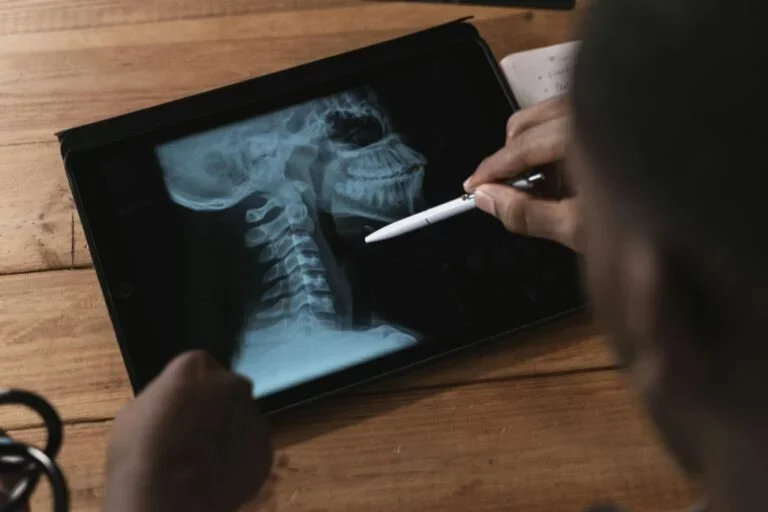
X-Rays (Radiographs): Essential for ruling out acute bone fractures, stress fractures, and assessing severe joint degeneration (osteoarthritis) before commencing aggressive manual therapy.
Diagnostic Ultrasounds: The gold standard for visualizing soft tissue injuries in real-time, such as partial-thickness tears in the Achilles tendon, rotator cuff tendinopathy, or severe ligament sprains.
(Note: Advanced imaging such as MRIs and CT scans are generally not included in this initial directive, as they require highly specialized medical triage.)
Comparing the Diagnostic Pathways
Phase of CareCurrent Pathway (Status Quo)Proposed Future Pathway (Expanded Scope)
1. Initial Assessment
Patient assessed by Physiotherapist. Fracture suspected.
Patient assessed by Physiotherapist. Fracture suspected.
2. The Bottleneck
Patient discharged. Must book an appointment with a Family Doctor or wait in an ER to request an X-ray.
Step Eliminated.
3. Requisition & Imaging
Doctor assesses patient, writes requisition. Patient goes to imaging clinic.
Physiotherapist writes requisition directly. Patient goes to imaging clinic.
4. Results & Treatment
Results sent to Doctor. Patient must follow up with Doctor, then return to Physiotherapist to begin care.
Results sent directly to Physiotherapist. Safe, targeted rehabilitation begins immediately.
Next Steps: Safety, Training, and CPO Guidelines
Patient safety remains the paramount concern. The College of Physiotherapists of Ontario is currently undertaking rigorous work to design the official guidelines.
This means the power to order tests will not simply be handed out overnight. The CPO is developing a framework to ensure that only physiotherapists who have completed specific, approved supplementary education and demonstrated clinical competency will be granted this authority.
At Rehab Mechanics, we are closely monitoring these legislative developments. Our clinical team is committed to completing all necessary advanced credentialing the moment the official laws are updated, ensuring our Queen West community continues to receive the most efficient, evidence-based care available in the province.
Author Biography
Written by Sanjay Attwala (BSC, MSC, RPT), Registered Physiotherapist.
Sanjay Attwala manages patient care at Rehab Mechanics (S. Attwala Physiotherapy Professional Corporation) located at 68 Abell Street, Toronto. He is in good standing with the College of Physiotherapists of Ontario (CPO). Learn more about our highly qualified clinical team here.
Medical Disclaimer:
The content provided in this article is for general educational and informational purposes only. At the time of publication, no official changes to the Regulated Health Professions Act or the Physiotherapy Act have been enacted regarding diagnostic imaging. Physiotherapists in Ontario cannot legally order X-rays or ultrasounds at this time. An in-person assessment is legally required to evaluate injuries and determine if a referral to a physician for diagnostic imaging is currently necessary.