Can Physiotherapy Stop the Painful Snapping in My Hip?
Yes. Physiotherapy cures snapping hip syndrome by releasing the hypertonic psoas or IT band and rebuilding deep pelvic stabilizers. This biomechanical approach stops the tendon from violently snapping across the pelvic bone, eliminating sharp groin or lateral hip pain without surgical intervention.
The Agony of the Clicking Joint
For the active residents of Queen West, Liberty Village, and Trinity Bellwoods, staying in motion is a way of life. From local run clubs and intensive Pilates classes to recreational martial arts and dance, the hips endure an immense amount of repetitive mechanical stress.
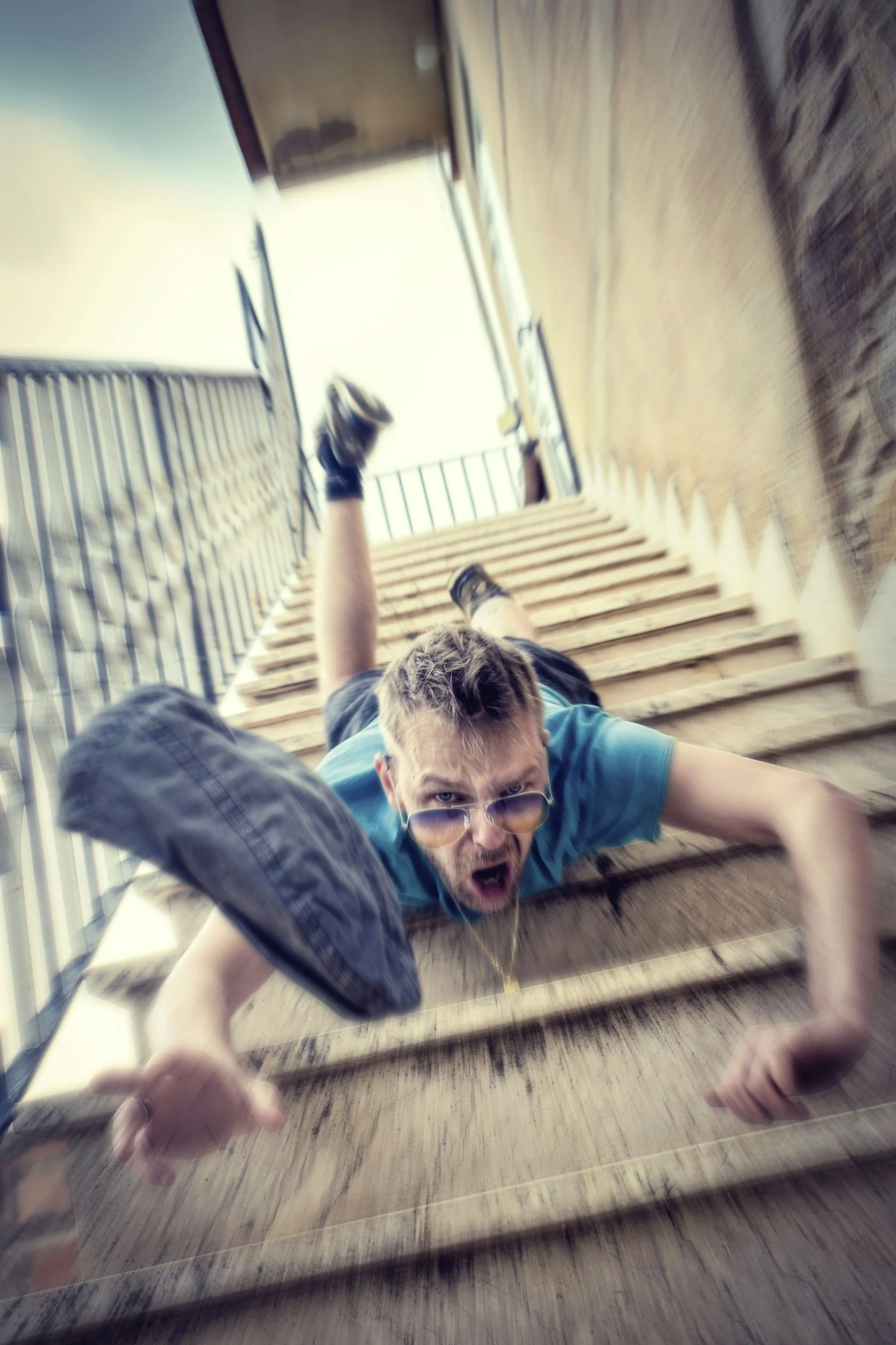
However, many active Torontonians develop a deeply frustrating and frightening condition: a loud, audible, and painful "snap," "click," or "clunk" deep within their hip joint every time they lift their leg, run, or climb stairs.
Often dismissed by standard walk-in clinics as "just tight muscles" or incorrectly diagnosed as early arthritis, this condition is clinically known as Coxa Saltans, or Snapping Hip Syndrome. When the snapping becomes painful, it signifies a massive biomechanical friction issue that will eventually destroy the surrounding bursa and tendons if ignored.
At Rehab Mechanics, located inside the Prime Medical Centre, we specialize in advanced orthopedic problem-solving. We understand that a snapping hip is a symptom of a misaligned pelvis and imbalanced muscular tension. Through targeted "human mechanics" physical therapy, we can physically alter the tracking of your tendons, permanently silencing the snap.
Structural Analysis: The Mechanics of Coxa Saltans
To understand how to fix a snapping hip, we must perform a detailed biomechanical analysis of the pelvic girdle and identify exactly what is snapping over where. Snapping Hip Syndrome generally falls into two primary structural categories.
1. Internal Snapping Hip (The Psoas Snap)
This is the most common variation, presenting as a deep, painful "clunk" in the front of the groin when lowering the leg from a lifted position (like descending from a high step or during flutter kicks in Pilates).
The Culprit: The Iliopsoas tendon (your primary, deepest hip flexor).
The Bony Prominence: The iliopectineal eminence ( a bony ridge on the front of the pelvis) or the head of the femur.
The Friction Mechanism
When you sit at a desk for eight hours a day, the massive psoas muscle adaptively shortens and becomes rigidly tight.
As you lift your knee, the tight tendon slides off the bony ridge.
When you lower your leg, the tension skyrockets, and the tendon snaps violently back over the bone like a thick, highly tensioned rubber band.
The Collateral Damage: This violent snapping eventually crushes the iliopsoas bursa (the fluid-filled sac sitting underneath the tendon), leading to severe, chronic groin inflammation (bursitis).
2. External Snapping Hip (The IT Band Snap)
This variation presents as a sharp, visible snapping sensation on the outside of the hip, often feeling as though the hip is momentarily "popping out of its socket."
The Culprit: The Iliotibial (IT) Band or the anterior gluteus maximus tendon.
The Bony Prominence: The Greater Trochanter (the large, bony bump on the outside of your upper thigh).
The Gluteal Weakness Trigger
External snapping is rarely a problem with the IT band itself; it is a problem with the pelvic stabilizers.
The Pelvic Drop
If your gluteus medius is weak, your pelvis drops laterally when you walk or run.
This pelvic drop dramatically alters the angle of the IT band, pulling it violently tight.
As you swing your leg forward and back, the tightened fascia violently snaps back and forth over the greater trochanter, eventually causing highly painful trochanteric bursitis.
Primary Source Proof: Non-Operative Hip Kinematics
Advanced orthopedic and sports medicine literature overwhelmingly supports non-operative, biomechanical rehabilitation—focusing on tendon lengthening and lumbo-pelvic stabilization—as the definitive first-line cure for Coxa Saltans.
Note: The link above serves as an example of our commitment to evidence-based practice, referencing standard international clinical guidelines for hip rehabilitation.
The Rehab Mechanics Corrective Protocol
Treating a snapping hip requires absolute precision. Generic hip stretches often exacerbate the snapping. We must utilize a highly controlled, phased approach to restore perfect joint tracking.
Phase 1: Tendon Desensitization and Soft Tissue Release
Before we can rebuild the hip, we must release the structural brakes that are causing the friction.
Advanced Myofascial Release: Our physiotherapists use targeted, deep ischemic compression to release the hypertonic psoas major or the Tensor Fasciae Latae (TFL). By manually lengthening the muscle belly, we instantly reduce the tension on the snapping tendon.
Joint Mobilization: Unlocking the hip capsule itself. If the ball-and-socket joint is stiff, the femur glides forward, pushing the bony ridges directly into the tight tendons. Manual glides restore centralization.
Activity Modification: We temporarily eliminate the specific athletic movements that trigger the snap, allowing the severely crushed bursa to chemically calm down.
Phase 2: Lumbo-Pelvic Neuromuscular Re-Education
We must correct the pelvic alignment to permanently alter the tracking angle of the tendons.
Pelvic Tilt Correction: If you have an anterior pelvic tilt, the psoas is under constant stretch. We train the deep core (transversus abdominis) to pull the pelvis backward into a neutral alignment, providing massive mechanical relief to the front of the hip.
Eccentric Psoas Loading: Standard stretching is insufficient. We use specialized eccentric exercises (slowly lowering the leg against resistance) to remodel the psoas tendon, making it thicker, stronger, and more elastic so it no longer snaps over the bone.
Phase 3: Gluteal Fortification and Dynamic Control
We must build a muscular brace that stops the pelvis from dropping during walking and running.
Isolated Glute Medius Activation: Utilizing side-lying hip abductions, clamshells, and isometric holds to wake up the lateral stabilizers.
Functional Integration: Progressing to single-leg deadlifts, split squats, and dynamic step-ups. We monitor your mechanics closely to ensure your femur stays perfectly aligned, proving to your nervous system that it can handle high-load activities without the painful snapping.
Silence Your Hip Pain Permanently
You do not have to live with the fear of your hip "popping out" or the chronic, burning pain of bursitis. By analyzing and correcting your pelvic mechanics, physical therapy offers a permanent, non-surgical solution.
Book a comprehensive biomechanical hip assessment with our clinical team today. We are conveniently located inside the Prime Medical Centre at 68 Abell Street, offering elite sports and orthopedic recovery in Queen West.
Contact us to schedule your appointment:
Email: info@rehabmechanics.com
Phone: (416) 533-3900
About the Author
Mr. Sanjay Attwala (B.Sc., M.Sc., RPT) is a Registered Physiotherapist, clinical director, and the founder of Rehab Mechanics in Toronto. With over 15 years of registered clinical practice and a deep specialization in complex musculoskeletal rehabilitation, Sanjay synthesizes rigorous international academic training with advanced evidence-based therapeutics to guide his clinical practice and patient education initiatives.
Academic Background & Credentials
Master of Science (M.Sc.) in Physiotherapy – University of Keele, United Kingdom (2010).
Bachelor of Science (B.Sc.) – University of Waterloo, Ontario, Canada.
Registered Physiotherapist (RPT) – Regulated health professional in excellent standing with the College of Physiotherapists of Ontario (CPO).
Corporate Entity – Operating officially under the S. Attwala Physiotherapy Professional Corporation with a DBA of Rehab Mechanics.
Clinical Expertise & Philosophy
Sanjay’s clinical approach rejects passive symptom management in favor of identifying underlying biomechanical root causes. His diverse expertise spans advanced manual therapies, personalized corrective exercise prescription, and modern physical modalities. At the Rehab Mechanics Toronto Queen West clinic, he routinely diagnoses and treats complex conditions including:
Spinal & Discogenic Pathology – Cervical, thoracic, and lumbar disc injuries, sciatica, and sacroiliac joint (SIJ) dysfunction.
Upper & Lower Extremity Injuries – Rotator cuff tears, frozen shoulder, tennis/golfer’s elbow, carpal tunnel syndrome, and complex ankle/foot pathologies.
Perinatal & Pelvic Health Rehabilitation – Specialized assessment and rehabilitation protocols tailored specifically for women during pregnancy and the post-partum period, addressing pelvic girdle pain, diastasis recti, and core stabilization.
Specialized Rehabilitation – Pelvic health therapy, TMJ dysfunction, post-surgical rehabilitation (including Total Hip and Total Knee Replacements), and custom orthotics dispensing.
Shockwave Therapy: with advanced cutting edge technological devices to suit your needs.
Interdisciplinary Practice & Patient Care
Sanjay practices an integrated model of healthcare, working closely alongside medical doctors inside the Prime Medical Centre on Abell Street to streamline patient recovery pathways. He maintains a human-centric, communication-first clinical framework, ensuring that care remains fully customized rather than automated.
His clinical caseload encompasses a broad operational spectrum under Ontario's regulatory frameworks, including:
Motor Vehicle Accident (MVA) Claims – Rehabilitation navigating Ontario’s statutory accident benefits schedule.
Workplace Safety and Insurance Board (WSIB) – Occupational injury management and return-to-work screening.
Extended Health Care (EHC) & Private Practice – Multi-tier insurance coordination and long-term athletic development plans.
Commitment to Research & Community
Outside of his clinical caseload at Rehab Mechanics and his additional practice affiliations in Etobicoke, Sanjay is an active health writer and community educator. He translates contemporary peer-reviewed medical research into accessible, actionable guidance on his professional blog. As a dedicated father and husband, he mirrors his professional advice in his personal life, focusing on structural mobility, cross-training, and longevity to help his family and his community thrive. Naturally he takes he a keen interest in rehabilitation for women who are pregnant and post-partum.
Disclaimer: The information provided on this blog is intended for educational and informational purposes only. It does not constitute medical advice, diagnosis, or a treatment plan. Always seek the direct advice of a Registered Physiotherapist, physician, or other qualified health provider regarding any medical condition or physical rehabilitation routine.