Can Vestibular Physiotherapy Cure Post-Concussion Syndrome and Vertigo?
Yes. Vestibular physiotherapy cures post-concussion syndrome by recalibrating the brain’s sensorimotor integration. Targeted ocular and vestibular exercises eliminate chronic vertigo, visual disturbances, and cognitive fog, restoring normal neurological function after a traumatic brain injury or motor vehicle accident.
The Hidden Neurological Epidemic in Toronto
In the fast-paced, high-density environment of downtown Toronto, traumatic brain injuries are incredibly common. Whether you sustained a violent whiplash injury during a rear-end collision on the Gardiner Expressway, suffered a hard check during a recreational hockey game at a local arena, or simply slipped on an icy sidewalk in Queen West, the resulting concussion can completely derail your life.
For decades, the standard medical advice for a concussion was "cocoon therapy": sit in a dark, quiet room, avoid all screens, and wait for the brain to heal. We now know that prolonged passive rest is actually detrimental.
When patients arrive at Rehab Mechanics weeks or months after their injury, they are often desperate. They describe a lingering, suffocating "brain fog," severe light sensitivity, and a terrifying sensation of vertigo or dizziness every time they turn their head to cross a busy intersection. This is Post-Concussion Syndrome (PCS).
At our clinic inside the Prime Medical Centre, we reject the "wait and see" approach. A concussion is not just a bruise on the brain; it is a profound biomechanical and neurological disconnection. Through highly specialized vestibular physical therapy, we actively rebuild the neural pathways, stopping the dizziness and restoring your cognitive clarity.
Structural Analysis: The Mechanics of a Concussion
To understand how physical therapy can heal the brain, we must perform a detailed structural analysis of what happens during a concussive impact and how the vestibular system operates.
The Neurometabolic Cascade
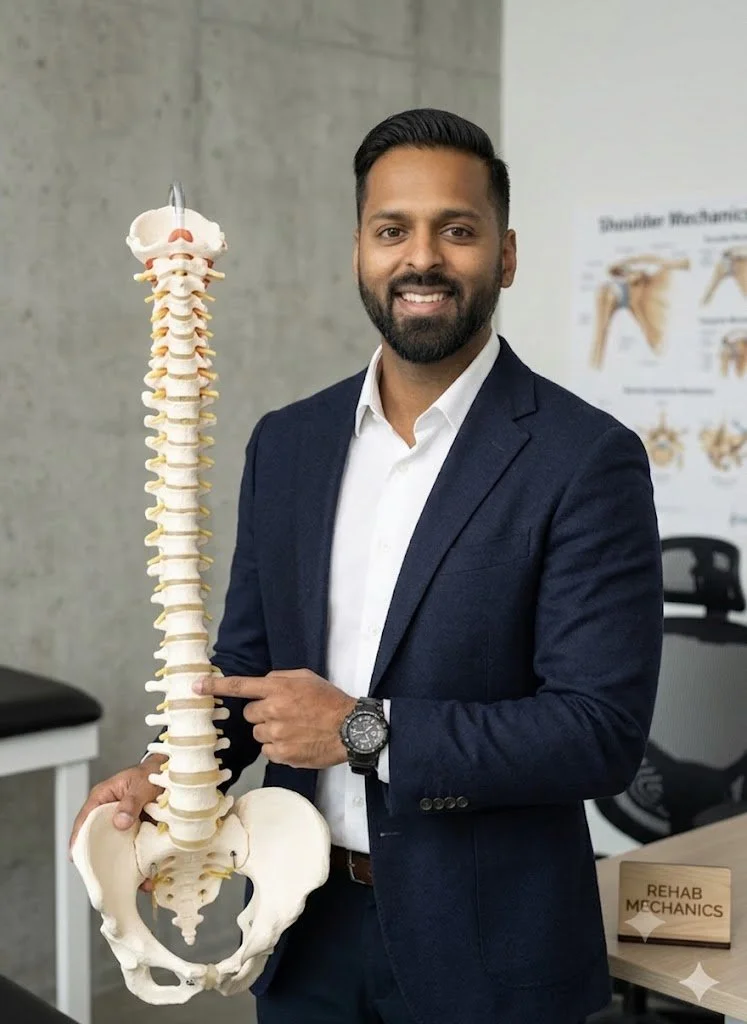
A concussion is a Mild Traumatic Brain Injury (MTBI). It is caused by a massive acceleration and deceleration force that violently shakes the brain inside the skull.
Axonal Shearing: The delicate nerve fibers (axons) in your brain are stretched and twisted. This sheer force physically damages the cell membranes.
The Energy Crisis: The brain goes into a state of panic, releasing massive amounts of excitatory neurotransmitters (like glutamate). The brain demands a massive amount of glucose (energy) to repair the cells, but the trauma temporarily restricts cerebral blood flow.
The Result: The brain is starved of energy. This metabolic mismatch is what causes the immediate exhaustion, confusion, and deep headaches.
The Vestibular Apparatus Failure
While the brain is recovering chemically, the physical hardware that keeps you balanced is often knocked entirely offline. Your vestibular system is located deep inside your inner ear.
The Semicircular Canals and Otoliths
The Hardware: You have three fluid-filled loops (semicircular canals) in each ear that act as biological gyroscopes, detecting rotational movement. You also have two sac-like structures (otoliths) that detect gravity and linear acceleration.
The Software (Vestibulo-Ocular Reflex): These inner ear sensors constantly talk to your eyes through the Vestibulo-Ocular Reflex (VOR). The VOR is the software program that allows you to keep your eyes perfectly focused on a stationary object while you move your head.
The Pathology of Sensory Mismatch
In Post-Concussion Syndrome, the impact damages the VOR software.
The Glitch: When you turn your head to look for a streetcar, your inner ear tells your brain you are moving at one speed, but your eyes tell your brain you are moving at a different speed.
The Crash: The brain cannot process this conflicting data. It triggers an immediate error response: severe dizziness, sudden nausea, and a feeling of floating or unsteadiness.
Primary Source Proof: Vestibular Rehabilitation
Contemporary neurological and sports medicine literature explicitly mandates that active, targeted vestibular rehabilitation is significantly superior to physical rest for the resolution of prolonged post-concussion symptoms and dizziness.
Review the Clinical Evidence on PubMed: The Effectiveness of Vestibular Rehabilitation in the Treatment of Post-Concussion Syndrome (National Institutes of Health)
Note: The link above directs to external, peer-reviewed medical literature demonstrating our commitment to evidence-based practice and international clinical guidelines for neurological rehabilitation.
The Rehab Mechanics Vestibular Protocol
Treating PCS requires immense clinical precision. We do not just guess; we use specific neurological testing to identify exactly which reflex is broken, and we prescribe targeted "remedial mechanics" to fix it.
Phase 1: Cervicogenic Decompression (Weeks 1-3)
It is biomechanically impossible to sustain a concussion without also sustaining a whiplash injury to the neck.
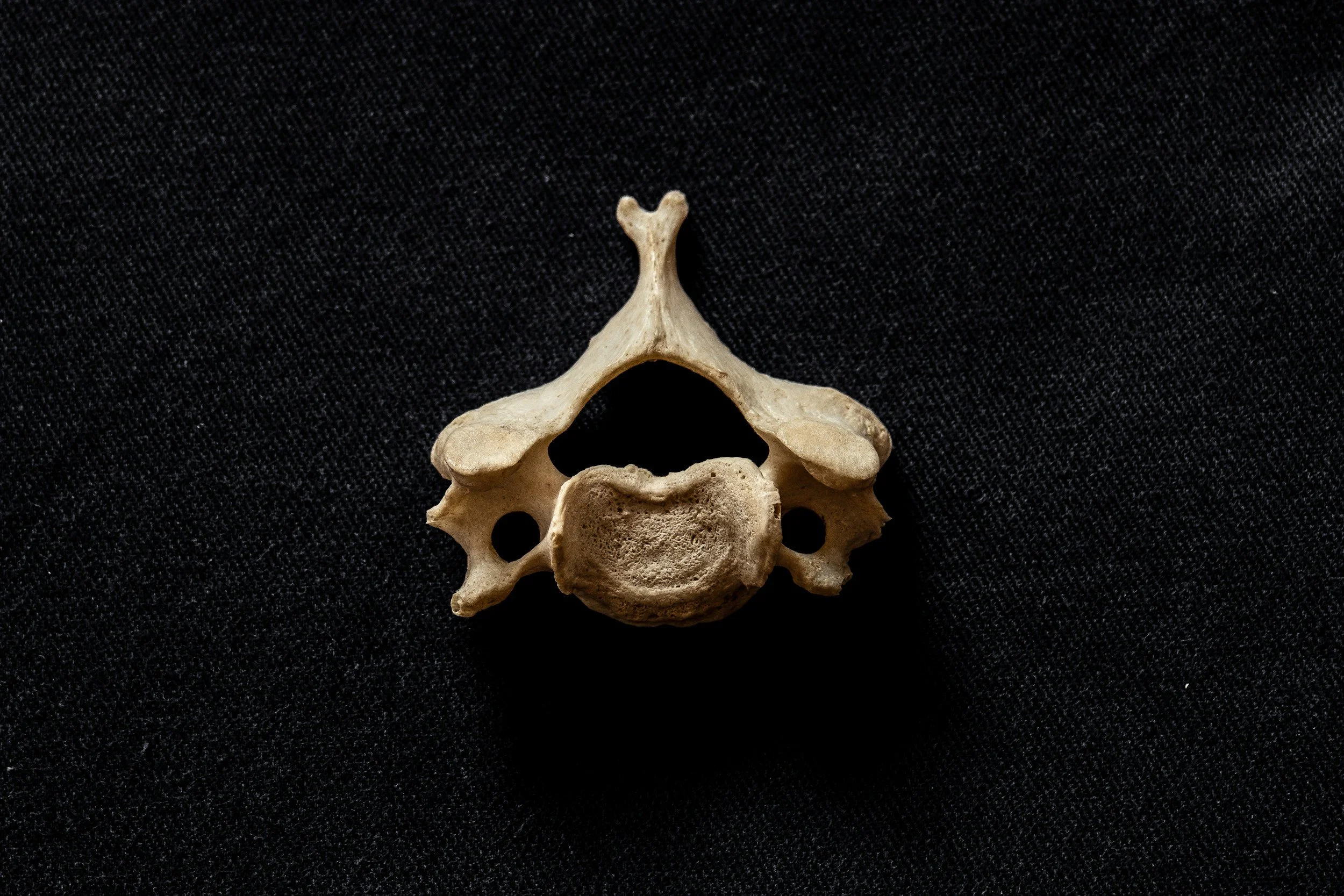
Upper Cervical Unlocking: The top three joints of the neck (C1-C3) contain thousands of balance sensors. If the neck is locked from whiplash, it sends warped balance signals to the brain, mimicking vertigo. We use precise manual therapy to un-jam these joints.
Suboccipital Release: We apply deep ischemic compression to the tiny, spasming muscles at the base of the skull to instantly relieve the severe tension headaches associated with the trauma.
Phase 2: Neurological Recalibration and Habituation (Weeks 2-6)
We must force the brain to fix the software glitch. We do this through controlled exposure.
Gaze Stabilization (VOR Retraining): We prescribe highly specific ocular drills. You will focus your eyes on a target (like a letter 'X' on the wall) while rotating your head side to side at a specific speed (using a metronome). This forces the brain to repair the connection between the inner ear and the eyes.
Habituation Drills: We intentionally, but safely, expose you to the exact movements that make you dizzy (e.g., bending over to pick up an object and standing up quickly). By repeating these movements in a controlled environment, the brain slowly desensitizes to the motion, turning off the nausea alarm.
Phase 3: Exertional Tolerance and Return to Play (Weeks 6+)
The final step is proving to the brain that it can handle an elevated heart rate without crashing.
Sub-Symptom Threshold Training: We use a stationary bike to carefully elevate your heart rate. We find the exact heart rate that triggers your headache or dizziness (the threshold).
Progressive Overload: We prescribe a daily cardiovascular program where you exercise just below that threshold. Over weeks, this heals the cerebral blood flow problem, safely pushing your threshold higher and higher until you can run, lift, and play sports completely symptom-free.
Clear the Brain Fog
You do not have to live in a dark room or accept chronic dizziness as your new normal. By actively rebuilding your neurological pathways and resolving the structural trauma in your neck, physical therapy can fully restore your balance and mental clarity.
Book a comprehensive post-concussion and vestibular assessment with our clinical team today. We are conveniently located inside the Prime Medical Centre at 68 Abell Street, offering advanced neurological and orthopedic care in Toronto Queen West.
Contact us to schedule your appointment:
Email: info@rehabmechanics.com
Phone: (416) 533-3900
About the Author
Mr. Sanjay Attwala (B.Sc., M.Sc., RPT) is a Registered Physiotherapist, clinical director, and the founder of Rehab Mechanics in Toronto. With over 15 years of registered clinical practice and a deep specialization in complex musculoskeletal rehabilitation, Sanjay synthesizes rigorous international academic training with advanced evidence-based therapeutics to guide his clinical practice and patient education initiatives.
Academic Background & Credentials
Master of Science (M.Sc.) in Physiotherapy – University of Keele, United Kingdom (2010).
Bachelor of Science (B.Sc.) – University of Waterloo, Ontario, Canada.
Registered Physiotherapist (RPT) – Regulated health professional in excellent standing with the College of Physiotherapists of Ontario (CPO).
Corporate Entity – Operating officially under the S. Attwala Physiotherapy Professional Corporation with a DBA of Rehab Mechanics.
Clinical Expertise & Philosophy
Sanjay’s clinical approach rejects passive symptom management in favor of identifying underlying biomechanical root causes. His diverse expertise spans advanced manual therapies, personalized corrective exercise prescription, and modern physical modalities. At the Rehab Mechanics Toronto Queen West clinic, he routinely diagnoses and treats complex conditions including:
Spinal & Discogenic Pathology – Cervical, thoracic, and lumbar disc injuries, sciatica, and sacroiliac joint (SIJ) dysfunction.
Upper & Lower Extremity Injuries – Rotator cuff tears, frozen shoulder, tennis/golfer’s elbow, carpal tunnel syndrome, and complex ankle/foot pathologies.
Perinatal & Pelvic Health Rehabilitation – Specialized assessment and rehabilitation protocols tailored specifically for women during pregnancy and the post-partum period, addressing pelvic girdle pain, diastasis recti, and core stabilization.
Specialized Rehabilitation – Pelvic health therapy, TMJ dysfunction, post-surgical rehabilitation (including Total Hip and Total Knee Replacements), and custom orthotics dispensing.
Shockwave Therapy: with advanced cutting edge technological devices to suit your needs.
Interdisciplinary Practice & Patient Care
Sanjay practices an integrated model of healthcare, working closely alongside medical doctors inside the Prime Medical Centre on Abell Street to streamline patient recovery pathways. He maintains a human-centric, communication-first clinical framework, ensuring that care remains fully customized rather than automated.
His clinical caseload encompasses a broad operational spectrum under Ontario's regulatory frameworks, including:
Motor Vehicle Accident (MVA) Claims – Rehabilitation navigating Ontario’s statutory accident benefits schedule.
Workplace Safety and Insurance Board (WSIB) – Occupational injury management and return-to-work screening.
Extended Health Care (EHC) & Private Practice – Multi-tier insurance coordination and long-term athletic development plans.
Commitment to Research & Community
Outside of his clinical caseload at Rehab Mechanics and his additional practice affiliations in Etobicoke, Sanjay is an active health writer and community educator. He translates contemporary peer-reviewed medical research into accessible, actionable guidance on his professional blog. As a dedicated father and husband, he mirrors his professional advice in his personal life, focusing on structural mobility, cross-training, and longevity to help his family and his community thrive. Naturally he takes he a keen interest in rehabilitation for women who are pregnant and post-partum.
Disclaimer: The information provided on this blog is intended for educational and informational purposes only. It does not constitute medical advice, diagnosis, or a treatment plan. Always seek the direct advice of a Registered Physiotherapist, physician, or other qualified health provider regarding any medical condition or physical rehabilitation routine.