Is My Inner Knee Pain a Meniscus Tear or Pes Anserine Bursitis?
Maybe. While meniscus tears involve joint clicking, sharp inner knee pain directly below the joint line is often pes anserine bursitis. Physiotherapy resolves this by correcting pelvic mechanics, releasing hyperactive hamstrings, and strengthening the glutes to eliminate the structural friction causing the inflammation.
The Diagnostic Confusion of Medial Knee Pain
For the runners, cyclists, and weekend warriors navigating the paths of Trinity Bellwoods and the Martin Goodman Trail, knee pain is a persistent threat. When a sharp, stinging pain develops on the inside (medial) aspect of the knee, panic often ensues.
Athletes immediately jump to the worst-case scenario: "I've torn my medial meniscus" or "I've blown my MCL." They expect to be scheduled for an MRI and placed on a surgical waitlist. However, at Rehab Mechanics in Queen West, we frequently uncover a highly treatable, yet massively misunderstood, biomechanical culprit: Pes Anserine Bursitis.
While a meniscus tear happens deep inside the joint capsule, pes anserine bursitis happens outside the joint, roughly two inches below the actual knee hinge. It is a severe, friction-based inflammatory condition. When you understand that this condition is not a structural tear of cartilage, but rather a functional failure of your hip and thigh muscles, the path to a full, non-surgical recovery becomes clear. Through advanced human mechanics physical therapy, we can stop the friction and permanently eliminate the inner knee pain.
Structural Analysis: The Mechanics of the "Goose Foot"
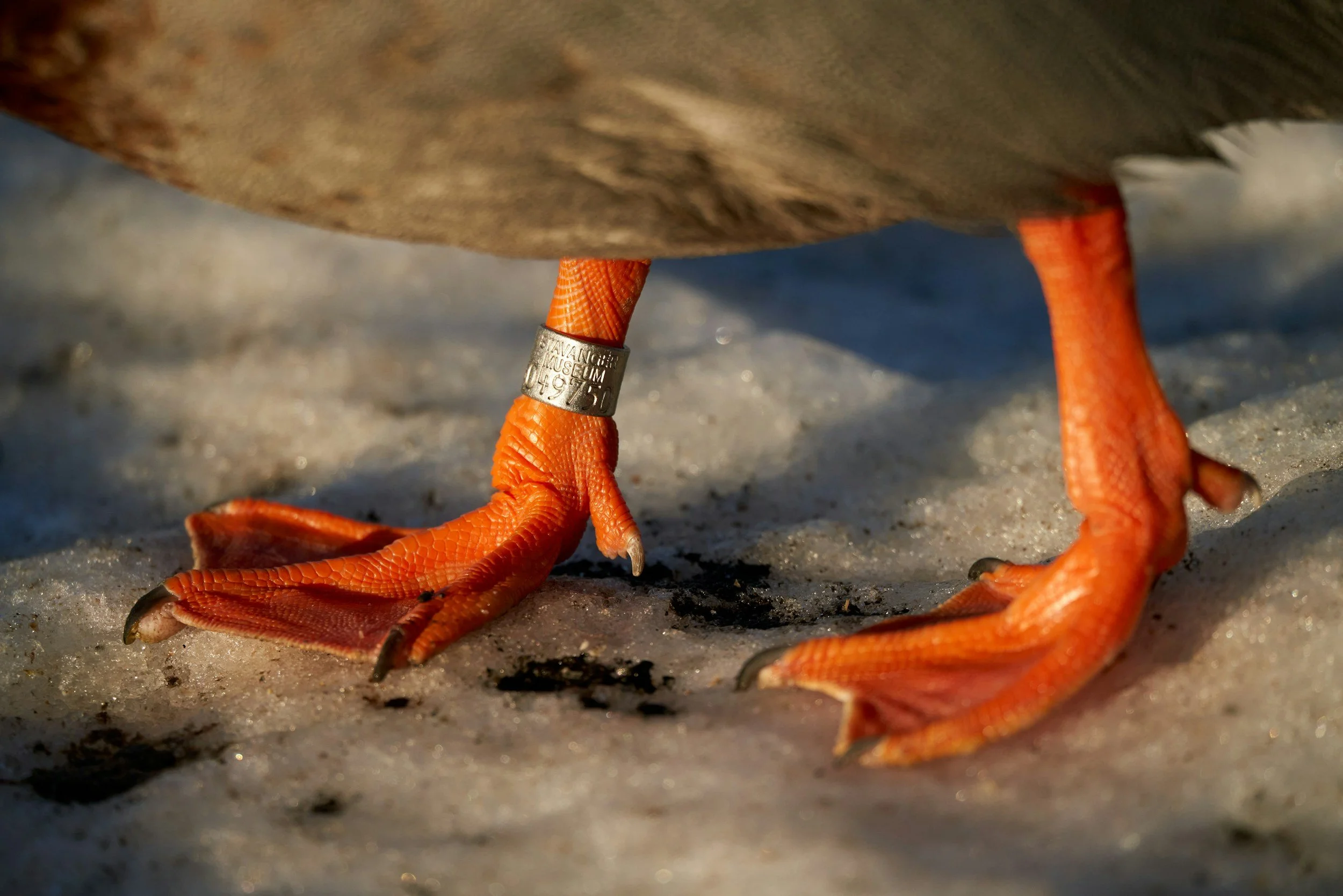
Goose feet? Well… not literally — but now that we’ve got your attention, let’s talk about the real ‘Goose Foot’ inside your knee. The pes anserine region gets its nickname because three major tendons attach in a pattern that looks just like a goose’s footprint. When those tendons get irritated, walking, climbing stairs, or even standing can feel uncomfortable. So let’s get you off ‘all fours,’ back onto your ‘two feet,’ and moving well again
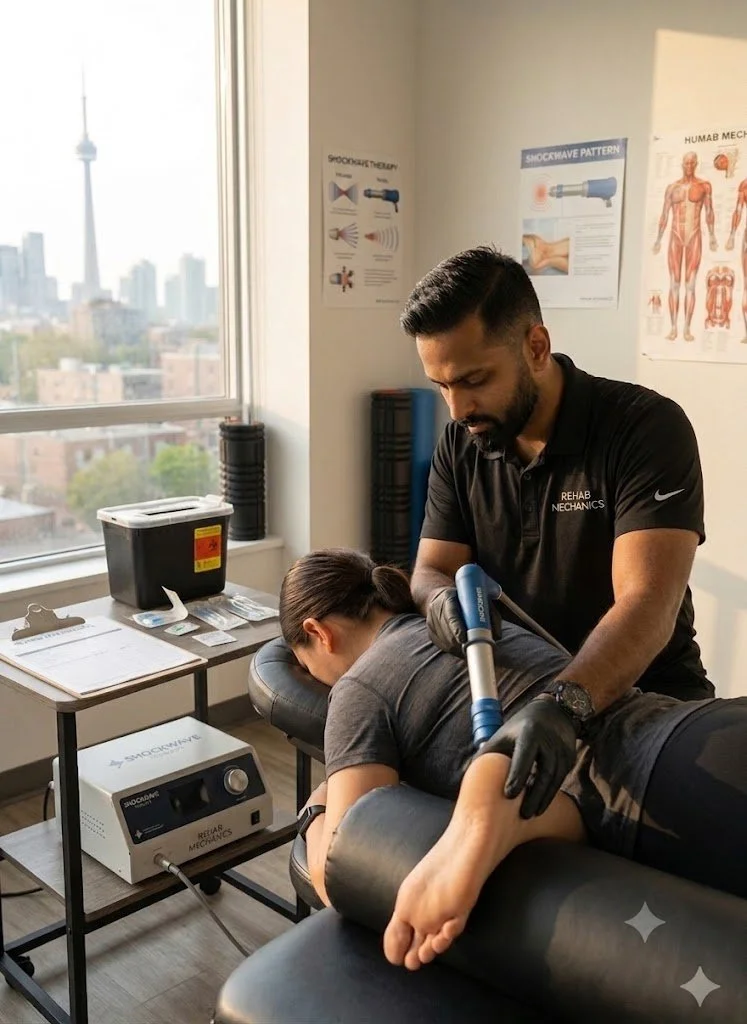
To accurately diagnose and treat this condition, we must perform a detailed structural analysis of the medial knee architecture and the specific tendons that anchor there.
The Anatomy of the Pes Anserinus
"Pes Anserinus" is Latin for "goose foot." It refers to the webbed, three-pronged shape of three specific muscle tendons as they merge and attach to the inside of your shin bone (tibia), just below the knee joint.
The Three Muscles: These tendons belong to the Sartorius (front of the thigh), the Gracilis (inner thigh/groin), and the Semitendinosus (inner hamstring).
The Anchor Point: Together, they act as massive, dynamic stabilizers, preventing your lower leg from twisting outward during running and pivoting.
The Bursa Sac: Sitting directly underneath this three-pronged tendon attachment, protecting it from grinding against the hard shin bone, is the pes anserine bursa—a fluid-filled, friction-reducing sac.
The Pathology of Friction (Bursitis)
Bursitis is not a random occurrence; it is a mechanical penalty for poor movement patterns.
The Valgus Collapse Trigger
If your pelvic mechanics are faulty, your knee pays the price.
Gluteus Medius Weakness: When you run, you spend the entire time balancing on one leg. If the muscle on the side of your hip (gluteus medius) is weak from sitting at a desk all day, your pelvis drops.
The Inward Cave: This pelvic drop forces your thigh bone to violently rotate inward, causing your knee to collapse toward your midline (a movement called knee valgus).
The Whiplash Effect: Every time your knee caves inward, the three tendons of the pes anserinus are violently yanked taut against the bone to stop the collapse.
The Inflammatory Crush: This relentless, repetitive yanking physically crushes the bursa sac underneath the tendons. The bursa becomes engorged, swollen, and excruciatingly painful, making it impossible to walk down stairs or run without a sharp, stabbing sensation.
Identifying the Clinical Red Flags
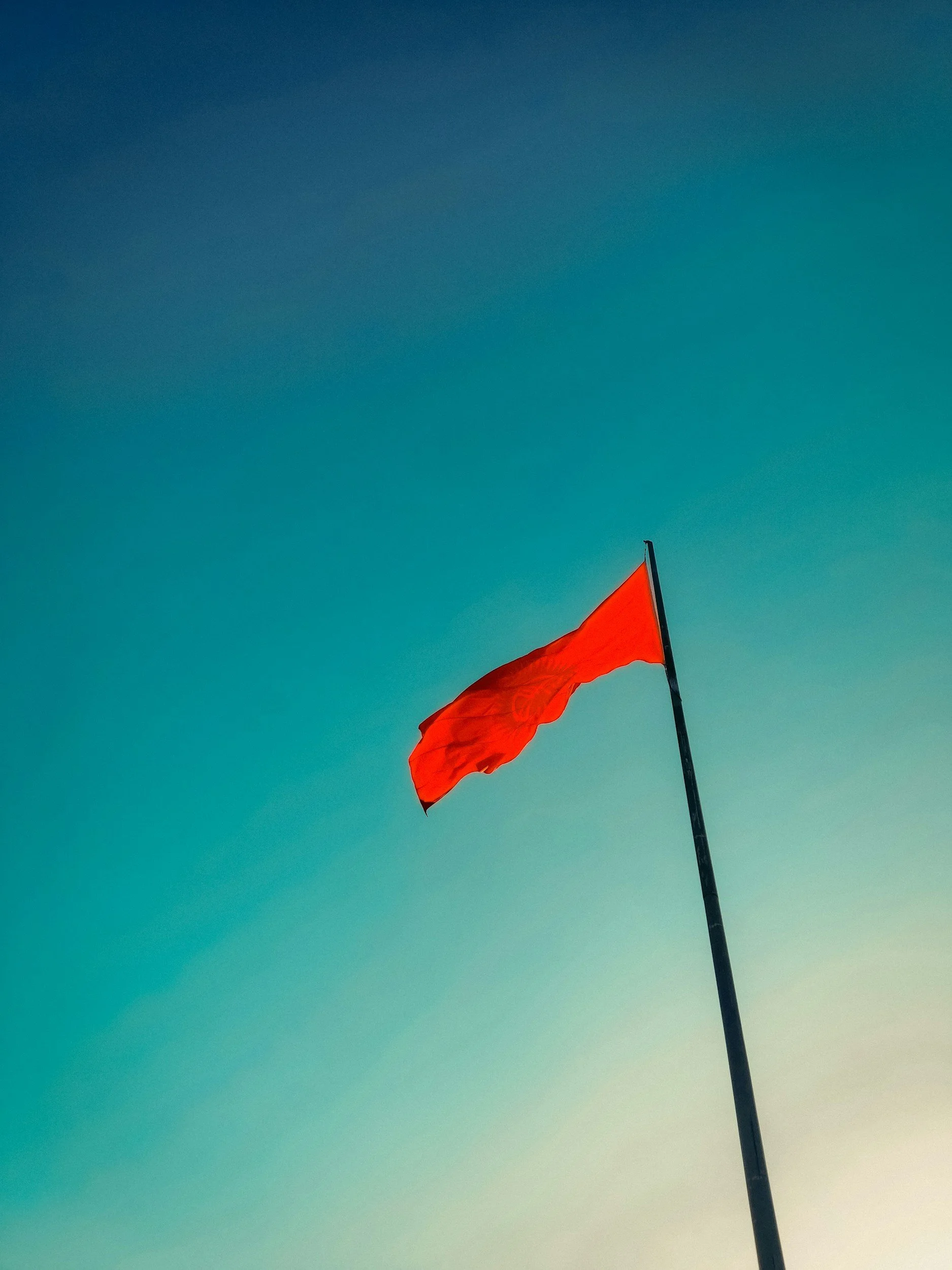
How do we differentiate pes anserine bursitis from a torn meniscus or ligament sprain?
The Location: Meniscus pain is felt directly on the joint line. Pes anserine pain is felt exactly 2 to 3 inches below the joint line, on the flat part of the inner shin bone.
The Touch Test: Pressing your finger directly onto that spot produces a breathtaking, exquisite point-tenderness.
The Stair Trigger: The pain is uniquely severe when descending stairs or stepping down off a Toronto streetcar, as this requires massive eccentric hamstring control, which crushes the inflamed bursa.
Absence of Locking: Unlike a meniscus tear, the knee does not physically "lock," "catch," or click. The hinge works fine; the pain is purely superficial.
Primary Source Proof: Biomechanical Knee Rehabilitation
Orthopedic and sports medicine literature dictates that correcting lumbo-pelvic kinematics and strengthening the hip abductors is the definitive, long-term solution for resolving medial knee overuse injuries like pes anserine bursitis, vastly outperforming localized rest or cortisone injections.
Note: The link above directs to external, peer-reviewed medical literature demonstrating our commitment to evidence-based practice and international clinical guidelines for sports rehabilitation.
Strengthening of the Hip and Core Versus Knee Muscles for the Treatment of Patellofemoral Pain: A Multicenter Randomized Controlled Trial
Rethinking Knee Pain: Why Your Hips Matter More Than You Think
Patellofemoral pain (PFP), often called "runner’s knee," is a common and frustrating injury for athletes, causing aching pain during activities like running, squatting, or even sitting for long periods. Historically, physical therapy for PFP has focused almost exclusively on the knee, specifically targeting quadriceps strengthening. However, new research suggests that our standard approach might be missing a crucial piece of the puzzle: the hips and core.
A landmark multicenter randomized controlled trial compared two distinct rehabilitation protocols over a six-week period: one focused solely on knee muscles and another that integrated hip and core strengthening. While both groups saw improvements in overall function and strength, the results revealed a clear advantage for those targeting the "upstream" muscles. The participants following the hip and core protocol experienced a faster resolution of their pain and achieved greater overall gains in muscle strength compared to the knee-focused group.
These findings challenge the traditional "knee-only" mindset in physical therapy, highlighting the importance of the entire kinetic chain. By strengthening the hips and core, patients can improve their pelvic and lower-limb stability, which directly alleviates the excessive stress placed on the knee joint. If you are struggling with recurring knee pain, this study suggests that shifting your focus—or your exercise routine—to include dedicated hip and core stability training may be the key to faster recovery and better long-term outcomes.
The Rehab Mechanics Corrective Protocol
We do not just ice the knee. To cure this condition, we must physically alter the angle of your leg during movement.
Phase 1: Tendon Desensitization and Inflammation Control (Weeks 1-3)
We must immediately stop the mechanical crushing of the bursa.
Activity Modification: A temporary halt on running and stair-climbing workouts to allow the swollen bursa sac to chemically cool down.
Advanced Myofascial Release: Our physiotherapists apply targeted, deep manual therapy to the bellies of the hamstring, gracilis, and sartorius muscles high up in the thigh. Releasing the tension at the top of the muscles instantly provides mechanical slack to the tendons at the knee.
Kinesiology Taping: Utilizing strategic taping patterns to gently lift the skin and fascia over the medial knee, decompressing the inflamed bursa and providing immediate pain relief during walking.
Phase 2: Pelvic Fortification and Neuromuscular Control (Weeks 4-6)
We must build the muscular scaffolding that prevents the knee from caving inward.
Isolated Glute Medius Activation: Utilizing side-lying hip abductions, banded clamshells, and isometric wall holds to wake up the lateral stabilizers of the pelvis.
Eccentric Hamstring Loading: Tendons need strength to handle force without spasming. We use slow, controlled hamstring curls and sliders to build robust resilience in the semitendinosus tendon so it no longer crushes the bursa.
Phase 3: Dynamic Integration and Gait Retraining (Weeks 6-8+)
We must ensure your new hip strength translates to the pavement.
Anti-Valgus Training: We progress to dynamic step-downs, lateral lunges, and single-leg squats while utilizing tactile feedback (like a resistance band pulling the knee inward) to force your brain to consciously fire the glutes and push the knee straight.
Cadence Manipulation for Runners: If running is your goal, we may analyze your gait and increase your step cadence by 5-10%. Taking slightly shorter, faster steps drastically reduces the heavy, bounding impact that triggers the valgus collapse.
Stop the Friction, Save Your Knee
You do not have to live with stinging inner knee pain or fear that you have a torn meniscus. By addressing the deep biomechanics of your hip and thigh, physical therapy offers a permanent, non-surgical solution to pes anserine bursitis.
Book a comprehensive biomechanical knee assessment with our clinical team today. We are conveniently located inside the Prime Medical Centre at 68 Abell Street, offering elite sports recovery in Queen West.
Contact us to schedule your appointment:
Email: info@rehabmechanics.com
Phone: (416) 533-3900
About the Author
Mr. Sanjay Attwala (B.Sc., M.Sc., RPT) is a Registered Physiotherapist, clinical director, and the founder of Rehab Mechanics in Toronto. With over 15 years of registered clinical practice and a deep specialization in complex musculoskeletal rehabilitation, Sanjay synthesizes rigorous international academic training with advanced evidence-based therapeutics to guide his clinical practice and patient education initiatives.
Academic Background & Credentials
Master of Science (M.Sc.) in Physiotherapy – University of Keele, United Kingdom (2010).
Bachelor of Science (B.Sc.) – University of Waterloo, Ontario, Canada.
Registered Physiotherapist (RPT) – Regulated health professional in excellent standing with the College of Physiotherapists of Ontario (CPO).
Corporate Entity – Operating officially under the S. Attwala Physiotherapy Professional Corporation with a DBA of Rehab Mechanics.
Clinical Expertise & Philosophy
Sanjay’s clinical approach rejects passive symptom management in favor of identifying underlying biomechanical root causes. His diverse expertise spans advanced manual therapies, personalized corrective exercise prescription, and modern physical modalities. At the Rehab Mechanics Toronto Queen West clinic, he routinely diagnoses and treats complex conditions including:
Spinal & Discogenic Pathology – Cervical, thoracic, and lumbar disc injuries, sciatica, and sacroiliac joint (SIJ) dysfunction.
Upper & Lower Extremity Injuries – Rotator cuff tears, frozen shoulder, tennis/golfer’s elbow, carpal tunnel syndrome, and complex ankle/foot pathologies.
Perinatal & Pelvic Health Rehabilitation – Specialized assessment and rehabilitation protocols tailored specifically for women during pregnancy and the post-partum period, addressing pelvic girdle pain, diastasis recti, and core stabilization.
Specialized Rehabilitation – Pelvic health therapy, TMJ dysfunction, post-surgical rehabilitation (including Total Hip and Total Knee Replacements), and custom orthotics dispensing.
Shockwave Therapy: with advanced cutting edge technological devices to suit your needs.
Interdisciplinary Practice & Patient Care
Sanjay practices an integrated model of healthcare, working closely alongside medical doctors inside the Prime Medical Centre on Abell Street to streamline patient recovery pathways. He maintains a human-centric, communication-first clinical framework, ensuring that care remains fully customized rather than automated.
His clinical caseload encompasses a broad operational spectrum under Ontario's regulatory frameworks, including:
Motor Vehicle Accident (MVA) Claims – Rehabilitation navigating Ontario’s statutory accident benefits schedule.
Workplace Safety and Insurance Board (WSIB) – Occupational injury management and return-to-work screening.
Extended Health Care (EHC) & Private Practice – Multi-tier insurance coordination and long-term athletic development plans.
Commitment to Research & Community
Outside of his clinical caseload at Rehab Mechanics and his additional practice affiliations in Etobicoke, Sanjay is an active health writer and community educator. He translates contemporary peer-reviewed medical research into accessible, actionable guidance on his professional blog. As a dedicated father and husband, he mirrors his professional advice in his personal life, focusing on structural mobility, cross-training, and longevity to help his family and his community thrive. Naturally he takes he a keen interest in rehabilitation for women who are pregnant and post-partum.
Disclaimer: The information provided on this blog is intended for educational and informational purposes only. It does not constitute medical advice, diagnosis, or a treatment plan. Always seek the direct advice of a Registered Physiotherapist, physician, or other qualified health provider regarding any medical condition or physical rehabilitation routine.

Be sure to check out Rehab Mechanics’ Google My Business Profile for daily posts, location and directions in addition to the directions on the website!
We love interacting with prospective and current patients, and love honest feedback and even constructive criticism and areas for improvement!
Interested in learning more? Give us a call or fill out the form before if you are a little more finger and thumb driven in 2026 than the telephone.