
Taping it up works but the scientific tape
How Kinesio Taping Can Revolutionize Injury Recovery
Kinesio taping has emerged as a popular method to support injury rehabilitation by offering dynamic stability without restricting range of motion. This innovative technique uses specially designed, flexible strips to gently lift muscles and fascia, improving blood flow and lymphatic drainage. By doing so, it reduces swelling and enhances the body’s natural healing process, making it an attractive option for those recovering from strains, sprains, and other soft-tissue injuries.
In this comprehensive guide, you’ll learn how Kinesio taping works through actionable insights and practical tips. Key points include:
Pain Reduction: Minimizes discomfort and supports injured muscles.
Enhanced Mobility: Allows movement while providing necessary joint stabilization.
Local Adaptability: Easily applied by skilled professionals in community clinics and wellness centers.
As you explore the benefits of this technique, you will also discover methods to integrate Kinesio taping into your recovery routine through detailed, step-by-step approaches. Whether you’re managing persistent muscle tension or looking for a non-invasive, supportive treatment option, this overview sets the stage for a deeper understanding of how Kinesio taping might be the key to unlocking your body’s healing potential.
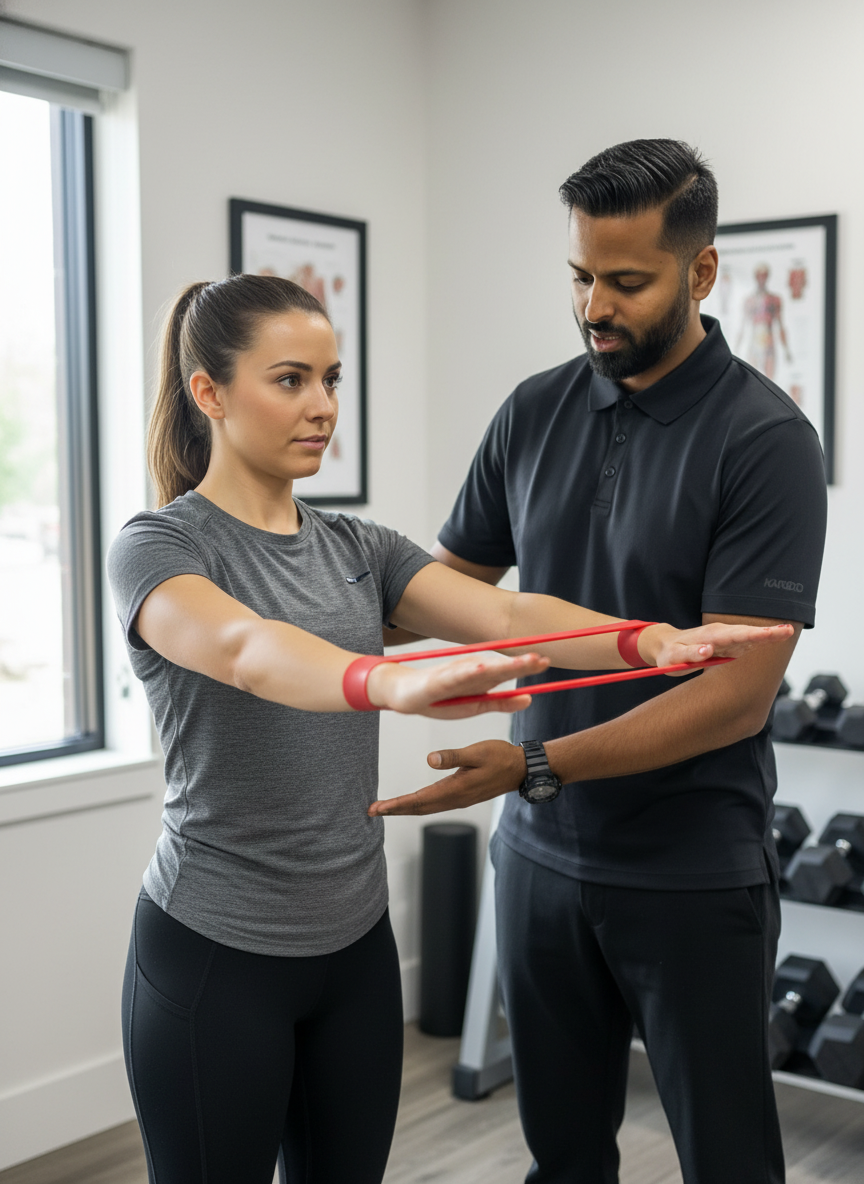
Resistance Training with Rehab Mechanics
Unlock the Healing Potential of Kinesio Taping
Kinesio taping has emerged as a popular tool among physiotherapists for its unique approach to injury prevention and recovery. This technique is designed to support muscles and joints through a flexible, adhesive tape that gently lifts the skin, encouraging improved circulation and reduced swelling. Instead of compressing the injured area, the tape creates channels for fluid drainage, which may help to minimize inflammation and accelerate healing.
Key benefits typically associated with Kinesio taping include:
Enhanced Blood Flow: The slight lifting effect promotes better circulation, essential for nutrient delivery and waste removal.
Pain Reduction: By alleviating pressure on sensory receptors, the tape can contribute to diminished discomfort.
Support for Movement: The elastic nature of the tape provides stability without restricting range of motion, allowing for continued activity during recovery.
Local clinics and sports professionals often integrate these techniques into treatment plans, emphasizing practical, non-invasive solutions. Whether facing a recent strain or managing chronic discomfort, Kinesio taping serves as a viable, cost-effective method to support your body's natural healing process and keep you moving forward.
Unveiling the Science Behind Kinesio Taping
Delve into the scientific rationale that underpins the growing popularity of Kinesio Taping for injury management. This innovative method is designed to support muscle function and improve lymphatic flow, offering non-invasive benefits for both acute and chronic conditions. Researchers have observed that when applied correctly, the tactile stimulation from the tape may help reduce pain and enhance proprioception, which in turn can facilitate a better range of motion during rehabilitation.
Key principles behind Kinesio Taping include:
Pressure Redistribution: The tape helps alleviate overburdened areas by dispersing stress across surrounding tissues.
Enhanced Circulation: By gently lifting the skin, it may aid in fluid movement, reducing swelling and promoting healing.
Neuro-Activation: The stimulation of skin receptors can boost muscle activation and coordination.
For anyone seeking practical recovery solutions, the evidence suggests that integrating Kinesio Taping into therapy routines can complement physical rehabilitation. Local patients and athletes alike have found it to be a useful tool for managing minor strains, sprains, and related injuries. Embrace informed approaches to pain management and mobility, and consider the potential of Kinesio Taping as part of your journey toward recovery.
Evaluating the Limitations of Kinesio Taping
While Kinesio Taping has gained popularity in physiotherapy and sports medicine, it is important to recognize that it may not be a one-size-fits-all solution for every injury. Some practitioners note that its effectiveness can vary significantly depending on the injury type and patient physiology. Critics argue that, in certain cases, taping may simply provide a temporary sense of support rather than addressing underlying issues.
Several factors contribute to these limitations:
Technique Sensitivity: The benefits of Kinesio Taping are highly dependent on the precise application. Suboptimal or inconsistent taping methods can lead to diminished results.
Individual Variability: Patients may respond differently; some report considerable relief while others see minimal improvements.
Temporary Relief: For deeper musculoskeletal issues, taping might act as a supplemental measure rather than a standalone treatment.
Local physiotherapy centers and sports clinics often integrate Kinesio Taping with other modalities to address the root causes of pain. Understanding these constraints enables both practitioners and patients to weigh its advantages against its limitations, ensuring that treatment plans are comprehensive and tailored to individual recovery needs.
Frequently Asked Questions on Kinesio Taping
How does Kinesio Taping alleviate injury-related pain? Kinesio taping helps support muscles, reduce strain, and enhance proprioceptive feedback. By gently lifting the skin, it improves blood flow and lymphatic drainage, which can aid recovery from minor strains and sprains.
Can Kinesio Taping accelerate healing for musculoskeletal injuries? Yes, many practitioners use Kinesio taping as a complementary technique to relieve tension and promote natural healing. Its application can help minimize inflammation and support joint stability during physical activities.
Are there specific techniques for different injury types? Absolutely. Taping methods vary depending on the injury location and severity. Some common techniques include:
Supporting weak joints
Reducing muscle tension
Guiding movement patterns
Is Kinesio Taping suitable for athletes and regular individuals? Indeed, it is versatile enough for both sports injuries and everyday discomfort, offering additional stability and pain relief.
What should one expect during a Kinesio Taping session? Sessions are typically non-invasive and tailored to individual needs, with practitioners evaluating the best taping method based on the injury to ensure maximum efficacy.
Wrapping Up: Your Path to Informed Injury Management
As you conclude your exploration of kinesio taping, it is clear that this technique offers a versatile, non-invasive solution for injury management. Kinesio taping can alleviate discomfort, enhance circulation, and support natural healing while providing targeted support to strained muscles and joints. This approach emphasizes individualized care by addressing specific injury sites, making it a valuable tool in both acute recovery and long-term wellness routines.
Key points to remember:
Targeted Relief: The tape’s elastic properties aid in reducing inflammation and supporting injured areas.
Enhanced Mobility: By subtly encouraging proper alignment, kinesio taping can improve movement efficiency.
Practical Integration: Consider incorporating kinesio taping into your daily recovery practices, especially when combined with stretching and physical therapy techniques.
For those in local communities looking to optimize their rehabilitation plans, take actionable steps by consulting knowledgeable practitioners and scheduling regular follow-ups. Embrace this balanced approach to injury management with confidence, and keep moving towards a healthier, more resilient future.
About the Author
Mr. Sanjay Attwala (B.Sc.; M.Sc., RPT) is a Registered Physiotherapist and the proud owner of Rehab Mechanics in Toronto. Armed with a robust foundation that includes both a Bachelor of Science and a Master of Science from the UK, Sanjay brings over 15 years of extensive, diverse clinical experience to his daily practice and his writing. His international academic background has fostered a deeply analytical, evidence-based perspective on human movement, injury prevention, and rehabilitation.
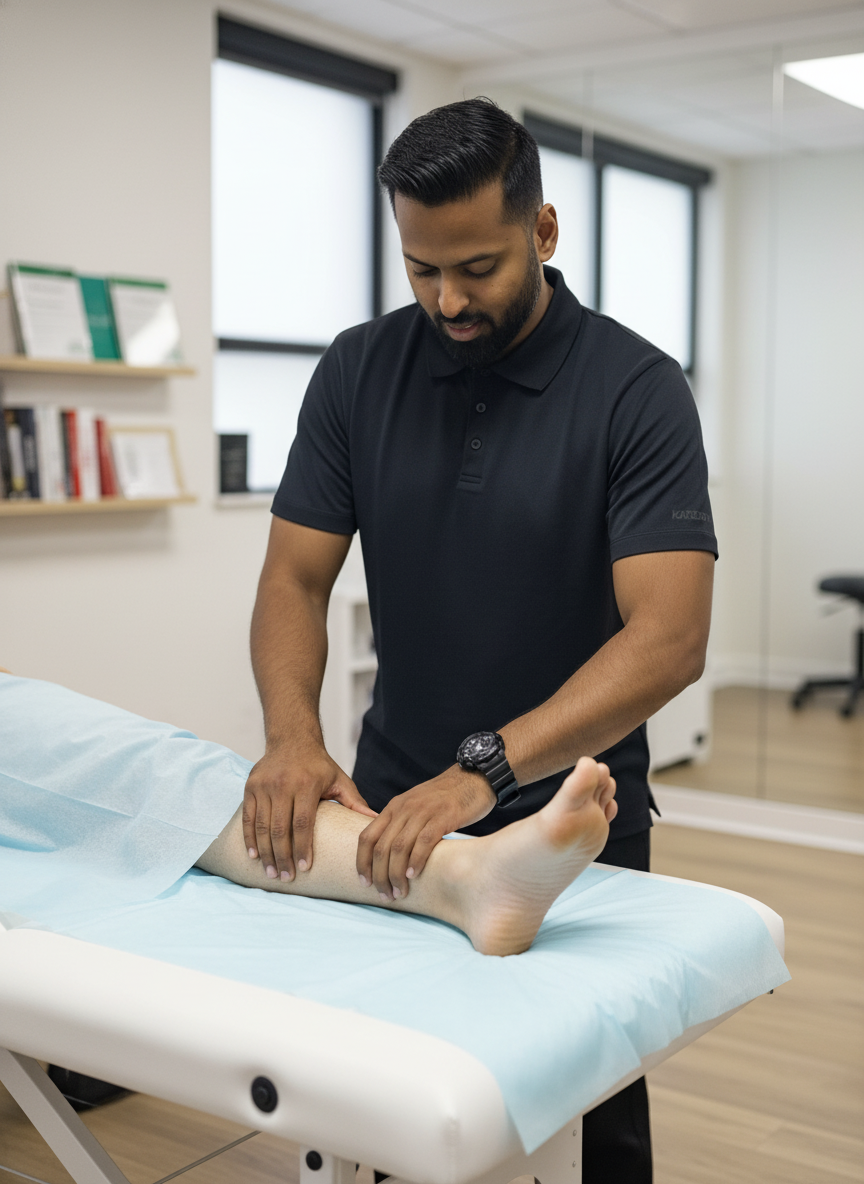
At Rehab Mechanics, Sanjay is dedicated to a modern, collaborative approach to physiotherapy. He believes that true healing goes beyond simple symptom management; instead, he focuses on uncovering the root causes of pain to help patients overcome injuries through highly personalized, comprehensive care. Sanjay is driven by a profound passion for continued education and experiential growth. He prides himself on staying at the forefront of the latest medical research, refining his problem-solving skills, and consistently bringing this cutting-edge knowledge to the public—whether he is working one-on-one with his clients or sharing actionable advice through his dedicated blog.
When he isn't in the clinic treating patients or writing about physical wellness, Sanjay leads by example, actively embracing a clean, balanced lifestyle. As a happily married father of two, he understands firsthand the daily physical demands of family life and the critical importance of maintaining mobility and strength. He is deeply passionate about helping others achieve the physical resilience needed to keep up with their loved ones and enjoy life to the absolute fullest. Enjoy this blog as an in-person patient, an interested observer or a just a fellow human who loves to learn about the human body, growth from inside and out, and potentially a new and returning patient of Rehab Mechanics!