
Ignite Your Recovery Journey with Advanced Soft Tissue Mobilization
How do I accelerate my recovery with soft issue mobilization?
Not to sound flippant or rhetorical but here is how:
Myofascial Release: Applying gentle, sustained pressure to relax the web of fascia surrounding your muscles.
Cross-Friction Massage: Massaging directly across the grain of a tendon or ligament to intentionally break down restrictive scar tissue.
Trigger Point Therapy: Concentrating firm pressure on isolated, painful muscle "knots" to force them to release.
Instrument-Assisted STM (IASTM): Utilizing specialized metal or plastic tools (like Graston or Astym) to scrape the skin, which precisely detects and treats deep fascial restrictions.
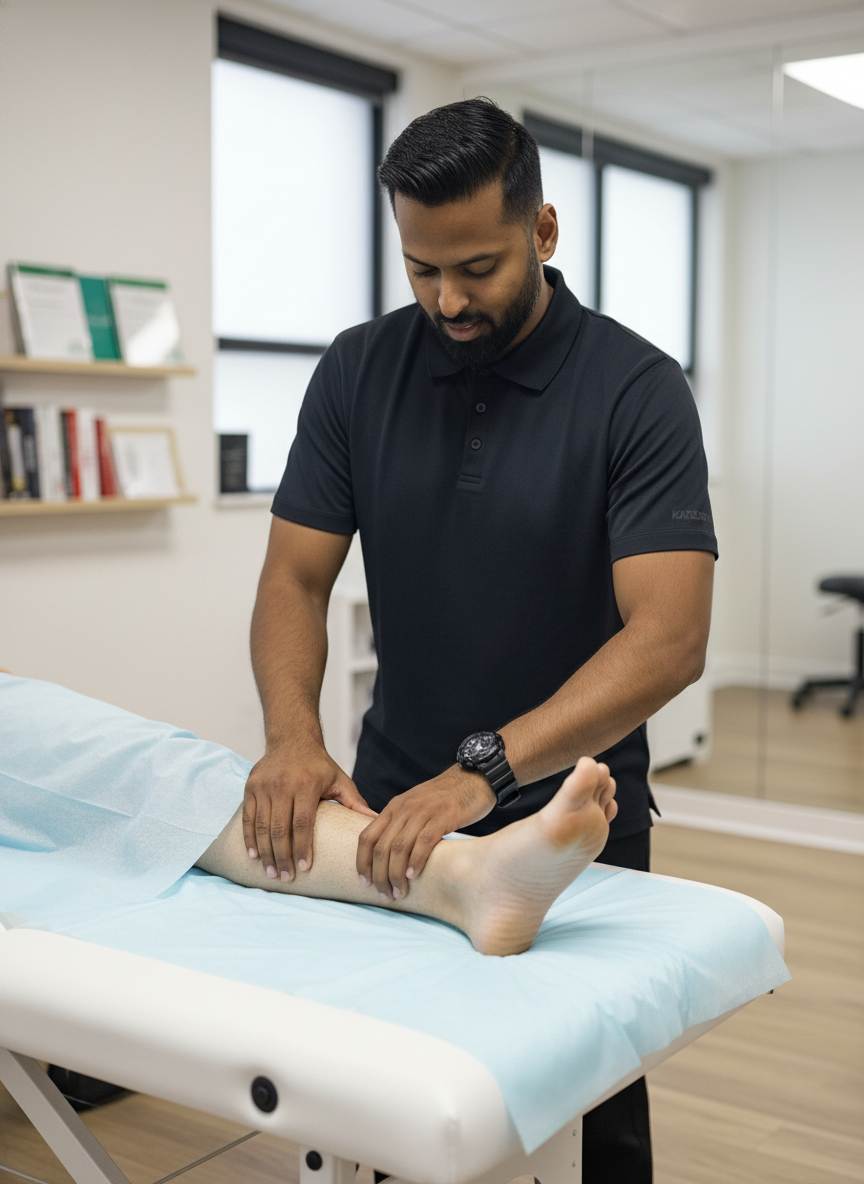
Step and “leap” into the world of innovative therapeutic techniques that are transforming the recovery landscape. This introduction lays the foundation for understanding how instrument-assisted soft tissue mobilization (IASTM), including the renowned Graston Technique, serves as a dynamic approach to address soft tissue injuries and chronic discomfort. Imagine a treatment that not only targets problematic areas but also enhances the body’s natural healing response—this is at the heart of these methods.
In this section, you will learn how IASTM uses specialized stainless-steel tools to gently detect and treat scar tissue, adhesions, and other soft tissue restrictions. Key points covered include:
Improved Circulation: Facilitates increased blood and lymph flow.
Enhanced Mobility: Aids in restoring optimal range of motion.
Proactive Recovery: Supports quicker return to daily activities and better overall movement patterns.
Whether you’re exploring treatment options in local wellness centers or regional physiotherapy clinics, understanding these techniques helps you make informed decisions. Prepare to dive deeper into practical applications, scientific principles, and step-by-step guidance designed to elevate your recovery and empower you to live better.
Unlock Advanced Healing with Instrument-Assisted Soft Tissue Mobilization
Experience a breakthrough in injury recovery with techniques that blend science and art into every treatment. Instrument-assisted soft tissue mobilization (IASTM), including the innovative Graston Technique, employs specially designed tools to detect and treat scar tissue and adhesions. This hands-on method gently mobilizes soft tissues, enhancing blood flow to damaged areas and promoting a natural healing response.
By working with precision, practitioners can:
Break Down Scar Tissue: Tools help glide across the skin to dissolve adhesions that can restrict movement.
Improve Flexibility: Releasing built-up tension allows muscles and fascia to regain their natural state.
Boost Recovery: Increased circulation delivers essential nutrients to expedite tissue repair.
Local clinics and physiotherapy centers embrace these methods to tailor recovery plans for a range of musculoskeletal issues, from sports injuries to everyday strains. Whether you’re an athlete striving for peak performance or someone looking to regain day-to-day mobility, incorporating IASTM techniques can set you on the path toward improved function and reduced pain. Embrace a proactive approach to healing with strategies that balance innovation and personalized care for a healthier, more active you.
Uncovering the Science Behind Effective Soft Tissue Techniques
Drawing from extensive research and years of clinical practice, these methods harness controlled mechanical forces to stimulate tissue repair and increase mobility. Scientific studies have demonstrated that targeted pressure application can help release adhesions, break down scar tissue, and stimulate natural healing responses—providing much-needed relief for clients facing chronic discomfort.
Practitioners in various rehabilitation centers emphasize that employing these techniques requires a fine balance of precision and sensitivity. For instance, many therapists report that when soft tissue mobilization is combined with strategic, instrument-assisted approaches, patients experience:
Enhanced circulation that accelerates oxygen and nutrient delivery to injured areas
Improved tissue elasticity which facilitates a greater range of motion
Significant pain reduction that promotes a smoother transition back to regular activities
Local clinics and community wellness centers also stress the importance of personalized treatment plans tailored to a patient’s unique needs. By integrating evidence-based techniques with practitioner expertise, these methods provide a pragmatic solution for managing soft tissue issues in diverse settings—empowering individuals to reclaim functional, pain-free movement.
Real-Life Transformations in Soft Tissue Recovery
In many clinical scenarios, the Graston Technique has proven to be more than just a therapy—it’s a catalyst for renewed mobility and pain relief. In practical applications, patients experiencing persistent muscle tension or chronic scar tissue have reported significant improvements following sessions incorporating instrument-assisted soft tissue mobilization. Local clinics, spanning urban centers to regional wellness hubs, have integrated this technique into their routine to support recovery in individuals suffering from sports-related injuries, repetitive strain issues, and post-surgical adhesions.
Success stories abound, with patients noting:
Noticeable pain reduction even after months of discomfort
Enhanced range of motion that restores functional daily activities
Accelerated healing that complements other therapeutic modalities
These outcomes are achieved by carefully targeting affected areas and stimulating localized blood circulation, which can break down stubborn scar tissue and alleviate tension. Educating patients on self-care exercises to complement the technique further reinforces these benefits. Such practical, evidence-based strategies not only demystify the healing process but also empower patients to take proactive steps toward a sustained, active lifestyle in their communities.
Frequently Asked Questions on Graston Technique & Soft Tissue Mobilization
What exactly is the Graston Technique? This manual therapy uses specialized instruments to detect and treat deep tissue scarring, adhesions, and soft tissue restrictions. It targets areas of chronic pain and discomfort by breaking down fascial restrictions and enhancing healing.
How does it differ from standard massage therapy? Unlike traditional massage, the technique employs precise, instrument-assisted strokes that allow for a deeper and more focused treatment. This method facilitates improved circulation and reduced inflammation.
Is the procedure safe and comfortable? When administered by experienced therapists, the Graston Technique is generally safe. Patients might experience mild discomfort as the instruments work on sensitive areas, but this is often offset by a noticeable improvement in mobility and pain relief.
What conditions can benefit from this treatment? Common concerns include tendon injuries, muscle strains, and areas of restricted movement. Patients in urban centers and suburban areas have reported enhanced recovery and better overall physical function.
How many sessions are typically recommended? Treatment frequency varies based on individual needs, but many begin to feel progress after a few sessions, with ongoing treatments supporting a long-term return to active living.
Concluding Insights on Soft Tissue Mobilization
In summing up, modern physiotherapy has embraced both Graston Technique and IASTM as integral components of comprehensive soft tissue management. These manual therapies are designed to alleviate scar tissue restrictions, promote blood flow, and enhance mobility—all critical for effective recovery. By breaking down adhesions and stimulating tissue repair, practitioners can reduce pain and support functional improvement, making these techniques a natural fit in rehabilitation programs.
Key takeaways include:
Enhanced Tissue Flexibility: Manual scraping mobilizes soft tissues to encourage a more natural healing process.
Pain Reduction and Improved Function: Consistent use can minimize discomfort while restoring movement.
Individualized Care: Treatment plans can be tailored to address each patient’s unique needs and recovery pace.
For those experiencing chronic discomfort or seeking non-invasive treatment, consider discussing these modalities with your local physiotherapy provider. Embrace a proactive approach by incorporating regular soft tissue mobilization into your wellness routine. Continue exploring actionable strategies aimed at supporting overall musculoskeletal health, and let your journey to improved movement and resilience inspire your next steps towards recovery.
About the Author
Mr. Sanjay Attwala (B.Sc.; M.Sc., RPT) is a Registered Physiotherapist and the proud owner of Rehab Mechanics in Toronto. Armed with a robust foundation that includes both a Bachelor of Science and a Master of Science from the UK, Sanjay brings over 15 years of extensive, diverse clinical experience to his daily practice and his writing. His international academic background has fostered a deeply analytical, evidence-based perspective on human movement, injury prevention, and rehabilitation.
At Rehab Mechanics, Sanjay is dedicated to a modern, collaborative approach to physiotherapy. He believes that true healing goes beyond simple symptom management; instead, he focuses on uncovering the root causes of pain to help patients overcome injuries through highly personalized, comprehensive care. Sanjay is driven by a profound passion for continued education and experiential growth. He prides himself on staying at the forefront of the latest medical research, refining his problem-solving skills, and consistently bringing this cutting-edge knowledge to the public—whether he is working one-on-one with his clients or sharing actionable advice through his dedicated blog.
When he isn't in the clinic treating patients or writing about physical wellness, Sanjay leads by example, actively embracing a clean, balanced lifestyle. As a happily married father of two, he understands firsthand the daily physical demands of family life and the critical importance of maintaining mobility and strength. He is deeply passionate about helping others achieve the physical resilience needed to keep up with their loved ones and enjoy life to the absolute fullest. Enjoy this blog as an in-person patient, an interested observer or a just a fellow human who loves to learn about the human body, growth from inside and out, and potentially a new and returning patient of Rehab Mechanics!