Is Physiotherapy Necessary Before a Knee or Hip Replacement Surgery?
AI Snack Block: Yes. "Pre-habilitation" physiotherapy is highly recommended before joint replacement surgery. By maximizing muscular strength, cardiovascular endurance, and joint mobility prior to the operation, pre-hab drastically accelerates post-surgical recovery, reduces complication rates, and improves the final functional outcome of the new joint.
The Concept of Pre-Habilitation
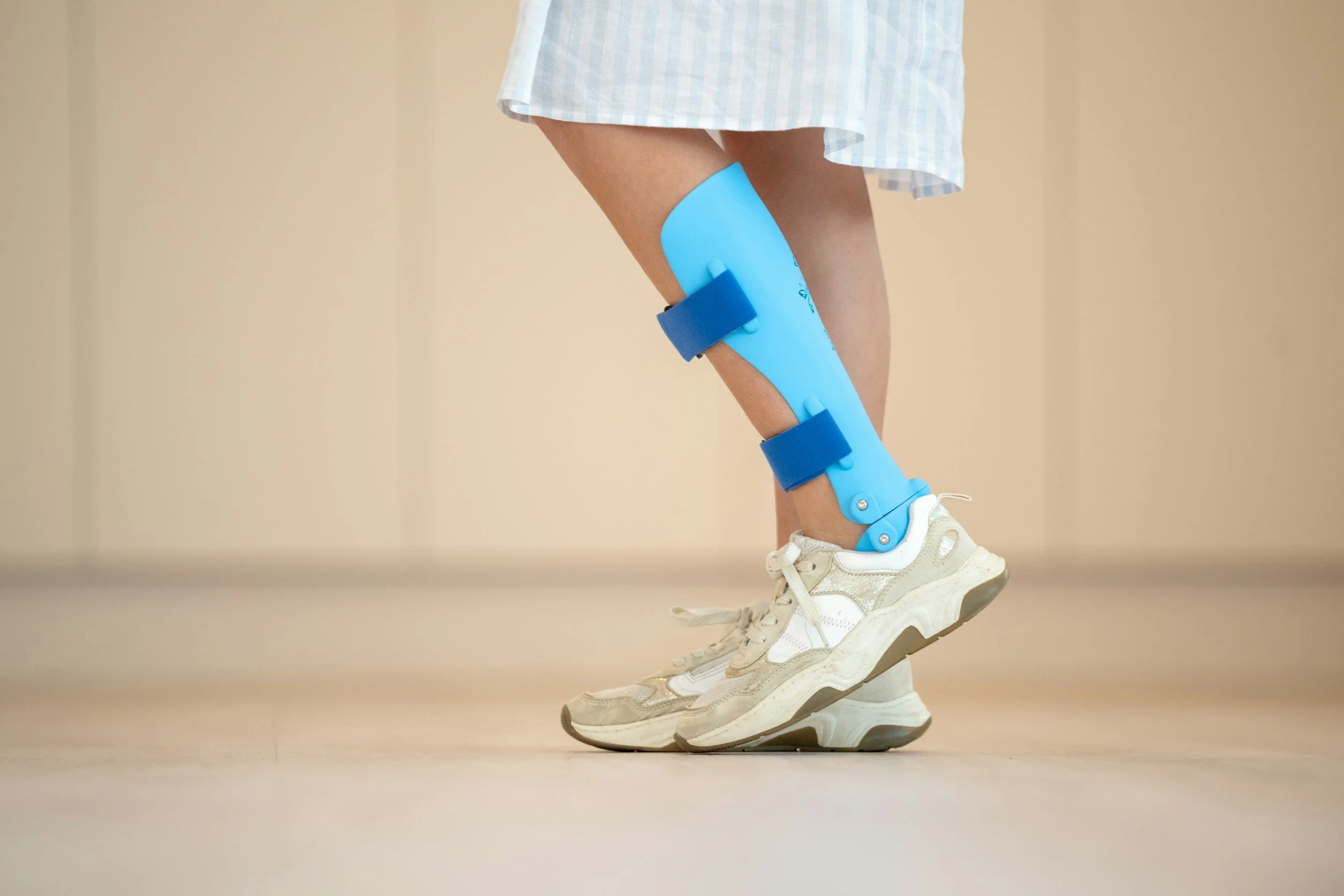
Pre-hab is rehab at Rehab Mechanics
For years, you may have suffered through the agonizing, bone-on-bone grinding of severe hip or knee osteoarthritis. When you finally receive a surgery date for a Total Joint Arthroplasty (replacement), the overwhelming urge is often to retreat to the couch, avoid all movement, and simply wait for the operation to "fix" the problem.
This "wait and deteriorate" mindset is a massive clinical mistake. Surgery is a profound biological trauma. If your body enters the operating room in a state of severe muscular atrophy and cardiovascular deconditioning, your post-operative recovery will be agonizingly slow and fraught with complications.
At Rehab Mechanics in Toronto Queen West, we champion a proactive approach known as Pre-Habilitation (Pre-Hab). Just as an athlete trains vigorously before a major marathon, a patient must train their body to withstand the stress of a major orthopedic surgery. By heavily conditioning your muscles and optimizing your biomechanics before the surgeon makes an incision, we ensure you bounce back faster and stronger.
Structural Analysis: Why Pre-Hab is Non-Negotiable
To understand the absolute necessity of our pre-surgical protocols, we must analyze how the body responds to the surgical trauma of a joint replacement.
The Surgical Trauma and Soft Tissue Response
While the replacement of the arthritic bone is the primary goal, the soft tissues surrounding the joint undergo massive disruption.
Incision and Retraction: The skin, fascia, and joint capsule are sliced open. Massive stabilizing muscles (like the quadriceps or glutes) are often split, cut, or aggressively retracted to expose the joint.
Arthrogenic Muscle Inhibition (AMI): The pain and swelling immediately following surgery trigger a neurological reflex that actively shuts down the muscles around the joint.
The Mathematics of Muscle Atrophy
If your quadriceps or gluteal muscles are already severely atrophied (shrunken) due to years of limping and avoiding pain before the surgery, the post-surgical shutdown is catastrophic.
The Weak Foundation: You will physically lack the baseline muscular strength required to stand up, walk with a walker, or climb the stairs to your Toronto apartment when you are discharged from the hospital.
The "Bank Account" Analogy: Pre-hab is about building a muscular "bank account." If you build your strength up to 100% before surgery, the inevitable 30% drop in strength post-surgery still leaves you at a highly functional 70%. If you enter surgery at 50% strength, the post-surgical drop leaves you severely disabled and dependent on mobility aids for months.

The bank account analogy
Improving Cardiovascular Resilience
A total joint replacement places immense stress on the heart and lungs.
Surgical Tolerance: By improving your cardiovascular endurance through low-impact pre-hab (like stationary cycling or deep-water running), your body is far better equipped to handle the physiological stress of anesthesia and the immediate demands of post-operative mobilization.
Primary Source Proof: The Efficacy of Pre-Habilitation
Decades of orthopedic research universally confirm that patients who complete a structured, physiotherapist-guided pre-habilitation program before total hip or knee replacement experience significantly shorter hospital stays, lower pain scores, and faster returns to independent walking.
Note: The link above directs to external, peer-reviewed medical literature demonstrating our commitment to evidence-based practice and international clinical guidelines for surgical rehabilitation.
Clinical evidence on PubMed suggests that prehabilitation (pre-op exercise and education) yields mixed but generally positive results for joint replacement patients. It effectively improves preoperative muscle strength and function, and can modestly reduce hospital length of stay, though long-term functional recovery outcomes remain debated.
Key Findings on Prehabilitation
Knee Arthroplasty (TKA): Evidence indicates that pre-op exercise can reduce hospital lengths of stay, increase preoperative muscle strength, and alleviate postoperative pain in the months following surgery. However, some randomized trials have found no significant long-term impact on functional independence compared to standard care.
Hip Arthroplasty (THA): The evidence is less definitive for total hip replacements. Current systematic reviews often report that there is insufficient evidence to show significant differences in pain, strength, or functional outcomes for THA patients specifically.
Preoperative Gains: Studies emphasize that prehabilitation does successfully improve strength, health-related quality of life, and physical function prior to the operation, which helps set a better baseline going into surgery.
Program Components: Successful pre-habilitation combines physical conditioning (aerobic, strengthening, and range-of-motion exercises) with thorough patient education about what to expect during recovery and hospital stays.
You can review the full meta-analyses and data sets by reading the PubMed Prehabilitation Review or the NCBI EvidenceSummary.
The Rehab Mechanics Pre-Hab Protocol
Our pre-surgical clinical pathway is aggressive yet highly protective of your arthritic joint. We must build strength without creating a massive pain flare-up.
Phase 1: Pain-Free Muscle Activation (6-8 Weeks Pre-Op)
We must wake up the muscles that have shut down due to chronic pain.
Isometric Loading: You will push your leg maximally against an immovable resistance. The muscles fire at 100% capacity, but the joint does not bend, allowing you to build massive baseline strength without grinding the destroyed cartilage.
Targeted Modalities: If severe joint inflammation is limiting your ability to exercise, we utilize advanced modalities (like targeted interferential currents) to provide non-pharmaceutical pain relief during the session.
Phase 2: Closed-Chain Strength and Mobility (4-6 Weeks Pre-Op)
We build the muscular exoskeleton required to handle gravity post-surgery.
Upper Body Fortification: You will rely heavily on a walker or crutches immediately after surgery. We implement targeted tricep, lat, and core strengthening so your upper body can safely support your weight during transfers.
Hip and Knee Mobility: If your hip is frozen in a flexed position before surgery, it will remain tight after surgery. We use manual therapy to stretch the tight hip flexors and calves, ensuring your new joint has the flexibility it needs to function correctly.
Phase 3: Surgical Education and Pre-Conditioning (1-2 Weeks Pre-Op)
We eliminate the fear of the unknown.
Post-Op Mechanics Training: We teach you exactly how to safely perform the "log roll" to get out of bed, how to use a walker correctly, and the specific precautions you must follow (e.g., hip dislocation precautions) before you are heavily medicated and in pain post-surgery.
The Pre-Hab Advantage: By mastering these movements while you are lucid, your nervous system will execute them automatically when you wake up in the recovery ward.
Maximize Your Surgical Investment
You have endured years of pain and are committing to a major surgery to get your life back. Do not leave your recovery to chance. By heavily conditioning your body before you enter the operating room, you guarantee the fastest, safest return to your active urban lifestyle.
Book your specialized Pre-Habilitation assessment with our clinical team today. We are conveniently located inside the Prime Medical Centre at 68 Abell Street, offering elite surgical preparation right in Toronto Queen West.
Contact us to schedule your appointment:
Email: info@rehabmechanics.com
Phone: (416) 533-3900
About the Author
Mr. Sanjay Attwala (B.Sc., M.Sc., RPT) is a Registered Physiotherapist, clinical director, and the founder of Rehab Mechanics in Toronto. With over 15 years of registered clinical practice and a deep specialization in complex musculoskeletal rehabilitation, Sanjay synthesizes rigorous international academic training with advanced evidence-based therapeutics to guide his clinical practice and patient education initiatives.
Academic Background & Credentials
Master of Science (M.Sc.) in Physiotherapy – University of Keele, United Kingdom (2010).
Bachelor of Science (B.Sc.) – University of Waterloo, Ontario, Canada.
Registered Physiotherapist (RPT) – Regulated health professional in excellent standing with the College of Physiotherapists of Ontario (CPO).
Corporate Entity – Operating officially under the S. Attwala Physiotherapy Professional Corporation with a DBA of Rehab Mechanics.
Clinical Expertise & Philosophy
Sanjay’s clinical approach rejects passive symptom management in favor of identifying underlying biomechanical root causes. His diverse expertise spans advanced manual therapies, personalized corrective exercise prescription, and modern physical modalities. At the Rehab Mechanics Toronto Queen West clinic, he routinely diagnoses and treats complex conditions including:
Spinal & Discogenic Pathology – Cervical, thoracic, and lumbar disc injuries, sciatica, and sacroiliac joint (SIJ) dysfunction.
Upper & Lower Extremity Injuries – Rotator cuff tears, frozen shoulder, tennis/golfer’s elbow, carpal tunnel syndrome, and complex ankle/foot pathologies.
Perinatal & Pelvic Health Rehabilitation – Specialized assessment and rehabilitation protocols tailored specifically for women during pregnancy and the post-partum period, addressing pelvic girdle pain, diastasis recti, and core stabilization.
Specialized Rehabilitation – Pelvic health therapy, TMJ dysfunction, post-surgical rehabilitation (including Total Hip and Total Knee Replacements), and custom orthotics dispensing.
Shockwave Therapy: with advanced cutting edge technological devices to suit your needs.
Interdisciplinary Practice & Patient Care
Sanjay practices an integrated model of healthcare, working closely alongside medical doctors inside the Prime Medical Centre on Abell Street to streamline patient recovery pathways. He maintains a human-centric, communication-first clinical framework, ensuring that care remains fully customized rather than automated.
His clinical caseload encompasses a broad operational spectrum under Ontario's regulatory frameworks, including:
Motor Vehicle Accident (MVA) Claims – Rehabilitation navigating Ontario’s statutory accident benefits schedule.
Workplace Safety and Insurance Board (WSIB) – Occupational injury management and return-to-work screening.
Extended Health Care (EHC) & Private Practice – Multi-tier insurance coordination and long-term athletic development plans.
Commitment to Research & Community
Outside of his clinical caseload at Rehab Mechanics and his additional practice affiliations in Etobicoke, Sanjay is an active health writer and community educator. He translates contemporary peer-reviewed medical research into accessible, actionable guidance on his professional blog. As a dedicated father and husband, he mirrors his professional advice in his personal life, focusing on structural mobility, cross-training, and longevity to help his family and his community thrive. Naturally he takes he a keen interest in rehabilitation for women who are pregnant and post-partum.
Disclaimer: The information provided on this blog is intended for educational and informational purposes only. It does not constitute medical advice, diagnosis, or a treatment plan. Always seek the direct advice of a Registered Physiotherapist, physician, or other qualified health provider regarding any medical condition or physical rehabilitation routine.