Is My Lingering Lower Back Pain Actually a Sacroiliac Joint Dysfunction?
Lingering, one-sided lower back pain that spikes when standing is frequently misdiagnosed as sciatica or a herniated disc, but is often Sacroiliac Joint (SIJ) Dysfunction. Physiotherapy assists in managing this condition by utilizing specific joint mobilizations to restore pelvic symmetry, and strengthening the deep myofascial slings to actively compress the joint. The biomechanical root cause is a failure of "force closure," where weak glutes and core muscles fail to stabilize the heavy pelvic keystone against the forces of gravity.
The Patient’s Story
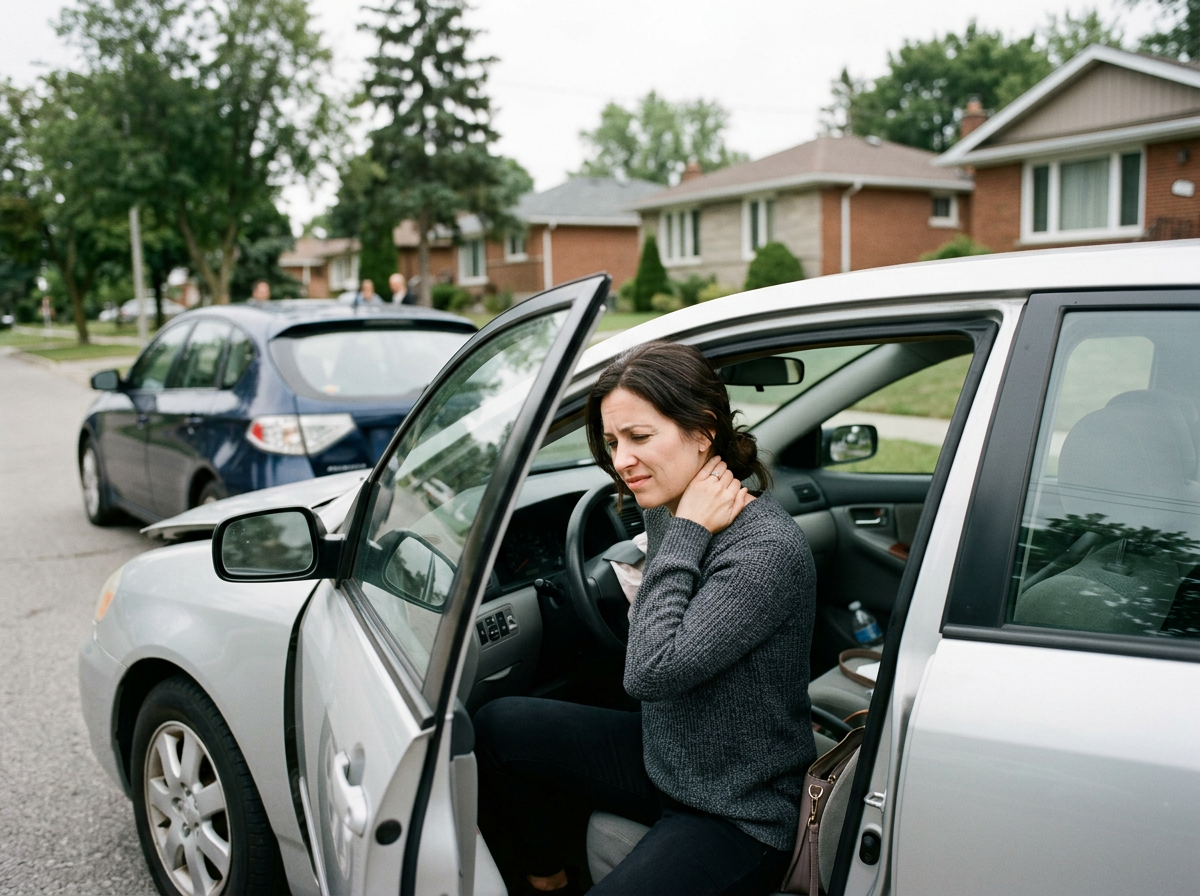
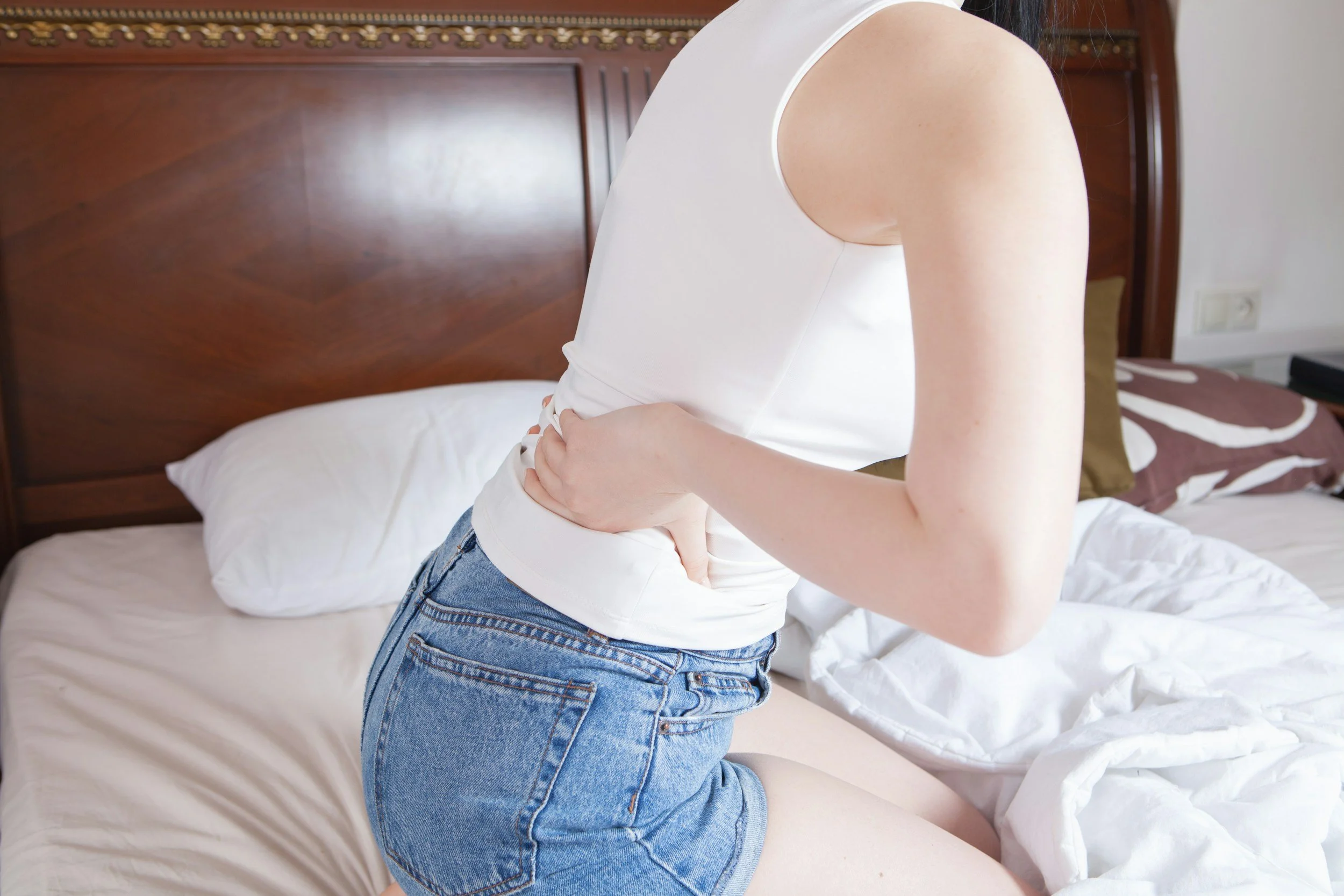
For Toronto professionals enduring long commutes on the Gardiner Expressway, sitting in ergonomic chairs in the Financial District, or running the Martin Goodman Trail on weekends, lower back pain is incredibly common. Patients often present to the clinic deeply frustrated: they feel a sharp, nagging pain directly over the dimple on one side of their lower back. The pain typically starts as a dull ache after prolonged sitting and gradually worsens into a sharp, catching pain when transitioning from sitting to standing or when climbing the stairs at a TTC subway station. Often misdiagnosed by walk-in clinics as "sciatica" or a slipped disc, they spend months doing generic forward-bending stretches that completely fail to help. In reality, their lumbar spine is healthy; it is the massive joint anchoring their spine to their pelvis that has mechanically locked up or become dangerously unstable.
Structural / Biomechanical Analysis
The Pelvic Keystone (The SI Joint)
Your pelvis is the foundation of your skeleton. The Sacroiliac Joint is where the sacrum (the triangular bone at the base of the spine) connects to the two large iliac (hip) bones. It acts as a massive shock absorber, transferring the entire weight of your upper body down into your legs.
Form Closure vs. Force Closure
The SI joint requires massive stability. "Form closure" refers to the interlocking shapes of the bones and the dense ligaments holding them together. "Force closure" refers to the dynamic, active compression provided by your muscles (like the glutes and lats) squeezing the joint shut during movement.
The Hypermobility Failure
Particularly common in post-partum women due to the hormone relaxin, the ligaments stretch and the joint moves too much. Without force closure from strong glutes to hold the bones together, the joint shears violently with every step, causing severe inflammation.
The Hypomobility Lock
Common in desk workers, the joint can become rigidly locked or slightly rotated out of alignment (an upslip or torsion). This physical locking jams the cartilaginous surfaces together, completely shutting down the natural shock-absorbing micro-movements and triggering massive spasms in the lower back muscles.
Clinical Red Flags
The Fortin Finger Test: The patient can point with one single finger directly to the PSIS (the bony dimple on the lower back) as the absolute epicenter of the pain.
Transitional Pain: A sharp, breathtaking jolt of pain when rolling over in bed, getting out of a low car, or standing up from a desk.
The Single-Leg Stance Test: Standing on one leg to put on pants or shoes is intensely painful or feels structurally weak.
Pseudosciatica: A deep, heavy ache that radiates into the groin or down the back of the thigh, but rarely travels below the knee into the calf.
Positive Provocation Cluster: Specific orthopedic tests (like the Thigh Thrust or Distraction Test) actively reproduce the familiar, sharp pelvic pain.
Primary Source Proof
Review the Clinical Evidence on PubMed supporting advanced differential diagnosis and stabilization for pelvic girdle pain:
Diagnosis and Treatment of Pelvic Girdle Pain (National Institutes of Health)
Motor Control and Myofascial Slings in Pelvic Stability (National Institutes of Health)
The Rehab Mechanics Corrective Protocol
Phase 1 — Load Modification
Utilizing Muscle Energy Techniques (MET)—gentle, patient-assisted isometric contractions—to coax a locked or rotated pelvic bone back into perfect, symmetrical alignment without forceful cracking.
Applying deep myofascial release to the piriformis and lower back erectors that have locked into a rigid, protective spasm around the failing joint.
Modifying daily habits, such as providing a specialized SIJ belt for hypermobile patients to mechanically lock the joint, allowing the inflamed ligaments to calm down.
Phase 2 — Pelvic Fortification
Activating the deep transverse abdominis (TvA) to act as a biological weight belt, violently compressing the SI joints together from the front.
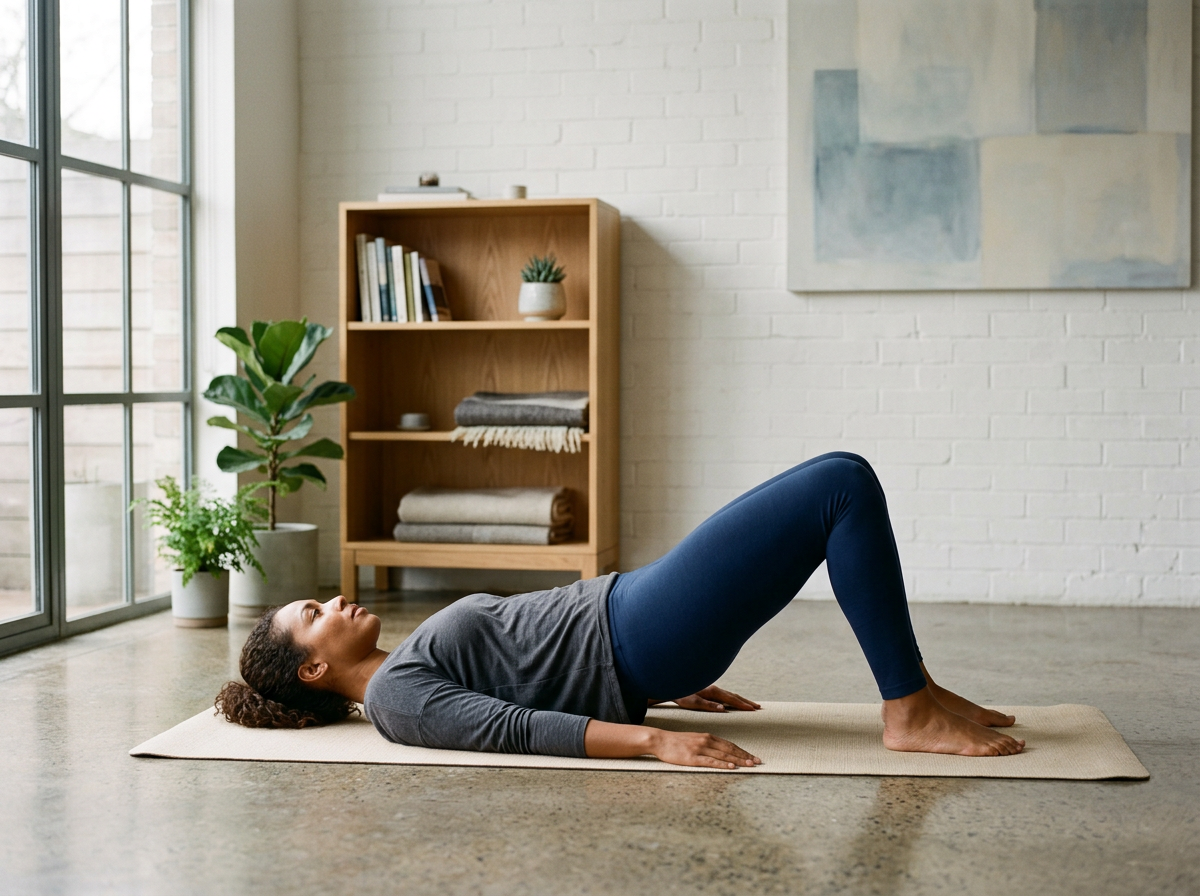
Resurrecting the dormant gluteus maximus, ensuring the massive hip muscles actively squeeze the back of the pelvic ring shut (restoring Force Closure).
Correcting asymmetrical sitting habits (like crossing legs or sitting on a wallet) to prevent the pelvis from torquing out of alignment.
Phase 3 — Gait Retraining / Mechanics Correction
Re-training the Posterior Oblique Sling (the functional connection between the latissimus dorsi and the opposite glute). This fascial "X" across the back must fire synergistically to stabilize the SI joint during walking.
Addressing any functional leg-length discrepancies caused by a dropped arch or stiff ankle, which unevenly loads the pelvis.
Improving step cadence to reduce the vertical, jarring impact transferred through the SI joint with every foot strike.
Phase 4 — Return-to-Activity Strategy
Progressing to heavy, unilateral (one-sided) exercises like Bulgarian split squats and asymmetrical farmer's carries to build robust, real-world pelvic stability.
Reintegrating dynamic, rotational movements (like tennis or golf swings) under strict biomechanical supervision to ensure the SI joint remains locked down during athletic torque.
Establishing a permanent self-management routine focusing on gluteal power and core stiffness.
Related Conditions We Treat
Lumbar Disc Herniation
Sciatica / Pseudosciatica
Pelvic Girdle Pain (Perinatal)
Piriformis Syndrome
Lumbar Facet Joint Syndrome
Symphysis Pubis Dysfunction (SPD)
Related Blogs
"Why Does Stretching My Tight Hamstrings Make My Lower Back Pain Worse?"
"Does Sitting All Day Cause Gluteal Amnesia and Lower Back Pain?"
"Is Debilitating Pelvic Pain Just a Normal Part of Pregnancy?"
Services Used in Treatment
Manual Therapy
Soft Tissue Release
Myofascial Release
Shockwave Therapy
Gait Retraining
Neuromuscular Re-Education
Custom Orthotics
Strengthening Programs
FAQ Section
1. Can physiotherapy assist in managing sacroiliac joint pain? Yes. Physiotherapy supports recovery by realigning the pelvic bones and strengthening the deep core and glutes to provide the dynamic compression (force closure) needed to optimize movement.
2. Is SI joint pain the same as sciatica? No. While SI joint pain can radiate down the leg (pseudosciatica), it is caused by pelvic instability, whereas true sciatica is caused by a compressed nerve in the lumbar spine. We accurately diagnose and address contributing factors for both.
3. Will stretching help reduce my SI joint pain? Aggressive stretching, especially deep forward folds or yoga twists, can often make a hypermobile SI joint worse by pulling the ligaments further. We focus on stabilization and strengthening programs instead.
4. Why does my lower back hurt more when I stand up from a chair? Transitioning from sitting to standing requires a massive transfer of weight through the SI joint. If the joint is locked or unstable, this sudden sheer force triggers sharp pain.
5. How does core strength support my pelvis? The deep core muscles wrap around your midsection like a corset. When contracted, they squeeze the SI joints tightly together, helping reduce mechanical overload and providing a stable foundation for the spine.
6. Do I need an SI joint belt? For highly unstable or hypermobile joints (often seen in post-partum women), an SI belt can provide temporary mechanical compression, supporting recovery while we build your own muscular brace.
7. Can custom orthotics help balance my pelvis? Yes. If poor foot mechanics (like a severely dropped arch on one side) are creating an uneven leg length, custom orthotics can help level the foundation and optimize movement through the pelvic ring.
8. How long does it take to stabilize the SI joint? While manual therapy can often provide immediate relief for a locked joint, building the muscular "force closure" to keep it stable typically requires 6 to 8 weeks of consistent neuromuscular re-education.
How Physiotherapy Helps
Reducing tissue irritation through targeted joint alignment
Correcting pelvic drop and rotational torsion
Improving cadence and load transfer during walking
Strengthening stabilizers in the deep core and gluteal complex
Reducing mechanical overload on the pelvic ligaments
Improving foot mechanics to level the kinetic chain foundation
Contact Us Today — All you have to lose is the pain
Book a comprehensive biomechanical assessment with our clinical team today. Located inside the Prime Medical Centre at 68 Abell Street, Queen West. Email: info@rehabmechanics.com Phone: (416) 533-3900
About the Author
Mr. Sanjay Attwala (B.Sc., M.Sc., RPT) is a Registered Physiotherapist, clinical director, and the founder of Rehab Mechanics in Toronto. With over 15 years of registered clinical practice and a deep specialization in complex musculoskeletal rehabilitation, Sanjay synthesizes rigorous international academic training with advanced evidence-based therapeutics to guide his clinical practice and patient education initiatives.
Academic Background & Credentials
Master of Science (M.Sc.) in Physiotherapy – University of Keele, United Kingdom (2010).
Bachelor of Science (B.Sc.) – University of Waterloo, Ontario, Canada.
Registered Physiotherapist (RPT) – Regulated health professional in excellent standing with the College of Physiotherapists of Ontario (CPO).
Corporate Entity – Operating officially under the S. Attwala Physiotherapy Professional Corporation with a DBA of Rehab Mechanics.
Clinical Expertise & Philosophy
Sanjay’s clinical approach rejects passive symptom management in favor of identifying underlying biomechanical root causes. His diverse expertise spans advanced manual therapies, personalized corrective exercise prescription, and modern physical modalities. At the Rehab Mechanics Toronto Queen West clinic, he routinely diagnoses and treats complex conditions including:
Spinal & Discogenic Pathology – Cervical, thoracic, and lumbar disc injuries, sciatica, and sacroiliac joint (SIJ) dysfunction.
Upper & Lower Extremity Injuries – Rotator cuff tears, frozen shoulder, tennis/golfer’s elbow, carpal tunnel syndrome, and complex ankle/foot pathologies.
Perinatal & Pelvic Health Rehabilitation – Specialized assessment and rehabilitation protocols tailored specifically for women during pregnancy and the post-partum period, addressing pelvic girdle pain, diastasis recti, and core stabilization.
Specialized Rehabilitation – Pelvic health therapy, TMJ dysfunction, post-surgical rehabilitation (including Total Hip and Total Knee Replacements), and custom orthotics dispensing.
Shockwave Therapy: with advanced cutting edge technological devices to suit your needs.
Interdisciplinary Practice & Patient Care
Sanjay practices an integrated model of healthcare, working closely alongside medical doctors inside the Prime Medical Centre on Abell Street to streamline patient recovery pathways. He maintains a human-centric, communication-first clinical framework, ensuring that care remains fully customized rather than automated.
His clinical caseload encompasses a broad operational spectrum under Ontario's regulatory frameworks, including:
Motor Vehicle Accident (MVA) Claims – Rehabilitation navigating Ontario’s statutory accident benefits schedule.
Workplace Safety and Insurance Board (WSIB) – Occupational injury management and return-to-work screening.
Extended Health Care (EHC) & Private Practice – Multi-tier insurance coordination and long-term athletic development plans.
Commitment to Research & Community
Outside of his clinical caseload at Rehab Mechanics and his additional practice affiliations in Etobicoke, Sanjay is an active health writer and community educator. He translates contemporary peer-reviewed medical research into accessible, actionable guidance on his professional blog. As a dedicated father and husband, he mirrors his professional advice in his personal life, focusing on structural mobility, cross-training, and longevity to help his family and his community thrive. Naturally he takes he a keen interest in rehabilitation for women who are pregnant and post-partum.
Disclaimer: The information provided on this blog is intended for educational and informational purposes only. It does not constitute medical advice, diagnosis, or a treatment plan. Always seek the direct advice of a Registered Physiotherapist, physician, or other qualified health provider regarding any medical condition or physical rehabilitation routine.
Be sure to check out Rehab Mechanics’ Google My Business Profile for daily posts, location and directions in addition to the directions on the website!
We love interacting with prospective and current patients, and love honest feedback and even constructive criticism and areas for improvement!