Is My Stabbing Shoulder Pain a Torn Rotator Cuff or a Frozen Shoulder?
A torn rotator cuff causes severe weakness and pain when actively lifting the arm, but the joint can still be moved passively. A frozen shoulder is a severe thickening of the joint capsule causing absolute mechanical stiffness. Physiotherapy assists in managing both conditions by identifying the structural failure, utilizing targeted joint mobilizations to release capsular restrictions, and fortifying the scapular stabilizers to restore overhead mobility. The biomechanical root cause is often prolonged immobilization or compensatory "shrugging" mechanics that overload the shoulder girdle.
The Patient’s Story
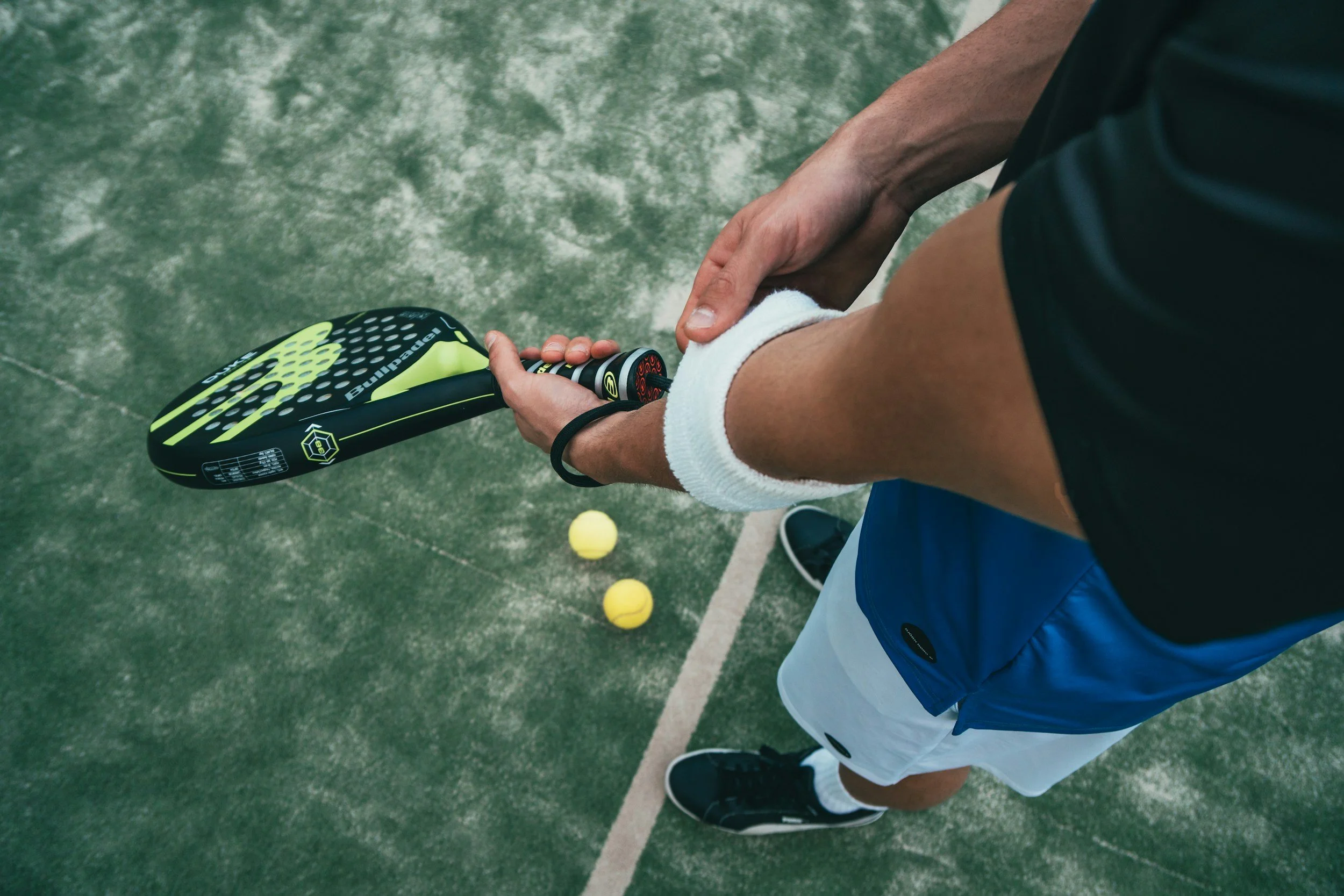
For the active professionals, weightlifters, and recreational tennis players of Queen West and Liberty Village, waking up one morning and realizing you cannot lift your arm to put on a jacket is a deeply terrifying experience. The pain typically starts as a dull ache after a weekend match at High Park or long hours at a desk, and gradually worsens into a sharp, catching pain that makes reaching for a coffee mug agonizing. Patients immediately assume the worst: a massive, catastrophic tear of the rotator cuff requiring surgery. However, many Torontonians are actually suffering from Adhesive Capsulitis (Frozen Shoulder), which mimics a tear perfectly but requires a completely opposite rehabilitation strategy to prevent permanent joint stiffness.
Structural / Biomechanical Analysis
The Muscular Engine (Rotator Cuff)
Your shoulder is a ball-and-socket joint designed for massive mobility. The rotator cuff is the active "engine" of four small muscles that steer the arm through space. A tear occurs when the tendon of one of these muscles (usually the supraspinatus) structurally rips away from the bone due to acute trauma or chronic wear.
The Connective Tissue Wrapper (The Capsule)
Surrounding the entire joint is a watertight bag of connective tissue called the capsule. In Adhesive Capsulitis, this capsule becomes violently inflamed, physically shrinks, and produces dense, fibrotic scar tissue. The capsule literally glues itself to the arm bone.
The Mechanical "Block"
The tipping point for diagnosing a frozen shoulder over a tear is the mechanical block. If the rotator cuff is torn, the engine is broken, but the hinge still works (the arm can be lifted by a therapist). If the shoulder is frozen, the hinge itself is encased in concrete; neither you nor the therapist can lift the arm overhead.
The Compensatory Shrug Pattern
When the true shoulder joint locks up or tears, the body forces a mechanical work-around. The upper trapezius and neck muscles take over, violently shrugging the entire shoulder blade upward to lift the arm. This guarantees secondary tension headaches and severe cervical spine overload.
Clinical Red Flags
Passive Range of Motion (ROM) Loss: The absolute hallmark of a frozen shoulder; the arm physically hits a hard, restrictive block when lifted by another person.
The "Drop Arm" Sign: An inability to hold the arm straight out to the side against gravity, indicating a massive structural rotator cuff tear.
Severe Night Pain: A deep, throbbing ache that makes it impossible to sleep on the affected side, common in the early "freezing" stage.
The "Zinger" Response: A blinding, breathtaking jolt of electrical pain when reaching quickly for a falling object.
Scapular Dyskinesis: A highly visible, asymmetrical "winging" or hiking of the shoulder blade during attempted overhead movement.
Primary Source Proof
Review the Clinical Evidence on PubMed supporting conservative physiotherapy for complex shoulder pathologies:
Conservative Management of Partial-Thickness Rotator Cuff Tears (National Institutes of Health)
Scapular Kinematics and Rehabilitation in Shoulder Dysfunction (National Institutes of Health)
The Rehab Mechanics Corrective Protocol
Phase 1 — Load Modification
Utilizing high-grade manual joint mobilizations (inferior and posterior glides) to safely stretch the fibrotic joint capsule and physically create space for the arm bone to move.
Implementing prolonged, low-load stretching (CREEP) to permanently deform and elongate scar tissue without triggering protective muscle spasms.
Modifying daily activities and sleep posture to avoid ischemic compression on the rotator cuff tendons.
Phase 2 — Pelvic Fortification
Re-establishing deep core stability to ensure the ribcage is firmly anchored, providing a solid foundation for the shoulder blade to rest upon.
Addressing any anterior pelvic tilt that may be contributing to an exaggerated spinal curve and compensatory upper body slouching.
Utilizing diaphragmatic breathing to naturally expand the ribcage and reduce sympathetic nervous system tension.
Phase 3 — Gait Retraining / Mechanics Correction
Restoring full thoracic spine (mid-back) extension so the shoulder blade can tilt backward smoothly when the arm is raised.
Activating the lower trapezius and serratus anterior to pull the shoulder blade down and back, stopping the painful "shrugging" compensation.
Addressing arm swing mechanics during walking to ensure the shoulder joint remains dynamic and fluid.
Phase 4 — Return-to-Activity Strategy
Progressing to heavy, eccentric loading of the rotator cuff using resistance bands and cables to align new collagen fibers and thicken the tendons.
Integrating rhythmic stabilization drills where the patient holds a weight while the therapist applies unexpected force, training the nervous system to react instantly.
Establishing a long-term, self-managed mobility and strengthening routine to permanently protect the shoulder joint.
Related Conditions We Treat
Subacromial Impingement Syndrome
Biceps Tendinopathy
Thoracic Outlet Syndrome
SLAP Tears (Labral Tears)
Cervical Radiculopathy (Pinched Neck Nerves)
AC Joint Sprains (Separated Shoulder)
Related Blogs
"Is My Numb Arm Caused by Thoracic Outlet Syndrome or a Pinched Nerve?"
"Does the Grinding Sound in My Neck Mean I Have Severe Arthritis?"
"Can Physiotherapy Cure Chronic Tension Headaches from Desk Work?"
Services Used in Treatment
Manual Therapy
Soft Tissue Release
Myofascial Release
Shockwave Therapy
Gait Retraining
Neuromuscular Re-Education
Custom Orthotics
Strengthening Programs
FAQ Section
1. Can physiotherapy assist in managing a frozen shoulder? Yes. Physiotherapy supports recovery by utilizing targeted joint mobilizations and capsular stretching to address the restrictive scar tissue, helping to optimize movement and reduce pain.
2. Will exercise make my torn rotator cuff worse? Aggressive, unsupported lifting can irritate a tear, but carefully guided, eccentric resistance training helps rebuild the surrounding musculature, supporting recovery and reducing mechanical overload.
3. Why is my shoulder pain worse at night? Night pain is often caused by inflammatory fluids pooling in the joint while you rest, combined with the physical compression of lying on the tissue. We help reduce this by addressing contributing factors and educating on proper sleep mechanics.
4. Can manual therapy help restore my overhead reach? Yes. Manual therapy assists in managing joint stiffness by gliding the arm bone downward, physically creating the mechanical space needed for the shoulder to lift overhead without pinching.
5. How does mid-back posture affect my shoulder? If your mid-back is hunched forward, your shoulder blades cannot rotate properly. This causes the arm bone to crash into the joint roof, creating massive mechanical friction on the rotator cuff.
6. Can shockwave therapy assist with shoulder pain? Yes. Shockwave therapy can help reduce tissue irritation and stimulate local blood flow, particularly in chronic tendinopathies or calcific deposits within the rotator cuff.
7. How long does it take for a frozen shoulder to thaw? While untreated adhesive capsulitis can last for years, consistent, progressive physical therapy supports a much faster recovery timeline, helping to optimize movement over several months.
8. Do I need surgery for a partial rotator cuff tear? Often, no. By strengthening the dynamic stabilizers of the shoulder blade and the remaining cuff muscles, we help reduce the demand on the torn tissue, allowing many patients to function entirely pain-free without surgery.
How Physiotherapy Helps
Reducing tissue irritation through joint mobilization
Correcting pelvic drop and thoracic posture
Improving cadence and upper body fluid dynamics
Strengthening stabilizers in the rotator cuff and scapula
Reducing mechanical overload on the joint capsule
Improving foot mechanics to support the kinetic chain
Contact Us Today — All you have to lose is the pain
Book a comprehensive biomechanical assessment with our clinical team today. Located inside the Prime Medical Centre at 68 Abell Street, Queen West. Email: info@rehabmechanics.com Phone: (416) 533-3900
About the Author
Mr. Sanjay Attwala (B.Sc., M.Sc., RPT) is a Registered Physiotherapist, clinical director, and the founder of Rehab Mechanics in Toronto. With over 15 years of registered clinical practice and a deep specialization in complex musculoskeletal rehabilitation, Sanjay synthesizes rigorous international academic training with advanced evidence-based therapeutics to guide his clinical practice and patient education initiatives.
Academic Background & Credentials
Master of Science (M.Sc.) in Physiotherapy – University of Keele, United Kingdom (2010).
Bachelor of Science (B.Sc.) – University of Waterloo, Ontario, Canada.
Registered Physiotherapist (RPT) – Regulated health professional in excellent standing with the College of Physiotherapists of Ontario (CPO).
Corporate Entity – Operating officially under the S. Attwala Physiotherapy Professional Corporation with a DBA of Rehab Mechanics.
Clinical Expertise & Philosophy
Sanjay’s clinical approach rejects passive symptom management in favor of identifying underlying biomechanical root causes. His diverse expertise spans advanced manual therapies, personalized corrective exercise prescription, and modern physical modalities. At the Rehab Mechanics Toronto Queen West clinic, he routinely diagnoses and treats complex conditions including:
Spinal & Discogenic Pathology – Cervical, thoracic, and lumbar disc injuries, sciatica, and sacroiliac joint (SIJ) dysfunction.
Upper & Lower Extremity Injuries – Rotator cuff tears, frozen shoulder, tennis/golfer’s elbow, carpal tunnel syndrome, and complex ankle/foot pathologies.
Perinatal & Pelvic Health Rehabilitation – Specialized assessment and rehabilitation protocols tailored specifically for women during pregnancy and the post-partum period, addressing pelvic girdle pain, diastasis recti, and core stabilization.
Specialized Rehabilitation – Pelvic health therapy, TMJ dysfunction, post-surgical rehabilitation (including Total Hip and Total Knee Replacements), and custom orthotics dispensing.
Shockwave Therapy: with advanced cutting edge technological devices to suit your needs.
Interdisciplinary Practice & Patient Care
Sanjay practices an integrated model of healthcare, working closely alongside medical doctors inside the Prime Medical Centre on Abell Street to streamline patient recovery pathways. He maintains a human-centric, communication-first clinical framework, ensuring that care remains fully customized rather than automated.
His clinical caseload encompasses a broad operational spectrum under Ontario's regulatory frameworks, including:
Motor Vehicle Accident (MVA) Claims – Rehabilitation navigating Ontario’s statutory accident benefits schedule.
Workplace Safety and Insurance Board (WSIB) – Occupational injury management and return-to-work screening.
Extended Health Care (EHC) & Private Practice – Multi-tier insurance coordination and long-term athletic development plans.
Commitment to Research & Community
Outside of his clinical caseload at Rehab Mechanics and his additional practice affiliations in Etobicoke, Sanjay is an active health writer and community educator. He translates contemporary peer-reviewed medical research into accessible, actionable guidance on his professional blog. As a dedicated father and husband, he mirrors his professional advice in his personal life, focusing on structural mobility, cross-training, and longevity to help his family and his community thrive. Naturally he takes he a keen interest in rehabilitation for women who are pregnant and post-partum.
Disclaimer: The information provided on this blog is intended for educational and informational purposes only. It does not constitute medical advice, diagnosis, or a treatment plan. Always seek the direct advice of a Registered Physiotherapist, physician, or other qualified health provider regarding any medical condition or physical rehabilitation routine.
Be sure to check out Rehab Mechanics’ Google My Business Profile for daily posts, location and directions in addition to the directions on the website!
We love interacting with prospective and current patients, and love honest feedback and even constructive criticism and areas for improvement!