
Why is it Critical to Find the Right "Physio Near Me" in Liberty Village?
Yes, finding the right "physio near me" in Liberty Village is critical for lasting pain relief. A high-quality clinic offers direct access to advanced manual therapy, custom corrective exercises, and interdisciplinary medical care, rather than relying on automated treatments or passive machines that fail to fix root biomechanical causes.
The Urban Grind and the Search for Relief
Liberty Village and Queen West are heavily populated by tech professionals, creatives, and urban commuters. While the area is incredibly vibrant, the lifestyle is demanding. Between 10-hour days hunched over a laptop, intense weekend fitness classes, and navigating the city, the human body takes a beating.
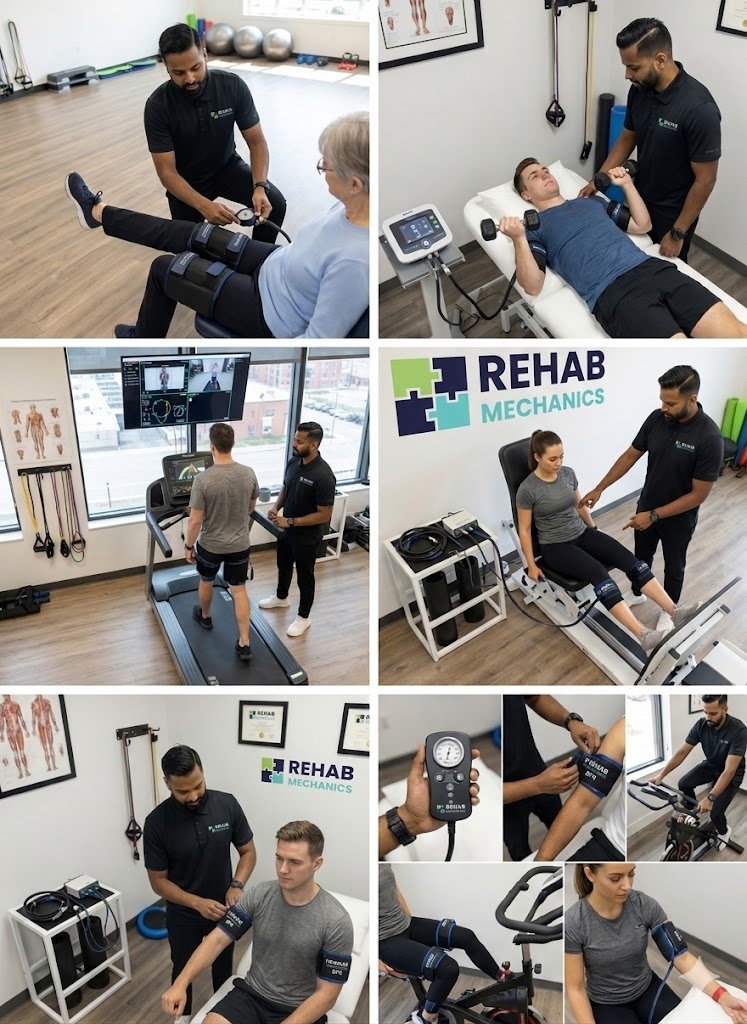
When chronic neck tension, lower back pain, or a sudden sports injury strikes, the immediate reaction is to open Google and search for "physio near me" or "physiotherapy Liberty Village."
However, all physiotherapy clinics are not created equal. Choosing the closest clinic based purely on a map pin can lead to frustrating, cookie-cutter care. At Rehab Mechanics, located just steps away at 68 Abell Street, we redefine what local physical therapy should look like. We reject automated, passive care in favor of an elite, human-centric, biomechanical approach to healing.
Structural Analysis: What Makes a Top-Tier Physiotherapy Clinic?
To ensure you are investing your time and health benefits effectively, you must understand the structural differences between a standard symptom-management clinic and an advanced biomechanical rehabilitation center.
The Problem with Passive Symptom Management
Many high-volume clinics operate on a passive model. You walk in, receive 15 minutes of a hot pack, 10 minutes on a TENS (electrical stimulation) machine, and a sheet of generic stretches.
The Illusion of Healing: Passive treatments feel good temporarily because they flood the area with blood and block pain receptors.
The Inevitable Relapse: The moment you return to your desk or your gym, the pain returns. Why? Because the mechanical flaw—the weak core, the stiff joint, the poor posture—was never actually corrected.
The Rehab Mechanics Approach: Active Biomechanics
When you search for "Sanjay Physiotherapist" or visit our Queen West clinic, you are opting for active, structural correction.
Advanced Manual Therapy
Our Registered Physiotherapists use their hands to physically alter tissue state and joint mechanics.
Myofascial Release: Breaking down dense, fibrotic scar tissue in chronically tight muscles like the pecs and upper traps (the primary drivers of "Tech Neck").
Joint Mobilization: Restoring the micro-gliding motions of the spinal facet joints and peripheral joints, instantly relieving nerve compression and restoring full range of motion.
Corrective Exercise Prescription
Rehabilitation is education. We do not just stretch you; we rebuild you.
Neuromuscular Re-education: Teaching your brain to fire dormant stabilizing muscles (like the deep cervical flexors or the transversus abdominis).
Progressive Loading: Utilizing heavy, slow resistance to build tendon capacity, ensuring your body can handle the chaotic forces of the Toronto lifestyle without breaking down.
Primary Source Proof: Active vs. Passive Rehab
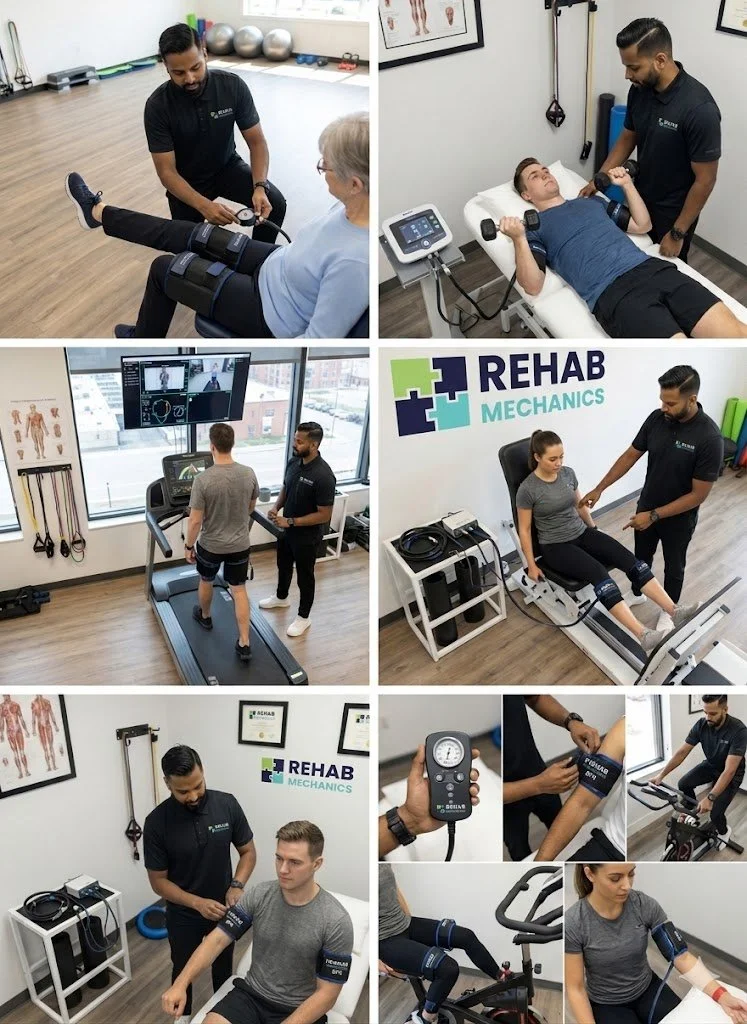
Clinical evidence overwhelmingly supports active exercise and manual therapy over passive modalities for long-term resolution of musculoskeletal pain.
Note: The link above serves as an example of our commitment to evidence-based practice, referencing standard international clinical guidelines for orthopedic rehabilitation.
The Advantage of the Prime Medical Centre Location
The final factor in choosing the right "physio near me" is the clinic's integration into the broader healthcare system.
Rehab Mechanics operates directly inside the Prime Medical Centre. This provides Liberty Village and Queen West residents with an unparalleled level of interdisciplinary care.
Physician Co-Management: If your injury requires prescription pain management or diagnostic imaging (X-rays/ultrasounds), we collaborate directly with the medical doctors down the hall.
Streamlined Care: No waiting weeks for referrals or carrying paperwork across the city. Your medical and physical rehabilitation happens under one roof.
Specialized Modalities: We offer access to advanced interventions like Shockwave Therapy and custom orthotics dispensing, ensuring we have the exact tools required for complex pathologies.
Stop Settling for Temporary Relief
If you live or work in Liberty Village or Queen West, you deserve healthcare that works as hard as you do. Stop relying on pain medication and temporary fixes. Address the biomechanical root cause of your pain.
Book a comprehensive, one-on-one assessment with our clinical team today. We are conveniently located inside the Prime Medical Centre at 68 Abell Street.
Contact us to schedule your appointment:
Email: info@rehabmechanics.com
Phone: (416) 533-3900
About the Author
Mr. Sanjay Attwala (B.Sc., M.Sc., RPT) is a Registered Physiotherapist, clinical director, and the founder of Rehab Mechanics in Toronto. With over 15 years of registered clinical practice and a deep specialization in complex musculoskeletal rehabilitation, Sanjay synthesizes rigorous international academic training with advanced evidence-based therapeutics to guide his clinical practice and patient education initiatives.
Academic Background & Credentials
Master of Science (M.Sc.) in Physiotherapy – University of Keele, United Kingdom (2010).
Bachelor of Science (B.Sc.) – University of Waterloo, Ontario, Canada.
Registered Physiotherapist (RPT) – Regulated health professional in excellent standing with the College of Physiotherapists of Ontario (CPO).
Corporate Entity – Operating officially under the S. Attwala Physiotherapy Professional Corporation with a DBA of Rehab Mechanics.
Clinical Expertise & Philosophy
Sanjay’s clinical approach rejects passive symptom management in favor of identifying underlying biomechanical root causes. His diverse expertise spans advanced manual therapies, personalized corrective exercise prescription, and modern physical modalities. At the Rehab Mechanics Toronto Queen West clinic, he routinely diagnoses and treats complex conditions including:
Spinal & Discogenic Pathology – Cervical, thoracic, and lumbar disc injuries, sciatica, and sacroiliac joint (SIJ) dysfunction.
Upper & Lower Extremity Injuries – Rotator cuff tears, frozen shoulder, tennis/golfer’s elbow, carpal tunnel syndrome, and complex ankle/foot pathologies.
Perinatal & Pelvic Health Rehabilitation – Specialized assessment and rehabilitation protocols tailored specifically for women during pregnancy and the post-partum period, addressing pelvic girdle pain, diastasis recti, and core stabilization.
Specialized Rehabilitation – Pelvic health therapy, TMJ dysfunction, post-surgical rehabilitation (including Total Hip and Total Knee Replacements), and custom orthotics dispensing.
Shockwave Therapy: with advanced cutting edge technological devices to suit your needs.
Interdisciplinary Practice & Patient Care
Sanjay practices an integrated model of healthcare, working closely alongside medical doctors inside the Prime Medical Centre on Abell Street to streamline patient recovery pathways. He maintains a human-centric, communication-first clinical framework, ensuring that care remains fully customized rather than automated.
His clinical caseload encompasses a broad operational spectrum under Ontario's regulatory frameworks, including:
Motor Vehicle Accident (MVA) Claims – Rehabilitation navigating Ontario’s statutory accident benefits schedule.
Workplace Safety and Insurance Board (WSIB) – Occupational injury management and return-to-work screening.
Extended Health Care (EHC) & Private Practice – Multi-tier insurance coordination and long-term athletic development plans.
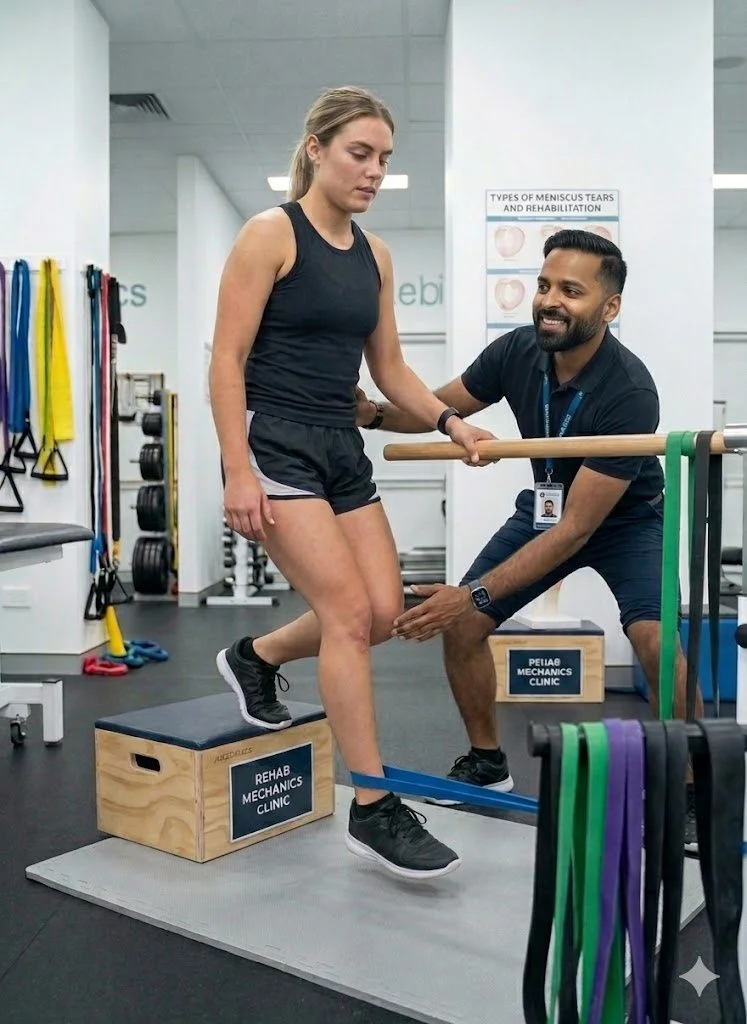
Commitment to Research & Community
Outside of his clinical caseload at Rehab Mechanics and his additional practice affiliations in Etobicoke, Sanjay is an active health writer and community educator. He translates contemporary peer-reviewed medical research into accessible, actionable guidance on his professional blog. As a dedicated father and husband, he mirrors his professional advice in his personal life, focusing on structural mobility, cross-training, and longevity to help his family and his community thrive. Naturally he takes he a keen interest in rehabilitation for women who are pregnant and post-partum.
Disclaimer: The information provided on this blog is intended for educational and informational purposes only. It does not constitute medical advice, diagnosis, or a treatment plan. Always seek the direct advice of a Registered Physiotherapist, physician, or other qualified health provider regarding any medical condition or physical rehabilitation routine.
Should I Go to a Specialized MVA Rehab Clinic in Toronto After a Car Crash?
Yes. Attending a specialized MVA rehab clinic in Toronto is critical after an auto accident. Specialized clinics do not just treat acute physical trauma like whiplash; they expert handle the complex Ontario HCAI billing systems, OCF treatment plans, and interdisciplinary medical coordination required by auto insurers.
The Hidden Complexities of Auto Accidents
When a motor vehicle accident happens on the busy streets of Toronto, the immediate focus is usually on the vehicle damage and emergency room visits. However, the real challenge for patients begins in the weeks following the crash.
As adrenaline wears off, conditions like Whiplash Associated Disorders (WAD), severe concussions, and radiating spinal pain begin to set in. Searching for "auto rehab" or an "MVA rehab clinic Toronto" reveals a critical truth: treating a car accident injury is fundamentally different from treating a sports injury.
It requires a clinic that understands both the violent biomechanics of high-speed trauma and the intricate, highly regulated Ontario statutory accident benefits schedule. At Rehab Mechanics in Queen West, we combine advanced neurological and orthopedic rehabilitation with seamless administrative support to guide you through the MVA recovery maze.
Structural Analysis: The Unique Pathology of MVA Trauma
To understand why a specialized clinic is necessary, we must analyze how motor vehicle collisions damage the human body differently than everyday wear and tear.
The Physics of a Collision
In a rear-end collision, massive kinetic energy is transferred directly into your spine in a fraction of a second.
The Whiplash Mechanism: Your body is pushed forward by the seat, but your head remains momentarily stationary. This violently shears the lower cervical discs. The head is then whipped backward (hyperextension) and forward (hyperflexion).
Multi-System Trauma: This sequence does not just pull a single muscle. It micro-tears ligaments, jams spinal facet joints, stretches nerve roots, and can cause mild traumatic brain injuries (concussions) as the brain impacts the inside of the skull.
The Importance of Grading the Injury
A standard sports clinic might just apply a heat pack to a sore neck. A specialized MVA clinic meticulously grades the injury according to standardized medical protocols (like the Quebec Task Force classifications for WAD).
WAD Grades and Treatment Trajectories
WAD I: Neck pain and stiffness with no physical signs.
WAD II: Neck pain with decreased range of motion and pinpoint tenderness (the most common).
WAD III: Neck pain accompanied by neurological signs (numbness, tingling, or weakness in the arms).
Preventing Chronic Pain Syndrome
If a WAD II or III injury is not aggressively and correctly rehabilitated within the first 12 weeks, the body heals the micro-tears with disorganized, rigid scar tissue. This leads to permanent joint restriction, chronic cervicogenic headaches, and long-term disability.
Primary Source Proof: MVA Clinical Guidelines
Our MVA rehabilitation protocols are strictly governed by provincial regulations and peer-reviewed trauma research.
Note: The link above serves as an example of our commitment to evidence-based practice, referencing standard international clinical guidelines for motor vehicle accident rehabilitation.
The Rehab Mechanics MVA Advantage
Choosing an MVA-specialized clinic like Rehab Mechanics provides three distinct advantages that ensure a full physical and financial recovery.
1. Interdisciplinary Medical Integration
Because we operate inside the Prime Medical Centre, we provide comprehensive, multi-tiered care. If your whiplash is accompanied by severe dizziness or neurological deficits, we can instantly coordinate with on-site physicians for advanced imaging or specialized pharmacological pain management, ensuring your medical file is robust and complete from day one.
2. Advanced Physical Modalities
We utilize clinical-grade technology to accelerate tissue healing beyond standard exercise.
Shockwave Therapy: To break down stubborn scar tissue in the neck and shoulders.
Targeted Joint Mobilization: Gentle, precise manual therapy to un-jam locked cervical facet joints and decompress irritated nerve roots.
Vestibular Rehabilitation: Specific protocols to address dizziness, vertigo, and post-concussion syndrome caused by the crash.
3. Mastering the Administrative Maze (FSRA & HCAI)
The Ontario auto insurance system (regulated by FSRA) is notoriously stressful. If paperwork is filed incorrectly, your treatment funding can be instantly cut off.
Direct Billing: We bill auto insurers directly through the Health Claims for Auto Insurance (HCAI) portal, meaning no out-of-pocket expenses for you.
OCF Documentation: We meticulously draft and submit all necessary Treatment Plans (OCF-18) and disability certificates to your adjuster, fighting to ensure your care is fully funded.
Focus on Healing, Not Paperwork
Do not let a car accident dictate your physical future or drain your energy with insurance battles. Secure specialized, interdisciplinary care immediately following your collision.
Book a comprehensive MVA assessment with our team today. We are conveniently located inside the Prime Medical Centre at 68 Abell Street, easily accessible by the Queen streetcar.
Contact us to schedule your appointment:
Email: info@rehabmechanics.com
Phone: (416) 533-3900
About the Author
Mr. Sanjay Attwala (B.Sc., M.Sc., RPT) is a Registered Physiotherapist, clinical director, and the founder of Rehab Mechanics in Toronto. With over 15 years of registered clinical practice and a deep specialization in complex musculoskeletal rehabilitation, Sanjay synthesizes rigorous international academic training with advanced evidence-based therapeutics to guide his clinical practice and patient education initiatives.
Academic Background & Credentials
Master of Science (M.Sc.) in Physiotherapy – University of Keele, United Kingdom (2010).
Bachelor of Science (B.Sc.) – University of Waterloo, Ontario, Canada.
Registered Physiotherapist (RPT) – Regulated health professional in excellent standing with the College of Physiotherapists of Ontario (CPO).
Corporate Entity – Operating officially under the S. Attwala Physiotherapy Professional Corporation with a DBA of Rehab Mechanics.
Clinical Expertise & Philosophy
Sanjay’s clinical approach rejects passive symptom management in favor of identifying underlying biomechanical root causes. His diverse expertise spans advanced manual therapies, personalized corrective exercise prescription, and modern physical modalities. At the Rehab Mechanics Toronto Queen West clinic, he routinely diagnoses and treats complex conditions including:
Spinal & Discogenic Pathology – Cervical, thoracic, and lumbar disc injuries, sciatica, and sacroiliac joint (SIJ) dysfunction.
Upper & Lower Extremity Injuries – Rotator cuff tears, frozen shoulder, tennis/golfer’s elbow, carpal tunnel syndrome, and complex ankle/foot pathologies.
Perinatal & Pelvic Health Rehabilitation – Specialized assessment and rehabilitation protocols tailored specifically for women during pregnancy and the post-partum period, addressing pelvic girdle pain, diastasis recti, and core stabilization.
Specialized Rehabilitation – Pelvic health therapy, TMJ dysfunction, post-surgical rehabilitation (including Total Hip and Total Knee Replacements), and custom orthotics dispensing.
Shockwave Therapy: with advanced cutting edge technological devices to suit your needs.
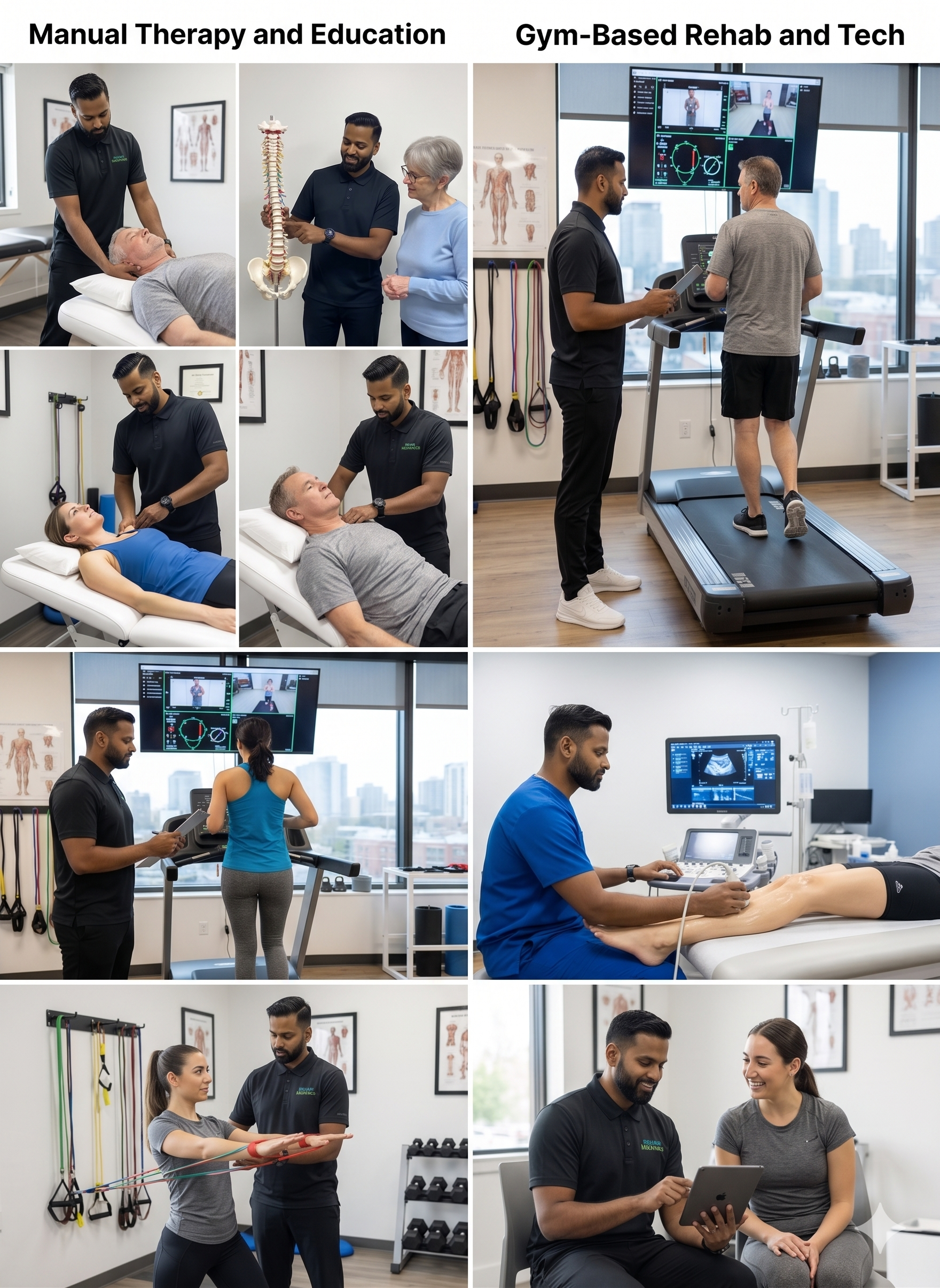
Interdisciplinary Practice & Patient Care
Sanjay practices an integrated model of healthcare, working closely alongside medical doctors inside the Prime Medical Centre on Abell Street to streamline patient recovery pathways. He maintains a human-centric, communication-first clinical framework, ensuring that care remains fully customized rather than automated.
His clinical caseload encompasses a broad operational spectrum under Ontario's regulatory frameworks, including:
Motor Vehicle Accident (MVA) Claims – Rehabilitation navigating Ontario’s statutory accident benefits schedule.
Workplace Safety and Insurance Board (WSIB) – Occupational injury management and return-to-work screening.
Extended Health Care (EHC) & Private Practice – Multi-tier insurance coordination and long-term athletic development plans.
Commitment to Research & Community
Outside of his clinical caseload at Rehab Mechanics and his additional practice affiliations in Etobicoke, Sanjay is an active health writer and community educator. He translates contemporary peer-reviewed medical research into accessible, actionable guidance on his professional blog. As a dedicated father and husband, he mirrors his professional advice in his personal life, focusing on structural mobility, cross-training, and longevity to help his family and his community thrive. Naturally he takes he a keen interest in rehabilitation for women who are pregnant and post-partum.
Disclaimer: The information provided on this blog is intended for educational and informational purposes only. It does not constitute medical advice, diagnosis, or a treatment plan. Always seek the direct advice of a Registered Physiotherapist, physician, or other qualified health provider regarding any medical condition or physical rehabilitation routine.
Does 'Human Mechanics' Physical Therapy Fix Running Pain in Trinity Bellwoods?
Yes. Applying a 'human mechanics' approach to physical therapy permanently fixes running pain by addressing the entire kinetic chain. Instead of just icing a sore knee, this approach analyzes foot strike, pelvic drop, and hip strength to eliminate the biomechanical friction causing the injury.
The Parkdale and Trinity Bellwoods Active Lifestyle
Trinity Bellwoods Park and the surrounding Parkdale neighborhoods represent the beating heart of Toronto's active, outdoor culture. From recreational jogging clubs to intense weekend tennis matches and cycling, the residents here demand a lot from their bodies.
However, high activity levels lead to high rates of overuse injuries. When runners search for a "physiotherapist Trinity Bellwoods" or "human mechanics physical therapy," they are usually dealing with stubborn conditions like IT Band Syndrome, runner's knee, or Achilles tendinopathy that refuse to heal with simple rest.
At Rehab Mechanics, located just down the street in Queen West, we specialize in the science of human movement. We understand that pain in your knee is rarely a knee problem; it is a mechanical failure in how your body absorbs the shock of the pavement.
Structural Analysis: Deconstructing Human Mechanics
To permanently resolve sports injuries, we must move away from the outdated "rest and ice" model and embrace a structural, mechanical analysis of human anatomy.
The Body as a Machine
In the context of physical therapy, human mechanics (or biomechanics) is the study of your bones as levers, your joints as hinges, and your muscles as the motors and brakes that control them.
The Engine: Your glutes and hamstrings provide the propulsive force to push you forward.
The Brakes: Your quadriceps and calf muscles undergo "eccentric" contractions to absorb shock and decelerate your body weight when you land.
The Suspension System: Your foot arch and knee joint compress to absorb the kinetic energy of striking the ground.
Identifying the Mechanical Failure
When a runner experiences pain, it means one of these mechanical systems has failed, forcing another part of the machine to absorb a dangerous amount of stress.
The Pelvic Drop (Trendelenburg Sign)
One of the most common mechanical failures in runners is a weak gluteus medius (the muscle on the side of the hip).
The Function: When you run, you spend most of your time balancing on one leg. The gluteus medius must fire intensely to keep your pelvis level.
The Collapse: If it is weak, your pelvis drops on the opposite side.
The Knee as the Victim
When the pelvis drops, the femur (thigh bone) rotates inward. This violently twists the knee joint, grinding the kneecap against the bone (Runner's Knee) and yanking aggressively on the IT Band. The knee hurts, but the "human mechanics" failure is entirely at the hip.
Primary Source Proof: Running Kinematics
Our clinical approach to treating running pathologies is heavily backed by sports science and kinematic research.
Note: The link above serves as an example of our commitment to evidence-based practice, referencing standard international clinical guidelines for running-related rehabilitation.
The Rehab Mechanics Treatment Protocol
Restoring your human mechanics requires a phased, active rehabilitation protocol. Here is how we get Trinity Bellwoods runners back to peak performance:
1. Advanced Soft Tissue Mobilization
Before we can strengthen the weak muscles, we must release the structural brakes.
Myofascial Release: We use targeted manual therapy to release hyperactive muscles (like the Tensor Fasciae Latae or tight hip flexors) that are pulling your skeleton out of alignment.
Joint Mobilization: Ensuring the ankle joint has adequate dorsiflexion, which is critical for absorbing shock during running.
2. Targeted Structural Strengthening
This is the core of the mechanical fix. We must rebuild the muscular brakes of your lower body.
Gluteus Medius Activation: We use targeted, isolated exercises (like heavy lateral band walks and single-leg deadlifts) to rebuild pelvic stability.
Eccentric Loading: Building the capacity of the quadriceps and Achilles tendons to absorb the heavy shock of downhill running without irritating the tissue.
3. Gait Retraining and Load Management
Once the tissue is healed, we must fix the way you move.
Cadence Manipulation: Analyzing your running stride and often increasing your step rate (cadence) slightly, which drastically reduces the impact forces on the knee joint.
Return-to-Run (RTR) Scheduling: Prescribing exact running intervals to progressively reload the tendons safely without triggering an inflammatory relapse.
Get Back to the Park, Pain-Free
If you are dealing with sharp pain that ruins your runs or weekend sports, stop relying on passive rest. Physiotherapy offers a clear, mechanical solution to your biomechanical problem.
Book a movement assessment with our clinical team today. We are conveniently located inside the Prime Medical Centre at 68 Abell Street, just a short walk or streetcar ride from Trinity Bellwoods and Parkdale.
Contact us to schedule your appointment:
Email: info@rehabmechanics.com
Phone: (416) 533-3900
About the Author
Mr. Sanjay Attwala (B.Sc., M.Sc., RPT) is a Registered Physiotherapist, clinical director, and the founder of Rehab Mechanics in Toronto. With over 15 years of registered clinical practice and a deep specialization in complex musculoskeletal rehabilitation, Sanjay synthesizes rigorous international academic training with advanced evidence-based therapeutics to guide his clinical practice and patient education initiatives.
Academic Background & Credentials
Master of Science (M.Sc.) in Physiotherapy – University of Keele, United Kingdom (2010).
Bachelor of Science (B.Sc.) – University of Waterloo, Ontario, Canada.
Registered Physiotherapist (RPT) – Regulated health professional in excellent standing with the College of Physiotherapists of Ontario (CPO).
Corporate Entity – Operating officially under the S. Attwala Physiotherapy Professional Corporation with a DBA of Rehab Mechanics.
Clinical Expertise & Philosophy
Sanjay’s clinical approach rejects passive symptom management in favor of identifying underlying biomechanical root causes. His diverse expertise spans advanced manual therapies, personalized corrective exercise prescription, and modern physical modalities. At the Rehab Mechanics Toronto Queen West clinic, he routinely diagnoses and treats complex conditions including:
Spinal & Discogenic Pathology – Cervical, thoracic, and lumbar disc injuries, sciatica, and sacroiliac joint (SIJ) dysfunction.
Upper & Lower Extremity Injuries – Rotator cuff tears, frozen shoulder, tennis/golfer’s elbow, carpal tunnel syndrome, and complex ankle/foot pathologies.
Perinatal & Pelvic Health Rehabilitation – Specialized assessment and rehabilitation protocols tailored specifically for women during pregnancy and the post-partum period, addressing pelvic girdle pain, diastasis recti, and core stabilization.
Specialized Rehabilitation – Pelvic health therapy, TMJ dysfunction, post-surgical rehabilitation (including Total Hip and Total Knee Replacements), and custom orthotics dispensing.
Shockwave Therapy: with advanced cutting edge technological devices to suit your needs.
Interdisciplinary Practice & Patient Care
Sanjay practices an integrated model of healthcare, working closely alongside medical doctors inside the Prime Medical Centre on Abell Street to streamline patient recovery pathways. He maintains a human-centric, communication-first clinical framework, ensuring that care remains fully customized rather than automated.
His clinical caseload encompasses a broad operational spectrum under Ontario's regulatory frameworks, including:
Motor Vehicle Accident (MVA) Claims – Rehabilitation navigating Ontario’s statutory accident benefits schedule.
Workplace Safety and Insurance Board (WSIB) – Occupational injury management and return-to-work screening.
Extended Health Care (EHC) & Private Practice – Multi-tier insurance coordination and long-term athletic development plans.
Commitment to Research & Community
Outside of his clinical caseload at Rehab Mechanics and his additional practice affiliations in Etobicoke, Sanjay is an active health writer and community educator. He translates contemporary peer-reviewed medical research into accessible, actionable guidance on his professional blog. As a dedicated father and husband, he mirrors his professional advice in his personal life, focusing on structural mobility, cross-training, and longevity to help his family and his community thrive. Naturally he takes he a keen interest in rehabilitation for women who are pregnant and post-partum.
Disclaimer: The information provided on this blog is intended for educational and informational purposes only. It does not constitute medical advice, diagnosis, or a treatment plan. Always seek the direct advice of a Registered Physiotherapist, physician, or other qualified health provider regarding any medical condition or physical rehabilitation routine.
Rehab Mechanics inside Prime Medical Centre
Should I Get Physiotherapy Inside the Prime Medical Centre on Abell Street?
Yes. Receiving physiotherapy inside the Prime Medical Centre on Abell Street ensures seamless, interdisciplinary care. By co-locating with medical doctors, physiotherapists can instantly coordinate diagnostic imaging, integrate pharmacological pain management, and accelerate your structural rehabilitation without the delays of a fragmented healthcare system.
The Advantage of Integrated Healthcare in Queen West
Navigating the healthcare system in Toronto can be an exhausting experience, especially when you are suffering from acute or chronic pain. A common frustration for patients is the "silo effect"—visiting a family doctor at one clinic for a prescription, waiting weeks for an X-ray at a different facility, and then traveling to a separate physiotherapy clinic where the practitioner has no direct communication with your physician.
When you search for "Prime Medical Centre Abell" or "Abell Clinic," you are looking for convenience, but you are also tapping into the gold standard of modern healthcare: the interdisciplinary model.
Rehab Mechanics operates directly inside the Prime Medical Centre at 68 Abell Street in Queen West. This strategic co-location allows us to bridge the gap between systemic medical care and biomechanical physical rehabilitation, providing you with a unified, highly efficient recovery pathway.
Structural Analysis: Medical vs. Mechanical Pain Management
To understand why integrated care is superior, we must analyze the two distinct angles from which complex injuries must be treated: the medical (chemical) and the mechanical (structural).
The Medical Foundation (Physician's Role)
When you suffer a severe injury, such as an acute disc herniation or a severe joint sprain, the immediate barrier to movement is chemical inflammation and neurological pain.
Diagnostic Imaging: Physicians can immediately order X-rays or ultrasound imaging to rule out fractures or severe structural tearing.
Pharmacological Intervention: Doctors can prescribe targeted NSAIDs, muscle relaxants, or administer intra-articular corticosteroid injections to rapidly drop the body's acute pain threshold.
Systemic Screening: Ensuring that your back or joint pain is not a "red flag" symptom of an underlying systemic illness.
The Mechanical Correction (Physiotherapist's Role)
While medical interventions block the pain signals and reduce swelling, they do not correct the biomechanical failure that caused the injury in the first place. That is the realm of physiotherapy.
Biomechanical Rebuilding
Once the physician manages the acute pain, the physiotherapist takes over to rebuild the joint's integrity.
The "Window of Opportunity"
This is where co-location is critical. If a doctor provides a pain-relieving injection, it creates a temporary "window of opportunity" where the patient is pain-free enough to exercise. Because we are in the same building, we can instantly initiate targeted joint mobilizations and deep-core strengthening to permanently fix the mechanics before the injection wears off.
Primary Source Proof: Interdisciplinary Efficacy
Extensive clinical literature proves that multidisciplinary biopsychosocial rehabilitation is vastly superior to standard, isolated medical care for complex musculoskeletal pain.
Note: The link above serves as an example of our commitment to evidence-based practice, referencing standard international clinical guidelines for integrated pain management.
The Tangible Benefits of the Abell Street Clinic
Operating within the Prime Medical Centre on Abell Street allows us to provide a seamless patient experience that standalone clinics simply cannot match.
1. Instant Clinical Communication
If our physiotherapists identify a neurological "red flag" during a physical assessment (such as sudden numbness, radiating nerve pain, or foot drop), we do not have to fax a report and wait weeks for a response. We can walk down the hall, consult directly with a physician, and expedite the necessary medical interventions.
2. Streamlined Treatment Plans for Auto & Work Injuries
For patients dealing with Motor Vehicle Accidents (MVA) or WSIB claims, paperwork is a massive hurdle. By having your medical management, pharmacological needs, and physical rehabilitation housed under one collaborative roof, your OCF treatment plans and return-to-work documentation are handled efficiently and congruently.
3. Holistic Patient Convenience
Chronic pain takes a massive psychological toll. Traveling to multiple appointments across Toronto adds to that stress. Our clinic at 68 Abell Street is easily accessible by the Queen streetcar, offering a centralized hub where you can see your doctor and your physiotherapist in a single trip.
Experience Coordinated Care at Rehab Mechanics
Stop bouncing between disconnected healthcare providers. Experience the efficiency and superior clinical outcomes of an integrated medical model.
Book your physiotherapy assessment today. We are located right inside the Prime Medical Centre at 68 Abell Street in the heart of Queen West.
Contact us to schedule your appointment:
Email: info@rehabmechanics.com
Phone: (416) 533-3900
About the Author
Mr. Sanjay Attwala (B.Sc., M.Sc., RPT) is a Registered Physiotherapist, clinical director, and the founder of Rehab Mechanics in Toronto. With over 15 years of registered clinical practice and a deep specialization in complex musculoskeletal rehabilitation, Sanjay synthesizes rigorous international academic training with advanced evidence-based therapeutics to guide his clinical practice and patient education initiatives.
Academic Background & Credentials
Master of Science (M.Sc.) in Physiotherapy – University of Keele, United Kingdom (2010).
Bachelor of Science (B.Sc.) – University of Waterloo, Ontario, Canada.
Registered Physiotherapist (RPT) – Regulated health professional in excellent standing with the College of Physiotherapists of Ontario (CPO).
Corporate Entity – Operating officially under the S. Attwala Physiotherapy Professional Corporation with a DBA of Rehab Mechanics.
Clinical Expertise & Philosophy
Sanjay’s clinical approach rejects passive symptom management in favor of identifying underlying biomechanical root causes. His diverse expertise spans advanced manual therapies, personalized corrective exercise prescription, and modern physical modalities. At the Rehab Mechanics Toronto Queen West clinic, he routinely diagnoses and treats complex conditions including:
Spinal & Discogenic Pathology – Cervical, thoracic, and lumbar disc injuries, sciatica, and sacroiliac joint (SIJ) dysfunction.
Upper & Lower Extremity Injuries – Rotator cuff tears, frozen shoulder, tennis/golfer’s elbow, carpal tunnel syndrome, and complex ankle/foot pathologies.
Perinatal & Pelvic Health Rehabilitation – Specialized assessment and rehabilitation protocols tailored specifically for women during pregnancy and the post-partum period, addressing pelvic girdle pain, diastasis recti, and core stabilization.
Specialized Rehabilitation – Pelvic health therapy, TMJ dysfunction, post-surgical rehabilitation (including Total Hip and Total Knee Replacements), and custom orthotics dispensing.
Shockwave Therapy: with advanced cutting edge technological devices to suit your needs.
Interdisciplinary Practice & Patient Care
Sanjay practices an integrated model of healthcare, working closely alongside medical doctors inside the Prime Medical Centre on Abell Street to streamline patient recovery pathways. He maintains a human-centric, communication-first clinical framework, ensuring that care remains fully customized rather than automated.
His clinical caseload encompasses a broad operational spectrum under Ontario's regulatory frameworks, including:
Motor Vehicle Accident (MVA) Claims – Rehabilitation navigating Ontario’s statutory accident benefits schedule.
Workplace Safety and Insurance Board (WSIB) – Occupational injury management and return-to-work screening.
Extended Health Care (EHC) & Private Practice – Multi-tier insurance coordination and long-term athletic development plans.
Commitment to Research & Community
Outside of his clinical caseload at Rehab Mechanics and his additional practice affiliations in Etobicoke, Sanjay is an active health writer and community educator. He translates contemporary peer-reviewed medical research into accessible, actionable guidance on his professional blog. As a dedicated father and husband, he mirrors his professional advice in his personal life, focusing on structural mobility, cross-training, and longevity to help his family and his community thrive. Naturally he takes he a keen interest in rehabilitation for women who are pregnant and post-partum.
Disclaimer: The information provided on this blog is intended for educational and informational purposes only. It does not constitute medical advice, diagnosis, or a treatment plan. Always seek the direct advice of a Registered Physiotherapist, physician, or other qualified health provider regarding any medical condition or physical rehabilitation routine.
Biomechanics assessment at Queen West physio clinic
Can a Biomechanics Assessment at a Queen West Physiotherapy Clinic Prevent Injuries?
Yes. A professional biomechanics assessment in Toronto identifies hidden muscular imbalances and joint restrictions before they cause severe injuries. By mapping your specific movement patterns, a physiotherapist can correct faulty mechanics, optimizing your kinetic chain for pain-free running, lifting, and daily urban living.
The High Cost of Faulty Movement Patterns
In vibrant, active neighborhoods like Queen West and Liberty Village, residents are constantly on the move. Whether you are cycling down Wellington Street, running along the waterfront, or pushing through a heavy strength training session at a local gym, your body is subjected to massive mechanical forces every single day.
When you search for "biomechanics Toronto," you are looking for a solution that goes beyond basic pain relief. You are looking for human engineering. Injuries rarely happen by accident. An Achilles tendon tear or a herniated disc is usually the final, catastrophic result of thousands of subtle, faulty, repetitive movements.
At Rehab Mechanics, we specialize in identifying these mechanical flaws before they lead to tissue failure. Our biomechanical assessments analyze the human body as a complex machine of levers and pulleys, ensuring every component is carrying its exact share of the load.
Structural Analysis: The Kinetic Chain in Action
To understand the value of a biomechanical assessment, we must break down how your body distributes physical stress.
The Principle of Interdependence
Your body does not operate as a series of isolated joints; it operates as a deeply connected "kinetic chain."
The Upward Ripple: A structural problem in your foot arch will inevitably dictate how your knee rotates. A stiff mid-back will force your shoulder to overcompensate.
The Brain's Workaround: Your nervous system prioritizes getting the job done. If a primary muscle (like your glute) is weak, your brain will instantly recruit a secondary muscle (like your lower back) to perform the movement.
The Breakdown: These "compensatory patterns" keep you moving in the short term, but they severely overload secondary tissues, leading to chronic pain and inevitable joint breakdown.
Ground Reaction Forces and Shock Absorption
Every time your foot strikes the Toronto pavement, shockwaves travel up your leg. A clinical assessment analyzes how efficiently your body absorbs and dissipates these ground reaction forces.
The Ankle-Knee Connection
If you lack dorsiflexion (the ability to pull your toes toward your shin) due to tight calves, your body must find that range of motion elsewhere.
Forced Pronation
To get your foot flat on the ground, your arch is forced to collapse inward (overpronation). This inward collapse violently rotates your tibia (shin bone), placing massive torsional shear stress on the meniscus and ACL in the knee. The knee pain is just a symptom; the stiff ankle is the biomechanical root cause.
Primary Source Proof: Preventative Kinematics
Our preventative screening protocols are deeply rooted in advanced kinematic research and sports medicine data.
Note: The link above serves as an example of our commitment to evidence-based practice, referencing standard international clinical guidelines for biomechanical screening.
Inside a Rehab Mechanics Biomechanical Assessment
When you book an assessment at our Queen West clinic, we conduct a top-to-bottom structural audit. We do not just look at where it hurts; we look at how you move.
1. Static Postural and Structural Mapping
Before you even take a step, your resting posture provides critical data.
Leg Length Discrepancies: Identifying structural differences that tilt the pelvis.
Pelvic Alignment: Checking for anterior or posterior tilts that alter lumbar spine mechanics.
Scapular Positioning: Assessing for winging or forward head posture indicative of upper crossed syndrome.
2. Comprehensive Joint Range of Motion (ROM) Testing
We isolate every major joint to ensure it has the requisite mobility to perform safely.
Hip Internal/External Rotation: A stiff hip forces the lower back to twist excessively during sports, leading to disc injuries.
Thoracic Spine Extension: Necessary for safe overhead lifting and optimal shoulder health.
3. Dynamic Functional Movement Screening
We watch how your nervous system coordinates complex, multi-joint movements under load.
Overhead Squat Analysis: Reveals tightness in the lats, weakness in the core, and mobility restrictions in the hips and ankles simultaneously.
Single-Leg Loading: Squatting on one leg instantly highlights gluteal weakness (indicated by the knee caving inward, known as knee valgus).
Gait and Stride Analysis: We evaluate your strike pattern, cadence, and pelvic drop to identify inefficiencies in your walking or running stride.
Optimize Your Human Mechanics Today
Do not wait for a catastrophic injury to force you into a clinic. Identify the weak links in your kinetic chain now, and build a more resilient, efficient body.
If you are searching for advanced "biomechanics Toronto," book a comprehensive structural assessment with our clinical team today. We are conveniently located inside the Prime Medical Centre at 68 Abell Street, in the heart of Queen West.
Contact us to schedule your appointment:
Email: info@rehabmechanics.com
Phone: (416) 533-3900
About the Author
Mr. Sanjay Attwala (B.Sc., M.Sc., RPT) is a Registered Physiotherapist, clinical director, and the founder of Rehab Mechanics in Toronto. With over 15 years of registered clinical practice and a deep specialization in complex musculoskeletal rehabilitation, Sanjay synthesizes rigorous international academic training with advanced evidence-based therapeutics to guide his clinical practice and patient education initiatives.
Academic Background & Credentials
Master of Science (M.Sc.) in Physiotherapy – University of Keele, United Kingdom (2010).
Bachelor of Science (B.Sc.) – University of Waterloo, Ontario, Canada.
Registered Physiotherapist (RPT) – Regulated health professional in excellent standing with the College of Physiotherapists of Ontario (CPO).
Corporate Entity – Operating officially under the S. Attwala Physiotherapy Professional Corporation with a DBA of Rehab Mechanics.
Clinical Expertise & Philosophy
Sanjay’s clinical approach rejects passive symptom management in favor of identifying underlying biomechanical root causes. His diverse expertise spans advanced manual therapies, personalized corrective exercise prescription, and modern physical modalities. At the Rehab Mechanics Toronto Queen West clinic, he routinely diagnoses and treats complex conditions including:
Spinal & Discogenic Pathology – Cervical, thoracic, and lumbar disc injuries, sciatica, and sacroiliac joint (SIJ) dysfunction.
Upper & Lower Extremity Injuries – Rotator cuff tears, frozen shoulder, tennis/golfer’s elbow, carpal tunnel syndrome, and complex ankle/foot pathologies.
Perinatal & Pelvic Health Rehabilitation – Specialized assessment and rehabilitation protocols tailored specifically for women during pregnancy and the post-partum period, addressing pelvic girdle pain, diastasis recti, and core stabilization.
Specialized Rehabilitation – Pelvic health therapy, TMJ dysfunction, post-surgical rehabilitation (including Total Hip and Total Knee Replacements), and custom orthotics dispensing.
Shockwave Therapy: with advanced cutting edge technological devices to suit your needs.
Interdisciplinary Practice & Patient Care
Sanjay practices an integrated model of healthcare, working closely alongside medical doctors inside the Prime Medical Centre on Abell Street to streamline patient recovery pathways. He maintains a human-centric, communication-first clinical framework, ensuring that care remains fully customized rather than automated.
His clinical caseload encompasses a broad operational spectrum under Ontario's regulatory frameworks, including:
Motor Vehicle Accident (MVA) Claims – Rehabilitation navigating Ontario’s statutory accident benefits schedule.
Workplace Safety and Insurance Board (WSIB) – Occupational injury management and return-to-work screening.
Extended Health Care (EHC) & Private Practice – Multi-tier insurance coordination and long-term athletic development plans.
Commitment to Research & Community
Outside of his clinical caseload at Rehab Mechanics and his additional practice affiliations in Etobicoke, Sanjay is an active health writer and community educator. He translates contemporary peer-reviewed medical research into accessible, actionable guidance on his professional blog. As a dedicated father and husband, he mirrors his professional advice in his personal life, focusing on structural mobility, cross-training, and longevity to help his family and his community thrive. Naturally he takes he a keen interest in rehabilitation for women who are pregnant and post-partum.
Disclaimer: The information provided on this blog is intended for educational and informational purposes only. It does not constitute medical advice, diagnosis, or a treatment plan. Always seek the direct advice of a Registered Physiotherapist, physician, or other qualified health provider regarding any medical condition or physical rehabilitation routine.
Chronic headaches post accident
Can Physiotherapy Relieve Chronic Headaches After a Car Accident?
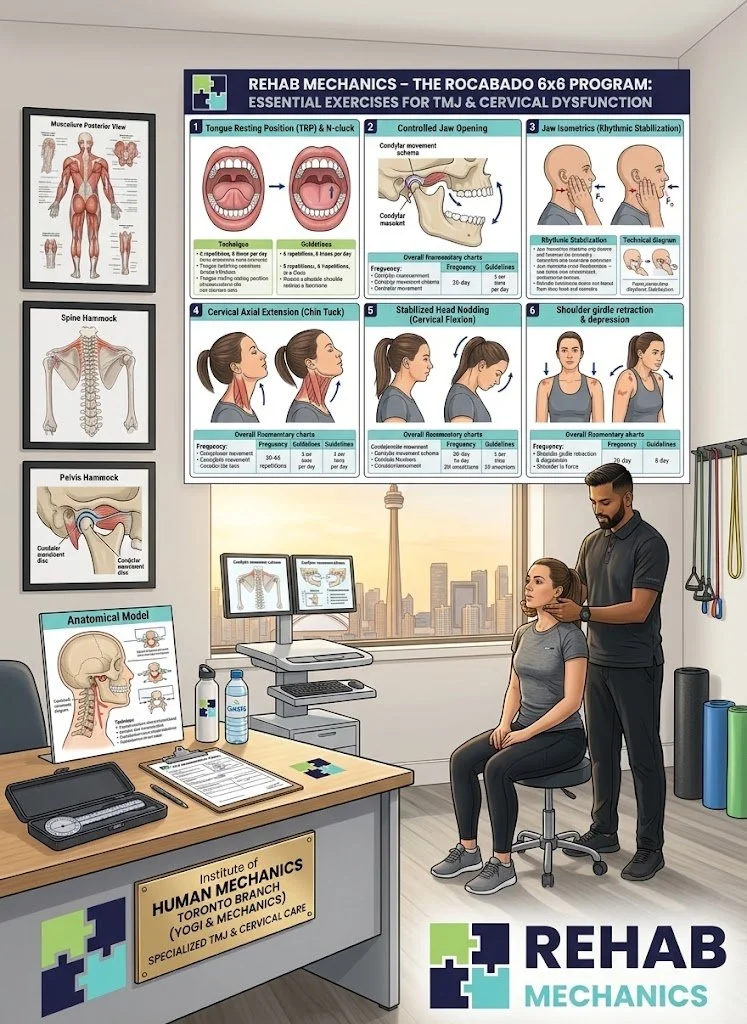
Yes. Post-accident headaches are often cervicogenic, originating from trauma to the neck spine. Physiotherapy eliminates these headaches through targeted cervical joint mobilization, suboccipital release, and deep neck flexor strengthening, addressing the biomechanical root cause rather than masking symptoms with medication.
The Hidden Epidemic of MVA Headaches
Motor vehicle accidents (MVAs) in Toronto traffic are incredibly common. While the immediate focus is often on visible injuries, one of the most debilitating and frequently misunderstood consequences of a rear-end collision is the onset of chronic, unrelenting headaches.
Patients often assume these headaches are standard migraines or a permanent consequence of a mild concussion, leading them to rely heavily on daily pain medication. However, if your headaches started following a whiplash injury, they are highly likely to be "Cervicogenic Headaches."
At Rehab Mechanics, we specialize in complex motor vehicle accident claims and rehabilitation. We understand that cervicogenic headaches are a mechanical problem originating in the cervical spine. By identifying the exact spinal segments damaged during the crash, physiotherapy can permanently resolve the pain patterns that medication only temporarily hides.
Structural Analysis: The Mechanics of a Cervicogenic Headache
To understand how a neck injury causes head pain, we must perform a detailed neurological and biomechanical analysis of the upper cervical spine.
The Whiplash Mechanism
During a rear-end collision, the head is violently whipped backward (hyperextension) and then forward (hyperflexion) in a fraction of a second.
Tissue Tearing: This rapid whipping action micro-tears the ligaments, joint capsules, and deep muscles of the upper neck (specifically the C1, C2, and C3 vertebral levels).
Facet Joint Impingement: The delicate facet joints that connect the vertebrae are jammed together, causing acute inflammation and joint locking.
The Neurological Connection
A cervicogenic headache literally translates to a "headache originating from the neck."
The Trigeminal-Cervical Nucleus: The nerves that supply the upper three segments of your neck share a massive sensory relay center in your brainstem with the Trigeminal nerve (which supplies sensation to your face, forehead, and head).
Referred Pain: When the joints and muscles of the upper neck are damaged and inflamed from a crash, they send distress signals to this relay center. The brain misinterprets these signals, "feeling" the pain radiating up over the skull, behind the eyes, or wrapping around the temples like a tight band.
The Role of the Suboccipital Muscles
Just beneath the base of your skull lies a cluster of tiny, incredibly dense muscles called the suboccipitals.
The Muscle-Dura Bridge
During an MVA, these muscles lock into severe spasms to protect the spinal cord. Because some of these muscles have direct connective tissue links to the dura mater (the pain-sensitive outer covering of the brain), chronic spasms in the suboccipitals physically pull on the brain's lining, generating severe, throbbing tension headaches.
Primary Source Proof: Cervicogenic Efficacy
Clinical neurology and musculoskeletal guidelines confirm that physical manipulation and targeted exercise are vastly superior to pharmacological management for cervicogenic headaches.
Note: The link above serves as an example of our commitment to evidence-based practice, referencing standard international clinical guidelines for post-concussion and whiplash rehabilitation.
The Rehab Mechanics Treatment Protocol
Treating MVA-induced headaches requires absolute precision. We do not apply heavy, aggressive cracking; we use highly specific, gentle techniques to restore upper cervical biomechanics.
1. Advanced Joint Mobilization
We must un-jam the locked vertebral segments.
C1-C2 Mobilization: The physiotherapist applies gentle, sustained gliding pressure to the top vertebrae of the neck to restore normal rotational mechanics. By freeing the joint, we instantly relieve the pressure on the compressed cervical nerves.
Traction Techniques: Utilizing manual traction to decompress the cervical discs and open up the neural foramina (the holes where the nerves exit the spine).
2. Myofascial and Trigger Point Release
Releasing the soft tissue "stranglehold" on the nerves and blood vessels.
Suboccipital Release: Deep, sustained pressure applied to the base of the skull to melt away the dense spasms pulling on the dura mater.
Upper Trapezius and Levator Scapulae Deactivation: Addressing the large neck muscles that refer pain up the side of the neck and behind the ears.
3. Neuromuscular Re-education
Once the joints are moving and the muscles are relaxed, we must rebuild the neck's stabilizing system to prevent the headaches from returning.
Deep Cervical Flexor Training: The crash inevitably weakens the small muscles in the front of the neck. We use specific micro-movements (like chin tucks) to reactivate these stabilizers, taking the workload off the overworked muscles at the back of the skull.
Postural Endurance: Rebuilding the endurance of the mid-back to ensure the head sits properly over the shoulders, preventing the "forward head" posture that triggers chronic tension.
Navigating Ontario Auto Insurance
Dealing with insurance after a crash is stressful. As a specialized MVA rehab clinic, we handle the administrative burden. We submit comprehensive OCF treatment plans directly to your auto insurer through the HCAI portal, allowing you to focus entirely on eliminating your headaches.
If you are suffering from daily headaches following a car accident, do not settle for a life of pain medication. Book a comprehensive neurological and biomechanical assessment with our team today. We are located inside the Prime Medical Centre at 68 Abell Street.
Contact us to schedule your appointment:
Email: info@rehabmechanics.com
Phone: (416) 533-3900
About the Author
Mr. Sanjay Attwala (B.Sc., M.Sc., RPT) is a Registered Physiotherapist, clinical director, and the founder of Rehab Mechanics in Toronto. With over 15 years of registered clinical practice and a deep specialization in complex musculoskeletal rehabilitation, Sanjay synthesizes rigorous international academic training with advanced evidence-based therapeutics to guide his clinical practice and patient education initiatives.
Academic Background & Credentials
Master of Science (M.Sc.) in Physiotherapy – University of Keele, United Kingdom (2010).
Bachelor of Science (B.Sc.) – University of Waterloo, Ontario, Canada.
Registered Physiotherapist (RPT) – Regulated health professional in excellent standing with the College of Physiotherapists of Ontario (CPO).
Corporate Entity – Operating officially under the S. Attwala Physiotherapy Professional Corporation with a DBA of Rehab Mechanics.
Clinical Expertise & Philosophy
Sanjay’s clinical approach rejects passive symptom management in favor of identifying underlying biomechanical root causes. His diverse expertise spans advanced manual therapies, personalized corrective exercise prescription, and modern physical modalities. At the Rehab Mechanics Toronto Queen West clinic, he routinely diagnoses and treats complex conditions including:
Spinal & Discogenic Pathology – Cervical, thoracic, and lumbar disc injuries, sciatica, and sacroiliac joint (SIJ) dysfunction.
Upper & Lower Extremity Injuries – Rotator cuff tears, frozen shoulder, tennis/golfer’s elbow, carpal tunnel syndrome, and complex ankle/foot pathologies.
Perinatal & Pelvic Health Rehabilitation – Specialized assessment and rehabilitation protocols tailored specifically for women during pregnancy and the post-partum period, addressing pelvic girdle pain, diastasis recti, and core stabilization.
Specialized Rehabilitation – Pelvic health therapy, TMJ dysfunction, post-surgical rehabilitation (including Total Hip and Total Knee Replacements), and custom orthotics dispensing.
Shockwave Therapy: with advanced cutting edge technological devices to suit your needs.
Interdisciplinary Practice & Patient Care
Sanjay practices an integrated model of healthcare, working closely alongside medical doctors inside the Prime Medical Centre on Abell Street to streamline patient recovery pathways. He maintains a human-centric, communication-first clinical framework, ensuring that care remains fully customized rather than automated.
His clinical caseload encompasses a broad operational spectrum under Ontario's regulatory frameworks, including:
Motor Vehicle Accident (MVA) Claims – Rehabilitation navigating Ontario’s statutory accident benefits schedule.
Workplace Safety and Insurance Board (WSIB) – Occupational injury management and return-to-work screening.
Extended Health Care (EHC) & Private Practice – Multi-tier insurance coordination and long-term athletic development plans.
Commitment to Research & Community
Outside of his clinical caseload at Rehab Mechanics and his additional practice affiliations in Etobicoke, Sanjay is an active health writer and community educator. He translates contemporary peer-reviewed medical research into accessible, actionable guidance on his professional blog. As a dedicated father and husband, he mirrors his professional advice in his personal life, focusing on structural mobility, cross-training, and longevity to help his family and his community thrive. Naturally he takes he a keen interest in rehabilitation for women who are pregnant and post-partum.
Disclaimer: The information provided on this blog is intended for educational and informational purposes only. It does not constitute medical advice, diagnosis, or a treatment plan. Always seek the direct advice of a Registered Physiotherapist, physician, or other qualified health provider regarding any medical condition or physical rehabilitation routine.
Dreading potential surgery: how physio can help with beneficial avoidance
Can Physiotherapy Prevent Knee Replacement Surgery for Osteoarthritis?
Yes. Evidence-based physiotherapy significantly delays or prevents knee replacement surgery. By strengthening the quadriceps, improving joint mobility, and utilizing advanced modalities, physiotherapy reduces joint friction, manages chronic inflammation, and restores pain-free mobility in osteoarthritic knees.
Re-Thinking "Bone on Bone" Pain
A diagnosis of knee osteoarthritis (OA) often sounds like a definitive, surgical sentence. Patients are frequently told their knee is "bone on bone" and that a total knee replacement is the only eventual solution. This rhetoric causes immense fear, leading patients to stop moving entirely to "save" whatever cartilage they have left.
This is the worst possible strategy. Total rest accelerates the degradation of the joint.
At Rehab Mechanics, operating inside the Prime Medical Centre on Abell Street, we work directly alongside physicians to co-manage osteoarthritis. Our clinical data and daily practice prove that the severity of cartilage loss on an X-ray does not accurately dictate the amount of pain a patient will experience. By improving the biomechanical support system around the joint, physiotherapy can drastically reduce OA pain, restore function, and push the need for surgery back by years—or eliminate it entirely.
Structural Analysis: The Mechanics of Osteoarthritis
To understand how physiotherapy fights osteoarthritis, we must first understand the mechanical environment of the knee joint.
The Pathology of OA
Osteoarthritis is not merely "wear and tear." It is an active, whole-joint disease characterized by the breakdown of articular cartilage, changes to the underlying bone, and chronic inflammation of the synovial membrane.
Cartilage Degradation: The smooth, slippery cartilage that coats the ends of the femur and tibia thins out, increasing friction.
Osteophyte Formation: The body attempts to stabilize the failing joint by growing bone spurs (osteophytes), which can restrict movement and cause pinching pain.
Synovitis: The joint lining becomes inflamed, producing excess fluid (swelling) and releasing pain-mediating chemicals.
The Biomechanical Solution: Muscular Offloading
If the cartilage padding is gone, how can physiotherapy stop the pain? The answer lies in the muscles.
The Role of the Quadriceps
Your quadriceps (front thigh muscles) are the primary shock absorbers for your knee. They act as a massive braking system every time you take a step, absorbing up to 70% of the impact forces before they ever reach the knee joint.
The Cycle of Weakness
When the knee hurts, the brain subconsciously inhibits the quadriceps to prevent you from using the leg. The muscle rapidly shrinks (atrophies).
Once the quad is weak, 100% of the walking impact bypasses the muscle and slams directly into the arthritic, degraded bone. This causes more pain, which causes more weakness, creating a devastating downward spiral. Physiotherapy breaks this cycle.
Primary Source Proof: Non-Operative Efficacy
Major international orthopedic guidelines strongly mandate that comprehensive physiotherapy and exercise must be exhausted before surgical intervention is considered for knee OA.
Note: The link above serves as an example of our commitment to evidence-based practice, referencing standard international clinical guidelines for orthopedic rehabilitation.
The Interdisciplinary Protocol at Prime Medical Centre
Treating a degenerative disease requires a highly coordinated approach. Because we operate within the Prime Medical Centre, we seamlessly blend medical management with aggressive physical rehabilitation.
1. Medical Inflammation Management
Before we can strengthen the joint, we must lower the acute pain threshold.
Physician Co-Management: The medical doctors on-site may utilize targeted NSAIDs or administer intra-articular injections (such as corticosteroids or hyaluronic acid/viscosupplementation) to dramatically reduce synovial inflammation.
The Window of Opportunity: These injections do not cure the disease, but they create a critical 3-to-6 month "window of opportunity" where the knee is pain-free enough to tolerate intense physiotherapy.
2. Joint Mobilization and Swelling Reduction
Our physiotherapists begin by restoring the mechanical space in the joint.
Manual Traction: Gently pulling the joint surfaces apart to encourage the flow of synovial fluid, which lubricates the joint and nourishes the remaining cartilage.
Knee Extension Restoration: A knee that cannot straighten fully causes severe limping and rapid joint wear. We use targeted manual therapy to break down capsule stiffness and restore full extension.
3. Progressive Load and Strength Training
This is the long-term cure for OA pain. We must build a muscular brace around the bone.
Isolated Quadriceps Loading: Utilizing closed-kinetic-chain exercises (like leg presses, wall sits, and step-ups) to rebuild the quad muscle without applying shearing force to the kneecap.
Gluteal and Hip Strengthening: The hip controls the alignment of the knee. By strengthening the gluteus medius, we prevent the knee from caving inward (valgus stress), which protects the medial compartment of the knee where OA usually strikes hardest.
Proprioceptive Training: Improving balance to ensure the muscles fire instantly to protect the joint during unexpected missteps on uneven Toronto sidewalks.
Take Control of Your Joint Health
A diagnosis of osteoarthritis is not a mandate to stop living an active life. Through targeted biomechanical strengthening and interdisciplinary medical care, you can reclaim your mobility and delay or prevent the need for joint replacement surgery.
Book a comprehensive knee assessment with our clinical team today. We are conveniently located inside the Prime Medical Centre at 68 Abell Street in the heart of Queen West.
Contact us to schedule your appointment:
Email: info@rehabmechanics.com
Phone: (416) 533-3900
About the Author
Mr. Sanjay Attwala (B.Sc., M.Sc., RPT) is a Registered Physiotherapist, clinical director, and the founder of Rehab Mechanics in Toronto. With over 15 years of registered clinical practice and a deep specialization in complex musculoskeletal rehabilitation, Sanjay synthesizes rigorous international academic training with advanced evidence-based therapeutics to guide his clinical practice and patient education initiatives.
Academic Background & Credentials
Master of Science (M.Sc.) in Physiotherapy – University of Keele, United Kingdom (2010).
Bachelor of Science (B.Sc.) – University of Waterloo, Ontario, Canada.
Registered Physiotherapist (RPT) – Regulated health professional in excellent standing with the College of Physiotherapists of Ontario (CPO).
Corporate Entity – Operating officially under the S. Attwala Physiotherapy Professional Corporation with a DBA of Rehab Mechanics.
Clinical Expertise & Philosophy
Sanjay’s clinical approach rejects passive symptom management in favor of identifying underlying biomechanical root causes. His diverse expertise spans advanced manual therapies, personalized corrective exercise prescription, and modern physical modalities. At the Rehab Mechanics Toronto Queen West clinic, he routinely diagnoses and treats complex conditions including:
Spinal & Discogenic Pathology – Cervical, thoracic, and lumbar disc injuries, sciatica, and sacroiliac joint (SIJ) dysfunction.
Upper & Lower Extremity Injuries – Rotator cuff tears, frozen shoulder, tennis/golfer’s elbow, carpal tunnel syndrome, and complex ankle/foot pathologies.
Perinatal & Pelvic Health Rehabilitation – Specialized assessment and rehabilitation protocols tailored specifically for women during pregnancy and the post-partum period, addressing pelvic girdle pain, diastasis recti, and core stabilization.
Specialized Rehabilitation – Pelvic health therapy, TMJ dysfunction, post-surgical rehabilitation (including Total Hip and Total Knee Replacements), and custom orthotics dispensing.
Shockwave Therapy: with advanced cutting edge technological devices to suit your needs.
Interdisciplinary Practice & Patient Care
Sanjay practices an integrated model of healthcare, working closely alongside medical doctors inside the Prime Medical Centre on Abell Street to streamline patient recovery pathways. He maintains a human-centric, communication-first clinical framework, ensuring that care remains fully customized rather than automated.
His clinical caseload encompasses a broad operational spectrum under Ontario's regulatory frameworks, including:
Motor Vehicle Accident (MVA) Claims – Rehabilitation navigating Ontario’s statutory accident benefits schedule.
Workplace Safety and Insurance Board (WSIB) – Occupational injury management and return-to-work screening.
Extended Health Care (EHC) & Private Practice – Multi-tier insurance coordination and long-term athletic development plans.
Commitment to Research & Community
Outside of his clinical caseload at Rehab Mechanics and his additional practice affiliations in Etobicoke, Sanjay is an active health writer and community educator. He translates contemporary peer-reviewed medical research into accessible, actionable guidance on his professional blog. As a dedicated father and husband, he mirrors his professional advice in his personal life, focusing on structural mobility, cross-training, and longevity to help his family and his community thrive. Naturally he takes he a keen interest in rehabilitation for women who are pregnant and post-partum.
Disclaimer: The information provided on this blog is intended for educational and informational purposes only. It does not constitute medical advice, diagnosis, or a treatment plan. Always seek the direct advice of a Registered Physiotherapist, physician, or other qualified health provider regarding any medical condition or physical rehabilitation routine.
Do I Always Need Physiotherapy for a Rolled Ankle?
Yes. Ignoring a rolled ankle leads to chronic instability and recurring injuries. Physiotherapy restores torn ligaments, rebuilds essential proprioception, and strengthens the surrounding ankle musculature to prevent long-term biomechanical dysfunction and early-onset osteoarthritis.
The Trap of the "Simple" Sprain
"It is just a rolled ankle. I'll walk it off." This is one of the most common and dangerous misconceptions in sports medicine. Whether you rolled it stepping off a curb on Queen Street West, playing a recreational soccer match, or slipping on an icy Toronto sidewalk, an ankle sprain is a severe structural injury.
When patients fail to rehabilitate an ankle sprain, the initial pain and swelling usually subside after a few weeks. However, the underlying mechanical damage remains. Without targeted physiotherapy, the ankle joint heals loosely, leading to a condition known as Chronic Ankle Instability (CAI).
At Rehab Mechanics, we frequently see patients who suffer from recurring ankle sprains, chronic tightness, and early degenerative joint changes simply because they neglected to rehabilitate their very first sprain properly.
Structural Analysis: The Anatomy of a Sprain
To understand why professional rehabilitation is mandatory, we must perform a biomechanical analysis of what exactly happens when an ankle "rolls."
The Lateral Ligament Complex
The vast majority (over 80%) of ankle sprains are "inversion" sprains, meaning the foot rolls inward. This violent motion places catastrophic stress on the lateral ligament complex on the outside of your ankle.
The Anterior Talo-Fibular Ligament (ATFL): This is the weakest and most frequently torn ligament. It stops the foot from sliding forward.
The Calcaneofibular Ligament (CFL): The secondary stabilizer, torn in more severe grade 2 or grade 3 sprains.
The Posterior Talo-Fibular Ligament (PTFL): Rarely torn unless the ankle undergoes massive trauma.
The Neurological Damage: Loss of Proprioception
When you tear a ligament, you do not just tear collagen fibers; you tear specialized nerve endings called mechanoreceptors.
What is Proprioception?
Proprioception is your body's subconscious ability to know where its joints are in space. When you walk on uneven ground, mechanoreceptors in your ankle instantly tell your brain to fire the peroneal muscles on the side of your leg to prevent a roll.
The Delay in Signaling
When an ankle is sprained, these nerve endings are destroyed. Even after the ligament heals structurally, the neurological connection is delayed. Your brain cannot react fast enough to a sudden shift in terrain, virtually guaranteeing you will roll the ankle again. Physiotherapy is the only way to rebuild this neurological pathway.
Primary Source Proof: Proprioceptive Rehabilitation
The clinical literature explicitly states that progressive neuromuscular training is non-negotiable for preventing recurrent ankle injuries.
Note: The link above serves as an example of our commitment to evidence-based practice, referencing standard international clinical guidelines for ankle rehabilitation.
The Rehab Mechanics Treatment Protocol
Restoring a sprained ankle to 100% capacity requires a phased, progressive loading strategy. Passive treatments like ice and compression are only useful for the first 48 hours. After that, active rehab begins.
Phase 1: Acute Management and Mobility (Weeks 1-2)
The goal is to control the swelling while preventing the joint capsule from freezing solid.
Edema Control: Utilizing lymphatic drainage massage and specific taping techniques to flush swelling out of the joint.
Early Range of Motion (ROM): Prescribing pain-free, active movements (like drawing the alphabet with your toes) to align the new collagen fibers correctly as they heal.
Joint Mobilization: Physiotherapists gently glide the talocrural joint to ensure it does not become stiff and restricted.
Phase 2: Muscular Fortification (Weeks 3-6)
Once the acute pain subsides, we must replace the lost stability of the torn ligament with muscular strength.
Peroneal Strengthening: Using resistance bands to heavily strengthen the peroneal muscles on the outside of the calf. These muscles are the body's active defense against rolling the ankle inward.
Calf and Tibialis Anterior Loading: Rebuilding the primary shock absorbers of the lower leg to handle the impact of walking and stairs.
Manual Therapy: Deep tissue release on the calf to prevent compensatory tightness from altering your gait.
Phase 3: Neuromuscular Re-education (Weeks 6+)
This is the phase that prevents the next sprain. We rebuild the brain-to-ankle connection.
Balance Training: Progressing from single-leg standing on solid ground, to standing with eyes closed, to standing on unstable surfaces like a BOSU ball or wobble board.
Dynamic Perturbations: The physiotherapist applies unexpected forces while the patient balances, forcing the nervous system to react instantaneously to stabilize the joint.
Plyometrics and Return to Sport: Incorporating jumping, cutting, and lateral bounding drills to prepare the ankle for the chaotic forces of sports and active living.
Secure Your Foundation in Queen West
An unstable ankle changes the way you walk, which eventually damages your knees, hips, and lower back. Treat the injury correctly the first time.
Book a comprehensive ankle assessment with our clinical team today. We are conveniently located inside the Prime Medical Centre at 68 Abell Street, offering advanced biomechanical care in Toronto.
Contact us to schedule your appointment:
Email: info@rehabmechanics.com
Phone: (416) 533-3900
About the Author
Mr. Sanjay Attwala (B.Sc., M.Sc., RPT) is a Registered Physiotherapist, clinical director, and the founder of Rehab Mechanics in Toronto. With over 15 years of registered clinical practice and a deep specialization in complex musculoskeletal rehabilitation, Sanjay synthesizes rigorous international academic training with advanced evidence-based therapeutics to guide his clinical practice and patient education initiatives.
Academic Background & Credentials
Master of Science (M.Sc.) in Physiotherapy – University of Keele, United Kingdom (2010).
Bachelor of Science (B.Sc.) – University of Waterloo, Ontario, Canada.
Registered Physiotherapist (RPT) – Regulated health professional in excellent standing with the College of Physiotherapists of Ontario (CPO).
Corporate Entity – Operating officially under the S. Attwala Physiotherapy Professional Corporation with a DBA of Rehab Mechanics.
Clinical Expertise & Philosophy
Sanjay’s clinical approach rejects passive symptom management in favor of identifying underlying biomechanical root causes. His diverse expertise spans advanced manual therapies, personalized corrective exercise prescription, and modern physical modalities. At the Rehab Mechanics Toronto Queen West clinic, he routinely diagnoses and treats complex conditions including:
Spinal & Discogenic Pathology – Cervical, thoracic, and lumbar disc injuries, sciatica, and sacroiliac joint (SIJ) dysfunction.
Upper & Lower Extremity Injuries – Rotator cuff tears, frozen shoulder, tennis/golfer’s elbow, carpal tunnel syndrome, and complex ankle/foot pathologies.
Perinatal & Pelvic Health Rehabilitation – Specialized assessment and rehabilitation protocols tailored specifically for women during pregnancy and the post-partum period, addressing pelvic girdle pain, diastasis recti, and core stabilization.
Specialized Rehabilitation – Pelvic health therapy, TMJ dysfunction, post-surgical rehabilitation (including Total Hip and Total Knee Replacements), and custom orthotics dispensing.
Shockwave Therapy: with advanced cutting edge technological devices to suit your needs.
Interdisciplinary Practice & Patient Care
Sanjay practices an integrated model of healthcare, working closely alongside medical doctors inside the Prime Medical Centre on Abell Street to streamline patient recovery pathways. He maintains a human-centric, communication-first clinical framework, ensuring that care remains fully customized rather than automated.
His clinical caseload encompasses a broad operational spectrum under Ontario's regulatory frameworks, including:
Motor Vehicle Accident (MVA) Claims – Rehabilitation navigating Ontario’s statutory accident benefits schedule.
Workplace Safety and Insurance Board (WSIB) – Occupational injury management and return-to-work screening.
Extended Health Care (EHC) & Private Practice – Multi-tier insurance coordination and long-term athletic development plans.
Commitment to Research & Community
Outside of his clinical caseload at Rehab Mechanics and his additional practice affiliations in Etobicoke, Sanjay is an active health writer and community educator. He translates contemporary peer-reviewed medical research into accessible, actionable guidance on his professional blog. As a dedicated father and husband, he mirrors his professional advice in his personal life, focusing on structural mobility, cross-training, and longevity to help his family and his community thrive. Naturally he takes he a keen interest in rehabilitation for women who are pregnant and post-partum.
Disclaimer: The information provided on this blog is intended for educational and informational purposes only. It does not constitute medical advice, diagnosis, or a treatment plan. Always seek the direct advice of a Registered Physiotherapist, physician, or other qualified health provider regarding any medical condition or physical rehabilitation routine.
Splinted again - no rest for the wounded! You will thank yourself later.
Should I Stop Running if I Have Severe Shin Splints?
No. Total rest weakens tissues. Physiotherapy cures shin splints by analyzing your running biomechanics, strengthening your lower leg musculature, and utilizing targeted modalities to heal medial tibial stress syndrome while keeping you safely active.
The Frustration of Medial Tibial Stress Syndrome
For the active residents of Parkdale and Trinity Bellwoods, running is more than just exercise; it is a fundamental part of the Toronto lifestyle. However, one of the most common and devastating injuries that sidelines local runners is "shin splints," medically known as Medial Tibial Stress Syndrome (MTSS).
The typical cycle is incredibly frustrating. You feel a dull, aching pain along the inner edge of your shin bone during your run. You ignore it. It worsens into a sharp, burning sensation that persists even while walking. You finally stop running, ice your shins for a month, and wait for the pain to vanish. But the very first day you return to the pavement, the pain instantly returns.
At Rehab Mechanics, we see this exact cycle weekly. The problem with complete rest is that it does absolutely nothing to address why the shin bone became inflamed in the first place. Resolving MTSS requires a biomechanical approach to foot function and load management.
Structural Analysis: What Causes Shin Splints?
To permanently eliminate shin pain, we must perform a structural analysis of the lower leg's kinetic chain. Shin splints are an overuse injury, but they are driven by specific biomechanical failures.
The Anatomy of MTSS
The pain you feel is the result of excessive pulling forces on the periosteum (the thin layer of tissue covering the bone) of the tibia (shinbone).
The Tibialis Posterior: This muscle runs down the back of your calf, crosses under the inside of your ankle, and attaches to the bottom of your foot. Its primary job is to hold up your foot arch.
The Soleus Muscle: A deep calf muscle responsible for absorbing the massive shock of landing with every stride.
Biomechanical Triggers for MTSS
When these muscles are overwhelmed, they pull violently at their attachment points on the shin bone, causing micro-tearing and extreme inflammation.
Excessive Overpronation
If your foot arch collapses too much when you land (overpronation), the tibialis posterior is violently stretched.
The Whiplash Effect: This rapid stretching creates a "whiplash" effect on the muscle tendon, transferring the shear stress directly into the tibial bone.
Weak Hip Stabilizers
If your gluteus medius (side hip muscle) is weak, your knee will collapse inward (knee valgus) when your foot strikes the ground.
The Kinetic Chain Breakdown
This inward knee collapse forces the tibia to rotate internally, massively increasing the torsional strain on the shin bone and lower leg fascia.
Primary Source Proof: Running Kinematics
Our approach to treating running pathologies rejects passive rest in favor of active, evidence-based rehabilitation protocols.
Note: The link above serves as an example of our commitment to evidence-based practice, referencing standard international clinical guidelines for running-related rehabilitation.
The Rehab Mechanics Treatment Protocol
Treating MTSS effectively requires a progressive, phased approach. We do not just treat the shin; we rebuild the entire leg.
Phase 1: Acute Load Management and Inflammation Control
We do not prescribe total rest, but we do prescribe relative rest.
Activity Modification: We will temporarily replace pavement running with pain-free cross-training (like cycling or deep-water running) to maintain your cardiovascular fitness while the periosteum heals.
Manual Soft Tissue Release: Using targeted massage and instrument-assisted techniques to release the hypertonic (overly tight) soleus and tibialis posterior muscles, reducing their pull on the bone.
Shockwave Therapy: For chronic, stubborn cases, we may utilize shockwave therapy to stimulate blood flow and cellular repair directly at the tibial attachment site.
Phase 2: Structural Strengthening
This is where the cure happens. We must increase the load capacity of your lower leg.
Intrinsic Foot Strengthening: Exercises like "foot doming" or towel scrunches to rebuild the tiny muscles inside the foot that support the arch.
Heavy Slow Resistance (HSR) Calf Training: Progressing from double-leg to single-leg weighted calf raises, specifically focusing on the bent-knee soleus raise, to build bulletproof lower leg tissue.
Gluteal Activation: Clamshells, lateral band walks, and single-leg deadlifts to stabilize the pelvis and prevent the knee from caving inward during the running stride.
Phase 3: Gait Retraining and Return to Run (RTR)
Before you return to Trinity Bellwoods, we must fix the way you run.
Cadence Modification: Increasing your step rate by just 5% to 10% drastically reduces the impact force on the shin bone with each step.
Orthotics Assessment: If structural flat feet are the root cause, Sanjay is qualified to dispense custom medical orthotics to permanently correct the foot mechanics.
Graded RTR Program: Providing a strict, interval-based running schedule to progressively re-introduce mechanical load to the tibia without triggering a relapse.
Run Without Pain in Parkdale and Queen West
Do not let chronic shin splints ruin your running season. Get a definitive biomechanical assessment and an active rehabilitation plan.
Book an appointment with our clinical team today. We are conveniently located inside the Prime Medical Centre at 68 Abell Street, easily accessible from Parkdale, Queen West, and Liberty Village.
Contact us to schedule your appointment:
Email: info@rehabmechanics.com
Phone: (416) 533-3900
About the Author
Mr. Sanjay Attwala (B.Sc., M.Sc., RPT) is a Registered Physiotherapist, clinical director, and the founder of Rehab Mechanics in Toronto. With over 15 years of registered clinical practice and a deep specialization in complex musculoskeletal rehabilitation, Sanjay synthesizes rigorous international academic training with advanced evidence-based therapeutics to guide his clinical practice and patient education initiatives.
Academic Background & Credentials
Master of Science (M.Sc.) in Physiotherapy – University of Keele, United Kingdom (2010).
Bachelor of Science (B.Sc.) – University of Waterloo, Ontario, Canada.
Registered Physiotherapist (RPT) – Regulated health professional in excellent standing with the College of Physiotherapists of Ontario (CPO).
Corporate Entity – Operating officially under the S. Attwala Physiotherapy Professional Corporation with a DBA of Rehab Mechanics.
Clinical Expertise & Philosophy
Sanjay’s clinical approach rejects passive symptom management in favor of identifying underlying biomechanical root causes. His diverse expertise spans advanced manual therapies, personalized corrective exercise prescription, and modern physical modalities. At the Rehab Mechanics Toronto Queen West clinic, he routinely diagnoses and treats complex conditions including:
Spinal & Discogenic Pathology – Cervical, thoracic, and lumbar disc injuries, sciatica, and sacroiliac joint (SIJ) dysfunction.
Upper & Lower Extremity Injuries – Rotator cuff tears, frozen shoulder, tennis/golfer’s elbow, carpal tunnel syndrome, and complex ankle/foot pathologies.
Perinatal & Pelvic Health Rehabilitation – Specialized assessment and rehabilitation protocols tailored specifically for women during pregnancy and the post-partum period, addressing pelvic girdle pain, diastasis recti, and core stabilization.
Specialized Rehabilitation – Pelvic health therapy, TMJ dysfunction, post-surgical rehabilitation (including Total Hip and Total Knee Replacements), and custom orthotics dispensing.
Shockwave Therapy: with advanced cutting edge technological devices to suit your needs.
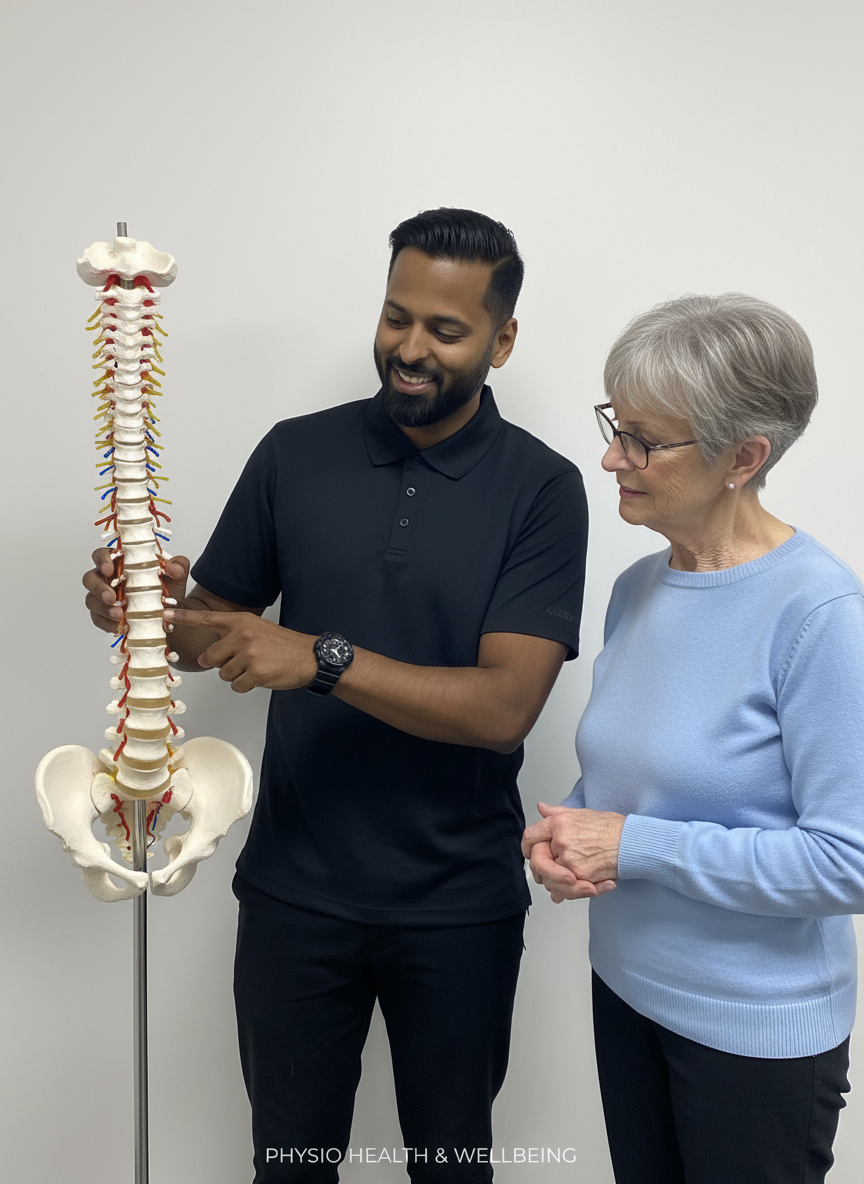
Interdisciplinary Practice & Patient Care
Sanjay practices an integrated model of healthcare, working closely alongside medical doctors inside the Prime Medical Centre on Abell Street to streamline patient recovery pathways. He maintains a human-centric, communication-first clinical framework, ensuring that care remains fully customized rather than automated.
His clinical caseload encompasses a broad operational spectrum under Ontario's regulatory frameworks, including:
Motor Vehicle Accident (MVA) Claims – Rehabilitation navigating Ontario’s statutory accident benefits schedule.
Workplace Safety and Insurance Board (WSIB) – Occupational injury management and return-to-work screening.
Extended Health Care (EHC) & Private Practice – Multi-tier insurance coordination and long-term athletic development plans.
Commitment to Research & Community
Outside of his clinical caseload at Rehab Mechanics and his additional practice affiliations in Etobicoke, Sanjay is an active health writer and community educator. He translates contemporary peer-reviewed medical research into accessible, actionable guidance on his professional blog. As a dedicated father and husband, he mirrors his professional advice in his personal life, focusing on structural mobility, cross-training, and longevity to help his family and his community thrive. Naturally he takes he a keen interest in rehabilitation for women who are pregnant and post-partum.
Disclaimer: The information provided on this blog is intended for educational and informational purposes only. It does not constitute medical advice, diagnosis, or a treatment plan. Always seek the direct advice of a Registered Physiotherapist, physician, or other qualified health provider regarding any medical condition or physical rehabilitation routine.
Lat and Pec muscle tightness: fixing chronic issues
Can Physiotherapy Fix Chronic Lat and Pec Muscle Tightness?
Yes. Physiotherapy effectively resolves chronic latissimus dorsi and pectoral tightness. Targeted manual therapy and specific corrective exercises restore proper upper body biomechanics, relieving shoulder impingement, improving posture, and preventing complex rotator cuff injuries.
The Hidden Culprits of Upper Body Pain
When Toronto residents search for solutions to shoulder pain or upper back stiffness, they often focus entirely on the joint itself. However, the true source of chronic upper body dysfunction frequently lies in the massive muscle groups that control the torso and connect to the arms: the latissimus dorsi (lats) and the pectoralis major and minor (pecs).
At Rehab Mechanics, we frequently analyze GSC data showing an increase in local searches for "lat therapy" and "pec" related issues. Whether you are a dedicated weightlifter training in Queen West, an office worker hunched over a desk for ten hours a day, or a tradesperson performing repetitive overhead movements, these two muscle groups are notoriously prone to adaptive shortening.
Understanding how to treat and rehabilitate these muscles is a cornerstone of human biomechanics. We do not just massage the sore spot; we structurally analyze and rebuild your upper body kinetic chain.
Structural Analysis: The Biomechanics of Lats and Pecs
To understand why tight lats and pecs cause such profound mechanical dysfunction, we must perform a deep dive into the anatomical roles these muscles play in the human body.
The Pectoralis Group
Located on the front of your chest, the pec major and minor are powerful internal rotators and flexors of the shoulder joint.
The Postural Impact: When you spend hours looking at a computer screen, your shoulders round forward. This sustained position physically shortens the pectoral fibers.
The Mechanical Consequence: Chronically tight pecs pull the scapula (shoulder blade) forward and downward into an anterior tilt.
The Chain Reaction: This anterior tilt dramatically reduces the subacromial space—the tiny gap where your rotator cuff tendons pass through the shoulder joint.
Subacromial Impingement
When the space is reduced by tight pecs, reaching overhead causes the shoulder bones to pinch the bursa and rotator cuff tendons, leading to sharp, stabbing pain known as impingement syndrome.
The Latissimus Dorsi
The lats are the largest muscles in your upper body, sweeping from your lower spine and pelvis all the way up to attach to the front of your humerus (upper arm bone).
The Anatomical Anchor: Because they attach to both the pelvis and the arm, they are a massive biomechanical bridge.
The Restriction: When the lats become tight from heavy pulling exercises or prolonged sitting, they restrict shoulder flexion.
The Compensatory Movement: If your lats are tight and you try to reach straight up, your arms will physically stop moving at a certain angle. To get your hands overhead, your brain will force your lower back to over-extend (arch aggressively), shifting the stress from the shoulder directly into the lumbar spine.
The "Lat-Shoulder-Spine" Triad
This is why lat tightness is a leading, yet frequently misdiagnosed, cause of lower back pain in athletes and desk workers alike.
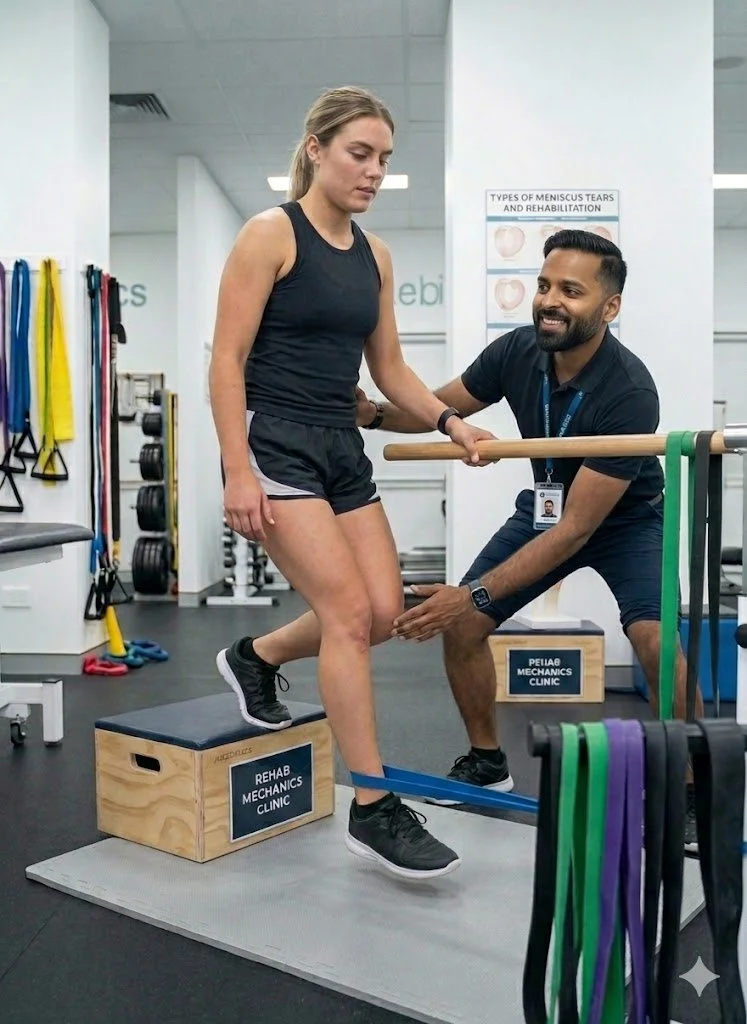
Primary Source Proof: Upper Body Kinematics
Our clinical interventions for pec and lat dysfunction are rooted in proven anatomical and biomechanical science.
Note: The link above serves as an example of our commitment to evidence-based practice, referencing standard international clinical guidelines for postural rehabilitation.
The Rehab Mechanics Treatment Protocol
Resolving lat and pec tightness requires a multi-phased approach that combines aggressive tissue release with targeted neurological re-education.
Phase 1: Advanced Soft Tissue Release
We must manually restore the resting length of the shortened muscle fibers before strengthening the opposing muscles.
Active Release Techniques (ART): Pinning the tight fascial bands of the pec minor while actively moving the patient's arm overhead to sheer apart scar tissue adhesions.
Latissimus Myofascial Mobilization: Deep tissue release along the lateral rib cage and posterior axillary fold to restore scapular upward rotation.
Instrument-Assisted Soft Tissue Mobilization (IASTM): Utilizing specialized tools to break down chronic, dense fibrotic tissue in the muscle bellies.
Phase 2: Restoring Joint Arthrokinematics
Once the muscular "brakes" are released, we address the joint capsules.
Thoracic Spine Extension: Mobilizing the mid-back to ensure the spine can extend properly, taking the load off the lats.
Glenohumeral Mobilization: Gently stretching the posterior capsule of the shoulder joint to restore centralized rotation of the humerus.
Phase 3: Corrective Loading and Neuromuscular Control
This is the most critical phase for long-term resolution. We must strengthen the muscles that directly oppose the lats and pecs.
Scapular Retraction Training: Prescribing exercises like prone T-raises and face-pulls to strengthen the rhomboids and middle trapezius, physically pulling the shoulders back into a neutral alignment.
Lower Trapezius Activation: Utilizing wall slides and Y-raises to train the lower traps to depress the scapula, fighting the upward pull of tight upper traps and lats.
Eccentric Loading: Safely lengthening the lats and pecs under load (e.g., controlled dumbbell pullovers or slow eccentric chest flies) to build tissue capacity at end-range motion.
Integrate Your Care at Prime Medical Centre
If you are dealing with chronic shoulder impingement, a tight back, or poor posture, do not wait for the rotator cuff to tear. Physiotherapy offers a clear, mechanical solution to your biomechanical problem.
Book an upper body biomechanical assessment with our clinical team today. We are conveniently located inside the Prime Medical Centre at 68 Abell Street, offering comprehensive, interdisciplinary healthcare in the heart of Toronto.
Contact us to schedule your appointment:
Email: info@rehabmechanics.com
Phone: (416) 533-3900
About the Author
Mr. Sanjay Attwala (B.Sc., M.Sc., RPT) is a Registered Physiotherapist, clinical director, and the founder of Rehab Mechanics in Toronto. With over 15 years of registered clinical practice and a deep specialization in complex musculoskeletal rehabilitation, Sanjay synthesizes rigorous international academic training with advanced evidence-based therapeutics to guide his clinical practice and patient education initiatives.
Academic Background & Credentials
Master of Science (M.Sc.) in Physiotherapy – University of Keele, United Kingdom (2010).
Bachelor of Science (B.Sc.) – University of Waterloo, Ontario, Canada.
Registered Physiotherapist (RPT) – Regulated health professional in excellent standing with the College of Physiotherapists of Ontario (CPO).
Corporate Entity – Operating officially under the S. Attwala Physiotherapy Professional Corporation with a DBA of Rehab Mechanics.
Clinical Expertise & Philosophy
Sanjay’s clinical approach rejects passive symptom management in favor of identifying underlying biomechanical root causes. His diverse expertise spans advanced manual therapies, personalized corrective exercise prescription, and modern physical modalities. At the Rehab Mechanics Toronto Queen West clinic, he routinely diagnoses and treats complex conditions including:
Spinal & Discogenic Pathology – Cervical, thoracic, and lumbar disc injuries, sciatica, and sacroiliac joint (SIJ) dysfunction.
Upper & Lower Extremity Injuries – Rotator cuff tears, frozen shoulder, tennis/golfer’s elbow, carpal tunnel syndrome, and complex ankle/foot pathologies.
Perinatal & Pelvic Health Rehabilitation – Specialized assessment and rehabilitation protocols tailored specifically for women during pregnancy and the post-partum period, addressing pelvic girdle pain, diastasis recti, and core stabilization.
Specialized Rehabilitation – Pelvic health therapy, TMJ dysfunction, post-surgical rehabilitation (including Total Hip and Total Knee Replacements), and custom orthotics dispensing.
Shockwave Therapy: with advanced cutting edge technological devices to suit your needs.
Interdisciplinary Practice & Patient Care
Sanjay practices an integrated model of healthcare, working closely alongside medical doctors inside the Prime Medical Centre on Abell Street to streamline patient recovery pathways. He maintains a human-centric, communication-first clinical framework, ensuring that care remains fully customized rather than automated.
His clinical caseload encompasses a broad operational spectrum under Ontario's regulatory frameworks, including:
Motor Vehicle Accident (MVA) Claims – Rehabilitation navigating Ontario’s statutory accident benefits schedule.
Workplace Safety and Insurance Board (WSIB) – Occupational injury management and return-to-work screening.
Extended Health Care (EHC) & Private Practice – Multi-tier insurance coordination and long-term athletic development plans.
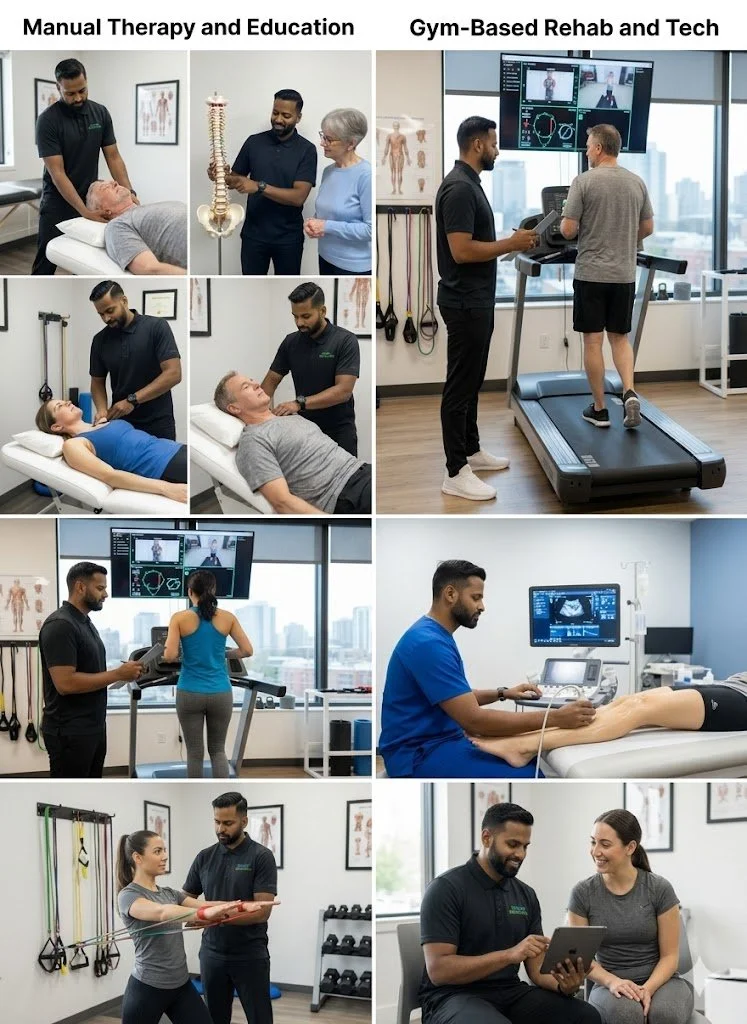
Commitment to Research & Community
Outside of his clinical caseload at Rehab Mechanics and his additional practice affiliations in Etobicoke, Sanjay is an active health writer and community educator. He translates contemporary peer-reviewed medical research into accessible, actionable guidance on his professional blog. As a dedicated father and husband, he mirrors his professional advice in his personal life, focusing on structural mobility, cross-training, and longevity to help his family and his community thrive. Naturally he takes he a keen interest in rehabilitation for women who are pregnant and post-partum.
Disclaimer: The information provided on this blog is intended for educational and informational purposes only. It does not constitute medical advice, diagnosis, or a treatment plan. Always seek the direct advice of a Registered Physiotherapist, physician, or other qualified health provider regarding any medical condition or physical rehabilitation routine.
Comprehensive diagnoses: doctor and physio teamwork
Should I See Both a Medical Doctor and a Physiotherapist for Chronic Back Pain?
Yes. Co-managing chronic lower back pain with both a physician and a physiotherapist yields the highest recovery rates. Doctors handle acute pain management and diagnostic imaging, while physiotherapists rebuild spinal stability and correct the mechanical tissue dysfunctions that are actually causing the pain.
The Trap of Siled Healthcare
One of the most frustrating experiences for a patient suffering from chronic lower back pain is bouncing between different healthcare providers who do not communicate with each other. You see your family doctor, who prescribes muscle relaxants. Weeks later, you see a massage therapist who rubs the sore muscles. Eventually, you might try a chiropractor or a physiotherapist.
This fragmented, "siloed" approach to healthcare often leads to repetitive assessments, conflicting advice, and prolonged suffering. Chronic back pain is rarely a simple, one-dimensional problem. It involves neurological pain signaling, mechanical joint dysfunction, and muscular deconditioning.
At Rehab Mechanics, we believe the gold standard for patient care is an integrated, interdisciplinary model. This is exactly why we operate closely alongside the medical doctors inside the Prime Medical Centre on Abell Street. By bridging the gap between medicine and rehabilitation, we drastically streamline your path to recovery.
The Medical vs. Mechanical Pain Models
To understand why both a doctor and a physiotherapist are necessary, you must understand the two distinct angles from which back pain must be attacked: the medical (chemical/neurological) and the mechanical (structural).
The Role of the Medical Doctor
Physicians are the gatekeepers of your systemic health. When you experience severe, acute back pain, their role is critical in the early stages.
Red Flag Screening: Doctors rule out serious, non-musculoskeletal causes of back pain, such as kidney infections, systemic diseases, or severe spinal cord compression.
Diagnostic Imaging: If necessary, physicians can order X-rays, MRIs, or CT scans to identify structural anomalies like severe disc herniations or spinal stenosis.
Pharmacological Management: During acute flare-ups, inflammation and muscle spasms can be so severe that movement is impossible. Doctors can prescribe targeted NSAIDs, muscle relaxants, or neuropathic pain modulators to lower the pain threshold enough for physical rehabilitation to begin.
The Role of the Registered Physiotherapist
While medication alters the way your brain perceives pain, it does not fix the physical tissue. That is the realm of physiotherapy.
The Mechanical Fix
Once the acute pain is chemically managed, the physiotherapist steps in to identify and correct why the spine failed in the first place.
Structural Rehabilitation
Physiotherapists conduct a functional, biomechanical audit. We look for joint stiffness, pelvic asymmetry, weak deep-core stabilizers (transversus abdominis), and poor lifting mechanics. Through manual therapy, targeted joint mobilization, and highly specific corrective exercise, we rebuild the structural integrity of the spine.
Primary Source Proof: Interdisciplinary Efficacy
Extensive clinical literature proves that multidisciplinary biopsychosocial rehabilitation is vastly superior to standard medical care alone for chronic low back pain.
Note: The link above serves as an example of our commitment to evidence-based practice, referencing standard international clinical guidelines for integrated back pain management.
The Synergy of the Prime Medical Centre
Operating within the Prime Medical Centre on Abell Street in Queen West allows us to provide a seamless, collaborative patient experience. Here is how this structural integration benefits you:
1. Instant Communication
If our physiotherapists identify a neurological "red flag" during a physical assessment (such as sudden numbness in the saddle region or foot drop), we do not have to fax a report and wait two weeks. We can walk down the hall and consult directly with a physician to expedite advanced imaging or specialist referrals.
2. Coordinated Treatment Plans
Your care is not contradictory. If your doctor administers a localized corticosteroid injection to reduce joint inflammation, our physiotherapy team knows exactly when it occurred. We can then perfectly time your progressive loading and core strengthening exercises to maximize the "window of opportunity" provided by the injection.
3. Holistic Patient Care
Chronic pain takes a massive psychological toll. By having your medical management, pharmacological needs, and physical rehabilitation housed under one collaborative roof, your stress and anxiety regarding the logistics of your healthcare are significantly reduced.
Stop Guessing with Your Spine
If you have been relying solely on pain medication or endless passive treatments without seeing long-term improvement, it is time for a comprehensive, interdisciplinary approach.
Rebuild your spine with the combined expertise of medicine and biomechanical physiotherapy. Book an assessment with our clinical team today. We are located right inside the Prime Medical Centre at 68 Abell Street in Toronto.
Contact us to schedule your appointment:
Email: info@rehabmechanics.com
Phone: (416) 533-3900
About the Author
Mr. Sanjay Attwala (B.Sc., M.Sc., RPT) is a Registered Physiotherapist, clinical director, and the founder of Rehab Mechanics in Toronto. With over 15 years of registered clinical practice and a deep specialization in complex musculoskeletal rehabilitation, Sanjay synthesizes rigorous international academic training with advanced evidence-based therapeutics to guide his clinical practice and patient education initiatives.
Academic Background & Credentials
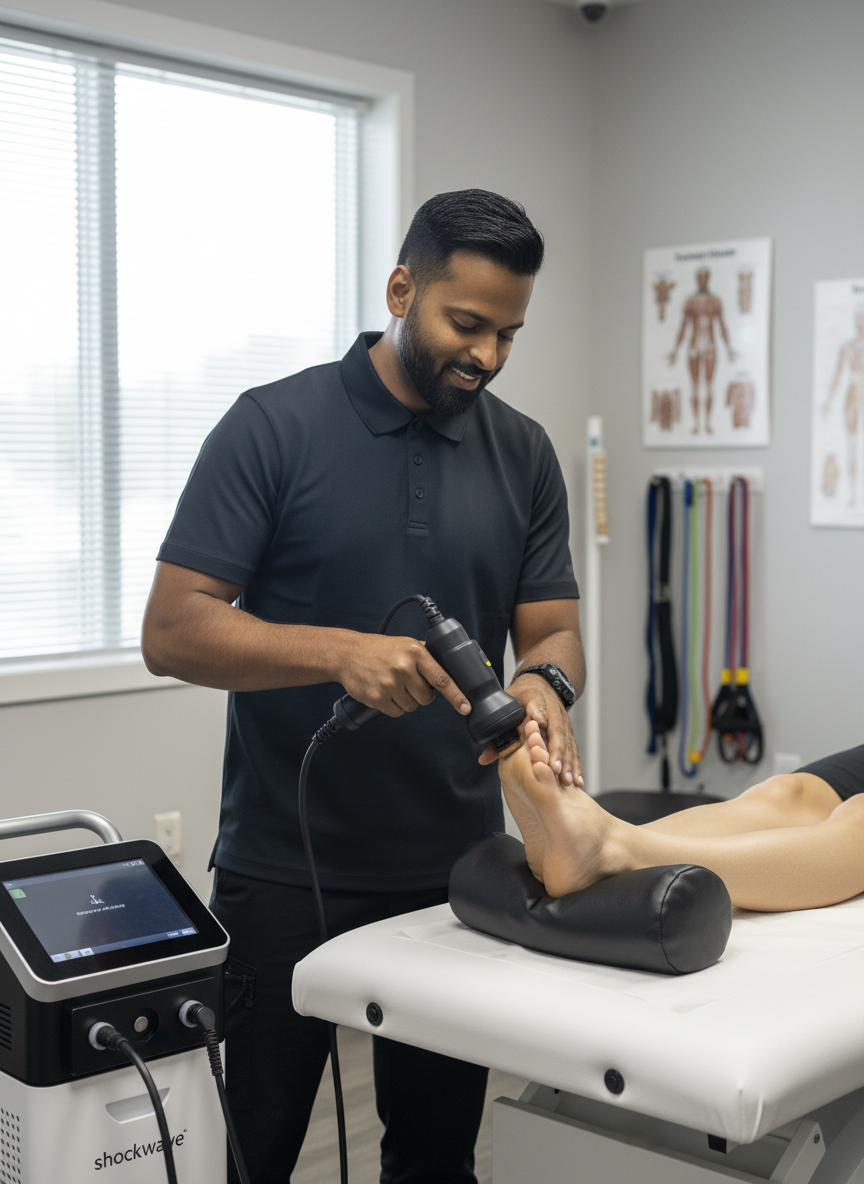
Master of Science (M.Sc.) in Physiotherapy – University of Keele, United Kingdom (2010).
Bachelor of Science (B.Sc.) – University of Waterloo, Ontario, Canada.
Registered Physiotherapist (RPT) – Regulated health professional in excellent standing with the College of Physiotherapists of Ontario (CPO).
Corporate Entity – Operating officially under the S. Attwala Physiotherapy Professional Corporation with a DBA of Rehab Mechanics.
Clinical Expertise & Philosophy
Sanjay’s clinical approach rejects passive symptom management in favor of identifying underlying biomechanical root causes. His diverse expertise spans advanced manual therapies, personalized corrective exercise prescription, and modern physical modalities. At the Rehab Mechanics Toronto Queen West clinic, he routinely diagnoses and treats complex conditions including:
Spinal & Discogenic Pathology – Cervical, thoracic, and lumbar disc injuries, sciatica, and sacroiliac joint (SIJ) dysfunction.
Upper & Lower Extremity Injuries – Rotator cuff tears, frozen shoulder, tennis/golfer’s elbow, carpal tunnel syndrome, and complex ankle/foot pathologies.
Perinatal & Pelvic Health Rehabilitation – Specialized assessment and rehabilitation protocols tailored specifically for women during pregnancy and the post-partum period, addressing pelvic girdle pain, diastasis recti, and core stabilization.
Specialized Rehabilitation – Pelvic health therapy, TMJ dysfunction, post-surgical rehabilitation (including Total Hip and Total Knee Replacements), and custom orthotics dispensing.
Shockwave Therapy: with advanced cutting edge technological devices to suit your needs.
Interdisciplinary Practice & Patient Care
Sanjay practices an integrated model of healthcare, working closely alongside medical doctors inside the Prime Medical Centre on Abell Street to streamline patient recovery pathways. He maintains a human-centric, communication-first clinical framework, ensuring that care remains fully customized rather than automated.
His clinical caseload encompasses a broad operational spectrum under Ontario's regulatory frameworks, including:
Motor Vehicle Accident (MVA) Claims – Rehabilitation navigating Ontario’s statutory accident benefits schedule.
Workplace Safety and Insurance Board (WSIB) – Occupational injury management and return-to-work screening.
Extended Health Care (EHC) & Private Practice – Multi-tier insurance coordination and long-term athletic development plans.
Commitment to Research & Community
Outside of his clinical caseload at Rehab Mechanics and his additional practice affiliations in Etobicoke, Sanjay is an active health writer and community educator. He translates contemporary peer-reviewed medical research into accessible, actionable guidance on his professional blog. As a dedicated father and husband, he mirrors his professional advice in his personal life, focusing on structural mobility, cross-training, and longevity to help his family and his community thrive. Naturally he takes he a keen interest in rehabilitation for women who are pregnant and post-partum.
Disclaimer: The information provided on this blog is intended for educational and informational purposes only. It does not constitute medical advice, diagnosis, or a treatment plan. Always seek the direct advice of a Registered Physiotherapist, physician, or other qualified health provider regarding any medical condition or physical rehabilitation routine.
Runner’s knee and the IT Band ‘syndrome’'
Is Physiotherapy Effective for Treating Runner’s Knee and IT Band Syndrome?
Yes. Rest alone rarely cures Runner's Knee or IT Band Syndrome. Physiotherapy provides a permanent solution by correcting faulty hip biomechanics, strengthening weak gluteal muscles, and using manual release techniques to reduce the friction forces causing inflammation on the outside of the knee.
The Plight of the Toronto Runner
From the paths of Trinity Bellwoods to the long stretches of the Martin Goodman Trail, Toronto has a massive, dedicated running community. But as the mileage increases, so do the overuse injuries.
Two of the most frustrating, stubborn conditions that sideline runners are Patellofemoral Pain Syndrome (Runner’s Knee) and Iliotibial (IT) Band Syndrome. These conditions are characterized by a sharp, burning pain either behind the kneecap or on the outer edge of the knee joint.
Many runners try to manage these issues by taking a few weeks off, icing their knees, and stretching their hamstrings. Invariably, the moment they return to their regular mileage, the pain returns immediately. At Rehab Mechanics, we see this cycle constantly. To break it, you have to stop treating the knee and start looking at the mechanics of the hip and foot.
The Biomechanics: Why the Knee is the Victim
In the kinetic chain of the human leg, the knee is a relatively simple hinge joint caught between two highly mobile, complex joints: the hip and the ankle. In almost all cases of running-related knee pain, the knee is not the culprit; it is the victim of poor mechanics above or below it.
Understanding IT Band Syndrome (ITBS)
The Iliotibial band is a thick, fibrous band of fascia that runs down the outside of your thigh, attaching from your pelvis to just below your knee.
The Friction Problem: During running, the IT band repeatedly snaps back and forth over the lateral femoral epicondyle (the bony bump on the outside of the knee).
The Root Cause: The IT band itself does not contract. Its tension is dictated by the muscles it attaches to at the hip—specifically the Tensor Fasciae Latae (TFL) and the Gluteus Maximus. When your deep gluteal stabilizers are weak, your pelvis drops, your knee caves in, and the TFL overworks, pulling the IT band violently tight against the knee bone.
Understanding Runner's Knee (PFPS)
Patellofemoral Pain Syndrome is characterized by an aching pain under or around the kneecap (patella).
The Tracking Issue
The patella is supposed to glide smoothly up and down within a specific groove on the femur (thigh bone) as you bend and straighten your leg.
The Patellar Derailment
If your quadriceps muscles are imbalanced, or if your hip drops causing your femur to rotate inward, the kneecap is pulled out of its groove. It grinds against the underlying bone, wearing away the cartilage and causing deep, throbbing inflammation.
Primary Source Proof: Running Kinematics
Our clinical approach to treating running pathologies is heavily backed by sports science and biomechanical research, moving away from passive treatments towards active strengthening.
Note: The link above serves as an example of our commitment to evidence-based practice, referencing standard international clinical guidelines for running-related knee rehabilitation.
The Rehab Mechanics Treatment Protocol
Treating these conditions effectively requires a thorough structural analysis and a multi-phased rehabilitation protocol. Here is how we get our Queen West and Parkdale runners back on the pavement:
1. Advanced Soft Tissue Release
You cannot stretch the IT band—it is as strong as a truck tire. However, you can release the muscles attached to it.
Myofascial Release: We use deep manual therapy to release the overactive TFL, vastus lateralis (outer quad), and tight hip flexors.
Joint Mobilization: Ensuring the patella has normal glide and the ankle joint has adequate dorsiflexion.
2. Hip and Core Fortification
This is the core of the cure. We must rebuild the muscular brakes of your lower body.
Gluteus Medius Activation: The Glute Medius is the most important muscle for a runner. It keeps the pelvis level when you are on one leg. We use targeted, isolated exercises (like clamshells and lateral band walks) to "wake it up."
Eccentric Quadriceps Loading: Building the capacity of the quadriceps to absorb the shock of downhill running without irritating the patellar tendon.
3. Gait Retraining and Load Management
Once the tissue is healed and the muscles are activated, we must fix the way you run.
Cadence Manipulation: Often, simply increasing a runner's step rate (cadence) by 5-10% dramatically reduces the impact forces on the knee joint.
Return-to-Run (RTR) Scheduling: We prescribe exact running intervals (combining walking and running) to progressively reload the tendons safely without triggering an inflammatory relapse.
Don't Let Knee Pain End Your Running Season
If you are dealing with sharp knee pain that ruins your runs, stop resting and hoping for a miracle. Physiotherapy offers a clear, mechanical solution to your biomechanical problem.
Book a running assessment with our clinical team today. We are conveniently located inside the Prime Medical Centre at 68 Abell Street, easily accessible from Parkdale, Queen West, and Liberty Village.
Contact us to schedule your appointment:
Email: info@rehabmechanics.com
Phone: (416) 533-3900
About the Author
Mr. Sanjay Attwala (B.Sc., M.Sc., RPT) is a Registered Physiotherapist, clinical director, and the founder of Rehab Mechanics in Toronto. With over 15 years of registered clinical practice and a deep specialization in complex musculoskeletal rehabilitation, Sanjay synthesizes rigorous international academic training with advanced evidence-based therapeutics to guide his clinical practice and patient education initiatives.
Academic Background & Credentials
Master of Science (M.Sc.) in Physiotherapy – University of Keele, United Kingdom (2010).
Bachelor of Science (B.Sc.) – University of Waterloo, Ontario, Canada.
Registered Physiotherapist (RPT) – Regulated health professional in excellent standing with the College of Physiotherapists of Ontario (CPO).
Corporate Entity – Operating officially under the S. Attwala Physiotherapy Professional Corporation with a DBA of Rehab Mechanics.
Clinical Expertise & Philosophy
Sanjay’s clinical approach rejects passive symptom management in favor of identifying underlying biomechanical root causes. His diverse expertise spans advanced manual therapies, personalized corrective exercise prescription, and modern physical modalities. At the Rehab Mechanics Toronto Queen West clinic, he routinely diagnoses and treats complex conditions including:
Spinal & Discogenic Pathology – Cervical, thoracic, and lumbar disc injuries, sciatica, and sacroiliac joint (SIJ) dysfunction.
Upper & Lower Extremity Injuries – Rotator cuff tears, frozen shoulder, tennis/golfer’s elbow, carpal tunnel syndrome, and complex ankle/foot pathologies.
Perinatal & Pelvic Health Rehabilitation – Specialized assessment and rehabilitation protocols tailored specifically for women during pregnancy and the post-partum period, addressing pelvic girdle pain, diastasis recti, and core stabilization.
Specialized Rehabilitation – Pelvic health therapy, TMJ dysfunction, post-surgical rehabilitation (including Total Hip and Total Knee Replacements), and custom orthotics dispensing.
Shockwave Therapy: with advanced cutting edge technological devices to suit your needs.
Interdisciplinary Practice & Patient Care
Sanjay practices an integrated model of healthcare, working closely alongside medical doctors inside the Prime Medical Centre on Abell Street to streamline patient recovery pathways. He maintains a human-centric, communication-first clinical framework, ensuring that care remains fully customized rather than automated.
His clinical caseload encompasses a broad operational spectrum under Ontario's regulatory frameworks, including:
Motor Vehicle Accident (MVA) Claims – Rehabilitation navigating Ontario’s statutory accident benefits schedule.
Workplace Safety and Insurance Board (WSIB) – Occupational injury management and return-to-work screening.
Extended Health Care (EHC) & Private Practice – Multi-tier insurance coordination and long-term athletic development plans.
Commitment to Research & Community
Outside of his clinical caseload at Rehab Mechanics and his additional practice affiliations in Etobicoke, Sanjay is an active health writer and community educator. He translates contemporary peer-reviewed medical research into accessible, actionable guidance on his professional blog. As a dedicated father and husband, he mirrors his professional advice in his personal life, focusing on structural mobility, cross-training, and longevity to help his family and his community thrive. Naturally he takes he a keen interest in rehabilitation for women who are pregnant and post-partum.
Disclaimer: The information provided on this blog is intended for educational and informational purposes only. It does not constitute medical advice, diagnosis, or a treatment plan. Always seek the direct advice of a Registered Physiotherapist, physician, or other qualified health provider regarding any medical condition or physical rehabilitation routine.
Biomechanical assessments and injury prevention
Does a Full Biomechanical Assessment Prevent Future Sports Injuries?
Yes. A comprehensive biomechanical assessment identifies hidden muscular imbalances, joint restrictions, and faulty movement patterns before they cause tissue failure. By mapping your kinematics, physiotherapists implement preventative loading strategies to protect vulnerable ligaments, tendons, and joints from catastrophic injury.
The Flaw in "Wait and See" Healthcare
In the world of sports and active living, the traditional medical model is entirely reactive. You run until your Achilles tendon tears, you lift until your lower back spasms, or you play tennis until your elbow burns. Then, and only then, do you seek treatment.
At Rehab Mechanics in Toronto, we fundamentally disagree with this approach. Injuries rarely happen out of nowhere. They are almost always the final result of thousands of subtle, faulty, repetitive movements. A ligament finally snaps not because of one bad step, but because a stiff ankle and a weak hip forced that ligament to absorb loads it was never designed to handle for months prior.
If you are serious about your physical longevity—whether you are a marathon runner, a CrossFit athlete, or simply someone who wants to play with their kids without pain—a clinical biomechanical assessment is the most important investment you can make in your body.
What is Biomechanics?
Biomechanics is the study of the structure, function, and motion of the mechanical aspects of biological systems. In physiotherapy, it means analyzing the human body as a complex machine of levers (bones), pulleys (tendons), and motors (muscles).
The Kinetic Chain Concept
Your body does not operate as a series of isolated parts; it operates as a deeply connected "kinetic chain."
Interdependence: A problem in your foot will inevitably dictate how your knee moves. A stiff mid-back will force your shoulder to overcompensate.
The Path of Least Resistance: The nervous system is incredibly smart. If a primary muscle is weak, the brain will instantly recruit secondary muscles to get the job done. This is called a "compensatory pattern."
The Cost of Compensation: While compensations keep you moving in the short term, they overload secondary tissues, leading to inevitable breakdown and chronic pain.
Ground Reaction Forces
Every time your foot strikes the ground, energy travels up your leg. A biomechanical assessment analyzes how efficiently your body absorbs and dissipates these ground reaction forces.
Faulty Shock Absorption
If you overpronate (foot arch collapses) severely, your tibia rotates inward, placing massive torsional shear stress on the meniscus and ACL in the knee. The knee pain is just the symptom; the foot mechanics are the root cause.
Primary Source Proof: Preventative Kinematics
Our preventative screening protocols are rooted in advanced kinematic research and sports medicine data.
Note: The link above serves as an example of our commitment to evidence-based practice, referencing standard international clinical guidelines for biomechanical screening and injury prevention.
Inside a Rehab Mechanics Biomechanical Assessment
When you book a biomechanical assessment at our Queen West clinic, we conduct a top-to-bottom structural audit. Here is the structural analysis of our process:
1. Static Postural Mapping
Before you even move, your resting posture tells a story. We look for:
Leg length discrepancies.
Pelvic tilts (anterior or posterior) that alter spinal mechanics.
Scapular winging or forward head posture.
2. Joint Range of Motion (ROM) Testing
We isolate every major joint to ensure it has the requisite mobility to perform safely.
Ankle Dorsiflexion: Crucial for squatting and running down stairs. A lack of ankle mobility is a primary driver of knee pain and plantar fasciitis.
Hip Internal/External Rotation: A stiff hip forces the lower back to twist excessively during sports like golf or tennis.
Thoracic Spine Extension: Necessary for overhead lifting and shoulder health.
3. Functional Movement Screening
This is the dynamic portion of the exam. We watch how your nervous system coordinates complex movements.
Overhead Squat Analysis: Reveals tightness in the lats, weakness in the core, and mobility restrictions in the hips and ankles simultaneously.
Single-Leg Loading: Squatting on one leg instantly highlights gluteal weakness (indicated by the knee caving inward, known as knee valgus).
Gait and Running Analysis: We evaluate your strike pattern, cadence, and pelvic drop to identify inefficiencies in your stride.
4. Custom Orthotics and Modalities
If your assessment reveals structural foot abnormalities that cannot be corrected by exercise alone (such as rigid flat feet or severe overpronation), Sanjay is licensed to dispense custom-molded orthotics. These devices alter the biomechanical angles of the foot, instantly changing the kinetic chain all the way up to the spine.
Stop Waiting for the Injury to Happen
Don't wait until you are sidelined from your favorite activities to address your body's mechanics. Identify the weak links in your kinetic chain now, and build a more resilient, efficient body.
Book a comprehensive biomechanical assessment with our clinical team today. We are conveniently located inside the Prime Medical Centre at 68 Abell Street in Toronto.
Contact us to schedule your appointment:
Email: info@rehabmechanics.com
Phone: (416) 533-3900
About the Author
Mr. Sanjay Attwala (B.Sc., M.Sc., RPT) is a Registered Physiotherapist, clinical director, and the founder of Rehab Mechanics in Toronto. With over 15 years of registered clinical practice and a deep specialization in complex musculoskeletal rehabilitation, Sanjay synthesizes rigorous international academic training with advanced evidence-based therapeutics to guide his clinical practice and patient education initiatives.
Academic Background & Credentials
Master of Science (M.Sc.) in Physiotherapy – University of Keele, United Kingdom (2010).
Bachelor of Science (B.Sc.) – University of Waterloo, Ontario, Canada.
Registered Physiotherapist (RPT) – Regulated health professional in excellent standing with the College of Physiotherapists of Ontario (CPO).
Corporate Entity – Operating officially under the S. Attwala Physiotherapy Professional Corporation with a DBA of Rehab Mechanics.
Clinical Expertise & Philosophy
Sanjay’s clinical approach rejects passive symptom management in favor of identifying underlying biomechanical root causes. His diverse expertise spans advanced manual therapies, personalized corrective exercise prescription, and modern physical modalities. At the Rehab Mechanics Toronto Queen West clinic, he routinely diagnoses and treats complex conditions including:
Spinal & Discogenic Pathology – Cervical, thoracic, and lumbar disc injuries, sciatica, and sacroiliac joint (SIJ) dysfunction.
Upper & Lower Extremity Injuries – Rotator cuff tears, frozen shoulder, tennis/golfer’s elbow, carpal tunnel syndrome, and complex ankle/foot pathologies.
Perinatal & Pelvic Health Rehabilitation – Specialized assessment and rehabilitation protocols tailored specifically for women during pregnancy and the post-partum period, addressing pelvic girdle pain, diastasis recti, and core stabilization.
Specialized Rehabilitation – Pelvic health therapy, TMJ dysfunction, post-surgical rehabilitation (including Total Hip and Total Knee Replacements), and custom orthotics dispensing.
Shockwave Therapy: with advanced cutting edge technological devices to suit your needs.
Interdisciplinary Practice & Patient Care
Sanjay practices an integrated model of healthcare, working closely alongside medical doctors inside the Prime Medical Centre on Abell Street to streamline patient recovery pathways. He maintains a human-centric, communication-first clinical framework, ensuring that care remains fully customized rather than automated.
His clinical caseload encompasses a broad operational spectrum under Ontario's regulatory frameworks, including:
Motor Vehicle Accident (MVA) Claims – Rehabilitation navigating Ontario’s statutory accident benefits schedule.
Workplace Safety and Insurance Board (WSIB) – Occupational injury management and return-to-work screening.
Extended Health Care (EHC) & Private Practice – Multi-tier insurance coordination and long-term athletic development plans.
Commitment to Research & Community
Outside of his clinical caseload at Rehab Mechanics and his additional practice affiliations in Etobicoke, Sanjay is an active health writer and community educator. He translates contemporary peer-reviewed medical research into accessible, actionable guidance on his professional blog. As a dedicated father and husband, he mirrors his professional advice in his personal life, focusing on structural mobility, cross-training, and longevity to help his family and his community thrive. Naturally he takes he a keen interest in rehabilitation for women who are pregnant and post-partum.
Disclaimer: The information provided on this blog is intended for educational and informational purposes only. It does not constitute medical advice, diagnosis, or a treatment plan. Always seek the direct advice of a Registered Physiotherapist, physician, or other qualified health provider regarding any medical condition or physical rehabilitation routine.
Physio and tech neck
Can Physiotherapy Actually Fix "Tech Neck" and Chronic Desk Posture Pain?
Yes. Physiotherapy effectively resolves "tech neck" and postural pain by addressing the biomechanical root causes. Through targeted manual therapy, cervical joint mobilization, and specific deep neck flexor strengthening, physiotherapy reverses the tissue adaptations caused by prolonged sitting and screen time.
The Liberty Village and Queen West Epidemic
The Queen West and Liberty Village neighborhoods are hubs for Toronto's tech professionals, creatives, and remote workers. While the lifestyle is vibrant, the physical toll of sitting at a laptop for 8 to 10 hours a day is severe.
We see hundreds of local residents walking into Rehab Mechanics suffering from the exact same symptom profile: chronic tension at the base of the skull, burning pain between the shoulder blades, and a nagging stiffness that simply won't release with basic stretching or massage.
This condition, colloquially known as "Tech Neck," is not just muscle tightness. It is a fundamental, biomechanical adaptation to sustained poor posture. If left untreated, it leads to premature spinal degeneration, tension headaches, and chronic nerve irritation.
The Biomechanics of "Upper Crossed Syndrome"
To understand why simple stretching doesn't cure desk pain, we have to look at the structural changes happening in your upper body. Medical professionals refer to this specific postural deviation as "Upper Crossed Syndrome."
The Pattern of Muscle Imbalance
When you lean forward to look at a screen, a predictable cross-pattern of muscle tightness and weakness develops:
The Tight Muscles: Your pectoral (chest) muscles and upper trapezius/levator scapulae (neck) become chronically shortened and hyperactive.
The Weak Muscles: Your deep cervical flexors (the small muscles in the front of your neck) and your lower/middle trapezius and rhomboids (mid-back) become elongated, weak, and inhibited.
The Physics of a Forward Head
For every inch your head moves forward out of neutral alignment, the functional weight of your head on your cervical spine doubles.
The Strain on the Cervical Spine
A human head weighs roughly 10-12 pounds. If your head shifts forward by just two inches while looking at your monitor, the musculature of your upper back and neck has to contract continuously to hold up 30-32 pounds of force.
Joint Compression and Disc Stress
This sustained isometric contraction inevitably leads to failure. The neck muscles develop dense myofascial trigger points (knots), and the excessive downward pressure begins to compress the delicate cervical discs and facet joints, eventually leading to early-onset osteoarthritis and pinched nerves.
Primary Source Proof: Postural Biomechanics
Our clinical interventions are based on proven anatomical and biomechanical science, not temporary fads. We focus on structural correction.
Note: The link above serves as an example of our commitment to evidence-based practice, referencing standard international clinical guidelines for postural rehabilitation.
The Rehab Mechanics Solution: Structural Analysis
Treating Tech Neck requires a multi-pronged approach. You cannot simply rub the sore muscles and expect long-term relief; you must correct the underlying imbalance.
1. Advanced Manual Soft Tissue Therapy
Before we can strengthen the weak muscles, we must release the structural brakes.
Myofascial Release: We use targeted manual techniques to break down the dense, fibrotic tissue in the pectorals and upper trapezius.
Trigger Point Therapy: Deactivating the hypersensitive nodules in the neck muscles that refer pain up into the head (causing tension headaches).
Joint Mobilization: Gently mobilizing the stiff thoracic (mid-back) and cervical (neck) spinal segments to restore proper rotation and extension.
2. Corrective Exercise Prescription
This is where the permanent fix happens. We must re-educate your nervous system to hold your skeleton correctly.
Deep Cervical Flexor Activation: Micro-movements (like chin tucks) that wake up the dormant stabilizing muscles in the front of the neck.
Scapular Retraction Training: Strengthening the rhomboids and lower traps to pull the shoulder blades back and down, taking the load off the neck.
Thoracic Extension Drills: Reversing the "C-curve" of the mid-back using foam rollers and targeted mobility exercises.
3. Ergonomic Optimization
You cannot out-rehab 40 hours a week of terrible posture. We provide practical, actionable advice on setting up your home or office workstation.
Monitor Height: Ensuring the top third of your screen is at eye level.
Arm Support: Ensuring your elbows rest comfortably at 90 degrees to offload the trapezius muscles.
Micro-Breaks: Implementing strategies for regular postural resets throughout the work day.
Reclaim Your Comfort and Focus
Do not accept chronic neck and shoulder pain as a normal part of your career. It is a mechanical problem with a mechanical solution.
If you live or work in the Queen West or Liberty Village area, take the first step toward a pain-free workday. Book a comprehensive postural assessment with our team today. We are conveniently located inside the Prime Medical Centre at 68 Abell Street.
Contact us to schedule your appointment:
Email: info@rehabmechanics.com
Phone: (416) 533-3900
About the Author
Mr. Sanjay Attwala (B.Sc., M.Sc., RPT) is a Registered Physiotherapist, clinical director, and the founder of Rehab Mechanics in Toronto. With over 15 years of registered clinical practice and a deep specialization in complex musculoskeletal rehabilitation, Sanjay synthesizes rigorous international academic training with advanced evidence-based therapeutics to guide his clinical practice and patient education initiatives.
Academic Background & Credentials
Master of Science (M.Sc.) in Physiotherapy – University of Keele, United Kingdom (2010).
Bachelor of Science (B.Sc.) – University of Waterloo, Ontario, Canada.
Registered Physiotherapist (RPT) – Regulated health professional in excellent standing with the College of Physiotherapists of Ontario (CPO).
Corporate Entity – Operating officially under the S. Attwala Physiotherapy Professional Corporation with a DBA of Rehab Mechanics.
Clinical Expertise & Philosophy
Sanjay’s clinical approach rejects passive symptom management in favor of identifying underlying biomechanical root causes. His diverse expertise spans advanced manual therapies, personalized corrective exercise prescription, and modern physical modalities. At the Rehab Mechanics Toronto Queen West clinic, he routinely diagnoses and treats complex conditions including:
Spinal & Discogenic Pathology – Cervical, thoracic, and lumbar disc injuries, sciatica, and sacroiliac joint (SIJ) dysfunction.
Upper & Lower Extremity Injuries – Rotator cuff tears, frozen shoulder, tennis/golfer’s elbow, carpal tunnel syndrome, and complex ankle/foot pathologies.
Perinatal & Pelvic Health Rehabilitation – Specialized assessment and rehabilitation protocols tailored specifically for women during pregnancy and the post-partum period, addressing pelvic girdle pain, diastasis recti, and core stabilization.
Specialized Rehabilitation – Pelvic health therapy, TMJ dysfunction, post-surgical rehabilitation (including Total Hip and Total Knee Replacements), and custom orthotics dispensing.
Shockwave Therapy: with advanced cutting edge technological devices to suit your needs.
Interdisciplinary Practice & Patient Care
Sanjay practices an integrated model of healthcare, working closely alongside medical doctors inside the Prime Medical Centre on Abell Street to streamline patient recovery pathways. He maintains a human-centric, communication-first clinical framework, ensuring that care remains fully customized rather than automated.
His clinical caseload encompasses a broad operational spectrum under Ontario's regulatory frameworks, including:
Motor Vehicle Accident (MVA) Claims – Rehabilitation navigating Ontario’s statutory accident benefits schedule.
Workplace Safety and Insurance Board (WSIB) – Occupational injury management and return-to-work screening.
Extended Health Care (EHC) & Private Practice – Multi-tier insurance coordination and long-term athletic development plans.
Commitment to Research & Community
Outside of his clinical caseload at Rehab Mechanics and his additional practice affiliations in Etobicoke, Sanjay is an active health writer and community educator. He translates contemporary peer-reviewed medical research into accessible, actionable guidance on his professional blog. As a dedicated father and husband, he mirrors his professional advice in his personal life, focusing on structural mobility, cross-training, and longevity to help his family and his community thrive. Naturally he takes he a keen interest in rehabilitation for women who are pregnant and post-partum.
Disclaimer: The information provided on this blog is intended for educational and informational purposes only. It does not constitute medical advice, diagnosis, or a treatment plan. Always seek the direct advice of a Registered Physiotherapist, physician, or other qualified health provider regarding any medical condition or physical rehabilitation routine.
Physio and car accidents
Should I Start Physiotherapy Right Away After an Ontario Car Accident?
Yes. Early physiotherapy intervention after a motor vehicle accident (MVA) prevents acute whiplash from becoming a chronic pain condition. Immediate treatment accelerates tissue repair, reduces scar tissue, and ensures seamless navigation of Ontario’s statutory accident benefits schedule.
The Hidden Danger of Auto Collision Injuries
Motor vehicle accidents, even those at low speeds in downtown Toronto traffic, transfer immense kinetic energy into the human body. Because the adrenaline response masks immediate pain, many people walk away from a crash feeling "fine," only to experience crippling stiffness, headaches, and radiating pain 48 to 72 hours later.
At Rehab Mechanics, we frequently see patients who delayed seeking treatment for weeks, hoping the pain would simply fade. Unfortunately, delaying care often leads to abnormal scar tissue formation, chronic joint restriction, and prolonged suffering.
Our clinic, located at 68 Abell Street, specializes in complex MVA rehabilitation, seamlessly guiding patients through both their physical recovery and the complex Ontario insurance paperwork.
Understanding the Biomechanics of Whiplash
Whiplash Associated Disorders (WAD) are the most common injuries sustained in a rear-end collision. Understanding the mechanics of the injury explains why early intervention is critical.
The Kinematic Sequence of a Crash
When your vehicle is struck, your body undergoes a rapid, unnatural sequence of movements:
Phase 1: The S-Curve: Your lower spine is pushed forward by the seat, but your head remains momentarily stationary. This forces the neck into an unnatural "S" shape, shearing the lower cervical discs.
Phase 2: Hyperextension: The head violently whips backward over the headrest, tearing anterior neck ligaments and muscles (like the longus colli).
Phase 3: Hyperflexion: The head is thrown violently forward, straining the posterior neck muscles, the upper trapezius, and the delicate facet joints of the spine.
Micro-Tearing and the Inflammatory Cascade
This rapid sequence causes microscopic tearing in the muscle fibers, ligaments, and fascia.
The body responds immediately by flooding the area with inflammatory fluids.
While inflammation is a natural part of healing, excessive inflammation in the tight spaces of the cervical spine causes nerve compression and severe pain.
Without early physiotherapy, the body repairs these micro-tears with disorganized, rigid scar tissue.
Primary Source Proof: MVA Clinical Guidelines
Our approach to auto injury rehabilitation is strictly governed by peer-reviewed research and provincial regulatory guidelines. We do not guess with your recovery.
Note: The link above serves as an example of our commitment to evidence-based practice, referencing standard international clinical guidelines for musculoskeletal treatments following motor vehicle accidents.
Our MVA Treatment Protocol: A Structural Analysis
Navigating recovery after an accident requires a phased, progressive approach. We do not simply apply heat packs and send you home. We rebuild your structural integrity.
Phase 1: Acute Pain & Inflammation Management (Weeks 1-3)
The immediate goal is to calm the nervous system and control the inflammatory cascade without completely immobilizing the joints.
Gentle Range of Motion (ROM): Safe, guided movements to prevent joint capsules from freezing.
Pain-Relief Modalities: Application of clinical-grade modalities (like TENS or specific interferential currents) to block pain signals.
Soft Tissue Mobilization: Extremely light manual therapy to encourage lymphatic drainage and reduce swelling in the deep neck muscles.
Phase 2: Restoring Biomechanical Function (Weeks 4-8)
Once the acute pain subsides, we focus on breaking down fibrotic scar tissue and restoring normal joint mechanics.
Targeted Joint Mobilizations: Restoring the natural glide of the spinal facet joints.
Deep Tissue Release: Addressing the trigger points that have developed in the trapezius, levator scapulae, and suboccipital muscles.
Motor Control Re-training: Teaching the brain how to recruit the deep neck flexors properly, rather than relying on the over-strained superficial muscles.
Phase 3: Strengthening and Work Hardening (Weeks 8+)
The final phase ensures that your body is strong enough to handle the demands of your daily life and job without relapsing.
Progressive Loading: Introducing resistance bands and light weights to rebuild muscular endurance.
Postural Endurance Training: Ensuring the spine can maintain alignment during prolonged sitting or standing.
Functional Simulation: Replicating the physical demands of your specific occupation to ensure a safe, confident return to work.
Navigating the Ontario Insurance Maze
One of the most stressful aspects of a car accident is dealing with insurance companies. The Ontario auto insurance system (regulated by FSRA) is notoriously complex.
How Rehab Mechanics Helps
We handle the administrative burden so you can focus entirely on your physical recovery.
Direct Billing: We bill auto insurers directly through the Health Claims for Auto Insurance (HCAI) portal.
Treatment Plans (OCF-18): We draft and submit comprehensive, medically sound treatment plans to your adjuster to ensure your care is fully funded.
Interdisciplinary Coordination: Operating within the Prime Medical Centre, we collaborate directly with medical doctors to ensure your injuries are thoroughly documented from day one.
Don't Let an Accident Dictate Your Future
The first 14 days following a motor vehicle collision are the most critical window for determining your long-term recovery trajectory. Ignoring the stiffness today can lead to chronic spinal degeneration tomorrow.
Take control of your recovery. Book a comprehensive MVA assessment with our team today. We are conveniently located inside the Prime Medical Centre at 68 Abell Street, easily accessible by the Queen streetcar.
Contact us to schedule your appointment:
Email: info@rehabmechanics.com
Phone: (416) 533-3900
About the Author
Mr. Sanjay Attwala (B.Sc., M.Sc., RPT) is a Registered Physiotherapist, clinical director, and the founder of Rehab Mechanics in Toronto. With over 15 years of registered clinical practice and a deep specialization in complex musculoskeletal rehabilitation, Sanjay synthesizes rigorous international academic training with advanced evidence-based therapeutics to guide his clinical practice and patient education initiatives.
Academic Background & Credentials
Master of Science (M.Sc.) in Physiotherapy – University of Keele, United Kingdom (2010).
Bachelor of Science (B.Sc.) – University of Waterloo, Ontario, Canada.
Registered Physiotherapist (RPT) – Regulated health professional in excellent standing with the College of Physiotherapists of Ontario (CPO).
Corporate Entity – Operating officially under the S. Attwala Physiotherapy Professional Corporation with a DBA of Rehab Mechanics.
Clinical Expertise & Philosophy
Sanjay’s clinical approach rejects passive symptom management in favor of identifying underlying biomechanical root causes. His diverse expertise spans advanced manual therapies, personalized corrective exercise prescription, and modern physical modalities. At the Rehab Mechanics Toronto Queen West clinic, he routinely diagnoses and treats complex conditions including:
Spinal & Discogenic Pathology – Cervical, thoracic, and lumbar disc injuries, sciatica, and sacroiliac joint (SIJ) dysfunction.
Upper & Lower Extremity Injuries – Rotator cuff tears, frozen shoulder, tennis/golfer’s elbow, carpal tunnel syndrome, and complex ankle/foot pathologies.
Perinatal & Pelvic Health Rehabilitation – Specialized assessment and rehabilitation protocols tailored specifically for women during pregnancy and the post-partum period, addressing pelvic girdle pain, diastasis recti, and core stabilization.
Specialized Rehabilitation – Pelvic health therapy, TMJ dysfunction, post-surgical rehabilitation (including Total Hip and Total Knee Replacements), and custom orthotics dispensing.
Shockwave Therapy: with advanced cutting edge technological devices to suit your needs.
Interdisciplinary Practice & Patient Care
Sanjay practices an integrated model of healthcare, working closely alongside medical doctors inside the Prime Medical Centre on Abell Street to streamline patient recovery pathways. He maintains a human-centric, communication-first clinical framework, ensuring that care remains fully customized rather than automated.
His clinical caseload encompasses a broad operational spectrum under Ontario's regulatory frameworks, including:
Motor Vehicle Accident (MVA) Claims – Rehabilitation navigating Ontario’s statutory accident benefits schedule.
Workplace Safety and Insurance Board (WSIB) – Occupational injury management and return-to-work screening.
Extended Health Care (EHC) & Private Practice – Multi-tier insurance coordination and long-term athletic development plans.
Commitment to Research & Community
Outside of his clinical caseload at Rehab Mechanics and his additional practice affiliations in Etobicoke, Sanjay is an active health writer and community educator. He translates contemporary peer-reviewed medical research into accessible, actionable guidance on his professional blog. As a dedicated father and husband, he mirrors his professional advice in his personal life, focusing on structural mobility, cross-training, and longevity to help his family and his community thrive. Naturally he takes he a keen interest in rehabilitation for women who are pregnant and post-partum.
Disclaimer: The information provided on this blog is intended for educational and informational purposes only. It does not constitute medical advice, diagnosis, or a treatment plan. Always seek the direct advice of a Registered Physiotherapist, physician, or other qualified health provider regarding any medical condition or physical rehabilitation routine.
Cracking the Back Pain Myth
Will core muscles (intercostal and abdominal) alleviate back pain?
YES. Absolutely!
Many people assume that a rock-solid core automatically negates back pain, but this notion is too simplistic. While strengthening your abs can support overall stability, back pain is a multifaceted issue that involves muscles, ligaments, and even joint alignment. This section delves into the common misconception and sets the stage for exploring practical strategies that go beyond just crunches or planks.
Understanding the root causes of back pain involves dissecting several factors:
Muscular Imbalance: Overemphasis on abdominal exercises can neglect other crucial muscle groups.
Postural Misalignment: Chronic habits, both at work and during exercise, contribute to discomfort.
Lack of Flexibility: Not incorporating adequate stretching exercises may limit range of motion and exacerbate strain.
In community centers and local gyms, trainers are increasingly emphasizing balanced routines that blend strengthening with targeted stretching and mobility work. As you read on, you’ll discover actionable tips and step-by-step guidance on refining your approach to alleviating back pain safely. Prepare to challenge a common myth while learning to safeguard your body against persistent discomfort through a well-rounded, holistic strategy.
Strength Beyond the Abs: Unlocking True Back Relief
It’s time to debunk the idea that strong abs alone can cure back pain. While a robust set of abdominal muscles can enhance core strength, they are merely one piece of the puzzle. Effective relief comes from combining proper posture, balanced muscle engagement, and dynamic stretching exercises to support overall core stability. The spine depends on coordinated efforts from surrounding muscles—back, obliques, and even lower body—to reduce strain and maintain alignment.
Consider these key strategies:
Posture Correction: Adopt ergonomic practices during daily activities to lessen spinal pressure.
Integrated Core Workouts: Strengthen multiple core areas, not just the abs, for better back support.
Regular Stretching: Incorporate stretching exercises into your routine to promote flexibility and alleviate tension.
Practical actions include performing exercises that target both stability and mobility, while being mindful of posture at work or home. By focusing on a holistic approach, residents can enjoy long-term back health and reduced pain. Embrace this comprehensive plan to move beyond the myth and achieve effective, lasting relief.
Uncover the Full Spectrum of Core Strength
Dealing with back pain requires more than just a focus on the abs. A holistic core strategy considers all supporting muscles, promoting a balanced alignment that can ease discomfort and enhance mobility. When you address the issue comprehensively, you’re not just targeting pain—you’re empowering your body for long-term strength and stability.
Rather than isolating the abs, incorporate exercises that activate the obliques, lower back, and deep stabilizers. This balanced approach helps distribute loads evenly, reducing strain on any one area. Consider these practical tips:
Integrated Movements: Engage in compound exercises like planks or bird-dogs that work multiple core muscles simultaneously.
Lifestyle Adjustments: Incorporate routine movement breaks during long hours of sitting to alleviate tension.
Local Wellness Practices: Explore community-based fitness classes that emphasize core stability and overall flexibility.
Taking steps towards a comprehensive core-strengthening routine not only targets back pain but also fosters improved posture and functional fitness. Embrace this multidimensional approach to transform everyday movements into opportunities for a healthier, more resilient body.
Build a Resilient Core and Healthy Back: A Step-by-Step Guide
For those determined to bust the myth that chiseled abs alone solve back pain, a comprehensive approach to core and back strength is essential. Follow these steps for an effective routine:
Begin with a warm-up: Engage in 5 minutes of light cardio and dynamic stretching to increase circulation and loosen up the muscles. Tip: Focus on movements like arm circles and leg swings to prepare your body.
Activate your core: Start with exercises such as planks and side planks that promote deep abdominal stability. Tip: Maintain proper alignment to protect your lower back.
Strengthen your back: Incorporate back extension movements and bridges to target the lumbar muscles. Tip: Ensure slow, controlled movements and avoid overexertion.
Enhance mobility: Conclude your routine with stretching exercises focused on the back and hips, which relieve tension and improve flexibility. Tip: Gentle yoga poses, like child’s pose, can help balance core strength and back health.
This step-by-step guide not only improves overall core resilience but also helps alleviate chronic back discomfort—ideal for anyone seeking to improve their posture and functional movement, whether you’re at home or in local fitness centers.
Frequently Asked Questions: Busting Core Strength Myths
Q1: Why might focused ab exercises not fully address back pain? Traditional ab exercises target superficial muscles and often neglect deeper stabilizers that support the spine. A comprehensive approach includes strengthening the entire core—incorporating obliques, lower back muscles, and pelvic stabilizers—to truly relieve and prevent back discomfort.
Q2: How does overall core strength improve back stability? A balanced core routine provides essential support to the spine, enhancing posture and reducing undue stress on back muscles. This holistic approach minimizes imbalances that can lead to chronic pain, allowing for more effective movement and injury prevention.
Q3: Can stretching exercises contribute to back pain relief? Absolutely. Incorporating controlled stretching routines, both dynamic and static, helps maintain flexibility and ease muscle tension. This approach supports the natural function of the core and back, especially in active local training centers.
Q4: What role do stabilization exercises play in a safe regimen? Stabilization exercises help strengthen both deep and superficial core muscles. They offer structured support to the spine, reduce injury risk, and enhance overall mobility.
Q5: How should a balanced core program be structured? Consider integrating:
Dynamic warm-ups
Targeted stabilization drills
Controlled stretching routines This comprehensive plan promotes functional support and effective pain management.
Bringing It All Together: Redefine Your Approach to Core Strength
As we wrap up our discussion, it’s clear that focusing on core strength is about more than just targeting back pain—it’s about cultivating overall health and resilience. Understanding that a strong core improves balance, stability, and functional movement is key to long-term wellbeing. Even if many assume that crunches alone can resolve back pain, a comprehensive approach that includes proper stretching, mobility exercises, and strength training is essential.
Key takeaways include:
Holistic Core Development: Build a robust foundation that supports your entire body.
Practical Integration: Incorporate stretching exercises and targeted strength training into your routine.
Actionable Next Steps: Evaluate your current fitness regimen, identify gaps, and create a balanced workout plan that includes core, flexibility, and stability work.
Remember, enhancing core strength isn’t an overnight process; it’s a consistent effort that pays off with improved movement and reduced injury risk. Empower yourself by adopting a well-rounded approach that goes beyond simple solutions. Stay motivated, keep progressing, and make sure your routine aligns with your long-term fitness goals.
Author Biography Written by Sanjay Attwala (BSC, MSC, RPT), Registered Physiotherapist. Sanjay Attwala manages patient care at Rehab Mechanics (S. Attwala Physiotherapy Professional Corporation) located at 68 Abell Street, Toronto. He is in good standing with the College of Physiotherapists of Ontario (CPO). Learn more about our clinical team here.
The Hidden Connection between grip strength and cardio
Uncover the Hidden Connection
Imagine if the strength of your grip could say more about your cardiovascular health than you ever thought possible. Recent insights suggest that the force behind your hand clench might reflect underlying factors that influence your heart’s performance. In this exploration, we dive into how grip strength serves as a window into broader health dynamics, offering clues that extend well beyond muscular endurance.
Many enthusiasts and health professionals now consider grip strength as a straightforward yet powerful indicator of overall wellness. As you read on, you’ll learn how a firm handshake relates to improved blood circulation and enhanced heart function. This section outlines key areas, including:
Simple self-assessments: How you can test your grip to gauge your health.
Daily practices: Easy exercises to improve hand and overall fitness.
Regional health insights: Emphasizing community-based fitness tips that resonate on a local level.
By connecting the dots between physical strength and cardiovascular well-being, this discussion sets the stage for practical strategies to monitor and potentially enhance your heart health, inspiring a proactive approach to everyday fitness.
Unlocking Insights Through Grip Strength
Measuring grip strength offers more than a glimpse into arm power—it provides valuable insight into overall cardiovascular health. Typically, a dynamometer is used to assess hand force, offering a simple yet effective metric for physical strength. Clinicians often consider grip strength as a potential biomarker for heart performance, as a stronger grip may reflect better muscle quality and improved circulation.
Understanding why grip strength matters for heart health involves examining key biological mechanisms. For example, robust hand muscles can indicate healthy muscle mass distribution, which supports proper blood flow dynamics. Additionally, adequate strength in the hands may be associated with balanced inflammatory responses in the body, further contributing to cardiovascular efficiency.
Key factors to consider include:
Muscle Quality: Healthier muscle tissue supports sustained circulation.
Circulatory Function: A strong grip may indirectly indicate efficient heart performance.
Screening Simplicity: Quick and non-invasive, grip strength tests serve as an accessible screening tool.
Local health practitioners in community centers often rely on these measurements as a first step in evaluating long-term heart health. Integrating regular grip strength assessments into wellness routines provides actionable insights for maintaining both muscular and cardiovascular vitality.
Unmasking the Connection: How Hand Strength Reflects Cardiovascular Health
Emerging data indicates that grip strength may serve as a subtle indicator of heart health. Researchers have observed a notable association between a firm grip and lower blood pressure readings, suggesting that stronger hand muscles could be linked to better vascular function. This area of study highlights how simple, everyday tests can offer insights into more complex cardiovascular markers.
Key observations include:
A robust grip is often correlated with enhanced overall muscle tone, which may improve blood circulation.
Regular assessments of grip strength can potentially help in early identification of elevated heart disease risk.
Innovative methodologies in local health centers demonstrate that routine grip exercises might support cardiovascular well-being.
For those interested in proactive wellness measures, incorporating hand-strengthening routines into regular exercise may not only enhance your physical performance but also contribute to maintaining healthy blood pressure levels. As you explore this emerging field, consider practical strategies such as resistance training and ergonomic practices in daily activities to support both muscle strength and heart health. Embrace these insights to foster a more holistic approach to wellness in your community.
Elevate Your Grip and Heart Health: A Step-by-Step Guide
Strengthening your grip is more than just a fitness milestone—it can have far-reaching benefits for overall heart health. Embrace these practical steps to enhance your grip, improve circulation, and support daily wellness.
Warm Up Properly: Begin with 5 to 10 minutes of light cardio, such as brisk walking or jumping jacks, to boost blood flow. Tip: Focus on loosen-up routines that gently activate your muscles.
Incorporate Grip-Focused Exercises:
Squeeze stress balls or therapy putty for 2 sets of 15 reps.
Use hand grippers, progressing in resistance over time. Tip: Start slow and increase intensity gradually to avoid strain.
Combine with Upper Body Workouts: Engage in exercises like push-ups and rows that enhance both grip and overall strength. Tip: Maintain proper form to maximize benefits.
Mind Your Posture and Breathing: Keeping an upright posture during exercises improves circulation and supports cardiovascular health. Tip: Practice deep, controlled breaths to complement your efforts.
Implement these actionable steps regularly to build not just a stronger grip, but a healthier heart.
Common Questions About Grip Strength and Heart Health
Q1: How does grip strength relate to overall heart health? Grip strength is more than just a measure of hand power—it can serve as an indicator of cardiovascular wellness. A strong grip often mirrors muscle integrity and circulatory health, factors that are linked to overall cardiovascular function.
Q2: Why is grip strength considered a useful screening tool? Evaluating grip strength can offer valuable insights into muscle endurance and vascular condition. It is used as a simple, non-invasive method that may help identify early signs of heart-related issues across various age groups, including communities in local health centers.
Q3: Can improving grip strength lead to better heart health? While direct causation is complex, enhanced grip strength through resistance training is often part of an overall fitness program that benefits both muscular and cardiovascular systems, promoting balanced physical health.
Q4: What practical exercises can boost grip strength safely? Incorporate exercises such as hand squeezes, farmer’s walks, and light kettlebell workouts. These routines can be adjusted to suit localized fitness programs and community wellness initiatives.
Q5: How should I monitor progress in grip strength training? Regular assessments using standardized grip dynamometers at local gyms or clinics can help track improvements and support a proactive approach to your heart health.
Revitalize Your Heart Health with Grip Strength Monitoring
As we wrap up our discussion, it’s clear that tracking grip strength is more than just a measure of hand power—it’s an insightful indicator of overall cardiovascular well-being. Integrating regular grip strength tests into your health routine can reveal subtle changes in muscle function and help you gauge your heart health over time.
Understanding that a strong grip often reflects robust circulatory and muscular systems, consider taking these actionable steps:
Monitor your grip strength periodically using standardized tools.
Incorporate strength training and mobility exercises focused on your upper body.
Consult healthcare professionals in your local area to discuss your results and learn tailored strategies.
By keeping a close eye on grip strength, you can better recognize early signs of decline and adjust your exercise routine or lifestyle accordingly. This holistic approach not only improves cardiovascular endurance but also enhances overall physical resilience. Stay proactive about your well-being; each small effort contributes to a healthier, more active future. Keep pushing forward, and let your grip strength be a gateway to maintaining a vibrant heart and body.
Author Biography Written by Sanjay Attwala (BSC, MSC, RPT), Registered Physiotherapist. Sanjay Attwala manages patient care at Rehab Mechanics (S. Attwala Physiotherapy Professional Corporation) located at 68 Abell Street, Toronto. He is in good standing with the College of Physiotherapists of Ontario (CPO). Learn more about our clinical team here.
Stable Pelvic Floor - your foundation!
Build a Strong Foundation for Athletic Performance
When heavy lifts challenge your limits, a stable pelvic floor is essential to maintaining control and preventing unexpected leaks. As an athlete, you need more than raw strength—balanced core support and pelvic health are vital for peak performance. In this section, learn why nurturing the muscles that support your bladder and lower back matters, especially when the pressure ramps up during intense workouts.
Consider these key points:
Stability in Motion: A conditioned pelvic floor offers better support during lifts, reducing the risk of leakage.
Performance Edge: Proper engagement helps maintain proper alignment and reduces injury risk.
Every Athlete's Concern: From local gym enthusiasts to competitive lifters, pelvic floor awareness is a game changer.
By focusing on this often-overlooked muscle group, you not only enhance your lifting capability but also safeguard your long-term health. Expect insights on practical exercises, daily routines, and tips for integrating pelvic floor training seamlessly into your regimen. As you move forward, discover how small adjustments can lead to remarkable improvements in both confidence and performance in your local training community.
Empower Your Athletic Performance with Pelvic Floor Strength
The pelvic floor may seem hidden, but its impact on athletic performance is profound. A strong pelvic floor not only supports core stability but also enhances overall physical resilience during intense workouts. Understanding the physiological role of these muscles can lead to significant improvements in training outcomes and daily activities.
A well-conditioned pelvic floor contributes to:
Enhanced Core Engagement: The connection between deep abdominal muscles and the pelvic floor creates a supportive framework that stabilizes the lower back during lifts.
Improved Posture and Balance: Strength in this area helps maintain proper alignment, reducing the risk of injuries.
Controlled Breathing: Integrated pelvic floor exercises can promote better respiratory control, essential for sustaining peak performance.
For athletes and fitness enthusiasts in your local community, incorporating targeted pelvic floor exercises into your routine can lead to tangible benefits. Regular practice not only minimizes leaks during exertion but also promotes a more robust structure for power generation. Embrace a comprehensive workout that includes these lesser-known yet vital muscles, and experience the enhanced control and stability that can transform your training sessions.
Uncovering the Root Causes
When tackling challenges like unexpected urinary leakage during intense lifting sessions, it’s essential to understand the underlying biomechanical factors. Muscle imbalances and improper bracing techniques often play significant roles. Many gym-goers notice leaks when certain stabilizing muscles, particularly those comprising the pelvic floor, are not firing correctly during heavy lifts.
Improper bracing may occur when the core muscles, including the diaphragm, spine stabilizers, and pelvic floor, do not work in harmony. This misalignment can lead to reduced intra-abdominal pressure, compromising both core stability and control. A few contributing factors include:
Muscle Imbalances: Overdeveloped superficial muscles might overshadow deeper, stabilizing ones.
Faulty Breathing Techniques: Inadequate diaphragmatic breathing can reduce the effectiveness of bracing.
Lack of Targeted Training: Routine workouts may neglect pelvic floor conditioning, leaving these essential muscles under-trained.
For those in local communities or urban fitness centers, integrating pelvic floor exercises and proper core bracing routines into your fitness regimen can prove beneficial. Emphasizing coordination between core muscles and improving technique during lifts may significantly reduce leakage incidents, allowing you to maintain strength and confidence throughout your workouts.
Strengthen Your Core: Step-by-Step Pelvic Floor Activation
Elevate your athletic performance with a systematic approach to pelvic floor strengthening. Follow these clear and progressive steps to minimize leakage and boost stability during every lift.
Warm-Up and Activation: Begin with light cardio and dynamic stretches to increase blood flow. Focus on engaging the lower core and pelvic region with gentle hip rotations for about 5 minutes. Tip: Keep movements controlled to gradually prepare your pelvic muscles.
Focused Contraction Drills: Practice pelvic floor contractions by tightening the muscles you would use to stop urine flow. Hold each contraction for 5-10 seconds, followed by an equal rest period. Tip: Maintain steady breathing and avoid tensing your abdomen or thighs.
Progressive Resistance Integration: Incorporate exercises like kegels or bridges to add resistance. Aim for 2-3 sets of 10-15 repetitions, adjusting intensity based on comfort. Tip: Consistency is key. Perform these exercises 3-4 times per week for noticeable improvements.
Combine with Core Stability: Integrate pelvic floor work with planks or gentle weight-bearing lifts. This dual approach reinforces core integrity and enhances overall stability. Tip: Practice in local community gyms where guidance on technique is available.
Implement these steps regularly to maintain control during lifts and support long-term core strength.
FAQ: Busting Pelvic Floor Myths for Athletes
What causes pelvic floor leaks during heavy lifts? During intense weightlifting, excessive intra-abdominal pressure can overload weakened pelvic floor muscles, leading to unexpected leaks. Understanding the mechanics behind these events is crucial for effective prevention.
Are pelvic floor issues common in athletic populations? Yes, many athletes experience pelvic floor strain due to repetitive heavy lifting and high-impact activities. Recognizing early signs allows for targeted interventions that help maintain athletic performance without discomfort.
Can dedicated pelvic floor training improve athletic performance? Absolutely. Strengthening pelvic muscles not only reduces leakage risks but also enhances core stability. Incorporating precise exercise routines can create a robust support system, complementing overall training regimens.
What practical exercises support pelvic floor strength? Exercises such as targeted Kegels, functional movements that mimic sports activities, and programmed resistive routines offer practical benefits. Consistent practice often translates to improved control and performance.
How frequently should athletes perform pelvic floor exercises? Integrating these exercises into a daily or weekly routine can yield noticeable results. A balanced regimen helps ensure lasting muscle endurance and minimizes performance setbacks during training sessions on a local scale.
Concluding Insights: Building Strength from the Core
Understanding your pelvic floor is key to unlocking better athletic performance and overall well-being. When you maintain a strong foundation, you not only enhance your stability during heavy lifts but also protect your body from potential injuries. A healthy pelvic floor contributes to improved posture, balance, and functional movement patterns—crucial elements for anyone pursuing an active lifestyle.
Here are actionable next steps to keep your pelvic floor in top shape:
Educate Yourself: Learn about the anatomy and function of your pelvic region.
Incorporate Targeted Exercises: Add pelvic floor strengthening routines into your workout regimen.
Monitor Your Progress: Regularly assess your stability and core strength to notice improvements over time.
Stay Consistent: Make these practices a regular part of your fitness routine.
By integrating these steps, you’ll build a robust core that supports not only your lifts but daily movements as well. Remember, every small, consistent effort contributes to a stronger, healthier body. Stay proactive and engaged in your wellness journey, and empower yourself to lift confidently—no leaks, no limits.
Author Biography Written by Sanjay Attwala (BSC, MSC, RPT), Registered Physiotherapist. Sanjay Attwala manages patient care at Rehab Mechanics (S. Attwala Physiotherapy Professional Corporation) located at 68 Abell Street, Toronto. He is in good standing with the College of Physiotherapists of Ontario (CPO). Learn more about our clinical team here.
Stamina: key to physical health and longevity
Unlock Endurance & Rejuvenation
Zone 2 training is a game-changer for those looking to enhance physical recovery and boost overall stamina through slow-paced cardio. This training method emphasizes maintaining a steady, moderate heart rate, which improves cardiovascular efficiency while allowing your body to repair muscles and reduce inflammation. As you integrate Zone 2 workouts into your routine, you’ll notice increased fat oxidation and a smoother recovery process after strenuous activities.
In this section, you’ll uncover why consistent, low-intensity cardio is ideal for long-term recovery. Some key benefits include:
Enhanced Aerobic Capacity: Sustained exercise at this intensity strengthens your heart and increases lung capacity.
Effective Fat Burning: Promotes energy usage from fat stores, beneficial for weight management and fueling extended exercise sessions.
Optimized Recovery: By avoiding excessive strain, your muscles and joints have the opportunity to heal and rebuild.
Whether you’re training for endurance events or simply looking to improve your recovery after workouts, Zone 2 training offers practical, science-backed benefits. Prepare to delve into actionable tips on maximizing recovery while embracing a balanced approach to fitness, tailored to help you achieve peak performance in your local community.
Unlocking Cellular Recovery with Zone 2 Cardio
Zone 2 training isn’t just another fitness trend—it’s a transformative approach that taps into your body’s natural regenerative processes. At a moderate, sustainable intensity, this form of cardio targets aerobic metabolism, enhancing mitochondrial efficiency and overall cellular recovery. As you maintain a steady heart rate, your muscles receive the optimal oxygen supply needed to promote effective waste removal and energy production.
Key benefits include:
Enhanced Mitochondrial Function: Zone 2 cardio optimizes energy conversion at the cellular level.
Improved Blood Flow: A consistent rhythm boosts circulation, ensuring nutrients reach tired tissues.
Efficient Recovery: The controlled intensity minimizes muscle breakdown while stimulating repair processes.
For those looking to integrate this training into their routine, consider these steps:
Begin with a light warm-up to prepare your muscles.
Maintain a consistent pace where conversation remains comfortable.
Gradually extend the duration of your workout to build endurance without overexertion.
This balanced approach not only accelerates recovery but also builds a robust foundation for overall cardiovascular health. Embrace Zone 2 training to experience a natural boost in recovery and sustainable fitness improvements.
Empower Your Recovery and Endurance with Moderate Cardio
Zone 2 training stands out as a powerful tool for boosting recovery and building endurance across various athletic pursuits. Operating at a sustainable intensity, this steady state cardio method not only enhances fat oxidation but also promotes efficient energy utilization, setting the stage for balanced training and optimal recovery. By working primarily in this aerobic zone, athletes and fitness enthusiasts enjoy prolonged periods of exercise without excessive strain, making it easier to bounce back between workouts.
Key benefits include:
Enhanced cardiovascular fitness: Strengthening the heart and improving oxygen circulation.
Efficient recovery: Reducing muscle fatigue and lowering the risk of overtraining.
Sustained endurance: Gradually building up stamina for longer or more intense sessions.
Balanced training load: Offering a manageable intensity level ideal for routine workouts.
Integrating Zone 2 training into your regimen supports both physical and mental well-being. Whether you are training for competitions or aiming to elevate everyday fitness, adopting this approach can lead to smoother recovery cycles and reliable performance gains. Experience the advantages in local training groups or community gyms where this method is recognized for its practical and long-lasting impact.
How to Seamlessly Integrate Zone 2 Cardio into Your Recovery Routine
Getting started with Zone 2 training can transform the way you recover while boosting overall endurance. Follow these clear steps to integrate this effective cardio method into your weekly routine:
Assess Your Current Conditioning Begin by evaluating your fitness level and determine your resting heart rate. This establishes a baseline for identifying your optimal Zone 2 range. Tip: Use a heart rate monitor to track progress more accurately.
Warm Up Gradually Complete a 5-10 minute warm-up using dynamic stretches or light jogging. This prepares your cardiovascular system for prolonged steady-state exercise.
Establish Your Zone 2 Range Calculate your Zone 2 target heart rate based on your maximum and resting rates. Aim to keep your heart rate steady within this range throughout your workout.
Maintain Consistency Plan regular sessions of 30-60 minutes, 3-4 times a week. Gradually increase duration and intensity as your endurance improves. Tip: Incorporate outdoor or local gym settings to enjoy a change of scenery and further enhance recovery.
By following these steps, you can efficiently integrate Zone 2 cardio, facilitating better recovery and long-term cardiovascular health.
FAQ: Zone 2 Training and Recovery Insights
What exactly is Zone 2 training and why is it important for recovery? Zone 2 training involves maintaining a moderate, steady-state heart rate that optimizes fat oxidation while strengthening your aerobic system. It ensures efficient oxygen delivery and aids muscle recovery without overloading the body.
How does Zone 2 training support the recovery process? By promoting consistent blood flow, Zone 2 activities help clear metabolic by-products and reduce muscle soreness. This method fosters an environment where repair and rebuilding can occur more effectively, supporting overall recovery.
What are some common misconceptions about Zone 2 training? A frequent misunderstanding is that low-intensity effort doesn’t yield significant benefits. In reality, it builds endurance, supports cardiovascular health, and enhances recovery—making it a crucial component of sustainable fitness strategies.
How frequently should Zone 2 sessions be integrated into a routine? Incorporating Zone 2 workouts two to three times a week can provide steady progress without risking overtraining, striking a balance between exertion and recovery.
Is Zone 2 training suitable for all fitness levels? Yes, its low-impact nature makes it accessible for beginners and experienced athletes alike; it offers a manageable yet effective approach to improving recovery and overall fitness.
Energize Your Recovery with Zone 2 Training
Integrating Zone 2 training into your fitness regimen can be a game-changer for recovery and overall performance. This steady-state cardio approach enhances oxygen utilization and improves metabolic efficiency, which in turn supports muscle recovery and reduces fatigue after demanding workouts. By maintaining a moderate intensity, you allow your body to boost blood flow, clear metabolic waste, and promote better tissue repair without overtaxing your system.
Key takeaways include:
Sustained Cardio Benefits: Improve your heart health and endurance while keeping recovery at the forefront.
Enhanced Muscle Repair: Low-intensity exercise aids in delivering nutrients to recovering muscles.
Holistic Fitness: Incorporate Zone 2 sessions alongside strength building and flexibility routines for balance.
Next steps for optimizing recovery:
Gradually add 20-30 minute Zone 2 sessions into your weekly training schedule.
Monitor your heart rate to stay within the optimal range.
Combine this approach with proper hydration and nutrition strategies.
Embrace a balanced routine that works for you, and enjoy the cumulative benefits of improved recovery and sustained energy each day. Keep pushing forward and let your progress inspire further growth.
Author Biography Written by Sanjay Attwala (BSC, MSC, RPT), Registered Physiotherapist. Sanjay Attwala manages patient care at Rehab Mechanics (S. Attwala Physiotherapy Professional Corporation) located at 68 Abell Street, Toronto. He is in good standing with the College of Physiotherapists of Ontario (CPO). Learn more about our clinical team here.
Plyometric: spring forward into summer
Leap Into Safety and Performance
When it comes to explosive training, mastering plyometrics is essential, but safe jumping techniques are equally crucial—especially for protecting your ankle health. This introduction sets the stage for a deep dive into strategies that combine agility with caution. Plyometrics, known for enhancing power and speed, can improve overall athletic performance when executed correctly. However, improper landing mechanics may put strain on your joints and risk injuries.
In this section, you'll learn how to:
Identify proper landing techniques that minimize ankle impact.
Incorporate warm-up routines that prepare muscles and joints for high-intensity work.
Implement progressive training tips to build strength without overloading your system.
Whether you're training in a bustling urban gym or a local community center, these actionable tips are designed to help you perform at your peak while ensuring lasting joint health. By emphasizing controlled movements and gradual progress, you'll be better equipped to enjoy the performance benefits of plyometrics without sacrificing safety. Embrace the journey toward improved stability and explosive strength in your athletic pursuits.
Plyometric Precision: Mastering Form for Safer Jumps
Plyometric exercises are revolutionary for athletes seeking to boost vertical power and overall agility while minimizing the risk of injury. With proper form, these high-intensity movements can significantly improve your jump height, explosiveness, and balance—key assets for sports performance in urban gyms and local training centers. Mastering plyometrics demands attention to detail in technique. Here are essential tips:
Controlled Movements:
Always start with a dynamic warm-up to prepare your muscles.
Focus on landing softly, allowing your knees to bend to absorb impact.
Consistent Technique: Practice with low-impact movements first. Introduce exercises like box jumps and lateral bounds progressively, ensuring that every jump is executed with full control.
Safety Over Intensity: Prioritize safety by working within your limits, gradually increasing difficulty as strength and stability improve.
By integrating these practices, athletes can harness the benefits of plyometrics while safeguarding their joints and muscles. Whether in a community center or a dedicated training studio, learning and practicing these techniques provides a foundation for lifelong athletic improvement and injury prevention.
Recognizing and Preventing Ankle Injury Pitfalls
Improper jumping techniques can place unwanted stress on your ankles, leading to injuries that hinder performance and recovery. When landing with misaligned feet or without proper shock absorption, common issues such as sprains, strains, or even stress fractures may occur. Understanding the mechanics of a safe jump is crucial: improper form disrupts the natural alignment of the ankle joint and surrounding ligaments, increasing vulnerability to injury.
To minimize risks, consider these actionable tips:
Perfect Your Technique: Focus on landing softly, with your knees slightly bent, ensuring your feet are aligned with your hips.
Warm-Up Properly: Incorporate dynamic stretches and stability exercises that activate the muscles supporting the ankle.
Strengthen Supporting Muscles: Regularly engage in balance and proprioception drills to enhance joint stability.
Monitor Progress: Adjust training intensity gradually to give your body time to adapt.
By incorporating these practical strategies, you not only reduce the risk of common ankle injuries but also boost your overall jumping performance. This holistic approach works well for athletes in local communities seeking long-term improvements and sustainable training practices.
Elevate Your Jump Safely: A Step-by-Step Guide
If you're looking to boost your jump height while protecting your ankles, this methodical approach to plyometrics is for you. Follow these practical steps to incorporate effective exercises into your routine:
Begin with a thorough warm-up. Engage in dynamic stretches such as leg swings and ankle rotations to loosen up muscles and joints, essential for minimizing injury risk.
Activate your lower limb muscles. Incorporate light calf raises and resistance band exercises to strengthen the supporting muscles around your ankles.
Initiate low-intensity plyometric drills. Start with small, controlled hops on a cushioned surface. Focus on soft landings to help reduce stress on the ankle ligaments.
Gradually progress to vertical and lateral jumps. Increase the intensity only once you feel confident in your form and ankle stability.
Cool down with static stretches to improve flexibility and aid recovery after each session.
Tip: Keep sessions balanced between plyometric drills and ankle-strengthening exercises. Adjust the routines to suit your local gym’s facilities or outdoor training spaces, ensuring a safe environment for gradual improvement in jump performance.
Frequently Asked Questions About Plyometrics and Ankle Safety
What exactly are plyometric exercises and how do they work? Plyometrics involve explosive movements such as jumps and bounds that help improve power, agility, and overall athletic performance. By engaging fast-twitch muscle fibers, these exercises allow your body to generate rapid force. This dynamic approach also conditions your joints, including the ankles, to prepare for high-impact actions.
Are plyometric exercises safe for those with a history of ankle injuries? For individuals with previous ankle concerns, proper technique and gradual progress are key. Incorporating a warm-up and strength work around the ankles can minimize injury risks. Modifying movements and using supportive gear are recommended, particularly in local fitness centers where expert guidance is available.
What myths exist around plyometrics and ankle safety? A common misconception is that all plyometrics strain the ankles. In reality, when executed correctly, these exercises can strengthen ankle stability. Emphasizing proper form and controlled landings is essential for maintaining joint integrity during training.
How can beginners safely incorporate these exercises? Start with low-impact plyometric drills, focus on balance, and consult local health professionals to ensure safe progression.
Concluding Insights on Safe Plyometric Training
In wrapping up, safe plyometric training remains essential to boost athletic performance while protecting your ankle joints. Understanding that explosive movements demand both power and precision is key to reaping maximum benefits. This blog has highlighted the significance of structured exercises, proper warm-ups, and progressive intensity to avoid undue stress on your ankles.
Key takeaways include:
Prioritize Technique: Ensure every jump and landing is executed with focus and control.
Incremental Progression: Gradually increase workout intensity to allow muscles and joints to adapt.
Dynamic Warm-Ups: Start each session with targeted stretches to enhance flexibility and reduce injury risk.
For those in local fitness communities, integrating these strategies can lead to substantial performance gains without compromising your safety. Embrace a training regimen that balances strength, speed, and agility with injury prevention. As you move forward, use these actionable steps to enhance your workout routines and enjoy improved performance on the field, track, or gym. Remember, consistent, mindful practice is the cornerstone of long-term athletic success. Keep pushing your limits safely, and let your progress inspire every leap forward.
Author Biography Written by Sanjay Attwala (BSC, MSC, RPT), Registered Physiotherapist. Sanjay Attwala manages patient care at Rehab Mechanics (S. Attwala Physiotherapy Professional Corporation) located at 68 Abell Street, Toronto. He is in good standing with the College of Physiotherapists of Ontario (CPO). Learn more about our clinical team here.