
Can Poor Ergonomics Permanently Damage My Spine and Posture?
Poor ergonomics forces the body into a continuous state of flexion, overloading the posterior spinal musculature and restricting joint mobility. Physiotherapy assists in managing this condition through a targeted Exercise Prescription that restores Extension, strengthens the core, and rebuilds postural endurance. The biomechanical root cause is the chronic yielding of extensor muscles against gravity, leading to rigid fascial adaptations and severe joint compression.
The Physical Toll of the Toronto Desk Job
In the bustling corporate towers of the Financial District and the creative studios of Queen West and Liberty Village, long hours at a desk are a mandatory part of the job. Over time, professionals begin to notice a deep, burning ache between their shoulder blades, a rigid lower back, and a noticeable forward slump in their posture that they cannot seem to correct, no matter how hard they try to "sit up straight."

What many Torontonians do not realize is that this is not just muscle fatigue; it is a structural failure driven by poor Ergonomics. The human body is highly adaptable. When you force it into a rounded, hunched position for eight to ten hours a day, the connective tissues literally remodel themselves to lock you into that shape.
Even teenagers gaming or studying for hours are at risk, as poor sitting mechanics place unnatural sheer stress on developing bones, including the vulnerable Epiphyseal Plate in growing youths. At Rehab Mechanics, we view poor posture as a treatable biomechanical dysfunction. Through highly specific physical therapy and ergonomic restructuring, we can reverse the tissue adaptations and restore a tall, powerful, and pain-free spine.
Structural / Biomechanical Analysis
To understand why standing up straight hurts, we must perform a detailed biomechanical analysis of what prolonged sitting does to your skeletal foundation.
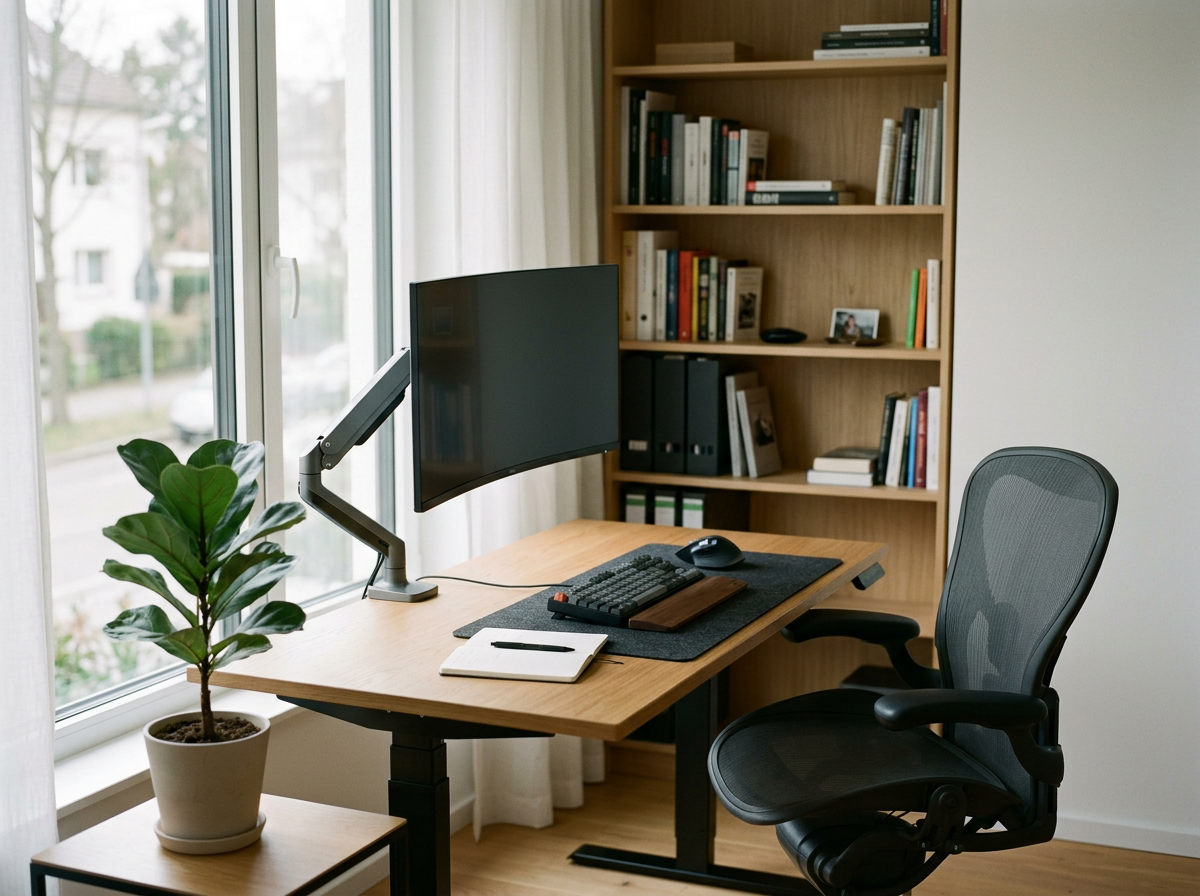
The Loss of Spinal Extension
The human spine requires a balance of forward bending (flexion) and backward bending (Extension).
The Flexion Trap: Typing at a keyboard forces the thoracic (mid) spine into a permanent state of deep flexion.
The Structural Block: Over time, the facet joints in the back of the spine become glued shut with fibrotic scar tissue. You physically lose the mechanical ability to arch backward (Extension).
The Exhaustion of the Posterior Chain
Your body fights gravity every second of the day.
The Erector Spinae: The Erector Spinae is a massive, thick column of muscle running parallel to your spine. Its primary job is to hold your trunk upright. When you lean forward to look at a monitor, this muscle is violently overstretched and forced into a continuous, exhausting isometric contraction.
The Tipping Point: The Erector Spinae eventually fails. It loses its blood supply, goes into a state of chemical hypoxia, and develops excruciating, rock-hard trigger points.
Core and Shoulder Collapse
The front of the body is equally impacted by poor Ergonomics.
The External Obliques: The abdominal wall, specifically the External Obliques, becomes neurologically dormant due to the slouched posture. Without this lateral core stability, the lower back takes all the compressive load of sitting.
Shoulder Internal Rotation: The chest muscles shorten, violently pulling the shoulders forward. This destroys the shoulder's ability to achieve External Rotation, making it painful or impossible to reach overhead or open your chest fully.
Clinical Red Flags
We must look for specific signs that poor ergonomics has caused a deeper structural injury rather than just a simple muscle ache:
The "Hump" Deformity: A visible, hard accumulation of fibro-fatty tissue at the base of the neck (C7/T1 junction).
Radiating Numbness: Tingling or "pins and needles" shooting down the arm, indicating that the slouched posture has compressed a cervical nerve.
Extension Intolerance: A sharp, stabbing pain in the mid-back when taking a deep breath or attempting to arch backward.
Breathing Restriction: An inability to expand the ribcage fully, leading to shallow, panicked neck-breathing.
Loss of Grip Strength: The forward shoulders compress the brachial plexus, leading to noticeable weakness in the hands.
Primary Source Proof
Clinical research definitively proves that combining targeted ergonomic interventions with motor control exercises is vastly superior to passive rest for resolving work-related musculoskeletal disorders.
The Rehab Mechanics Corrective Protocol
At our clinic, we provide a customized Exercise Prescription designed to mechanically reverse the specific tissue adaptations caused by your workstation.
Phase 1 — Load Modification
Ergonomic Overhaul: We assess your workstation height, monitor placement, and chair mechanics to ensure your spine is visually neutral, instantly stopping the mechanical overload.
Joint Unlocking: Our physiotherapists use high-grade manual manipulations to break the rigid scar tissue in the thoracic facet joints, mechanically restoring the lost Extension.
Phase 2 — Pelvic Fortification
Reactivating the Core: Utilizing targeted breathing drills to wake up the deep transversus abdominis and the External Obliques, providing a solid foundation for the ribcage to rest upon.
Hip Flexor Release: Sitting locks the hips in flexion. We manually release the psoas to stop the pelvis from pulling the lower back into a painful arch.
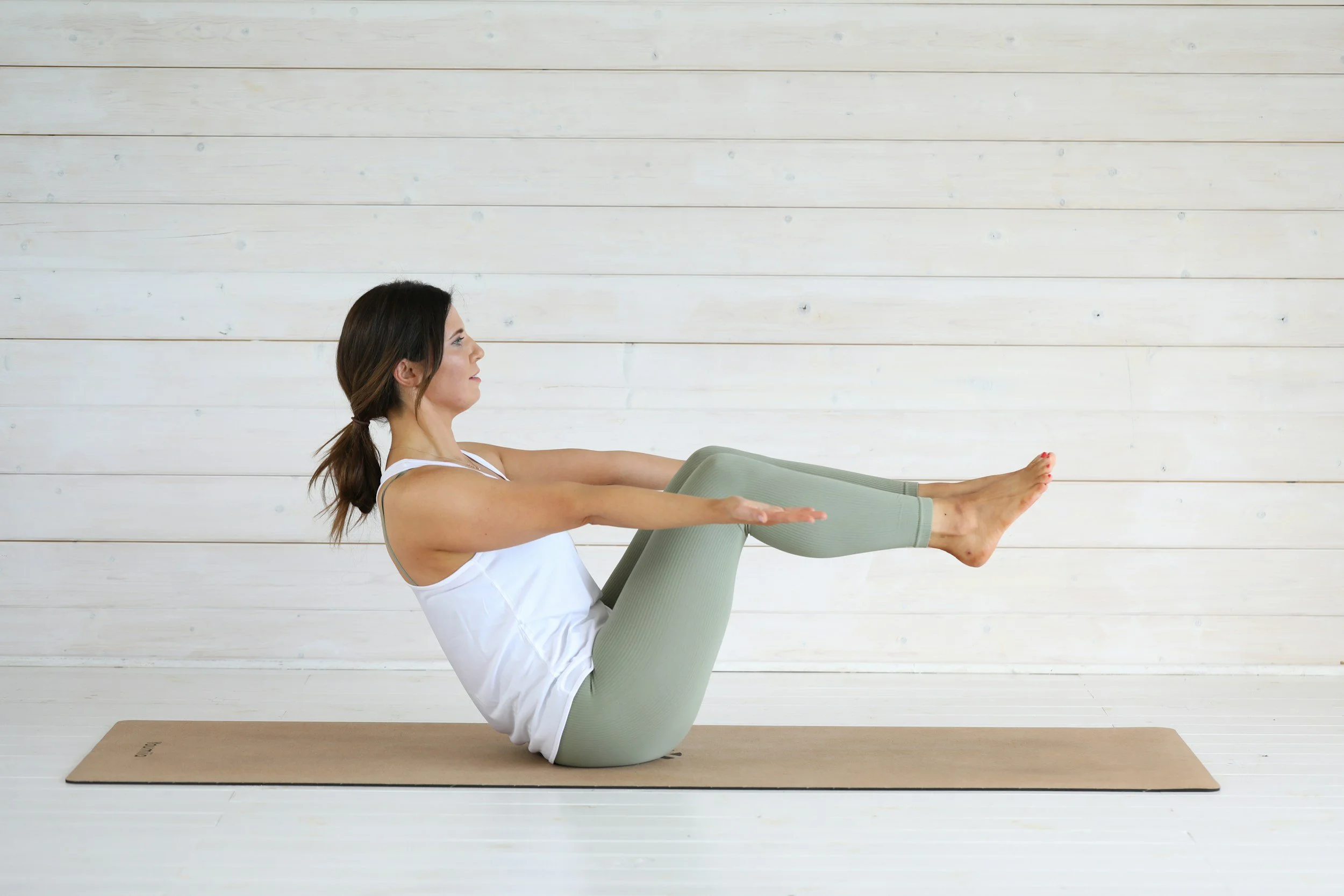
Phase 3 — Gait Retraining / Mechanics Correction
Scapular Retraction: Training the lower trapezius and rhomboids to pull the shoulder blades down and back, actively reversing the slouched posture.
Restoring External Rotation: Using resistance bands to strengthen the infraspinatus and teres minor, pulling the arm bone back into a neutral, centralized position to stop shoulder impingement.
Phase 4 — Return-to-Activity Strategy
Endurance Building: Posture requires biological endurance. We progress to heavy farmer's carries and prone positional holds to build massive stamina in the Erector Spinae.
Long-Term Exercise Prescription: Providing a 5-minute daily mobility protocol that can be executed at the desk to maintain fascial hydration and prevent the joints from freezing again.
Related Conditions We Treat
Thoracic Outlet Syndrome
Cervicogenic Headaches
Scapular Dyskinesis
Lumbar Disc Herniation
Myofascial Pain Syndrome
Rotator Cuff Tendinopathy
Related Blogs
"The 'Tech Neck' Trigger Point: How Posture Creates Unbreakable Knots"
"Does Poor Posture Cause Sharp Pain in the Middle of the Back?"
"Can Physiotherapy Cure Chronic Tension Headaches from Desk Work?"
Services Used in Treatment
Manual Therapy
Soft Tissue Release
Myofascial Release
Shockwave Therapy
Gait Retraining
Neuromuscular Re-Education
Custom Orthotics
Strengthening Programs
FAQ Section
1. Can physiotherapy assist in managing pain from poor ergonomics?
Yes. Physiotherapy helps address contributing factors by mobilizing stiff joints, releasing tight muscles, and strengthening postural stabilizers to support an upright spine.
2. What is an Exercise Prescription?
An Exercise Prescription is a highly specific, customized rehabilitation plan built by your physiotherapist. It details the exact movements, loads, and frequencies required to support recovery for your specific biomechanical faults.
3. Why do my upper back muscles burn when I sit?
Your Erector Spinae and trapezius muscles are fighting gravity to hold your head up. When you slouch, they are overstretched and overworked. We help reduce this mechanical overload by improving your ergonomic setup and strengthening your core.
4. How does core strength support my posture?
Muscles like the External Obliques stabilize your trunk from the front and sides. We focus on neuromuscular re-education to ensure these muscles fire automatically, taking the strain off your lower back.
5. Why can't I lift my arms overhead without pain?
Hunching forward causes your shoulders to roll inward, leading to impingement. We assist in managing this by restoring External Rotation to the shoulder joint, clearing the space for the tendons to move freely.
6. Can bad posture affect young adults and teenagers?
Yes. Heavy backpacks and hours of gaming place massive shear forces on developing spines, potentially irritating the Epiphyseal Plate (growth plate) in younger individuals. We optimize movement early to prevent long-term structural changes.
7. Does stretching fix a slouched posture?
Stretching the chest helps, but it is not enough. You must actively build endurance in the back muscles to hold the correction. We utilize targeted strengthening programs to build lasting resilience.
8. Will a standing desk cure my back pain?
A standing desk is a great ergonomic tool, but standing with poor mechanics can still cause pain. We help you optimize your standing and walking posture to ensure your joints remain safe under load.
How Physiotherapy Helps
Reducing tissue irritation in the overstretched mid-back muscles
Correcting pelvic drop and anterior tilt
Improving cadence and arm swing mechanics
Strengthening stabilizers in the deep core and Erector Spinae
Reducing mechanical overload on the cervical spine
Improving foot mechanics to provide a solid standing foundation
Contact Us Today — All you have to lose is the pain
Book a comprehensive biomechanical assessment with our clinical team today. Located inside the Prime Medical Centre at 68 Abell Street, Queen West.
Email: info@rehabmechanics.com Phone: (416) 533-3900
Hyperlinked to our glossary terms:
a. Epiphyseal Plate: The growth plate; a hyaline cartilage plate at each end of a long bone in growing individuals.
b. Erector Spinae: A large muscle group running vertically along the spine responsible for straightening and rotating the back.
c. Exercise Prescription: A customized fitness and rehabilitation plan designed by a physiotherapist to address a patient's specific injuries and functional goals.
d. Extension: A straightening movement that increases the angle between two bones.
e. External Obliques: Large, superficial lateral abdominal muscles that aid in twisting and compressing the abdomen.
. External Rotation: Turning a limb outward away from the center of the body
About the Author
Mr. Sanjay Attwala (B.Sc., M.Sc., RPT) is a Registered Physiotherapist, clinical director, and the founder of Rehab Mechanics in Toronto. With over 15 years of registered clinical practice and a deep specialization in complex musculoskeletal rehabilitation, Sanjay synthesizes rigorous international academic training with advanced evidence-based therapeutics to guide his clinical practice and patient education initiatives.
Academic Background & Credentials
Master of Science (M.Sc.) in Physiotherapy – University of Keele, United Kingdom (2010).
Bachelor of Science (B.Sc.) – University of Waterloo, Ontario, Canada.
Registered Physiotherapist (RPT) – Regulated health professional in excellent standing with the College of Physiotherapists of Ontario (CPO).
Corporate Entity – Operating officially under the S. Attwala Physiotherapy Professional Corporation with a DBA of Rehab Mechanics.
Clinical Expertise & Philosophy
Sanjay’s clinical approach rejects passive symptom management in favor of identifying underlying biomechanical root causes. His diverse expertise spans advanced manual therapies, personalized corrective exercise prescription, and modern physical modalities. At the Rehab Mechanics Toronto Queen West clinic, he routinely diagnoses and treats complex conditions including:
Spinal & Discogenic Pathology – Cervical, thoracic, and lumbar disc injuries, sciatica, and sacroiliac joint (SIJ) dysfunction.
Upper & Lower Extremity Injuries – Rotator cuff tears, frozen shoulder, tennis/golfer’s elbow, carpal tunnel syndrome, and complex ankle/foot pathologies.
Perinatal & Pelvic Health Rehabilitation – Specialized assessment and rehabilitation protocols tailored specifically for women during pregnancy and the post-partum period, addressing pelvic girdle pain, diastasis recti, and core stabilization.
Specialized Rehabilitation – Pelvic health therapy, TMJ dysfunction, post-surgical rehabilitation (including Total Hip and Total Knee Replacements), and custom orthotics dispensing.
Shockwave Therapy: with advanced cutting edge technological devices to suit your needs.
Interdisciplinary Practice & Patient Care
Sanjay practices an integrated model of healthcare, working closely alongside medical doctors inside the Prime Medical Centre on Abell Street to streamline patient recovery pathways. He maintains a human-centric, communication-first clinical framework, ensuring that care remains fully customized rather than automated.
His clinical caseload encompasses a broad operational spectrum under Ontario's regulatory frameworks, including:
Motor Vehicle Accident (MVA) Claims – Rehabilitation navigating Ontario’s statutory accident benefits schedule.
Workplace Safety and Insurance Board (WSIB) – Occupational injury management and return-to-work screening.
Extended Health Care (EHC) & Private Practice – Multi-tier insurance coordination and long-term athletic development plans.
Commitment to Research & Community
Outside of his clinical caseload at Rehab Mechanics and his additional practice affiliations in Etobicoke, Sanjay is an active health writer and community educator. He translates contemporary peer-reviewed medical research into accessible, actionable guidance on his professional blog. As a dedicated father and husband, he mirrors his professional advice in his personal life, focusing on structural mobility, cross-training, and longevity to help his family and his community thrive. Naturally he takes he a keen interest in rehabilitation for women who are pregnant and post-partum.
Disclaimer:
The information provided on this blog is intended for educational and informational purposes only. It does not constitute medical advice, diagnosis, or a treatment plan. Always seek the direct advice of a Registered Physiotherapist, physician, or other qualified health provider regarding any medical condition or physical rehabilitation routine.
Google MyBusiness for Instant Posts, Photos, Updates, Offers and Communication
Be sure to check out Rehab Mechanics’ Google My Business Profile for daily posts, location and directions in addition to the directions on the website!
We love interacting with prospective and current patients, and love honest feedback and even constructive criticism and areas for improvement!