Can Physiotherapy Assist in stopping the Spinning? Vestibular Therapy for Concussions and Vertigo
Mild Traumatic Brain Injuries (mTBI) and concussions frequently disrupt the inner ear and visual tracking systems, causing severe dizziness and brain fog. Vestibular physiotherapy assists in managing this by utilizing specific neuroplasticity exercises and graded aerobic exposure to rebuild sensorimotor pathways and restore balance.
The Patient’s Story
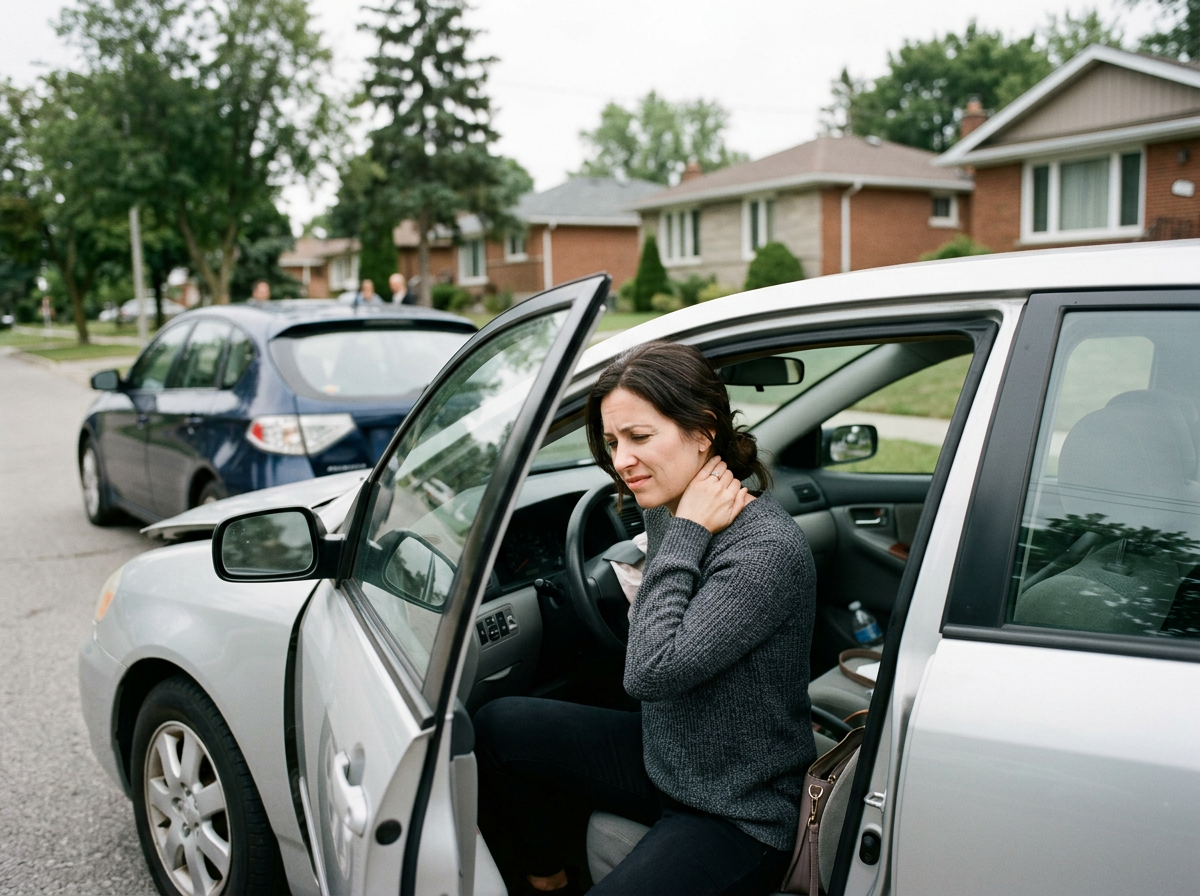
In a fast-paced city like Toronto, concussions happen in an instant. Whether you suffer a whiplash injury in a rear-end collision on the Gardiner Expressway, take a hard fall on an icy sidewalk in Trinity Bellwoods, or catch an accidental elbow playing rec hockey in Liberty Village, the aftermath is incredibly disorienting.
Patients frequently visit walk-in clinics and are given the outdated advice to adopt "cocoon therapy"—sitting in a dark, quiet room, avoiding screens, and waiting for the brain to heal. Weeks later, they attempt to walk down Queen West or look at a laptop in their Parkdale office, and the room violently spins. They experience severe nausea, heavy brain fog, and visual fatigue.
At Rehab Mechanics, we understand that prolonged rest actually harms a concussed brain. A concussion physically disrupts the neurological software connecting your eyes, your inner ear, and your neck. By utilizing advanced vestibular therapy and active neuroplasticity protocols, we safely guide your brain out of its dysfunctional state and restore your clarity.
Structural / Biomechanical Analysis
To understand why your head is spinning, we must perform a detailed neurological analysis of the body's balance systems and how a physical impact disrupts them.
The Vestibular Apparatus (The Hardware)
Deep inside your inner ear sits a complex system of fluid-filled loops (semicircular canals) and crystal-lined sacs (otoliths). These structures act as biological gyroscopes, constantly telling your brain exactly where your head is in space and how fast you are moving.
The Vestibulo-Ocular Reflex (The Software)
Your inner ear sensors must communicate perfectly with your eyes. This is the Vestibulo-Ocular Reflex (VOR). The VOR ensures that when you turn your head to the left, your eyes move to the right at the exact same speed, keeping your vision perfectly stable.
The Sensory Mismatch (The Concussion Effect)
During a rapid acceleration/deceleration injury (a concussion), the delicate nerve pathways facilitating the VOR are violently stretched or temporarily stunned.
The Glitch: When you turn your head to check a blind spot in traffic, your inner ear sends one speed signal, but your eyes send a slightly delayed signal.
The Brain Panic: The brain receives conflicting data. Unable to resolve the mismatch, the brain triggers a massive systemic alarm resulting in sudden vertigo, nausea, and disorientation.
Cervicogenic Overlap (The Whiplash Factor)
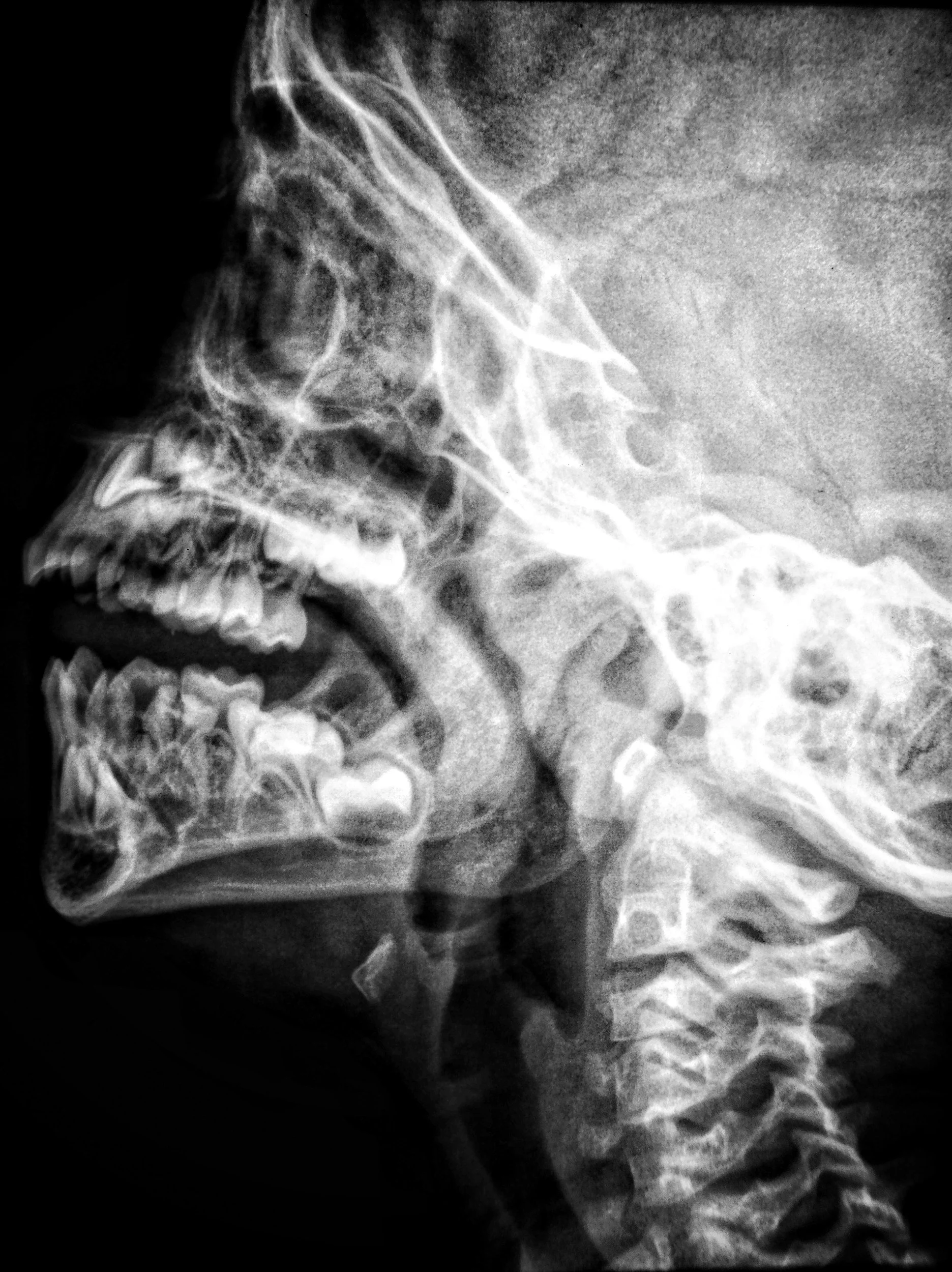
You cannot have a concussion without also experiencing whiplash in the cervical spine. The top joints of your neck are packed with balance sensors. If the neck muscles are locked in spasm from the impact, they send corrupted, stiff signals to the brain, further compounding the dizziness.
Clinical Red Flags
Identifying the exact trigger of the dizziness is crucial for creating an effective rehabilitation protocol:
Positional Vertigo: A sudden, violent spinning sensation triggered specifically when rolling over in bed or looking up at the ceiling (indicating BPPV / loose inner ear crystals).
Visual Motion Sensitivity: Feeling nauseous or overwhelmed in busy environments with moving patterns, like walking down the aisle of a grocery store or scrolling quickly on a smartphone.
Exercise Intolerance: A rapid spike in deep, throbbing headaches or dizziness when your heart rate elevates during light physical exertion.
Convergence Insufficiency: An inability to focus your eyes on an object moving close to your nose without experiencing double vision or eye pain.
The "Fog": A persistent, heavy feeling of being disconnected, delayed, or struggling to find words during conversations.
Primary Source Proof
Review the Clinical Evidence on PubMed supporting active vestibular and neuroplasticity interventions for post-concussion syndrome:
Targeted Vestibular and Visual Rehabilitation for Prolonged Postconcussion Symptoms (National Institutes of Health)
The Efficacy of Graded Aerobic Exercise in the Management of Post-Concussion Syndrome (National Institutes of Health)
Cervicogenic Dizziness: A Review of Diagnosis and Conservative Management (National Institutes of Health)
The Rehab Mechanics Corrective Protocol
We reject the "dark room" approach. We utilize highly objective, active testing to identify your exact symptom thresholds and systematically rebuild your neuro-mechanical pathways.
Phase 1 — Cervical Decompression and Acute Management
Suboccipital Release: Utilizing deep, targeted manual therapy at the base of the skull to melt the rigid muscle spasms caused by the whiplash mechanism, restoring clean proprioceptive signals from the neck.
Joint Mobilization: Gentle, sustained glides of the C1/C2 vertebrae to restore mechanical rotation and alleviate cervicogenic tension headaches.
Phase 2 — Vestibular and Ocular Habituation
VOR Retraining: We prescribe specific visual tracking drills. You will focus on a stationary target while turning your head to the rhythm of a metronome. This active repetition physically forces the brain to repair the broken software link between the eyes and the ears.
Habituation Drills: Safely and repetitively exposing you to the exact movements that trigger your dizziness, helping the nervous system to desensitize and stop overreacting to normal motion.
Phase 3 — Sub-Symptom Aerobic Conditioning
The Buffalo Concussion Treadmill Test (BCTT): We utilize this objective test to find the exact heart rate that triggers your symptoms.
Autonomic Reset: We prescribe a strict, daily aerobic exercise program (e.g., stationary cycling) at just below that trigger heart rate. This safely forces healing blood flow into the brain and gradually raises your physiological tolerance.
Phase 4 — Return-to-Activity Strategy
Dual-Task Processing: Challenging you to perform complex balance tasks (like standing on a BOSU ball) while answering cognitive questions, simulating the chaotic demands of the real world.
Workplace Integration: Structuring a graduated return-to-work plan, advising on screen-time limits, lighting adjustments, and posture breaks to ensure a durable recovery.
Related Conditions We Treat
Post-Concussion Syndrome (PCS)
Benign Paroxysmal Positional Vertigo (BPPV)
Whiplash Associated Disorders (WAD)
Cervicogenic Dizziness
Tension-Type Headaches
Vestibular Neuritis
Related Blogs
"Can Physiotherapy Fix Both My Neck Pain and My Numb Hands at the Same Time?"
"Should I See a Physiotherapist Right After a Car Accident?"
"Are Your Chronic Migraines Actually Being Caused by Your Neck?"
Services Used in Treatment
Manual Therapy
Neuromuscular Re-Education
Soft Tissue Release
Myofascial Release
Gait Retraining
Custom Orthotics
Strengthening Programs
Shockwave Therapy
FAQ Section
1. Can physiotherapy assist in managing post-concussion dizziness?
Yes. Physiotherapy supports recovery by utilizing targeted vestibular and visual exercises to recalibrate the brain's balance centers, helping to reduce the frequency and severity of dizziness.
2. Should I just rest in a dark room until my concussion heals?
No. While brief rest (24-48 hours) is appropriate immediately after injury, prolonged rest weakens the brain's ability to adapt. We utilize active, graded exposure to support recovery and promote neuroplasticity.
3. Why do I feel dizzy when I scroll on my phone?
This is visual motion sensitivity. The connection between your eyes and your balance system is disrupted. We help address contributing factors by retraining the vestibulo-ocular reflex (VOR) to process visual motion smoothly.
4. How does my neck impact my concussion symptoms?
The upper neck is packed with balance sensors. A whiplash injury causes muscle spasms that send warped signals to the brain, contributing heavily to dizziness. We optimize movement in the cervical spine to correct this.
5. Can exercise actually help my concussed brain?
Yes. Specifically prescribed, sub-symptom aerobic exercise increases blood flow to the brain, which helps reduce tissue irritation and supports cellular repair.
6. What is the Buffalo Concussion Treadmill Test?
It is a clinical assessment used to find the specific heart rate at which your symptoms increase. We use this data to create a safe, customized cardiovascular program to optimize your recovery.
7. How long does it take for concussion symptoms to resolve?
Every brain injury is unique. While minor concussions may resolve in weeks, post-concussion syndrome requires consistent neuromuscular re-education over several months to fully support recovery.
8. Can physical therapy help with my "brain fog"?
Yes. Brain fog is often linked to the intense energy the brain uses trying to keep you balanced and focused. By rehabilitating the visual and vestibular systems, we help reduce this massive neurological strain.
How Physiotherapy Helps
Reducing tissue irritation through targeted cervical mobilizations
Correcting pelvic drop to optimize global posture and balance
Improving cadence and visual stability during walking
Strengthening stabilizers in the deep neck flexors
Reducing mechanical overload on the visual tracking system
Improving foot mechanics to enhance proprioceptive ground feedback
Contact Us Today — All you have to lose is the pain
Book a comprehensive biomechanical assessment with our clinical team today. Located inside the Prime Medical Centre at 68 Abell Street, Queen West.
Email: info@rehabmechanics.com Phone: (416) 533-3900
About the Author
Mr. Sanjay Attwala (B.Sc., M.Sc., RPT) is a Registered Physiotherapist, clinical director, and the founder of Rehab Mechanics in Toronto. With over 15 years of registered clinical practice and a deep specialization in complex musculoskeletal rehabilitation, Sanjay synthesizes rigorous international academic training with advanced evidence-based therapeutics to guide his clinical practice and patient education initiatives.
Academic Background & Credentials
Master of Science (M.Sc.) in Physiotherapy – University of Keele, United Kingdom (2010).
Bachelor of Science (B.Sc.) – University of Waterloo, Ontario, Canada.
Registered Physiotherapist (RPT) – Regulated health professional in excellent standing with the College of Physiotherapists of Ontario (CPO).
Corporate Entity – Operating officially under the S. Attwala Physiotherapy Professional Corporation with a DBA of Rehab Mechanics.
Clinical Expertise & Philosophy
Sanjay’s clinical approach rejects passive symptom management in favor of identifying underlying biomechanical root causes. His diverse expertise spans advanced manual therapies, personalized corrective exercise prescription, and modern physical modalities. At the Rehab Mechanics Toronto Queen West clinic, he routinely diagnoses and treats complex conditions including:
Spinal & Discogenic Pathology – Cervical, thoracic, and lumbar disc injuries, sciatica, and sacroiliac joint (SIJ) dysfunction.
Upper & Lower Extremity Injuries – Rotator cuff tears, frozen shoulder, tennis/golfer’s elbow, carpal tunnel syndrome, and complex ankle/foot pathologies.
Perinatal & Pelvic Health Rehabilitation – Specialized assessment and rehabilitation protocols tailored specifically for women during pregnancy and the post-partum period, addressing pelvic girdle pain, diastasis recti, and core stabilization.
Specialized Rehabilitation – Pelvic health therapy, TMJ dysfunction, post-surgical rehabilitation (including Total Hip and Total Knee Replacements), and custom orthotics dispensing.
Shockwave Therapy: with advanced cutting edge technological devices to suit your needs.
Interdisciplinary Practice & Patient Care
Sanjay practices an integrated model of healthcare, working closely alongside medical doctors inside the Prime Medical Centre on Abell Street to streamline patient recovery pathways. He maintains a human-centric, communication-first clinical framework, ensuring that care remains fully customized rather than automated.
His clinical caseload encompasses a broad operational spectrum under Ontario's regulatory frameworks, including:
Motor Vehicle Accident (MVA) Claims – Rehabilitation navigating Ontario’s statutory accident benefits schedule.
Workplace Safety and Insurance Board (WSIB) – Occupational injury management and return-to-work screening.
Extended Health Care (EHC) & Private Practice – Multi-tier insurance coordination and long-term athletic development plans.
Commitment to Research & Community
Outside of his clinical caseload at Rehab Mechanics and his additional practice affiliations in Etobicoke, Sanjay is an active health writer and community educator. He translates contemporary peer-reviewed medical research into accessible, actionable guidance on his professional blog. As a dedicated father and husband, he mirrors his professional advice in his personal life, focusing on structural mobility, cross-training, and longevity to help his family and his community thrive. Naturally he takes he a keen interest in rehabilitation for women who are pregnant and post-partum.
Disclaimer: The information provided on this blog is intended for educational and informational purposes only. It does not constitute medical advice, diagnosis, or a treatment plan. Always seek the direct advice of a Registered Physiotherapist, physician, or other qualified health provider regarding any medical condition or physical rehabilitation routine.
Be sure to check out Rehab Mechanics’ Google My Business Profile for daily posts, location and directions in addition to the directions on the website!
We love interacting with prospective and current patients, and love honest feedback and even constructive criticism and areas for improvement!