Can Physiotherapy Help Me Avoid Spinal Fusion Surgery for L5-S1 Degeneration?
L5-S1 degeneration causes severe lower back and radiating leg pain due to compressive disc narrowing. Physiotherapy supports recovery by correcting pelvic tilt and fortifying deep core stabilizers, reducing mechanical overload to help optimize movement and avoid surgical intervention.
The Patient's Story
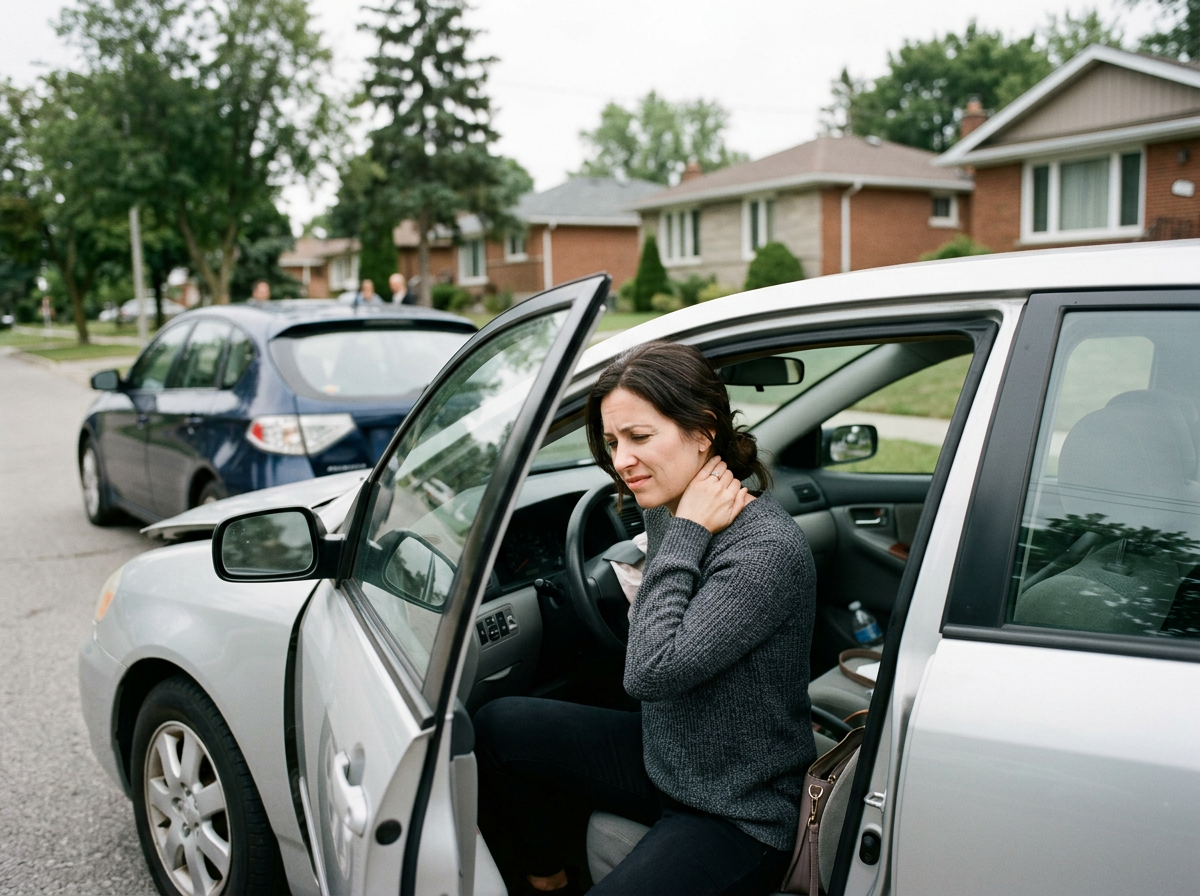
Working in the Financial District or commuting heavily across Toronto takes a severe toll on the human spine. For many professionals, years of sitting in ergonomic chairs and standing on hard concrete eventually culminate in a terrifying episode: a sharp, paralyzing ache deep in the absolute base of the spine, often radiating heavy, dull pain into the glutes or legs.
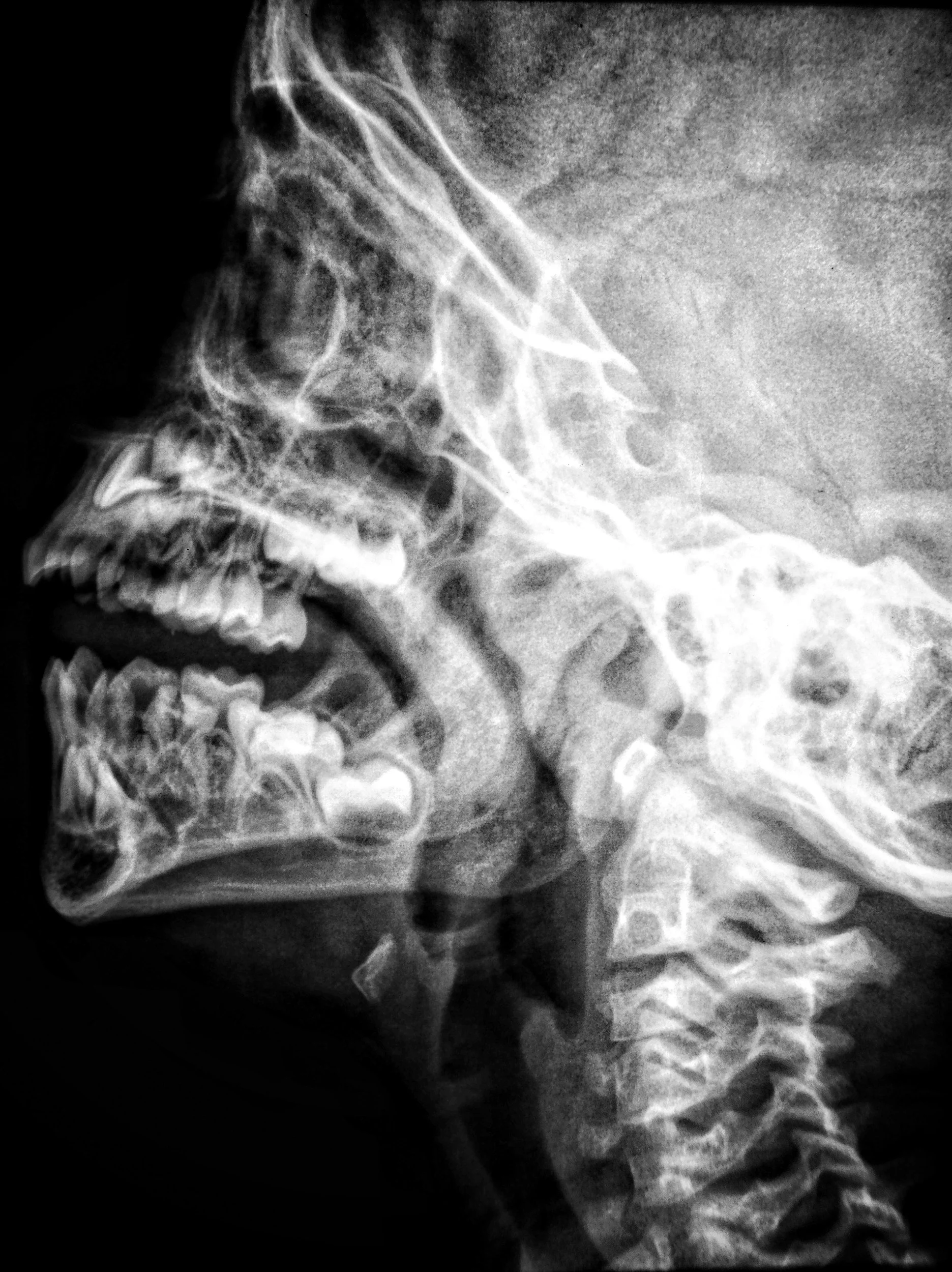
Desperate for answers, patients undergo an MRI. The radiologist's report returns filled with frightening medical jargon: "Severe Degenerative Disc Disease," "Endplate Sclerosis," and "significant joint space narrowing at L5-S1."
For many patients, a surgical consultation follows, and the phrase "Spinal Fusion" is mentioned. The idea of having metal rods and screws permanently drilled into their spine creates massive anxiety. Patients often stop exercising entirely, terrified that any movement will further crush their crumbling discs.
At Rehab Mechanics in Queen West, we specialize in high-level spinal pathology, and we want to change this narrative. The L5-S1 segment naturally takes the brunt of human movement, and seeing degeneration on an X-ray is often a normal part of aging. Surgery should be an absolute last resort. By utilizing advanced human mechanics physical therapy, we can help you build an internal, muscular corset that supports the unstable joint, frequently assisting patients in avoiding the operating room and returning to an active lifestyle.
Structural / Biomechanical Analysis
To understand why your spine aches and how we can support its stability, we must perform a detailed biomechanical analysis of the very base of your spine.
The Anatomy of the L5-S1 Junction
The L5-S1 segment is the exact point where your lowest lumbar vertebra (L5) connects to your sacrum (S1, the tailbone structure of your pelvis).
The Shear Zone: Because the sacrum sits at a natural downward angle, gravity constantly tries to force the L5 vertebra to slide forward and down the slope.
The Anchor: The L5-S1 intervertebral disc and the surrounding ligaments must absorb massive shear forces every single time you stand, walk, or lift an object. It is the hardest-working joint in the human skeleton.
The Degenerative Cascade
We want you seeing this kind of cascade - one that regenerates! Rehab Mechanics!
Because this joint works so hard, it is usually the first to show signs of wear.
Disc Dehydration: The disc loses its water content and flattens, reducing its shock-absorbing capacity.
Endplate Sclerosis: As the disc flattens, the bones of the vertebrae experience more mechanical stress. In response, the body lays down extra calcium to thicken and harden the bone (Endplate Sclerosis). It is a biological defense mechanism, not a disease.
Facet Joint Overload: With the disc flattened, the tiny hinges at the back of the spine (facet joints) handle more load, leading to deep, localized back irritation.
The Biomechanical Tipping Point
Why does an aging spine suddenly become highly symptomatic? The answer is a loss of mechanical stability.
The Weak Foundation: If you have an anterior pelvic tilt (dumping the front of the pelvis downward) due to tight hip flexors from sitting all day, the angle of the L5-S1 joint becomes mechanically compromised.
Core Failure: If your deep abdominal muscles are weak, they cannot hold the L5 vertebra steady against gravity.
The Result: The degenerated joint wiggles and shifts microscopically under load. This constant micro-instability irritates the surrounding nerves and triggers protective muscle spasms as the body tries to stop the movement.
Clinical Red Flags
While degeneration is normal, certain symptoms indicate a severe loss of mechanical stability:
The Catching Sensation: A sharp, breathtaking "catch" in the extreme lower back when transitioning from sitting to standing.
Severe Extension Pain: Bending backward causes an immediate, sharp pinching sensation at the beltline.
Neurological Radiation: Dull, heavy, or aching pain that radiates deep into the buttocks or down the back of the thighs.
Morning Rigidity: The spine feels highly restricted and stiff for the first hour of the day until the joints warm up.
Primary Source Proof
Review the Clinical Evidence on PubMed supporting non-operative, biomechanically targeted stabilization for severe spinal degeneration:
The Efficacy of Specific Lumbar Stabilization Exercises in the Management of Degenerative Spondylosis (National Institutes of Health)
Biomechanical Effects of Pelvic Tilt on Lumbar Spinal Loads and Disc Degeneration (National Institutes of Health)
Non-Operative Management and Clinical Outcomes of Severe Degenerative Disc Disease at L5-S1 (National Institutes of Health)
The Rehab Mechanics Corrective Protocol
We cannot alter the thickened bone on your X-ray, but we can fundamentally change the forces acting on that joint. Our protocol focuses entirely on creating impenetrable core support.
Phase 1 — Load Modification and Decompression
Utilizing targeted manual traction and flexion-biased positioning to gently help reduce the compressive pressure on the discs and facet joints.
Implementing immediate postural modifications to avoid extreme spinal extension and heavy vertical loading during the workday.
Providing soft tissue release to the massive, spasming erector spinae muscles trying to protect the unstable joint.
Phase 2 — Pelvic Fortification and Alignment
Releasing the Brakes: Utilizing deep manual therapy to help reduce tension in the hip flexors (psoas) that are constantly pulling the spine into a deep arch.
Posterior Pelvic Tilt Training: Teaching the nervous system how to actively tuck the tailbone. This helps optimize the L5-S1 angle, assisting in reducing the forward shear force on the degenerated disc.
Phase 3 — Gait Retraining / Mechanics Correction
Transversus Abdominis (TvA) Activation: Utilizing precise biofeedback to wake up the deepest abdominal layer, helping it function as a biological weight belt that supports the L5 vertebra.
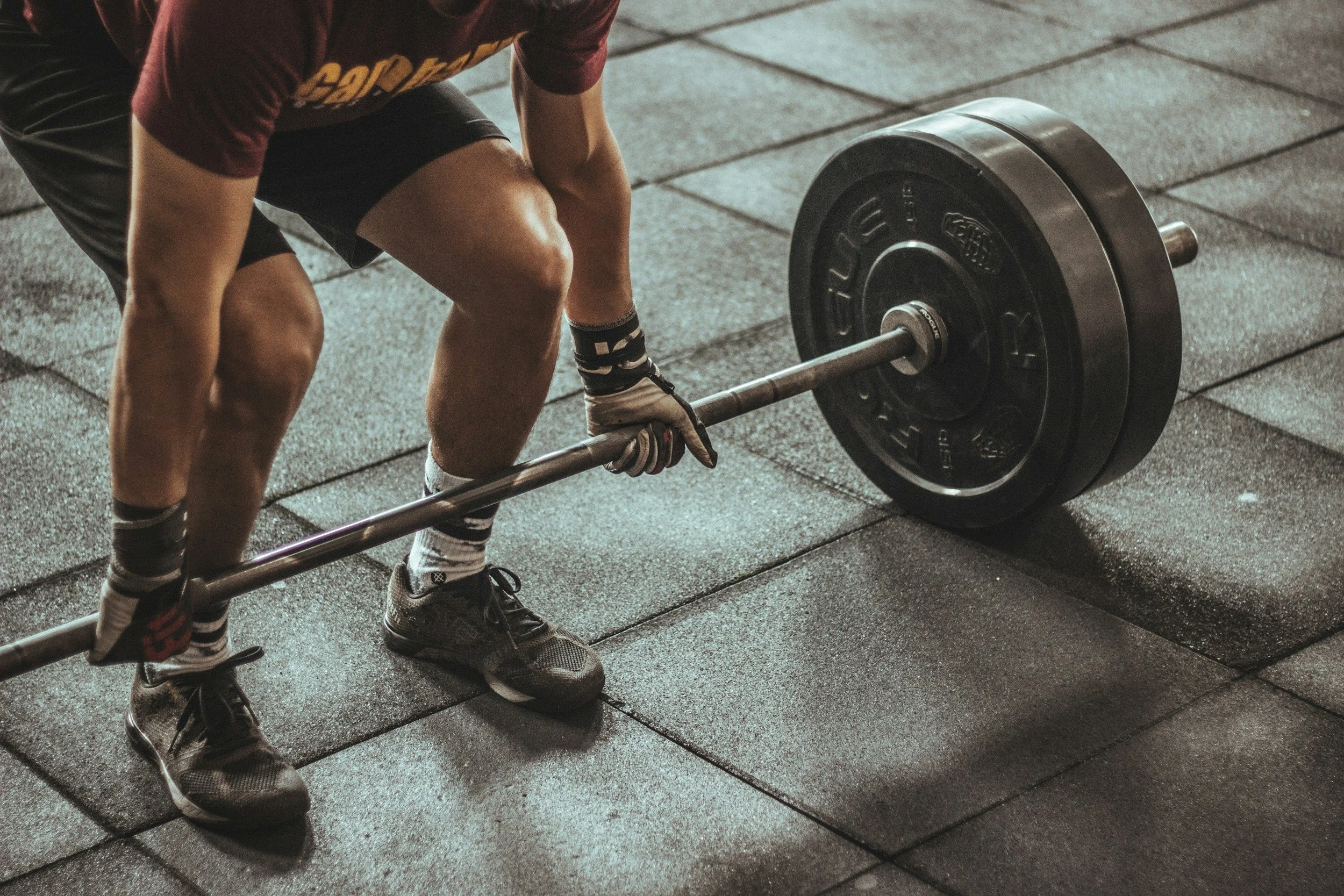
Hip Hinge Mastery: We meticulously teach you how to bend forward by pushing your hips back (like a deadlift), rather than rounding your fragile lower spine. By relying on glute power, we help ensure the lumbar spine remains stable.
Phase 4 — Return-to-Activity Strategy
Progressing to anti-extension core exercises (like Pallof presses and loaded carries) to help build the biological endurance necessary to support the spine all day.
Integrating complex, functional movements under strict biomechanical supervision to help optimize movement and build structural confidence.
Related Conditions We Treat
Degenerative Disc Disease (DDD)
Spondylolisthesis
Lumbar Herniated Discs
Lumbar Facet Joint Syndrome
Sciatica / Lumbar Radiculopathy
Sacroiliac Joint (SIJ) Dysfunction
Related Blogs
"Can Physiotherapy Stop the Progression of Degenerative Disc Disease?"
"Is My 'Locked' Lower Back a Herniated Disc or a Jammed Facet Joint?"
"Can a Herniated Disc in My Lower Back Heal on Its Own Without Surgery?"
Services Used in Treatment
Manual Therapy
Soft Tissue Release
Myofascial Release
Shockwave Therapy
Gait Retraining
Neuromuscular Re-Education
Custom Orthotics
Strengthening Programs
FAQ Section
1. Can physiotherapy assist in managing severe L5-S1 degeneration?
Yes. Physiotherapy supports recovery by addressing the biomechanical faults—specifically poor pelvic alignment and core weakness—helping to optimize movement and drastically reduce mechanical stress on the joint.
2. What does endplate sclerosis mean on my MRI?
It simply means the bone has thickened in response to increased mechanical stress from a thinning disc. We address contributing factors by improving your movement mechanics to help reduce this localized stress.
3. Will strengthening my core really help me avoid spinal fusion?
In many cases, yes. A strong deep core acts as an internal muscular support system. By strengthening these stabilizers, we help reduce the micro-instability that causes pain, often assisting in managing the condition without surgery.
4. Why does my lower back ache more when I arch backward?
Arching backward (extension) physically compresses the facet joints at the back of the spine. If your L5-S1 joint is degenerated, this compression causes irritation. We focus on neutral spine mechanics to support recovery.
5. Are traditional sit-ups safe for severe degenerative disc disease?
Typically, no. Repetitive sit-ups place compressive forces on vulnerable discs. We assist in managing your core strength using safer, anti-extension exercises like planks and dead-bugs.
6. How does releasing tight hips support my lower back?
Tight hip flexors constantly pull the front of your pelvis downward, altering your lower back posture. We use targeted release to support a neutral pelvic posture, helping to reduce pressure on the spine.
7. Can manual therapy help decompress my L5-S1 joint?
Yes. Specific manual traction and joint mobilizations can assist in managing joint stiffness, helping to optimize the mechanical space and reduce tissue irritation.
8. How long does it take to stabilize the spine?
While posture corrections can offer quick relief, building the necessary neuromuscular endurance to keep the spine stable under load typically requires several weeks of consistent strengthening programs.
How Physiotherapy Helps
Reducing tissue irritation through targeted mechanical decompression
Correcting pelvic drop and anterior tilt
Improving cadence and shock absorption during walking
Strengthening stabilizers in the deep core and glutes
Reducing mechanical overload on the degenerated disc
Improving foot mechanics to balance the upward kinetic chain
Contact Us Today — All you have to lose is the pain
Book a comprehensive biomechanical assessment with our clinical team today. Located inside the Prime Medical Centre at 68 Abell Street, Queen West.
Email: info@rehabmechanics.com Phone: (416) 533-3900
About the Author
Mr. Sanjay Attwala (B.Sc., M.Sc., RPT) is a Registered Physiotherapist, clinical director, and the founder of Rehab Mechanics in Toronto. With over 15 years of registered clinical practice and a deep specialization in complex musculoskeletal rehabilitation, Sanjay synthesizes rigorous international academic training with advanced evidence-based therapeutics to guide his clinical practice and patient education initiatives.
Academic Background & Credentials
Master of Science (M.Sc.) in Physiotherapy – University of Keele, United Kingdom (2010).
Bachelor of Science (B.Sc.) – University of Waterloo, Ontario, Canada.
Registered Physiotherapist (RPT) – Regulated health professional in excellent standing with the College of Physiotherapists of Ontario (CPO).
Corporate Entity – Operating officially under the S. Attwala Physiotherapy Professional Corporation with a DBA of Rehab Mechanics.
Clinical Expertise & Philosophy
Sanjay’s clinical approach rejects passive symptom management in favor of identifying underlying biomechanical root causes. His diverse expertise spans advanced manual therapies, personalized corrective exercise prescription, and modern physical modalities. At the Rehab Mechanics Toronto Queen West clinic, he routinely diagnoses and treats complex conditions including:
Spinal & Discogenic Pathology – Cervical, thoracic, and lumbar disc injuries, sciatica, and sacroiliac joint (SIJ) dysfunction.
Upper & Lower Extremity Injuries – Rotator cuff tears, frozen shoulder, tennis/golfer’s elbow, carpal tunnel syndrome, and complex ankle/foot pathologies.
Perinatal & Pelvic Health Rehabilitation – Specialized assessment and rehabilitation protocols tailored specifically for women during pregnancy and the post-partum period, addressing pelvic girdle pain, diastasis recti, and core stabilization.
Specialized Rehabilitation – Pelvic health therapy, TMJ dysfunction, post-surgical rehabilitation (including Total Hip and Total Knee Replacements), and custom orthotics dispensing.
Shockwave Therapy: with advanced cutting edge technological devices to suit your needs.
Interdisciplinary Practice & Patient Care
Sanjay practices an integrated model of healthcare, working closely alongside medical doctors inside the Prime Medical Centre on Abell Street to streamline patient recovery pathways. He maintains a human-centric, communication-first clinical framework, ensuring that care remains fully customized rather than automated.
His clinical caseload encompasses a broad operational spectrum under Ontario's regulatory frameworks, including:
Motor Vehicle Accident (MVA) Claims – Rehabilitation navigating Ontario’s statutory accident benefits schedule.
Workplace Safety and Insurance Board (WSIB) – Occupational injury management and return-to-work screening.
Extended Health Care (EHC) & Private Practice – Multi-tier insurance coordination and long-term athletic development plans.
Commitment to Research & Community
Outside of his clinical caseload at Rehab Mechanics and his additional practice affiliations in Etobicoke, Sanjay is an active health writer and community educator. He translates contemporary peer-reviewed medical research into accessible, actionable guidance on his professional blog. As a dedicated father and husband, he mirrors his professional advice in his personal life, focusing on structural mobility, cross-training, and longevity to help his family and his community thrive. Naturally he takes he a keen interest in rehabilitation for women who are pregnant and post-partum.
Disclaimer: The information provided on this blog is intended for educational and informational purposes only. It does not constitute medical advice, diagnosis, or a treatment plan. Always seek the direct advice of a Registered Physiotherapist, physician, or other qualified health provider regarding any medical condition or physical rehabilitation routine.
Be sure to check out Rehab Mechanics’ Google My Business Profile for daily posts, location and directions in addition to the directions on the website!
We love interacting with prospective and current patients, and love honest feedback and even constructive criticism and areas for improvement!