Is the Burning Pain in My Heel Actually Tarsal Tunnel Syndrome?
Yes. A burning, electrical pain radiating from the inside of the ankle into the heel and toes is often Tarsal Tunnel Syndrome. Physiotherapy cures this by restoring ankle mobility, utilizing deep fascial release, and correcting foot pronation to physically un-pinch the posterior tibial nerve without surgery.
The Hidden Nerve Crush in Your Ankle
Toronto’s rapid pace requires heavy, continuous walking. When residents begin to experience sharp, agonizing pain in their heel, the overwhelming assumption—by both patients and standard walk-in clinics—is that they have developed Plantar Fasciitis. They buy generic gel inserts, roll their foot on a frozen water bottle, and aggressively stretch their calves.
However, if months go by and the pain only gets worse, or if the pain changes from a "dull ache" to a severe, electrical burning sensation that shoots into the toes and causes the foot to tingle or go numb, the diagnosis is entirely wrong.
You are not dealing with a tight ligament in your arch; you are dealing with a crushed nerve in your ankle. This is known clinically as Tarsal Tunnel Syndrome. It is the lower-body equivalent of Carpal Tunnel Syndrome in the wrist.
At Rehab Mechanics in Queen West, our advanced orthopedic diagnostics look past the bottom of the foot to find the true source of the mechanical entrapment. By un-jamming the ankle, correcting the arch collapse, and restoring nerve mobility, specialized physiotherapy can permanently free the posterior tibial nerve and save you from surgical decompression.

No, nerves - not nervous - nothing to be nervous about with Rehab Mechanic. Help is on the way
Structural Analysis: The Mechanics of the Tarsal Tunnel
To understand how to cure Tarsal Tunnel Syndrome, we must perform a precise anatomical mapping of the inner ankle and the critical nerve pathways that travel through it.
The Anatomy of the Inner Ankle Bottleneck
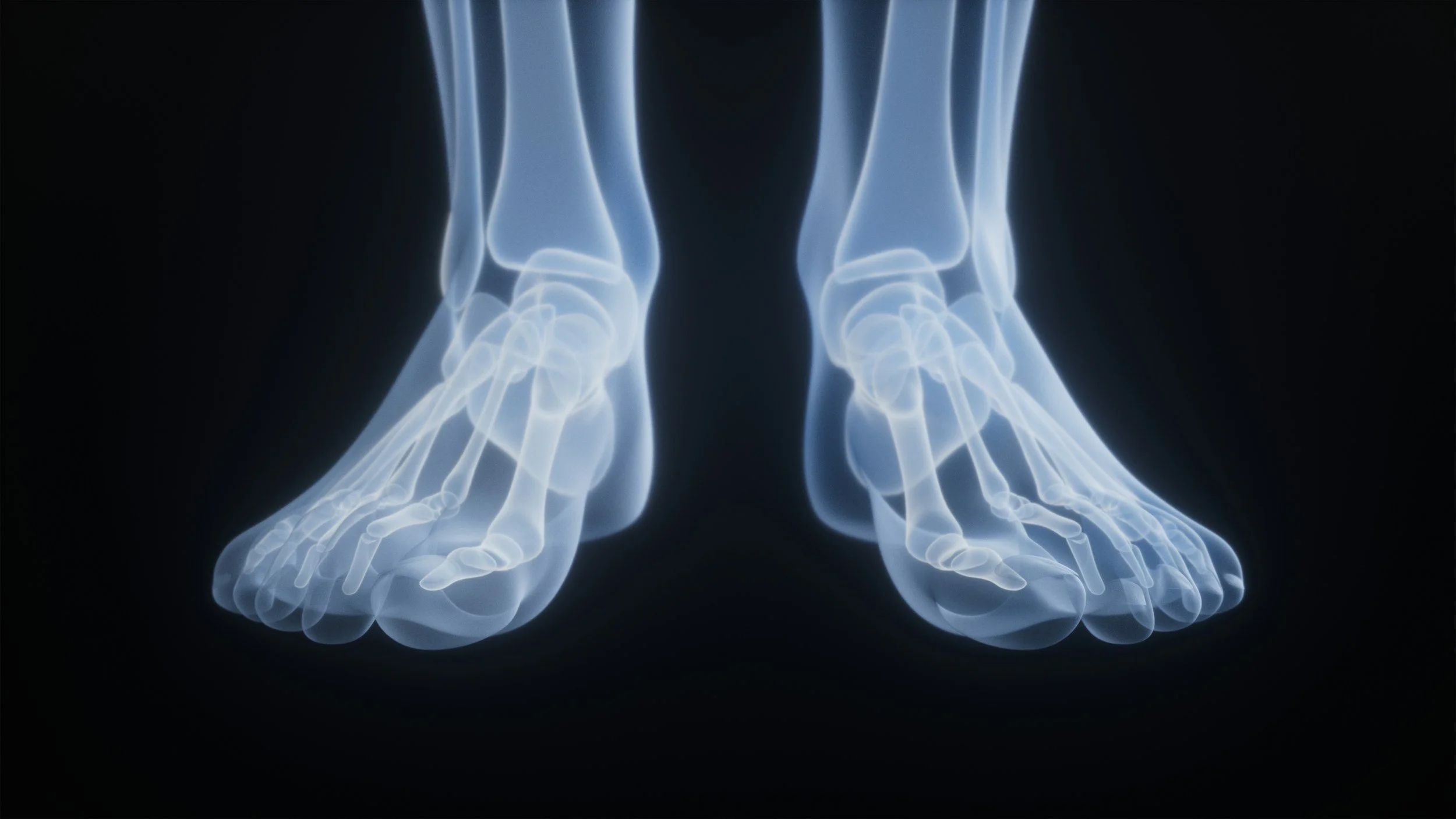
Just behind the bony bump on the inside of your ankle (the medial malleolus), there is a highly congested anatomical passageway.
The Flexor Retinaculum: The "roof" of this tunnel is formed by a thick, incredibly rigid band of connective tissue called the flexor retinaculum.
The Contents: Through this narrow space pass the tendons that curl your toes, vital arteries, veins, and the massive Posterior Tibial Nerve.
The Mechanism of Nerve Strangulation
The posterior tibial nerve is responsible for providing sensation to the entire bottom of your foot and heel. Like any nerve, it requires physical space and constant blood flow to survive.
Tarsal Tunnel Syndrome occurs when the space inside this tunnel vanishes, physically strangling the nerve.
1. Biomechanical Collapse (Overpronation)
The most common cause of tarsal tunnel syndrome in urban walkers and runners is severe flat feet, or overpronation.
When you take a step, your arch collapses inward.
This inward rolling severely stretches the inner ankle and violently tightens the flexor retinaculum over the tunnel.
The nerve is aggressively crushed against the bone with every single step.
2. Tenosynovitis (Tendon Swelling)
Because the tendons that share the tunnel are overworked by the collapsing arch, they become inflamed and swell (tenosynovitis). Since the roof of the tunnel cannot expand, the swelling tendons press outward, squeezing the much softer nerve.
3. Post-Traumatic Scarring
If you suffered a severe ankle sprain years ago that healed improperly, dense scar tissue can form inside the tunnel. This fibrotic webbing literally glues the nerve in place, tethering it and causing sharp, tearing pain when you try to walk.
Identifying the Clinical Red Flags: Fascia vs. Nerve
Differential diagnosis is absolutely crucial. Treating nerve entrapment with aggressive plantar fasciitis stretching will violently flare up the nerve. We look for specific neurological signs:
Tinel’s Sign: Tapping lightly on the inside of the ankle sends an immediate, highly irritable "electrical shock" or tingling sensation shooting down into the heel or toes.
The Sensation Type: Plantar fasciitis feels like a sharp, localized stab or a dull, tearing ache. Tarsal Tunnel feels like burning, pins-and-needles, "ants crawling," or complete numbness in the sole of the foot.
Night Pain: While plantar fasciitis is worst on the very first step of the morning, Tarsal Tunnel pain often throbs and burns intensely in the middle of the night while lying in bed.
Primary Source Proof: Conservative Nerve Decompression
Podiatric and orthopedic neurology research heavily dictates that conservative, biomechanical physiotherapy focusing on neural gliding, custom orthotic offloading, and ankle mobilization is the highly effective standard of care for Tarsal Tunnel Syndrome.
Note: The link above directs to external, peer-reviewed medical literature demonstrating our commitment to evidence-based practice and international clinical guidelines for nerve entrapment rehabilitation.
Conservative management, including rest, NSAIDs, and orthotics, serves as an effective first-line treatment for tarsal tunnel syndrome, with success closely linked to early diagnosis. Systematic reviews indicate that while conservative care reduces symptoms for many, slow nerve conduction often predicts failure and may necessitate surgical intervention.
The Rehab Mechanics Decompression Protocol
We do not simply rest the foot. We actively decompress the tunnel and alter the biomechanics of your entire leg to stop the crushing force permanently.
Phase 1: Acute Neurological Decompression (Weeks 1-3)
Our absolute first priority is stopping the mechanical crushing of the nerve.
Custom Orthotic Offloading: As a licensed provider, Sanjay can cast and dispense custom medical orthotics with deep heel cups and medial wedging. This instantly stops the foot from overpronating, maintaining the arch and physically opening the tarsal tunnel during every step.
Taping and Bracing: Utilizing kinesiology tape or rigid taping to temporarily support the arch and invert the heel, taking the immediate tension off the inflamed nerve.
Instrument-Assisted Soft Tissue Mobilization (IASTM): Carefully breaking down the tight fascial restrictions and swollen muscle bellies in the deep calf, reducing the tension on the tendons passing through the tunnel.
Phase 2: Neural Mobilization (Flossing)
Nerves must be able to slide smoothly through their anatomical tunnels.
Neurodynamic Gliding: When compressed, the posterior tibial nerve gets stuck in microscopic scar tissue. We prescribe highly specific "flossing" movements that systematically tug the nerve back and forth through the ankle. This breaks the fibrotic adhesions and restores the nerve's slippery mobility without overstretching it.
Phase 3: Ankle Joint and Muscular Restoration (Weeks 4-8+)
Yes we are restoring your body so stay clear foreign intruders
We must permanently fix the biomechanics that caused the arch collapse.
Talocrural Mobilization: If the ankle joint lacks dorsiflexion (the ability to bend forward), the foot is forced to collapse inward to walk. We utilize heavy manual joint glides to restore this crucial forward bending motion.
Tibialis Posterior Strengthening: Implementing heavy slow resistance training to rebuild the tibialis posterior muscle. This muscle is the active "stirrup" that holds the arch up. A strong arch guarantees the tarsal tunnel remains wide open during heavy athletic activity.
Stop the Burning and Numbness
You do not have to live with a burning heel, rely on heavy nerve medications like Gabapentin, or immediately seek surgical decompression. By correcting the structural collapse of your foot and aggressively restoring nerve mobility, physiotherapy can completely resolve Tarsal Tunnel Syndrome.
Book a comprehensive neurological and biomechanical assessment with our clinical team today. We are conveniently located inside the Prime Medical Centre at 68 Abell Street, offering advanced orthopedic recovery in Queen West.
Contact us to schedule your appointment:
Email: info@rehabmechanics.com
Phone: (416) 533-3900
About the Author
Mr. Sanjay Attwala (B.Sc., M.Sc., RPT) is a Registered Physiotherapist, clinical director, and the founder of Rehab Mechanics in Toronto. With over 15 years of registered clinical practice and a deep specialization in complex musculoskeletal rehabilitation, Sanjay synthesizes rigorous international academic training with advanced evidence-based therapeutics to guide his clinical practice and patient education initiatives.
Academic Background & Credentials
Master of Science (M.Sc.) in Physiotherapy – University of Keele, United Kingdom (2010).
Bachelor of Science (B.Sc.) – University of Waterloo, Ontario, Canada.
Registered Physiotherapist (RPT) – Regulated health professional in excellent standing with the College of Physiotherapists of Ontario (CPO).
Corporate Entity – Operating officially under the S. Attwala Physiotherapy Professional Corporation with a DBA of Rehab Mechanics.
Clinical Expertise & Philosophy
Sanjay’s clinical approach rejects passive symptom management in favor of identifying underlying biomechanical root causes. His diverse expertise spans advanced manual therapies, personalized corrective exercise prescription, and modern physical modalities. At the Rehab Mechanics Toronto Queen West clinic, he routinely diagnoses and treats complex conditions including:
Spinal & Discogenic Pathology – Cervical, thoracic, and lumbar disc injuries, sciatica, and sacroiliac joint (SIJ) dysfunction.
Upper & Lower Extremity Injuries – Rotator cuff tears, frozen shoulder, tennis/golfer’s elbow, carpal tunnel syndrome, and complex ankle/foot pathologies.
Perinatal & Pelvic Health Rehabilitation – Specialized assessment and rehabilitation protocols tailored specifically for women during pregnancy and the post-partum period, addressing pelvic girdle pain, diastasis recti, and core stabilization.
Specialized Rehabilitation – Pelvic health therapy, TMJ dysfunction, post-surgical rehabilitation (including Total Hip and Total Knee Replacements), and custom orthotics dispensing.
Shockwave Therapy: with advanced cutting edge technological devices to suit your needs.
Interdisciplinary Practice & Patient Care
Sanjay practices an integrated model of healthcare, working closely alongside medical doctors inside the Prime Medical Centre on Abell Street to streamline patient recovery pathways. He maintains a human-centric, communication-first clinical framework, ensuring that care remains fully customized rather than automated.
His clinical caseload encompasses a broad operational spectrum under Ontario's regulatory frameworks, including:
Motor Vehicle Accident (MVA) Claims – Rehabilitation navigating Ontario’s statutory accident benefits schedule.
Workplace Safety and Insurance Board (WSIB) – Occupational injury management and return-to-work screening.
Extended Health Care (EHC) & Private Practice – Multi-tier insurance coordination and long-term athletic development plans.
Commitment to Research & Community
Outside of his clinical caseload at Rehab Mechanics and his additional practice affiliations in Etobicoke, Sanjay is an active health writer and community educator. He translates contemporary peer-reviewed medical research into accessible, actionable guidance on his professional blog. As a dedicated father and husband, he mirrors his professional advice in his personal life, focusing on structural mobility, cross-training, and longevity to help his family and his community thrive. Naturally he takes he a keen interest in rehabilitation for women who are pregnant and post-partum.
Disclaimer: The information provided on this blog is intended for educational and informational purposes only. It does not constitute medical advice, diagnosis, or a treatment plan. Always seek the direct advice of a Registered Physiotherapist, physician, or other qualified health provider regarding any medical condition or physical rehabilitation routine.