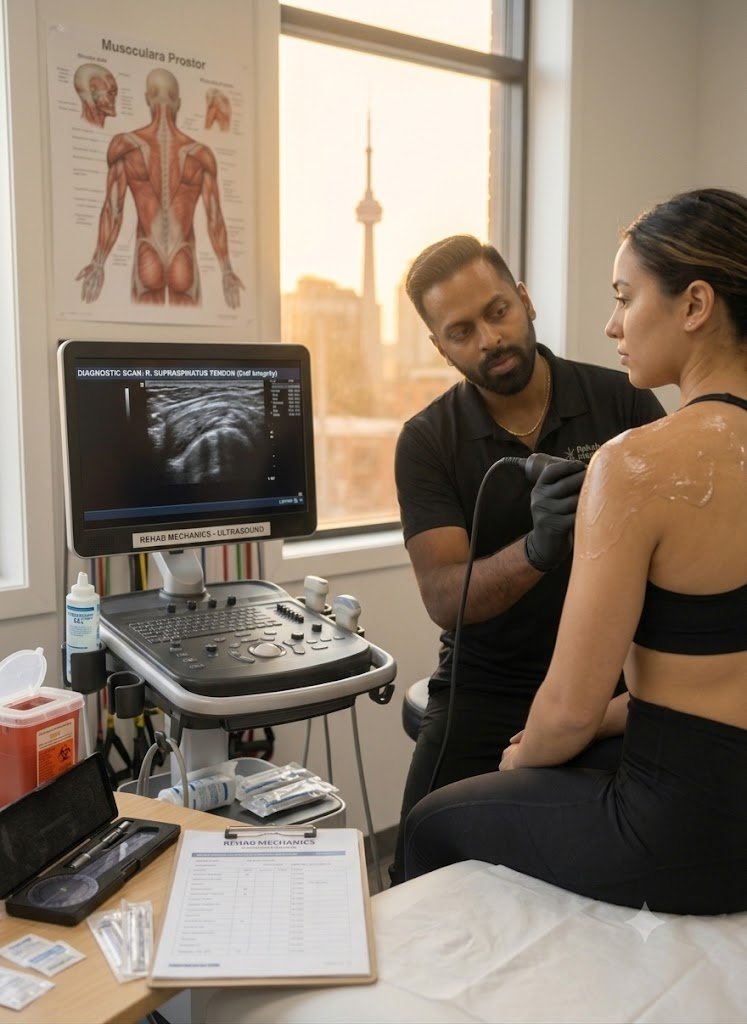
Does a Separated Shoulder Always Require Surgery?
No. The vast majority of separated shoulders (AC joint sprains) heal perfectly without surgery. Expert physiotherapy restores normal scapular kinematics and rebuilds the deltoid and trapezius muscles to dynamically stabilize the collarbone, restoring full overhead strength and eliminating the pain of a stepped shoulder.
The Brutal Impact of the Urban Fall
Whether you are cycling along the Martin Goodman Trail, playing in a high-intensity hockey league in Liberty Village, or simply slipping on an icy Queen West sidewalk during the winter, the shoulder often takes the brunt of the fall.
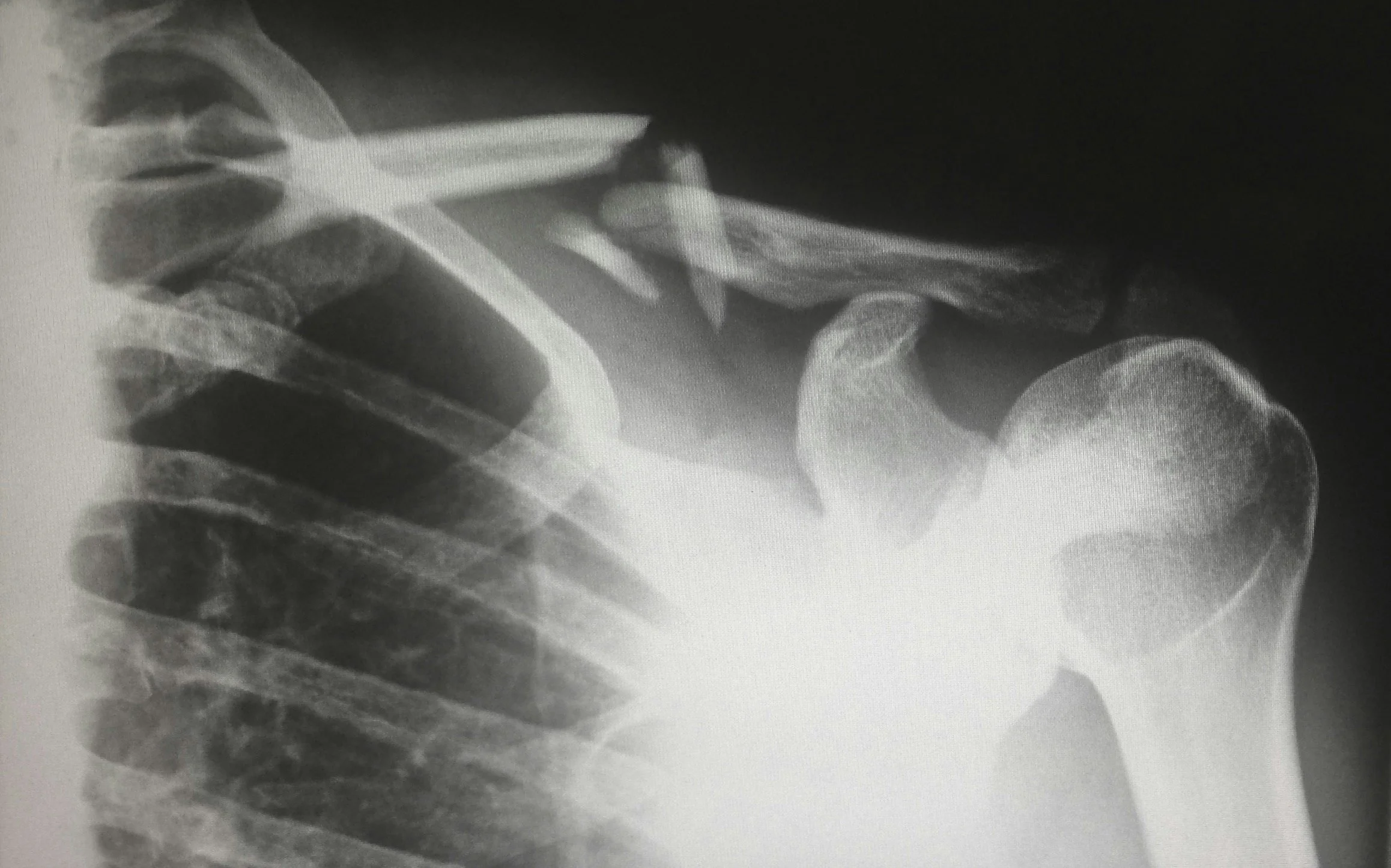
When you crash directly onto the point of your shoulder, the impact drives your shoulder blade violently downward. Suddenly, you hear a sickening "pop." Your arm feels completely dead, and when you look in the mirror, there is a massive, highly visible bony lump sticking up out of the top of your shoulder.
You head to the emergency room terrified that you have "dislocated" your shoulder. The doctor takes an X-ray and informs you that it is actually a "separated shoulder," or an Acromioclavicular (AC) Joint Sprain.
When patients see that pronounced bony bump on top of their shoulder, they often assume they need immediate surgical screws and plates to push the bone back down. However, unless the separation is catastrophically severe, orthopedic science dictates a vastly different approach. At Rehab Mechanics, we specialize in high-level traumatic sports rehabilitation. Through aggressive, targeted physical therapy, we can retrain your surrounding muscles to act as a dynamic ligament, locking the collarbone down and restoring 100% of your athletic power without surgical intervention.
Structural Analysis: The Mechanics of the AC Joint
To understand why your shoulder looks deformed, but can still function perfectly, we must perform a structural analysis of the AC joint and the ligaments that hold it together.
The Anatomy of the Collarbone Anchor
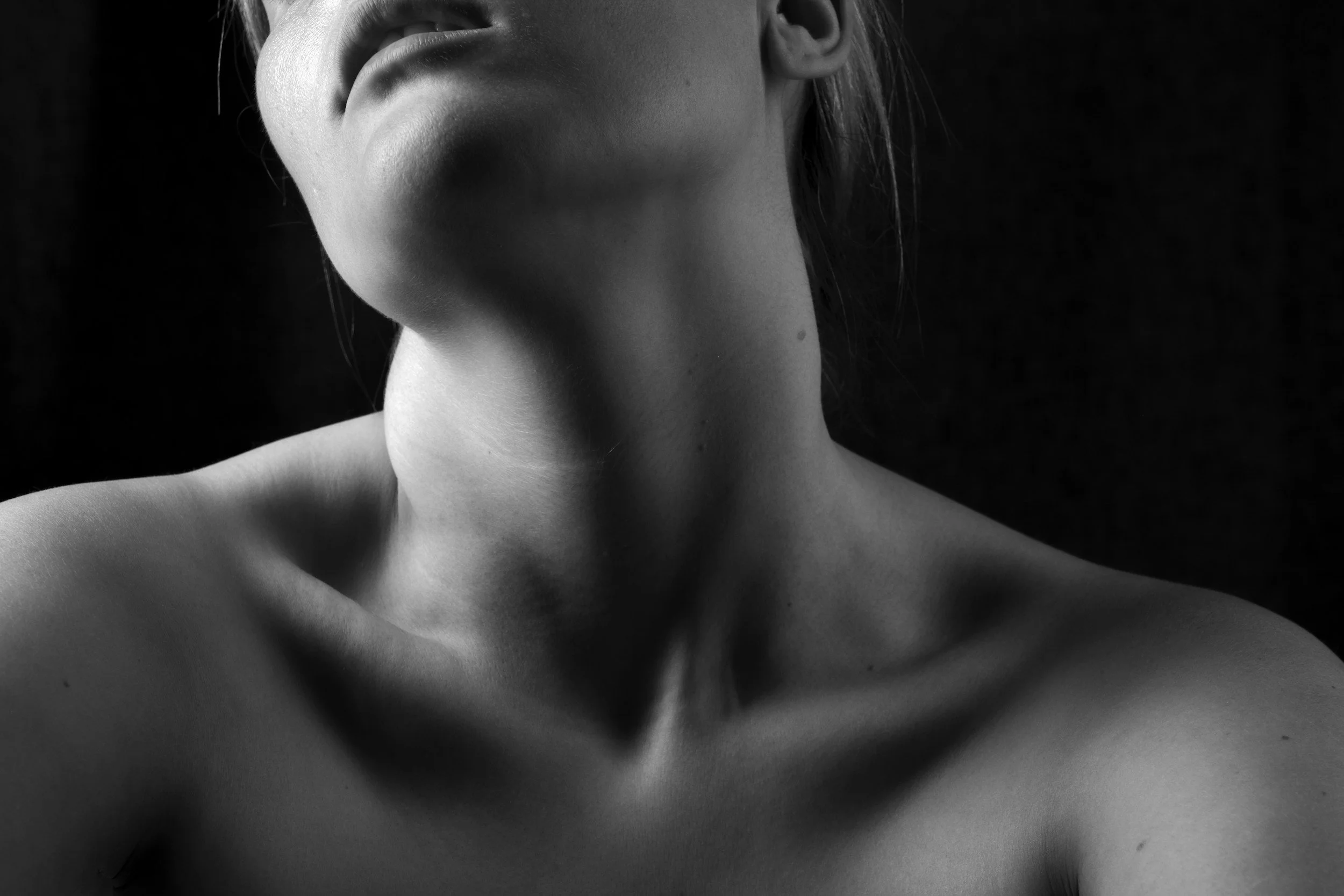
The AC joint is the exact point where your collarbone (clavicle) meets the highest point of your shoulder blade (the acromion). It is the only true bony strut connecting your entire arm to the rest of your skeleton.
The AC Ligaments: Small ligaments wrap directly around the joint capsule to prevent horizontal shifting.
The CC Ligaments: The Coracoclavicular (CC) ligaments are massive, thick bands that act as the primary suspenders. They anchor the collarbone down to the shoulder blade, preventing the collarbone from popping upward.
The Mechanism of Separation
A "separated" shoulder is not a dislocated ball-and-socket joint; it is a tearing of these specific suspender ligaments.
The "Piano Key" Deformity
When you fall directly on the point of the shoulder, the force pushes the shoulder blade downward, tearing the AC and CC ligaments.
Because the "suspenders" are ripped, the heavy shoulder blade drops toward the floor under the weight of your arm.
The collarbone, now freed from its anchor, is pulled violently upward by the trapezius muscle in your neck.
The Result: The end of the collarbone sticks up visibly under the skin. If you press down on it, it bounces back up like a piano key.
The Dynamic Stability Paradigm
Why doesn't this require surgery? Because the human body has redundant stabilizing systems.
While the static ligaments are torn, the joint is entirely surrounded by dynamic stabilizers—the massive deltoid and trapezius muscles. If we strengthen the fascia and the muscles that cross directly over the top of the AC joint, they form a thick biological strap that holds the collarbone down and functions exactly like the torn ligaments.
Identifying the Clinical Grades
AC joint separations are graded from I to VI based on severity.
Grades I and II: Mild to moderate stretching or partial tearing. The bump is small. Surgery is never indicated.
Grade III: Complete rupture of both the AC and CC ligaments. The piano key bump is highly visible. This is the "gray area" where patients panic. However, decades of clinical data prove that non-operative rehabilitation yields equal or superior functional outcomes to surgery for Grade III tears.
Grades IV, V, VI: Massive displacement where the collarbone is driven into the neck or backward into the trapezius. These rare, catastrophic injuries strictly require surgical reconstruction.
Primary Source Proof: Conservative Management of AC Tears
Extensive orthopedic sports medicine literature definitively proves that for Grade I-III acromioclavicular joint dislocations, early functional rehabilitation provides faster return to sport, fewer complications, and equal long-term strength compared to surgical fixation.
Note: The link above directs to external, peer-reviewed medical literature demonstrating our commitment to evidence-based practice and international clinical guidelines for sports trauma rehabilitation.
Clinical evidence indicates that nonoperative management of acute, high-grade AC joint dislocations often yields faster recovery and fewer complications than surgery, with similar long-term functional results. While operative intervention provides superior anatomical alignment, it is generally associated with a higher risk of complications and is better suited for specific high-demand patients
The Rehab Mechanics AC Recovery Protocol
Rehabilitating a separated shoulder requires an immense respect for tissue healing times. If you lift heavy weights too early, the collarbone will permanently destabilize. We use a strict, phased biomechanical approach.
Phase 1: Acute Protection and Sling Management (Weeks 1-3)
The immediate goal is to allow the massive swelling to subside and for the torn tissues to scar down.
Sling Immobilization: You will likely be in a sling for 1 to 3 weeks to physically support the heavy weight of your arm, taking the tension off the healing CC ligaments.
Pain-Free Isometrics: We cannot move the joint, but we must prevent muscle wasting. We utilize sub-maximal isometric contractions (pushing the arm against a wall without moving) to keep the deltoid and rotator cuff neurologically active.
Cervical Decompression: The upper trapezius will go into massive spasm trying to protect the collarbone. We use deep soft tissue release on the neck to prevent debilitating tension headaches.
Phase 2: Restoring Scapular Kinematics (Weeks 3-6)
Once the sharp pain settles, we must re-teach the shoulder blade how to move.
Closed Kinetic Chain Mobility: We use table slides and wall slides. By keeping your hand pressed against a surface, we drastically reduce the sheer force on the AC joint while safely restoring your overhead reach.
Lower Trapezius and Serratus Activation: The shoulder blade must learn to rotate upward efficiently so the arm bone does not crash into the damaged AC joint. We utilize targeted banded rows and scapular push-ups to rebuild this foundation.
Phase 3: Delto-Trapezial Fascial Fortification (Weeks 6-10)
This is where we replace the torn ligament with muscle power.
Deltoid and Trapezius Hypertrophy: We implement highly specific, progressive loading for the anterior and middle deltoid, as well as the upper trapezius. These muscle fibers blend directly into the AC joint fascia. By making them thicker and stronger, they actively compress the collarbone down into the shoulder blade.
Rhythmic Stabilization: We apply unexpected, rapid pushes to your arm while you hold it in space. Your nervous system must react instantly to stabilize the joint, bulletproofing it against future falls.
Phase 4: High-Velocity Return to Sport (Weeks 10+)
Progressing to heavy overhead pressing, barbell snatches, and dynamic throwing mechanics, ensuring the AC joint remains perfectly stable under massive athletic force.
Rebuild Your Overhead Power
Do not let a visible bump on your shoulder terrify you into an unnecessary surgery. By respecting the biological healing timeline and aggressively rebuilding the muscular sling around your collarbone, you can completely restore your shoulder’s structural integrity.
Book a comprehensive sports trauma assessment with our clinical team today. We are conveniently located inside the Prime Medical Centre at 68 Abell Street, offering elite athletic recovery in Toronto Queen West.
Contact us to schedule your appointment:
Email: info@rehabmechanics.com
Phone: (416) 533-3900
About the Author
Mr. Sanjay Attwala (B.Sc., M.Sc., RPT) is a Registered Physiotherapist, clinical director, and the founder of Rehab Mechanics in Toronto. With over 15 years of registered clinical practice and a deep specialization in complex musculoskeletal rehabilitation, Sanjay synthesizes rigorous international academic training with advanced evidence-based therapeutics to guide his clinical practice and patient education initiatives.
Academic Background & Credentials
Master of Science (M.Sc.) in Physiotherapy – University of Keele, United Kingdom (2010).
Bachelor of Science (B.Sc.) – University of Waterloo, Ontario, Canada.
Registered Physiotherapist (RPT) – Regulated health professional in excellent standing with the College of Physiotherapists of Ontario (CPO).
Corporate Entity – Operating officially under the S. Attwala Physiotherapy Professional Corporation with a DBA of Rehab Mechanics.
Clinical Expertise & Philosophy
Sanjay’s clinical approach rejects passive symptom management in favor of identifying underlying biomechanical root causes. His diverse expertise spans advanced manual therapies, personalized corrective exercise prescription, and modern physical modalities. At the Rehab Mechanics Toronto Queen West clinic, he routinely diagnoses and treats complex conditions including:
Spinal & Discogenic Pathology – Cervical, thoracic, and lumbar disc injuries, sciatica, and sacroiliac joint (SIJ) dysfunction.
Upper & Lower Extremity Injuries – Rotator cuff tears, frozen shoulder, tennis/golfer’s elbow, carpal tunnel syndrome, and complex ankle/foot pathologies.
Perinatal & Pelvic Health Rehabilitation – Specialized assessment and rehabilitation protocols tailored specifically for women during pregnancy and the post-partum period, addressing pelvic girdle pain, diastasis recti, and core stabilization.
Specialized Rehabilitation – Pelvic health therapy, TMJ dysfunction, post-surgical rehabilitation (including Total Hip and Total Knee Replacements), and custom orthotics dispensing.
Shockwave Therapy: with advanced cutting edge technological devices to suit your needs.
Interdisciplinary Practice & Patient Care
Sanjay practices an integrated model of healthcare, working closely alongside medical doctors inside the Prime Medical Centre on Abell Street to streamline patient recovery pathways. He maintains a human-centric, communication-first clinical framework, ensuring that care remains fully customized rather than automated.
His clinical caseload encompasses a broad operational spectrum under Ontario's regulatory frameworks, including:
Motor Vehicle Accident (MVA) Claims – Rehabilitation navigating Ontario’s statutory accident benefits schedule.
Workplace Safety and Insurance Board (WSIB) – Occupational injury management and return-to-work screening.
Extended Health Care (EHC) & Private Practice – Multi-tier insurance coordination and long-term athletic development plans.
Commitment to Research & Community
Outside of his clinical caseload at Rehab Mechanics and his additional practice affiliations in Etobicoke, Sanjay is an active health writer and community educator. He translates contemporary peer-reviewed medical research into accessible, actionable guidance on his professional blog. As a dedicated father and husband, he mirrors his professional advice in his personal life, focusing on structural mobility, cross-training, and longevity to help his family and his community thrive. Naturally he takes he a keen interest in rehabilitation for women who are pregnant and post-partum.
Disclaimer: The information provided on this blog is intended for educational and informational purposes only. It does not constitute medical advice, diagnosis, or a treatment plan. Always seek the direct advice of a Registered Physiotherapist, physician, or other qualified health provider regarding any medical condition or physical rehabilitation routine.