Can Physiotherapy Stabilize Spondylolisthesis Without Prolotherapy Injections?
Prolotherapy aims to scar and tighten loose spinal ligaments, but it cannot actively control joint movement. Physiotherapy stabilizes spondylolisthesis by building an impenetrable core and training anti-extension mechanics, actively clamping the slipped vertebra in place to safely support recovery without requiring invasive spinal injections.
The Search for Spinal Stability in Toronto
For the manual laborers in Parkdale, the heavy weightlifters in Liberty Village, and the active professionals commuting across Queen West, a diagnosis of Spondylolisthesis is deeply alarming. This condition occurs when a vertebra in your lower back loses its bony anchor and physically slips forward over the bone beneath it.
Patients often experience a deep, agonizing ache in their lower back that spikes into sharp, shooting nerve pain when they stand or walk for long periods. Desperate to avoid a massive spinal fusion surgery, many patients begin researching alternative regenerative medicine and stumble upon "Prolotherapy"—a series of injections designed to intentionally inflame and scar the spinal ligaments to tighten them up.
At Rehab Mechanics, we frequently consult with patients weighing their options. While stabilizing the joint is exactly the right goal, relying solely on a passive, chemically induced scar to hold your spine together ignores the laws of human mechanics. Your spine is designed to be stabilized dynamically by massive muscle groups. By utilizing highly targeted physical therapy to build an "iron corset" around your slipping vertebra, we can provide immediate, active stabilization that completely changes how your body handles gravity.
Structural / Biomechanical Analysis
To understand why exercise is paramount, we must perform a detailed biomechanical analysis of the lumbar spine and how "form closure" differs from "force closure."
The Anatomy of the Spinal Slip (Spondylolisthesis)
Your lumbar spine must support the entire weight of your upper body.
The Bony Hook (Pars Interarticularis): The back of each vertebra has a bony bridge that acts like a hook, holding onto the vertebra below it to prevent it from sliding down the natural slope of your lower back.
The Failure: Whether due to a stress fracture from heavy arching (isthmic) or age-related ligament loosening (degenerative), this hook fails. The vertebra slides forward toward your stomach, dragging the spinal cord with it.
Passive Stability (The Role of Ligaments)
Ligaments are passive structures. They only provide stability at the absolute end-range of a movement (like a seatbelt catching you in a crash).
The Prolotherapy Premise: Prolotherapy injects a sugar solution into these stretched ligaments, causing local inflammation. The goal is for the body to lay down scar tissue, shrinking and tightening the ligament (improving "form closure").
The Mechanical Flaw: Even if the ligament becomes tighter, it cannot actively react when you bend over to pick up a heavy box. Passive tissues cannot pull a slipped bone back into place.
Active Stability (The Role of Muscles)
Muscles provide "force closure." They are dynamic and active.
The Muscular Corset: Your deep transversus abdominis, multifidus, and glutes actively squeeze the vertebrae together.
The Biomechanical Solution: When you strengthen these muscles perfectly, they act as an active, biological clamp. They hold the slipped vertebra flawlessly in a neutral position before the loose ligaments ever have to take the strain.
Clinical Red Flags
We meticulously assess your spinal mechanics to determine if your slippage is actively crushing a nerve, requiring immediate stabilization:
Extension Intolerance: Breathtaking, sharp pain specifically when arching backward (which pushes the slipped bone further out of alignment).
The "Catch" Sensation: A feeling of the spine "giving way" or clunking when transitioning from sitting to standing.
Neurogenic Claudication: Heavy, cramping, or numb legs that only occur after walking for several minutes, indicating the slipped bone is choking the spinal canal.
The "Step-Off" Deformity: A physical dent or "step" that a clinician can feel when running their finger down the spinous processes of your lower back.
Relief with Flexion: Instant relief from nerve pain when leaning forward onto a shopping cart or sitting down, as this opens the compressed nerve spaces.
Primary Source Proof
Orthopedic and neurosurgical research emphatically confirms that targeted, anti-extension core stabilization provides exceptional long-term functional outcomes for spondylolisthesis, acting as the definitive first-line intervention.
The Rehab Mechanics Corrective Protocol
We do not want your spine to move; we want to lock it down safely. Our protocol is entirely focused on "anti-extension" mechanics and impenetrable core rigidity.
Phase 1 — Load Modification and Postural Neutrality
Posterior Pelvic Tilt Training: Arching the lower back is the enemy of a slipped spine. We train your nervous system to actively tuck your tailbone underneath you (posterior pelvic tilt). This physically flattens the lower back, instantly creating millimeter-level space for the suffocating nerves and reversing the forward slip.
Hip Flexor Release: The psoas muscle attaches directly to the slipping lumbar spine. When you sit all day, the psoas gets incredibly tight and constantly yanks the spine forward. We use deep manual therapy to release these "brakes," taking the mechanical pressure off the fractured bone.
Phase 2 — Pelvic Fortification and Deep Core Resurrection
Transversus Abdominis (TvA) Isolation: We use precise biofeedback to wake up your deepest abdominal layer. The TvA acts as your biological prolotherapy; when it fires, it violently compresses the spine together from the inside out.
Multifidus Co-Contraction: We train the tiny, deep stabilizers at the back of the spine to fire simultaneously with the front abdominals, effectively "casting" the slipped vertebra in a muscular block of concrete.
Phase 3 — Gait Retraining / Mechanics Correction
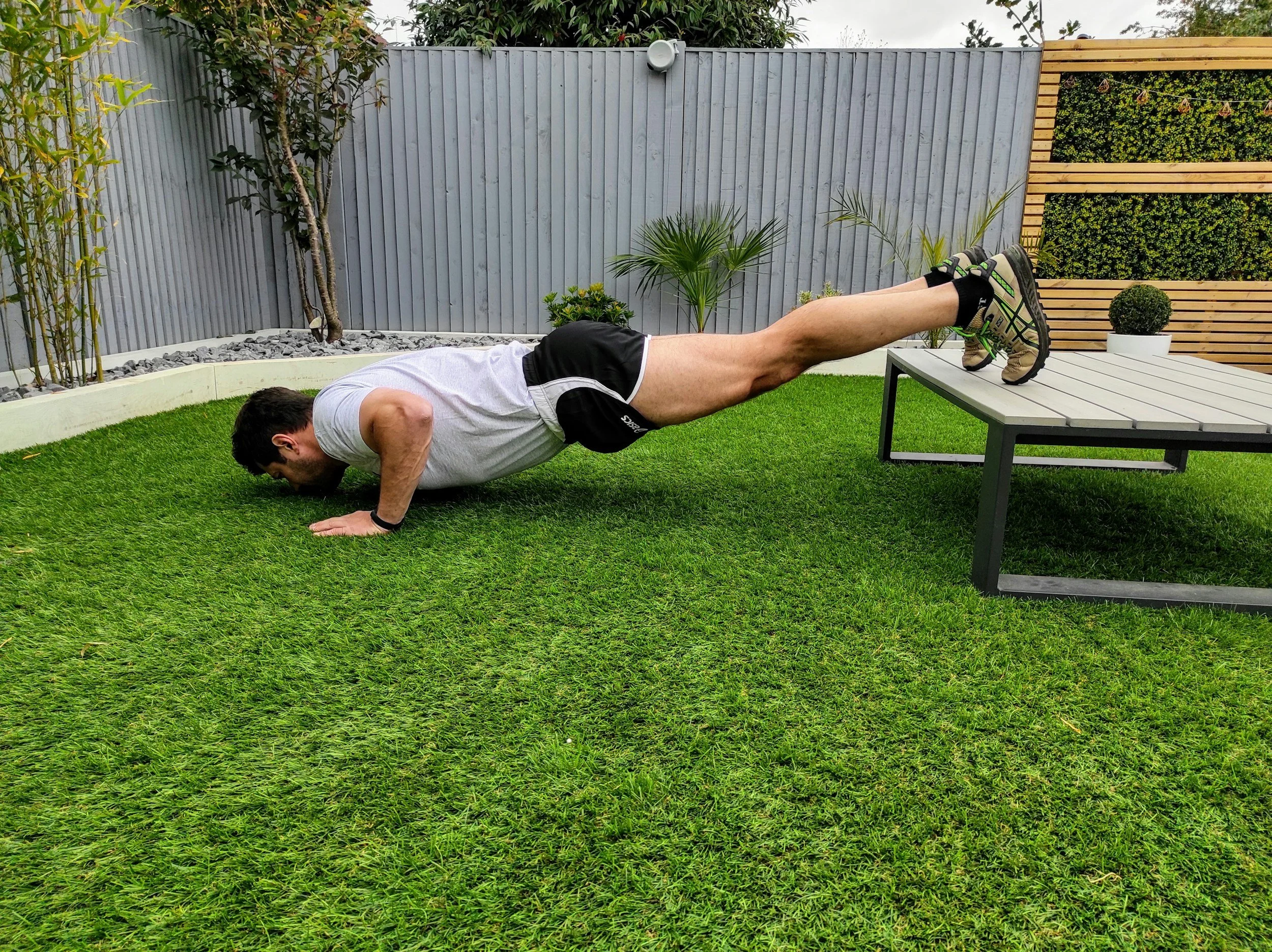
Anti-Extension Load Training: We prescribe heavy Pallof presses, dead bugs, and front planks to force the core to resist the spine's natural desire to arch toward the floor against gravity.
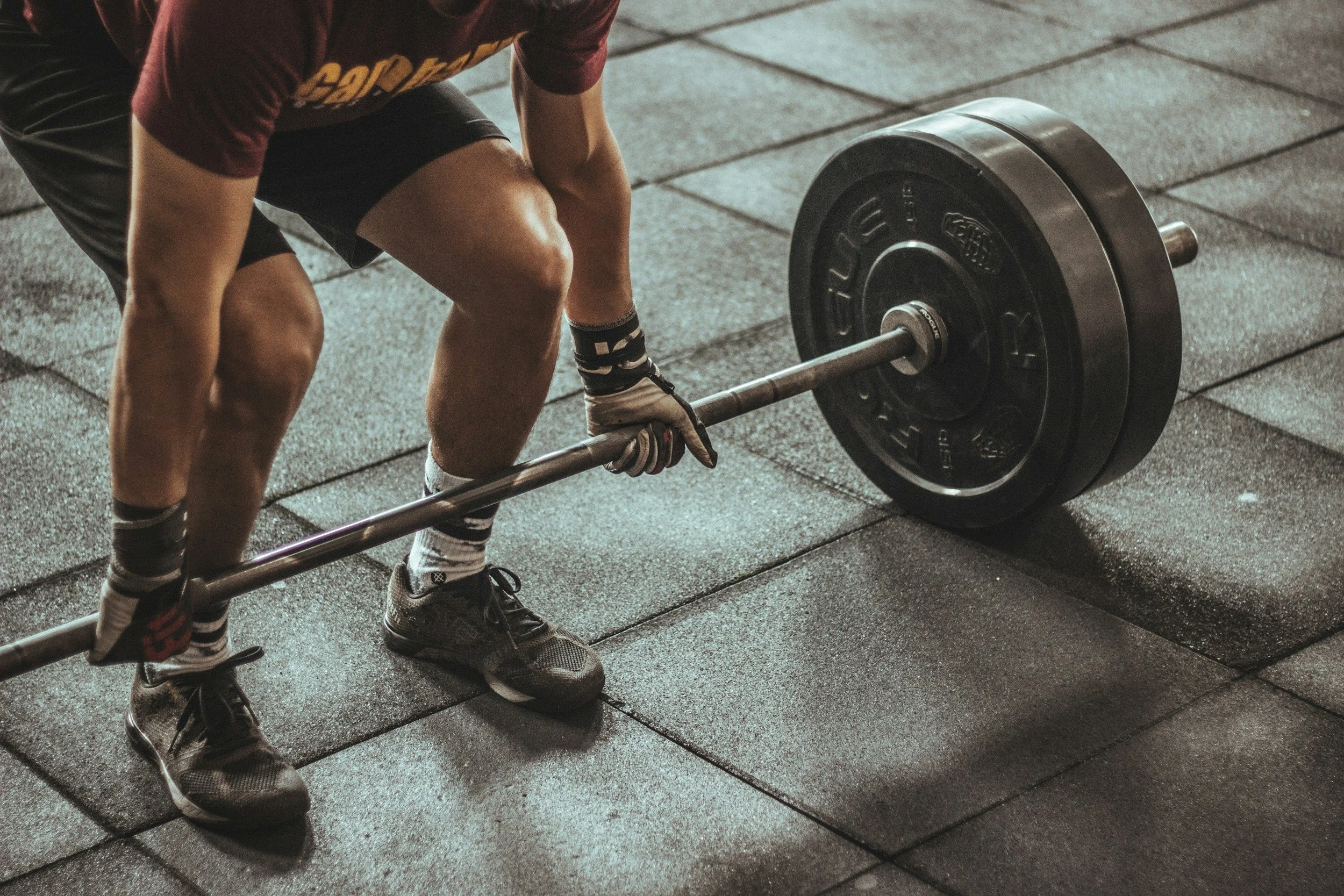
Hip Hinge Mastery: If your spine is unstable, you can never lift with your lower back again. We meticulously teach the hip hinge (Romanian deadlifts, kettlebell swings). By relying entirely on massive glute and hamstring power, we ensure the lumbar spine remains a rigid, unmoving lever during lifting activities.
Phase 4 — Return-to-Activity Strategy
Dynamic Integration: Progressing to loaded carries (like heavy farmer's walks) to build the biological endurance necessary to hold the spine perfectly neutral during an entire day of walking in the city.
Ongoing Self-Management: Establishing a permanent, daily core routine to ensure the muscular brace never weakens, providing lifelong stability to the compromised joint.
Related Conditions We Treat
Degenerative Spondylolisthesis
Isthmic Spondylolisthesis (Pars Defect)
Lumbar Spinal Stenosis
Degenerative Disc Disease (DDD)
Lumbar Facet Joint Syndrome
Sacroiliac Joint (SIJ) Dysfunction
Related Blogs
"Can a Herniated Disc in My Lower Back Heal on Its Own Without Surgery?"
"Does Physiotherapy Actually Help Severe Lumbar Spinal Stenosis?"
"Does an Anterior Pelvic Tilt Actually Make You Shorter?"
Services Used in Treatment
Manual Therapy
Soft Tissue Release
Myofascial Release
Shockwave Therapy
Gait Retraining
Neuromuscular Re-Education
Custom Orthotics
Strengthening Programs
FAQ Section
1. Can physiotherapy assist in managing a slipped vertebra?
Yes. Physiotherapy supports recovery by intensely strengthening the deep core and gluteal muscles, creating an internal muscular brace that helps optimize movement and stabilize the slipped bone.
2. Should I get prolotherapy injections for my loose ligaments?
While regenerative injections aim to scar and support passive tissues, they cannot provide dynamic, active control. We focus on strengthening programs to actively assist in managing joint stability under heavy loads.
3. Will arching my back help relieve the pain?
No. Arching backward (extension) physically forces the slipped vertebra further forward, closing the nerve canals. We assist in managing this by teaching you how to maintain a neutral, slightly flattened spine.
4. How does core strength help my spinal slip?
Your deep core muscles wrap around your spine like a corset. We fortify these stabilizers to help reduce mechanical overload, tightly clamping the vertebrae together during movement.
5. Is it safe to lift weights with spondylolisthesis?
Yes, if your mechanics are perfect. We utilize neuromuscular re-education to teach the hip hinge, ensuring your glutes do the heavy lifting while your lower back remains completely stable and protected.
6. Can tight hips make my back pain worse?
Absolutely. Tight hip flexors constantly pull the pelvis and lower spine forward. We utilize soft tissue release to provide mechanical slack, supporting a healthier pelvic alignment.
7. Do I absolutely need spinal fusion surgery?
In many cases, no. Unless you are experiencing severe, progressive neurological loss (like foot drop or bowel issues), building a robust muscular brace helps address contributing factors and often prevents the need for fusion.
8. How long does it take to stabilize my spine with exercise?
While postural modifications provide immediate symptomatic relief, building the biological endurance to keep the spine locked down during daily activities typically requires 8 to 12 weeks of structured rehabilitation.
How Physiotherapy Helps
Reducing tissue irritation by maintaining spinal neutrality
Correcting anterior pelvic tilt to halt forward slippage
Improving cadence and shock absorption to protect the spine
Strengthening stabilizers in the deep abdominals and multifidus
Reducing mechanical overload on the compromised nerve roots
Improving foot mechanics to balance ascending kinetic forces
Contact Us Today — All you have to lose is the pain
Book a comprehensive biomechanical assessment with our clinical team today. Located inside the Prime Medical Centre at 68 Abell Street, Queen West.
Email: info@rehabmechanics.com Phone: (416) 533-3900
About the Author
Mr. Sanjay Attwala (B.Sc., M.Sc., RPT) is a Registered Physiotherapist, clinical director, and the founder of Rehab Mechanics in Toronto. With over 15 years of registered clinical practice and a deep specialization in complex musculoskeletal rehabilitation, Sanjay synthesizes rigorous international academic training with advanced evidence-based therapeutics to guide his clinical practice and patient education initiatives.
Academic Background & Credentials
Master of Science (M.Sc.) in Physiotherapy – University of Keele, United Kingdom (2010).
Bachelor of Science (B.Sc.) – University of Waterloo, Ontario, Canada.
Registered Physiotherapist (RPT) – Regulated health professional in excellent standing with the College of Physiotherapists of Ontario (CPO).
Corporate Entity – Operating officially under the S. Attwala Physiotherapy Professional Corporation with a DBA of Rehab Mechanics.
Clinical Expertise & Philosophy
Sanjay’s clinical approach rejects passive symptom management in favor of identifying underlying biomechanical root causes. His diverse expertise spans advanced manual therapies, personalized corrective exercise prescription, and modern physical modalities. At the Rehab Mechanics Toronto Queen West clinic, he routinely diagnoses and treats complex conditions including:
Spinal & Discogenic Pathology – Cervical, thoracic, and lumbar disc injuries, sciatica, and sacroiliac joint (SIJ) dysfunction.
Upper & Lower Extremity Injuries – Rotator cuff tears, frozen shoulder, tennis/golfer’s elbow, carpal tunnel syndrome, and complex ankle/foot pathologies.
Perinatal & Pelvic Health Rehabilitation – Specialized assessment and rehabilitation protocols tailored specifically for women during pregnancy and the post-partum period, addressing pelvic girdle pain, diastasis recti, and core stabilization.
Specialized Rehabilitation – Pelvic health therapy, TMJ dysfunction, post-surgical rehabilitation (including Total Hip and Total Knee Replacements), and custom orthotics dispensing.
Shockwave Therapy: with advanced cutting edge technological devices to suit your needs.
Interdisciplinary Practice & Patient Care
Sanjay practices an integrated model of healthcare, working closely alongside medical doctors inside the Prime Medical Centre on Abell Street to streamline patient recovery pathways. He maintains a human-centric, communication-first clinical framework, ensuring that care remains fully customized rather than automated.
His clinical caseload encompasses a broad operational spectrum under Ontario's regulatory frameworks, including:
Motor Vehicle Accident (MVA) Claims – Rehabilitation navigating Ontario’s statutory accident benefits schedule.
Workplace Safety and Insurance Board (WSIB) – Occupational injury management and return-to-work screening.
Extended Health Care (EHC) & Private Practice – Multi-tier insurance coordination and long-term athletic development plans.
Commitment to Research & Community
Outside of his clinical caseload at Rehab Mechanics and his additional practice affiliations in Etobicoke, Sanjay is an active health writer and community educator. He translates contemporary peer-reviewed medical research into accessible, actionable guidance on his professional blog. As a dedicated father and husband, he mirrors his professional advice in his personal life, focusing on structural mobility, cross-training, and longevity to help his family and his community thrive. Naturally he takes he a keen interest in rehabilitation for women who are pregnant and post-partum.
Disclaimer:
The information provided on this blog is intended for educational and informational purposes only. It does not constitute medical advice, diagnosis, or a treatment plan. Always seek the direct advice of a Registered Physiotherapist, physician, or other qualified health provider regarding any medical condition or physical rehabilitation routine.
Google MyBusiness for Instant Posts, Photos, Updates, Offers and Communication
Be sure to check out Rehab Mechanics’ Google My Business Profile for daily posts, location and directions in addition to the directions on the website!
We love interacting with prospective and current patients, and love honest feedback and even constructive criticism and areas for improvement!