
Your postpartum journey

Importance of pelvic floor with the postpartum journey
Embracing New Beginnings on Your Postpartum Journey
Welcoming a new baby is a transformative experience that brings joy, challenges, and an opportunity for personal renewal. Navigating physical recovery after childbirth is crucial, and targeted pelvic floor physiotherapy plays a key role in helping new mothers rebuild strength and regain mobility. This specialized approach not only supports the muscles that have been stretched or weakened during delivery but also fosters holistic healing, enhancing overall quality of life.
In this guide, you’ll discover how pelvic floor exercises can restore essential function while also boosting confidence and relief from everyday discomfort. Expect to explore:
Effective exercises: Gentle, progressive routines tailored for postpartum rehabilitation.
Practical tips: Movement practices to ease common challenges such as pelvic pain and incontinence.
Local insights: Strategies that cater to the unique needs of mothers in both urban and suburban communities.
By integrating these proven techniques, you can embrace motherhood with renewed energy and resilience. Prepare to learn actionable guidance that empowers your recovery, restoring both physical strength and a sense of balance during this pivotal phase of life.
Embracing Change: Early Steps to Pelvic Recovery
After childbirth, many experience shifts in core strength and pelvic stability that can leave you feeling vulnerable. The body undergoes substantial changes as the pelvic floor stretches and recovers from pregnancy and delivery. These physical alterations can lead to challenges such as decreased muscle tone, discomfort during movement, and an increased risk of incontinence if the pelvic floor is not supported adequately.
Starting pelvic physiotherapy early can be essential in restoring strength and balance. Recognizing these changes promptly means you can implement corrective exercises to encourage optimal healing. Some actionable tips include:
Pelvic Floor Contractions: Gentle, routine exercises to regain muscle control.
Targeted Stretching: Simple stretches to reduce tension and improve circulation.
Mind-Body Techniques: Practices that promote relaxation and reduce stress on recovering tissues.
Incorporating these strategies into your recovery plan, especially if you're balancing work in busy urban centers or a quieter local community, can make a significant difference. Early intervention not only boosts your physical recovery but also enhances overall well-being, empowering you to move freely and live better during this transformative time.
Timing is Everything: Begin Your Postpartum Journey
Embarking on pelvic floor physiotherapy after childbirth can be a vital step toward reclaiming strength and balance. Early sessions are often recommended once your body has started healing—usually a few weeks postpartum, provided you have your healthcare provider’s clearance. Initiating therapy during the early recovery phase can help restore pelvic muscle tone, alleviate discomfort, and prevent long-term issues such as incontinence and pelvic instability.
The benefits of starting pelvic floor exercises soon after childbirth include:
Improved Muscle Function: Rebuilding strength in the pelvic floor supports overall core stability.
Faster Recovery: Addressing muscle weakness early can lead to a smoother, more natural healing process.
Enhanced Confidence: Regaining control over your body enhances self-esteem and quality of life.
Practical guidance involves engaging in gentle, guided exercises under professional supervision. These sessions can be tailored to your specific recovery needs, supporting not only physical rehabilitation but also boosting overall well-being. Whether you reside in a metropolitan area or a smaller community, accessible pelvic physio services can empower you to expedite recovery and enjoy increased mobility as you navigate new phases of motherhood.
Reclaim Your Strength with Home-Based Pelvic Exercises
Recovering postpartum can be empowering when you follow a structured approach to pelvic physiotherapy. Begin your gentle recovery by incorporating these safe exercises into your daily routine, each designed to rebuild core stability and support your pelvic floor.
Warm-Up: Start with a 5-minute light warm-up like walking at a comfortable pace or gentle stretching. This primes your muscles for the session ahead.
Pelvic Tilts: Lie on your back with knees bent. Slowly tilt your pelvis upward, engaging your lower abdominal muscles, then release. Aim for 10 controlled repetitions.
Kegel Contractions: Contract your pelvic floor muscles as if stopping the flow of urine. Hold for a few seconds before relaxing. Repeat 10 times, ensuring deep breathing throughout.
Bridge Exercise: Lie on your back with feet flat on the floor, lift your hips upward while squeezing your glutes and pelvic muscles. Perform 10 repetitions with slow, mindful movements.
Tip: Always listen to your body and start slowly. If you experience discomfort, reduce the intensity or consult a local physiotherapy professional for tailored guidance. This step-by-step routine can gradually rebuild strength while promoting a smoother, more confident recovery at home.
FAQ: Navigating Postpartum Pelvic Floor Therapy
What is postpartum pelvic floor therapy? Postpartum pelvic floor therapy is a specialized rehabilitation process designed to restore strength and coordination to muscles weakened during childbirth. It blends targeted exercises, manual therapy, and guidance on posture and breathing to alleviate common issues like pelvic pain and incontinence.
When should I start pelvic physiotherapy after childbirth? Most experts recommend beginning gentle pelvic exercises shortly after birth—once you receive medical clearance. Early initiation can accelerate recovery, reduce discomfort, and build a strong foundation for long-term pelvic health.
Is pelvic physiotherapy effective for recovery? Yes, these sessions are highly effective. They focus on improving muscle tone, enhancing blood circulation, and reestablishing core stability, which together contribute to faster healing and better functionality.
What symptoms indicate I might need pelvic physio? Common warning signs include persistent pelvic discomfort, difficulty controlling bladder function, or noticeable weakness in the core and pelvic region.
How are physiotherapy sessions structured? Sessions typically include:
Personalized pelvic floor exercises
Manual therapy techniques
Posture realignment and breathing exercises
Can local clinics provide this specialized care? Absolutely. Local physiotherapy centers are equipped to offer customized postpartum support, ensuring effective and convenient recovery.
Empower Your Postpartum Journey
Integrating pelvic floor physiotherapy into your postpartum recovery process offers a multitude of benefits. This practice not only helps restore core strength, but it also improves blood circulation, reduces pain, and supports overall well-being. By targeting the pelvic muscles, you can enhance your body's natural healing, contribute to better posture, and manage potential incontinence concerns common after childbirth.
Consider these actionable steps to maximize your recovery:
Schedule regular physiotherapy sessions: Consistency is key to rebuilding strength.
Incorporate home-based pelvic exercises: Simple routines can significantly improve muscle tone.
Practice mindful movement: Stress the importance of correct posture during daily activities.
Consult with professionals: Leverage expert advice for personalized exercise plans that address your unique needs.
These practical measures not only aid recovery but also provide long-term support to prevent future discomfort. Whether you reside in bustling urban centers or quieter suburban communities, seeking guidance from professionals ensures that your postpartum recovery is both safe and effective. Embrace this holistic approach to regain control over your body and celebrate every small victory on the journey to renewed strength and vitality.
About the Author
Mr. Sanjay Attwala (B.Sc., M.Sc., RPT) is a Registered Physiotherapist, clinical director, and the founder of Rehab Mechanics in Toronto. With over 15 years of registered clinical practice and a deep specialization in complex musculoskeletal rehabilitation, Sanjay synthesizes rigorous international academic training with advanced evidence-based therapeutics to guide his clinical practice and patient education initiatives.
Academic Background & Credentials
Master of Science (M.Sc.) in Physiotherapy – University of Keele, United Kingdom (2010).
Bachelor of Science (B.Sc.) – University of Waterloo, Ontario, Canada.
Registered Physiotherapist (RPT) – Regulated health professional in excellent standing with the College of Physiotherapists of Ontario (CPO).
Corporate Entity – Operating officially under the S. Attwala Physiotherapy Professional Corporation with a DBA of Rehab Mechanics.
Clinical Expertise & Philosophy
Sanjay’s clinical approach rejects passive symptom management in favor of identifying underlying biomechanical root causes. His diverse expertise spans advanced manual therapies, personalized corrective exercise prescription, and modern physical modalities. At the Rehab Mechanics Toronto Queen West clinic, he routinely diagnoses and treats complex conditions including:
Spinal & Discogenic Pathology – Cervical, thoracic, and lumbar disc injuries, sciatica, and sacroiliac joint (SIJ) dysfunction.
Upper & Lower Extremity Injuries – Rotator cuff tears, frozen shoulder, tennis/golfer’s elbow, carpal tunnel syndrome, and complex ankle/foot pathologies.
Perinatal & Pelvic Health Rehabilitation – Specialized assessment and rehabilitation protocols tailored specifically for women during pregnancy and the post-partum period, addressing pelvic girdle pain, diastasis recti, and core stabilization.
Specialized Rehabilitation – Pelvic health therapy, TMJ dysfunction, post-surgical rehabilitation (including Total Hip and Total Knee Replacements), and custom orthotics dispensing.
Shockwave Therapy: with advanced cutting edge technological devices to suit your needs.
Interdisciplinary Practice & Patient Care
Sanjay practices an integrated model of healthcare, working closely alongside medical doctors inside the Prime Medical Centre on Abell Street to streamline patient recovery pathways. He maintains a human-centric, communication-first clinical framework, ensuring that care remains fully customized rather than automated.
His clinical caseload encompasses a broad operational spectrum under Ontario's regulatory frameworks, including:
Motor Vehicle Accident (MVA) Claims – Rehabilitation navigating Ontario’s statutory accident benefits schedule.
Workplace Safety and Insurance Board (WSIB) – Occupational injury management and return-to-work screening.
Extended Health Care (EHC) & Private Practice – Multi-tier insurance coordination and long-term athletic development plans.
Commitment to Research & Community
Outside of his clinical caseload at Rehab Mechanics and his additional practice affiliations in Etobicoke, Sanjay is an active health writer and community educator. He translates contemporary peer-reviewed medical research into accessible, actionable guidance on his professional blog. As a dedicated father and husband, he mirrors his professional advice in his personal life, focusing on structural mobility, cross-training, and longevity to help his family and his community thrive. Naturally he takes he a keen interest in rehabilitation for women who are pregnant and post-partum.
Disclaimer: The information provided on this blog is intended for educational and informational purposes only. It does not constitute medical advice, diagnosis, or a treatment plan. Always seek the direct advice of a Registered Physiotherapist, physician, or other qualified health provider regarding any medical condition or physical rehabilitation routine.
Unpacking the Stretching Spectrum
Stretching and it’s importance
Imagine gearing up for a sports event where every move counts. In this introduction, we delve into two popular stretching techniques—dynamic and static—to uncover what sets them apart. Dynamic stretching involves active movements that prepare the muscles and joints for activity. It’s characterized by controlled, fluid motions often incorporated into warm-up routines. In contrast, static stretching emphasizes holding a position for an extended period, ideal for improving flexibility after a workout or during the cool-down phase.
This section provides clarity on how each method supports your physical performance. You’ll learn:
The fundamental differences in execution and purpose.
Actionable insights on when to incorporate each type for optimal muscle recovery.
Practical tips on integrating these techniques into pre-game routines in local training centers or community gyms.
Whether you’re an athlete strategizing for peak performance or a fitness enthusiast honing your exercise regimen, understanding both dynamic and static stretching is key to avoiding injuries and enhancing overall functionality. Prepare to stretch your limits and explore a more efficient warm-up and recovery process that aligns with active, health-driven lifestyles.

Elevate Your Game with Dynamic Warm-Ups
Dynamic stretching is a vital warm-up that primes your body for the physical demands of competitive sports. Unlike static stretches that focus on holding a position, dynamic movements involve continuous, controlled motions that mimic the actions you’ll perform during the game. This method increases blood flow, raises core temperature, and ramps up the nervous system—all of which enhance reaction times and promote overall athletic performance. By targeting key muscle groups and joints, dynamic stretching helps to reduce stiffness and prevent injury, making it an essential component of any pre-game routine.
Consider these actionable tips for incorporating dynamic stretching:
Perform leg swings, high knees, and walking lunges to engage lower body muscles.
Use arm circles and torso twists to prepare your upper body for rapid movements.
Gradually increase the intensity of each movement to seamlessly transition into your game.
Athletes and enthusiasts in local training centers benefit from these engaging exercises by building a foundation for peak performance. Integrating these dynamic stretches into your warm-up routine not only enhances flexibility but also boosts confidence as you step onto the field, making every game a more secure and efficient performance.
Static Stretching: Unlocking Its Role in Pre-Game Preparation
Static stretching has long been a cornerstone of exercise routines and pre-game warm-ups, offering a mix of benefits and challenges worth considering. When performed correctly, static stretches help increase flexibility and promote muscle relaxation, making them ideal during cool-down phases or as part of a post-exercise routine. Athletes across various local training centers appreciate its capacity to gently elongate muscle fibers, potentially reducing soreness after intense activity.
Key benefits include:
Improved Range of Motion: Enhancing joint mobility and reducing muscle stiffness.
Relaxation Effect: Allowing muscles to gradually ease tension and prepare for recovery.
However, it is important to note that static stretching has limitations when used immediately before high-intensity activity. Excessive or prolonged static holds can temporarily reduce muscle power and explosive performance, posing potential risks during quick, dynamic pre-game preparations. To optimize outcomes, consider integrating brief, targeted static stretches at the end of your warm-up sequence, allowing muscles to benefit from a transitional cooldown. This balanced approach supports muscle recovery, complements dynamic movements, and aligns with best practices for preparing your body for competitive play while emphasizing safe stretching techniques.
Energize Your Game: Dynamic vs Static Stretching
When preparing for a competitive match or a rigorous training session, choosing between dynamic and static stretching is crucial. Dynamic stretching involves active movements that mimic sport-specific actions, enhancing blood flow, muscle temperature, and agility. In contrast, static stretching emphasizes holding a position to lengthen muscles, ideal for cooling down post-exercise or aiding recovery.
Key factors to consider include:
Sport-Specific Demands:
Dynamic: Best suited for activities requiring explosive power and rapid movement, such as basketball or soccer.
Static: More suitable for sports with defined stopping points, like gymnastics or post-run recovery.
Fitness Goals and Personal Needs:
Dynamic: Enhances flexibility, coordination, and readiness for high-intensity performances.
Static: Supports injury prevention, gradual muscle relaxation, and improved long-term flexibility.
Athlete-Specific Components:
For competitive team athletes in cities like New York or Chicago, dynamic stretching can simulate play-by-play scenarios.
Individuals focusing on controlled rehabilitation or strength training might find static stretching more beneficial.
By contrasting these two methodologies, athletes can tailor their warm-up routines, improving performance outcomes while minimizing injury risks. Embrace an informed stretching regimen that aligns with your training environment and immediate athletic requirements.
Stretch Smarter Before the Game: Your FAQ Guide
Q1: What is the core difference between dynamic and static stretching? Dynamic stretching involves active, flowing movements that prepare the muscles for the explosive actions of game play, whereas static stretching involves holding a position to improve flexibility and cool down after activities.
Q2: When should dynamic stretching be used? Dynamic stretching is most effective during warm-ups before competitions or training sessions. It primes the muscles by increasing blood flow and mimicking sport-specific movements, making it popular in local training centers.
Q3: Is there any role for static stretching in pre-game routines? Static stretching is typically reserved for post-activity recovery. Using it before a game might reduce muscle power temporarily, so many coaches advise using it mainly after the game to aid in muscle relaxation.
Q4: How do these methods affect performance? Dynamic routines enhance coordination and alertness, while static stretches help in reducing residual muscle tension. Finding the right balance can prevent injuries and optimize performance.
Q5: What practical steps can athletes take? Athletes should perform 5-10 minutes of dynamic stretches pre-game and reserve static stretches for cool-down sessions. This approach, common in community and gym settings, supports both performance and recovery.
Final Steps for a Safer Pre-Game Routine
In wrapping up the discussion on incorporating both dynamic and static stretching into your pre-game ritual, it's essential to blend smart techniques for maximum performance and injury prevention. A well-rounded stretching routine supports optimal muscle recovery and enhances overall flexibility, crucial for athletes in any region, from local community gyms to organized sports facilities.
Key takeaways include:
Dynamic Stretching: Energizes muscles and increases blood flow, making it suitable for initial warm-ups.
Static Stretching: Helps lengthen muscles post warm-up and can be ideal during cool-down phases.
Actionable next steps:
Evaluate your current stretching routine and identify areas for improvement.
Gradually integrate dynamic movements before games to stimulate muscle readiness.
Use static stretches after dynamic exercises to promote muscle relaxation and recovery.
By incorporating these targeted techniques, you can reduce the risk of injuries and improve overall performance. As you fine-tune your approach, remember to listen to your body and adjust accordingly. Embrace these practices for a more resilient and competitive edge on the field, and take control of your game-day success one stretch at a time.
About the Autho
Mr. Sanjay Attwala (B.Sc., M.Sc., RPT) is a Registered Physiotherapist, clinical director, and the founder of Rehab Mechanics in Toronto. With over 15 years of registered clinical practice and a deep specialization in complex musculoskeletal rehabilitation, Sanjay synthesizes rigorous international academic training with advanced evidence-based therapeutics to guide his clinical practice and patient education initiatives.
Academic Background & Credentials
Bachelor (B.Sc.) in Physiotherapy – University of Keele, United Kingdom (2010).
Bachelor of Science (B.Sc.) – University of Waterloo, Ontario, Canada.
Registered Physiotherapist (RPT) – Regulated health professional in excellent standing with the College of Physiotherapists of Ontario (CPO).
Corporate Entity – Operating officially under the S. Attwala Physiotherapy Professional Corporation with a DBA of Rehab Mechanics.
Clinical Expertise & Philosophy
Sanjay’s clinical approach rejects passive symptom management in favor of identifying underlying biomechanical root causes. His diverse expertise spans advanced manual therapies, personalized corrective exercise prescription, and modern physical modalities. At the Rehab Mechanics Toronto Queen West clinic, he routinely diagnoses and treats complex conditions including:
Spinal & Discogenic Pathology – Cervical, thoracic, and lumbar disc injuries, sciatica, and sacroiliac joint (SIJ) dysfunction.
Upper & Lower Extremity Injuries – Rotator cuff tears, frozen shoulder, tennis/golfer’s elbow, carpal tunnel syndrome, and complex ankle/foot pathologies.
Perinatal & Pelvic Health Rehabilitation – Specialized assessment and rehabilitation protocols tailored specifically for women during pregnancy and the post-partum period, addressing pelvic girdle pain, diastasis recti, and core stabilization.
Specialized Rehabilitation – Pelvic health therapy, TMJ dysfunction, post-surgical rehabilitation (including Total Hip and Total Knee Replacements), and custom orthotics dispensing.
Shockwave Therapy: with advanced cutting edge technological devices to suit your needs.
Interdisciplinary Practice & Patient Care
Sanjay practices an integrated model of healthcare, working closely alongside medical doctors inside the Prime Medical Centre on Abell Street to streamline patient recovery pathways. He maintains a human-centric, communication-first clinical framework, ensuring that care remains fully customized rather than automated.
His clinical caseload encompasses a broad operational spectrum under Ontario's regulatory frameworks, including:
Motor Vehicle Accident (MVA) Claims – Rehabilitation navigating Ontario’s statutory accident benefits schedule.
Workplace Safety and Insurance Board (WSIB) – Occupational injury management and return-to-work screening.
Extended Health Care (EHC) & Private Practice – Multi-tier insurance coordination and long-term athletic development plans.
Commitment to Research & Community
Outside of his clinical caseload at Rehab Mechanics and his additional practice affiliations in Etobicoke, Sanjay is an active health writer and community educator. He translates contemporary peer-reviewed medical research into accessible, actionable guidance on his professional blog. As a dedicated father and husband, he mirrors his professional advice in his personal life, focusing on structural mobility, cross-training, and longevity to help his family and his community thrive. Naturally he takes he a keen interest in rehabilitation for women who are pregnant and post-partum.
Disclaimer: The information provided on this blog is intended for educational and informational purposes only. It does not constitute medical advice, diagnosis, or a treatment plan. Always seek the direct advice of a Registered Physiotherapist, physician, or other qualified health provider regarding any medical condition or physical rehabilitation routine.
BFR: Quick Muscle Gains During Injury
Unlocking the Power of Blood Flow Restriction
Discover how innovative training techniques can jumpstart muscle gains even during injury recovery. Blood Flow Restriction, or BFR training, is transforming rehabilitation by enabling effective muscle stimulation with less strain on injured tissues. This method works by partially restricting blood flow during low-load exercises, sparking muscle growth and strength recovery in a safer, more controlled manner. In regions where rehabilitation services are evolving rapidly, BFR offers a practical solution for those eager to regain strength without the typical setbacks of high-impact training.
In this guide, you'll explore:
How BFR works: Understand the mechanism behind blood flow modification and muscle adaptive responses.
Key benefits: Discover safe muscle stimulation, enhanced recovery speed, and lower joint stress compared to traditional weightlifting.
Practical application: Learn actionable tips for incorporating BFR into routine workouts and clinical recovery plans.
As you continue reading, be prepared to gain insights into integrating BFR into your injury recovery regimen. Embrace the potential of targeted training techniques designed to maintain strength and propel you back to peak performance safely.
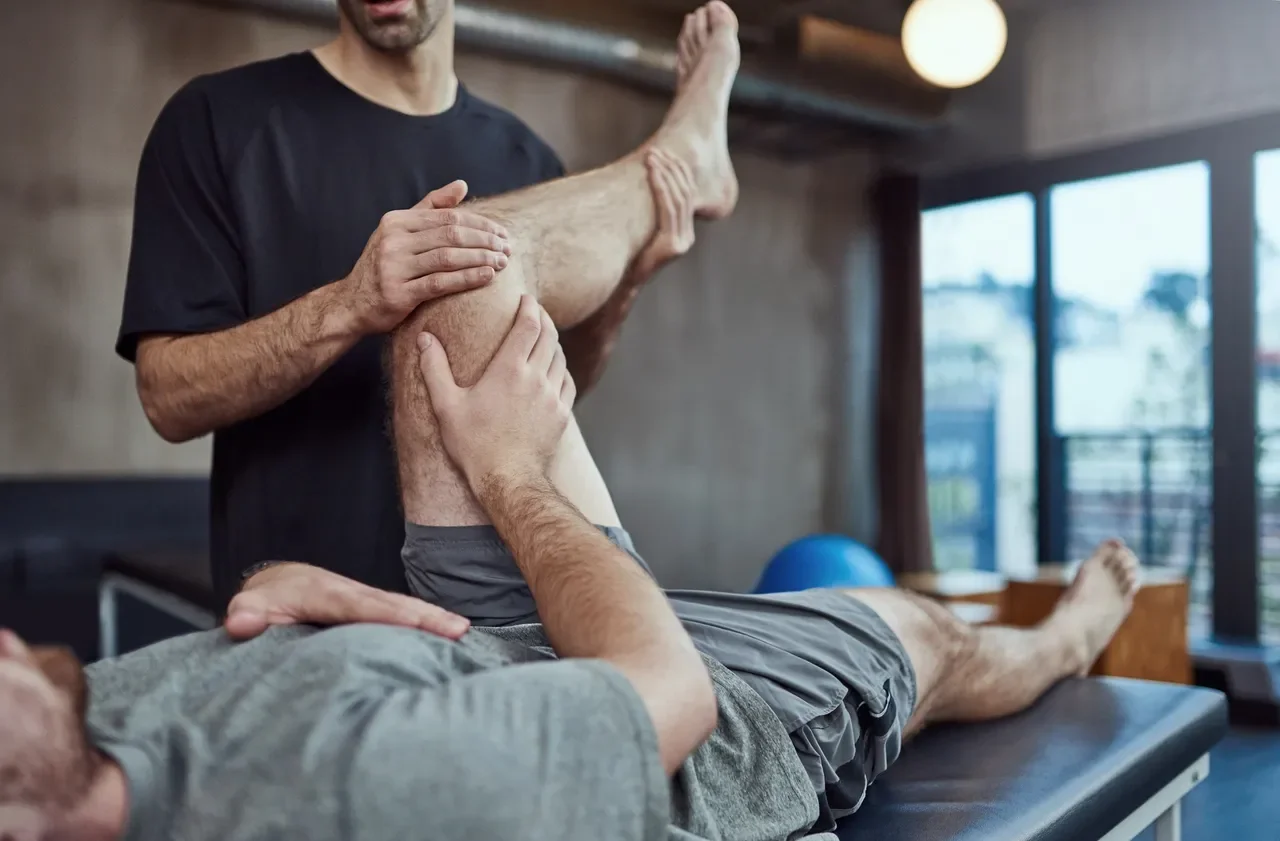
Unveiling the Science of BFR for Swift Muscle Gains
Harnessing the power of Blood Flow Restriction (BFR) training offers an innovative approach to muscle growth—even when your activity level is reduced. This method employs controlled restriction of blood flow to targeted muscles, which creates a localized hypoxic environment. In turn, this triggers an array of physiological responses designed to stimulate muscle hypertrophy.
When blood flow is limited, metabolic stress accumulates quickly within the muscle tissue. This environment encourages the body to release growth-promoting factors and hormones, accelerating the repair and strengthening of muscle fibers. Notably, even with lighter loads, the muscle fibers experience enough stress to signal growth, making BFR an effective option during injury recovery or periods of limited mobility.
Key benefits include:
Enhanced muscle activation and recruitment
Increased metabolic stress leading to elevated anabolic hormone production
A viable alternative for those unable to perform traditional high-load workouts
For enthusiasts in local communities or training facilities, incorporating BFR can offer a practical solution for maintaining strength and accelerating muscle gains while minimizing the risk of further injury.
Secure Your Recovery with BFR Techniques
Integrating Blood Flow Restriction (BFR) into your recovery routine can accelerate muscle gains while managing injury safely. Follow these step-by-step instructions to implement BFR effectively:
Prepare a Controlled Environment: Ensure you work in a calm, dedicated space like a local gym or your home recovery area. Begin by warming up with light cardio to boost circulation and minimize injury risk.
Apply BFR Bands Correctly: Wrap the bands around your working limbs snugly—tight enough to restrict blood flow but not to cause pain. Check that you can still slip a finger under the band to ensure proper tension.
Execute Low-Intensity Exercises: Perform your chosen exercises (e.g., light resistance work or bodyweight movements) at a controlled pace. Focus on smooth, slow motions to fully engage muscles without overexertion.
Monitor Intensity and Duration: Limit each session to short bursts, progressing gradually. Listen to your body and record any unusual sensations.
Conclude with Recovery Practices: Cool down with gentle stretching and breathing techniques. Consistent self-monitoring in local therapy centers or at home can help modify your routine for optimal safety and results.
Weighing the Risks and Determining Suitability for BFR
Blood Flow Restriction (BFR) training can be an effective way to stimulate muscle gains during injury recovery, but it’s important to consider the associated risks before embarking on this technique. Misuse or unsupervised applications of BFR can potentially lead to unwanted side effects such as excessive pain, numbness, or even vascular complications. It is not a one-size-fits-all solution—certain individuals should abstain from BFR, particularly those with pre-existing cardiovascular issues, deep vein thrombosis, high blood pressure, or peripheral nerve concerns.
When considering BFR as part of your rehabilitation or fitness routine, keep these key points in mind:
Consultation is Crucial: Engage with a knowledgeable healthcare professional to assess your personal health status.
Understanding Limitations: Individuals with compromised circulation or known heart conditions should avoid BFR to prevent aggravating existing problems.
Recognize Warning Signs: Discomfort beyond typical muscle fatigue, tingling, or unusual swelling during training are red flags that require immediate attention.
Adapting your training regimen to local health and fitness guidelines can further help minimize risks, ensuring a safer pathway to your rehabilitation and muscle-building goals.
What is Blood Flow Restriction (BFR) Training?
Blood Flow Restriction training involves the application of a pressure cuff or band to partially restrict blood flow during low-load exercises. This controlled restriction helps stimulate muscle growth even when traditional heavy lifting isn’t possible—ideal during injury recovery.
How Does BFR Training Enhance Muscle Gains During Injury?
By limiting venous return while allowing some arterial inflow, BFR creates a metabolic environment that increases muscle fiber recruitment and growth. This method supports accelerated strength gains while minimizing strain on recovering tissues, making it an attractive option in physical therapy settings.
Is BFR Training Safe to Use During Rehabilitation?
Yes, when applied correctly under professional guidance, BFR training is a safe adjunct to traditional rehabilitation. Proper technique and pressure monitoring are essential, ensuring reduced overloading of injured areas.
What Equipment is Needed for BFR?
Typically, specialized cuffs or bands designed for BFR are used. Local physiotherapy centers and fitness facilities often stock such equipment, making it accessible for home or clinic use.
How Should One Get Started with BFR Training?
Consult with a trained physiotherapist to design a personalized exercise plan. This ensures that the intensity, duration, and pressure settings are optimized for effectiveness and safety in your region.
Concluding Insights: Harnessing BFR for Enhanced Recovery
When recovering from an injury, BFR techniques provide a targeted strategy to facilitate muscle growth quickly and safely. This innovative approach encourages blood flow restriction during exercise, boosting growth hormone release and stimulating muscle tissue even when traditional loading isn’t feasible. Embracing BFR can help maintain muscle mass and strength, making it an appealing option during periods of limited mobility.
Key takeaways include:
Efficient Muscle Preservation: BFR enables rapid muscle engagement without the heavy strains of standard resistance training.
Adaptability: Suitable for a range of recovery settings, from local clinics to community training centers.
Safety Considerations: Monitoring intensity and frequency is crucial to avoid potential complications during rehabilitation.
As you integrate BFR into your recovery routine, ensure you gradually adjust intensity levels with professional guidance. Consider incorporating supportive practices such as proper warm-ups and cooling down routines to maximize benefits. With a mindful approach, you can maintain progress even through setbacks. Keep pushing forward with resilience and an informed strategy—each step you take builds a stronger, more capable you.
About the Author
Mr. Sanjay Attwala (B.Sc., M.Sc., RPT) is a Registered Physiotherapist, clinical director, and the founder of Rehab Mechanics in Toronto. With over 15 years of registered clinical practice and a deep specialization in complex musculoskeletal rehabilitation, Sanjay synthesizes rigorous international academic training with advanced evidence-based therapeutics to guide his clinical practice and patient education initiatives.
Academic Background & Credentials
Master of Science (M.Sc.) in Physiotherapy – University of Keele, United Kingdom (2010).
Bachelor of Science (B.Sc.) – University of Waterloo, Ontario, Canada.
Registered Physiotherapist (RPT) – Regulated health professional in excellent standing with the College of Physiotherapists of Ontario (CPO).
Corporate Entity – Operating officially under the S. Attwala Physiotherapy Professional Corporation with a DBA of Rehab Mechanics.
Clinical Expertise & Philosophy
Sanjay’s clinical approach rejects passive symptom management in favor of identifying underlying biomechanical root causes. His diverse expertise spans advanced manual therapies, personalized corrective exercise prescription, and modern physical modalities. At the Rehab Mechanics Toronto Queen West clinic, he routinely diagnoses and treats complex conditions including:
Spinal & Discogenic Pathology – Cervical, thoracic, and lumbar disc injuries, sciatica, and sacroiliac joint (SIJ) dysfunction.
Upper & Lower Extremity Injuries – Rotator cuff tears, frozen shoulder, tennis/golfer’s elbow, carpal tunnel syndrome, and complex ankle/foot pathologies.
Perinatal & Pelvic Health Rehabilitation – Specialized assessment and rehabilitation protocols tailored specifically for women during pregnancy and the post-partum period, addressing pelvic girdle pain, diastasis recti, and core stabilization.
Specialized Rehabilitation – Pelvic health therapy, TMJ dysfunction, post-surgical rehabilitation (including Total Hip and Total Knee Replacements), and custom orthotics dispensing.
Shockwave Therapy: with advanced cutting edge technological devices to suit your needs.
Interdisciplinary Practice & Patient Care
Sanjay practices an integrated model of healthcare, working closely alongside medical doctors inside the Prime Medical Centre on Abell Street to streamline patient recovery pathways. He maintains a human-centric, communication-first clinical framework, ensuring that care remains fully customized rather than automated.
His clinical caseload encompasses a broad operational spectrum under Ontario's regulatory frameworks, including:
Motor Vehicle Accident (MVA) Claims – Rehabilitation navigating Ontario’s statutory accident benefits schedule.
Workplace Safety and Insurance Board (WSIB) – Occupational injury management and return-to-work screening.
Extended Health Care (EHC) & Private Practice – Multi-tier insurance coordination and long-term athletic development plans.
Commitment to Research & Community
Outside of his clinical caseload at Rehab Mechanics and his additional practice affiliations in Etobicoke, Sanjay is an active health writer and community educator. He translates contemporary peer-reviewed medical research into accessible, actionable guidance on his professional blog. As a dedicated father and husband, he mirrors his professional advice in his personal life, focusing on structural mobility, cross-training, and longevity to help his family and his community thrive. Naturally he takes he a keen interest in rehabilitation for women who are pregnant and post-partum.
Disclaimer: The information provided on this blog is intended for educational and informational purposes only. It does not constitute medical advice, diagnosis, or a treatment plan. Always seek the direct advice of a Registered Physiotherapist, physician, or other qualified health provider regarding any medical condition or physical rehabilitation routine.
Physio corner: Navigating TTC
The Hidden Strain of City Commutes: How Transit Culture Fuels Back Pain

How to navigate TTC with injuries
For many Torontonians, hopping on the TTC is second nature—whether it’s a crowded Line 1 ride downtown, a bus transfer through North York, or a last-minute streetcar dash. But for those managing chronic low back pain, every step, stand, and seat can turn a routine journey into a daily battle. The city's transit system, while vital, often lacks ergonomic support, forcing riders with spinal sensitivities into prolonged sitting, awkward postures, or repeated forward bending to board or exit—each movement potentially triggering discomfort.
Navigating subway platforms with inconsistent handrails, enduring extended periods without proper lower back support on aging seats, or enduring sudden stops that jolt the spine compounds the challenge. Add peak-hour crowding and long wait times, and even short trips become taxing.
In this guide, you’ll learn how to:
Identify common pain triggers across TTC subway, bus, and streetcar routes
Use posture, positioning, and mobility strategies to reduce strain during travel
Choose optimal seating and standing positions that support spinal alignment
Pack and prepare for commutes using pain-minimizing techniques
Understanding how Toronto’s transit landscape impacts musculoskeletal health isn’t just about comfort—it’s about reclaiming independence and moving through the city with greater control and less pain.
Smart Route Planning: 7 Ways to Reduce Walking and Standing on Toronto Transit
For anyone managing back pain, Toronto’s extensive transit network can feel like both a blessing and a challenge. While the TTC connects you to jobs, appointments, and social hubs across the city, unnecessary walking and prolonged standing can aggravate spinal discomfort. The good news? A little strategic planning goes a long way in minimizing physical strain. Here are seven practical tips to help you design transit routes that prioritize comfort and spinal safety.
Plan Accessible Pathways in Advance Use transit apps that show step-free access, elevator status, and ramp locations at subway stations. Choosing stations like Bloor-Yonge, Union, or Spadina ensures smoother transfers with fewer stairs and level boarding options.
Prioritize Shorter Walk Times Over Fast Transfers Even if a route seems faster, avoid connections that require long indoor walks—especially in Toronto’s underground PATH or outdoor stretches in bad weather. Opt for slightly longer travel times with minimal walking.
Use the Wheel-Trans Option When Needed For days when standing is too painful, Wheel-Trans offers door-to-door service and integrates with your health plan. Registration is simple, and it’s designed for temporary or chronic conditions.
Ride During Off-Peak Hours Avoid rush hour 7–9 AM and 4–6 PM when trains and buses are crowded. Riding mid-morning or early afternoon increases your chances of securing a seat and reduces the need to grip handrails under pressure.
Break Up Long Trips with Seated Transfers Instead of standing through a 45-minute ride, consider routing through a transit hub where you can transfer and sit briefly—spots like Finch, Scarborough Centre, or Kipling often have waiting areas or nearby cafes.
Choose Surface Routes with Priority Seating Buses and streetcars often have more designated seating than subways. Select routes with accessible front boarding and request priority seats to reduce strain on your lumbar spine.
Leverage Real-Time Updates to Avoid Delays Long waits mean prolonged standing. Use real-time arrival tools to time your arrival at stops precisely, minimizing exposure to cold, wet conditions, or fatigue-inducing waits.
With thoughtful planning, Toronto transit can be part of a pain-safe lifestyle—letting you move through the city with more confidence and control.
Access Toronto’s Transit System with Confidence—Even Without a Disability Designation
Many Torontonians don’t realize that accessibility features on the TTC—like priority seating, wheelchair ramps, and boardings—are available to anyone experiencing temporary discomfort, fatigue, or chronic conditions such as back pain, regardless of official disability status. If standing for long periods worsens your spinal alignment or navigating subway stairs aggravates sciatica, you have the right to use accessible transit options to reduce strain and travel more comfortably.
Start by identifying low-floor buses and streetcars equipped with ramps—these are clearly marked and deploy at request. When boarding, position yourself near the front doors and signal the operator with a simple hand gesture or verbal cue that you’d like to use the ramp. Inside, reserve priority seats even if you don’t use assistive devices; these are intended for individuals who may benefit from reduced physical stress during transit.
For subway stations, always seek elevators instead of escalators or stairs. Many TTC stations downtown, across the Yonge-University line and near major healthcare centers, offer elevator access clearly signed at entrances. If unsure, check the TTC’s system-wide accessibility map online or use the transit app to filter elevator-accessible routes in real time.
Pro tip: Ride during off-peak hours—mornings before 7 AM or mid-afternoon—to secure seating and avoid crowds that make mobility harder. You don’t need paperwork or a formal diagnosis to prioritize your physical well-being. Using these features responsibly ensures safer, less painful commutes across Toronto’s transit network.
5 Smart Strategies for Safe TTC Travel with Back Pain
Navigating Toronto’s public transit system can be challenging when you're managing back pain—but with the right approach, you can reduce strain and travel more comfortably. Whether you're commuting from Leslieville, Parkdale, or North York, these evidence-based tips will help you board, sit, and exit TTC vehicles safely.
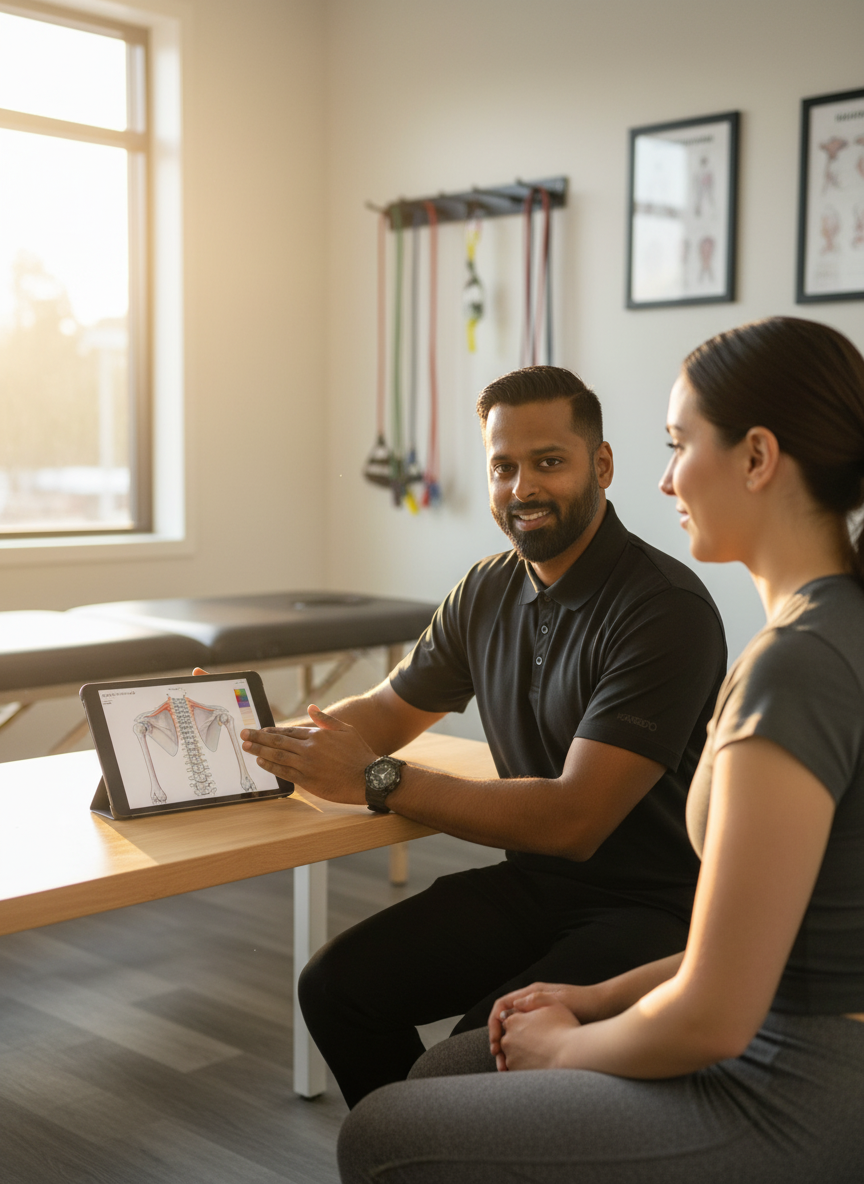
Time Your Boarding to Avoid Rushing Wait for less crowded periods—early mornings or mid-afternoon—when boarding is calmer and stress-free. Rushing to catch a streetcar or subway increases the risk of sudden movements that strain the spine. Take a deep breath, assess the platform, and board deliberately to maintain proper posture from the start.
Use Handrails and Stable Points Always hold onto handrails when stepping on and off buses, subways, or streetcars. Keep your back straight and bend your knees to absorb impact, minimizing stress on the lumbar region. Use adjacent seats or poles for lateral support if balance is a concern.
Choose Ergonomic Seating Wisely Opt for seats with firm back support, ideally near the middle of the vehicle where motion is smoother. Sit with your feet flat, spine upright, and avoid slouching or twisting to reach overhead straps. If seats are hard, use a portable lumbar cushion for added spinal alignment.
Pre-Plan Your Exit Route Study the vehicle layout so you’re ready to move efficiently as your stop approaches. Avoid last-second stands—position yourself early near doors and use armrests to brace during deceleration. This reduces awkward twisting or sudden leans that aggravate back discomfort.
Stretch After Exiting Once off the vehicle, take a moment to perform gentle mobility moves—like pelvic tilts or standing cat-cow stretches—to release tension built up during transit. These micro-movements reset your posture and support spinal health throughout your day.
Answers to Your Top Concerns About Riding Toronto Transit with Back Pain
If you’re managing back pain, navigating Toronto’s public transit system can feel overwhelming—but with the right strategies, it’s entirely possible to travel safely and comfortably. Here are common questions people ask about using TTC services while protecting their spine health.
Is it safe to ride the TTC with acute back pain? Yes, but modifications help. Avoid prolonged sitting on hard benches; instead, stand near poles or straps where you can support your posture. If sitting is necessary, use a lumbar roll or rolled-up jacket to maintain the natural curve of your lower back.
How can I reduce strain when boarding buses or streetcars? Watch for level boarding zones at priority stops. Step up with controlled movements—lead with your stronger side if one leg or hip is stiffer. Use handrails and avoid twisting at the waist when entering or exiting.
Are subway elevators reliable for daily commutes? While coverage is expanding, not all stations have elevator access. Plan routes using accessible stations like Bloor-Yonge, Finch, or St. George. Check the TTC’s service alerts before departure to avoid unexpected elevator outages.
What time of day should I travel to avoid discomfort? Off-peak hours (10 AM–3 PM or after 7 PM on weekdays) mean less crowding and fewer long waits. Senior hours also offer calmer commutes ideal for those needing extra time boarding.
How do I manage pain during transfers between lines? Pack a portable seat cushion for outdoor waits, and limit standing time by timing connections. The PATH system offers sheltered, indoor walking routes across downtown—ideal for avoiding stairs and weather exposure.
Can walking to stops worsen my condition? It depends on distance and footwear. Stick to flat, even sidewalks, wear supportive shoes, and break longer walks into segments. If pain increases, reassess your access points or consider paratransit options.
Should I use a support belt while commuting? Some find short-term relief with flexible braces, but over-reliance can weaken core muscles. Use only during higher-stress trips and combine with good posture habits for lasting benefit.
Stay Mobile, Stay Independent: Your Next Steps Forward
Living with back pain in a bustling city like Toronto doesn’t mean surrendering your independence. Public transit, sidewalks, and daily routines can feel daunting—but with the right strategies, you can navigate them confidently and safely. Throughout this guide, we’ve explored how ergonomic seating, posture awareness, timed movement breaks, and targeted strengthening exercises help reduce strain while riding the TTC, walking through neighborhoods like Leslieville or Little Italy, or transferring between subway lines. You’ve learned how small adjustments—like using a lumbar support cushion or planning standing vs. seated routes—make a measurable difference in pain management and functional mobility.
Now it’s time to take action. Start by auditing your daily travel patterns: identify pain triggers and implement one or two supportive habits this week. Practice seated pelvic tilts during subway rides, choose step-free access stations when possible, and build short walking intervals into your commute to keep spinal tissues mobile. Consistency matters more than intensity—frequent, gentle movement prevents stiffness and supports long-term spinal health.
Remember, staying independent isn’t about pushing through pain—it’s about moving smarter. Toronto’s urban environment challenges the body, but with personalized, proactive care, you can maintain control and confidence in your daily life. Your mobility journey starts with one intentional step. Keep going.
About the Author
Mr. Sanjay Attwala (B.Sc., M.Sc., RPT) is a Registered Physiotherapist, clinical director, and the founder of Rehab Mechanics in Toronto. With over 15 years of registered clinical practice and a deep specialization in complex musculoskeletal rehabilitation, Sanjay synthesizes rigorous international academic training with advanced evidence-based therapeutics to guide his clinical practice and patient education initiatives.
Academic Background & Credentials
Bachelor (B.Sc.) in Physiotherapy – University of Keele, United Kingdom (2010).
Bachelor of Science (B.Sc.) – University of Waterloo, Ontario, Canada.
Registered Physiotherapist (RPT) – Regulated health professional in excellent standing with the College of Physiotherapists of Ontario (CPO).
Corporate Entity – Operating officially under the S. Attwala Physiotherapy Professional Corporation with a DBA of Rehab Mechanics.
Clinical Expertise & Philosophy
Sanjay’s clinical approach rejects passive symptom management in favor of identifying underlying biomechanical root causes. His diverse expertise spans advanced manual therapies, personalized corrective exercise prescription, and modern physical modalities. At the Rehab Mechanics Toronto Queen West clinic, he routinely diagnoses and treats complex conditions including:
Spinal & Discogenic Pathology – Cervical, thoracic, and lumbar disc injuries, sciatica, and sacroiliac joint (SIJ) dysfunction.
Upper & Lower Extremity Injuries – Rotator cuff tears, frozen shoulder, tennis/golfer’s elbow, carpal tunnel syndrome, and complex ankle/foot pathologies.
Perinatal & Pelvic Health Rehabilitation – Specialized assessment and rehabilitation protocols tailored specifically for women during pregnancy and the post-partum period, addressing pelvic girdle pain, diastasis recti, and core stabilization.
Specialized Rehabilitation – Pelvic health therapy, TMJ dysfunction, post-surgical rehabilitation (including Total Hip and Total Knee Replacements), and custom orthotics dispensing.
Shockwave Therapy: with advanced cutting edge technological devices to suit your needs.
Interdisciplinary Practice & Patient Care
Sanjay practices an integrated model of healthcare, working closely alongside medical doctors inside the Prime Medical Centre on Abell Street to streamline patient recovery pathways. He maintains a human-centric, communication-first clinical framework, ensuring that care remains fully customized rather than automated.
His clinical caseload encompasses a broad operational spectrum under Ontario's regulatory frameworks, including:
Motor Vehicle Accident (MVA) Claims – Rehabilitation navigating Ontario’s statutory accident benefits schedule.
Workplace Safety and Insurance Board (WSIB) – Occupational injury management and return-to-work screening.
Extended Health Care (EHC) & Private Practice – Multi-tier insurance coordination and long-term athletic development plans.
Commitment to Research & Community
Outside of his clinical caseload at Rehab Mechanics and his additional practice affiliations in Etobicoke, Sanjay is an active health writer and community educator. He translates contemporary peer-reviewed medical research into accessible, actionable guidance on his professional blog. As a dedicated father and husband, he mirrors his professional advice in his personal life, focusing on structural mobility, cross-training, and longevity to help his family and his community thrive. Naturally he takes he a keen interest in rehabilitation for women who are pregnant and post-partum.
Disclaimer: The information provided on this blog is intended for educational and informational purposes only. It does not constitute medical advice, diagnosis, or a treatment plan. Always seek the direct advice of a Registered Physiotherapist, physician, or other qualified health provider regarding any medical condition or physical rehabilitation routine.
Taping it up works but the scientific tape
How Kinesio Taping Can Revolutionize Injury Recovery
Kinesio taping has emerged as a popular method to support injury rehabilitation by offering dynamic stability without restricting range of motion. This innovative technique uses specially designed, flexible strips to gently lift muscles and fascia, improving blood flow and lymphatic drainage. By doing so, it reduces swelling and enhances the body’s natural healing process, making it an attractive option for those recovering from strains, sprains, and other soft-tissue injuries.
In this comprehensive guide, you’ll learn how Kinesio taping works through actionable insights and practical tips. Key points include:
Pain Reduction: Minimizes discomfort and supports injured muscles.
Enhanced Mobility: Allows movement while providing necessary joint stabilization.
Local Adaptability: Easily applied by skilled professionals in community clinics and wellness centers.
As you explore the benefits of this technique, you will also discover methods to integrate Kinesio taping into your recovery routine through detailed, step-by-step approaches. Whether you’re managing persistent muscle tension or looking for a non-invasive, supportive treatment option, this overview sets the stage for a deeper understanding of how Kinesio taping might be the key to unlocking your body’s healing potential.
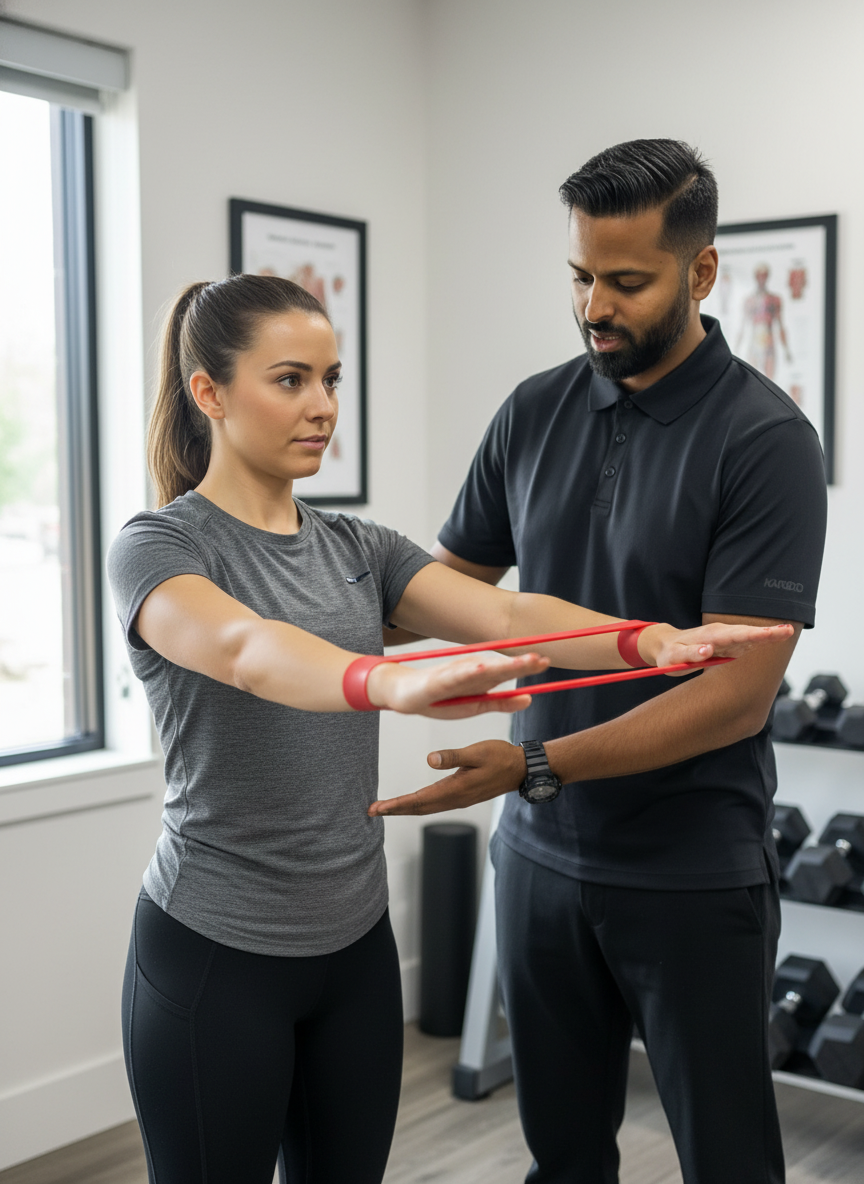
Resistance Training with Rehab Mechanics
Unlock the Healing Potential of Kinesio Taping
Kinesio taping has emerged as a popular tool among physiotherapists for its unique approach to injury prevention and recovery. This technique is designed to support muscles and joints through a flexible, adhesive tape that gently lifts the skin, encouraging improved circulation and reduced swelling. Instead of compressing the injured area, the tape creates channels for fluid drainage, which may help to minimize inflammation and accelerate healing.
Key benefits typically associated with Kinesio taping include:
Enhanced Blood Flow: The slight lifting effect promotes better circulation, essential for nutrient delivery and waste removal.
Pain Reduction: By alleviating pressure on sensory receptors, the tape can contribute to diminished discomfort.
Support for Movement: The elastic nature of the tape provides stability without restricting range of motion, allowing for continued activity during recovery.
Local clinics and sports professionals often integrate these techniques into treatment plans, emphasizing practical, non-invasive solutions. Whether facing a recent strain or managing chronic discomfort, Kinesio taping serves as a viable, cost-effective method to support your body's natural healing process and keep you moving forward.
Unveiling the Science Behind Kinesio Taping
Delve into the scientific rationale that underpins the growing popularity of Kinesio Taping for injury management. This innovative method is designed to support muscle function and improve lymphatic flow, offering non-invasive benefits for both acute and chronic conditions. Researchers have observed that when applied correctly, the tactile stimulation from the tape may help reduce pain and enhance proprioception, which in turn can facilitate a better range of motion during rehabilitation.
Key principles behind Kinesio Taping include:
Pressure Redistribution: The tape helps alleviate overburdened areas by dispersing stress across surrounding tissues.
Enhanced Circulation: By gently lifting the skin, it may aid in fluid movement, reducing swelling and promoting healing.
Neuro-Activation: The stimulation of skin receptors can boost muscle activation and coordination.
For anyone seeking practical recovery solutions, the evidence suggests that integrating Kinesio Taping into therapy routines can complement physical rehabilitation. Local patients and athletes alike have found it to be a useful tool for managing minor strains, sprains, and related injuries. Embrace informed approaches to pain management and mobility, and consider the potential of Kinesio Taping as part of your journey toward recovery.
Evaluating the Limitations of Kinesio Taping
While Kinesio Taping has gained popularity in physiotherapy and sports medicine, it is important to recognize that it may not be a one-size-fits-all solution for every injury. Some practitioners note that its effectiveness can vary significantly depending on the injury type and patient physiology. Critics argue that, in certain cases, taping may simply provide a temporary sense of support rather than addressing underlying issues.
Several factors contribute to these limitations:
Technique Sensitivity: The benefits of Kinesio Taping are highly dependent on the precise application. Suboptimal or inconsistent taping methods can lead to diminished results.
Individual Variability: Patients may respond differently; some report considerable relief while others see minimal improvements.
Temporary Relief: For deeper musculoskeletal issues, taping might act as a supplemental measure rather than a standalone treatment.
Local physiotherapy centers and sports clinics often integrate Kinesio Taping with other modalities to address the root causes of pain. Understanding these constraints enables both practitioners and patients to weigh its advantages against its limitations, ensuring that treatment plans are comprehensive and tailored to individual recovery needs.
Frequently Asked Questions on Kinesio Taping
How does Kinesio Taping alleviate injury-related pain? Kinesio taping helps support muscles, reduce strain, and enhance proprioceptive feedback. By gently lifting the skin, it improves blood flow and lymphatic drainage, which can aid recovery from minor strains and sprains.
Can Kinesio Taping accelerate healing for musculoskeletal injuries? Yes, many practitioners use Kinesio taping as a complementary technique to relieve tension and promote natural healing. Its application can help minimize inflammation and support joint stability during physical activities.
Are there specific techniques for different injury types? Absolutely. Taping methods vary depending on the injury location and severity. Some common techniques include:
Supporting weak joints
Reducing muscle tension
Guiding movement patterns
Is Kinesio Taping suitable for athletes and regular individuals? Indeed, it is versatile enough for both sports injuries and everyday discomfort, offering additional stability and pain relief.
What should one expect during a Kinesio Taping session? Sessions are typically non-invasive and tailored to individual needs, with practitioners evaluating the best taping method based on the injury to ensure maximum efficacy.
Wrapping Up: Your Path to Informed Injury Management
As you conclude your exploration of kinesio taping, it is clear that this technique offers a versatile, non-invasive solution for injury management. Kinesio taping can alleviate discomfort, enhance circulation, and support natural healing while providing targeted support to strained muscles and joints. This approach emphasizes individualized care by addressing specific injury sites, making it a valuable tool in both acute recovery and long-term wellness routines.
Key points to remember:
Targeted Relief: The tape’s elastic properties aid in reducing inflammation and supporting injured areas.
Enhanced Mobility: By subtly encouraging proper alignment, kinesio taping can improve movement efficiency.
Practical Integration: Consider incorporating kinesio taping into your daily recovery practices, especially when combined with stretching and physical therapy techniques.
For those in local communities looking to optimize their rehabilitation plans, take actionable steps by consulting knowledgeable practitioners and scheduling regular follow-ups. Embrace this balanced approach to injury management with confidence, and keep moving towards a healthier, more resilient future.
About the Author
Mr. Sanjay Attwala (B.Sc.; M.Sc., RPT) is a Registered Physiotherapist and the proud owner of Rehab Mechanics in Toronto. Armed with a robust foundation that includes both a Bachelor of Science and a Master of Science from the UK, Sanjay brings over 15 years of extensive, diverse clinical experience to his daily practice and his writing. His international academic background has fostered a deeply analytical, evidence-based perspective on human movement, injury prevention, and rehabilitation.
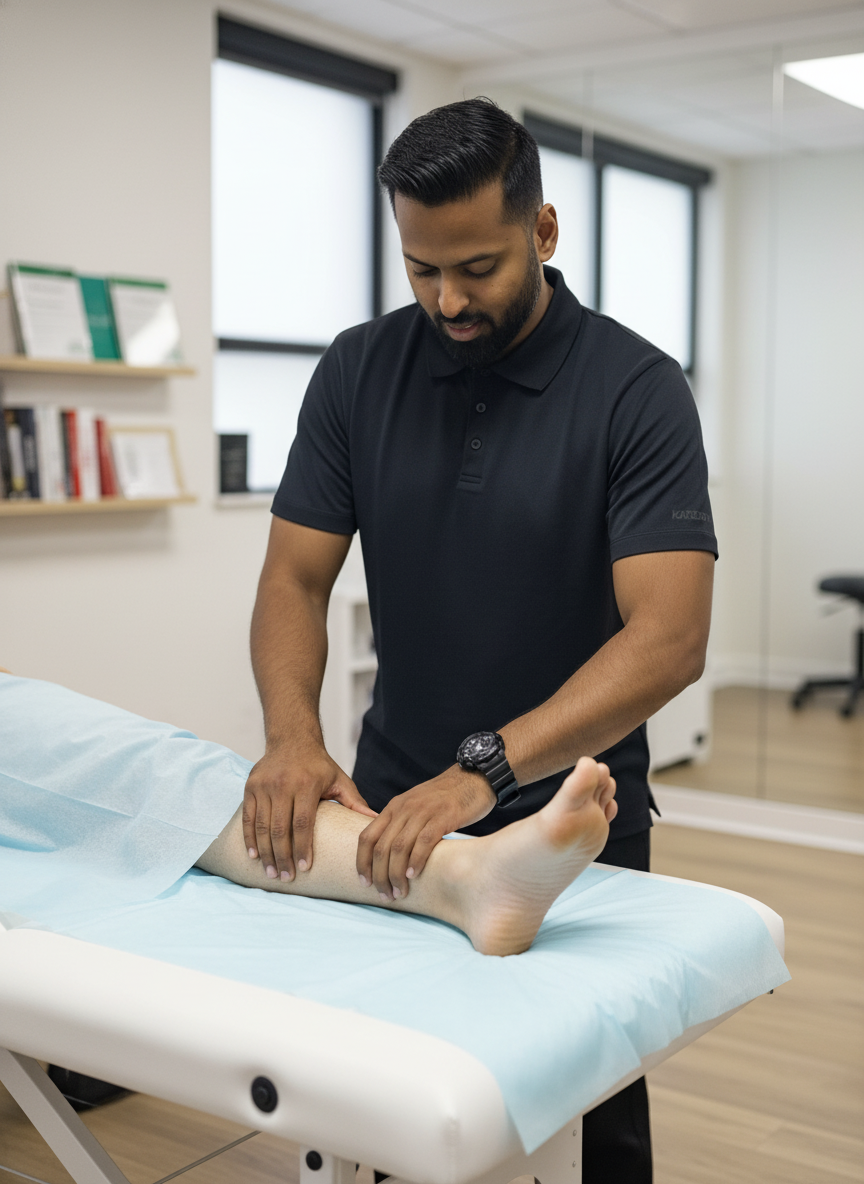
At Rehab Mechanics, Sanjay is dedicated to a modern, collaborative approach to physiotherapy. He believes that true healing goes beyond simple symptom management; instead, he focuses on uncovering the root causes of pain to help patients overcome injuries through highly personalized, comprehensive care. Sanjay is driven by a profound passion for continued education and experiential growth. He prides himself on staying at the forefront of the latest medical research, refining his problem-solving skills, and consistently bringing this cutting-edge knowledge to the public—whether he is working one-on-one with his clients or sharing actionable advice through his dedicated blog.
When he isn't in the clinic treating patients or writing about physical wellness, Sanjay leads by example, actively embracing a clean, balanced lifestyle. As a happily married father of two, he understands firsthand the daily physical demands of family life and the critical importance of maintaining mobility and strength. He is deeply passionate about helping others achieve the physical resilience needed to keep up with their loved ones and enjoy life to the absolute fullest. Enjoy this blog as an in-person patient, an interested observer or a just a fellow human who loves to learn about the human body, growth from inside and out, and potentially a new and returning patient of Rehab Mechanics!
Ignite Your Recovery Journey with Advanced Soft Tissue Mobilization
How do I accelerate my recovery with soft issue mobilization?
Not to sound flippant or rhetorical but here is how:
Myofascial Release: Applying gentle, sustained pressure to relax the web of fascia surrounding your muscles.
Cross-Friction Massage: Massaging directly across the grain of a tendon or ligament to intentionally break down restrictive scar tissue.
Trigger Point Therapy: Concentrating firm pressure on isolated, painful muscle "knots" to force them to release.
Instrument-Assisted STM (IASTM): Utilizing specialized metal or plastic tools (like Graston or Astym) to scrape the skin, which precisely detects and treats deep fascial restrictions.
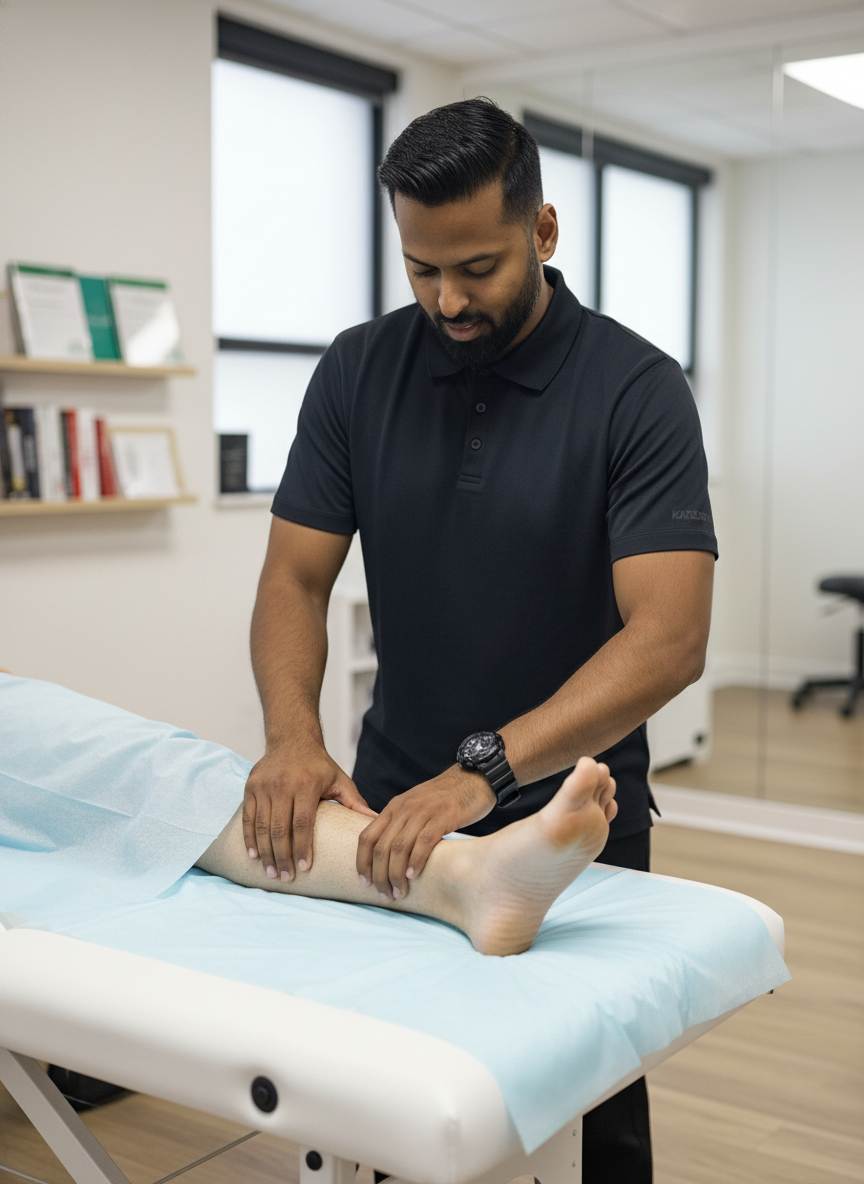
Step and “leap” into the world of innovative therapeutic techniques that are transforming the recovery landscape. This introduction lays the foundation for understanding how instrument-assisted soft tissue mobilization (IASTM), including the renowned Graston Technique, serves as a dynamic approach to address soft tissue injuries and chronic discomfort. Imagine a treatment that not only targets problematic areas but also enhances the body’s natural healing response—this is at the heart of these methods.
In this section, you will learn how IASTM uses specialized stainless-steel tools to gently detect and treat scar tissue, adhesions, and other soft tissue restrictions. Key points covered include:
Improved Circulation: Facilitates increased blood and lymph flow.
Enhanced Mobility: Aids in restoring optimal range of motion.
Proactive Recovery: Supports quicker return to daily activities and better overall movement patterns.
Whether you’re exploring treatment options in local wellness centers or regional physiotherapy clinics, understanding these techniques helps you make informed decisions. Prepare to dive deeper into practical applications, scientific principles, and step-by-step guidance designed to elevate your recovery and empower you to live better.
Unlock Advanced Healing with Instrument-Assisted Soft Tissue Mobilization
Experience a breakthrough in injury recovery with techniques that blend science and art into every treatment. Instrument-assisted soft tissue mobilization (IASTM), including the innovative Graston Technique, employs specially designed tools to detect and treat scar tissue and adhesions. This hands-on method gently mobilizes soft tissues, enhancing blood flow to damaged areas and promoting a natural healing response.
By working with precision, practitioners can:
Break Down Scar Tissue: Tools help glide across the skin to dissolve adhesions that can restrict movement.
Improve Flexibility: Releasing built-up tension allows muscles and fascia to regain their natural state.
Boost Recovery: Increased circulation delivers essential nutrients to expedite tissue repair.
Local clinics and physiotherapy centers embrace these methods to tailor recovery plans for a range of musculoskeletal issues, from sports injuries to everyday strains. Whether you’re an athlete striving for peak performance or someone looking to regain day-to-day mobility, incorporating IASTM techniques can set you on the path toward improved function and reduced pain. Embrace a proactive approach to healing with strategies that balance innovation and personalized care for a healthier, more active you.
Uncovering the Science Behind Effective Soft Tissue Techniques
Drawing from extensive research and years of clinical practice, these methods harness controlled mechanical forces to stimulate tissue repair and increase mobility. Scientific studies have demonstrated that targeted pressure application can help release adhesions, break down scar tissue, and stimulate natural healing responses—providing much-needed relief for clients facing chronic discomfort.
Practitioners in various rehabilitation centers emphasize that employing these techniques requires a fine balance of precision and sensitivity. For instance, many therapists report that when soft tissue mobilization is combined with strategic, instrument-assisted approaches, patients experience:
Enhanced circulation that accelerates oxygen and nutrient delivery to injured areas
Improved tissue elasticity which facilitates a greater range of motion
Significant pain reduction that promotes a smoother transition back to regular activities
Local clinics and community wellness centers also stress the importance of personalized treatment plans tailored to a patient’s unique needs. By integrating evidence-based techniques with practitioner expertise, these methods provide a pragmatic solution for managing soft tissue issues in diverse settings—empowering individuals to reclaim functional, pain-free movement.
Real-Life Transformations in Soft Tissue Recovery
In many clinical scenarios, the Graston Technique has proven to be more than just a therapy—it’s a catalyst for renewed mobility and pain relief. In practical applications, patients experiencing persistent muscle tension or chronic scar tissue have reported significant improvements following sessions incorporating instrument-assisted soft tissue mobilization. Local clinics, spanning urban centers to regional wellness hubs, have integrated this technique into their routine to support recovery in individuals suffering from sports-related injuries, repetitive strain issues, and post-surgical adhesions.
Success stories abound, with patients noting:
Noticeable pain reduction even after months of discomfort
Enhanced range of motion that restores functional daily activities
Accelerated healing that complements other therapeutic modalities
These outcomes are achieved by carefully targeting affected areas and stimulating localized blood circulation, which can break down stubborn scar tissue and alleviate tension. Educating patients on self-care exercises to complement the technique further reinforces these benefits. Such practical, evidence-based strategies not only demystify the healing process but also empower patients to take proactive steps toward a sustained, active lifestyle in their communities.
Frequently Asked Questions on Graston Technique & Soft Tissue Mobilization
What exactly is the Graston Technique? This manual therapy uses specialized instruments to detect and treat deep tissue scarring, adhesions, and soft tissue restrictions. It targets areas of chronic pain and discomfort by breaking down fascial restrictions and enhancing healing.
How does it differ from standard massage therapy? Unlike traditional massage, the technique employs precise, instrument-assisted strokes that allow for a deeper and more focused treatment. This method facilitates improved circulation and reduced inflammation.
Is the procedure safe and comfortable? When administered by experienced therapists, the Graston Technique is generally safe. Patients might experience mild discomfort as the instruments work on sensitive areas, but this is often offset by a noticeable improvement in mobility and pain relief.
What conditions can benefit from this treatment? Common concerns include tendon injuries, muscle strains, and areas of restricted movement. Patients in urban centers and suburban areas have reported enhanced recovery and better overall physical function.
How many sessions are typically recommended? Treatment frequency varies based on individual needs, but many begin to feel progress after a few sessions, with ongoing treatments supporting a long-term return to active living.
Concluding Insights on Soft Tissue Mobilization
In summing up, modern physiotherapy has embraced both Graston Technique and IASTM as integral components of comprehensive soft tissue management. These manual therapies are designed to alleviate scar tissue restrictions, promote blood flow, and enhance mobility—all critical for effective recovery. By breaking down adhesions and stimulating tissue repair, practitioners can reduce pain and support functional improvement, making these techniques a natural fit in rehabilitation programs.
Key takeaways include:
Enhanced Tissue Flexibility: Manual scraping mobilizes soft tissues to encourage a more natural healing process.
Pain Reduction and Improved Function: Consistent use can minimize discomfort while restoring movement.
Individualized Care: Treatment plans can be tailored to address each patient’s unique needs and recovery pace.
For those experiencing chronic discomfort or seeking non-invasive treatment, consider discussing these modalities with your local physiotherapy provider. Embrace a proactive approach by incorporating regular soft tissue mobilization into your wellness routine. Continue exploring actionable strategies aimed at supporting overall musculoskeletal health, and let your journey to improved movement and resilience inspire your next steps towards recovery.
About the Author
Mr. Sanjay Attwala (B.Sc., M.Sc., RPT) is a Registered Physiotherapist, clinical director, and the founder of Rehab Mechanics in Toronto. With over 15 years of registered clinical practice and a deep specialization in complex musculoskeletal rehabilitation, Sanjay synthesizes rigorous international academic training with advanced evidence-based therapeutics to guide his clinical practice and patient education initiatives.
Academic Background & Credentials
Master of Science (M.Sc.) in Physiotherapy – University of Keele, United Kingdom (2010).
Bachelor of Science (B.Sc.) – University of Waterloo, Ontario, Canada.
Registered Physiotherapist (RPT) – Regulated health professional in excellent standing with the College of Physiotherapists of Ontario (CPO).
Corporate Entity – Operating officially under the S. Attwala Physiotherapy Professional Corporation with a DBA of Rehab Mechanics.
Clinical Expertise & Philosophy
Sanjay’s clinical approach rejects passive symptom management in favor of identifying underlying biomechanical root causes. His diverse expertise spans advanced manual therapies, personalized corrective exercise prescription, and modern physical modalities. At the Rehab Mechanics Toronto Queen West clinic, he routinely diagnoses and treats complex conditions including:
Spinal & Discogenic Pathology – Cervical, thoracic, and lumbar disc injuries, sciatica, and sacroiliac joint (SIJ) dysfunction.
Upper & Lower Extremity Injuries – Rotator cuff tears, frozen shoulder, tennis/golfer’s elbow, carpal tunnel syndrome, and complex ankle/foot pathologies.
Perinatal & Pelvic Health Rehabilitation – Specialized assessment and rehabilitation protocols tailored specifically for women during pregnancy and the post-partum period, addressing pelvic girdle pain, diastasis recti, and core stabilization.
Specialized Rehabilitation – Pelvic health therapy, TMJ dysfunction, post-surgical rehabilitation (including Total Hip and Total Knee Replacements), and custom orthotics dispensing.
Shockwave Therapy: with advanced cutting edge technological devices to suit your needs.
Interdisciplinary Practice & Patient Care
Sanjay practices an integrated model of healthcare, working closely alongside medical doctors inside the Prime Medical Centre on Abell Street to streamline patient recovery pathways. He maintains a human-centric, communication-first clinical framework, ensuring that care remains fully customized rather than automated.
His clinical caseload encompasses a broad operational spectrum under Ontario's regulatory frameworks, including:
Motor Vehicle Accident (MVA) Claims – Rehabilitation navigating Ontario’s statutory accident benefits schedule.
Workplace Safety and Insurance Board (WSIB) – Occupational injury management and return-to-work screening.
Extended Health Care (EHC) & Private Practice – Multi-tier insurance coordination and long-term athletic development plans.
Commitment to Research & Community
Outside of his clinical caseload at Rehab Mechanics and his additional practice affiliations in Etobicoke, Sanjay is an active health writer and community educator. He translates contemporary peer-reviewed medical research into accessible, actionable guidance on his professional blog. As a dedicated father and husband, he mirrors his professional advice in his personal life, focusing on structural mobility, cross-training, and longevity to help his family and his community thrive. Naturally he takes he a keen interest in rehabilitation for women who are pregnant and post-partum.
Disclaimer: The information provided on this blog is intended for educational and informational purposes only. It does not constitute medical advice, diagnosis, or a treatment plan. Always seek the direct advice of a Registered Physiotherapist, physician, or other qualified health provider regarding any medical condition or physical rehabilitation routine.
Be sure to check out Rehab Mechanics’ Google My Business Profile for daily posts, location and directions in addition to the directions on the website!
We love interacting with prospective and current patients, and love honest feedback and even constructive criticism and areas for improvement!
Navigating the Challenge of Ankle Pain
How to defeat ankle pain?
We have three simple steps. They are as follows:
The RICE Method;
Strengthening; and
Stretching.
RICE is an acronym for:
Rest;
Ice;
Compression; and
Elevation.
Ankle discomfort is more than just an inconvenience—it’s a signal from your body that something isn’t quite right. This introductory section sheds light on common causes and early symptoms of ankle pain, offering a foundational understanding for anyone looking to regain mobility and comfort.
Often, ankle pain stems from injuries like sprains or fractures, repetitive strain from daily activities, or even the limitations of improper footwear. The area can become inflamed due to overuse or degenerative changes, leading to persistent discomfort that may affect balance and overall mobility.
Key points to watch for include:
Swelling and tenderness in the joint
Stiffness and reduced range of motion
Unusual sensations such as burning or tingling
As you delve further into the guide, you will uncover actionable tips and practical advice on managing pain and enhancing recovery. Whether you’re in an urban center or a suburban community, understanding the underlying issues can help you take proactive steps toward a healthier, more active lifestyle.
Uncovering the Common Culprits Behind Ankle Pain
Ankle discomfort can stem from a variety of underlying issues that affect daily mobility and overall quality of life. One primary cause is a sprain, where overstretched ligaments lead to pain and reduced stability, often occurring during abrupt twists or missteps. In addition, fractures—whether hairline or more severe breaks—can result from high-impact injuries, requiring careful immobilization and gradual rehabilitation to restore function. Over time, arthritis may also set in, manifesting as chronic inflammation and joint stiffness that hinder movement and make physical activities challenging.
Understanding these conditions is crucial for anyone seeking to regain comfort and mobility. Practical steps to manage pain include:
Rest and protect the injured area to prevent further damage.
Apply ice to help reduce swelling.
Elevate the ankle to improve blood circulation.
Seek professional evaluation if pain persists or worsens.
For residents in local communities and beyond, awareness of these causes can empower you to take informed actions when encountering persistent ankle issues, ultimately guiding you towards effective recovery strategies.
Premonitory Pain: When to Seek Urgent Medical Advice
When it comes to ankle discomfort, certain red flags require prompt evaluation to ensure that serious injury doesn’t go untreated. Recognizing these warning signs can be crucial not only for alleviating pain but also for preventing more significant complications down the road. If you experience rapid swelling, sudden and severe pain, or noticeable deformities, it is essential to seek medical attention immediately. These symptoms could indicate issues such as ligament tears or fractures that might need specialized care.
Other signs include redness or warmth around the affected area, numbness, or tingling that could suggest nerve damage. For example:
Intense pain during even gentle pressure or movement
Instability or inability to walk without limping
Prolonged discomfort that does not improve with rest
By monitoring these indicators, individuals can make informed decisions about when to consult health professionals, ensuring a comprehensive assessment and tailored treatment approach. Early intervention, particularly in community health centers or local clinics, can pave the way for more effective recovery, allowing you to return to your daily activities with confidence.
Step-by-Step Guide to Effective Ankle Pain Recovery
When managing ankle pain, following a structured recovery path is essential to regain strength and mobility. This practical guide outlines clear steps you can take to alleviate discomfort and support healing locally.
Rest and Protect
Begin by reducing weight-bearing activities to prevent further strain.
Use supportive bandages or braces to stabilize the joint.
Apply Ice and Compression
Ice the affected area for 15-20 minutes every few hours to reduce swelling.
Consider a compression wrap to help manage inflammation.
Engage in Gentle Mobility Exercises
Gradually introduce low-impact activities such as ankle circles or seated stretches.
Focus on controlled movements to improve range of motion without overexertion.
Progress to Strengthening Routines
Incorporate resistance bands or light weights under professional guidance.
Practice balance exercises to enhance proprioception and joint support.
Tips for Best Practices:
Monitor your pain levels closely, and consult a local physiotherapy clinic if discomfort persists.
Ensure you have a tailored recovery plan that adapts as your ankle regains strength.
Adhering to these steps will help you build a strong foundation for a healthy, pain-free ankle.
What Are the Common Causes of Ankle Pain?
Ankle discomfort can arise from various factors including sprains, overuse, arthritis, or even improper footwear. Recognizing these causes early helps in taking the right recovery steps.
When Should I Consider Seeking Professional Help?
Persistent swelling, bruising, or difficulty bearing weight are clear indicators that professional evaluation might be necessary. Early intervention often prevents further complications and aids in a timely recovery.
How Does Physical Therapy Aid in Recovery?
Specialized exercises and manual techniques are central to alleviating pain. Physical therapy focuses on restoring range of motion, strengthening supportive muscles, and reducing inflammation for a faster return to daily activities.
Can Techniques Like Kinesio Taping Help?
Yes, taping methods can provide extra stability and support to the injured area. They help reduce strain on ligaments, promote proper joint alignment, and improve circulation—all of which support recovery.
What Are Some At-Home Recovery Tips?
Consider incorporating rest, ice, compression, and elevation (RICE) protocols. Gentle stretches and controlled movements, when done correctly, further enhance recovery, especially when guided by local rehab experts.
Concluding Your Path to Renewed Mobility
Wrapping up our discussion on ankle pain recovery, it’s clear that understanding the underlying causes and recognizing the warning signs are critical steps to regaining your mobility. Consolidate the insights from this guide by reflecting on the following key takeaways:
Educate Yourself: Learn about different methods to support ankle healing and identify when professional guidance is needed.
Prioritize Practical Steps: Incorporate techniques such as proper stretching, targeted exercise, and, where appropriate, supportive taping methods to enhance recovery.
Stay Proactive: Regularly assess your symptoms and adjust your regimen as you progress.
For those in local communities, consider reaching out to skilled physiotherapists who can offer tailored guidance. Embracing an active role in your recovery not only eases immediate discomfort but also contributes to long-term strength and stability. Remember, every small step you take builds momentum toward improved function and well-being. By combining education with actionable strategies, you set the stage for a future where pain no longer dictates your pace. Keep moving forward with confidence, and enjoy the journey toward a healthier, more resilient lifestyle.
About the Author
Mr. Sanjay Attwala (B.Sc., M.Sc., RPT) is a Registered Physiotherapist, clinical director, and the founder of Rehab Mechanics in Toronto. With over 15 years of registered clinical practice and a deep specialization in complex musculoskeletal rehabilitation, Sanjay synthesizes rigorous international academic training with advanced evidence-based therapeutics to guide his clinical practice and patient education initiatives.
Academic Background & Credentials
Master of Science (M.Sc.) in Physiotherapy – University of Keele, United Kingdom (2010).
Bachelor of Science (B.Sc.) – University of Waterloo, Ontario, Canada.
Registered Physiotherapist (RPT) – Regulated health professional in excellent standing with the College of Physiotherapists of Ontario (CPO).
Corporate Entity – Operating officially under the S. Attwala Physiotherapy Professional Corporation with a DBA of Rehab Mechanics.
Clinical Expertise & Philosophy
Sanjay’s clinical approach rejects passive symptom management in favor of identifying underlying biomechanical root causes. His diverse expertise spans advanced manual therapies, personalized corrective exercise prescription, and modern physical modalities. At the Rehab Mechanics Toronto Queen West clinic, he routinely diagnoses and treats complex conditions including:
Spinal & Discogenic Pathology – Cervical, thoracic, and lumbar disc injuries, sciatica, and sacroiliac joint (SIJ) dysfunction.
Upper & Lower Extremity Injuries – Rotator cuff tears, frozen shoulder, tennis/golfer’s elbow, carpal tunnel syndrome, and complex ankle/foot pathologies.
Perinatal & Pelvic Health Rehabilitation – Specialized assessment and rehabilitation protocols tailored specifically for women during pregnancy and the post-partum period, addressing pelvic girdle pain, diastasis recti, and core stabilization.
Specialized Rehabilitation – Pelvic health therapy, TMJ dysfunction, post-surgical rehabilitation (including Total Hip and Total Knee Replacements), and custom orthotics dispensing.
Shockwave Therapy: with advanced cutting edge technological devices to suit your needs.
Interdisciplinary Practice & Patient Care
Sanjay practices an integrated model of healthcare, working closely alongside medical doctors inside the Prime Medical Centre on Abell Street to streamline patient recovery pathways. He maintains a human-centric, communication-first clinical framework, ensuring that care remains fully customized rather than automated.
His clinical caseload encompasses a broad operational spectrum under Ontario's regulatory frameworks, including:
Motor Vehicle Accident (MVA) Claims – Rehabilitation navigating Ontario’s statutory accident benefits schedule.
Workplace Safety and Insurance Board (WSIB) – Occupational injury management and return-to-work screening.
Extended Health Care (EHC) & Private Practice – Multi-tier insurance coordination and long-term athletic development plans.
Commitment to Research & Community
Outside of his clinical caseload at Rehab Mechanics and his additional practice affiliations in Etobicoke, Sanjay is an active health writer and community educator. He translates contemporary peer-reviewed medical research into accessible, actionable guidance on his professional blog. As a dedicated father and husband, he mirrors his professional advice in his personal life, focusing on structural mobility, cross-training, and longevity to help his family and his community thrive. Naturally he takes he a keen interest in rehabilitation for women who are pregnant and post-partum.
Disclaimer: The information provided on this blog is intended for educational and informational purposes only. It does not constitute medical advice, diagnosis, or a treatment plan. Always seek the direct advice of a Registered Physiotherapist, physician, or other qualified health provider regarding any medical condition or physical rehabilitation routine.
Be sure to check out Rehab Mechanics’ Google My Business Profile for daily posts, location and directions in addition to the directions on the website!
We love interacting with prospective and current patients, and love honest feedback and even constructive criticism and areas for improvement!
Bridging the Gap: Integrating Physiotherapy into Your Strength Training Routine
At Rehab Mechanics, our core clinical philosophy is that true, complete rehabilitation should absolutely not end the moment the acute pain stops and the swelling goes down. Simply achieving a "pain-free" baseline is not enough; it leaves you vulnerable.
Rehabilitation must seamlessly, intelligently, and progressively transition into active performance enhancement and load tolerance. Intelligently integrating targeted physiotherapy concepts directly with comprehensive strength and conditioning training is the ultimate, most effective way to truly injury-proof your body for life and elevate your physical potential.
The Synergy Between Rehab and Performance
The traditional, outdated medical model of physiotherapy often stops abruptly at returning a patient to their pre-injury baseline, discharging them the moment they can walk without a limp. However, we must ask the critical, defining question: if your baseline physical condition lacked the necessary absolute strength, tissue mobility, and resilience to handle the demands of your lifestyle or sport in the first place, isn't devastating re-injury practically inevitable?
We aggressively bridge this dangerous gap through expert-guided, progressive strength conditioning, ensuring you leave our clinic vastly stronger, more knowledgeable, and more resilient than you were before your injury ever occurred.
Why Traditional Workouts Cause Pain
It is an incredibly common, frustrating scenario: many highly motivated patients walk through the doors of our Toronto clinic explicitly after hurting themselves while working out intensely at a local gym, participating in a heavy CrossFit class, or following an intense, generalized online fitness program.
This usually happens not because the specific exercise (like a heavy barbell deadlift or an overhead military press) was inherently "bad" or physiologically dangerous, but because the individual simply lacked the foundational joint mobility, deep core stability, and precise motor control required to execute that highly complex, multi-joint movement safely under the massive stress of heavy loads.
Dangerous Movement Compensations
The human body is masterfully adept at cheating to accomplish a given physical task; it will find a way to move the weight, regardless of the cost. When a specific primary joint fundamentally lacks the required, physiological mobility to perform an exercise, the nervous system will automatically and unconsciously borrow that missing range of motion from adjacent, more stable joints.
For example, if you lack adequate ankle dorsiflexion mobility due to tight calves, during a deep barbell squat, your body will forcibly cause your lower back to aggressively round (a phenomenon known as a "butt wink") to achieve the desired depth. This faulty mechanic places catastrophic, shearing forces directly on the vulnerable lumbar discs, inevitably leading to serious, debilitating back injuries like herniations.
Gluteal Amnesia and Lower Back Overload
A classic, incredibly pervasive, and highly destructive compensation pattern we see constantly in urban Toronto professionals is "gluteal amnesia." This is a neurological condition where prolonged daily sitting actively inhibits and physically weakens the massive gluteal muscles, essentially causing the brain to "forget" how to fire them efficiently.
During heavy lifting, running, or even carrying heavy groceries up the stairs, if the glutes fail to fire correctly and bear the weight, the smaller, easily fatigued hamstrings and the delicate lumbar erector muscles in the lower back are violently forced to bear the brunt of the heavy load. This massive, chronic muscular imbalance rapidly leads to acute muscular strains, chronic facet joint irritation, and persistent, nagging lower back pain that never seems to fully resolve.
The Rehab Mechanics Integration Model
Our integrated, physio-forward approach guarantees that your current gym routine, or any new athletic endeavor you wish to pursue, actively serves to heal, fortify, and armor your body, rather than systematically breaking it down further and pushing you closer to the orthopedic surgical table.
Biomechanical Screening for Lifters
Long before we allow you to start aggressively loading heavy barbells, kettlebells, or jumping onto plyometric boxes, our expert physiotherapists conduct a thorough, highly analytical, full-body movement screen. We systematically and ruthlessly identify the weak, hidden, and vulnerable links in your body's kinetic chain.
We meticulously assess your deep core stability under tension, your true, uncompensated joint mobility (specifically in the hips, ankles, and thoracic spine), and look for dangerous, subtle muscular asymmetries between your left and right sides that could easily lead to catastrophic torque and tissue failure under heavy weight.
Prescribing Corrective Exercises
Based on the precise, objective findings of your movement screen, we prescribe a highly customized suite of specific, targeted corrective exercises. These are designed explicitly to activate dormant, "sleepy" muscles and drastically improve restricted joint articulation.
We absolutely do not use these as a permanent replacement for heavy lifting; rather, these precise neuromuscular drills are meant to be utilized as highly effective, targeted warm-ups. They are performed immediately before your main, heavy lifting sessions to "prime" your central nervous system, ensuring the correct muscles are firing optimally before the load is applied.
Safe Progression to Heavy Loading
Once the proper, safe, and efficient movement mechanics are firmly established and your brain knows exactly how to fire the correct muscles in the correct, synchronized sequence, we proudly guide you through a safe, scientifically programmed progression into heavy, functional strength training.
By deeply teaching you how to brace your core effectively, create massive intra-abdominal pressure, and maintain optimal joint centration under heavy, challenging loads, we empower you to build a highly resilient, powerful, and permanently pain-free body that can confidently handle whatever physical demands Toronto life throws your way.
About the Author
Mr. Sanjay Attwala (B.Sc., M.Sc., RPT) is a Registered Physiotherapist, clinical director, and the founder of Rehab Mechanics in Toronto. With over 15 years of registered clinical practice and a deep specialization in complex musculoskeletal rehabilitation, Sanjay synthesizes rigorous international academic training with advanced evidence-based therapeutics to guide his clinical practice and patient education initiatives.
Academic Background & Credentials
Master of Science (M.Sc.) in Physiotherapy – University of Keele, United Kingdom (2010).
Bachelor of Science (B.Sc.) – University of Waterloo, Ontario, Canada.
Registered Physiotherapist (RPT) – Regulated health professional in excellent standing with the College of Physiotherapists of Ontario (CPO).
Corporate Entity – Operating officially under the S. Attwala Physiotherapy Professional Corporation with a DBA of Rehab Mechanics.
Clinical Expertise & Philosophy
Sanjay’s clinical approach rejects passive symptom management in favor of identifying underlying biomechanical root causes. His diverse expertise spans advanced manual therapies, personalized corrective exercise prescription, and modern physical modalities. At the Rehab Mechanics Toronto Queen West clinic, he routinely diagnoses and treats complex conditions including:
Spinal & Discogenic Pathology – Cervical, thoracic, and lumbar disc injuries, sciatica, and sacroiliac joint (SIJ) dysfunction.
Upper & Lower Extremity Injuries – Rotator cuff tears, frozen shoulder, tennis/golfer’s elbow, carpal tunnel syndrome, and complex ankle/foot pathologies.
Perinatal & Pelvic Health Rehabilitation – Specialized assessment and rehabilitation protocols tailored specifically for women during pregnancy and the post-partum period, addressing pelvic girdle pain, diastasis recti, and core stabilization.
Specialized Rehabilitation – Pelvic health therapy, TMJ dysfunction, post-surgical rehabilitation (including Total Hip and Total Knee Replacements), and custom orthotics dispensing.
Shockwave Therapy: with advanced cutting edge technological devices to suit your needs.
Interdisciplinary Practice & Patient Care
Sanjay practices an integrated model of healthcare, working closely alongside medical doctors inside the Prime Medical Centre on Abell Street to streamline patient recovery pathways. He maintains a human-centric, communication-first clinical framework, ensuring that care remains fully customized rather than automated.
His clinical caseload encompasses a broad operational spectrum under Ontario's regulatory frameworks, including:
Motor Vehicle Accident (MVA) Claims – Rehabilitation navigating Ontario’s statutory accident benefits schedule.
Workplace Safety and Insurance Board (WSIB) – Occupational injury management and return-to-work screening.
Extended Health Care (EHC) & Private Practice – Multi-tier insurance coordination and long-term athletic development plans.
Commitment to Research & Community
Outside of his clinical caseload at Rehab Mechanics and his additional practice affiliations in Etobicoke, Sanjay is an active health writer and community educator. He translates contemporary peer-reviewed medical research into accessible, actionable guidance on his professional blog. As a dedicated father and husband, he mirrors his professional advice in his personal life, focusing on structural mobility, cross-training, and longevity to help his family and his community thrive. Naturally he takes he a keen interest in rehabilitation for women who are pregnant and post-partum.
Disclaimer: The information provided on this blog is intended for educational and informational purposes only. It does not constitute medical advice, diagnosis, or a treatment plan. Always seek the direct advice of a Registered Physiotherapist, physician, or other qualified health provider regarding any medical condition or physical rehabilitation routine.
Be sure to check out Rehab Mechanics’ Google My Business Profile for daily posts, location and directions in addition to the directions on the website!
We love interacting with prospective and current patients, and love honest feedback and even constructive criticism and areas for improvement!
Overcoming Epicondylitis: Targeted Treatments for Tennis and Golfer’s Elbow
Chronic elbow pain is uniquely frustrating and surprisingly debilitating. Because our hands are our primary tools for interacting with the world, it severely hinders our fundamental ability to grip objects, lift heavy groceries, twist tight doorknobs, pour coffee, and perform the most basic, everyday manual tasks without wincing.
At Rehab Mechanics, we provide highly specialized, scientifically validated, and aggressively progressive clinical protocols to thoroughly resolve both Tennis Elbow and Golfer's Elbow efficiently, getting you back to your sport, your instrument, or your workday without nagging pain.
Defining Epicondylitis
"Epicondylitis" is the formal clinical medical term for a highly specific, very common form of tendinopathy that occurs directly at the elbow joint. It is characterized by deep, aching pain, highly localized inflammation, and most importantly, progressive cellular micro-tearing and degeneration of the vital tendons.
These tendons serve a crucial purpose: they bundle together and attach your powerful, bulky forearm muscles to the prominent, palpable bony bumps (the epicondyles) on either side of your lower humerus at the elbow. When these anchor points fail, the entire forearm mechanism is compromised.
Lateral vs. Medial Epicondylitis
While they share very similar, almost identical pathological mechanisms and cellular tissue degradation processes, they affect distinctly different tendon groups based entirely on your specific, repetitive movement patterns.
Lateral epicondylitis (commonly known worldwide as Tennis Elbow) affects the common extensor tendons on the outer, lateral side of the elbow. In contrast, medial epicondylitis (Golfer's Elbow) affects the common flexor tendons on the inside, medial aspect of the elbow, closest to your body. Both conditions severely impact grip strength, but trigger pain on opposite sides of the joint.
Biomechanics of the Forearm
Despite their sporty, highly specific nicknames, these conditions are very rarely caused by playing tennis or golf alone; they are classic, textbook chronic repetitive strain injuries (RSI).
Any daily activity that requires heavy, sustained, or highly repetitive gripping combined with rapid wrist extension or flexion can severely and chronically overload these delicate tendons. In our bustling Queen West clinic, we see this most often from poor, un-ergonomic typing setups, repetitive mouse clicking for 8 hours a day, heavy, uncontrolled weightlifting, and manual trades like construction, carpentry, or plumbing.
Micro-trauma in Extensor Tendons
In the case of Tennis Elbow, this relentless, repetitive, daily stress causes microscopic trauma specifically in the Extensor Carpi Radialis Brevis (ECRB) tendon, a relatively small muscle responsible for cocking the wrist back and stabilizing it during gripping.
Because tendons inherently suffer from poor, limited blood flow, the body's natural, biological healing cascade struggles to repair these microscopic tears fast enough to keep up with the daily damage. This leads to a permanent state of "failed healing" (clinically called tendinosis), characterized by chronic, low-grade aching pain, severe structural weakening, and physical disorganization of the tendon's collagen fibers, making it highly susceptible to sudden rupture.
Evidence-Based Treatment at Rehab Mechanics
Passive, old-school treatments like simply resting completely, popping anti-inflammatories, or blindly icing the elbow are almost never enough to cure chronic, degenerative epicondylitis; they merely mask the symptoms temporarily while the tissue continues to degrade.
Our clinic utilizes advanced, active loading strategies and cutting-edge modalities to physically remodel, thicken, and strengthen the damaged tendon tissue from the inside out, creating a permanent, resilient fix.
Comprehensive Load Management
The first crucial, non-negotiable step in our clinical protocol is identifying and temporarily modifying the specific daily activities that are actively aggravating your elbow. We do not want you to stop moving or immobilize the arm, but we must strictly control the strain.
Once the acute, highly painful flare-up is managed through manual therapy and modalities, we implement a highly specific, carefully progressive loading protocol. This is designed to safely build stress capacity and mechanical tolerance back into the tendon without causing further destructive micro-trauma or setting you back to square one.
Eccentric Strengthening Programs
The absolute cornerstone of modern, evidence-based tendon rehabilitation is eccentric exercise. This is a highly specific protocol that focuses on heavily, slowly loading the muscle while it is actively lengthening under tension, rather than shortening (concentric).
This specific, high-tension mechanical stress uniquely stimulates the tendon cells (tenocytes) to synthesize new, healthy collagen. Furthermore, the eccentric tension actively aligns those brand-new tissue fibers properly along the line of stress, smoothing out the disorganized scar tissue and rebuilding the tendon thicker, stronger, and far more resilient than before the injury.
The Tyler Twist Protocol
For our patients suffering from debilitating Tennis Elbow, we frequently utilize specialized clinical tools like the Theraband FlexBar to teach, cue, and execute the "Tyler Twist."
This specific, highly researched eccentric exercise protocol has been clinically proven in multiple, peer-reviewed sports medicine studies to dramatically reduce elbow pain, restore dense, healthy muscle tissue, and massively improve functional grip strength in patients suffering from even the most stubborn, long-standing cases of lateral epicondylitis. It puts the power of healing directly into the patient's hands.
About the Author
Mr. Sanjay Attwala (B.Sc., M.Sc., RPT) is a Registered Physiotherapist, clinical director, and the founder of Rehab Mechanics in Toronto. With over 15 years of registered clinical practice and a deep specialization in complex musculoskeletal rehabilitation, Sanjay synthesizes rigorous international academic training with advanced evidence-based therapeutics to guide his clinical practice and patient education initiatives.
Academic Background & Credentials
Master of Science (M.Sc.) in Physiotherapy – University of Keele, United Kingdom (2010).
Bachelor of Science (B.Sc.) – University of Waterloo, Ontario, Canada.
Registered Physiotherapist (RPT) – Regulated health professional in excellent standing with the College of Physiotherapists of Ontario (CPO).
Corporate Entity – Operating officially under the S. Attwala Physiotherapy Professional Corporation with a DBA of Rehab Mechanics.
Clinical Expertise & Philosophy
Sanjay’s clinical approach rejects passive symptom management in favor of identifying underlying biomechanical root causes. His diverse expertise spans advanced manual therapies, personalized corrective exercise prescription, and modern physical modalities. At the Rehab Mechanics Toronto Queen West clinic, he routinely diagnoses and treats complex conditions including:
Spinal & Discogenic Pathology – Cervical, thoracic, and lumbar disc injuries, sciatica, and sacroiliac joint (SIJ) dysfunction.
Upper & Lower Extremity Injuries – Rotator cuff tears, frozen shoulder, tennis/golfer’s elbow, carpal tunnel syndrome, and complex ankle/foot pathologies.
Perinatal & Pelvic Health Rehabilitation – Specialized assessment and rehabilitation protocols tailored specifically for women during pregnancy and the post-partum period, addressing pelvic girdle pain, diastasis recti, and core stabilization.
Specialized Rehabilitation – Pelvic health therapy, TMJ dysfunction, post-surgical rehabilitation (including Total Hip and Total Knee Replacements), and custom orthotics dispensing.
Shockwave Therapy: with advanced cutting edge technological devices to suit your needs.
Interdisciplinary Practice & Patient Care
Sanjay practices an integrated model of healthcare, working closely alongside medical doctors inside the Prime Medical Centre on Abell Street to streamline patient recovery pathways. He maintains a human-centric, communication-first clinical framework, ensuring that care remains fully customized rather than automated.
His clinical caseload encompasses a broad operational spectrum under Ontario's regulatory frameworks, including:
Motor Vehicle Accident (MVA) Claims – Rehabilitation navigating Ontario’s statutory accident benefits schedule.
Workplace Safety and Insurance Board (WSIB) – Occupational injury management and return-to-work screening.
Extended Health Care (EHC) & Private Practice – Multi-tier insurance coordination and long-term athletic development plans.
Commitment to Research & Community
Outside of his clinical caseload at Rehab Mechanics and his additional practice affiliations in Etobicoke, Sanjay is an active health writer and community educator. He translates contemporary peer-reviewed medical research into accessible, actionable guidance on his professional blog. As a dedicated father and husband, he mirrors his professional advice in his personal life, focusing on structural mobility, cross-training, and longevity to help his family and his community thrive. Naturally he takes he a keen interest in rehabilitation for women who are pregnant and post-partum.
Disclaimer: The information provided on this blog is intended for educational and informational purposes only. It does not constitute medical advice, diagnosis, or a treatment plan. Always seek the direct advice of a Registered Physiotherapist, physician, or other qualified health provider regarding any medical condition or physical rehabilitation routine.
Be sure to check out Rehab Mechanics’ Google My Business Profile for daily posts, location and directions in addition to the directions on the website!
We love interacting with prospective and current patients, and love honest feedback and even constructive criticism and areas for improvement!
The Road to Recovery: Comprehensive Rehabilitation After a Knee Injury or Replacement
The knee is an incredibly complex, but inherently vulnerable joint. Whether you've suffered a sudden, devastating sports injury on the soccer field, twisted it awkwardly stepping off a slippery Toronto streetcar in the winter, or recently undergone major joint replacement surgery due to severe, bone-on-bone osteoarthritis, the path back to normalcy is challenging.
However, regaining full, confident, and pain-free knee function runs directly through focused, progressive, and targeted physiotherapy. At Rehab Mechanics, we guide you through every phase of tissue healing, mobility restoration, and strength building.
Vulnerabilities of the Knee Joint
To truly understand why knee injuries are so prevalent, you must understand its architectural predicament. The knee is a massive, major weight-bearing hinge joint, precariously situated directly between the body's two longest and most powerful lever arms: the femur (the heavy thigh bone) and the tibia (the shin bone).
Because it is caught in the middle of these two massive bones, this anatomy subjects the knee joint to absolutely massive rotational, shearing, and compressive forces during any dynamic movement, jumping, heavy lifting, or sudden changes of direction. It is essentially a hinge trying to perform in a multi-directional world, making it highly susceptible to torque-related trauma.
Common Knee Injuries Explained
Unlike the hip, which sits in a deep, highly stable bony socket, the knee relies heavily on soft tissues—ligaments, tendons, and cartilage—for its stability rather than deep bony architecture.
Consequently, acute injuries generally involve traumatic, tearing damage to the meniscus (the two critical, C-shaped pads of tough fibrocartilage that act as vital shock absorbers and joint lubricators between the bones) or the four primary stabilizing ligaments (the ACL, PCL, MCL, and LCL) that strap the bones together like strong ropes and prevent excessive, dangerous shifting.
Ligamental Tears
Tears to the crucial ligaments, particularly the highly discussed Anterior Cruciate Ligament (ACL), dramatically and instantly compromise the entire structural stability of the joint. Patients often report hearing a loud "pop" followed by massive swelling, and the knee often feels like it will "give out" or buckle under your own body weight.
Depending on the severity (from a mild Grade I sprain to a complete Grade III rupture), these injuries may require specialized rigid bracing, extensive conservative rehab to strengthen surrounding muscles to compensate for the lost ligament, or complex, invasive surgical reconstruction. Regardless of the path chosen (surgical or conservative), all scenarios absolutely require meticulous, rigorous, months-long physiotherapy management to restore function safely and prevent early-onset arthritis.
The Mechanism of a Pivot-Shift Injury
The classic, most common way to completely tear an ACL in sports is via a non-contact "pivot-shift" mechanism. This usually occurs during a sudden, rapid deceleration combined with a violent change of direction—such as planting the foot firmly on the turf while the upper body twists and the knee violently collapses inward (a state called dynamic valgus).
Rehabilitating this devastating injury requires far, far more than just strengthening the quadriceps muscles on leg extension machines. It requires completely re-training the central nervous system's neuromuscular control, proprioception (body awareness), and landing mechanics to recognize and actively, reflexively prevent this dangerous valgus collapse from ever happening again upon return to sport.
Post-Operative Physiotherapy at Rehab Mechanics
For patients whose structural damage is so severe that it necessitates orthopedic surgery (like an ACL reconstruction, meniscus repair, or joint replacement), rigorous, supervised post-operative physiotherapy is undeniably the single most critical factor in determining the long-term success of the procedure.
A great surgeon can fix the anatomy, but physiotherapy restores the function. Our protocols are designed to minimize permanent, restrictive scar tissue, safely guide the healing graft, and dictate whether you will safely return to your normal, active lifestyle or be plagued by chronic stiffness.
Total Knee Replacements (TKR)
We successfully guide countless older Toronto patients through the arduous, highly painful, but ultimately life-changing and highly rewarding process of Total Knee Replacement (TKR) rehabilitation.
Our early clinical focus in the days and weeks immediately following surgery is paramount: safely controlling the massive, pooling post-operative swelling, managing the acute surgical pain, preventing the formation of highly dangerous deep vein thrombosis (blood clots), and safely, progressively loading the brand-new titanium and plastic joint to build tissue tolerance and bone integration.
Restoring Range of Motion
The absolute primary, most time-sensitive, and often most painful goal immediately following a TKR is restoring full, active knee extension (the ability to lock the leg completely straight) and deep knee flexion (bending).
This window of opportunity is incredibly short; if aggressive, daily mobility work isn't done early, dense, fibrotic scar tissue (arthrofibrosis) can rapidly form inside the joint capsule. This scar tissue acts like internal superglue, permanently cementing the knee into a bent, severely restricted position that will cause a lifelong, painful limp and make ascending stairs nearly impossible.
Patellar Mobilization Techniques
To facilitate that deep, necessary bending required for normal, everyday activities like smoothly climbing stairs, getting out of a low car seat, or picking something off the floor, the kneecap (patella) must be able to glide smoothly, effortlessly, and without grinding up and down over the new prosthetic joint mechanism.
Our physiotherapists utilize highly specific, manual patellar mobilization techniques to actively stretch the tight, surgical retinaculum and forcefully prevent the kneecap from adhering to the underlying healing tissues. By breaking up these early adhesions, we ensure the newly reconstructed knee regains its fluid, natural, and pain-free biomechanics, allowing for a full return to functional life.
About the Author
Mr. Sanjay Attwala (B.Sc., M.Sc., RPT) is a Registered Physiotherapist, clinical director, and the founder of Rehab Mechanics in Toronto. With over 15 years of registered clinical practice and a deep specialization in complex musculoskeletal rehabilitation, Sanjay synthesizes rigorous international academic training with advanced evidence-based therapeutics to guide his clinical practice and patient education initiatives.
Academic Background & Credentials
Master of Science (M.Sc.) in Physiotherapy – University of Keele, United Kingdom (2010).
Bachelor of Science (B.Sc.) – University of Waterloo, Ontario, Canada.
Registered Physiotherapist (RPT) – Regulated health professional in excellent standing with the College of Physiotherapists of Ontario (CPO).
Corporate Entity – Operating officially under the S. Attwala Physiotherapy Professional Corporation with a DBA of Rehab Mechanics.
Clinical Expertise & Philosophy
Sanjay’s clinical approach rejects passive symptom management in favor of identifying underlying biomechanical root causes. His diverse expertise spans advanced manual therapies, personalized corrective exercise prescription, and modern physical modalities. At the Rehab Mechanics Toronto Queen West clinic, he routinely diagnoses and treats complex conditions including:
Spinal & Discogenic Pathology – Cervical, thoracic, and lumbar disc injuries, sciatica, and sacroiliac joint (SIJ) dysfunction.
Upper & Lower Extremity Injuries – Rotator cuff tears, frozen shoulder, tennis/golfer’s elbow, carpal tunnel syndrome, and complex ankle/foot pathologies.
Perinatal & Pelvic Health Rehabilitation – Specialized assessment and rehabilitation protocols tailored specifically for women during pregnancy and the post-partum period, addressing pelvic girdle pain, diastasis recti, and core stabilization.
Specialized Rehabilitation – Pelvic health therapy, TMJ dysfunction, post-surgical rehabilitation (including Total Hip and Total Knee Replacements), and custom orthotics dispensing.
Shockwave Therapy: with advanced cutting edge technological devices to suit your needs.
Interdisciplinary Practice & Patient Care
Sanjay practices an integrated model of healthcare, working closely alongside medical doctors inside the Prime Medical Centre on Abell Street to streamline patient recovery pathways. He maintains a human-centric, communication-first clinical framework, ensuring that care remains fully customized rather than automated.
His clinical caseload encompasses a broad operational spectrum under Ontario's regulatory frameworks, including:
Motor Vehicle Accident (MVA) Claims – Rehabilitation navigating Ontario’s statutory accident benefits schedule.
Workplace Safety and Insurance Board (WSIB) – Occupational injury management and return-to-work screening.
Extended Health Care (EHC) & Private Practice – Multi-tier insurance coordination and long-term athletic development plans.
Commitment to Research & Community
Outside of his clinical caseload at Rehab Mechanics and his additional practice affiliations in Etobicoke, Sanjay is an active health writer and community educator. He translates contemporary peer-reviewed medical research into accessible, actionable guidance on his professional blog. As a dedicated father and husband, he mirrors his professional advice in his personal life, focusing on structural mobility, cross-training, and longevity to help his family and his community thrive. Naturally he takes he a keen interest in rehabilitation for women who are pregnant and post-partum.
Disclaimer: The information provided on this blog is intended for educational and informational purposes only. It does not constitute medical advice, diagnosis, or a treatment plan. Always seek the direct advice of a Registered Physiotherapist, physician, or other qualified health provider regarding any medical condition or physical rehabilitation routine.
Be sure to check out Rehab Mechanics’ Google My Business Profile for daily posts, location and directions in addition to the directions on the website!
We love interacting with prospective and current patients, and love honest feedback and even constructive criticism and areas for improvement!
Navigating Rotator Cuff Injuries: From Frozen Shoulder to Full Mobility
Shoulder pain is uniquely disabling and deeply frustrating. Because human beings rely on our arms and hands for almost everything we do in a day, a compromised shoulder can make incredibly simple daily tasks feel completely impossible. Reaching for a high shelf in the kitchen, putting on a winter coat, or even trying to find a comfortable position to sleep on your side become monumental, painful hurdles.
At Rehab Mechanics, we specialize in diagnosing and systematically rehabilitating the highly complex, delicate machinery of the shoulder complex, with a particular, specialized expertise in managing and healing debilitating rotator cuff injuries.
Anatomy of the Shoulder Complex
The human shoulder is technically a ball-and-socket joint (the glenohumeral joint), but it is very structurally different from the ball-and-socket of the hip. Unlike the deep, incredibly stable bony socket of the hip joint, the shoulder's socket is incredibly shallow—often compared by anatomists to a golf ball sitting precariously on a small golf tee.
This unique, evolutionary design is a trade-off: it grants the shoulder an incredible, nearly 360-degree range of motion, allowing us to throw, swim, and climb. However, it comes at a steep physiological cost: it makes the joint inherently unstable and prone to subluxation. To prevent dislocation, the shoulder relies almost entirely on a complex, perfectly timed web of dynamic muscles, tendons, and ligaments for its structural support, rather than deep bones.
The Four Rotator Cuff Muscles
The most critical of these dynamic stabilizers is the famous rotator cuff. This is not a single muscle, but a unified group of four relatively small but incredibly vital muscles: the supraspinatus, infraspinatus, teres minor, and subscapularis (often remembered by the acronym SITS).
Together, their tendinous attachments blend together to form a literal "cuff" that completely surrounds the head of the upper arm bone (humerus). It is a common misconception that these muscles primarily lift the arm. In reality, they act as a dynamic, intelligent corset. Their primary job is to fire rapidly and reflexively, pulling the head of the humerus firmly and securely down into the center of the shallow socket, stabilizing the joint while the much larger prime movers (like the massive deltoid and pectoral muscles) execute the heavy lifting and wide arm movements.
Mechanisms of Injury
Because these four muscles are remarkably small relative to the forces they manage, and because they are constantly working under high tension to prevent dislocation, they are highly susceptible to fatigue, micro-trauma, and severe injury.
Rotator cuff injuries typically fall into two distinct, broad categories. The first is acute, traumatic tears resulting from a sudden, forceful event, such as bracing for a fall with an outstretched hand, a violent tackle in rugby, or a sudden, uncontrolled heavy lifting accident. The second, and far more common category, is degenerative tendinopathy and micro-tearing caused by years of repetitive overhead motions (like painting or pitching), poor workplace ergonomics, and chronic postural rounding that shrinks the space in the shoulder joint.
Acute Tears vs. Degenerative Wear
While massive, full-thickness acute tears often cause complete loss of function and may require evaluation by an orthopedic surgeon for surgical repair, the vast majority of shoulder pain we see stems from degenerative wear, subacromial impingement syndrome, and partial-thickness tears.
These chronic conditions are highly responsive to specialized, conservative physiotherapy. Our primary clinical focus is on halting the vicious impingement cycle, drastically improving the biomechanics and resting posture of the shoulder blade (scapula), and systematically rebuilding the tensile strength and endurance of the rotator cuff tendon through targeted loading, all without exacerbating the already fraying, inflamed tissue.
The Spectrum of Shoulder Conditions We Treat
Beyond standard, simple tendonitis and bursitis (inflammation of the fluid-filled sac in the shoulder), our clinicians have the extensive experience and expertise required to handle highly complex, stubborn shoulder pathologies. We treat conditions that severely limit daily function, cause agonizing, sleep-depriving night pain, and threaten a patient's independence. We utilize a precise, constantly evolving mix of advanced manual therapy, joint mobilization, and progressive corrective exercise.
Frozen Shoulder (Adhesive Capsulitis)
Often misdiagnosed by primary care physicians or walk-in clinics as a simple rotator cuff tear, a "frozen shoulder" (clinically known as Adhesive Capsulitis) is a distinctly different, deeply frustrating, and poorly understood pathology.
It occurs when the strong, flexible connective tissue capsule that completely surrounds and encapsulates the shoulder joint inexplicably becomes severely inflamed, thickens dramatically, and eventually contracts and shrinks tightly around the bone. This process literally "freezes" the joint in place, severely and agonizingly restricting all planes of movement, particularly external rotation (the ability to reach behind your back or head).
The Three Stages of Frozen Shoulder
Treating a frozen shoulder requires immense patience and precise, strategic clinical timing; aggressively stretching the joint at the wrong stage will only inflame it further and prolong the disease.
Rehabilitation must be perfectly tailored to the specific stage of the condition:
The "Freezing" stage (lasting 2-9 months, characterized by severe, progressive, sharp pain and intense muscle spasms, especially at night).
The "Frozen" stage (lasting 4-12 months, where the acute pain lessens slightly, but the joint becomes rigidly stiff, immobile, and functionally useless).
The "Thawing" stage (lasting 5-24 months, where the capsule slowly begins to loosen and mobility gradually returns).
The "Thawing" Phase Interventions
During the critical "thawing" phase, our physiotherapists step in to aggressively but safely mobilize the stiffened glenohumeral joint and accelerate the recovery timeline.
We employ advanced, highly specific capsular stretching techniques, precise joint glides, and deep soft tissue release to the surrounding musculature to rapidly accelerate the breakdown of the thick capsular adhesions. We guide you safely and progressively back to your full, natural range of motion, ensuring you regain your independence and quality of life as quickly as physiologically possible.
About the Author
Mr. Sanjay Attwala (B.Sc., M.Sc., RPT) is a Registered Physiotherapist, clinical director, and the founder of Rehab Mechanics in Toronto. With over 15 years of registered clinical practice and a deep specialization in complex musculoskeletal rehabilitation, Sanjay synthesizes rigorous international academic training with advanced evidence-based therapeutics to guide his clinical practice and patient education initiatives.
Academic Background & Credentials
Master of Science (M.Sc.) in Physiotherapy – University of Keele, United Kingdom (2010).
Bachelor of Science (B.Sc.) – University of Waterloo, Ontario, Canada.
Registered Physiotherapist (RPT) – Regulated health professional in excellent standing with the College of Physiotherapists of Ontario (CPO).
Corporate Entity – Operating officially under the S. Attwala Physiotherapy Professional Corporation with a DBA of Rehab Mechanics.
Clinical Expertise & Philosophy
Sanjay’s clinical approach rejects passive symptom management in favor of identifying underlying biomechanical root causes. His diverse expertise spans advanced manual therapies, personalized corrective exercise prescription, and modern physical modalities. At the Rehab Mechanics Toronto Queen West clinic, he routinely diagnoses and treats complex conditions including:
Spinal & Discogenic Pathology – Cervical, thoracic, and lumbar disc injuries, sciatica, and sacroiliac joint (SIJ) dysfunction.
Upper & Lower Extremity Injuries – Rotator cuff tears, frozen shoulder, tennis/golfer’s elbow, carpal tunnel syndrome, and complex ankle/foot pathologies.
Perinatal & Pelvic Health Rehabilitation – Specialized assessment and rehabilitation protocols tailored specifically for women during pregnancy and the post-partum period, addressing pelvic girdle pain, diastasis recti, and core stabilization.
Specialized Rehabilitation – Pelvic health therapy, TMJ dysfunction, post-surgical rehabilitation (including Total Hip and Total Knee Replacements), and custom orthotics dispensing.
Shockwave Therapy: with advanced cutting edge technological devices to suit your needs.
Interdisciplinary Practice & Patient Care
Sanjay practices an integrated model of healthcare, working closely alongside medical doctors inside the Prime Medical Centre on Abell Street to streamline patient recovery pathways. He maintains a human-centric, communication-first clinical framework, ensuring that care remains fully customized rather than automated.
His clinical caseload encompasses a broad operational spectrum under Ontario's regulatory frameworks, including:
Motor Vehicle Accident (MVA) Claims – Rehabilitation navigating Ontario’s statutory accident benefits schedule.
Workplace Safety and Insurance Board (WSIB) – Occupational injury management and return-to-work screening.
Extended Health Care (EHC) & Private Practice – Multi-tier insurance coordination and long-term athletic development plans.
Commitment to Research & Community
Outside of his clinical caseload at Rehab Mechanics and his additional practice affiliations in Etobicoke, Sanjay is an active health writer and community educator. He translates contemporary peer-reviewed medical research into accessible, actionable guidance on his professional blog. As a dedicated father and husband, he mirrors his professional advice in his personal life, focusing on structural mobility, cross-training, and longevity to help his family and his community thrive. Naturally he takes he a keen interest in rehabilitation for women who are pregnant and post-partum.
Disclaimer: The information provided on this blog is intended for educational and informational purposes only. It does not constitute medical advice, diagnosis, or a treatment plan. Always seek the direct advice of a Registered Physiotherapist, physician, or other qualified health provider regarding any medical condition or physical rehabilitation routine.
Be sure to check out Rehab Mechanics’ Google My Business Profile for daily posts, location and directions in addition to the directions on the website!
We love interacting with prospective and current patients, and love honest feedback and even constructive criticism and areas for improvement!
Demystifying Shockwave Therapy: A Revolutionary Approach to Chronic Pain Relief
For patients struggling with incredibly stubborn, chronic injuries that have simply not responded to traditional treatments—like months of standard stretching, repetitive icing routines, or cortisone injections—Rehab Mechanics offers a powerful, technologically advanced, and scientifically backed solution: Extracorporeal Shockwave Therapy (ESWT).
If you feel like you have hit a wall in your recovery journey, or if your doctor has told you that you simply have to "live with the pain," this modality might be the exact biological catalyst your body desperately needs to overcome the plateau. It is rapidly becoming the gold standard in modern sports medicine and orthopedic rehabilitation.
The Science Behind Shockwave Therapy
Despite its somewhat intimidating name, modern shockwave therapy does not involve electrical shocks passing through your body. There is no electrocution or electrical stimulation involved. The technology actually originated from lithotripsy, the medical procedure used in hospitals since the 1980s to break up painful kidney stones without invasive surgery.
Instead of electricity, ESWT utilizes highly focused, high-energy acoustic (sound) waves generated by a specialized pneumatic handpiece. These mechanical sound pulses travel rapidly and are delivered directly through the skin into targeted, injured deep tissues to aggressively trigger, reboot, and accelerate the body's natural, biological healing cascades.
Mechanism of Action
The core philosophy of shockwave therapy is biological regeneration, not just symptom masking. When these powerful acoustic waves penetrate the dense, injured tissue (like a thick, scarred Achilles tendon or a rigid plantar fascia), they create highly controlled micro-traumas at the cellular level.
This intentional, microscopic damage is completely safe, but it is enough to stimulate a robust, localized inflammatory response. Essentially, the body has a tendency to "ignore" chronic injuries after a few months, deciding to just adapt around the dysfunctional tissue rather than heal it. Shockwave therapy violently interrupts this complacency. It tricks the central nervous system into recognizing an old, stagnant injury as a brand new, acute one, forcibly re-initiating the healing sequence in tissues that had completely stopped trying to repair themselves.
Cellular Level Healing
The mechanical pressure and sheer physical force of the acoustic shockwaves work physically as well as biologically. They act like a microscopic jackhammer to actively break down hard calcifications (calcium deposits), dense fibrotic adhesions, and restrictive, disorganized scar tissue that build up over years of chronic inflammation.
This scar tissue is vastly inferior to healthy tissue; it is rigid, lacks elasticity, physically restricts normal joint mobility, and causes painful, microscopic friction within joints, tendons, and ligaments during daily movement. By physically shattering these blockages, shockwave therapy restores the smooth, gliding nature of the body's connective tissues, drastically reducing localized friction and pain.
Neovascularization and Tissue Regeneration
Perhaps the most profound, exciting, and well-documented biological effect of shockwave therapy is a physiological process called neovascularization—the literal formation and growth of brand new microscopic blood vessels.
Chronic injuries, particularly in thick tendons and ligaments, are plagued by notoriously poor blood supply, which starves the tissue of necessary healing factors and oxygen. Shockwave dramatically increases this local capillary network. Within weeks of treatment, the area is flooded with fresh blood supply, vital oxygen, and regenerative nutrients (like growth factors and stem cells). This newly accelerated biological environment acts as the crucial foundation for the synthesis of new collagen and the total regeneration of healthy, elastic tendon and muscle fibers.
Conditions Treated with Shockwave
At our state-of-the-art clinic located conveniently inside the Prime Medical Centre on Abell Street, our therapists are specially trained to use shockwave therapy to effectively treat a wide array of the most stubborn, frustrating musculoskeletal conditions that plague active Torontonians. These include but not exclusive to chronic tendinosis, plantar fasciitis, tennis and golfers elbow.
Tendinopathies and Chronic Pain
Tendons are thick, fibrous cords that attach powerful muscle bellies to rigid bone. Because they inherently have a very poor blood supply compared to muscles, they are notoriously slow to heal and highly prone to chronic degeneration (tendinopathy).
Shockwave is now globally considered a gold-standard, first-line modality for chronic tendinopathies—such as patellar tendinitis (jumper's knee), proximal hamstring tendinopathy (runner's butt), and lateral epicondylitis (tennis elbow)—that have frustratingly lingered for six months or even multiple years without improvement from rest alone.
Plantar Fasciitis and Achilles Tendinopathy
Lower extremity, foot, and ankle injuries respond remarkably well to this specific acoustic modality, arguably better than any other part of the body. By deeply penetrating and breaking down the stiff, highly fibrotic tissue in the inflamed plantar fascia or the thick, load-bearing Achilles tendon, we can rapidly alter the tissue state.
Patients who have limped for months often find that shockwave rapidly reduces the excruciating morning stiffness and sharp, stabbing weight-bearing pain that define these debilitating conditions. It aggressively breaks the cycle of chronic inflammation and restores the natural elasticity required for normal walking mechanics and running gait.
Real Patient Outcomes
It is important to set proper expectations: while the treatment itself can be briefly uncomfortable (feeling like a rapid, deep tapping or snapping against the skin), patients typically experience a significant, measurable reduction in pain and an immediate, profound increase in mobility after just 3 to 5 targeted sessions, spaced about 5 to 7 days apart.
However, at Rehab Mechanics, we do not rely on machines alone. Shockwave heals the tissue, but it does not fix the bad habits that caused the injury in the first place. When seamlessly combined with our detailed biomechanical movement assessments, custom orthotics, and progressive, load-bearing strength training, shockwave therapy provides a comprehensive and permanent exit strategy from chronic pain, ensuring the injury does not return.
About the Author
Mr. Sanjay Attwala (B.Sc., M.Sc., RPT) is a Registered Physiotherapist, clinical director, and the founder of Rehab Mechanics in Toronto. With over 15 years of registered clinical practice and a deep specialization in complex musculoskeletal rehabilitation, Sanjay synthesizes rigorous international academic training with advanced evidence-based therapeutics to guide his clinical practice and patient education initiatives.
Academic Background & Credentials
Master of Science (M.Sc.) in Physiotherapy – University of Keele, United Kingdom (2010).
Bachelor of Science (B.Sc.) – University of Waterloo, Ontario, Canada.
Registered Physiotherapist (RPT) – Regulated health professional in excellent standing with the College of Physiotherapists of Ontario (CPO).
Corporate Entity – Operating officially under the S. Attwala Physiotherapy Professional Corporation with a DBA of Rehab Mechanics.
Clinical Expertise & Philosophy
Sanjay’s clinical approach rejects passive symptom management in favor of identifying underlying biomechanical root causes. His diverse expertise spans advanced manual therapies, personalized corrective exercise prescription, and modern physical modalities. At the Rehab Mechanics Toronto Queen West clinic, he routinely diagnoses and treats complex conditions including:
Spinal & Discogenic Pathology – Cervical, thoracic, and lumbar disc injuries, sciatica, and sacroiliac joint (SIJ) dysfunction.
Upper & Lower Extremity Injuries – Rotator cuff tears, frozen shoulder, tennis/golfer’s elbow, carpal tunnel syndrome, and complex ankle/foot pathologies.
Perinatal & Pelvic Health Rehabilitation – Specialized assessment and rehabilitation protocols tailored specifically for women during pregnancy and the post-partum period, addressing pelvic girdle pain, diastasis recti, and core stabilization.
Specialized Rehabilitation – Pelvic health therapy, TMJ dysfunction, post-surgical rehabilitation (including Total Hip and Total Knee Replacements), and custom orthotics dispensing.
Shockwave Therapy: with advanced cutting edge technological devices to suit your needs.
Interdisciplinary Practice & Patient Care
Sanjay practices an integrated model of healthcare, working closely alongside medical doctors inside the Prime Medical Centre on Abell Street to streamline patient recovery pathways. He maintains a human-centric, communication-first clinical framework, ensuring that care remains fully customized rather than automated.
His clinical caseload encompasses a broad operational spectrum under Ontario's regulatory frameworks, including:
Motor Vehicle Accident (MVA) Claims – Rehabilitation navigating Ontario’s statutory accident benefits schedule.
Workplace Safety and Insurance Board (WSIB) – Occupational injury management and return-to-work screening.
Extended Health Care (EHC) & Private Practice – Multi-tier insurance coordination and long-term athletic development plans.
Commitment to Research & Community
Outside of his clinical caseload at Rehab Mechanics and his additional practice affiliations in Etobicoke, Sanjay is an active health writer and community educator. He translates contemporary peer-reviewed medical research into accessible, actionable guidance on his professional blog. As a dedicated father and husband, he mirrors his professional advice in his personal life, focusing on structural mobility, cross-training, and longevity to help his family and his community thrive. Naturally he takes he a keen interest in rehabilitation for women who are pregnant and post-partum.
Disclaimer: The information provided on this blog is intended for educational and informational purposes only. It does not constitute medical advice, diagnosis, or a treatment plan. Always seek the direct advice of a Registered Physiotherapist, physician, or other qualified health provider regarding any medical condition or physical rehabilitation routine.
Be sure to check out Rehab Mechanics’ Google My Business Profile for daily posts, location and directions in addition to the directions on the website!
We love interacting with prospective and current patients, and love honest feedback and even constructive criticism and areas for improvement!
Understanding Sciatica: Causes, Symptoms, and Comprehensive Physiotherapy Solutions
Sciatica is unequivocally one of the most debilitating and distressing conditions we treat at Rehab Mechanics. The sharp, electric, shooting pain can bring daily life to a grinding halt, making simple acts like putting on socks, driving a car, or even sleeping feel like monumental tasks. The anxiety of not knowing when the pain will strike can be just as exhausting as the physical discomfort itself.
Many patients walk into our clinic terrified that they will need spinal surgery or will be dependent on painkillers for the rest of their lives. However, with the right targeted physiotherapy interventions, precise diagnostics, and a commitment to movement rehabilitation, resolving the root cause and achieving lasting relief is entirely possible.
What Exactly is Sciatica?
A common misconception is that "sciatica" is a specific medical diagnosis. In reality, sciatica is not a diagnosis in itself, but rather a descriptive symptom of an underlying mechanical issue. It refers to a specific type of nerve pain that radiates along the path of the sciatic nerve—the longest and thickest nerve in the human body, roughly the width of a man's thumb at its largest point.
This nerve branches from your lower back (the lumbar spine), runs deep through your hips and buttocks, and travels all the way down the back of each leg to your feet. Because the nerve spans such a massive geographical area of the body, irritation at its root in the back can be felt as agonizing pain in the calf or tingling in the toes. This is often confusing for patients who feel severe leg pain but have absolutely no back pain whatsoever.
Root Causes of Sciatic Nerve Pain
To effectively and permanently treat sciatica, we cannot simply mask the pain with medication; we must act as biomechanical detectives to first uncover exactly what structure is physically compressing, pinching, or chemically irritating the nerve. The culprit is almost always mechanical in nature, usually stemming from a structural failure in the lumbar spine.
Alternatively, sciatica-like symptoms can stem from severe tension in the deep gluteal musculature, a condition often referred to as Piriformis Syndrome. The piriformis is a small, external rotator muscle deep in the buttocks. In about 20% of the population, the sciatic nerve actually pierces directly through this muscle rather than running underneath it. When the piriformis spasms due to overuse (like long-distance running) or underuse (like sitting on a hard wallet all day), it acts like a vice grip on the nerve, perfectly mimicking true spinal sciatica.
Discogenic Injuries
The absolute most common cause of true sciatica is a discogenic injury originating in the lower back (typically at the L4-L5 or L5-S1 spinal levels, which bear the most mechanical load). The intervertebral discs are robust, shock-absorbing pads sitting between the vertebrae. They are built like jelly donuts, with a tough outer ring and a soft, gelatinous center.
When these discs become damaged—often due to years of poor lifting mechanics, prolonged sitting with a flexed spine, or sudden trauma—they can deform and physically encroach on the tiny, rigid space (the intervertebral foramen) reserved for the exiting nerve roots that eventually form the sciatic nerve. Even a millimeter of displacement in this tightly packed area can cause monumental pain.
Herniated vs. Bulging Discs
It is important to understand the clinical distinction between disc injuries. A bulging disc occurs when the tough, fibrous outer layer of the disc (the annulus fibrosus) weakens and physically protrudes outward, much like a hamburger patty sticking out of its bun. This usually causes a dull, aching pain and mild radicular symptoms.
A herniated disc is far more severe; it happens when this outer layer actually tears, allowing the soft, jelly-like inner core (the nucleus pulposus) to leak out. Both conditions physically compress the sciatic nerve, but the leaked material in a herniation is highly acidic to nervous tissue. It causes a massive, highly painful chemical inflammatory response, essentially "burning" the nerve root. This leads to intense radicular pain, numbness, tingling, and even profound muscle weakness in the leg, such as foot drop, where the patient cannot lift their toes while walking.
Physiotherapy for Sciatica at Rehab Mechanics
At our Toronto Queen West clinic, we specialize in non-invasive, highly effective, conservative treatments for sciatica. Surgery should always be a last resort, as spinal procedures carry immense risks and often fail to resolve the underlying mechanical failures.
Our primary clinical focus is on "centralizing" the pain. Centralization is a phenomenon where we use specific, repeated movements to draw the radiating leg pain back up the leg, into the buttocks, and eventually isolate it in the lower back. While having more back pain sounds counterintuitive, centralization is the definitive clinical hallmark of a healing nerve root. Once the dangerous leg symptoms resolve and the nerve is safe, we can actively stabilize the spine.
Our Treatment Strategy
We do not believe in a one-size-fits-all approach. Throwing a standard sheet of stretches at a sciatica patient often makes them substantially worse, especially if they are doing forward-bending stretches (like touching their toes) that actually increase disc pressure.
We utilize a customized, multidisciplinary combination of manual therapy, movement retraining (like the highly structured McKenzie Method of Mechanical Diagnosis and Therapy), and cutting-edge modalities. This multifaceted strategy works rapidly to reduce local nerve irritability, naturally decrease the inflammatory response, and mechanically resolve the underlying compression without the need for aggressive pharmaceuticals or prolonged bed rest, which is actually detrimental to recovery.
Manual Therapy and Spinal Decompression
Our hands-on manual therapy techniques aim to safely mobilize the stiff segments of the lumbar spine, relieve the intense, protective muscle spasms that lock up the lower back, and gently create vital anatomical space around the compromised nerve root.
Through targeted manual traction and specific joint mobilizations (Mulligan concepts), we can create negative pressure within the disc space. This vacuum effect can theoretically help draw bulging disc material back toward the center of the disc and away from the highly sensitive nerve root. We also utilize deep tissue release on the compensatory muscles—such as the QL (quadratus lumborum) and hip flexors—that have tightened up in an attempt to splint and protect the injured spine.
At-Home Nerve Gliding Exercises
To actively complement your in-clinic treatment and accelerate recovery, we prescribe highly specific nerve gliding (sometimes called neural flossing or nerve mobilization) exercises. When a nerve is irritated, it becomes inflamed and can become "sticky," adhering to the surrounding muscles and fascia. Because a healthy nerve needs to slide gracefully through the body as you move, a tethered nerve pulls painfully, resulting in shooting electrical pain.
These gentle, oscillatory micro-movements—such as seated slump glides or supine sciatic flossing—help safely mobilize the sciatic nerve through its protective sheath. By gliding the nerve back and forth like dental floss, we reduce tethering, clear out localized inflammatory swelling, and restore its natural excursion. This empowers you to actively manage and abort flare-ups independently from the comfort of your own home, giving you control over your recovery.
About the Author
Mr. Sanjay Attwala (B.Sc., M.Sc., RPT) is a Registered Physiotherapist, clinical director, and the founder of Rehab Mechanics in Toronto. With over 15 years of registered clinical practice and a deep specialization in complex musculoskeletal rehabilitation, Sanjay synthesizes rigorous international academic training with advanced evidence-based therapeutics to guide his clinical practice and patient education initiatives.
Academic Background & Credentials
Master of Science (M.Sc.) in Physiotherapy – University of Keele, United Kingdom (2010).
Bachelor of Science (B.Sc.) – University of Waterloo, Ontario, Canada.
Registered Physiotherapist (RPT) – Regulated health professional in excellent standing with the College of Physiotherapists of Ontario (CPO).
Corporate Entity – Operating officially under the S. Attwala Physiotherapy Professional Corporation with a DBA of Rehab Mechanics.
Clinical Expertise & Philosophy
Sanjay’s clinical approach rejects passive symptom management in favor of identifying underlying biomechanical root causes. His diverse expertise spans advanced manual therapies, personalized corrective exercise prescription, and modern physical modalities. At the Rehab Mechanics Toronto Queen West clinic, he routinely diagnoses and treats complex conditions including:
Spinal & Discogenic Pathology – Cervical, thoracic, and lumbar disc injuries, sciatica, and sacroiliac joint (SIJ) dysfunction.
Upper & Lower Extremity Injuries – Rotator cuff tears, frozen shoulder, tennis/golfer’s elbow, carpal tunnel syndrome, and complex ankle/foot pathologies.
Perinatal & Pelvic Health Rehabilitation – Specialized assessment and rehabilitation protocols tailored specifically for women during pregnancy and the post-partum period, addressing pelvic girdle pain, diastasis recti, and core stabilization.
Specialized Rehabilitation – Pelvic health therapy, TMJ dysfunction, post-surgical rehabilitation (including Total Hip and Total Knee Replacements), and custom orthotics dispensing.
Shockwave Therapy: with advanced cutting edge technological devices to suit your needs.
Interdisciplinary Practice & Patient Care
Sanjay practices an integrated model of healthcare, working closely alongside medical doctors inside the Prime Medical Centre on Abell Street to streamline patient recovery pathways. He maintains a human-centric, communication-first clinical framework, ensuring that care remains fully customized rather than automated.
His clinical caseload encompasses a broad operational spectrum under Ontario's regulatory frameworks, including:
Motor Vehicle Accident (MVA) Claims – Rehabilitation navigating Ontario’s statutory accident benefits schedule.
Workplace Safety and Insurance Board (WSIB) – Occupational injury management and return-to-work screening.
Extended Health Care (EHC) & Private Practice – Multi-tier insurance coordination and long-term athletic development plans.
Commitment to Research & Community
Outside of his clinical caseload at Rehab Mechanics and his additional practice affiliations in Etobicoke, Sanjay is an active health writer and community educator. He translates contemporary peer-reviewed medical research into accessible, actionable guidance on his professional blog. As a dedicated father and husband, he mirrors his professional advice in his personal life, focusing on structural mobility, cross-training, and longevity to help his family and his community thrive. Naturally he takes he a keen interest in rehabilitation for women who are pregnant and post-partum.
Disclaimer: The information provided on this blog is intended for educational and informational purposes only. It does not constitute medical advice, diagnosis, or a treatment plan. Always seek the direct advice of a Registered Physiotherapist, physician, or other qualified health provider regarding any medical condition or physical rehabilitation routine.
Be sure to check out Rehab Mechanics’ Google My Business Profile for daily posts, location and directions in addition to the directions on the website!
We love interacting with prospective and current patients, and love honest feedback and even constructive criticism and areas for improvement!
The Ultimate Guide to Correcting Postural Dysfunction in the Modern Workplace
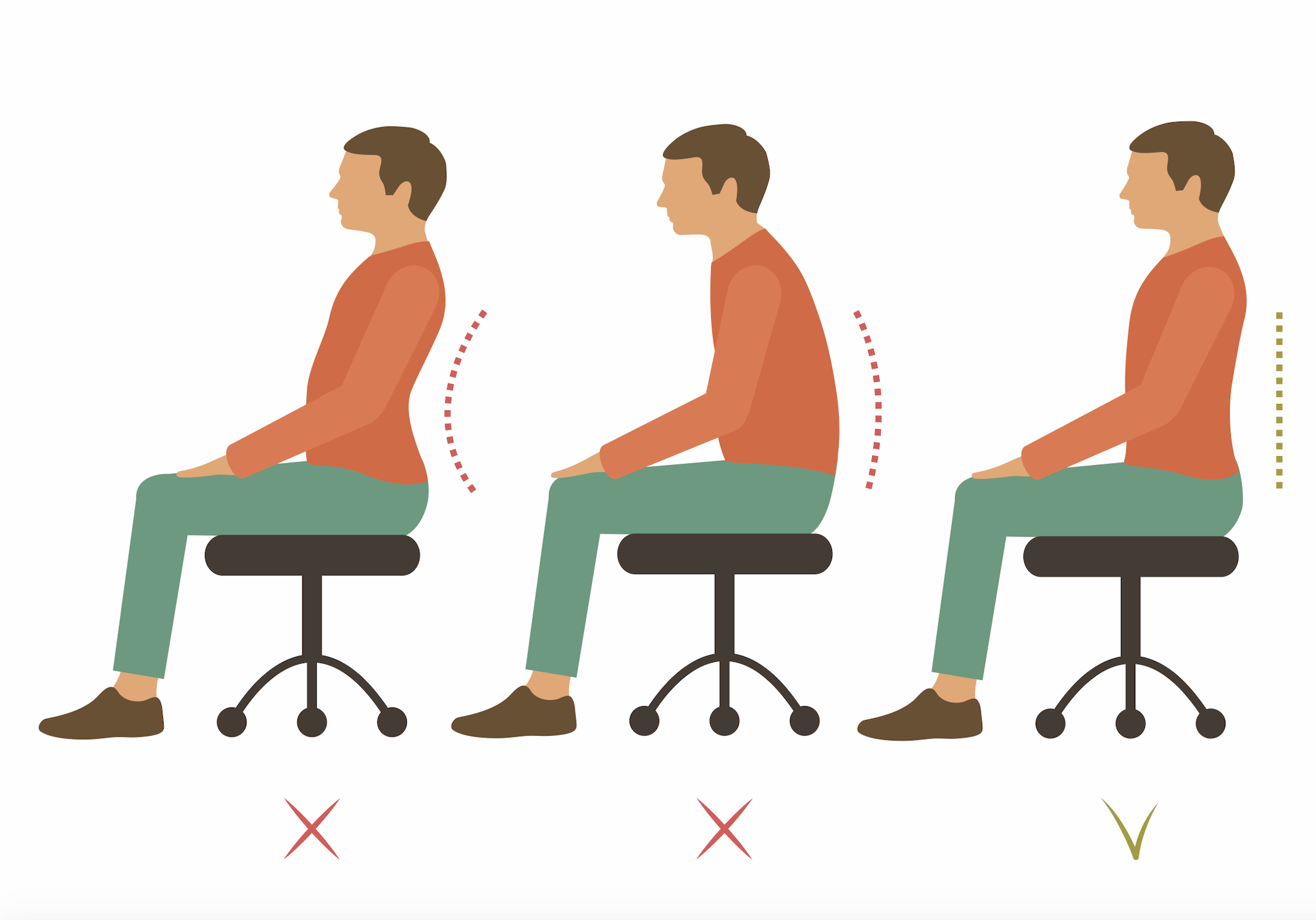
Understanding Postural Dysfunction
Postural dysfunction occurs when our spine and its accompanying joints deviate from their natural, neutral alignment for extended periods. This isn't just about looking "slouched"; it is a systemic biomechanical failure. This continuous deviation places unnatural, asymmetrical stress on ligaments, tendons, and muscles, leading to a cascade of painful symptoms across the body. When one area of the body falls out of alignment, the nervous system forces other areas to compensate, creating a domino effect of tension and fatigue.
Furthermore, poor posture significantly impacts your physiological and psychological state. Slouching physically compresses the diaphragm, limiting your lung capacity and forcing you into shallow, "apical" chest breathing. This shallow breathing signals to your nervous system that you are in a state of stress, subtly elevating your heart rate and cortisol levels. Over time, this creates a devastating feedback loop where physical misalignment feeds emotional fatigue, and fatigue further degrades your physical posture.
The Anatomy of the Spine Under Stress
The human spine is a marvel of biological engineering, designed with three natural, alternating curves (cervical lordosis, thoracic kyphosis, and lumbar lordosis) to act as a coiled spring. These curves are essential to absorb shock, distribute the weight of the head and torso evenly, and allow for explosive athletic movement. When these curves are compromised—either flattened out or exaggerated—the biomechanics of the entire body shift. This shift causes compensatory patterns that inevitably lead to joint degeneration, nerve compression, and significantly reduced mobility.
The muscles designed for quick, dynamic movements are suddenly forced to act as postural stabilizers, a job they inevitably fail at, resulting in painful spasms. For instance, your powerful latissimus dorsi and trapezius muscles are meant to pull and lift, not to hold your spine upright against gravity for ten hours a day. When forced into this stabilizing role, these muscles become ischemic (starved of blood flow) and develop dense, fibrotic trigger points that radiate pain into your neck, shoulders, and even down your arms.
The Impact of Modern Lifestyles
Our rapid transition to desk-bound, screen-heavy lifestyles over the last two decades has absolutely devastated our natural biomechanics. The human body evolved to walk, run, climb, and carry, not to sit statically for 8 to 12 hours a day. Prolonged sitting causes the hip flexors (psoas and iliacus) to chronically shorten, the gluteal muscles to essentially fall asleep (gluteal amnesia), and the shoulders to aggressively round forward.
This combination completely alters our center of gravity, placing immense shearing forces on the lower back discs and forcing the upper back muscles to fight a losing battle against gravity. In an urban environment like Toronto, this is compounded by the "commuter posture"—sitting on transit, carrying heavy messenger bags or unevenly loaded backpacks, and rushing through concrete streets. Your body adapts to the positions it spends the most time in; if you spend 80% of your day curled into a C-shape over a keyboard, your fascia and muscles will literally remodel themselves to lock you into that dysfunctional shape.
The "Tech Neck" Phenomenon
"Tech neck," or anterior head carriage, is a specific and highly destructive manifestation of poor posture where the head continuously juts forward toward a screen. In a neutral position, the adult head weighs about 10 to 12 pounds. However, physics dictates that for every single inch the head moves forward past the neutral shoulder line, the weight borne by the delicate cervical spine effectively doubles. This means looking down at a smartphone can place up to 60 pounds of force on the neck.
This relentless strain leads to chronic tension headaches, temporomandibular joint (TMJ) irritation, and premature discogenic injuries, such as bulging discs and pinched nerves in the cervical spine. If left unaddressed for years, the body responds to this excessive localized stress by laying down extra bone to reinforce the unstable area. These are known as osteophytes, or bone spurs. Once these bone spurs form, they can permanently narrow the space available for nerves exiting the neck, turning a correctable muscular issue into a permanent, irreversible structural pathology.
The Rehab Mechanics Approach to Posture
At Rehab Mechanics on Abell Street, we understand that simply telling a patient to "sit up straight" or "pull your shoulders back" is entirely ineffective. Posture is heavily influenced by the nervous system and long-standing muscular adaptations; it cannot be fixed by willpower alone. Trying to force yourself into "good posture" usually just results in arching the lower back excessively, which creates an entirely new set of problems.
We utilize a comprehensive, science-based approach combining advanced soft tissue therapy, specifically calibrated corrective exercises, and effective modalities to physically and neurologically restructure your postural habits from the ground up. Our goal is not to give you a rigid, military-style posture, but rather a dynamic, resilient, and relaxed neutral posture that requires minimal energy to maintain.
Comprehensive Biomechanical Assessment
Our experienced physiotherapists begin your journey with a thorough, full-body assessment of both your static posture and dynamic movement patterns. We look beyond the site of pain. We analyze individual joint mobility, precise muscle length and tension, and your baseline neurological function. By watching you perform fundamental movements like squats, lunges, and overhead reaches, we can pinpoint the exact muscular imbalances and joint restrictions that are secretly driving your poor posture and subsequent pain.
We also conduct a detailed ergonomic audit of your daily life. We discuss your desk height, monitor placement, the type of chair you use, and how often you take breaks. Often, we find that a patient's pain is continuously triggered by a monitor that is set 15 degrees too far to the left, or a chair that places their knees higher than their hips, which posteriorly tilts the pelvis and flattens the lumbar curve.
Targeted Clinical Interventions
Once the specific imbalances are accurately identified, we deploy targeted, hands-on clinical treatments to manipulate the tissues. We utilize techniques like active release, trigger point therapy, and joint mobilizations to release chronically overactive, tight muscles (such as the upper trapezius and pectorals) and stimulate underactive, inhibited ones (such as the lower trapezius and deep cervical flexors).
This manual reset is crucial for creating the physical space and joint freedom required to adopt a new, healthy posture. Think of it like trying to open a door with a rusted hinge; you cannot simply push harder. You must first clear the rust and lubricate the joint. Our manual therapy "clears the rust" from your soft tissues, removing the restrictive fascial adhesions that physically block you from standing up straight.
Corrective Exercise Protocols
Following manual therapy, we prescribe highly specific, progressive corrective exercises. These aren't your typical, generic gym stretches; they are tailored neuromuscular re-education drills. We focus on endurance over absolute strength, retraining your core, scapular stabilizers, and deep neck flexors to maintain your newly acquired alignment unconsciously.
By integrating these precise micro-movements into your daily routine—often right at your desk—we ensure that your body naturally defaults to a healthy, upright position without you having to constantly think about it. Exercises like "wall angels" and "chin tucks" become your daily medicine. We empower you with the physical literacy to understand when your posture is failing and the immediate tools to correct it before it translates into a painful spasm.
About the Author
Mr. Sanjay Attwala (B.Sc., M.Sc., RPT) is a Registered Physiotherapist, clinical director, and the founder of Rehab Mechanics in Toronto. With over 15 years of registered clinical practice and a deep specialization in complex musculoskeletal rehabilitation, Sanjay synthesizes rigorous international academic training with advanced evidence-based therapeutics to guide his clinical practice and patient education initiatives.
Academic Background & Credentials
Master of Science (M.Sc.) in Physiotherapy – University of Keele, United Kingdom (2010).
Bachelor of Science (B.Sc.) – University of Waterloo, Ontario, Canada.
Registered Physiotherapist (RPT) – Regulated health professional in excellent standing with the College of Physiotherapists of Ontario (CPO).
Corporate Entity – Operating officially under the S. Attwala Physiotherapy Professional Corporation with a DBA of Rehab Mechanics.
Clinical Expertise & Philosophy
Sanjay’s clinical approach rejects passive symptom management in favor of identifying underlying biomechanical root causes. His diverse expertise spans advanced manual therapies, personalized corrective exercise prescription, and modern physical modalities. At the Rehab Mechanics Toronto Queen West clinic, he routinely diagnoses and treats complex conditions including:
Spinal & Discogenic Pathology – Cervical, thoracic, and lumbar disc injuries, sciatica, and sacroiliac joint (SIJ) dysfunction.
Upper & Lower Extremity Injuries – Rotator cuff tears, frozen shoulder, tennis/golfer’s elbow, carpal tunnel syndrome, and complex ankle/foot pathologies.
Perinatal & Pelvic Health Rehabilitation – Specialized assessment and rehabilitation protocols tailored specifically for women during pregnancy and the post-partum period, addressing pelvic girdle pain, diastasis recti, and core stabilization.
Specialized Rehabilitation – Pelvic health therapy, TMJ dysfunction, post-surgical rehabilitation (including Total Hip and Total Knee Replacements), and custom orthotics dispensing.
Shockwave Therapy: with advanced cutting edge technological devices to suit your needs.
Interdisciplinary Practice & Patient Care
Sanjay practices an integrated model of healthcare, working closely alongside medical doctors inside the Prime Medical Centre on Abell Street to streamline patient recovery pathways. He maintains a human-centric, communication-first clinical framework, ensuring that care remains fully customized rather than automated.
His clinical caseload encompasses a broad operational spectrum under Ontario's regulatory frameworks, including:
Motor Vehicle Accident (MVA) Claims – Rehabilitation navigating Ontario’s statutory accident benefits schedule.
Workplace Safety and Insurance Board (WSIB) – Occupational injury management and return-to-work screening.
Extended Health Care (EHC) & Private Practice – Multi-tier insurance coordination and long-term athletic development plans.
Commitment to Research & Community
Outside of his clinical caseload at Rehab Mechanics and his additional practice affiliations in Etobicoke, Sanjay is an active health writer and community educator. He translates contemporary peer-reviewed medical research into accessible, actionable guidance on his professional blog. As a dedicated father and husband, he mirrors his professional advice in his personal life, focusing on structural mobility, cross-training, and longevity to help his family and his community thrive. Naturally he takes he a keen interest in rehabilitation for women who are pregnant and post-partum.
Disclaimer: The information provided on this blog is intended for educational and informational purposes only. It does not constitute medical advice, diagnosis, or a treatment plan. Always seek the direct advice of a Registered Physiotherapist, physician, or other qualified health provider regarding any medical condition or physical rehabilitation routine.
Be sure to check out Rehab Mechanics’ Google My Business Profile for daily posts, location and directions in addition to the directions on the website!
We love interacting with prospective and current patients, and love honest feedback and even constructive criticism and areas for improvement!

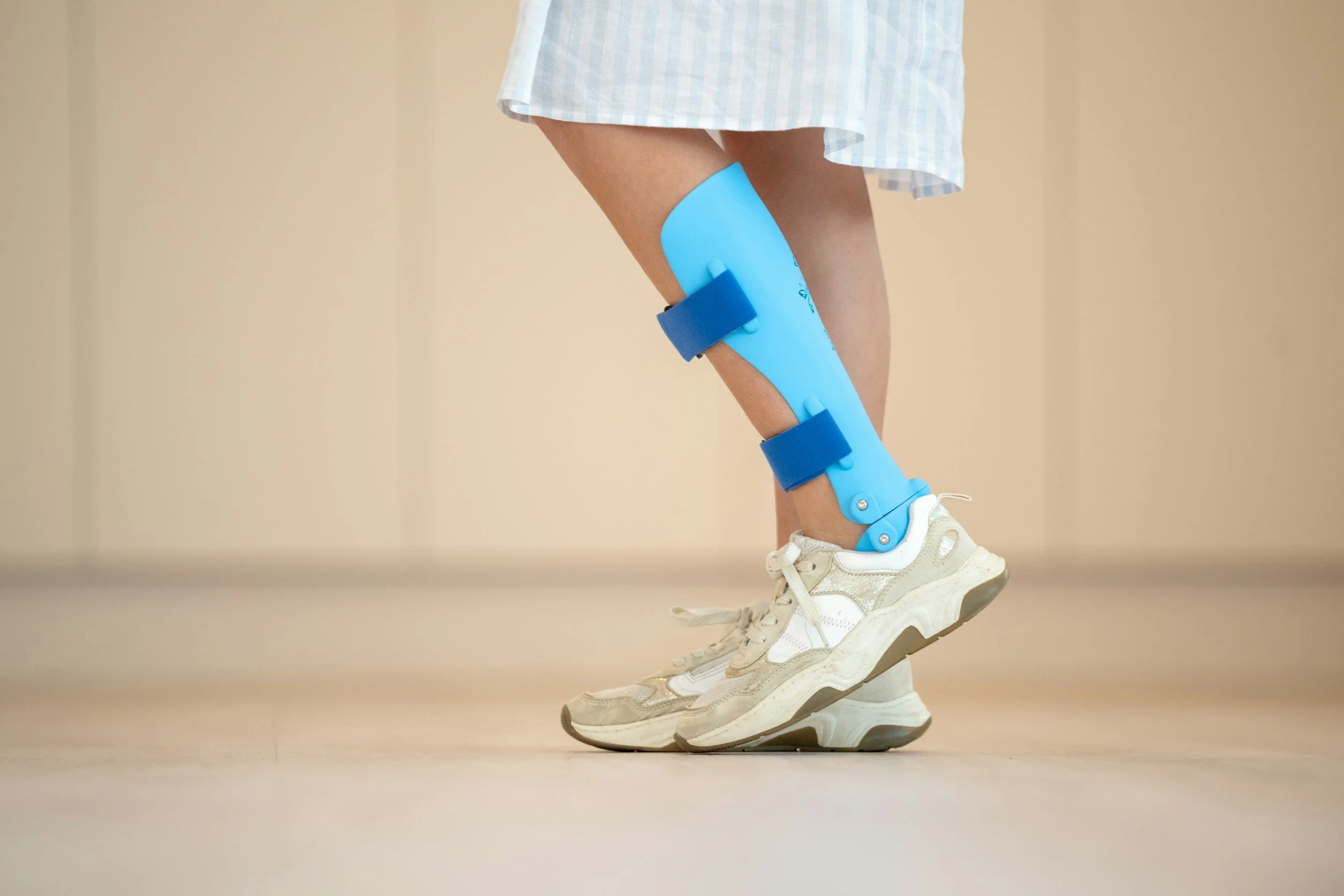
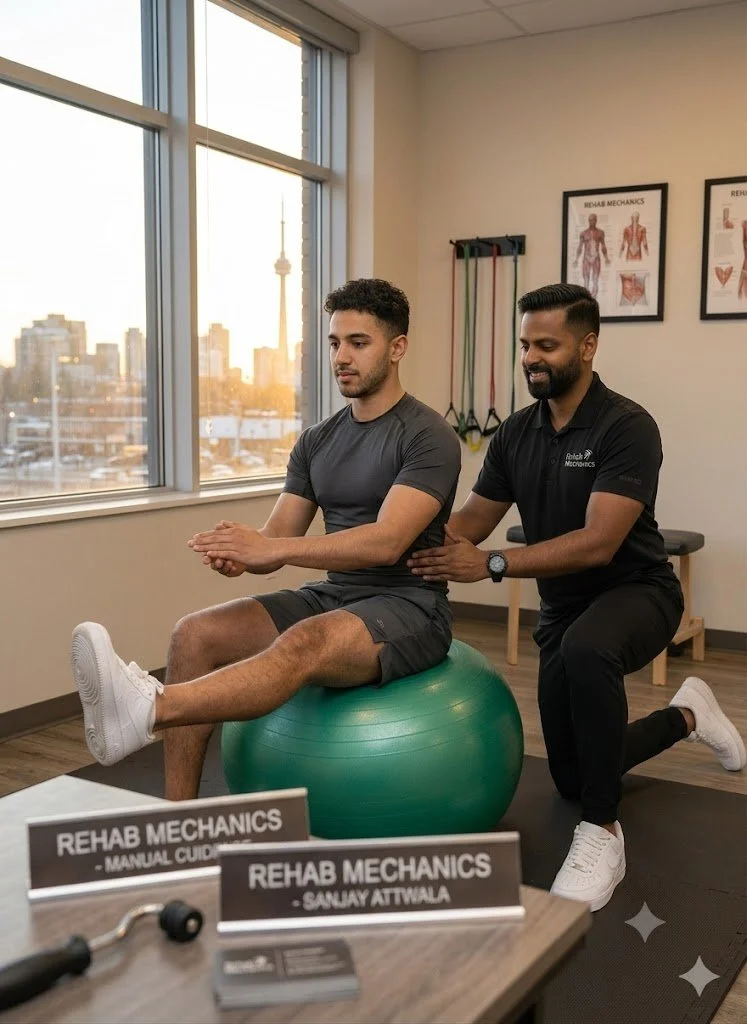
Ergonomics and Beyond: Managing Carpal Tunnel and De Quervain’s Tenosynovitis
In our modern, hyper-connected, fast-paced digital world, our hands, wrists, and thumbs endure an absolutely incredible, unnatural amount of repetitive daily stress. We swipe, type, click, and text thousands of times a day.
Consequently, painful, nerve-wracking, and severely limiting wrist injuries like Carpal Tunnel Syndrome and De Quervain’s Tenosynovitis are skyrocketing across all demographics, from young gamers to older administrative workers. However, Rehab Mechanics offers highly specialized, conservative, and ergonomic solutions designed to rapidly alleviate trapped nerve pain and restore full, pain-free hand and wrist function.
The Complexity of the Wrist
The human wrist is not a simple, single joint like a door hinge, but rather an incredibly complex, tightly packed, and highly articulated structural intersection. It is composed of eight intricately shaped, pebble-like small carpal bones, tightly bound together by a massive, complex web of rigid, interwoven ligaments.
Most importantly, it serves as a crowded, incredibly narrow anatomical conduit for all the vital, highly sensitive flexor tendons, major nerves, and blood vessels traveling from the powerful muscles of the forearm directly into the palm of the hand and the tips of the fingers. There is absolutely no extra room in this anatomical chokepoint.
Carpal Tunnel Syndrome (CTS)
Carpal Tunnel Syndrome (CTS) is by far the most well-known, frequently diagnosed, and heavily researched compression neuropathy of the upper extremity.
It is distinctly and unmistakably characterized by intense numbness, painful "pins and needles" tingling (paresthesia), deep burning pain, and eventual severe muscle weakness. Crucially, these symptoms specifically target the thumb, index finger, middle finger, and exactly half of the ring finger—which perfectly maps to the exact sensory distribution pathway of the median nerve. If your pinky finger is numb, it is generally not Carpal Tunnel, but a different nerve issue.
Anatomy of the Carpal Tunnel
The carpal tunnel itself is a rigid, unforgiving, extremely narrow passageway located on the palm side (volar aspect) of your wrist. It is formed by the curved carpal bones acting as the floor and walls, and a thick, incredibly tight, unyielding ligament (the transverse carpal ligament) acting as the solid roof.
When the protective, slippery sheaths (synovium) surrounding the nine flexor tendons that run through this crowded tunnel become inflamed and swell—very often due to poor typing ergonomics, sustained, awkward wrist flexion angles, or repetitive, forceful gripping—they rapidly run out of physical space. This swelling aggressively compresses the soft, delicate, vital median nerve that is hopelessly trapped within this rigid, bony box.
Median Nerve Compression Dynamics
Prolonged, unrelieved physical compression of the median nerve is incredibly destructive to the nervous system. It literally starves the nerve of vital blood flow (ischemia), physically strips the nerve of its protective, conductive myelin sheath, and severely disrupts vital axonal transport (the essential flow of nutrients and chemical signals up and down within the nerve).
Left untreated for too long, this chronic compression leads to permanent, irreversible sensory loss, the chronic, clumsy dropping of coffee cups and keys, and visible, permanent wasting away (atrophy) of the fleshy thenar muscles at the base of the thumb. Early, aggressive, conservative physiotherapy intervention is absolutely vital to halt this progression and prevent permanent nerve damage and the need for surgical release.
De Quervain’s Tenosynovitis
Commonly, yet somewhat inaccurately, referred to in pop culture as "Gamer's Thumb," "Texting Thumb," or "Mommy Thumb" (due to the highly awkward wrist mechanics required when repeatedly lifting heavy, growing infants), De Quervain’s Tenosynovitis is a highly painful, acute inflammatory condition.
It aggressively targets the tendons located specifically on the thumb side of your wrist, causing severe, sharp, breathtaking pain during simple gripping, tight pinching, or any forceful rotational wrist movements, such as pouring a heavy kettle, turning a stiff door key, or opening a tight jar.
The Mechanics of Thumb Tendinopathy
This specific, agonizing condition involves the severe inflammation, thickening, and subsequent swelling of the tight synovial sheath (the slick, protective tunnel) that surrounds and strictly houses two highly specific tendons responsible for controlling the outward and upward movement of the thumb: the extensor pollicis brevis and the abductor pollicis longus.
When this narrow sheath swells due to friction and overuse, these tendons experience massive, painful resistance and friction every single time the thumb moves, leading to agonizing pain that can radiate up the forearm.
Clinical Diagnosis and Finkelstein's Test
In our clinic, we can highly accurately diagnose this specific condition through a thorough, hands-on physical assessment and targeted provocative orthopedic testing, prominently utilizing a widely recognized clinical maneuver called Finkelstein’s test.
In this test, the patient tucks their thumb securely inside a closed fist, wrapping their fingers over it, and sharply deviates the wrist downward toward the pinky finger (ulnar deviation). If this specific movement elicits a sharp, blinding, "electric" pain directly over the radial styloid (the bony bump on the thumb side of the wrist), the test is strongly positive for De Quervain's.
Comprehensive Physiotherapy Management
Surgical release of these inflamed tissues should only be considered if all conservative measures strictly fail after months of effort. Comprehensive, conservative treatment for both CTS and De Quervain's at Rehab Mechanics includes immediate, aggressive workplace ergonomic redesign (like vertical mice and split keyboards).
We also utilize highly specific resting splinting recommendations to protect the area during sleep, aggressive deep soft tissue massage and active release of the tight forearm flexors and extensors, and specialized, targeted neuro-dynamic gliding exercises explicitly designed to gently free the trapped nerves and tendons from their restrictive surrounding tissues without causing further irritation.
About the Author
Mr. Sanjay Attwala (B.Sc., M.Sc., RPT) is a Registered Physiotherapist, clinical director, and the founder of Rehab Mechanics in Toronto. With over 15 years of registered clinical practice and a deep specialization in complex musculoskeletal rehabilitation, Sanjay synthesizes rigorous international academic training with advanced evidence-based therapeutics to guide his clinical practice and patient education initiatives.
Academic Background & Credentials
Master of Science (M.Sc.) in Physiotherapy – University of Keele, United Kingdom (2010).
Bachelor of Science (B.Sc.) – University of Waterloo, Ontario, Canada.
Registered Physiotherapist (RPT) – Regulated health professional in excellent standing with the College of Physiotherapists of Ontario (CPO).
Corporate Entity – Operating officially under the S. Attwala Physiotherapy Professional Corporation with a DBA of Rehab Mechanics.
Clinical Expertise & Philosophy
Sanjay’s clinical approach rejects passive symptom management in favor of identifying underlying biomechanical root causes. His diverse expertise spans advanced manual therapies, personalized corrective exercise prescription, and modern physical modalities. At the Rehab Mechanics Toronto Queen West clinic, he routinely diagnoses and treats complex conditions including:
Spinal & Discogenic Pathology – Cervical, thoracic, and lumbar disc injuries, sciatica, and sacroiliac joint (SIJ) dysfunction.
Upper & Lower Extremity Injuries – Rotator cuff tears, frozen shoulder, tennis/golfer’s elbow, carpal tunnel syndrome, and complex ankle/foot pathologies.
Perinatal & Pelvic Health Rehabilitation – Specialized assessment and rehabilitation protocols tailored specifically for women during pregnancy and the post-partum period, addressing pelvic girdle pain, diastasis recti, and core stabilization.
Specialized Rehabilitation – Pelvic health therapy, TMJ dysfunction, post-surgical rehabilitation (including Total Hip and Total Knee Replacements), and custom orthotics dispensing.
Shockwave Therapy: with advanced cutting edge technological devices to suit your needs.
Interdisciplinary Practice & Patient Care
Sanjay practices an integrated model of healthcare, working closely alongside medical doctors inside the Prime Medical Centre on Abell Street to streamline patient recovery pathways. He maintains a human-centric, communication-first clinical framework, ensuring that care remains fully customized rather than automated.
His clinical caseload encompasses a broad operational spectrum under Ontario's regulatory frameworks, including:
Motor Vehicle Accident (MVA) Claims – Rehabilitation navigating Ontario’s statutory accident benefits schedule.
Workplace Safety and Insurance Board (WSIB) – Occupational injury management and return-to-work screening.
Extended Health Care (EHC) & Private Practice – Multi-tier insurance coordination and long-term athletic development plans.
Commitment to Research & Community
Outside of his clinical caseload at Rehab Mechanics and his additional practice affiliations in Etobicoke, Sanjay is an active health writer and community educator. He translates contemporary peer-reviewed medical research into accessible, actionable guidance on his professional blog. As a dedicated father and husband, he mirrors his professional advice in his personal life, focusing on structural mobility, cross-training, and longevity to help his family and his community thrive. Naturally he takes he a keen interest in rehabilitation for women who are pregnant and post-partum.
Disclaimer: The information provided on this blog is intended for educational and informational purposes only. It does not constitute medical advice, diagnosis, or a treatment plan. Always seek the direct advice of a Registered Physiotherapist, physician, or other qualified health provider regarding any medical condition or physical rehabilitation routine.
Be sure to check out Rehab Mechanics’ Google My Business Profile for daily posts, location and directions in addition to the directions on the website!
We love interacting with prospective and current patients, and love honest feedback and even constructive criticism and areas for improvement!
Debunking the MRI Myth in Physical Therapy
Rethinking the Need for an MRI
Many individuals assume that a comprehensive MRI is the only pathway to kick-starting physical therapy. This belief often stems from the notion that advanced imaging is necessary to pinpoint the source of pain, yet in many cases, a thorough physical assessment can offer equally valuable insights. In this guide, you'll discover why the MRI myth persists and explore how focused clinical evaluations, rather than expensive imaging tests, can effectively guide your rehabilitation process.
Understanding your body’s mechanics doesn’t always demand high-tech diagnostics. Instead, consider these key points:
Clinical Assessment: Hands-on evaluations often reveal movement restrictions and muscle imbalances.
Cost and Time Efficiency: Skipping unnecessary imaging can reduce delays and expenses.
Local Expertise: Many community-based therapists use proven manual techniques to deliver swift recovery.
Read on to learn practical, actionable approaches that debunk the idea that complex imaging is a prerequisite for effective therapy. This introduction lays the groundwork for a deeper conversation on optimizing your recovery strategy without relying on extensive MRI scans.
Unlocking the Power of MRI in Diagnostics
Magnetic Resonance Imaging (MRI) stands as one of the most sophisticated techniques in medical diagnostics, using strong magnetic fields and radio waves to create intricate images of the body’s internal structures. This non-invasive imaging tool is indispensable in revealing details about soft tissues, organs, and joints that other diagnostic methods might overlook. Its high-resolution capabilities are particularly valuable in detecting conditions ranging from ligament injuries to subtle abnormalities in the brain and spine.
When approaching MRI as a diagnostic method, keep these key points in mind:
Safety and Precision: With no exposure to ionizing radiation, MRIs offer precise imaging without many associated risks.
Versatility: They are effective for evaluating a wide range of issues including musculoskeletal injuries, neurological conditions, and inflammatory diseases.
Local Accessibility: Many clinics and imaging centers in urban and suburban areas now provide convenient, high-quality MRI services, ensuring patients receive accurate assessments quickly.
Understanding how MRI operates not only helps clarify its role in comprehensive healthcare but also empowers you to ask informed questions about your diagnostic options.
Rethinking Diagnostic Imaging Before Therapy
Before diving into an active physical therapy plan, it's important to understand that MRIs aren’t always a prerequisite for effective treatment. Many seasoned physiotherapists prioritize detailed patient history and a comprehensive physical evaluation over immediate imaging, especially when the signs and symptoms suggest common musculoskeletal issues. This approach not only minimizes unnecessary delays but also helps reduce the healthcare costs for patients across local communities.
Consider these practical points:
Thorough Clinical Assessment: A hands-on evaluation by a skilled therapist can identify functional impairments without the need for advanced imaging.
Timely Intervention: Starting targeted therapy based on physical findings can accelerate recovery and prevent further injury.
Resource Optimization: Avoiding immediate MRIs supports efficient use of medical resources, making advanced imaging available for cases where it’s truly warranted.
By emphasizing clinical judgment and evidence-based practice, patients receive personalized care that addresses their unique needs. Additionally, local clinics and therapy centers are increasingly adopting these protocols, ensuring that treatment plans are both practical and effective. This proactive approach not only streamlines the path to recovery but also educates patients on the value of functional assessments.
Speeding Recovery: Embrace Early Physical Therapy
Starting physical therapy before MRI results are available can pave the way for a faster recovery and more efficient intervention. Delaying treatment in hopes of diagnostic clarity often hinders timely rehabilitation. Early physical therapy focuses on addressing pain, mobility issues, and functional limitations that can be alleviated through targeted exercises and manual techniques. By initiating treatment promptly, you can prevent the escalation of injury and improve overall outcomes.
Key benefits include:
Accelerated recovery: Engage in customized mobility exercises sooner to restore strength and flexibility.
Minimized discomfort: Early intervention targets pain relief through hands-on therapy and structured rehabilitation strategies.
Proactive management: Address movement imbalances and muscle weaknesses before they lead to more serious complications.
Localized support: In urban centers and suburban areas alike, nearby clinics offer community-based programs designed to meet your specific recovery goals.
Utilizing early physical therapy in the local area ensures that you receive expert guidance quickly, enabling your body to begin healing right away. This approach not only preserves functional fitness but also empowers you with practical strategies to maintain mobility and reduce the risk of future injuries.
FAQ: Demystifying MRI Use in Physical Therapy
What does an MRI actually show about my injury? MRIs provide detailed images of the body’s soft tissues and bones. However, they capture the static structure and may not reveal dynamic or functional issues, which are crucial for effective physical therapy. A thorough clinical exam often complements these images to create a complete picture.
Is an MRI needed before starting physical therapy? Not necessarily. Many patients can begin therapy based on clinical findings alone. MRIs are typically reserved for complex cases where the source of pain or dysfunction remains unclear after a physical examination.
Can MRI results sometimes lead to misguided treatment plans? Yes, sometimes the detailed images can introduce uncertainty if interpreted without context. It’s essential that physical therapists integrate MRI findings with hands-on assessments to tailor interventions.
How do physical therapists utilize MRI data in treatment planning? Therapists use MRI results to confirm structural issues, but they emphasize functional testing and patient history to devise a customized rehabilitation plan.
What alternatives exist for injury assessment? Beyond MRIs, clinical tests, range-of-motion analyses, and strength evaluations are valuable tools in crafting effective physical therapy strategies.
Decoding the Criteria for MRI Necessity in Physical Therapy
Healthcare providers use a systematic approach to determine when an MRI is truly necessary in physical therapy cases. Initially, clinicians conduct a comprehensive evaluation, combining a detailed patient history with an extensive physical examination. They assess symptoms such as persistent pain, restricted range-of-motion, and neurological signs, which serve as red flags for potential structural damage.
The decision-making process often includes:
Symptom Analysis: Reviewing the intensity, duration, and progression of discomfort.
Physical Testing: Performing targeted maneuvers to pinpoint areas of concern.
Clinical Judgment: Balancing diagnostic imaging with conservative treatment options.
Providers consider whether the benefits of an MRI outweigh the risks and costs, factoring in the likelihood of finding actionable abnormalities. For example, patients experiencing acute trauma or those with unusual neurological deficits may be prioritized for imaging. This careful, step-by-step assessment not only helps in avoiding unnecessary tests but also promotes efficient recovery strategies. In urban centers and local clinics, this protocol ensures that imaging resources are used judiciously, ultimately enhancing patient care and therapeutic outcomes.
Wrapping Up: Embrace Clarity and Confident Choices
As you reach the end of this discussion, it’s vital to reflect on the key insights that have emerged. The longstanding myth linking MRI scans directly to finding the root cause of pain is debunked when viewed through the lens of contemporary physical therapy practices. Instead of relying solely on imaging, modern treatment emphasizes comprehensive evaluations and tailored exercise programs that address the underlying mechanics of discomfort.
Moving forward, consider taking these actionable steps:
Engage in an in-depth discussion with your healthcare provider to explore a thorough physical assessment.
Prioritize finding local professionals who practice evidence-based methodologies.
Keep an open mind about alternative diagnostic approaches that focus on functional movement and recovery.
Arming yourself with accurate information and expert advice is the first step towards a more effective rehabilitation journey. Remember, personalized physical therapy can offer a more practical and holistic approach to managing pain. Take charge of your health by analyzing your options and consulting trusted professionals—empower yourself to make informed decisions and embrace a future of improved wellness.
About the Author
Mr. Sanjay Attwala (B.Sc., M.Sc., RPT) is a Registered Physiotherapist, clinical director, and the founder of Rehab Mechanics in Toronto. With over 15 years of registered clinical practice and a deep specialization in complex musculoskeletal rehabilitation, Sanjay synthesizes rigorous international academic training with advanced evidence-based therapeutics to guide his clinical practice and patient education initiatives.
Academic Background & Credentials
Master of Science (M.Sc.) in Physiotherapy – University of Keele, United Kingdom (2010).
Bachelor of Science (B.Sc.) – University of Waterloo, Ontario, Canada.
Registered Physiotherapist (RPT) – Regulated health professional in excellent standing with the College of Physiotherapists of Ontario (CPO).
Corporate Entity – Operating officially under the S. Attwala Physiotherapy Professional Corporation with a DBA of Rehab Mechanics.
Clinical Expertise & Philosophy
Sanjay’s clinical approach rejects passive symptom management in favor of identifying underlying biomechanical root causes. His diverse expertise spans advanced manual therapies, personalized corrective exercise prescription, and modern physical modalities. At the Rehab Mechanics Toronto Queen West clinic, he routinely diagnoses and treats complex conditions including:
Spinal & Discogenic Pathology – Cervical, thoracic, and lumbar disc injuries, sciatica, and sacroiliac joint (SIJ) dysfunction.
Upper & Lower Extremity Injuries – Rotator cuff tears, frozen shoulder, tennis/golfer’s elbow, carpal tunnel syndrome, and complex ankle/foot pathologies.
Perinatal & Pelvic Health Rehabilitation – Specialized assessment and rehabilitation protocols tailored specifically for women during pregnancy and the post-partum period, addressing pelvic girdle pain, diastasis recti, and core stabilization.
Specialized Rehabilitation – Pelvic health therapy, TMJ dysfunction, post-surgical rehabilitation (including Total Hip and Total Knee Replacements), and custom orthotics dispensing.
Shockwave Therapy: with advanced cutting edge technological devices to suit your needs.
Interdisciplinary Practice & Patient Care
Sanjay practices an integrated model of healthcare, working closely alongside medical doctors inside the Prime Medical Centre on Abell Street to streamline patient recovery pathways. He maintains a human-centric, communication-first clinical framework, ensuring that care remains fully customized rather than automated.
His clinical caseload encompasses a broad operational spectrum under Ontario's regulatory frameworks, including:
Motor Vehicle Accident (MVA) Claims – Rehabilitation navigating Ontario’s statutory accident benefits schedule.
Workplace Safety and Insurance Board (WSIB) – Occupational injury management and return-to-work screening.
Extended Health Care (EHC) & Private Practice – Multi-tier insurance coordination and long-term athletic development plans.
Commitment to Research & Community
Outside of his clinical caseload at Rehab Mechanics and his additional practice affiliations in Etobicoke, Sanjay is an active health writer and community educator. He translates contemporary peer-reviewed medical research into accessible, actionable guidance on his professional blog. As a dedicated father and husband, he mirrors his professional advice in his personal life, focusing on structural mobility, cross-training, and longevity to help his family and his community thrive. Naturally he takes he a keen interest in rehabilitation for women who are pregnant and post-partum.
Disclaimer: The information provided on this blog is intended for educational and informational purposes only. It does not constitute medical advice, diagnosis, or a treatment plan. Always seek the direct advice of a Registered Physiotherapist, physician, or other qualified health provider regarding any medical condition or physical rehabilitation routine.
Be sure to check out Rehab Mechanics’ Google My Business Profile for daily posts, location and directions in addition to the directions on the website!
We love interacting with prospective and current patients, and love honest feedback and even constructive criticism and areas for improvement!