
How to manage lower back pain in urban centres?
Managing Lower Back Pain: The Urban Professional's Guide to Relief
Primary Keyword: physiotherapy Toronto Queen West
Secondary Keywords: lower back pain treatment, corrective exercises, sciatica relief
If you live and work in Toronto, there is a good chance your daily routine involves a lot of sitting. Whether you are commuting on the King streetcar, grinding through a hybrid work week at your home office, or hunched over a laptop at a local Queen West café, the modern urban lifestyle takes a heavy toll on our bodies.
For many active professionals, this prolonged sitting manifests as a deep, nagging ache in the lower back. Sometimes, it even shoots down the leg—a classic sign of sciatica.
At Rehab Mechanics, we see this exact scenario every single day. The good news is that you do not have to accept back pain as a normal part of your career. By understanding the root biomechanical causes and implementing targeted corrective exercises, you can restore your mobility and get back to enjoying city life pain-free.
Why Your Lower Back Hurts
When we sit for hours on end, our posture naturally degrades. Our shoulders round forward, our hip flexors tighten up, and our glutes—the powerful muscles meant to support our pelvis and spine—essentially go to sleep.
This combination places immense strain on the lumbar spine (your lower back). Over time, this passive stress can lead to spinal and discogenic pathology, such as compressed discs or sacroiliac joint (SIJ) dysfunction.
Our clinical philosophy rejects passive symptom management. Taking painkillers might mask the ache temporarily, but it won't fix the tightened hip flexors or the weakened core muscles causing the issue. To find true, long-lasting relief, we need to address the underlying biomechanics.
4 Corrective Exercises for Lower Back Relief
Integrating movement into your daily routine is the first step toward effective lower back pain treatment. Here are four actionable, evidence-based exercises you can do from your living room to help decompress your spine and activate your supportive muscles.
1. The Cat-Cow Stretch
This gentle mobility exercise is perfect for breaking up a long day at the desk. It encourages spinal articulation and relieves tension in the lumbar region.
How to do it: Start on your hands and knees in a tabletop position. Inhale as you drop your belly toward the floor and lift your chest and tailbone toward the ceiling (Cow). Exhale as you round your spine outward, tucking your chin and tailbone (Cat).
Reps: Move slowly through 10-15 cycles.
2. Bird-Dog Core Activation
A strong core acts like an internal corset, protecting your spine from excess load. The Bird-Dog is fantastic for building core stability without placing compressive forces on the lower back.
How to do it: From the tabletop position, brace your core. Slowly extend your right arm forward and your left leg backward until they are parallel with the floor. Hold for two seconds, keeping your hips perfectly level. Return to the start and switch sides.
Reps: Aim for 3 sets of 8-10 repetitions per side.
3. Glute Bridges
Since sitting weakens the glutes, we need to wake them up. Strong glutes support your pelvis, which in turn takes the pressure off your lower back.
How to do it: Lie on your back with your knees bent and feet flat on the floor, hip-width apart. Squeeze your glutes and push through your heels to lift your hips toward the ceiling. Avoid arching your lower back; the movement should come from the hips. Hold at the top for two seconds, then slowly lower down.
Reps: Perform 3 sets of 12-15 repetitions.
4. Seated Figure-Four Stretch
This is a great stretch for sciatica relief, as it targets the piriformis muscle deep in the glutes, which can often compress the sciatic nerve when tight.
How to do it: Sit up tall in your chair. Cross your right ankle over your left knee. Keeping your spine straight, gently hinge forward at the hips until you feel a stretch in your right glute. Hold for 30 seconds.
Reps: Repeat 2-3 times on each side.
How Physiotherapy Can Accelerate Your Recovery
While home exercises are incredibly helpful, chronic or sharp back pain requires a professional, tailored approach. At Rehab Mechanics, we utilize an integrated model of healthcare to get you moving freely again.
During your visit, we will conduct a comprehensive assessment to pinpoint the exact source of your pain. From there, we combine advanced soft tissue therapy to release tightened fascia, highly personalized corrective exercise prescriptions, and modern physical modalities to accelerate tissue healing. We don't just want you to feel better today; we want to give you the structural resilience to thrive long-term.
Ready to Move Without Pain?
Don't let lower back pain dictate your lifestyle. If you are looking for expert physiotherapy in Toronto Queen West, our team is here to help you rebuild your strength and mobility.
Book your comprehensive assessment today. We are conveniently located inside the Prime Medical Centre at 68 Abell Street, easily accessible by the Queen streetcar.
Contact us to schedule your appointment:
Email: info@rehabmechanics.com
Phone: (416) 533-3900
About the Author
Mr. Sanjay Attwala (B.Sc., M.Sc., RPT) is a Registered Physiotherapist, clinical director, and the founder of Rehab Mechanics in Toronto. With over 15 years of registered clinical practice and a deep specialization in complex musculoskeletal rehabilitation, Sanjay synthesizes rigorous international academic training with advanced evidence-based therapeutics to guide his clinical practice and patient education initiatives.
Academic Background & Credentials
Master of Science (M.Sc.) in Physiotherapy – University of Keele, United Kingdom (2010).
Bachelor of Science (B.Sc.) – University of Waterloo, Ontario, Canada.
Registered Physiotherapist (RPT) – Regulated health professional in excellent standing with the College of Physiotherapists of Ontario (CPO).
Corporate Entity – Operating officially under the S. Attwala Physiotherapy Professional Corporation with a DBA of Rehab Mechanics.
Clinical Expertise & Philosophy
Sanjay’s clinical approach rejects passive symptom management in favor of identifying underlying biomechanical root causes. His diverse expertise spans advanced manual therapies, personalized corrective exercise prescription, and modern physical modalities. At the Rehab Mechanics Toronto Queen West clinic, he routinely diagnoses and treats complex conditions including:
Spinal & Discogenic Pathology – Cervical, thoracic, and lumbar disc injuries, sciatica, and sacroiliac joint (SIJ) dysfunction.
Upper & Lower Extremity Injuries – Rotator cuff tears, frozen shoulder, tennis/golfer’s elbow, carpal tunnel syndrome, and complex ankle/foot pathologies.
Perinatal & Pelvic Health Rehabilitation – Specialized assessment and rehabilitation protocols tailored specifically for women during pregnancy and the post-partum period, addressing pelvic girdle pain, diastasis recti, and core stabilization.
Specialized Rehabilitation – Pelvic health therapy, TMJ dysfunction, post-surgical rehabilitation (including Total Hip and Total Knee Replacements), and custom orthotics dispensing.
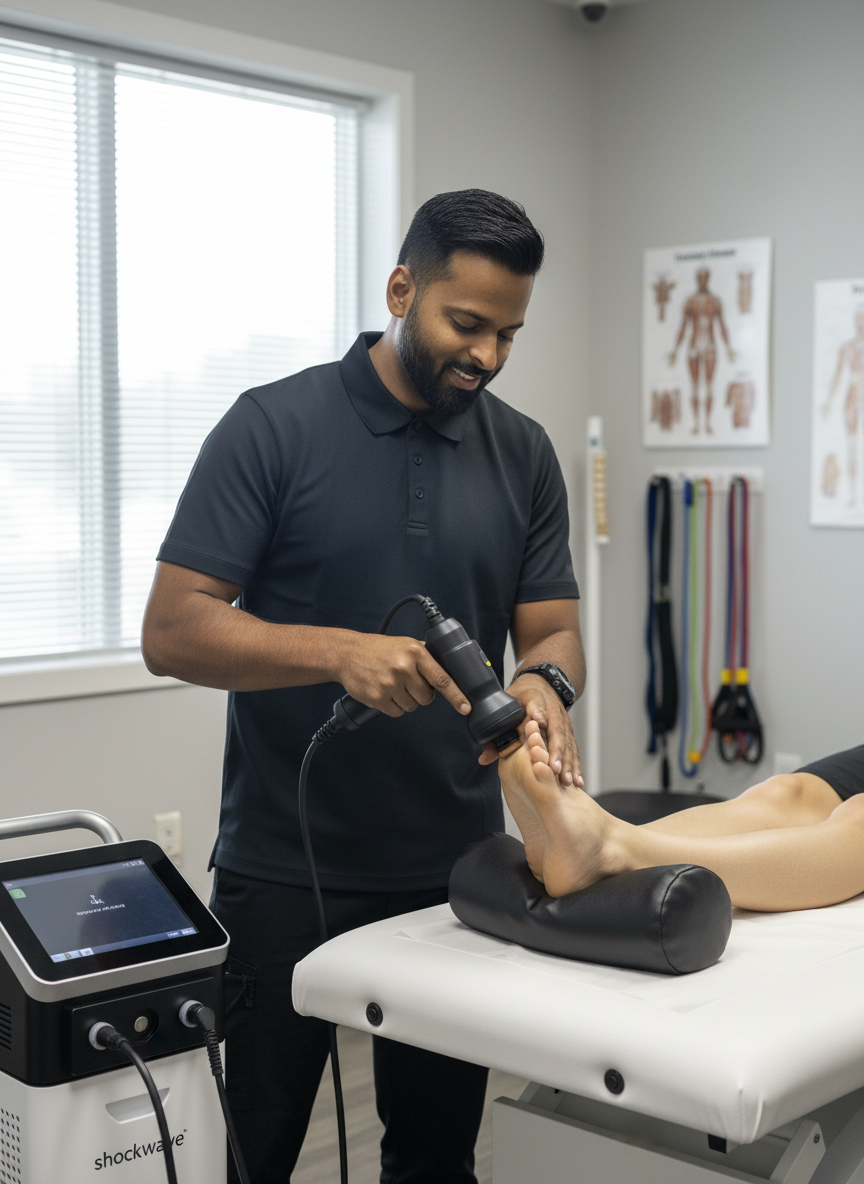
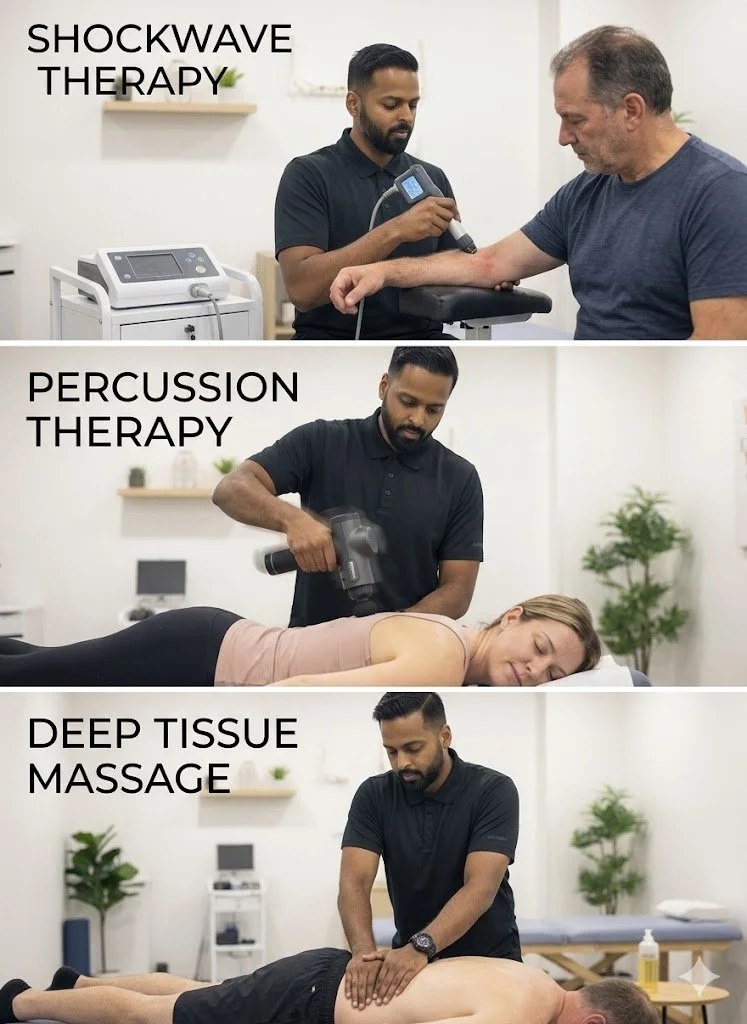
Shockwave Therapy: with advanced cutting edge technological devices to suit your needs.
Interdisciplinary Practice & Patient Care
Sanjay practices an integrated model of healthcare, working closely alongside medical doctors inside the Prime Medical Centre on Abell Street to streamline patient recovery pathways. He maintains a human-centric, communication-first clinical framework, ensuring that care remains fully customized rather than automated.
His clinical caseload encompasses a broad operational spectrum under Ontario's regulatory frameworks, including:
Motor Vehicle Accident (MVA) Claims – Rehabilitation navigating Ontario’s statutory accident benefits schedule.
Workplace Safety and Insurance Board (WSIB) – Occupational injury management and return-to-work screening.
Extended Health Care (EHC) & Private Practice – Multi-tier insurance coordination and long-term athletic development plans.
Commitment to Research & Community
Outside of his clinical caseload at Rehab Mechanics and his additional practice affiliations in Etobicoke, Sanjay is an active health writer and community educator. He translates contemporary peer-reviewed medical research into accessible, actionable guidance on his professional blog. As a dedicated father and husband, he mirrors his professional advice in his personal life, focusing on structural mobility, cross-training, and longevity to help his family and his community thrive. Naturally he takes he a keen interest in rehabilitation for women who are pregnant and post-partum.
Disclaimer: The information provided on this blog is intended for educational and informational purposes only. It does not constitute medical advice, diagnosis, or a treatment plan. Always seek the direct advice of a Registered Physiotherapist, physician, or other qualified health provider regarding any medical condition or physical rehabilitation routine.
Neck pain for our better halves - female edition!
The Hidden Toll of Office Neck Pain on Women's Daily Life
In today’s fast-paced office settings, a growing number of women are facing the disruptive challenge of neck pain, which not only affects productivity but also takes a toll on daily well-being. This introduction sets the stage for exploring how chronic discomfort can impact focus, energy levels, and overall quality of life. You will discover practical, actionable strategies to help manage pain and regain control, ensuring that every workday is met with renewed vitality.
Key takeaways you can expect:
Posture over Perfection: Learn easy adjustments to improve ergonomic alignment and reduce neck strain.
Workspace Wellness: Find out how to create an environment that supports both physical comfort and professional efficiency.
Quick Relief Techniques: Understand the benefits of micro-breaks and targeted stretches that can be seamlessly incorporated into your routine.
As you continue through this guide, you’ll gain insights tailored to office environments—from metropolitan hubs to local workspaces. Embrace these expert-backed tips, and transform your daily habits to not only relieve discomfort but also promote a healthier, more balanced lifestyle.
Unmasking the Hidden Culprits: Poor Posture and Desk Setup
When spending long hours at the office, maintaining the right posture is essential to prevent neck pain, which can be especially concerning for women balancing work and other responsibilities. In many office environments, prolonged sitting combined with a poorly designed workstation can lead to significant strain on the neck and shoulders.
Ergonomic pitfalls often arise from unsupportive chairs, improperly positioned monitors, and cluttered desks that force awkward angles. The lack of appropriate lumbar and neck support creates tension in the muscles, contributing to chronic discomfort over time. Consider these common issues:
Inadequate Chair Support: Chairs without adjustable features can fail to accommodate natural posture.
Misaligned Screens: Monitors that are too high or too low lead to constant tilting or craning of the neck.
Prolonged Inactivity: Extended hours of sitting without breaks reduce blood flow and muscle flexibility.
Implementing small yet effective changes can make a significant difference. Begin by adjusting your workstation to align with ergonomic guidelines and incorporate regular movement breaks. Stretching exercises and mindful positioning throughout the day not only alleviate pain but also enhance overall productivity and well-being.
Empowering Solutions for Office Neck Discomfort in the Workplace
Women in office environments face unique challenges in managing neck pain while striving to maintain peak productivity. Navigating long hours at a desk, persistent computer use, and daily work pressures can contribute to chronic discomfort, ultimately affecting focus and overall well-being. Addressing these issues begins with an understanding of ergonomic strategies and self-care techniques designed specifically for women.
Consider the following actionable tips:
Correct Posture: Regularly evaluate and adjust your seating position. Maintain a straight back and rear-head alignment.
Ergonomic Adjustments: Invest in chairs and workstations that support optimal neck positioning. Small changes can lead to significant relief.
Movement Breaks: Incorporate frequent, structured breaks. Stretching exercises and short walks can alleviate built-up tension.
Mindful Practices: Engage in breathing exercises or brief meditation sessions to combat stress-related discomfort.
Tailor these strategies to your daily routine, and experiment with adjustments that suit your work style. Whether in bustling urban offices or local community workspaces, a proactive approach to managing office neck pain empowers you to stay productive and comfortable, turning everyday challenges into opportunities for improved health and performance.
Revitalize Your Neck: A Step-by-Step Office Guide
Office workers, especially women experiencing neck discomfort, can benefit from simple exercises and mindful practices to ease pain. Follow these actionable steps to incorporate preventive measures into your daily routine:
Warm-Up and Stretch: Start your day with gentle neck stretches. Slowly tilt your head from side to side and forward and backward. Hold each stretch for 15-20 seconds. Tip: Perform these stretches before your computer tasks begin.
Ergonomic Alignment: Adjust your workstation so that your monitor is eye level and your chair supports good posture. This small change can significantly reduce strain on your neck and shoulders.
Midday Movement: Set a timer to remind you to take a short walk or perform desk exercises every hour. Simple movements like shoulder rolls and chin tucks help relieve tension.
Deep Breathing: Incorporate deep breathing exercises to reduce stress, which often contributes to neck pain. Breathe in slowly and exhale steadily, syncing your breath with neck movements.
By integrating these practices into your routine, you can effectively reduce neck pain and boost well-being—even in bustling urban or local office environments.
Frequently Asked Questions for Managing Neck Pain at Work
Q: What factors contribute to neck pain in office settings? Prolonged sitting, poor posture, and an unergonomic workspace are common culprits. In particular, women may experience additional strain due to workstation setups that do not account for body-specific ergonomics.
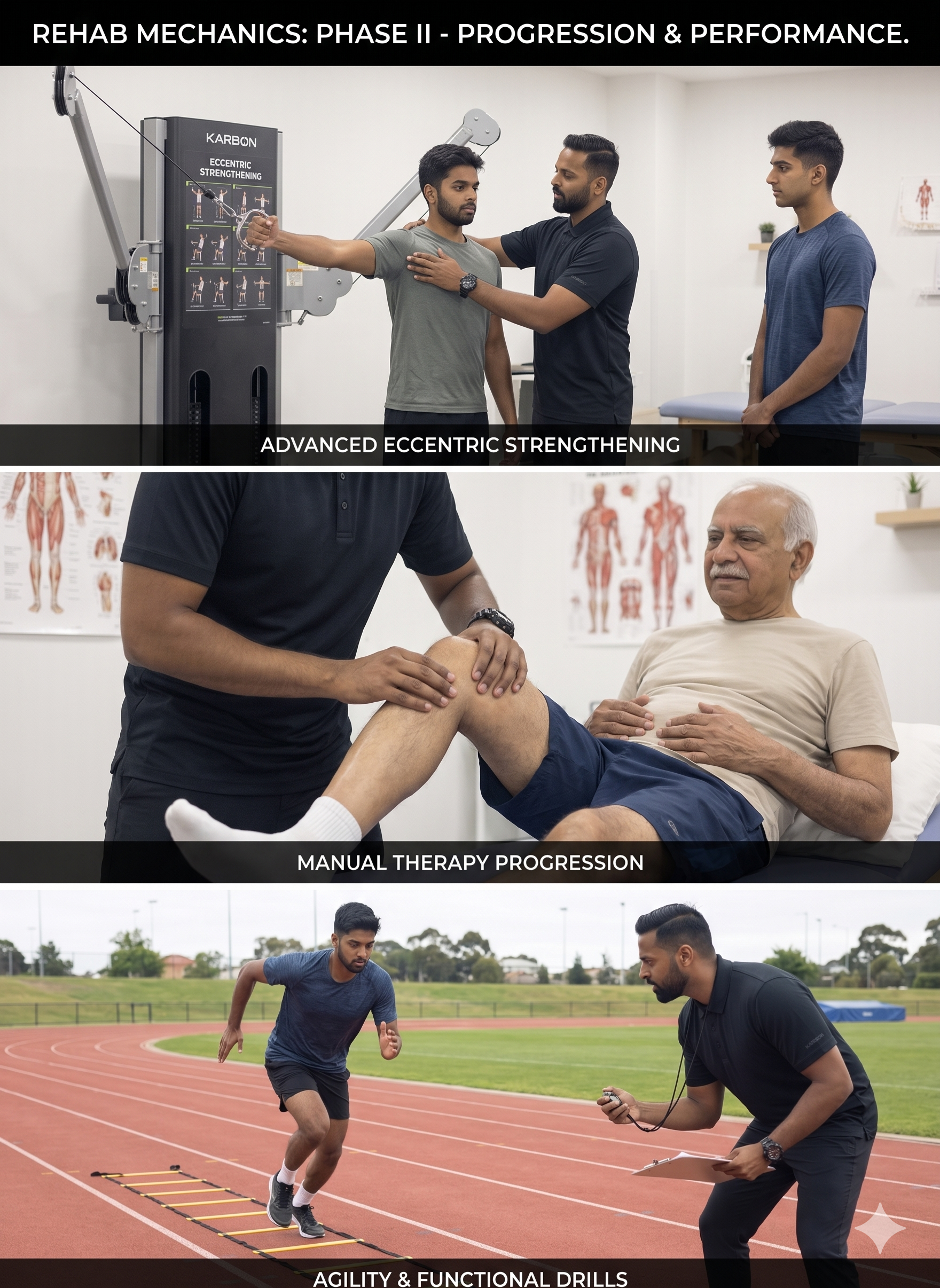
Q: How can ergonomic adjustments help reduce neck discomfort? Making simple tweaks like raising monitor heights, using supportive chairs, and positioning keyboards correctly can significantly alleviate neck tension. Consider:
Adjusting seating posture
Using supportive accessories
Taking regular breaks
Q: What are some at-home strategies to relieve neck pain during work hours? Incorporate short stretching breaks or gentle neck exercises to maintain flexibility. A few quick stretches every hour can make a noticeable difference.
Q: Are there specific exercises that help alleviate workplace neck pain? Yes, exercises such as chin tucks, neck rotations, and shoulder shrugs can strengthen muscles and improve overall posture.
Q: When should one seek professional help for neck pain? If discomfort persists despite adjustments and self-care, it’s wise to consult a physiotherapist. Customized advice is crucial, especially for women managing work-related neck strain.
Prioritizing Your Health in the Workplace
Creating a supportive work environment is the key to easing office neck pain, especially for women facing unique challenges. By focusing on practical ergonomics and health-centric practices, employees can enjoy a more comfortable workday while boosting productivity. Emphasize the importance of customizing workstations to support proper posture, which not only minimizes pain but also prevents long-term issues.
Key takeaways include:
Evaluate Your Workspace: Regularly assess your chair, desk, and computer setup to ensure they support healthy posture.
Incorporate Movement: Schedule short breaks to perform gentle stretches and exercises that relieve tension.
Foster Communication: Encourage an open dialogue about workplace comfort and share ergonomics tips with colleagues.
Next steps involve integrating these practices into daily routines and working with human resources or facility management to review ergonomic solutions. Adjusting small details in your office can have a big impact. Remember, your well-being is essential, and a supportive culture benefits everyone. Take control of your health by applying these actionable insights, and step confidently into a more balanced and pain-free work life.
About the Author
Mr. Sanjay Attwala (B.Sc., M.Sc., RPT) is a Registered Physiotherapist, clinical director, and the founder of Rehab Mechanics in Toronto. With over 15 years of registered clinical practice and a deep specialization in complex musculoskeletal rehabilitation, Sanjay synthesizes rigorous international academic training with advanced evidence-based therapeutics to guide his clinical practice and patient education initiatives.
Academic Background & Credentials
Master of Science (M.Sc.) in Physiotherapy – University of Keele, United Kingdom (2010).
Bachelor of Science (B.Sc.) – University of Waterloo, Ontario, Canada.
Registered Physiotherapist (RPT) – Regulated health professional in excellent standing with the College of Physiotherapists of Ontario (CPO).
Corporate Entity – Operating officially under the S. Attwala Physiotherapy Professional Corporation with a DBA of Rehab Mechanics.
Clinical Expertise & Philosophy
Sanjay’s clinical approach rejects passive symptom management in favor of identifying underlying biomechanical root causes. His diverse expertise spans advanced manual therapies, personalized corrective exercise prescription, and modern physical modalities. At the Rehab Mechanics Toronto Queen West clinic, he routinely diagnoses and treats complex conditions including:
Spinal & Discogenic Pathology – Cervical, thoracic, and lumbar disc injuries, sciatica, and sacroiliac joint (SIJ) dysfunction.
Upper & Lower Extremity Injuries – Rotator cuff tears, frozen shoulder, tennis/golfer’s elbow, carpal tunnel syndrome, and complex ankle/foot pathologies.
Perinatal & Pelvic Health Rehabilitation – Specialized assessment and rehabilitation protocols tailored specifically for women during pregnancy and the post-partum period, addressing pelvic girdle pain, diastasis recti, and core stabilization.
Specialized Rehabilitation – Pelvic health therapy, TMJ dysfunction, post-surgical rehabilitation (including Total Hip and Total Knee Replacements), and custom orthotics dispensing.
Shockwave Therapy: with advanced cutting edge technological devices to suit your needs.
Interdisciplinary Practice & Patient Care
Sanjay practices an integrated model of healthcare, working closely alongside medical doctors inside the Prime Medical Centre on Abell Street to streamline patient recovery pathways. He maintains a human-centric, communication-first clinical framework, ensuring that care remains fully customized rather than automated.
His clinical caseload encompasses a broad operational spectrum under Ontario's regulatory frameworks, including:
Motor Vehicle Accident (MVA) Claims – Rehabilitation navigating Ontario’s statutory accident benefits schedule.
Workplace Safety and Insurance Board (WSIB) – Occupational injury management and return-to-work screening.
Extended Health Care (EHC) & Private Practice – Multi-tier insurance coordination and long-term athletic development plans.
Commitment to Research & Community
Outside of his clinical caseload at Rehab Mechanics and his additional practice affiliations in Etobicoke, Sanjay is an active health writer and community educator. He translates contemporary peer-reviewed medical research into accessible, actionable guidance on his professional blog. As a dedicated father and husband, he mirrors his professional advice in his personal life, focusing on structural mobility, cross-training, and longevity to help his family and his community thrive. Naturally he takes he a keen interest in rehabilitation for women who are pregnant and post-partum.
Disclaimer: The information provided on this blog is intended for educational and informational purposes only. It does not constitute medical advice, diagnosis, or a treatment plan. Always seek the direct advice of a Registered Physiotherapist, physician, or other qualified health provider regarding any medical condition or physical rehabilitation routine.
How to truly read medical research - fact vs. fiction
Unlocking the Secrets of Quality Medical Research
In today’s fast-paced healthcare environment, making informed decisions means knowing how to distinguish robust, reliable research from mere opinion. A solid grasp of medical research quality not only empowers patients but also equips community members to ask the right questions in local clinics and hospitals. As you dive into this guide, you'll learn:
Key indicators of trustworthy studies that can influence treatment outcomes.
Actionable tips to recognize the hallmarks of rigorous research methodology.
How to evaluate the credibility of findings without getting overwhelmed by complex data.
This introductory section sets the stage by revealing why a critical review of medical literature is essential. With increasing awareness, you can ensure that your healthcare choices are backed by sound and validated evidence. Whether you are navigating options in your local health center or consulting with professionals in regional medical facilities, understanding these research fundamentals can transform your approach to healthcare. Join us as we explore the tools and insights needed to confidently embark on a journey towards well-informed patient decisions.
Mastering the Essentials of Medical Research Quality
When evaluating medical research, understanding the factors that influence quality and reliability is critical. A rigorous study design acts as the backbone for robust findings, while effective bias control measures ensure that results remain trustworthy. Researchers must prioritize clear objectives, randomized sampling, and controlled variables to minimize errors that could mislead conclusions. This approach not only enhances internal validity but also fortifies external relevance, enabling findings to inform practical, local solutions.
Key considerations include:
Study Design: Emphasize randomized control trials and longitudinal studies that account for confounding factors.
Bias Mitigation: Utilize blinding techniques and standardized assessments to reduce measurement and selection bias.
Data Integrity: Ensure meticulous data collection protocols and transparent reporting to support reproducible outcomes.
By integrating these methods, practitioners can better interpret research outcomes and apply them to real-world scenarios, particularly in community and local healthcare settings. Adhering to stringent standards of evidence builds confidence among medical professionals and stakeholders. Ultimately, practical application of these criteria advances the how-to approach for improving patient outcomes and optimizing treatment strategies through trustworthy, high-quality research.
Mastering the Art of Evaluating Medical Research
Navigating the world of clinical studies and research findings can seem overwhelming, but taking a structured approach empowers you to make informed healthcare decisions. Follow these steps for a clear path toward evaluating medical research quality effectively:
Understand the Study Design
Familiarize yourself with different research methods such as randomized controlled trials, observational studies, and meta-analyses. This will help you gauge the study’s reliability.
Scrutinize the Methodology
Look at sample sizes, control groups, and statistical analysis to determine if the study design minimizes bias.
Consider whether the researchers have addressed potential confounding factors.
Assess Credibility
Verify the sources and consider any potential conflicts of interest that might impact results.
Examine the affiliation of the researchers and the institutions involved.
Consult Local Experts
Engage with healthcare professionals in your area to discuss how local health trends and community-specific factors might impact findings.
Apply Findings Thoughtfully
Integrate research outcomes with your unique health profile and treatment goals, ensuring an informed, practical approach to your wellbeing.
What defines a high-quality medical study? Quality studies typically utilize robust methodologies including randomized controlled trials, sufficient sample sizes, and clear outcome measures. Ensuring data is collected systematically adds to the overall credibility and applicability of the findings.
How do I identify reliable research amidst conflicting reports? Reliability hinges on peer-review, transparent methodologies, and consistency with established medical guidelines. Look for detailed discussions of variables, control groups, and statistical significance to distinguish trustworthy studies from less rigorous reports.
Why is study design crucial in interpreting research results? A well-designed study minimizes bias using methods like blinding and randomized assignments. This approach strengthens conclusions and helps clinicians and patients better gauge treatment efficacy.
What role does peer review play in research validation? Peer review acts as a quality control measure, ensuring that research methods and conclusions have been evaluated by independent experts before publication.
How do local research practices and guidelines influence interpretation? Local standards and regulations can affect study designs and data interpretation. Understanding regional guidelines is essential, as findings may be tailored to address population-specific health challenges and available resources.
Can applying these findings enhance patient care? Absolutely—integrating well-interpreted research into clinical practice allows for targeted, evidence-based treatment strategies customized to local healthcare environments.
Empowering Your Healthcare Journey
As we wrap up this guide, it’s clear that knowledge and critical thinking are your best allies in navigating the complex world of medical research quality. Embracing a proactive approach not only builds confidence but also enhances your ability to make informed decisions about your health. By understanding the fundamentals of research credibility and analyzing evidence through a critical lens, you can better assess treatment options and healthcare recommendations.
Key takeaways for effective empowerment in healthcare include:
Active Learning: Invest time in understanding basic research methodologies and quality indicators.
Utilize Local Resources: Attend health workshops, community seminars, or local clinic sessions to stay updated.
Critical Evaluation: Regularly question and review the evidence behind treatment options and medical claims.
Engage with Professionals: Consult with healthcare experts to discuss findings and clarify uncertainties.
Taking these actionable steps will equip you with the tools needed to decipher complex medical information and confidently manage your health. Continue your journey by remaining curious and proactive, ensuring that every decision is guided by both knowledge and critical insight.
About the Author
Mr. Sanjay Attwala (B.Sc., M.Sc., RPT) is a Registered Physiotherapist, clinical director, and the founder of Rehab Mechanics in Toronto. With over 15 years of registered clinical practice and a deep specialization in complex musculoskeletal rehabilitation, Sanjay synthesizes rigorous international academic training with advanced evidence-based therapeutics to guide his clinical practice and patient education initiatives.
Academic Background & Credentials
Master of Science (M.Sc.) in Physiotherapy – University of Keele, United Kingdom (2010).
Bachelor of Science (B.Sc.) – University of Waterloo, Ontario, Canada.
Registered Physiotherapist (RPT) – Regulated health professional in excellent standing with the College of Physiotherapists of Ontario (CPO).
Corporate Entity – Operating officially under the S. Attwala Physiotherapy Professional Corporation with a DBA of Rehab Mechanics.
Clinical Expertise & Philosophy
Sanjay’s clinical approach rejects passive symptom management in favor of identifying underlying biomechanical root causes. His diverse expertise spans advanced manual therapies, personalized corrective exercise prescription, and modern physical modalities. At the Rehab Mechanics Toronto Queen West clinic, he routinely diagnoses and treats complex conditions including:
Spinal & Discogenic Pathology – Cervical, thoracic, and lumbar disc injuries, sciatica, and sacroiliac joint (SIJ) dysfunction.
Upper & Lower Extremity Injuries – Rotator cuff tears, frozen shoulder, tennis/golfer’s elbow, carpal tunnel syndrome, and complex ankle/foot pathologies.
Perinatal & Pelvic Health Rehabilitation – Specialized assessment and rehabilitation protocols tailored specifically for women during pregnancy and the post-partum period, addressing pelvic girdle pain, diastasis recti, and core stabilization.
Specialized Rehabilitation – Pelvic health therapy, TMJ dysfunction, post-surgical rehabilitation (including Total Hip and Total Knee Replacements), and custom orthotics dispensing.
Shockwave Therapy: with advanced cutting edge technological devices to suit your needs.
Interdisciplinary Practice & Patient Care
Sanjay practices an integrated model of healthcare, working closely alongside medical doctors inside the Prime Medical Centre on Abell Street to streamline patient recovery pathways. He maintains a human-centric, communication-first clinical framework, ensuring that care remains fully customized rather than automated.
His clinical caseload encompasses a broad operational spectrum under Ontario's regulatory frameworks, including:
Motor Vehicle Accident (MVA) Claims – Rehabilitation navigating Ontario’s statutory accident benefits schedule.
Workplace Safety and Insurance Board (WSIB) – Occupational injury management and return-to-work screening.
Extended Health Care (EHC) & Private Practice – Multi-tier insurance coordination and long-term athletic development plans.
Commitment to Research & Community
Outside of his clinical caseload at Rehab Mechanics and his additional practice affiliations in Etobicoke, Sanjay is an active health writer and community educator. He translates contemporary peer-reviewed medical research into accessible, actionable guidance on his professional blog. As a dedicated father and husband, he mirrors his professional advice in his personal life, focusing on structural mobility, cross-training, and longevity to help his family and his community thrive. Naturally he takes he a keen interest in rehabilitation for women who are pregnant and post-partum.
Disclaimer: The information provided on this blog is intended for educational and informational purposes only. It does not constitute medical advice, diagnosis, or a treatment plan. Always seek the direct advice of a Registered Physiotherapist, physician, or other qualified health provider regarding any medical condition or physical rehabilitation routine.
Defeating daily chronic pain
How to avoid the pain you are feeling day-to-day?
Here are the following steps:
1. RICE (rest, ice, compression and elevation);
2. Eat right;
3. Eat well; and
4. Try fasting.
Knee pain affects millions, limiting mobility and diminishing quality of life—whether you're climbing stairs, walking the dog, or playing with the kids. This complex joint bears much of your body’s weight, making it vulnerable to injury, wear, and inflammation. For many, discomfort starts subtly but can quickly escalate, interfering with work, exercise, and routine tasks common in both urban and suburban lifestyles.
Common triggers include overuse from repetitive activities, sports-related trauma, osteoarthritis due to aging or strain, and alignment issues that increase joint stress. Left unaddressed, minor aches may lead to chronic conditions, reduced range of motion, and even long-term disability. Early signs like swelling, stiffness, clicking sensations, or pain during movement should never be ignored.
In this guide, you’ll learn:
Key causes behind acute and chronic knee discomfort
Warning signals that indicate when to seek help
Practical recovery strategies including movement modifications and targeted exercises
Preventive measures to protect joint health and maintain mobility
Understanding your knee’s role in daily function is the first step toward lasting relief. By recognizing symptoms early and taking informed action, you can stay active and reduce the risk of worsening damage—no matter your age or activity level.
What’s Behind Your Knee Pain? Understanding the Root Causes
Knee discomfort is one of the most common musculoskeletal complaints, affecting individuals across all ages and activity levels. Whether you're an active adult in the heart of the city or a weekend warrior enjoying local trails, understanding the underlying triggers of knee pain is the first step toward effective relief and recovery.
One of the primary causes is injury, such as ligament sprains, meniscus tears, or patellar tendinitis, often resulting from sudden movements or sports-related impact. Overuse is another frequent culprit—repetitive strain from running, climbing stairs, or prolonged standing can lead to inflammation and joint fatigue, especially in urban environments where walking distances are greater. Additionally, medical conditions like osteoarthritis, rheumatoid arthritis, or tendinitis can gradually degrade joint function, leading to chronic discomfort and reduced mobility.
Key indicators to monitor include:
Localized swelling or warmth around the kneecap
Pain when bending or extending the knee
Popping or locking sensations during movement
Early recognition of these signs allows for timely intervention. Incorporating low-impact activities, proper footwear, and joint-supportive habits can make a significant difference—especially for residents seeking long-term knee health in active communities.
Don’t Ignore These Red Flags: When Knee Pain Demands Medical Attention
Knee pain is a common complaint, but certain symptoms should never be brushed off as “just part of getting older” or a minor strain. Recognizing the warning signs that warrant professional evaluation can prevent long-term damage and accelerate recovery. If you’re experiencing persistent swelling that doesn’t improve after a few days of rest, it may signal internal joint inflammation or fluid buildup requiring clinical assessment.
Similarly, instability—such as your knee buckling or giving way during routine movements—often points to ligament damage or meniscal injury. Audible popping sounds at the time of injury, especially when followed by immediate pain and swelling, may indicate an ACL or MCL tear and should be evaluated promptly.
Other critical indicators include:
Inability to fully straighten or bend the knee
Noticeable redness, warmth, or tenderness around the joint
Pain that disrupts sleep or limits daily activities like climbing stairs or walking
For individuals in local communities, early access to skilled care can make a significant difference in recovery outcomes. If symptoms persist beyond 48–72 hours despite home care like rest, ice, or over-the-counter relief, seeking a professional diagnosis is essential. A thorough biomechanical assessment can uncover underlying issues before they progress, helping you return to movement safely and efficiently.
Your Step-by-Step Recovery Roadmap for Knee Pain Relief
Recovering from knee pain doesn’t have to be overwhelming—when you follow a structured, progressive approach. Start with relative rest: reduce high-impact activities like running or jumping, but avoid complete inactivity to prevent joint stiffness. Use supportive braces or compression sleeves if needed to stabilize the knee during daily movement.
Next, apply ice and elevation for 15–20 minutes several times a day, especially after activity, to control inflammation. Pair this with gentle range-of-motion exercises, such as seated knee extensions or heel slides, to maintain flexibility without strain.
Once discomfort decreases, progress to strengthening exercises targeting the quadriceps, hamstrings, and hip stabilizers. Try straight-leg raises, mini squats, and clamshells—perform 2–3 sets of 10–15 reps daily. Use resistance bands to gradually increase difficulty as strength improves.
Incorporate low-impact mobility work like stationary cycling or walking on flat terrain to boost circulation and joint lubrication. Always prioritize pain-free movement—sharp pain is a signal to stop and reassess.
Finally, consider manual therapy or guided physiotherapy, especially if progress stalls. Many local clinics offer personalized programs that include therapeutic ultrasound, dry needling, or gait analysis to support your recovery. Consistency, pacing, and proper form are key to long-term knee health.
Your Knee Pain Questions, Answered
Knee discomfort affects millions of people each year, and understanding the root of the problem is the first step toward recovery. Whether you're an active individual, a weekend warrior, or managing day-to-day strain, knee pain can disrupt your life. Here’s a breakdown of common questions people ask—along with practical answers that can guide your journey back to mobility.
What causes knee pain in otherwise healthy individuals? Overuse, improper movement patterns, or sudden changes in activity level can lead to irritation of tendons, bursae, or cartilage. Even without injury, repetitive strain from walking, climbing stairs, or squatting can trigger inflammation.
Is knee swelling always a sign of serious injury? Not necessarily. Swelling can result from minor irritation or fluid buildup (effusion), but persistent or rapid swelling should be evaluated to rule out ligament damage, meniscus tears, or joint effusion.
How effective is rest in knee recovery? Rest is important, but so is controlled movement. Complete immobilization can weaken supporting muscles. Gentle range-of-motion exercises can promote circulation and speed healing.
Can footwear really impact knee health? Yes. Poor arch support or worn-out soles can alter gait mechanics, increasing stress on the knee joint—especially for those spending long hours standing or walking on hard surfaces.
When should I consider physical therapy? If pain lasts more than a few days or limits daily function, a structured rehab program can restore strength, improve alignment, and reduce recurrence. Many find relief through personalized movement strategies.
Are X-rays always needed for knee pain? Not always. Soft tissue issues like tendonitis or ligament sprains won’t show on X-rays. A clinical evaluation often guides whether imaging is necessary.
What can I do at home to support healing? Apply ice after activity, avoid prolonged sitting with bent knees, and incorporate gentle stretches. Supportive taping or braces may also help stabilize the joint during recovery.
Take Control of Your Knee Health: Your Path Forward
Understanding the root causes of knee pain—whether from overuse, injury, or degenerative conditions—is the first step toward lasting recovery. By now, you’ve learned how factors like poor biomechanics, muscle imbalances, and repetitive strain can compromise joint function, especially in active individuals across urban and suburban communities. You’ve also explored practical strategies such as the RICE method (Rest, Ice, Compression, Elevation), targeted strengthening exercises, and the importance of early intervention when red flags like swelling or instability arise.
The key to effective recovery lies in consistency and proactive care. Start by assessing your daily movements and footwear—small adjustments can significantly reduce joint stress. Incorporate low-impact activities like swimming or cycling to maintain mobility without加重 strain. If discomfort persists beyond a few days or interferes with daily tasks, seeking guidance from a local physiotherapy provider can help create a personalized rehabilitation plan. Professionals in your area can offer hands-on treatments, gait analysis, and progressive exercise programs tailored to your lifestyle.
Remember, knee pain doesn’t have to be a permanent limitation. With the right knowledge and actionable steps, you can rebuild strength, improve flexibility, and regain confidence in your movement. Stay committed to your joint health—your future self will thank you.
About the Author
Mr. Sanjay Attwala (B.Sc., M.Sc., RPT) is a Registered Physiotherapist, clinical director, and the founder of Rehab Mechanics in Toronto. With over 15 years of registered clinical practice and a deep specialization in complex musculoskeletal rehabilitation, Sanjay synthesizes rigorous international academic training with advanced evidence-based therapeutics to guide his clinical practice and patient education initiatives.
Academic Background & Credentials
Master of Science (M.Sc.) in Physiotherapy – University of Keele, United Kingdom (2010).
Bachelor of Science (B.Sc.) – University of Waterloo, Ontario, Canada.
Registered Physiotherapist (RPT) – Regulated health professional in excellent standing with the College of Physiotherapists of Ontario (CPO).
Corporate Entity – Operating officially under the S. Attwala Physiotherapy Professional Corporation with a DBA of Rehab Mechanics.
Clinical Expertise & Philosophy
Sanjay’s clinical approach rejects passive symptom management in favor of identifying underlying biomechanical root causes. His diverse expertise spans advanced manual therapies, personalized corrective exercise prescription, and modern physical modalities. At the Rehab Mechanics Toronto Queen West clinic, he routinely diagnoses and treats complex conditions including:
Spinal & Discogenic Pathology – Cervical, thoracic, and lumbar disc injuries, sciatica, and sacroiliac joint (SIJ) dysfunction.
Upper & Lower Extremity Injuries – Rotator cuff tears, frozen shoulder, tennis/golfer’s elbow, carpal tunnel syndrome, and complex ankle/foot pathologies.
Perinatal & Pelvic Health Rehabilitation – Specialized assessment and rehabilitation protocols tailored specifically for women during pregnancy and the post-partum period, addressing pelvic girdle pain, diastasis recti, and core stabilization.
Specialized Rehabilitation – Pelvic health therapy, TMJ dysfunction, post-surgical rehabilitation (including Total Hip and Total Knee Replacements), and custom orthotics dispensing.
Shockwave Therapy: with advanced cutting edge technological devices to suit your needs.
Interdisciplinary Practice & Patient Care
Sanjay practices an integrated model of healthcare, working closely alongside medical doctors inside the Prime Medical Centre on Abell Street to streamline patient recovery pathways. He maintains a human-centric, communication-first clinical framework, ensuring that care remains fully customized rather than automated.
His clinical caseload encompasses a broad operational spectrum under Ontario's regulatory frameworks, including:
Motor Vehicle Accident (MVA) Claims – Rehabilitation navigating Ontario’s statutory accident benefits schedule.
Workplace Safety and Insurance Board (WSIB) – Occupational injury management and return-to-work screening.
Extended Health Care (EHC) & Private Practice – Multi-tier insurance coordination and long-term athletic development plans.
Commitment to Research & Community
Outside of his clinical caseload at Rehab Mechanics and his additional practice affiliations in Etobicoke, Sanjay is an active health writer and community educator. He translates contemporary peer-reviewed medical research into accessible, actionable guidance on his professional blog. As a dedicated father and husband, he mirrors his professional advice in his personal life, focusing on structural mobility, cross-training, and longevity to help his family and his community thrive. Naturally he takes he a keen interest in rehabilitation for women who are pregnant and post-partum.
Disclaimer: The information provided on this blog is intended for educational and informational purposes only. It does not constitute medical advice, diagnosis, or a treatment plan. Always seek the direct advice of a Registered Physiotherapist, physician, or other qualified health provider regarding any medical condition or physical rehabilitation routine.
Breaking Barriers: Navigating the Impact of Injuries on Youth Athletes

How to break through physical pain to regain mental confidence?
In the fast-paced realm of youth sports, injuries can dramatically shift an adolescent athlete’s journey, affecting not only physical strength but also overall quality of life. Many young athletes experience setbacks that can challenge their confidence, limit participation, and even alter long-term development. This guide serves as an essential starting point for understanding how injuries disrupt training routines and foster both short- and long-term consequences.
Within this section, you’ll uncover:
Key indicators that help recognize early signs of overuse and trauma.
Practical strategies for safely returning to activity after an injury.
Proactive tips that integrate recovery methods tailored to diverse athletic environments, including urban and local community settings.
By examining the intersection of physical health and performance, this introduction sets the stage to explore actionable insights and preventive care methods. Whether managing recovery at local sports clinics or through community-based programs, our step-by-step approach aims to empower youth athletes, coaches, and caregivers alike to navigate the complex world of athletic injuries with resilience and informed care.
Unraveling the Impact of Sports Injuries on Youth Development
Adolescent athletes face a unique set of challenges when injuries disrupt their physical growth and mental well-being. These injuries are not just temporary setbacks—they can shape a young person’s confidence, performance, and overall development. Common injuries like ligament strains, fractures, and concussions demand immediate attention and tailored rehabilitation plans. Each type of injury affects the body differently, often requiring a blend of physical therapy and mental resilience training to fully recover.
Key points to consider include:
Physical Effects: Injuries can lead to compromised strength, flexibility, and balance, which subsequently impacts overall motor skill development.
Mental Implications: Experiencing pain and setbacks often leads to stress, reduced self-confidence, and anxiety about returning to play.
Actionable Steps: Encourage regular strength and conditioning sessions, maintain proper technique during sports, and incorporate mental health practices such as mindfulness and goal-setting.
Local youth sports programs and regional physiotherapy centers play a critical role in addressing these issues. By adopting preventive measures and seeking professional guidance early, adolescent athletes can significantly boost their recovery process and continue pursuing their passion with a sound body and mind.
Overcoming Isolation and Anxiety: A Roadmap to Recovery
Navigating the world of competitive sports as a young athlete can be as mentally challenging as it is physically demanding. When injuries occur, the social and psychological impact often extends far beyond visible physical pain. Adolescent athletes may experience heightened anxiety about performance and the fear of re-injury, combined with feelings of isolation from teammates and peers. This disruption can affect both on-field performance and off-field relationships, making it crucial to address these challenges holistically.
To foster a healthier mindset during recovery, consider these actionable strategies:
Build a Support Network: Engage with sports mentors, therapists, or trusted teammates who understand the unique pressures of athletic life.
Develop a Routine: Maintain a regular schedule that includes physical therapy, relaxation exercises, and social interactions.
Mindfulness Practices: Incorporate breathing exercises or meditation sessions to alleviate anxiety and enhance mental resilience.
Seek Local Resources: Look for community sports clinics and recovery programs that provide both physical treatments and psychological support.
By integrating these practices, young athletes can better manage anxiety and isolation, paving the way for a more balanced recovery and a renewed enthusiasm for their sports journey.
Empowering Recovery: A Step-by-Step Guide for Young Athletes
Recovery after an injury can feel daunting, but following a structured plan is key. Begin by setting realistic goals and gradually rebuilding strength and confidence. Here’s a clear path to bounce back:
Assess Your Condition:
Consult with a physiotherapist to discuss your specific injury and recovery timeline.
Note any pain or mobility issues to tailor your rehabilitation steps.
Establish a Daily Routine:
Start with gentle stretching exercises that focus on flexibility and balance.
Incorporate light, controlled movements that minimize strain while promoting circulation.
Gradual Strength Building:
Follow a supervised exercise program that includes resistance training and balance drills.
Focus on exercises that enhance core stability and joint support.
Mental Resilience:
Incorporate mindfulness techniques to help manage frustration—a crucial part of recovery.
Engage in visualization exercises to rebuild confidence in your physical abilities.
Local Support:
Connect with community resources or sports clubs that specialize in adolescent recovery.
Share experiences with peers who understand the journey.
These actionable steps not only support physical healing but also foster a resilient and determined mindset essential for a successful return to sport.
Frequently Asked Questions on Adolescent Sports Injuries
Q: What injuries are most common among young athletes? Adolescent athletes are prone to sprains, strains, and overuse injuries. These issues often stem from rapid growth spurts and intensive training that may outpace proper recovery.
Q: How can parents and coaches actively prevent injuries? Integrate comprehensive warm-up routines, strength training, and flexibility exercises. Emphasize proper technique and gradually increase training intensity to build resilience and reduce risk.
Q: When is it advisable for an athlete to return to sports after an injury? Return-to-play should be a cautious, step-by-step process based on symptoms and professional evaluations. Gradual reintroduction to activity ensures that healing has occurred and minimizes re-injury, especially in community and local sports settings.
Q: What rehabilitation steps are most effective post-injury? A customized rehabilitation plan that includes physical therapy, targeted exercises, and stabilization techniques can expedite recovery. Consistent monitoring and adherence to recovery guidelines are essential.
Q: How can local sports programs support safer training environments? Implement structured injury prevention protocols and regular screenings. Training sessions that include educational elements on body mechanics and recovery strategies help maintain a safe, supportive athletic community.
Embracing a Holistic Path to Recovery
As we draw this guide to a close, it’s clear that a comprehensive approach is essential when addressing the challenges faced by injured young athletes. Integrating physical rehabilitation with mental and emotional support ensures that recovery is not just about mending a specific injury, but about rebuilding confidence and fostering long-term well-being.
Key takeaways include:
Customized Recovery Plans: Tailor exercise routines and physiotherapy techniques that address individual needs, ensuring effective healing.
Mental and Emotional Support: Incorporate counseling or peer support to help athletes manage the psychological impact of injuries.
Local Community Resources: Utilize regional sports clinics and local rehabilitation centers to access specialized care and support networks.
Preventative Strategies: Emphasize education on injury prevention and proper training methods to reduce future risks.
Taking these actionable steps can create a nurturing environment which promotes both physical recovery and emotional resilience. Remember, every step toward recovery is a step toward a healthier, more active future. Embrace this holistic approach and empower yourself or a young athlete to overcome challenges and thrive beyond injury.
About the Author
Mr. Sanjay Attwala (B.Sc., M.Sc., RPT) is a Registered Physiotherapist, clinical director, and the founder of Rehab Mechanics in Toronto. With over 15 years of registered clinical practice and a deep specialization in complex musculoskeletal rehabilitation, Sanjay synthesizes rigorous international academic training with advanced evidence-based therapeutics to guide his clinical practice and patient education initiatives.
Academic Background & Credentials
Master of Science (M.Sc.) in Physiotherapy – University of Keele, United Kingdom (2010).
Bachelor of Science (B.Sc.) – University of Waterloo, Ontario, Canada.
Registered Physiotherapist (RPT) – Regulated health professional in excellent standing with the College of Physiotherapists of Ontario (CPO).
Corporate Entity – Operating officially under the S. Attwala Physiotherapy Professional Corporation with a DBA of Rehab Mechanics.
Clinical Expertise & Philosophy
Sanjay’s clinical approach rejects passive symptom management in favor of identifying underlying biomechanical root causes. His diverse expertise spans advanced manual therapies, personalized corrective exercise prescription, and modern physical modalities. At the Rehab Mechanics Toronto Queen West clinic, he routinely diagnoses and treats complex conditions including:
Spinal & Discogenic Pathology – Cervical, thoracic, and lumbar disc injuries, sciatica, and sacroiliac joint (SIJ) dysfunction.
Upper & Lower Extremity Injuries – Rotator cuff tears, frozen shoulder, tennis/golfer’s elbow, carpal tunnel syndrome, and complex ankle/foot pathologies.
Perinatal & Pelvic Health Rehabilitation – Specialized assessment and rehabilitation protocols tailored specifically for women during pregnancy and the post-partum period, addressing pelvic girdle pain, diastasis recti, and core stabilization.
Specialized Rehabilitation – Pelvic health therapy, TMJ dysfunction, post-surgical rehabilitation (including Total Hip and Total Knee Replacements), and custom orthotics dispensing.
Shockwave Therapy: with advanced cutting edge technological devices to suit your needs.
Interdisciplinary Practice & Patient Care
Sanjay practices an integrated model of healthcare, working closely alongside medical doctors inside the Prime Medical Centre on Abell Street to streamline patient recovery pathways. He maintains a human-centric, communication-first clinical framework, ensuring that care remains fully customized rather than automated.
His clinical caseload encompasses a broad operational spectrum under Ontario's regulatory frameworks, including:
Motor Vehicle Accident (MVA) Claims – Rehabilitation navigating Ontario’s statutory accident benefits schedule.
Workplace Safety and Insurance Board (WSIB) – Occupational injury management and return-to-work screening.
Extended Health Care (EHC) & Private Practice – Multi-tier insurance coordination and long-term athletic development plans.
Commitment to Research & Community
Outside of his clinical caseload at Rehab Mechanics and his additional practice affiliations in Etobicoke, Sanjay is an active health writer and community educator. He translates contemporary peer-reviewed medical research into accessible, actionable guidance on his professional blog. As a dedicated father and husband, he mirrors his professional advice in his personal life, focusing on structural mobility, cross-training, and longevity to help his family and his community thrive. Naturally he takes he a keen interest in rehabilitation for women who are pregnant and post-partum.
Disclaimer: The information provided on this blog is intended for educational and informational purposes only. It does not constitute medical advice, diagnosis, or a treatment plan. Always seek the direct advice of a Registered Physiotherapist, physician, or other qualified health provider regarding any medical condition or physical rehabilitation routine.
Unleashing the Healing Power of Motion
How important is movement generally and specifically?
Imagine igniting your health with a prescription that doesn’t come in a bottle. This introduction to the transformative concept of exercise as medicine invites you to redefine your wellness journey through movement. Regular physical activity, when integrated intentionally into your daily routine, acts as a preventative measure against many chronic conditions. It’s not merely about breaking a sweat—it’s about establishing a sustainable lifestyle that fortifies your body against disease and enhances overall vitality.
In this guide, you’ll explore the underlying principles that transform simple movement into a medical-grade intervention. You’ll learn how tailored exercise routines can support healthy aging, manage pain, and boost immunity. Expect practical tips on designing workouts that match your individual needs, incorporating warm-ups and cool-downs to optimize recovery, and adjusting intensity safely. Key benefits include:
Strengthening bones and muscles
Enhancing cardiovascular health
Boosting mental clarity and resilience
Prepare to delve into actionable insights that balance expert advice with everyday simplicity—empowering you to harness the healing benefits of exercise and step confidently towards a healthier, more active life.

Managing Health Conditions Through Consistent Movement
Regular physical activity is a powerful tool for managing a range of health conditions. Incorporating thoughtfully designed exercise routines into your daily life not only improves overall fitness but also plays a critical role in alleviating symptoms associated with chronic ailments. From reducing joint stiffness and muscle pain to improving cardiovascular function and metabolic health, exercise offers a non-invasive approach to support your well-being.
By integrating targeted techniques and modifications, you can address issues such as:
Chronic back and neck pain: Gentle stretching and strengthening exercises work to alleviate discomfort.
Arthritis-related stiffness: Low-impact aerobic activities help improve joint mobility and reduce inflammation.
Cardiometabolic challenges: Regular movement supports heart health and maintains balanced blood pressure.
For those in local communities, leveraging nearby resources like community centers or local clinics can provide structured exercise sessions guided by experienced practitioners. Emphasizing gradual progression and safety, these routines are designed to complement medical advice and boost your overall quality of life. Embrace these actionable insights and transform your physical activity into a personalized, long-term strategy for improved health and vitality.
Ignite Your Inner Strength with Active Movement
Unlock a new realm of emotional and mental vitality by incorporating regular exercise into your lifestyle. Engaging in physical activity not only strengthens your body but also energizes your mind, creating a harmonious balance between physical and mental wellness. Each workout session has the potential to boost mood levels, reduce stress, and foster a sense of accomplishment, all of which contribute to improved emotional stability.
Numerous studies have emphasized the connection between consistent exercise routines and enhanced brain function. When you move, your body releases natural endorphins that serve as powerful mood lifters. This improvement in brain chemistry has been linked to:
Increased concentration and sharper focus
Reduced anxiety and depressive symptoms
Enhanced overall mental clarity
For those in urban areas or local communities, fitness programs tailored to meet specific needs can provide the supportive environment necessary for sustainable progress. By integrating actionable steps into your routine, such as setting achievable fitness goals and tracking your progress, you set the stage for lasting emotional resilience. Embrace movement as a natural path to invigorating your mind and uplifting your spirit, paving the way for a balanced, thriving life.
Frequently Asked Questions on Integrating Exercise as Medicine
Q1: How does daily exercise promote overall wellness? Incorporating structured movement into your routine supports improved cardiovascular health, enhances flexibility, and reduces chronic pain. Regular activity can function as a practical medical intervention, aligning with physiotherapy exercise benefits to boost overall wellness.
Q2: Why is professional guidance important in exercise routines? Expert oversight ensures that exercises are adapted to individual needs while maintaining proper form. This reduces injury risks and makes it easier to progressively build strength. Guidance from knowledgeable professionals helps you safely integrate movement into your daily life.
Q3: How are personalized exercise plans developed? Professionals begin with a comprehensive assessment, then tailor routines to match individual physical capabilities and limitations. This customization addresses specific challenges while optimizing benefits such as enhanced mobility and recovery.
Q4: What are effective strategies to begin a supervised exercise regimen? Start with incremental activity goals and incorporate warm-ups, stretching, and cooldowns. Consistent, small steps make limiting factors more manageable, paving the way for sustainable progress.
Q5: How can local community resources support your exercise journey? Many local clinics offer supervised sessions, hands-on coaching, and group classes, ensuring tailored support that meets region-specific health needs.
Inspiring Journeys: Real Transformations Through Movement
Real-life testimonials share compelling stories of how exercise turned struggles into success. Countless individuals have discovered that a targeted workout regime can become a catalyst for lasting change. These narratives illustrate transformations where structured exercise regimens not only alleviate chronic pain but also boost mobility and overall wellness.
One inspiring account comes from a local community member who regained independence after months of consistent physical activity. Their story highlights:
Enhanced flexibility and balance: Simple modifications in daily routines and carefully planned stretching sessions led to reduced stiffness.
Pain management breakthroughs: Gradual, guided exercise helped diminish discomfort, allowing them to resume favorite activities.
Improved mental well-being: Achieving small milestones built confidence, encouraging further pursuit of a healthier lifestyle.
Another success story features an individual who integrated regular, supervised workouts into a busy urban schedule. By incorporating practical exercise tips tailored to their unique fitness level, they experienced a noticeable improvement in energy levels and overall vitality. These testimonials remind us that transformative results are achievable with patience and persistence—whether in bustling metropolitan areas or close-knit local neighborhoods, exercise truly bridges the gap to better health and wellness.
Ignite Your Daily Journey
As you close this guide, remember that integrating regular exercise into your everyday routine is a powerful strategy for long-term wellness. Each step, stretch, and movement can transform not only your physical health but also your overall quality of life. A personalized exercise plan, supported by expert advice, helps you overcome barriers like stiffness and fatigue, paving the way for a more agile and resilient future.
Key takeaways include:
Tailored Movements: Customize your routine to address personal needs and limitations.
Consistent Practice: Daily exercise is the cornerstone of sustained health.
Professional Oversight: Leverage expert guidance for optimized performance and injury prevention.
Next steps for you:
Evaluate your current activity habits.
Identify simple ways to incorporate movement into your day.
Experiment with new exercises, focusing on controlled and deliberate motions.
With practical planning and clear goals, every session contributes to lasting benefits. Whether you’re in a bustling city or a close-knit community setting, take charge of your well-being. Embrace these actionable strategies and move confidently towards a healthier, more active lifestyle.
About the Author
Mr. Sanjay Attwala (B.Sc., M.Sc., RPT) is a Registered Physiotherapist, clinical director, and the founder of Rehab Mechanics in Toronto. With over 15 years of registered clinical practice and a deep specialization in complex musculoskeletal rehabilitation, Sanjay synthesizes rigorous international academic training with advanced evidence-based therapeutics to guide his clinical practice and patient education initiatives.
Academic Background & Credentials
Master of Science (M.Sc.) in Physiotherapy – University of Keele, United Kingdom (2010).
Bachelor of Science (B.Sc.) – University of Waterloo, Ontario, Canada.
Registered Physiotherapist (RPT) – Regulated health professional in excellent standing with the College of Physiotherapists of Ontario (CPO).
Corporate Entity – Operating officially under the S. Attwala Physiotherapy Professional Corporation with a DBA of Rehab Mechanics.
Clinical Expertise & Philosophy
Sanjay’s clinical approach rejects passive symptom management in favor of identifying underlying biomechanical root causes. His diverse expertise spans advanced manual therapies, personalized corrective exercise prescription, and modern physical modalities. At the Rehab Mechanics Toronto Queen West clinic, he routinely diagnoses and treats complex conditions including:
Spinal & Discogenic Pathology – Cervical, thoracic, and lumbar disc injuries, sciatica, and sacroiliac joint (SIJ) dysfunction.
Upper & Lower Extremity Injuries – Rotator cuff tears, frozen shoulder, tennis/golfer’s elbow, carpal tunnel syndrome, and complex ankle/foot pathologies.
Perinatal & Pelvic Health Rehabilitation – Specialized assessment and rehabilitation protocols tailored specifically for women during pregnancy and the post-partum period, addressing pelvic girdle pain, diastasis recti, and core stabilization.
Specialized Rehabilitation – Pelvic health therapy, TMJ dysfunction, post-surgical rehabilitation (including Total Hip and Total Knee Replacements), and custom orthotics dispensing.
Shockwave Therapy: with advanced cutting edge technological devices to suit your needs.
Interdisciplinary Practice & Patient Care
Sanjay practices an integrated model of healthcare, working closely alongside medical doctors inside the Prime Medical Centre on Abell Street to streamline patient recovery pathways. He maintains a human-centric, communication-first clinical framework, ensuring that care remains fully customized rather than automated.
His clinical caseload encompasses a broad operational spectrum under Ontario's regulatory frameworks, including:
Motor Vehicle Accident (MVA) Claims – Rehabilitation navigating Ontario’s statutory accident benefits schedule.
Workplace Safety and Insurance Board (WSIB) – Occupational injury management and return-to-work screening.
Extended Health Care (EHC) & Private Practice – Multi-tier insurance coordination and long-term athletic development plans.
Commitment to Research & Community
Outside of his clinical caseload at Rehab Mechanics and his additional practice affiliations in Etobicoke, Sanjay is an active health writer and community educator. He translates contemporary peer-reviewed medical research into accessible, actionable guidance on his professional blog. As a dedicated father and husband, he mirrors his professional advice in his personal life, focusing on structural mobility, cross-training, and longevity to help his family and his community thrive. Naturally he takes he a keen interest in rehabilitation for women who are pregnant and post-partum.
Disclaimer: The information provided on this blog is intended for educational and informational purposes only. It does not constitute medical advice, diagnosis, or a treatment plan. Always seek the direct advice of a Registered Physiotherapist, physician, or other qualified health provider regarding any medical condition or physical rehabilitation routine.
Infant Slide Injuries: microscopic look
Embracing Safety: A Closer Look at Infant Slide Injuries
When watching your little one enjoy the thrill of a slide, it's important to balance fun with safety. Parents and caregivers must stay alert to the subtle risks that playground slides can pose, such as the potential for leg injuries. Even seemingly benign play can sometimes lead to accidents that require extra attention and care.
Understanding these risks is the first step in preventing injuries. This section will introduce you to:
How common slide-related injuries occur in infants
Key safety precautions to implement during outdoor play
Practical tips for selecting age-appropriate equipment in community parks
As you read on, you'll discover actionable strategies that help mitigate the danger of broken legs, ensuring your child’s playtime remains both fun and secure. Emphasizing proper supervision, environmental awareness, and proactive safety measures can make a significant difference. Whether enjoying a busy city park or a quieter neighborhood playground, this guide aims to equip you with the knowledge to protect your young ones without compromising on their exploration and joy.

Identifying Common Slide Hazards for Infants
When enjoying playground equipment, even infants face unique challenges on slides. Several common slide features and everyday situations can create unexpected risks for little legs. Low-quality slide materials, steep angles, and hard plastic surfaces can lead to friction burns and minor impacts during descent. In some instances, a slide's age or improper maintenance—like worn-out cushioning or unstable steps—can further elevate the possibility of injury.
Practical tips to help mitigate these risks include:
Regular Safety Checks: Inspect slides for cracks, rust, or sliding surface deterioration.
Supervised Play: Always ensure infants are closely monitored during playtime.
Appropriate Slide Selection: Choose slides designed with gentle curves, non-abrasive surfaces, and built-in safety rails.
Weather Considerations: Avoid slide use when surfaces are wet or too hot, as these conditions further increase the risk of burns or slips.
By addressing these everyday hazards and carefully selecting well-maintained playground equipment, caregivers can create a safer environment. Focusing on these practical steps not only prevents common injuries but also fosters a more secure, enjoyable outdoor experience for infants and their families across local communities.
Smart Slide Safety: A Step-by-Step Guide
When enjoying playground time with infants, ensuring slide safety is key to preserving your little one’s leg health. Follow these steps to create a secure sliding experience that prevents injuries and builds confidence.
Inspect the Slide Thoroughly: Begin by examining the slide for uneven surfaces, sharp edges, or wear. Make sure the area is free from obstacles and debris that could cause falls.
Prepare Protective Gear: Use padded clothing or soft fabric accessories to cushion your baby’s legs. Avoid overly bulky outfits that may hinder movement, but add enough padding to mitigate impacts.
Set Up an Assisted Environment: Always maintain close supervision while your infant is using the slide. Hold their hand or offer gentle guidance during descents to ensure controlled movement.
Choose Age-Appropriate Slides and Settings: opt for slides with lower heights and built-in safety rails in community playgrounds or local parks. These features help reduce speed and minimize abrupt landings.
Follow-Up Check: After sliding, inspect your infant’s legs for any signs of irritation or injury. Take prompt action with first aid if necessary.
By implementing these practical steps, you can create a safer sliding environment that lets your child explore and enjoy while safeguarding their delicate legs.
Frequently Asked Questions on Infant Leg Injury Prevention
Q1: What common risks do infants face on slides? Infants are particularly vulnerable to leg injuries due to underdeveloped motor skills and fragile limbs. Risks include abrupt stops, improper sliding positions, and contact with hard surfaces that can lead to bruising or minor fractures.
Q2: How can I ensure the slide is safe for my infant? Before allowing your infant to slide, inspect the equipment for smooth edges and appropriate height. Look for slides designed with infant-safe features, such as soft landing zones and gentle slopes that reduce impact forces during use.
Q3: What precautions should I take during slide play? Active supervision is essential. Always remain within close proximity, ensuring your child uses the slide correctly. Consider limiting play time on slides to avoid overexertion and fatigue which can compromise stability.
Q4: Are there specific protective measures recommended? Yes, using cushioned mats at the slide base can provide extra protection. Additionally, consider appropriate clothing that reduces friction and minimizes the risk of scrape-related injuries.
Q5: What steps should be taken immediately after an injury occurs? Gently assess the situation and apply first aid if necessary. If the infant shows signs of pain or distress, consult a healthcare professional promptly to rule out any serious injury.
Creative Alternatives for Safer Play Environments
When rethinking playground setups for infants, considering alternative activities and slide modifications can significantly reduce risks of leg injuries. Redesigning play environments starts by integrating safety features combined with interactive elements that capture a child’s interest while limiting impact on little legs.
Consider these practical suggestions:
Gentler Slide Designs: Incorporate curved or spiral slides with cushioned, gradual inclines. This design minimizes abrupt stops and lowers the risk of impact injuries.
Interactive Play Zones: Instead of traditional slides, introduce water play areas, soft climbing structures, or mini ramps designed for low-impact movement. These alternatives encourage motor development without high-speed movements.
Layered Safety Measures: Add padded landing zones and non-slip surfaces to further protect walking and sliding activities.
Local Adaptations: Community playgrounds in suburban or urban settings can benefit from localized safety audits. Consulting with local experts on child-safe installations can provide insight tailored specifically to the area.
These proactive modifications not only enhance safety but also foster creative play. By incorporating these design elements and activities, parents can feel confident their local playgrounds offer an environment where fun and safety work hand in hand.
Concluding Safety: Prioritize Supervision and Secure Play Environments
Ensuring that infants enjoy slide play safely is a collaborative and ongoing effort. The key takeaway is that a vigilant, hands-on approach can be the difference between a fun outing and an unexpected injury. Supervision remains the cornerstone of safety—constant observation not only reassures caregivers but also quickly mitigates potential hazards. It’s crucial for parents, caregivers, and facility operators to implement basic yet effective safety measures, such as age-appropriate equipment and frequent safety checks of slides and surrounding areas.
Actionable next steps include:
Regular inspections: Examine slides for wear and tear.
Clear communication: Discuss safety rules with all caregivers.
Environment adjustments: Ensure soft landing zones and a clutter-free area around slides.
Structured supervision: Always assign a dedicated individual to monitor play.
By fostering a safe environment and proactive supervision, caregivers can reduce the risk of leg injuries and other accidental mishaps. Embrace these actionable tips to create a secure play space for your little ones, and let every slide adventure be filled with confidence and care. Continue exploring safety measures and stay committed to making playtime both joyful and secure.
About the Author
Mr. Sanjay Attwala (B.Sc., M.Sc., RPT) is a Registered Physiotherapist, clinical director, and the founder of Rehab Mechanics in Toronto. With over 15 years of registered clinical practice and a deep specialization in complex musculoskeletal rehabilitation, Sanjay synthesizes rigorous international academic training with advanced evidence-based therapeutics to guide his clinical practice and patient education initiatives.
Academic Background & Credentials
Master of Science (M.Sc.) in Physiotherapy – University of Keele, United Kingdom (2010).
Bachelor of Science (B.Sc.) – University of Waterloo, Ontario, Canada.
Registered Physiotherapist (RPT) – Regulated health professional in excellent standing with the College of Physiotherapists of Ontario (CPO).
Corporate Entity – Operating officially under the S. Attwala Physiotherapy Professional Corporation with a DBA of Rehab Mechanics.
Clinical Expertise & Philosophy
Sanjay’s clinical approach rejects passive symptom management in favor of identifying underlying biomechanical root causes. His diverse expertise spans advanced manual therapies, personalized corrective exercise prescription, and modern physical modalities. At the Rehab Mechanics Toronto Queen West clinic, he routinely diagnoses and treats complex conditions including:
Spinal & Discogenic Pathology – Cervical, thoracic, and lumbar disc injuries, sciatica, and sacroiliac joint (SIJ) dysfunction.
Upper & Lower Extremity Injuries – Rotator cuff tears, frozen shoulder, tennis/golfer’s elbow, carpal tunnel syndrome, and complex ankle/foot pathologies.
Perinatal & Pelvic Health Rehabilitation – Specialized assessment and rehabilitation protocols tailored specifically for women during pregnancy and the post-partum period, addressing pelvic girdle pain, diastasis recti, and core stabilization.
Specialized Rehabilitation – Pelvic health therapy, TMJ dysfunction, post-surgical rehabilitation (including Total Hip and Total Knee Replacements), and custom orthotics dispensing.
Shockwave Therapy: with advanced cutting edge technological devices to suit your needs.
Interdisciplinary Practice & Patient Care
Sanjay practices an integrated model of healthcare, working closely alongside medical doctors inside the Prime Medical Centre on Abell Street to streamline patient recovery pathways. He maintains a human-centric, communication-first clinical framework, ensuring that care remains fully customized rather than automated.
His clinical caseload encompasses a broad operational spectrum under Ontario's regulatory frameworks, including:
Motor Vehicle Accident (MVA) Claims – Rehabilitation navigating Ontario’s statutory accident benefits schedule.
Workplace Safety and Insurance Board (WSIB) – Occupational injury management and return-to-work screening.
Extended Health Care (EHC) & Private Practice – Multi-tier insurance coordination and long-term athletic development plans.
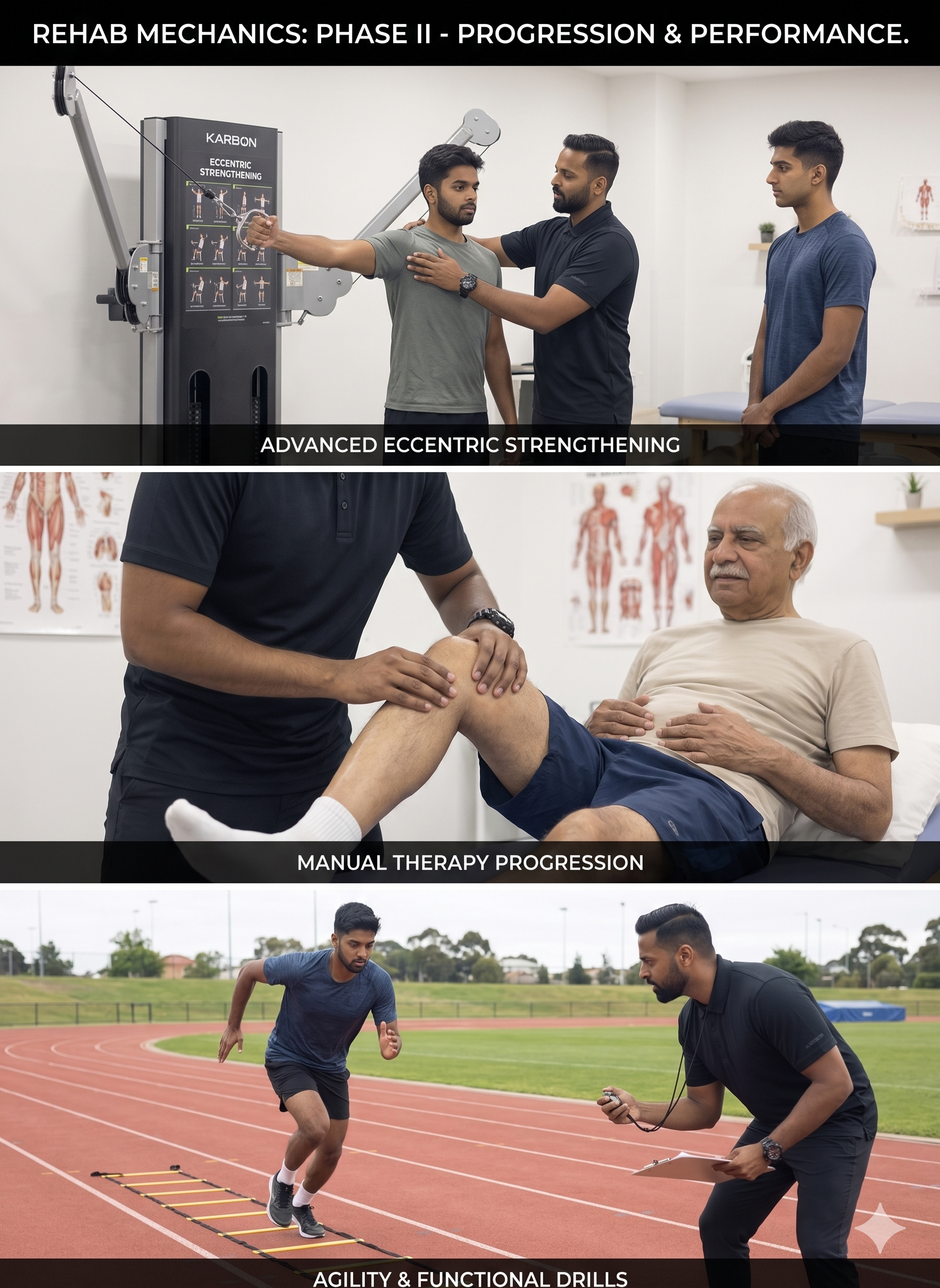
Commitment to Research & Community
Outside of his clinical caseload at Rehab Mechanics and his additional practice affiliations in Etobicoke, Sanjay is an active health writer and community educator. He translates contemporary peer-reviewed medical research into accessible, actionable guidance on his professional blog. As a dedicated father and husband, he mirrors his professional advice in his personal life, focusing on structural mobility, cross-training, and longevity to help his family and his community thrive. Naturally he takes he a keen interest in rehabilitation for women who are pregnant and post-partum.
Disclaimer: The information provided on this blog is intended for educational and informational purposes only. It does not constitute medical advice, diagnosis, or a treatment plan. Always seek the direct advice of a Registered Physiotherapist, physician, or other qualified health provider regarding any medical condition or physical rehabilitation routine.
Knees and cortisone: do they go together?
Opening the Door to Pain Relief with Cortisone
Cortisone injections offer a promising option for those struggling with knee osteoarthritis, providing targeted anti-inflammatory relief that can help ease persistent pain and improve joint mobility. As you explore treatment options, it’s crucial to understand both the potential benefits and realistic outcomes of this widely used intervention. Typically administered directly into the affected knee, these injections are designed to reduce swelling and alleviate discomfort, setting the stage for improved daily function.
In this guide, you’ll discover:
What cortisone injections are and how they combat inflammation
How these treatments can temporarily relieve pain and create a more flexible environment for rehabilitation
Considerations to keep in mind, such as the frequency of injections and managing expectations for long-term relief
As with any medical treatment, individual responses vary. Knowing that cortisone can offer a window of relief empowers you to work more effectively on physical therapy strategies and lifestyle adjustments. Whether you're in a bustling urban center or a quieter suburban area, understanding the role of cortisone can guide you toward a balanced approach in managing knee osteoarthritis and improving quality of life.
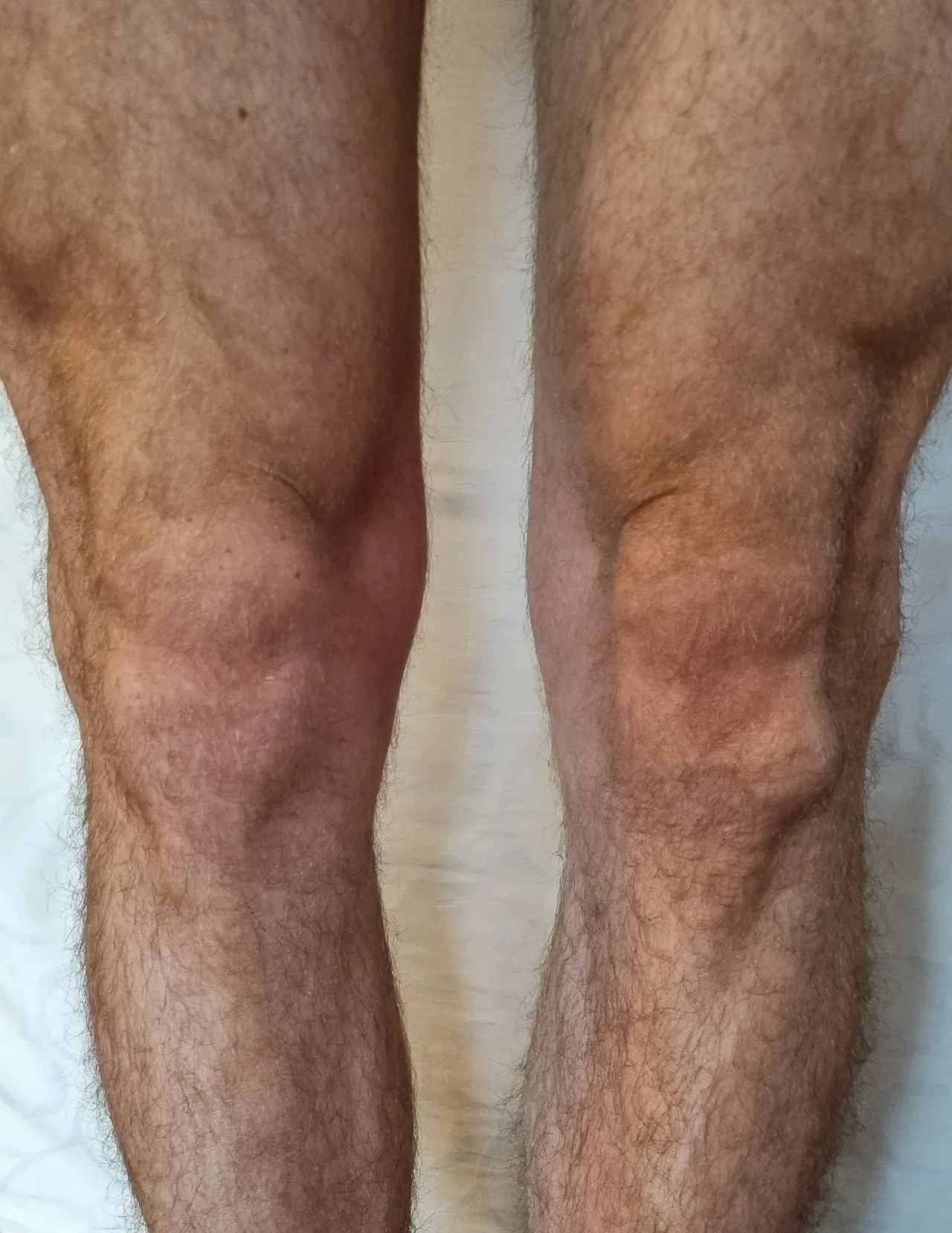
Cortisone Injections: A Temporary Break for Knee Arthritis Pain
Cortisone injections offer a promising method to manage knee arthritis discomfort by targeting inflammation directly in the affected area. This treatment involves a carefully administered injection into the knee joint, delivering corticosteroid medication to help reduce swelling and pain. Initially, patients may feel immediate improvement, making activities of daily living more comfortable while the effects unfold over the following weeks.
The procedure is typically performed in a clinical setting with specialized equipment, ensuring precise delivery of the injection. It’s important to know that while cortisone injections provide notable temporary relief, they are considered part of a broader treatment plan rather than a permanent solution. Key benefits include:
Targeted Relief: The injection directly addresses inflammation in the knee.
Enhanced Mobility: Temporary pain reduction can support smoother joint movement.
Complementary Approach: Often used alongside physical therapy and exercise for overall management.
For those experiencing persistent knee pain due to osteoarthritis, cortisone injections may serve as a practical, interim solution. Consulting with a healthcare provider can help determine if this approach is right for you, especially when tailored to support recovery in local community settings.
Evaluating Cortisone Injections: Balancing Relief with Limitations
When considering cortisone injections for knee arthritis, it's important to recognize that while they can offer rapid pain relief and reduced inflammation, their benefits often remain temporary. These injections are designed to provide short-term alleviation of discomfort, making them a useful tool in a broader treatment plan that includes active rehabilitation and lifestyle modifications.
However, there are important factors to keep in mind:
Short-Lived Benefits: Many patients experience significant improvement soon after the injection, but the effects may diminish over weeks or months.
Risk of Side Effects: Some individuals might encounter side effects such as joint irritation, temporary increases in pain, or potential weakening of surrounding tissues.
Limitation in Long-Term Repair: Cortisone injections do not address the underlying structural issues of the knee. Ongoing management through physical therapy, exercise routines, and weight management is crucial.
Variability in Response: The outcome can vary depending on factors such as the severity of arthritis and overall joint health.
For those seeking sustainable pain management in urban or suburban areas, combining these injections with targeted physiotherapy and lifestyle adjustments can lead to improved long-term outcomes.
Frequently Asked Questions About Cortisone Injections for Knee Arthritis
Q1: How do cortisone injections work to relieve knee arthritis pain? Cortisone injections deliver a concentrated anti-inflammatory dose directly into the affected joint, reducing swelling and pain. This immediate action can often help improve mobility and comfort, making daily activities easier.
Q2: How long can I expect relief after a cortisone injection? Most patients report noticeable improvement that can last from several weeks to a few months. The duration may vary depending on the severity of arthritis and individual health factors.
Q3: What common side effects should I be aware of? Some individuals may experience temporary soreness at the injection site or mild swelling. These effects are generally short-lived and resolve on their own.
Q4: How often is it safe to receive these injections? It’s typically recommended to limit injections to a few times per year to prevent potential joint deterioration. Your healthcare provider will tailor the schedule based on your condition.
Q5: Can cortisone injections replace the need for surgery? While they may delay surgical intervention by managing symptoms effectively, injections are part of a broader treatment plan including physical therapy and lifestyle adjustments, especially in local clinics across the region.
When Cortisone Injections Offer Real Relief
Managing knee osteoarthritis effectively means understanding when treatments like cortisone injections can offer tangible benefits. Individuals experiencing significant joint inflammation or persistent pain often find that cortisone injections provide temporary yet effective relief. By reducing swelling and easing discomfort, these injections can improve mobility and facilitate participation in rehabilitative exercises.
This intervention is particularly suitable under certain circumstances, such as:
When pain interferes with daily activities, hindering basic movements like walking or standing
In cases where conservative management—through physical therapy, exercise, and weight control—has not delivered sufficient improvements
When inflammation levels are high, causing stiffness that limits joint function, especially noticeable during colder months in urban or suburban environments
It is important to recognize that cortisone injections are most beneficial when used as part of a broader, personalized treatment plan. Consulting with healthcare professionals who understand the nuances of knee osteoarthritis management can help determine if this anti-inflammatory approach is the right choice. With this in mind, patients can better manage flare-ups, maintain joint function, and ultimately enhance their quality of life while actively addressing the challenges posed by knee arthritis.
Final Thoughts on Managing Knee Arthritis
In wrapping up this guide, it’s crucial to remember that effective management of knee arthritis isn’t a one-size-fits-all approach. Understanding the role of cortisone in alleviating inflammation is just one component of a broader strategy. A comprehensive management plan may include physical therapy, targeted exercise routines, and lifestyle adjustments tailored to your unique condition. Always consult with healthcare professionals who are well-versed in musculoskeletal care to ensure you’re adopting the best methods available.
Key actionable steps include:
Schedule a thorough evaluation to assess the severity of your arthritis.
Develop a personalized treatment plan that integrates cortisone administration with other therapies.
Monitor your progress and adjust your regimen with professional guidance.
Stay informed about local healthcare resources and advancements in arthritis care.
By taking these steps, you can optimize your treatment outcomes and maintain mobility. Every effort you make towards proactive management reinforces your capacity for lasting relief and improved quality of life. Embrace these strategies confidently, and remember that the journey to well-being is best navigated with expert advice and informed, comprehensive care.
About the Author
Mr. Sanjay Attwala (B.Sc., M.Sc., RPT) is a Registered Physiotherapist, clinical director, and the founder of Rehab Mechanics in Toronto. With over 15 years of registered clinical practice and a deep specialization in complex musculoskeletal rehabilitation, Sanjay synthesizes rigorous international academic training with advanced evidence-based therapeutics to guide his clinical practice and patient education initiatives.
Academic Background & Credentials
Master of Science (M.Sc.) in Physiotherapy – University of Keele, United Kingdom (2010).
Bachelor of Science (B.Sc.) – University of Waterloo, Ontario, Canada.
Registered Physiotherapist (RPT) – Regulated health professional in excellent standing with the College of Physiotherapists of Ontario (CPO).
Corporate Entity – Operating officially under the S. Attwala Physiotherapy Professional Corporation with a DBA of Rehab Mechanics.
Clinical Expertise & Philosophy
Sanjay’s clinical approach rejects passive symptom management in favor of identifying underlying biomechanical root causes. His diverse expertise spans advanced manual therapies, personalized corrective exercise prescription, and modern physical modalities. At the Rehab Mechanics Toronto Queen West clinic, he routinely diagnoses and treats complex conditions including:
Spinal & Discogenic Pathology – Cervical, thoracic, and lumbar disc injuries, sciatica, and sacroiliac joint (SIJ) dysfunction.
Upper & Lower Extremity Injuries – Rotator cuff tears, frozen shoulder, tennis/golfer’s elbow, carpal tunnel syndrome, and complex ankle/foot pathologies.
Perinatal & Pelvic Health Rehabilitation – Specialized assessment and rehabilitation protocols tailored specifically for women during pregnancy and the post-partum period, addressing pelvic girdle pain, diastasis recti, and core stabilization.
Specialized Rehabilitation – Pelvic health therapy, TMJ dysfunction, post-surgical rehabilitation (including Total Hip and Total Knee Replacements), and custom orthotics dispensing.
Shockwave Therapy: with advanced cutting edge technological devices to suit your needs.
Interdisciplinary Practice & Patient Care
Sanjay practices an integrated model of healthcare, working closely alongside medical doctors inside the Prime Medical Centre on Abell Street to streamline patient recovery pathways. He maintains a human-centric, communication-first clinical framework, ensuring that care remains fully customized rather than automated.
His clinical caseload encompasses a broad operational spectrum under Ontario's regulatory frameworks, including:
Motor Vehicle Accident (MVA) Claims – Rehabilitation navigating Ontario’s statutory accident benefits schedule.
Workplace Safety and Insurance Board (WSIB) – Occupational injury management and return-to-work screening.
Extended Health Care (EHC) & Private Practice – Multi-tier insurance coordination and long-term athletic development plans.
Commitment to Research & Community
Outside of his clinical caseload at Rehab Mechanics and his additional practice affiliations in Etobicoke, Sanjay is an active health writer and community educator. He translates contemporary peer-reviewed medical research into accessible, actionable guidance on his professional blog. As a dedicated father and husband, he mirrors his professional advice in his personal life, focusing on structural mobility, cross-training, and longevity to help his family and his community thrive. Naturally he takes he a keen interest in rehabilitation for women who are pregnant and post-partum.
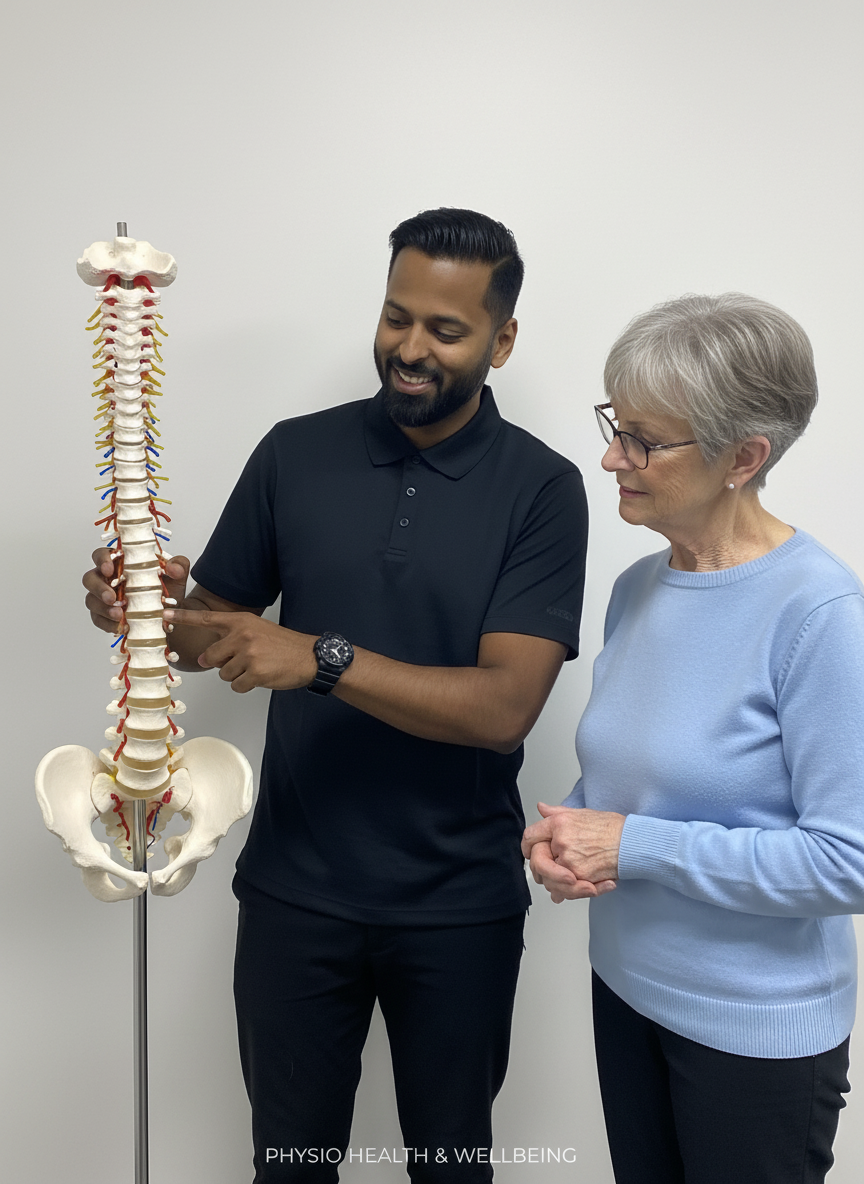
Disclaimer: The information provided on this blog is intended for educational and informational purposes only. It does not constitute medical advice, diagnosis, or a treatment plan. Always seek the direct advice of a Registered Physiotherapist, physician, or other qualified health provider regarding any medical condition or physical rehabilitation routine.
Self-Referral to PT: Public Health Impact
Pioneering a Direct Route to Wellness
Self-referral to physical therapy is reshaping how individuals access care, empowering patients to take immediate, proactive control of their health. By bypassing traditional referral routes, you can seek expert guidance promptly, which may lead to earlier intervention and more effective management of musculoskeletal issues. This innovative approach plays a critical role in public health by streamlining access to services, reducing wait times, and potentially lowering overall healthcare costs.
As communities grow and healthcare demands evolve, self-referral is becoming increasingly significant in both urban and suburban settings. It demystifies treatment pathways, allowing patients to recognize early symptoms and pursue specialized care without unnecessary delays. In this guide, you will learn:
The basics of self-referral and its impact on timely physical therapy
How early intervention can lead to improved recovery outcomes
Practical steps to identify when self-referral might be the right option
Tips on leveraging local resources to further your health journey
Engage with this easy-to-navigate content to understand the advantages of self-referral. Embrace an actionable, well-informed approach to maintaining mobility and enhancing overall quality of life while contributing to a healthier public landscape.

Empower Your Well-Being: Direct Access to Targeted Physical Therapy
Self-referral to physical therapy offers a transformative approach to healthcare, allowing you to bypass traditional referral routes and gain timely access to specialized treatment. This model empowers patients to take control of their rehabilitation, delivering prompt interventions for musculoskeletal issues, chronic pain, and mobility challenges. By eliminating the wait times often associated with a physician's referral, self-referral streamlines the path to recovery and optimizes the precision of your treatment plan.
Key benefits include:
Faster Service: Immediate access results in an earlier start to your personalized recovery program.
Cost-Efficiency: Avoid the additional expenses linked to doctor consultations by going directly to physical therapy.
Patient-Centric Care: Enjoy a proactive role in managing your health with treatment plans tailored to your specific needs.
Local Convenience: Whether you live in a bustling urban center or a calm suburban area, local physiotherapy clinics often provide quick and accessible care.
This self-referral pathway not only supports faster treatment outcomes but also encourages a deeper engagement with your health management journey. Embracing this direct approach can lead to improved recovery times and a more empowered role in sustaining long-term physical wellness.
Empower Your Health: Early Action Makes a Difference
Self-referral to physical therapy is transforming how communities approach overall health and wellness. When individuals take the initiative to seek care on their own terms, they open the door to proactive prevention and timely intervention. With self-referral, you gain faster access to tailored treatment plans that help manage injuries, reduce chronic pain, and enhance mobility before conditions worsen.
This approach empowers people to recognize early symptoms and take steps toward recovery without delays. Here are some practical benefits:
Immediate Assessment: Faster evaluations enable you to address subtle issues before they escalate.
Customized Exercise Programs: Personalized routines are designed to improve function and maintain independence.
Enhanced Awareness: Understanding your body’s signals can guide informed decisions regarding your health and lifestyle.
Self-referral is particularly valuable in urban and suburban areas where the availability of local clinics and specialized physical therapy services supports immediate access to care. By adopting self-referral, individuals actively contribute to better public health outcomes while reducing long-term healthcare burdens. Embrace an informed, proactive path to wellness—you hold the key to a healthier future.
Frequently Asked Questions: Self-Referral to Physical Therapy and Its Public Health Impact
Q1: What exactly is self-referral to physical therapy? Self-referral allows patients to seek physical therapy services directly without first obtaining a physician’s referral. This approach empowers individuals to access care promptly when dealing with musculoskeletal concerns or injuries through qualified clinicians.
Q2: How does self-referral benefit public health? By enabling direct access to therapy, self-referral encourages early intervention, which can reduce the progression of minor injuries into chronic conditions. This proactive method eases the overall burden on the healthcare system by decreasing wait times and lowering long-term treatment costs.
Q3: Can self-referral improve treatment outcomes? Yes, self-referral typically results in quicker access to tailored rehabilitation programs. Patients receive personalized evaluations and targeted exercise recommendations, allowing for better symptom management and recovery in local communities.
Q4: Are there concerns about misdiagnosis without a doctor’s referral? Qualified physical therapists are trained to identify underlying conditions. However, they may collaborate with physicians if complications arise, ensuring that patients receive holistic care.
Q5: What steps should patients take when considering self-referral?
Verify the credentials of the therapist
Schedule a comprehensive evaluation
Follow through with personalized treatment plans This approach promotes both efficient care and overall wellness.
Empowering Recovery Through Self-Referred Physical Therapy
Self-referred physical therapy has transformed the way individuals manage their rehabilitation journeys, with real-life case studies illustrating measurable improvements in mobility and overall quality of life. By bypassing traditional referral routes, patients can access specialized care quicker, resulting in personalized treatment plans that address specific needs. While the process might seem unconventional, many local communities have embraced this proactive approach, demonstrating impressive outcomes.
Key benefits observed in these case studies include:
Timely Intervention: Early engagement in therapy helps reduce the progression of pain and dysfunction.
Customized Exercise Regimens: Targeted physical activities are designed to enhance strength, flexibility, and balance.
Enhanced Patient Empowerment: Self-referral encourages individuals to take charge of their health and treatment decisions.
For those experiencing recurring pain or limited mobility, adopting a self-referred approach can streamline access to care in cities, suburbs, and even smaller local areas. Patients report faster recovery times, improved range of motion, and a greater sense of independence as they actively participate in their healing process. This case-based evidence underpins a broader movement towards more accessible, patient-centered rehabilitation solutions, empowering communities to achieve better health outcomes through proactive self-management.
Empowering Your Journey Toward Better Health
As we wrap up this guide, it’s clear that supporting self-referral policies is not just an administrative decision but a pivotal public health strategy. By allowing patients easier access to physical therapy, communities can experience more timely interventions, improved movement, and enhanced overall well-being. This forward-thinking approach enables individuals to take proactive steps that minimize the risk of chronic conditions and maximize rehabilitation outcomes.
Key takeaways include:
Enhanced Accessibility: Simplified pathways to physical care promote faster response times.
Proactive Health Management: Early self-identification of issues can lead to tailored exercise programs and improved recovery.
Community Impact: Local health centers and clinics benefit from increased referrals, bolstering public health both in urban and quieter suburban areas.
For those ready to take action, consider scheduling a consultation with a physiotherapy professional, regularly tracking your progress, and integrating evidence-based exercises into your daily routine. Remember, your active participation in self-care initiatives leads to lasting benefits. Embrace these strategies with confidence—every step forward is a step toward a healthier, more active life.
About the Author
Mr. Sanjay Attwala (B.Sc., M.Sc., RPT) is a Registered Physiotherapist, clinical director, and the founder of Rehab Mechanics in Toronto. With over 15 years of registered clinical practice and a deep specialization in complex musculoskeletal rehabilitation, Sanjay synthesizes rigorous international academic training with advanced evidence-based therapeutics to guide his clinical practice and patient education initiatives.
Academic Background & Credentials
Master of Science (M.Sc.) in Physiotherapy – University of Keele, United Kingdom (2010).
Bachelor of Science (B.Sc.) – University of Waterloo, Ontario, Canada.
Registered Physiotherapist (RPT) – Regulated health professional in excellent standing with the College of Physiotherapists of Ontario (CPO).
Corporate Entity – Operating officially under the S. Attwala Physiotherapy Professional Corporation with a DBA of Rehab Mechanics.
Clinical Expertise & Philosophy
Sanjay’s clinical approach rejects passive symptom management in favor of identifying underlying biomechanical root causes. His diverse expertise spans advanced manual therapies, personalized corrective exercise prescription, and modern physical modalities. At the Rehab Mechanics Toronto Queen West clinic, he routinely diagnoses and treats complex conditions including:
Spinal & Discogenic Pathology – Cervical, thoracic, and lumbar disc injuries, sciatica, and sacroiliac joint (SIJ) dysfunction.
Upper & Lower Extremity Injuries – Rotator cuff tears, frozen shoulder, tennis/golfer’s elbow, carpal tunnel syndrome, and complex ankle/foot pathologies.
Perinatal & Pelvic Health Rehabilitation – Specialized assessment and rehabilitation protocols tailored specifically for women during pregnancy and the post-partum period, addressing pelvic girdle pain, diastasis recti, and core stabilization.
Specialized Rehabilitation – Pelvic health therapy, TMJ dysfunction, post-surgical rehabilitation (including Total Hip and Total Knee Replacements), and custom orthotics dispensing.
Shockwave Therapy: with advanced cutting edge technological devices to suit your needs.
Interdisciplinary Practice & Patient Care
Sanjay practices an integrated model of healthcare, working closely alongside medical doctors inside the Prime Medical Centre on Abell Street to streamline patient recovery pathways. He maintains a human-centric, communication-first clinical framework, ensuring that care remains fully customized rather than automated.
His clinical caseload encompasses a broad operational spectrum under Ontario's regulatory frameworks, including:
Motor Vehicle Accident (MVA) Claims – Rehabilitation navigating Ontario’s statutory accident benefits schedule.
Workplace Safety and Insurance Board (WSIB) – Occupational injury management and return-to-work screening.
Extended Health Care (EHC) & Private Practice – Multi-tier insurance coordination and long-term athletic development plans.
Commitment to Research & Community
Outside of his clinical caseload at Rehab Mechanics and his additional practice affiliations in Etobicoke, Sanjay is an active health writer and community educator. He translates contemporary peer-reviewed medical research into accessible, actionable guidance on his professional blog. As a dedicated father and husband, he mirrors his professional advice in his personal life, focusing on structural mobility, cross-training, and longevity to help his family and his community thrive. Naturally he takes he a keen interest in rehabilitation for women who are pregnant and post-partum.
Disclaimer: The information provided on this blog is intended for educational and informational purposes only. It does not constitute medical advice, diagnosis, or a treatment plan. Always seek the direct advice of a Registered Physiotherapist, physician, or other qualified health provider regarding any medical condition or physical rehabilitation routine.
Tackle Text Neck: Smartphone Era Stretches
Breaking the Cycle of Daily Strain
In today’s fast-paced digital era, many people find themselves battling an all-too-common postural issue brought on by constant smartphone use. With heads inclined downward for hours at a stretch, text neck has become a growing concern in urban centers and beyond. This introduction sets the stage by exploring how repetitive neck flexion can lead to discomfort, stiffness, and long-term musculoskeletal problems.
Over the course of this guide, you’ll discover:
Practical stretches designed to relieve tension in the neck and shoulders.
Daily exercises to strengthen postural support and improve alignment.
Simple lifestyle adjustments for better ergonomic practices, whether you’re at home, in the office, or on the go.
By addressing these concerns head-on, readers will learn actionable techniques to counteract the adverse effects of prolonged screen time. Recognizing the early signs of text neck is the first step toward a healthier, more comfortable digital life. Step into a brighter future equipped with the knowledge to protect your well-being, no matter where you are.

Unlocking Relief: A Step-by-Step Stretching Routine
If you’re experiencing neck discomfort from prolonged smartphone use, try this step-by-step stretching routine designed to alleviate and prevent text neck pain. This guide offers practical exercises that are easy to implement at home, work, or even during a break in your busy urban routine.
Correct Your Posture: Begin by sitting upright with your shoulders relaxed. Align your ears with your shoulders and engage your core gently. This initial adjustment sets the stage for effective stretching.
Chin Tuck Exercise: Slowly tuck your chin in, keeping your back straight, until you feel a moderate stretch at the back of your neck. Hold for 5-10 seconds and repeat 10 times. Tip: Perform this exercise slowly and mindfully to maximize its benefits.
Neck Side Stretch: Gently tilt your head toward one shoulder until you feel a comfortable stretch along the opposite side of your neck. Hold for 15 seconds, then switch sides.
Shoulder Blade Squeeze: Bring your shoulder blades together and hold for 10 seconds to relieve tension in the upper back.
Incorporate these steps into your daily routine to boost neck mobility and reduce stiffness in both home and local community settings.
Stand Tall: Embrace the Power of Posture and Ergonomics
In our fast-paced, smartphone-driven lives, maintaining proper posture is essential for reducing discomfort and creating long-term wellness. Consistent attention to ergonomics not only minimizes the risk of developing chronic neck and upper back tension but also improves overall physical function. Integrating mindful adjustments into your daily routine can transform how your body handles prolonged digital device usage.
When you keep your head aligned with your spine and avoid hunching over your screen, you allow your muscles to work in harmony rather than under constant strain. Consider these actionable tips to refine your ergonomic habits:
Proper Device Placement: Keep devices at eye level to reduce neck bending.
Regular Movement: Take short breaks and stretch frequently to relieve muscle tension.
Supportive Seating: Use chairs designed to support natural spinal curves.
Mindful Breathing: Practice deep breathing exercises to help reduce stress and relax the shoulders.
These practical adjustments not only enhance comfort but also contribute to increased productivity and overall quality of life in both urban and suburban settings. Adopting these strategies today can pave the way for a healthier, more balanced tomorrow.
Embrace Sustainable Posture Practices
In today’s smartphone era, developing long-term strategies to prevent text neck is essential for maintaining overall well-being. Integrating simple yet effective adjustments into your daily routine can significantly reduce neck strain and improve posture. Begin by rethinking the way you interact with technology—small changes can yield substantial benefits over time.
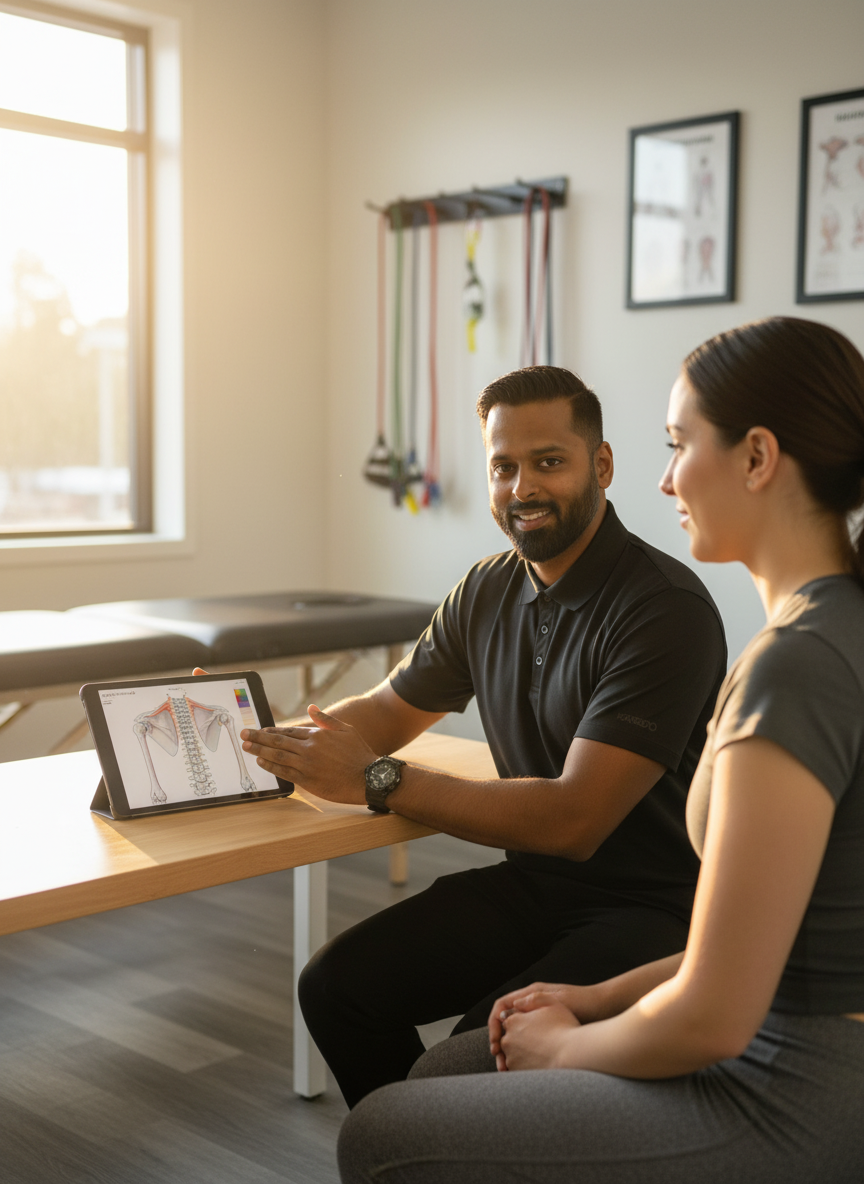
Consider these actionable tips:
Frequent Screen Breaks: Set reminders to pause every 30 minutes. Use these moments to stretch and reset your posture.
Ergonomic Adjustments: Hold your device at eye level to reduce the burden on your neck and shoulders.
Strengthening Exercises: Incorporate exercises that target the neck, shoulders, and upper back. Over time, these routines build muscle strength and stability.
Mindful Posture Checks: Regularly assess your posture throughout the day, especially in busy urban settings where prolonged screen time is common.
By adopting these practices along with lifestyle modifications such as yoga and pilates, you can create a sustainable approach to managing the physical challenges of modern technology. Embrace these improvements to not only alleviate discomfort but also foster enhanced energy, mobility, and overall quality of life.
What is Text Neck and Why Should I Be Concerned?
Text neck is a term that describes neck pain and stiffness resulting from excessive smartphone use and poor posture. Users often experience discomfort, decreased mobility, and strain from bent neck positions over prolonged periods.
How Can I Recognize the Signs of Text Neck?
Watch for symptoms such as persistent neck pain, headaches, and shoulder tension. If you frequently experience discomfort after long screen time sessions, it might be time to reassess your posture.
What Practical Steps Can Be Taken to Manage Text Neck?
Adjust your screen height to align with your eyes
Take regular breaks to stretch your neck and shoulders
Engage in strength-building exercises for neck stability
How Can I Prevent Further Strain on My Neck?
Preventive measures include frequent movement, maintaining an ergonomic workstation, and practicing mindful posture adjustments throughout the day. Incorporating stretching routines into your daily schedule can substantially reduce discomfort.
Are There Local Community Resources to Help Address This Issue?
Local wellness centers and physiotherapy clinics often offer posture correction classes and personalized exercise programs, making recovery and prevention accessible in your area.
Wrapping Up Your Journey Against Text Neck
Addressing text neck in your daily routine is not merely a temporary fix—it’s a commitment to long-term wellness. By recognizing the subtle signs of strain and incorporating simple, effective stretches into your day, you actively improve your posture and alleviate discomfort. This conclusion emphasizes that prevention and daily self-care are pivotal in mitigating the adverse effects of prolonged device use.
For practical next steps, consider this action plan:
Evaluate Your Posture: Regularly assess how you hold your head while using your smartphone.
Schedule Short Stretch Breaks: Set reminders to pause and stretch throughout the day.
Stay Consistent: Incorporate simple neck and shoulder exercises into your daily routine.
Integrating these steps into your routine—whether at home, in local community centers, or urban workplaces—can enhance your mobility and overall quality of life. Take charge of your well-being today by prioritizing daily movement and mindfulness. Every small step contributes to a stronger, more resilient posture, empowering you to embrace a future of better health and a more active lifestyle.
About the Author
Mr. Sanjay Attwala (B.Sc., M.Sc., RPT) is a Registered Physiotherapist, clinical director, and the founder of Rehab Mechanics in Toronto. With over 15 years of registered clinical practice and a deep specialization in complex musculoskeletal rehabilitation, Sanjay synthesizes rigorous international academic training with advanced evidence-based therapeutics to guide his clinical practice and patient education initiatives.
Academic Background & Credentials
Master of Science (M.Sc.) in Physiotherapy – University of Keele, United Kingdom (2010).
Bachelor of Science (B.Sc.) – University of Waterloo, Ontario, Canada.
Registered Physiotherapist (RPT) – Regulated health professional in excellent standing with the College of Physiotherapists of Ontario (CPO).
Corporate Entity – Operating officially under the S. Attwala Physiotherapy Professional Corporation with a DBA of Rehab Mechanics.
Clinical Expertise & Philosophy
Sanjay’s clinical approach rejects passive symptom management in favor of identifying underlying biomechanical root causes. His diverse expertise spans advanced manual therapies, personalized corrective exercise prescription, and modern physical modalities. At the Rehab Mechanics Toronto Queen West clinic, he routinely diagnoses and treats complex conditions including:
Spinal & Discogenic Pathology – Cervical, thoracic, and lumbar disc injuries, sciatica, and sacroiliac joint (SIJ) dysfunction.
Upper & Lower Extremity Injuries – Rotator cuff tears, frozen shoulder, tennis/golfer’s elbow, carpal tunnel syndrome, and complex ankle/foot pathologies.
Perinatal & Pelvic Health Rehabilitation – Specialized assessment and rehabilitation protocols tailored specifically for women during pregnancy and the post-partum period, addressing pelvic girdle pain, diastasis recti, and core stabilization.
Specialized Rehabilitation – Pelvic health therapy, TMJ dysfunction, post-surgical rehabilitation (including Total Hip and Total Knee Replacements), and custom orthotics dispensing.
Shockwave Therapy: with advanced cutting edge technological devices to suit your needs.
Interdisciplinary Practice & Patient Care
Sanjay practices an integrated model of healthcare, working closely alongside medical doctors inside the Prime Medical Centre on Abell Street to streamline patient recovery pathways. He maintains a human-centric, communication-first clinical framework, ensuring that care remains fully customized rather than automated.
His clinical caseload encompasses a broad operational spectrum under Ontario's regulatory frameworks, including:
Motor Vehicle Accident (MVA) Claims – Rehabilitation navigating Ontario’s statutory accident benefits schedule.
Workplace Safety and Insurance Board (WSIB) – Occupational injury management and return-to-work screening.
Extended Health Care (EHC) & Private Practice – Multi-tier insurance coordination and long-term athletic development plans.
Commitment to Research & Community
Outside of his clinical caseload at Rehab Mechanics and his additional practice affiliations in Etobicoke, Sanjay is an active health writer and community educator. He translates contemporary peer-reviewed medical research into accessible, actionable guidance on his professional blog. As a dedicated father and husband, he mirrors his professional advice in his personal life, focusing on structural mobility, cross-training, and longevity to help his family and his community thrive. Naturally he takes he a keen interest in rehabilitation for women who are pregnant and post-partum.
Disclaimer: The information provided on this blog is intended for educational and informational purposes only. It does not constitute medical advice, diagnosis, or a treatment plan. Always seek the direct advice of a Registered Physiotherapist, physician, or other qualified health provider regarding any medical condition or physical rehabilitation routine.
Dentists & Physiotherapists: A Collaborative Approach
Unlocking a Holistic Approach to Patient Care
Welcome to a new perspective on whole-body wellbeing where traditional boundaries blur to create a more comprehensive approach. In today’s healthcare landscape, bridging the gap between dentistry and physiotherapy isn’t just innovative—it’s transformative. By integrating oral health insights with musculoskeletal care, professionals can address interconnected issues that often go unnoticed. This collaborative approach encourages holistic assessment and treatment planning by recognizing how dental conditions can influence jaw tension, posture, and even overall mobility.
In this post, you’ll learn:
How the synergy between dental and physiotherapeutic strategies can enhance recovery.
Practical tips on identifying signs where oral health may affect physical comfort.
Actionable guidance to navigate treatment options available in local clinics and community settings.
By embracing multi-disciplinary care, patients benefit from a more detailed diagnosis and tailored treatment plans. Whether you’re seeking better management of chronic discomfort or aiming to enhance your overall quality of life, understanding these collaborative techniques is a step toward smarter healthcare choices in your local area. Enjoy the insights that follow as you explore how integrated care can lead to lasting improvements.

Harnessing Dual Expertise to Relieve TMJ Discomfort
Discover how the combined knowledge of dentists and physiotherapists offers a holistic solution to managing TMJ disorders. In many urban clinics and local wellness centers, this interdisciplinary approach has transformed treatment strategies for patients experiencing jaw pain and restricted movement. Dentists bring an in-depth understanding of dental occlusion, bite alignment, and jaw joint structures, while physiotherapists contribute expertise in musculoskeletal function and targeted rehabilitation techniques.
Working together, these professionals can:
Identify the root cause of TMJ discomfort through detailed examinations.
Develop customized treatment plans that address both structural imbalances and muscular tension.
Implement practical exercises and manual therapy techniques to ease strain and improve mobility.
This collaborative care not only minimizes pain but also enhances overall physical function. Whether you reside in a busy metropolitan area or a small community, leveraging the skills of both dental and physical health experts ensures a balanced treatment strategy. By adopting a comprehensive, team-based approach, patients gain access to practical, actionable solutions that promote long-term relief and improved quality of life.
Unlocking Improved Recovery Through Integrated Care
Dental rehabilitation can be transformed with the complementary support of physiotherapy. This approach not only addresses the mechanical aspects of dental recovery but also ensures that surrounding muscles and joints receive the necessary attention during healing. Physiotherapy plays a crucial role in restoring mobility and mitigating pain, especially for patients recovering from extensive dental procedures or facial trauma.
By incorporating targeted exercises and manual therapy techniques, physiotherapists can help reduce stiffness, improve blood circulation, and enhance overall function in areas adjacent to the jaw and neck. Key benefits of this integrated care include:
Enhanced Mobility: Focused exercises increase the range of motion in the facial muscles.
Pain Reduction: Techniques designed to alleviate muscle tension can help minimize discomfort.
Accelerated Healing: Improved blood flow supports tissue repair and reduces recovery time.
This collaborative approach is particularly valuable in urban communities and local clinics, where personalized, multidisciplinary treatment is accessible. Patients seeking a comprehensive recovery strategy will find that combining dental and physiotherapeutic care offers not only effective pain management but also a smoother transition back to daily activities. Discover how this integrated methodology can pave the way to long-term wellness and improved quality of life.
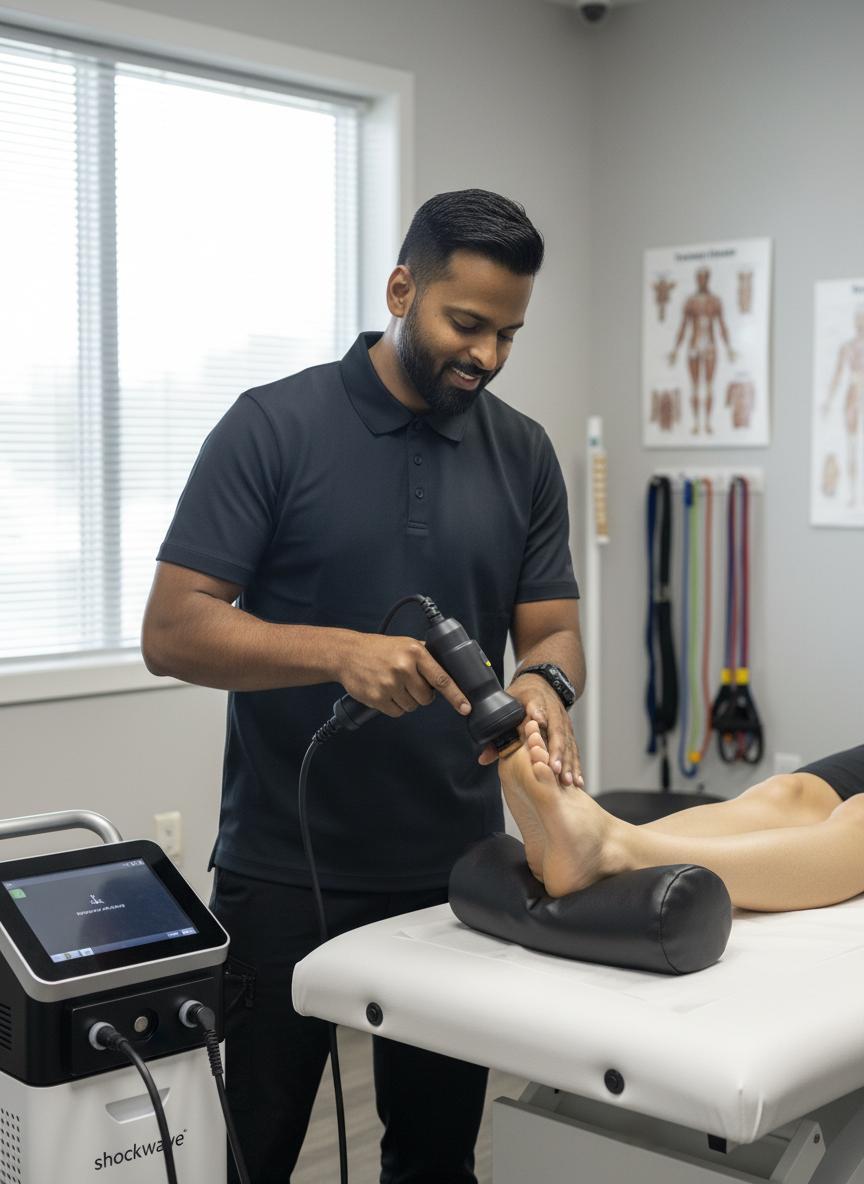
Integrated Treatment Solutions: Merging Dental and Physiotherapy Care
When exploring integrated care plans, patients now enjoy a holistic approach that pairs dental expertise with physiotherapy. This dual strategy acknowledges that overall wellness extends beyond isolated treatments, fostering improved mobility, reduced discomfort, and better quality of life.
Comparing these two specialties reveals distinct features and benefits:
Focused Assessments:
Dental Treatments center on identifying oral health issues that affect chewing, speech, and systemic inflammation.
Physiotherapy Sessions target musculoskeletal imbalances, posture corrections, and soft tissue injuries, supporting overall movement.
Tailored Interventions:
Dental professionals use preventive care, restorative techniques, and adjustments to bite patterns.
Physiotherapists implement strength exercises, manual therapy, and biomechanical corrections to relieve stress on joints.
Collaborative Evaluation:
Integrated appointments allow for coordinated assessments where overlapping symptoms such as jaw pain or neck stiffness can be managed through shared care insights.
This convergence of dental and physical therapy treatments is especially effective in urban and suburban areas, where accessible local clinics provide both care types under one umbrella. Patients benefit from comprehensive care plans that emphasize proactive prevention and targeted recovery for lasting health improvements.
Collaborative Care Benefits: Frequently Asked Questions
What are the primary benefits of combining dental and physiotherapy care? By integrating the expertise of dentists and physiotherapists, patients can experience a holistic approach to health that addresses both oral and musculoskeletal concerns. Such collaboration facilitates early detection of issues that might influence overall structural alignment and pain levels.
How does this multidisciplinary approach enhance pain management? Working together, these specialists create personalized treatment plans that not only reduce local discomfort but also improve posture and balance. Coordinated care helps manage chronic pain by targeting its root causes.
Can integrated care shorten recovery times? Yes, aligning treatment strategies across disciplines often accelerates recovery. Addressing underlying issues through targeted exercises and dental therapies can lead to more efficient pain relief and improved mobility.
How are these services integrated in local settings? Clinics in urban and suburban areas are increasingly adopting joint consultations, where streamlined referrals and shared patient histories optimize outcomes.
What challenges might arise during collaborative treatment? Challenges include coordinating appointment schedules and aligning treatment goals. Open communication between practitioners is key.
What practical steps can patients take?
Maintain consistent follow-ups
Practice recommended exercises
Communicate any changes in symptoms immediately
Embracing a Unified Future in Healthcare
As our discussion comes to a close, it's clear that the integration of different specialties has become an essential component of modern healthcare. By combining the expertise of dentists with the holistic approach of physiotherapists, patients are better equipped to manage complex conditions and achieve quicker, more sustainable recoveries. This multidisciplinary approach not only addresses immediate symptoms but also focuses on overall functionality and long-term wellness.
Key takeaways include:
Collaborative Techniques: Coordinated care plans that blend precise dental care with targeted physiotherapy exercises.
Actionable Steps: Evaluate treatment options, follow up consistently on prescribed exercises, and consult with healthcare providers in your local area.
Enhanced Outcomes: A focus on personalized treatment can reduce recovery times and improve quality of life.
For those looking to enhance their health journey, consider reviewing your current treatment approaches. Engage with professionals in urban clinics or local wellness centers who specialize in integrated care. Take charge of your well-being by exploring these innovative, practical strategies. Remember, every step toward a more coordinated healthcare plan is a step toward a healthier, more active future.
About the Author
Mr. Sanjay Attwala (B.Sc., M.Sc., RPT) is a Registered Physiotherapist, clinical director, and the founder of Rehab Mechanics in Toronto. With over 15 years of registered clinical practice and a deep specialization in complex musculoskeletal rehabilitation, Sanjay synthesizes rigorous international academic training with advanced evidence-based therapeutics to guide his clinical practice and patient education initiatives.
Academic Background & Credentials
Master of Science (M.Sc.) in Physiotherapy – University of Keele, United Kingdom (2010).
Bachelor of Science (B.Sc.) – University of Waterloo, Ontario, Canada.
Registered Physiotherapist (RPT) – Regulated health professional in excellent standing with the College of Physiotherapists of Ontario (CPO).
Corporate Entity – Operating officially under the S. Attwala Physiotherapy Professional Corporation with a DBA of Rehab Mechanics.
Clinical Expertise & Philosophy
Sanjay’s clinical approach rejects passive symptom management in favor of identifying underlying biomechanical root causes. His diverse expertise spans advanced manual therapies, personalized corrective exercise prescription, and modern physical modalities. At the Rehab Mechanics Toronto Queen West clinic, he routinely diagnoses and treats complex conditions including:
Spinal & Discogenic Pathology – Cervical, thoracic, and lumbar disc injuries, sciatica, and sacroiliac joint (SIJ) dysfunction.
Upper & Lower Extremity Injuries – Rotator cuff tears, frozen shoulder, tennis/golfer’s elbow, carpal tunnel syndrome, and complex ankle/foot pathologies.
Perinatal & Pelvic Health Rehabilitation – Specialized assessment and rehabilitation protocols tailored specifically for women during pregnancy and the post-partum period, addressing pelvic girdle pain, diastasis recti, and core stabilization.
Specialized Rehabilitation – Pelvic health therapy, TMJ dysfunction, post-surgical rehabilitation (including Total Hip and Total Knee Replacements), and custom orthotics dispensing.
Shockwave Therapy: with advanced cutting edge technological devices to suit your needs.
Interdisciplinary Practice & Patient Care
Sanjay practices an integrated model of healthcare, working closely alongside medical doctors inside the Prime Medical Centre on Abell Street to streamline patient recovery pathways. He maintains a human-centric, communication-first clinical framework, ensuring that care remains fully customized rather than automated.
His clinical caseload encompasses a broad operational spectrum under Ontario's regulatory frameworks, including:
Motor Vehicle Accident (MVA) Claims – Rehabilitation navigating Ontario’s statutory accident benefits schedule.
Workplace Safety and Insurance Board (WSIB) – Occupational injury management and return-to-work screening.
Extended Health Care (EHC) & Private Practice – Multi-tier insurance coordination and long-term athletic development plans.
Commitment to Research & Community
Outside of his clinical caseload at Rehab Mechanics and his additional practice affiliations in Etobicoke, Sanjay is an active health writer and community educator. He translates contemporary peer-reviewed medical research into accessible, actionable guidance on his professional blog. As a dedicated father and husband, he mirrors his professional advice in his personal life, focusing on structural mobility, cross-training, and longevity to help his family and his community thrive. Naturally he takes he a keen interest in rehabilitation for women who are pregnant and post-partum.
Disclaimer: The information provided on this blog is intended for educational and informational purposes only. It does not constitute medical advice, diagnosis, or a treatment plan. Always seek the direct advice of a Registered Physiotherapist, physician, or other qualified health provider regarding any medical condition or physical rehabilitation routine.
Meniscus Tears: Surgery or Not?
Unraveling the Mystery of Meniscus Tears
Meniscus tears can be a perplexing challenge for many, leaving individuals searching for clear answers about treatment options and long-term recovery. These injuries, commonly found in athletes and active individuals, occur when twisting, bending, or repeating pressure on the knee results in small tears within the cartilage. Often, the cause is a sudden shift in movement or gradual wear and tear over time due to repetitive stress. In urban and suburban settings alike, increased physical activity and even minor missteps in everyday routines can contribute to these tears, prompting questions about whether surgery is always necessary.
In this article, you'll gain insight into:
How meniscus tears develop from both acute incidents and chronic overuse.
The role of biomechanical forces and joint instability in accelerating cartilage damage.
Early warning signs and symptoms that warrant a thorough evaluation.
By understanding the underlying causes and varied presentations of meniscus injuries, readers can be better prepared to seek professional guidance and make informed decisions about treatment. Learn practical tips on managing knee pain while exploring both surgical and non-surgical recovery pathways to regain mobility and comfort.
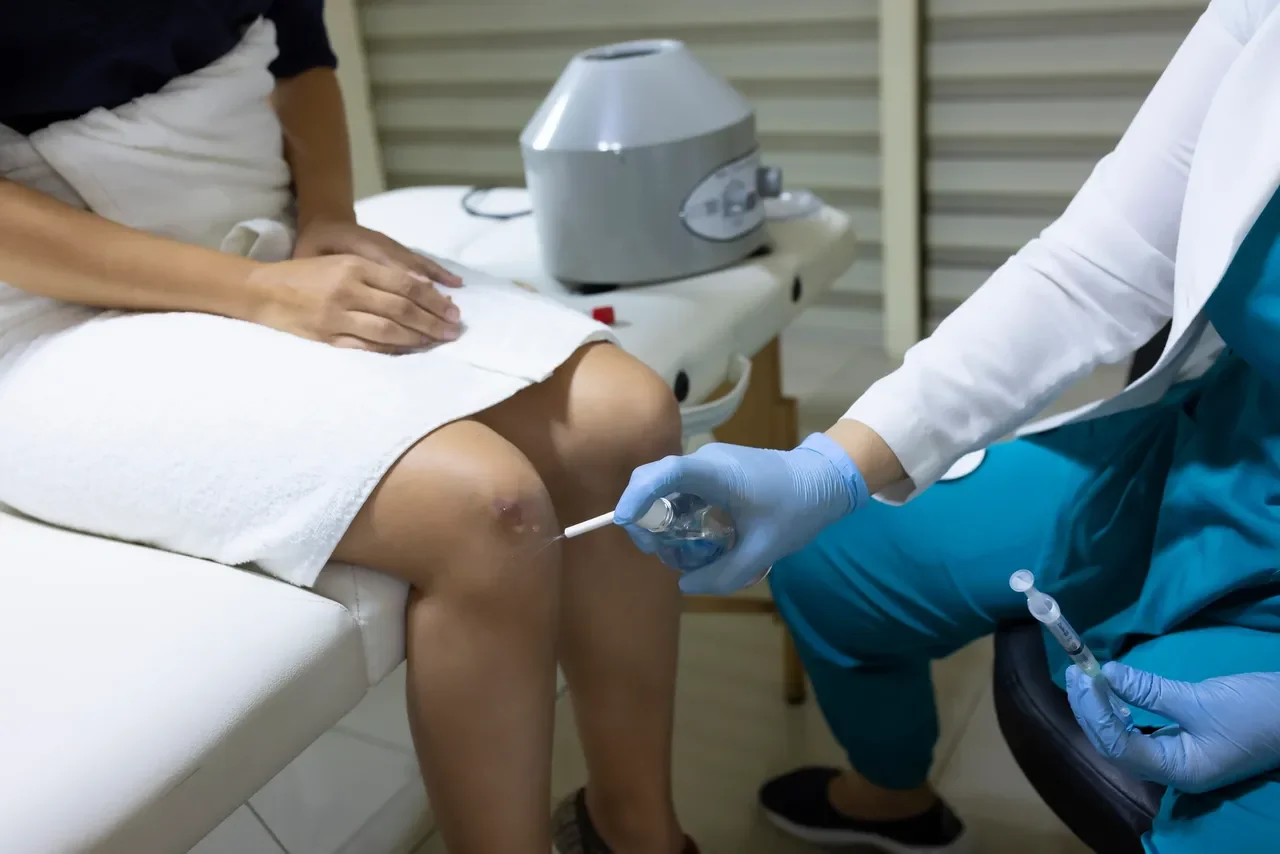
Traditional Treatment Insights: Balancing Conservative Care and Surgical Decisions
When facing a meniscus tear, many patients begin with tried-and-true non-invasive treatments before considering surgery. Traditional approaches typically include rest, ice, and anti-inflammatory medications to alleviate pain and swelling. Conservative care also emphasizes physical therapy, where tailored exercises help restore joint stability and strengthen supporting muscles. This foundational care method can play a pivotal role in the healing process and is especially effective for partial tears or cases where pain is manageable.
For those who do not achieve improvement through conservative methods, surgery may then become a viable option. Surgical intervention, such as meniscectomy or meniscus repair, aims to alleviate persistent pain and prevent further joint damage. Key factors influencing this decision include the severity of the tear, patient activity level, and specific knee joint alignment issues.
Consider these practical steps when evaluating treatment options:
Initial Diagnosis: Understand the extent of the tear through imaging and clinical evaluation.
Therapy Commitment: Engage in a specialized rehabilitation program.
Surgical Consultation: Assess the risks and benefits if symptoms persist.
This balanced approach helps patients decide the best path for their recovery while considering both traditional methods and surgical outcomes.
Cutting-Edge Insights: Embracing Non-Surgical Meniscus Solutions
Recent innovations in non-surgical treatments for meniscus tears are reshaping recovery protocols. Emerging research indicates that combining targeted physiotherapy with personalized exercise regimens can optimize healing by enhancing tissue repair and reducing pain naturally. This approach focuses on strengthening the muscles surrounding the knee, which in turn stabilizes the joint and mitigates further strain.
Key strategies include:
Interactive Physiotherapy Programs: Customized routines that gradually increase joint mobility and muscle strength.
Manual Therapy Techniques: Hands-on methods that help alleviate stiffness and promote healthy circulation within the knee.
Activity and Lifestyle Modifications: Adjustments in daily activities to reduce knee impact while maintaining overall mobility.
These non-invasive techniques offer practical, actionable solutions for managing meniscus tears without resorting to surgery. Incorporating these methods in local clinics and community wellness centers can significantly improve joint function and quality of life. By embracing these conservative treatments, individuals in diverse environments can experience enhanced recovery and sustained knee health, paving the way for an active, pain-free lifestyle.
Weighing the Options: Surgical vs. Non-Surgical Recovery
Navigating recovery for meniscus tears means understanding both surgical and non-surgical pathways. Each method has distinct approaches, benefits, and challenges that influence recovery time, long-term joint function, and overall patient experience.
Surgical Approach
Precision Repair: Surgery offers direct visualization of the tear, allowing for targeted repair and removal of damaged tissues.
Accelerated Healing: Post-operative care can lead to a faster return to moderate activity and structured rehabilitation in local clinics.
Structured Rehabilitation: Patients often follow a detailed physiotherapy regimen to restore full mobility, ensuring optimal recovery.
Non-Surgical Approach
Conservative Management: Focuses on rest, anti-inflammatory medications, and structured physical therapy to reduce pain and inflammation.
Progressive Strengthening: Strength training and targeted exercises help rebuild joint stability and reduce the risk of re-injury.
Cost-Effectiveness: Often a preferred option for those seeking to avoid surgical risks and associated downtime while managing symptoms effectively.
By comparing these methodologies, patients can better understand their treatment options. Whether opting for a surgical fix or a conservative approach, choosing the right path depends on individual symptoms, lifestyle demands, and local healthcare support available in your community.
Frequently Asked Questions on Meniscus Tear Treatments
What exactly is a meniscus tear and how is it diagnosed? A meniscus tear is an injury to the cartilage in the knee that can result from twisting motions or repeated strain. Medical professionals typically diagnose it through clinical evaluations and imaging studies like MRI, which detail the extent of the tear.
Is surgery always the best option? Not necessarily. Many patients benefit from conservative treatments before considering surgery. Physical therapy, rest, and targeted exercises can help stabilize the knee and manage pain effectively in several cases.
What signs indicate that surgical intervention might be needed? Persistent pain, joint locking, or a noticeable instability in daily activities are key factors to consider. If conservative methods do not provide adequate relief, surgery might be recommended.
How effective is non-surgical treatment for meniscus tears? Conservative management can be highly effective. Approaches include structured rehabilitation, personalized exercise programs, and lifestyle adjustments—such as avoiding high-impact activities—to foster healing.
What does post-treatment rehabilitation typically involve? Rehabilitation may include:
Strengthening exercises
Range-of-motion activities
Regular physiotherapy sessions
Where can I access local support for knee recovery? Many urban and suburban clinics offer tailored programs designed for knee injuries, ensuring you receive community-focused guidance and treatment.
Empower Your Journey to Recovery
Concluding our exploration into treatment options for meniscus tears, it’s essential to emphasize the vitality of making informed choices for optimal healing. Understanding your unique condition, balanced with a thorough evaluation of conservative treatments versus surgical intervention, sets the stage for a recovery plan that truly meets your needs.
Consider these actionable steps:
Assess your symptoms and activity levels: Monitor your daily movements and discomfort to help identify whether non-surgical therapies might be effective or if surgery is a necessary consideration.
Seek expert evaluation: Consult with local specialists who can offer personalized insights based on the severity of your tear and overall health background.
Commit to rehabilitation: Whether choosing physical therapy, strengthening routines, or pre-operative conditioning, developing a consistent plan can facilitate a smoother recovery process.
By focusing on these practical strategies, you can confidently navigate the complex decision-making process. Trust that each proactive measure brings you closer to a balanced, pain-free lifestyle. Embrace your path forward with assurance and let your informed decisions lead to a healthier, more resilient future.
About the Author
Mr. Sanjay Attwala (B.Sc., M.Sc., RPT) is a Registered Physiotherapist, clinical director, and the founder of Rehab Mechanics in Toronto. With over 15 years of registered clinical practice and a deep specialization in complex musculoskeletal rehabilitation, Sanjay synthesizes rigorous international academic training with advanced evidence-based therapeutics to guide his clinical practice and patient education initiatives.
Academic Background & Credentials
Master of Science (M.Sc.) in Physiotherapy – University of Keele, United Kingdom (2010).
Bachelor of Science (B.Sc.) – University of Waterloo, Ontario, Canada.
Registered Physiotherapist (RPT) – Regulated health professional in excellent standing with the College of Physiotherapists of Ontario (CPO).
Corporate Entity – Operating officially under the S. Attwala Physiotherapy Professional Corporation with a DBA of Rehab Mechanics.
Clinical Expertise & Philosophy
Sanjay’s clinical approach rejects passive symptom management in favor of identifying underlying biomechanical root causes. His diverse expertise spans advanced manual therapies, personalized corrective exercise prescription, and modern physical modalities. At the Rehab Mechanics Toronto Queen West clinic, he routinely diagnoses and treats complex conditions including:
Spinal & Discogenic Pathology – Cervical, thoracic, and lumbar disc injuries, sciatica, and sacroiliac joint (SIJ) dysfunction.
Upper & Lower Extremity Injuries – Rotator cuff tears, frozen shoulder, tennis/golfer’s elbow, carpal tunnel syndrome, and complex ankle/foot pathologies.
Perinatal & Pelvic Health Rehabilitation – Specialized assessment and rehabilitation protocols tailored specifically for women during pregnancy and the post-partum period, addressing pelvic girdle pain, diastasis recti, and core stabilization.
Specialized Rehabilitation – Pelvic health therapy, TMJ dysfunction, post-surgical rehabilitation (including Total Hip and Total Knee Replacements), and custom orthotics dispensing.
Shockwave Therapy: with advanced cutting edge technological devices to suit your needs.
Interdisciplinary Practice & Patient Care
Sanjay practices an integrated model of healthcare, working closely alongside medical doctors inside the Prime Medical Centre on Abell Street to streamline patient recovery pathways. He maintains a human-centric, communication-first clinical framework, ensuring that care remains fully customized rather than automated.
His clinical caseload encompasses a broad operational spectrum under Ontario's regulatory frameworks, including:
Motor Vehicle Accident (MVA) Claims – Rehabilitation navigating Ontario’s statutory accident benefits schedule.
Workplace Safety and Insurance Board (WSIB) – Occupational injury management and return-to-work screening.
Extended Health Care (EHC) & Private Practice – Multi-tier insurance coordination and long-term athletic development plans.
Commitment to Research & Community
Outside of his clinical caseload at Rehab Mechanics and his additional practice affiliations in Etobicoke, Sanjay is an active health writer and community educator. He translates contemporary peer-reviewed medical research into accessible, actionable guidance on his professional blog. As a dedicated father and husband, he mirrors his professional advice in his personal life, focusing on structural mobility, cross-training, and longevity to help his family and his community thrive. Naturally he takes he a keen interest in rehabilitation for women who are pregnant and post-partum.
Disclaimer: The information provided on this blog is intended for educational and informational purposes only. It does not constitute medical advice, diagnosis, or a treatment plan. Always seek the direct advice of a Registered Physiotherapist, physician, or other qualified health provider regarding any medical condition or physical rehabilitation routine.
Ergonomic Fixes for Carpal Tunnel
Unlocking Relief: A Glimpse at Carpal Tunnel Challenges for Office Workers
In today's fast-paced work environment, countless office workers face daily challenges from repetitive motions that often lead to carpal tunnel syndrome. This condition, marked by numbness, tingling, and discomfort in the hands and wrists, can significantly disrupt productivity and overall well-being. Often emerging in urban office settings as well as suburban workplaces, these symptoms are a red flag that your daily ergonomics might be putting undue stress on your body.
Understanding the root causes is the first step to lasting relief. In this guide, you will explore:
Common Triggers: From prolonged keyboard use to suboptimal desk setups.
Preventative Measures: Actionable ergonomic tips and exercises to ease strain.
Practical Adjustments: Simple yet effective modifications in workstation design.
By unpacking these insights, you'll be better equipped to transform your workspace environment and safeguard your health. Whether you work in bustling downtown offices or smaller, community-focused settings, this introduction sets the stage for practical, real-world solutions that empower you to regain comfort and productivity.

Transform Your Workstation for Lasting Relief
Discover how small modifications can make a big difference in reducing wrist strain. Follow these steps to create an ergonomic environment that supports natural movement and lessens carpal tunnel discomfort.
Assess Your Workspace: Start by evaluating your desk, chair, and computer setup. Ensure your monitor is at eye level, and adjust your chair so your feet rest flat on the floor. This alignment minimizes undue pressure on your wrists.
Optimize Your Keyboard and Mouse: Place your keyboard and mouse at an angle that encourages a neutral wrist position. Consider using ergonomic accessories, such as split or padded models, to lessen repetitive stress.
Integrate Supportive Accessories: Introduce wrist rests and forearm supports to cushion your motions. Ensure these tools are positioned to promote a natural resting position while typing.
Take Frequent Breaks: Incorporate micro-breaks during work hours. Stand, stretch, and perform quick wrist exercises that enhance flexibility and improve circulation.
By methodically implementing these changes and incorporating regular movement, you'll forge a healthier workspace. These actionable modifications benefit anyone ready to reduce wrist strain and foster productivity, whether in your urban office or at home.
Boost Your Wrist Health with Targeted Exercises
Carpal tunnel discomfort can be eased significantly with a systematic approach to hand and wrist exercises. Follow these sequential steps to incorporate ergonomic practices into your daily routine and experience relief:
Warm-Up: Start with gentle wrist circles and finger stretches for 3-5 minutes. This prepares your muscles and increases blood flow to reduce stiffness.
Tip: Stand near a mirror to ensure smooth movements.
Flex and Extend: With your arm resting on a table, slowly flex your wrist upward and then extend it downward. Repeat this 10 times on each hand. This movement helps release tension in the tendons.
Best Practice: Keep your motions slow for better muscle engagement.
Squeeze and Release: Hold a small soft ball or stress-reliever in your hand. Squeeze firmly, hold for 5 seconds, then gently release. Complete this exercise in 3 sets of 10 squeezes.
Reminder: Maintain steady breathing throughout the exercise.
Final Cool-Down: Conclude with a few gentle stretches and a short walk to encourage overall circulation in your arms.
Implementing these steps regularly, especially in urban and suburban environments, can assist in reducing carpal tunnel symptoms, improving overall wrist health, and supporting an active, pain-free lifestyle.
Transform Your Workspace for Pain-Free Productivity
Revamp your office or home setup following these simple, actionable steps to prevent wrist injuries. Start by assessing your current workstation and make adjustments that promote comfort and reduce repetitive strain.
Adjust Your Desk and Chair: Ensure your chair supports your back and that the desk height allows your elbows to remain at a 90-degree angle. This alignment minimizes shoulder and wrist tension.
Optimize Keyboard and Mouse Placement: Position your keyboard so that your wrists can stay in a neutral position while typing. Use an ergonomic mouse that fits naturally in your hand, reducing unnecessary strain during extended use.
Monitor Alignment: Place your monitor directly in front of you at eye level to avoid neck and wrist misalignment. This small change can significantly reduce the need to strain your limbs.
Incorporate Regular Breaks: Set reminders to stretch and relax your wrists throughout the day. Simple exercises like wrist rotations and finger stretches can rejuvenate tired muscles.
Following these steps creates a productive workspace environment, helping you feel more supported at your desk whether you're working in a downtown office or a home setup. Enjoy a healthier and more comfortable workday!
Frequently Asked Questions on Ergonomic Fixes for Carpal Tunnel
How can ergonomic adjustments minimize carpal tunnel discomfort? Ergonomic modifications can alleviate wrist pressure by optimizing workspaces. Adjusting chair height, keyboard position, and monitor distance reduces strain and improves posture during repetitive tasks.
What daily habits support carpal tunnel relief? Incorporate frequent breaks, wrist stretches, and proper hand positioning to prevent numbness and pain. Alternating between tasks and gentle exercises helps maintain circulation and reduce tension.
Are specialized tools effective in reducing pain? Yes, using padded wrist rests, ergonomic mice, and split keyboards can significantly distribute pressure and promote natural wrist alignment during extended work periods.
How does a proper workstation setup contribute to symptom relief? A balanced workstation encourages neutral wrist position and minimizes overuse injuries. Position devices at an appropriate level to avoid bending or twisting wrists.
Can local wellness clinics assist with ergonomic advice? Many local clinics offer personalized ergonomic assessments and physiotherapy sessions. Their expertise in workplace ergonomics combined with tailored exercise programs helps in managing and preventing carpal tunnel symptoms effectively.
Wrap-Up: Building a Healthier Work Environment
A well-designed workspace is key to preventing and alleviating carpal tunnel discomfort. Reflecting on the ergonomic practices discussed, it’s clear that simple adjustments can lead to significant improvements in daily comfort and long-term health. Optimizing your workstation, incorporating regular movement breaks, and investing in ergonomic accessories are all actionable strategies that support overall well-being.
Key takeaways include:
Adjusting your workstation: Ensure your desk, chair, and monitor height support a neutral posture.
Scheduled breaks: Short, frequent pauses help relieve repetitive strain.
Ergonomic tools: Utilize wrist supports or adjustable keyboards to reduce pressure on the nerves.
For those in busy urban centers and suburban areas, these practices can be seamlessly integrated into daily routines. By assessing your current setup and making incremental changes, you can transform your office experience into one that promotes fluid movement and minimizes discomfort. Take the next step towards better health by experimenting with these tips and monitoring improvements. Embrace change, and let every small adjustment empower you to work smarter and live better.
About the Author
Mr. Sanjay Attwala (B.Sc., M.Sc., RPT) is a Registered Physiotherapist, clinical director, and the founder of Rehab Mechanics in Toronto. With over 15 years of registered clinical practice and a deep specialization in complex musculoskeletal rehabilitation, Sanjay synthesizes rigorous international academic training with advanced evidence-based therapeutics to guide his clinical practice and patient education initiatives.
Academic Background & Credentials
Master of Science (M.Sc.) in Physiotherapy – University of Keele, United Kingdom (2010).
Bachelor of Science (B.Sc.) – University of Waterloo, Ontario, Canada.
Registered Physiotherapist (RPT) – Regulated health professional in excellent standing with the College of Physiotherapists of Ontario (CPO).
Corporate Entity – Operating officially under the S. Attwala Physiotherapy Professional Corporation with a DBA of Rehab Mechanics.
Clinical Expertise & Philosophy
Sanjay’s clinical approach rejects passive symptom management in favor of identifying underlying biomechanical root causes. His diverse expertise spans advanced manual therapies, personalized corrective exercise prescription, and modern physical modalities. At the Rehab Mechanics Toronto Queen West clinic, he routinely diagnoses and treats complex conditions including:
Spinal & Discogenic Pathology – Cervical, thoracic, and lumbar disc injuries, sciatica, and sacroiliac joint (SIJ) dysfunction.
Upper & Lower Extremity Injuries – Rotator cuff tears, frozen shoulder, tennis/golfer’s elbow, carpal tunnel syndrome, and complex ankle/foot pathologies.
Perinatal & Pelvic Health Rehabilitation – Specialized assessment and rehabilitation protocols tailored specifically for women during pregnancy and the post-partum period, addressing pelvic girdle pain, diastasis recti, and core stabilization.
Specialized Rehabilitation – Pelvic health therapy, TMJ dysfunction, post-surgical rehabilitation (including Total Hip and Total Knee Replacements), and custom orthotics dispensing.
Shockwave Therapy: with advanced cutting edge technological devices to suit your needs.
Interdisciplinary Practice & Patient Care
Sanjay practices an integrated model of healthcare, working closely alongside medical doctors inside the Prime Medical Centre on Abell Street to streamline patient recovery pathways. He maintains a human-centric, communication-first clinical framework, ensuring that care remains fully customized rather than automated.
His clinical caseload encompasses a broad operational spectrum under Ontario's regulatory frameworks, including:
Motor Vehicle Accident (MVA) Claims – Rehabilitation navigating Ontario’s statutory accident benefits schedule.
Workplace Safety and Insurance Board (WSIB) – Occupational injury management and return-to-work screening.
Extended Health Care (EHC) & Private Practice – Multi-tier insurance coordination and long-term athletic development plans.
Commitment to Research & Community
Outside of his clinical caseload at Rehab Mechanics and his additional practice affiliations in Etobicoke, Sanjay is an active health writer and community educator. He translates contemporary peer-reviewed medical research into accessible, actionable guidance on his professional blog. As a dedicated father and husband, he mirrors his professional advice in his personal life, focusing on structural mobility, cross-training, and longevity to help his family and his community thrive. Naturally he takes he a keen interest in rehabilitation for women who are pregnant and post-partum.
Disclaimer: The information provided on this blog is intended for educational and informational purposes only. It does not constitute medical advice, diagnosis, or a treatment plan. Always seek the direct advice of a Registered Physiotherapist, physician, or other qualified health provider regarding any medical condition or physical rehabilitation routine.
TMJ Relief Exercises for Jaw Pain
Uncovering the Mystery Behind TMJ
Temporomandibular joint disorder is more than just occasional discomfort—it can disrupt daily routines and significantly impact quality of life. TMJ affects the jaw joint and surrounding muscles, leading to symptoms such as persistent pain, clicking sounds, and difficulty chewing. Whether you’re navigating busy city streets or relaxing in a suburban setting, understanding the root of your jaw pain is the first step toward effective relief.
In this section, you’ll discover:
Key Symptoms: Learn how pain that radiates to your neck or even ear discomfort can indicate underlying TMJ issues.
Daily Life Impact: Understand how chronic jaw tension might be affecting your sleep, stress levels, and overall mobility.
Practical Insights: Get introduced to simple techniques and early interventions that can alleviate discomfort while you seek detailed guidance.
By exploring these aspects, you can better identify when TMJ might be interfering with your work, leisure, or routine activities. With a clear understanding of the signs and symptoms, you’re now equipped to take proactive steps toward managing jaw discomfort and reclaiming your comfort and well-being.
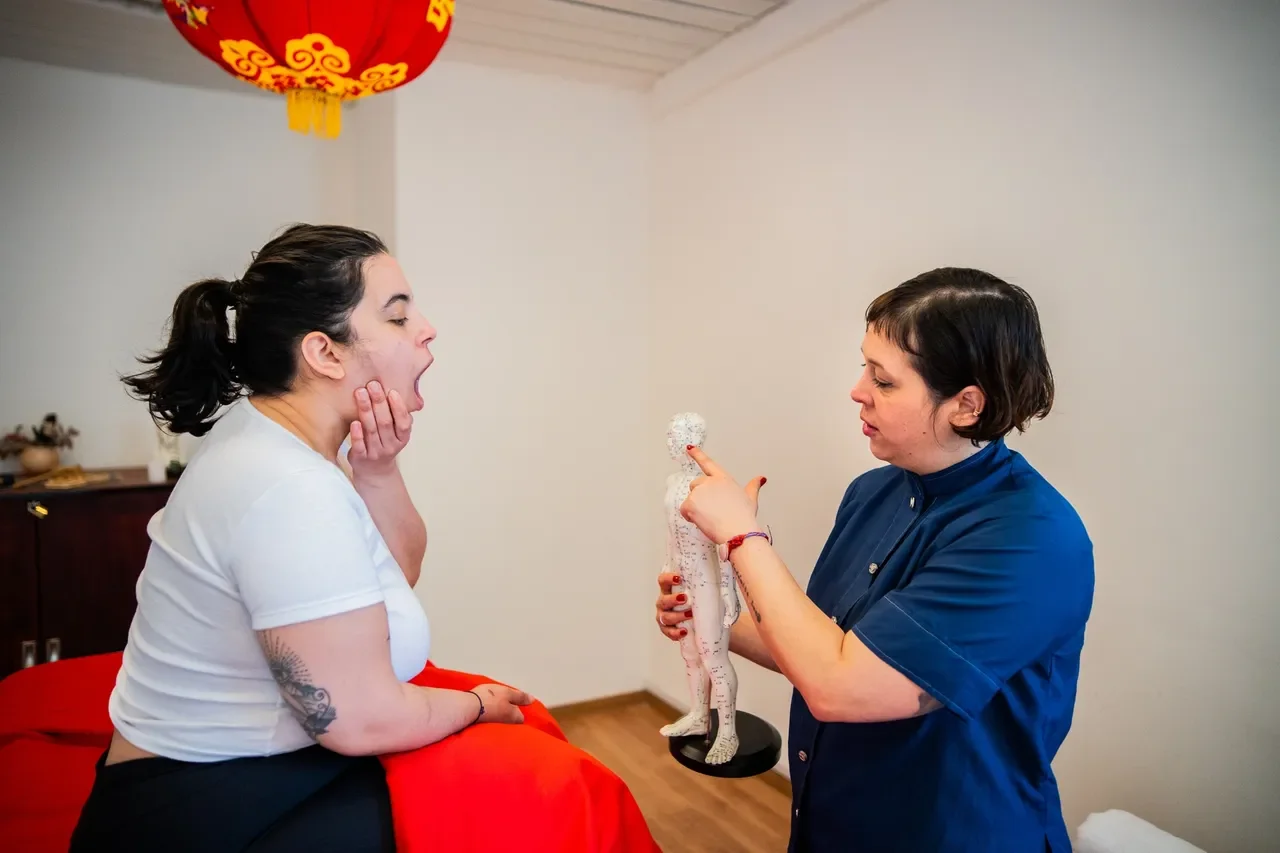
Unlock Effective Jaw Pain Relief Techniques
Experience a noticeable shift in your comfort by following these step-by-step TMJ relief exercises. Begin by ensuring you’re in a relaxed, quiet environment that allows you to focus on soft, controlled movements.
Warm-Up and Relaxation • Sit comfortably with your shoulders relaxed. • Gently massage your jaw muscles using circular motions for 1-2 minutes, releasing initial tension.
Controlled Jaw Movements • Slowly open your mouth to a comfortable degree, then close it smoothly—repeat 10 times. • Maintain a steady rhythm, focusing on the joint’s smooth motion to reduce clicking sounds.
Resistance Training • Place your index finger under your chin. • Open your mouth slowly while resisting the movement with your finger. Perform this stretch for 15-20 seconds, then relax. • Repeat 3 times to build muscle balance and reduce strain.
Final Cool-Down • End with deep, mindful breathing to promote overall relaxation. • Gradually resume normal activities, ensuring that movements remain gentle.
Remember, consistency and careful practice yield the best results for reducing jaw discomfort and enhancing joint mobility, whether you’re at home or in a peaceful local setting.
Revitalize Your Routine for Improved Jaw Relief
When managing TMJ discomfort, small lifestyle adjustments can yield significant benefits for your jaw's health. Integrating mindful activities into your daily routine not only alleviates pain but also supports overall relaxation. Begin by incorporating stress-reduction practices such as meditation and deep breathing exercises. These methods help release tension stored in your jaw and neck, paving the way for smoother, pain-free movement.
Adopt practical strategies to transform everyday habits:
Ergonomic Adjustments: Modify your workspace to promote a natural head and neck posture. Ensure your computer screen is at eye level to minimize strain around the jaw.
Mindful Eating: Eat slowly and chew food carefully, avoiding overly hard or chewy items that can strain the jaw muscles.
Regular Stretching: Set aside time for gentle jaw and facial stretches. Consistent routines can alleviate tightness and promote circulation.
Whether you are in a bustling urban center or a quiet suburban neighborhood, these adaptable tips support comprehensive TMJ management. Embrace these holistic changes to create a balanced lifestyle that nurtures long-term jaw relief and overall well-being.
Frequently Asked Questions About TMJ Disorder
What are common causes of TMJ disorder? TMJ disorder can occur due to muscle tension from stress, habitual jaw clenching, or misalignment of the teeth. Many people also experience symptoms following trauma or injury, which can lead to inflammation and discomfort in the jaw joint.
How can self-care reduce jaw pain? Simple home remedies such as gentle jaw stretching, warm compresses, and avoiding excessive chewing help lower muscle tension. Regular self-care practices often lessen pain and promote smoother jaw movement.
What TMJ relief exercises are effective? Exercises like slowly opening and closing the mouth, gentle lateral jaw movements, and applying slight resistance are beneficial. These routines help maintain joint mobility and reduce inflammation over time.
When should I seek professional guidance? If pain persists or intensifies, contacting a healthcare professional is crucial to obtain a proper diagnosis and tailored treatment plan.
How do daily habits influence TMJ symptoms? Maintaining good posture and reducing stress in everyday activities can significantly ease jaw discomfort, supporting long-term relief and improved quality of life.
Final Thoughts: Empower Your Jaw Health Journey
Embracing a comprehensive approach to maintaining jaw health is key to achieving lasting relief and functional balance. Throughout this guide, we’ve explored the significance of mindful practices and tailored exercises that not only target TMJ discomfort but also prevent future issues. As you incorporate these routines into your daily life, remember that consistent care is essential for long-term benefits.
Action steps to sustain and improve your jaw function include:
Daily Exercise: Commit to a series of relaxing stretches and strength-building movements designed specifically for the jaw.
Mindful Monitoring: Pay attention to any signs of tension or pain and adjust your routine accordingly.
Balanced Lifestyle: Integrate techniques such as stress management and proper hydration to enhance overall wellbeing.
By adopting these proactive measures, you can alleviate discomfort while cultivating a stable, resilient jaw. Whether you’re at home, in your local neighborhood, or while traveling, these actionable tips empower you to take control of your TMJ health. Trust in your efforts and keep exploring personalized ways to achieve a pain-free, confident smile, knowing that every step you take contributes to a healthier future.
About the Author
Mr. Sanjay Attwala (B.Sc., M.Sc., RPT) is a Registered Physiotherapist, clinical director, and the founder of Rehab Mechanics in Toronto. With over 15 years of registered clinical practice and a deep specialization in complex musculoskeletal rehabilitation, Sanjay synthesizes rigorous international academic training with advanced evidence-based therapeutics to guide his clinical practice and patient education initiatives.
Academic Background & Credentials
Master of Science (M.Sc.) in Physiotherapy – University of Keele, United Kingdom (2010).
Bachelor of Science (B.Sc.) – University of Waterloo, Ontario, Canada.
Registered Physiotherapist (RPT) – Regulated health professional in excellent standing with the College of Physiotherapists of Ontario (CPO).
Corporate Entity – Operating officially under the S. Attwala Physiotherapy Professional Corporation with a DBA of Rehab Mechanics.
Clinical Expertise & Philosophy
Sanjay’s clinical approach rejects passive symptom management in favor of identifying underlying biomechanical root causes. His diverse expertise spans advanced manual therapies, personalized corrective exercise prescription, and modern physical modalities. At the Rehab Mechanics Toronto Queen West clinic, he routinely diagnoses and treats complex conditions including:
Spinal & Discogenic Pathology – Cervical, thoracic, and lumbar disc injuries, sciatica, and sacroiliac joint (SIJ) dysfunction.
Upper & Lower Extremity Injuries – Rotator cuff tears, frozen shoulder, tennis/golfer’s elbow, carpal tunnel syndrome, and complex ankle/foot pathologies.
Perinatal & Pelvic Health Rehabilitation – Specialized assessment and rehabilitation protocols tailored specifically for women during pregnancy and the post-partum period, addressing pelvic girdle pain, diastasis recti, and core stabilization.
Specialized Rehabilitation – Pelvic health therapy, TMJ dysfunction, post-surgical rehabilitation (including Total Hip and Total Knee Replacements), and custom orthotics dispensing.
Shockwave Therapy: with advanced cutting edge technological devices to suit your needs.
Interdisciplinary Practice & Patient Care
Sanjay practices an integrated model of healthcare, working closely alongside medical doctors inside the Prime Medical Centre on Abell Street to streamline patient recovery pathways. He maintains a human-centric, communication-first clinical framework, ensuring that care remains fully customized rather than automated.
His clinical caseload encompasses a broad operational spectrum under Ontario's regulatory frameworks, including:
Motor Vehicle Accident (MVA) Claims – Rehabilitation navigating Ontario’s statutory accident benefits schedule.
Workplace Safety and Insurance Board (WSIB) – Occupational injury management and return-to-work screening.
Extended Health Care (EHC) & Private Practice – Multi-tier insurance coordination and long-term athletic development plans.
Commitment to Research & Community
Outside of his clinical caseload at Rehab Mechanics and his additional practice affiliations in Etobicoke, Sanjay is an active health writer and community educator. He translates contemporary peer-reviewed medical research into accessible, actionable guidance on his professional blog. As a dedicated father and husband, he mirrors his professional advice in his personal life, focusing on structural mobility, cross-training, and longevity to help his family and his community thrive. Naturally he takes he a keen interest in rehabilitation for women who are pregnant and post-partum.
Disclaimer: The information provided on this blog is intended for educational and informational purposes only. It does not constitute medical advice, diagnosis, or a treatment plan. Always seek the direct advice of a Registered Physiotherapist, physician, or other qualified health provider regarding any medical condition or physical rehabilitation routine.
Stop Shin Splint Pain During Runs
Discovering the Hidden Trigger Behind Your Run Pain
If you’ve experienced that nagging discomfort along the front of your shin during a run, you're not alone. Shin splints, a common injury among runners, often result from repetitive stress and overuse. These localized aches can disrupt training routines and compromise overall performance. Understanding why shin splints occur is the first step to preventing and managing the pain they bring.
In this guide, you'll learn how factors like improper running form, worn-out shoes, and sudden increases in intensity can contribute to the condition. We'll delve into lifestyle habits that may be intensifying your discomfort—whether you're pounding urban sidewalks or navigating suburban trails. Here’s what you can expect to uncover:
The role of biomechanics and muscle imbalances in developing shin splints
Effective measures to reduce inflammation and relieve pain
Practical tips to adjust your running regimen for better long-term outcomes
Get ready to explore how minor tweaks in your routine can improve your performance and reduce injury risk, paving the way for pain-free runs ahead.

Lace-Up for a Smooth Run
Getting your body ready before your run is key to preventing painful shin splints. By focusing on solid footwear choices and proper stretching techniques, you can enjoy your run without the nagging discomfort.
Select the Right Footwear
Opt for shoes that offer ample arch support and cushioning. A well-fitted pair helps absorb impact, reducing excessive strain on your shins.
Visit a local sports store if possible, where experts can assess your gait and recommend the most supportive options.
Warm-Up with Dynamic Stretches
Begin with gentle leg swings, ankle rotations, and calf raises to stimulate blood flow in lower leg muscles.
Try exercises like heel drops and toe lifts to prepare your shins for the workout ahead.
A 5- to 10-minute warm-up sets a strong foundation for the run.
Ease into Your Run
Start with a slow pace or a short walk-run combination to help your muscles gradually adapt to the intensity.
Gradually build up your speed and distance as your legs strengthen.
Following these actionable steps can support pain-free running and promote long-term leg health in your local area.
Relieve Your Shin Splint Pain Quickly with Targeted Techniques
Dealing with shin splint pain during runs can be frustrating, but these step-by-step techniques are designed to help you find relief and get back on track:
Warm-Up and Stretch • Begin with a brisk 5-minute walk or light jog to warm your muscles. • Incorporate dynamic stretches such as ankle circles and leg swings to loosen the lower legs.
Strengthening Exercises • Focus on calf raises and toe taps: perform 3 sets of 15 repetitions to improve muscle balance. • Gradually add resistance with ankle weights if comfortable.
Technique Adjustments • Evaluate your running form by maintaining an upright posture and shorter stride to reduce impact. • Consider a midfoot strike rather than a heavy heel strike to minimize stress on your shins.
Cool-Down Routine • Conclude your workout with gentle static stretches targeting your calves and shins. • Apply a cold compress for 10 minutes to reduce inflammation.
For additional relief, integrate these exercises consistently into your routine. Tailor your warm-up and cool-down to suit your local environment, whether urban trails or suburban parks, to build lasting resilience against shin pain.
Build Resilient Lower Legs for Lasting Pain Relief
Strengthening your lower leg muscles isn’t just about temporary relief—it’s a long-term investment in your running performance and overall mobility. By focusing on robust training routines and mindful recovery, you can reduce your susceptibility to shin splints and enhance leg stability.
Start with a structured warm-up that includes dynamic stretches and light exercises like leg swings to increase blood flow and prepare the muscles for action. Incorporate these strategies into your routine:
Gradual Resistance Training: Begin with low-impact resistance exercises such as toe raises, seated calf raises, and controlled heel drops. Over time, incrementally increase the resistance or duration to challenge your muscles.
Balanced Flexibility: Dedicate time to stretching your calves and shins. Consistency in flexibility training aids in muscle recovery and reduces imbalances.
Cross-Training Routine: Mix in low-impact activities like cycling or swimming to lessen repetitive stress on the shins while continuing cardiovascular workouts.
Focus on maintaining proper running form and consider periodic evaluations with a local professional to adjust your routine as needed. By integrating these actionable tips, you support not only enhanced muscle strength but also long-term comfort during runs and everyday activities.
Quick Answers to Shin Splints Concerns
What exactly are shin splints and why do they occur? Shin splints refer to pain along the inner edge of the shinbone, often caused by overuse, improper running technique, or inadequate footwear. They are common among runners who increase mileage too quickly or run on hard surfaces.
How can I effectively treat shin splints at home? Rest and ice are key to reducing inflammation. Incorporate gentle stretching and strengthening exercises for the lower leg muscles. Gradually reintroduce running once pain decreases, and adjust your training routine to prevent recurrence.
When should I seek professional help for shin splints? If pain persists beyond a few weeks of self-care or worsening symptoms occur, consulting a physiotherapist is essential. This is especially important if the pain affects your running form or daily activities.
Can specific exercises alleviate shin splint pain? Yes, targeted routines such as calf raises, toe taps, and balance exercises strengthen the supportive muscles around the shin, reducing stress on the bone.
How can I prevent shin splints during long-term training?
Gradually increase distances
Wear supportive footwear
Run on softer surfaces when possible
Do adjustments in running technique make a difference? Absolutely—correct posture and a mid-foot strike technique can minimize impact stress on your shins.
Embracing a Pain-Free Running Journey
As your guide to preventing shin splint discomfort, remember that a pain-free running routine starts with informed preparation and consistent care. Reflect on the importance of proper warm-ups, balanced training, and recovery techniques. Maintaining a mindful approach to running can significantly lower the risk of injury while boosting overall performance.
Key points to carry forward include:
Routine Warm-Ups: Engage in dynamic stretches and gentle movements to prepare your muscles before hitting the track.
Gradual Progression: Increase your running intensity over time, allowing your body to adapt to longer distances and faster paces.
Targeted Strengthening: Incorporate exercises that focus on lower leg muscles to enhance stability and reduce stress on the shins.
Mindful Recovery: Allocate time for rest and stretching after runs, ensuring that your muscles have an opportunity to heal and grow stronger.
These strategies empower you to maintain a sustainable, injury-free routine no matter if you're based in a bustling urban center or a quieter suburban area. Take these actionable steps to heart, and continue to invest in your long-term running health—your body will thank you with every step.
About the Author
Mr. Sanjay Attwala (B.Sc., M.Sc., RPT) is a Registered Physiotherapist, clinical director, and the founder of Rehab Mechanics in Toronto. With over 15 years of registered clinical practice and a deep specialization in complex musculoskeletal rehabilitation, Sanjay synthesizes rigorous international academic training with advanced evidence-based therapeutics to guide his clinical practice and patient education initiatives.
Academic Background & Credentials
Master of Science (M.Sc.) in Physiotherapy – University of Keele, United Kingdom (2010).
Bachelor of Science (B.Sc.) – University of Waterloo, Ontario, Canada.
Registered Physiotherapist (RPT) – Regulated health professional in excellent standing with the College of Physiotherapists of Ontario (CPO).
Corporate Entity – Operating officially under the S. Attwala Physiotherapy Professional Corporation with a DBA of Rehab Mechanics.
Clinical Expertise & Philosophy
Sanjay’s clinical approach rejects passive symptom management in favor of identifying underlying biomechanical root causes. His diverse expertise spans advanced manual therapies, personalized corrective exercise prescription, and modern physical modalities. At the Rehab Mechanics Toronto Queen West clinic, he routinely diagnoses and treats complex conditions including:
Spinal & Discogenic Pathology – Cervical, thoracic, and lumbar disc injuries, sciatica, and sacroiliac joint (SIJ) dysfunction.
Upper & Lower Extremity Injuries – Rotator cuff tears, frozen shoulder, tennis/golfer’s elbow, carpal tunnel syndrome, and complex ankle/foot pathologies.
Perinatal & Pelvic Health Rehabilitation – Specialized assessment and rehabilitation protocols tailored specifically for women during pregnancy and the post-partum period, addressing pelvic girdle pain, diastasis recti, and core stabilization.
Specialized Rehabilitation – Pelvic health therapy, TMJ dysfunction, post-surgical rehabilitation (including Total Hip and Total Knee Replacements), and custom orthotics dispensing.
Shockwave Therapy: with advanced cutting edge technological devices to suit your needs.
Interdisciplinary Practice & Patient Care
Sanjay practices an integrated model of healthcare, working closely alongside medical doctors inside the Prime Medical Centre on Abell Street to streamline patient recovery pathways. He maintains a human-centric, communication-first clinical framework, ensuring that care remains fully customized rather than automated.
His clinical caseload encompasses a broad operational spectrum under Ontario's regulatory frameworks, including:
Motor Vehicle Accident (MVA) Claims – Rehabilitation navigating Ontario’s statutory accident benefits schedule.
Workplace Safety and Insurance Board (WSIB) – Occupational injury management and return-to-work screening.
Extended Health Care (EHC) & Private Practice – Multi-tier insurance coordination and long-term athletic development plans.
Commitment to Research & Community
Outside of his clinical caseload at Rehab Mechanics and his additional practice affiliations in Etobicoke, Sanjay is an active health writer and community educator. He translates contemporary peer-reviewed medical research into accessible, actionable guidance on his professional blog. As a dedicated father and husband, he mirrors his professional advice in his personal life, focusing on structural mobility, cross-training, and longevity to help his family and his community thrive. Naturally he takes he a keen interest in rehabilitation for women who are pregnant and post-partum.
Disclaimer: The information provided on this blog is intended for educational and informational purposes only. It does not constitute medical advice, diagnosis, or a treatment plan. Always seek the direct advice of a Registered Physiotherapist, physician, or other qualified health provider regarding any medical condition or physical rehabilitation routine.
Motion is Lotion for Aging Joints
Navigating the Complexity of Aging Joints
Osteoarthritis poses a direct challenge to maintaining mobility and quality of life as we age. This condition, characterized by the gradual wearing down of cartilage, creates discomfort and stiffness in joints, often hindering everyday activities. In this piece, we explore the multi-faceted challenges associated with aging joints and offer insights into practical ways to address these issues.
By examining the underlying causes of joint degeneration, the discussion will arm you with a better understanding of how lifestyle changes and targeted exercises can combat stiffness and pain. You’ll delve into topics such as pain management, exercise modifications, and safe movement practices that protect delicate joints. Additionally, learn how tailored activity routines not only ease current symptoms but also serve as a proactive measure against further deterioration. Consider these key takeaways:
Understanding Osteoarthritis: What it is and how it affects joint functionality.
Practical Movement Strategies: How regular, mindful exercise routines can relieve discomfort.
Long-Term Joint Care: Tips for maintaining flexibility and strength over time.
This introduction sets the stage for actionable insights, empowering you to make informed choices in caring for aging joints locally and beyond.

Unlock the Power of Movement for Joint Health
Embracing the concept that "motion is lotion" means understanding how consistent movement can serve as a natural lubricant for your joints, especially when managing the discomfort of osteoarthritis. Regular, low-impact exercises help maintain joint flexibility and reduce stiffness, easing the daily challenges of joint pain. Whether you live in urban centers like Toronto or quieter regional areas, incorporating steady activity into your routine can lead to noticeable improvements in mobility.
Practical strategies include:
Daily Walks: Gentle, brisk walks can stimulate joint fluids.
Range-of-Motion Exercises: Stretching and gentle yoga improve flexibility.
Strength-Building Routines: Light resistance activities support muscle strength around vulnerable joints.
Mindful Movement: Focusing on posture and fluid motion minimizes strain.
By integrating these activities, you address the root of joint stiffness rather than merely coping with symptoms. This approach not only alleviates pain but also enhances long-term joint resilience, making everyday movements smoother and more enjoyable. Adopting a consistent movement regimen can be a simple yet powerful tool in sustaining joint health and overall well-being.
Step-by-Step Guide to Enhance Joint Health
Regular movement is essential for improving joint mobility and maintaining overall health as we age. Follow these practical steps to integrate beneficial exercises into your daily routine:
Start with a light warm-up: Begin with a brisk walk or gentle cycling for 5-10 minutes. This increases blood flow and prepares your joints for activity.
Incorporate dynamic stretching: Engage in movements such as arm circles, leg swings, or torso twists. These exercises improve range of motion while reducing stiffness.
Focus on low-impact strength exercises: Perform activities like bodyweight squats, step-ups, or resistance band workouts to build muscle support around critical joints.
Enhance balance and flexibility: Practice yoga or tai chi routines that encourage controlled movements and mindful breathing, helping to stabilize and soothe aging joints.
End with a cool-down: Gradually lower your heart rate with slow walking and static stretching, ensuring muscles recover properly after exercise.
By consistently following these steps, you can boost joint health and enjoy improved flexibility. This guide is applicable whether you're training at home or in local facilities in urban centers, providing a reliable framework for sustainable, joint-friendly fitness.
Energize Your Joints with Smart Lifestyle Adjustments
Embrace a holistic approach to bolster joint health as you age by integrating thoughtful diet and exercise changes into your daily routine. Optimizing joint function begins with incorporating nutrient-dense foods and targeted movement strategies, ensuring each step contributes positively to long-term mobility. By blending a balanced diet rich in antioxidants, omega-3 fatty acids, and lean proteins with consistent physical activities, you set a solid foundation for sustained joint resilience.
Key strategies include:
Dynamic Diet Adjustments: Emphasize whole foods such as leafy greens, berries, and lean proteins to support tissue repair and minimize inflammation.
Joint-Friendly Exercise Routines: Explore low-impact options like swimming, cycling, or yoga that enhance flexibility and joint proprioception.
Mindful Movement: Incorporate stretching and balance drills to improve stability and reduce stress on joints.
These practical insights cater to various lifestyles, whether you’re navigating urban settings like Toronto or enjoying quieter suburban life. Adapting these actionable tips not only supports joint health but also promotes overall vitality, enabling you to maintain a robust and active lifestyle well into the later years.
Energize Your Joints: Your Osteoarthritis FAQ Guide
What benefits does physical activity bring to aging joints? Regular movement helps decrease pain and stiffness while improving joint flexibility. Exercise supports cartilage health by promoting circulation and reducing inflammation.
How does exercise improve joint mobility for osteoarthritis? Engaging in gentle, low-impact activities like walking or swimming improves synovial fluid circulation, which nourishes joints and eases discomfort. This steady movement is essential for maintaining long-term mobility.
Which exercises are best suited for managing joint pain? Opt for aerobic workouts paired with strength and balance routines. Low-impact exercises such as yoga, cycling, and water aerobics not only lessen joint stress but also build the muscular support needed for resilient joints.
How often should one exercise to see improvements? Aim for moderate physical activity most days of the week, gradually increasing duration and intensity under professional guidance.
What precautions should individuals take when starting a new routine? Always consult with a healthcare provider or physiotherapist to create a tailored plan. Listen to your body and adjust exercises as needed, ensuring a safe and effective journey toward lasting joint health.
Embrace Your Journey to Lasting Movement
In wrapping up this conversation on natural remedies for aging joints, it’s important to reflect on the key principles that have been highlighted. Throughout this discussion, the focus has been on integrating regular movement and longevity training into daily life, enabling improvements in joint health and overall resilience. Adopting a strategy that emphasizes dynamic strength exercises, balanced nutrition, and mindful recovery can significantly contribute to easing the typical challenges associated with aging.
Key takeaways include:
Consistent Movement: Incorporate low-impact exercises and flexibility routines to support joint integrity.
Preventive Action: Prioritize activities that build muscle strength and joint stability over time.
Balanced Nutrition: Support your physical efforts with a diet rich in whole foods and hydration.
These actionable steps help create a holistic approach, especially beneficial for individuals in urban centers like Toronto and regional areas. Continue embracing movement as a cornerstone of a healthy lifestyle, and let each step forward be a testament to your commitment toward long-term well-being. Stay motivated, keep moving, and remember that every stride brings you closer to a more vibrant future.
About the Author
Mr. Sanjay Attwala (B.Sc., M.Sc., RPT) is a Registered Physiotherapist, clinical director, and the founder of Rehab Mechanics in Toronto. With over 15 years of registered clinical practice and a deep specialization in complex musculoskeletal rehabilitation, Sanjay synthesizes rigorous international academic training with advanced evidence-based therapeutics to guide his clinical practice and patient education initiatives.
Academic Background & Credentials
Master of Science (M.Sc.) in Physiotherapy – University of Keele, United Kingdom (2010).
Bachelor of Science (B.Sc.) – University of Waterloo, Ontario, Canada.
Registered Physiotherapist (RPT) – Regulated health professional in excellent standing with the College of Physiotherapists of Ontario (CPO).
Corporate Entity – Operating officially under the S. Attwala Physiotherapy Professional Corporation with a DBA of Rehab Mechanics.
Clinical Expertise & Philosophy
Sanjay’s clinical approach rejects passive symptom management in favor of identifying underlying biomechanical root causes. His diverse expertise spans advanced manual therapies, personalized corrective exercise prescription, and modern physical modalities. At the Rehab Mechanics Toronto Queen West clinic, he routinely diagnoses and treats complex conditions including:
Spinal & Discogenic Pathology – Cervical, thoracic, and lumbar disc injuries, sciatica, and sacroiliac joint (SIJ) dysfunction.
Upper & Lower Extremity Injuries – Rotator cuff tears, frozen shoulder, tennis/golfer’s elbow, carpal tunnel syndrome, and complex ankle/foot pathologies.
Perinatal & Pelvic Health Rehabilitation – Specialized assessment and rehabilitation protocols tailored specifically for women during pregnancy and the post-partum period, addressing pelvic girdle pain, diastasis recti, and core stabilization.
Specialized Rehabilitation – Pelvic health therapy, TMJ dysfunction, post-surgical rehabilitation (including Total Hip and Total Knee Replacements), and custom orthotics dispensing.
Shockwave Therapy: with advanced cutting edge technological devices to suit your needs.
Interdisciplinary Practice & Patient Care
Sanjay practices an integrated model of healthcare, working closely alongside medical doctors inside the Prime Medical Centre on Abell Street to streamline patient recovery pathways. He maintains a human-centric, communication-first clinical framework, ensuring that care remains fully customized rather than automated.
His clinical caseload encompasses a broad operational spectrum under Ontario's regulatory frameworks, including:
Motor Vehicle Accident (MVA) Claims – Rehabilitation navigating Ontario’s statutory accident benefits schedule.
Workplace Safety and Insurance Board (WSIB) – Occupational injury management and return-to-work screening.
Extended Health Care (EHC) & Private Practice – Multi-tier insurance coordination and long-term athletic development plans.
Commitment to Research & Community
Outside of his clinical caseload at Rehab Mechanics and his additional practice affiliations in Etobicoke, Sanjay is an active health writer and community educator. He translates contemporary peer-reviewed medical research into accessible, actionable guidance on his professional blog. As a dedicated father and husband, he mirrors his professional advice in his personal life, focusing on structural mobility, cross-training, and longevity to help his family and his community thrive. Naturally he takes he a keen interest in rehabilitation for women who are pregnant and post-partum.
Disclaimer: The information provided on this blog is intended for educational and informational purposes only. It does not constitute medical advice, diagnosis, or a treatment plan. Always seek the direct advice of a Registered Physiotherapist, physician, or other qualified health provider regarding any medical condition or physical rehabilitation routine.
Disc Herniation: Not life sentence
Unraveling the Roots of Disc Herniation
Disc herniation often starts subtly, altering everyday comfort before its symptoms become all too apparent. This introduction explores how even minor spinal disc issues can snowball into significant pain and mobility challenges. A common culprit is the gradual weakening of the disc’s structure, influenced by repetitive strain, age-related degeneration, or sudden injury. Individuals may initially notice sharp back pain, radiating discomfort into the legs, or numbness in extremities. In many cases, a herniated disc doesn’t spell a life sentence but signals the need for a thoughtful approach in managing overall spine health.
Key points include:
Mechanical Stress: Daily activities, improper lifting techniques, or prolonged sedentary behavior can exacerbate disc wear.
Inflammatory Response: Swelling around the affected nerve may lead to additional discomfort and stiffness.
Lifestyle Modifications: Incorporating targeted stretching and strength exercises can mitigate symptoms over time.
By understanding these mechanisms, you’ll be equipped to better recognize early warning signs and navigate the initial phase of diagnosis. This detailed examination sets the stage for actionable strategies and holistic guidance, empowering readers to reclaim a pain-free life without feeling overwhelmed by the diagnosis.
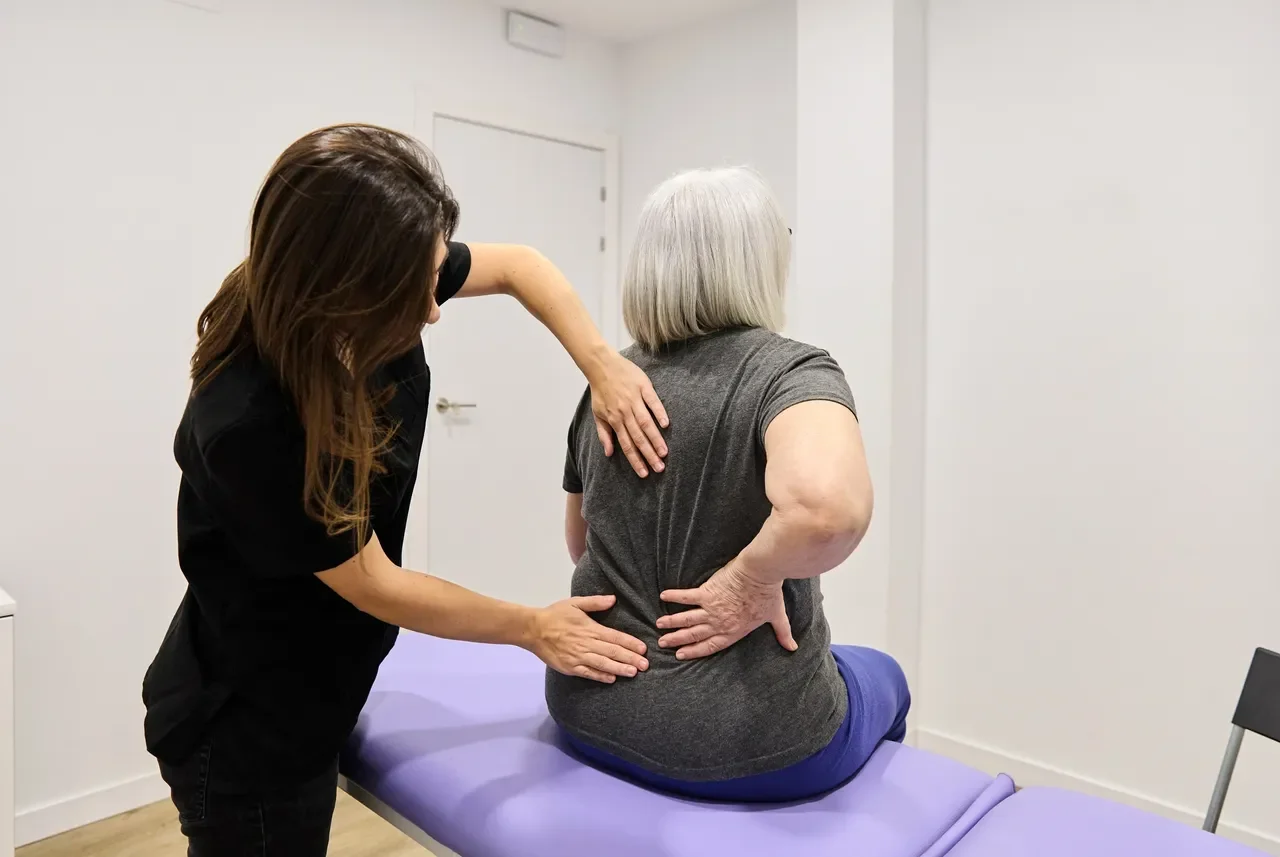
Dispelling Misconceptions About Disc Herniation
Many believe that disc herniation signals a permanent decline in mobility, yet modern rehabilitative approaches tell a different story. In reality, this condition can be managed effectively, allowing individuals to regain control over their daily lives. Instead of resigning to a future shadowed by pain, patients are encouraged to explore comprehensive treatment plans that focus on restoring function and reducing discomfort.
Effective management strategies typically include:
Customized Physical Therapy: Targeted exercises help strengthen core muscles and stabilize the spine.
Ergonomic Adjustments: Learning proper posture and body mechanics minimizes strain on the affected disc.
Gradual Activity Resumption: Incorporating low-impact activities such as walking or swimming can support recovery, particularly in urban areas where local community resources and gyms are readily accessible.
By understanding that a herniated disc is not synonymous with lifelong debilitation, individuals can pursue proactive, tailor-made solutions. Engaging with experienced healthcare professionals will ensure that each step taken is safe and effective. With the right approach, recovery involves a gradual reintroduction to movement and active living, proving that disc herniation really is manageable.
Step-by-Step Exercises to Relieve Disc Herniation Pain
Begin your journey to improved back health by following these effective steps that target disc herniation symptoms. This guide outlines a practical routine designed for those seeking gentle recovery and long-term relief.
Warm-Up: Start with 5-10 minutes of light walking or stationary cycling to gradually increase blood flow to your back muscles. Tip: Maintain a comfortable pace to prepare your body without stress.
Stretching Routine: Incorporate gentle stretches that focus on the lower back and surrounding muscles. Consider seated forward bends and gentle side twists. Best Practice: Hold each stretch steadily for 20-30 seconds.
Core Activation: Engage in simple core-strengthening exercises like pelvic tilts or modified planks to improve spinal support. Advice: Keep movements slow and controlled for maximum benefit.
Low-Impact Cardio: Choose activities such as swimming, water aerobics, or using an elliptical machine to maintain flexibility while minimizing joint stress.
Cool Down: Conclude with deep breathing and static stretches to relax your muscles and reduce tension.
Adapt these steps to your routine, whether at home or in local wellness centers, and take control of your recovery—disc herniation doesn’t have to define your quality of life.
Transform Your Daily Routine for Lasting Spinal Health
Adapting your lifestyle can make a significant difference in overcoming disc herniation and preventing further injury. Embracing small, manageable changes not only aids in recovery but also empowers you to maintain a healthier back over time. Incorporate these strategies into your daily routine to help stabilize your spine and improve overall well-being:
Active Recovery: Engage in gentle, low-impact exercises such as walking, swimming, or yoga. These activities encourage blood flow and maintain muscle strength without placing undue strain on your spine.
Posture Awareness: Practice proper alignment during everyday tasks. Whether you're at work in a busy city office or relaxing at home, keeping a neutral spine position minimizes pressure on your herniated disc.
Ergonomic Adjustments: Modify your workspace with adjustable seating and supportive devices. This can dramatically reduce discomfort and facilitate safer movement throughout your day.
Mindful Movement: Incorporate stretching and balance exercises to enhance coordination and flexibility, reducing the risk of future injuries.
By integrating these lifestyle adjustments, you create a supportive environment for recovery while proactively safeguarding your spine. Each small step fosters a resilient back and encourages a future free from recurring discomfort.
Frequently Asked Questions
What causes disc herniation and how can I recognize it? Disc herniation often results from gradual wear or sudden strain that causes the disc to bulge or rupture. Common signs include localized back pain, numbness, and tingling in the limbs.
How does physiotherapy help manage the condition? Targeted physiotherapy can strengthen core muscles and improve posture, reducing strain on the spine. Tailored exercise programs also increase flexibility and support proper alignment, aiding recovery.
Are there effective self-care methods for relief? Yes, maintaining proper ergonomics, using cold or warm compresses, and practicing gentle stretching techniques can ease discomfort. These steps are especially useful in regional areas where local resources emphasize holistic care.
What role does exercise play in treatment? Regular, low-impact activities such as walking and swimming boost circulation to the affected area. These practices, combined with proper lifestyle adjustments, can significantly alleviate pain.
When should I consider professional intervention? If symptoms persist or worsen, seek evaluation from a healthcare provider. Early treatment helps prevent further deterioration and promotes long-term spinal health.
A New Path Forward
In closing, it’s evident that disc herniation can be managed effectively, allowing you to continue leading an active and fulfilling life. With a tailored approach focused on targeted exercises, proper posture, and consistent physical therapy, recovering mobility and reducing pain is entirely achievable. By understanding that disc herniation is not a life sentence, you gain the freedom to explore adaptable fitness routines and recovery strategies designed specifically for your needs.
Consider these actionable steps:
Embrace low-impact exercises, such as walking, swimming, or yoga, to build strength without straining your back.
Incorporate core stability and flexibility training into your routine.
Remain proactive by consulting local physiotherapy experts who understand the nuances of your condition.
Remember, real progress begins with small, consistent actions. Each step taken is a reinforcement of your commitment to improved health and a better quality of life. Stay motivated, keep informed, and let your journey toward a pain-managed, active lifestyle serve as inspiration for your future. Your recovery story is just beginning—move confidently towards sustained wellness.
About the Author
Mr. Sanjay Attwala (B.Sc., M.Sc., RPT) is a Registered Physiotherapist, clinical director, and the founder of Rehab Mechanics in Toronto. With over 15 years of registered clinical practice and a deep specialization in complex musculoskeletal rehabilitation, Sanjay synthesizes rigorous international academic training with advanced evidence-based therapeutics to guide his clinical practice and patient education initiatives.
Academic Background & Credentials
Master of Science (M.Sc.) in Physiotherapy – University of Keele, United Kingdom (2010).
Bachelor of Science (B.Sc.) – University of Waterloo, Ontario, Canada.
Registered Physiotherapist (RPT) – Regulated health professional in excellent standing with the College of Physiotherapists of Ontario (CPO).
Corporate Entity – Operating officially under the S. Attwala Physiotherapy Professional Corporation with a DBA of Rehab Mechanics.
Clinical Expertise & Philosophy
Sanjay’s clinical approach rejects passive symptom management in favor of identifying underlying biomechanical root causes. His diverse expertise spans advanced manual therapies, personalized corrective exercise prescription, and modern physical modalities. At the Rehab Mechanics Toronto Queen West clinic, he routinely diagnoses and treats complex conditions including:
Spinal & Discogenic Pathology – Cervical, thoracic, and lumbar disc injuries, sciatica, and sacroiliac joint (SIJ) dysfunction.
Upper & Lower Extremity Injuries – Rotator cuff tears, frozen shoulder, tennis/golfer’s elbow, carpal tunnel syndrome, and complex ankle/foot pathologies.
Perinatal & Pelvic Health Rehabilitation – Specialized assessment and rehabilitation protocols tailored specifically for women during pregnancy and the post-partum period, addressing pelvic girdle pain, diastasis recti, and core stabilization.
Specialized Rehabilitation – Pelvic health therapy, TMJ dysfunction, post-surgical rehabilitation (including Total Hip and Total Knee Replacements), and custom orthotics dispensing.
Shockwave Therapy: with advanced cutting edge technological devices to suit your needs.
Interdisciplinary Practice & Patient Care
Sanjay practices an integrated model of healthcare, working closely alongside medical doctors inside the Prime Medical Centre on Abell Street to streamline patient recovery pathways. He maintains a human-centric, communication-first clinical framework, ensuring that care remains fully customized rather than automated.
His clinical caseload encompasses a broad operational spectrum under Ontario's regulatory frameworks, including:
Motor Vehicle Accident (MVA) Claims – Rehabilitation navigating Ontario’s statutory accident benefits schedule.
Workplace Safety and Insurance Board (WSIB) – Occupational injury management and return-to-work screening.
Extended Health Care (EHC) & Private Practice – Multi-tier insurance coordination and long-term athletic development plans.
Commitment to Research & Community
Outside of his clinical caseload at Rehab Mechanics and his additional practice affiliations in Etobicoke, Sanjay is an active health writer and community educator. He translates contemporary peer-reviewed medical research into accessible, actionable guidance on his professional blog. As a dedicated father and husband, he mirrors his professional advice in his personal life, focusing on structural mobility, cross-training, and longevity to help his family and his community thrive. Naturally he takes he a keen interest in rehabilitation for women who are pregnant and post-partum.
Disclaimer: The information provided on this blog is intended for educational and informational purposes only. It does not constitute medical advice, diagnosis, or a treatment plan. Always seek the direct advice of a Registered Physiotherapist, physician, or other qualified health provider regarding any medical condition or physical rehabilitation routine.
Solving Runner’s Knee: A Deep Dive
Unpacking Runner’s Knee and PFPS: What You Need to Know
For active individuals, knee pain can feel like an unexpected barrier during training. Patellofemoral pain syndrome (PFPS), more commonly known as Runner’s Knee, often develops gradually rather than from a single, dramatic injury. This condition stems from repetitive stress, muscle imbalances, or misalignment that places excessive pressure on the kneecap. In many cases, runners begin to notice subtle symptoms that can progress if not addressed early.
Key signs to watch for include:
Persistent ache during and after running
Occasional swelling and a sense of stiffness around the joint
Moments where the knee feels unstable or as if it might “give way”
This section sets the stage for exploring why these symptoms occur and how to manage them effectively. Readers will gain insights into the mechanics behind PFPS and discover practical guidance on preventive stretching, strengthening exercises, and adjustments in running technique. Whether training along urban cityscapes or scenic local trails, understanding the roots of Runner’s Knee is the first step towards lasting relief and improved performance.

Unlocking the Biomechanical Complexity of Runner’s Knee
Runner’s knee is often rooted in complex physiological and biomechanical factors that go beyond simple overuse. Anatomical imbalances and movement patterns can significantly stress the patellofemoral joint, leading to discomfort and diminished performance. In many cases, muscle imbalances and improper alignment during dynamic activities contribute to misdistribution of forces across the knee. This misalignment can result from weak hip abductors, tight quadriceps, or even inflexible hamstrings—all factors that subtly shift loading patterns during every stride.
Key contributing factors include:
Muscle Imbalances: An underactive gluteal region or overactive quadriceps can cause altered tracking of the patella.
Biomechanical Misalignment: Improper foot mechanics, such as excessive pronation, may transmit undue stress upward.
Joint Inflammation and Stress: Repeated strain increases inflammation, paving the way for chronic discomfort.
Understanding these elements is essential for those seeking long-term relief. By exploring targeted strategies—such as corrective exercises, stretching routines, and mindful movement adjustments—runners can regain balance and enjoy local fitness activities with renewed confidence. The journey to alleviating runner’s knee begins with recognizing and addressing these underlying issues, enabling you to run more efficiently and comfortably.
Step-by-Step Runner’s Knee Relief Routine
Begin by activating your muscles with a precise warm-up routine. Follow these actionable steps to ease discomfort and build strength for a smoother run:
Warm-Up: Start with 5 minutes of brisk walking or light jogging to increase blood circulation. Tip: Keep a moderate pace to prevent overexertion.
Dynamic Stretches: Engage in leg swings, high knees, and gentle lunges that activate your quadriceps, hamstrings, and calves. Best Practice: Perform each movement for 30 seconds to enhance mobility.
Targeted Strengthening: Incorporate step-ups and mini-squats focusing on form. This builds stability and rebalances muscle groups supporting the knee. Advice: Use a step or low platform, ensuring the knee tracks in line with your toes.
Static Stretching: Conclude with gentle hamstring and calf stretches to reduce tension. Hint: Hold each stretch for 20 seconds to allow muscles to relax.
Cool Down: End with deep breathing exercises. This step is crucial as it aids in recovery and prevents stiffness.
Practice this routine consistently—whether at home, local parks, or urban fitness centers—to manage symptoms and reclaim a healthy, pain-free stride.
Enhancing Knee Health Through Lifestyle Changes and Additional Therapies
Improving knee health goes well beyond targeted exercise routines—it means rethinking daily habits and integrating supplementary therapies to prevent recurrence. Many individuals find that combining physical therapies with lifestyle modifications can lead to long-term relief and enhanced joint stability. By taking a proactive approach, you can reduce inflammation and promote flexibility, ensuring your knees remain strong during everyday activities.
Consider these practical strategies for sustainable knee wellness:
Aquatic Therapy: Low-impact exercises in water can relieve joint pressure while improving muscle strength.
Holistic Movement Practices: Yoga, Pilates, and tai chi offer gentle stretching and balance improvements, transforming how your body manages stress on the knees.
Nutritional Adjustments: Emphasizing an anti-inflammatory diet supports joint repair and reduces recovery time.
Mindfulness Techniques: Incorporate meditation or breathing exercises to lower stress levels that might exacerbate discomfort.
In many urban and local wellness centers, professionals tailor these techniques to meet individual needs. Embracing these lifestyle changes alongside traditional physical therapy can create a comprehensive plan, empowering you to maintain robust knee health and prevent future issues.
Frequently Asked Questions About Managing and Treating Runner's Knee
What exactly is Runner's Knee and how does it develop? Runner's Knee refers to pain around the kneecap often caused by overuse, misalignment, or improper running techniques. The irritation usually results from repetitive stress on the joint.
How can I prevent Runner's Knee from worsening? Preventive measures include proper warm-up routines, stretching, and strengthening exercises such as low-impact workouts. Maintaining balanced muscle strength helps reduce knee strain and improves overall stability.
What are the best self-care practices for managing Runner's Knee? Consider:
Rest and ice application to reduce inflammation.
Gentle stretching to maintain flexibility.
Use of supportive footwear to improve alignment during runs.
Can modifying my running technique truly make a difference? Yes, adjusting your gait and incorporating cross-training routines can lower the risk of aggravation, helping you run comfortably both locally and beyond.
When should I seek professional advice for my knee pain? If pain persists or hinders daily activities, consulting a healthcare professional is essential for a tailored rehabilitation plan. This proactive approach ensures lasting relief and a return to active, pain-free running.
Wrapping It Up: Your Journey to Resilient Knee Health
Embracing a holistic approach is key to long-term knee health and an active lifestyle for runners and fitness enthusiasts alike. Throughout this guide, we’ve highlighted essential strategies for managing knee pain without giving up the activities you love. Prioritizing strength, balance, and flexibility not only helps alleviate discomfort but also reinforces the structures that support your knee joint during every run or workout. Consider these actionable next steps to sustain and improve knee function:
Incorporate targeted exercises that focus on core stability and lower limb strength.
Practice consistent stretching routines to enhance flexibility and reduce tightness.
Adopt ergonomic habits during daily activities and training sessions.
Schedule regular check-ups with local physiotherapy professionals to keep track of your progress and address any emerging concerns.
By integrating these practices, you lay the foundation for a sustainable, pain-managed lifestyle. Remember, every small step counts toward building resilience and enjoying your passion for movement. Stay motivated, keep innovating your routine, and let your commitment to knee health empower you to live actively and confidently.
About the Author
Mr. Sanjay Attwala (B.Sc., M.Sc., RPT) is a Registered Physiotherapist, clinical director, and the founder of Rehab Mechanics in Toronto. With over 15 years of registered clinical practice and a deep specialization in complex musculoskeletal rehabilitation, Sanjay synthesizes rigorous international academic training with advanced evidence-based therapeutics to guide his clinical practice and patient education initiatives.
Academic Background & Credentials
Master of Science (M.Sc.) in Physiotherapy – University of Keele, United Kingdom (2010).
Bachelor of Science (B.Sc.) – University of Waterloo, Ontario, Canada.
Registered Physiotherapist (RPT) – Regulated health professional in excellent standing with the College of Physiotherapists of Ontario (CPO).
Corporate Entity – Operating officially under the S. Attwala Physiotherapy Professional Corporation with a DBA of Rehab Mechanics.
Clinical Expertise & Philosophy
Sanjay’s clinical approach rejects passive symptom management in favor of identifying underlying biomechanical root causes. His diverse expertise spans advanced manual therapies, personalized corrective exercise prescription, and modern physical modalities. At the Rehab Mechanics Toronto Queen West clinic, he routinely diagnoses and treats complex conditions including:
Spinal & Discogenic Pathology – Cervical, thoracic, and lumbar disc injuries, sciatica, and sacroiliac joint (SIJ) dysfunction.
Upper & Lower Extremity Injuries – Rotator cuff tears, frozen shoulder, tennis/golfer’s elbow, carpal tunnel syndrome, and complex ankle/foot pathologies.
Perinatal & Pelvic Health Rehabilitation – Specialized assessment and rehabilitation protocols tailored specifically for women during pregnancy and the post-partum period, addressing pelvic girdle pain, diastasis recti, and core stabilization.
Specialized Rehabilitation – Pelvic health therapy, TMJ dysfunction, post-surgical rehabilitation (including Total Hip and Total Knee Replacements), and custom orthotics dispensing.
Shockwave Therapy: with advanced cutting edge technological devices to suit your needs.
Interdisciplinary Practice & Patient Care
Sanjay practices an integrated model of healthcare, working closely alongside medical doctors inside the Prime Medical Centre on Abell Street to streamline patient recovery pathways. He maintains a human-centric, communication-first clinical framework, ensuring that care remains fully customized rather than automated.
His clinical caseload encompasses a broad operational spectrum under Ontario's regulatory frameworks, including:
Motor Vehicle Accident (MVA) Claims – Rehabilitation navigating Ontario’s statutory accident benefits schedule.
Workplace Safety and Insurance Board (WSIB) – Occupational injury management and return-to-work screening.
Extended Health Care (EHC) & Private Practice – Multi-tier insurance coordination and long-term athletic development plans.
Commitment to Research & Community
Outside of his clinical caseload at Rehab Mechanics and his additional practice affiliations in Etobicoke, Sanjay is an active health writer and community educator. He translates contemporary peer-reviewed medical research into accessible, actionable guidance on his professional blog. As a dedicated father and husband, he mirrors his professional advice in his personal life, focusing on structural mobility, cross-training, and longevity to help his family and his community thrive. Naturally he takes he a keen interest in rehabilitation for women who are pregnant and post-partum.
Disclaimer: The information provided on this blog is intended for educational and informational purposes only. It does not constitute medical advice, diagnosis, or a treatment plan. Always seek the direct advice of a Registered Physiotherapist, physician, or other qualified health provider regarding any medical condition or physical rehabilitation routine.
Why Pre-hab is Key for Athletes
Unlock Your Athletic Potential Through Pre-hab
Before diving into intense training, understanding the foundation of pre-hab versus traditional rehab is essential for every athlete. Pre-hab focuses on proactive conditioning, preparing your body to tackle high-impact activities before any injury occurs. This approach enhances strength, mobility, and overall performance, establishing a resilient framework that supports both athletic pursuits and everyday activities.
In this guide, you will uncover:
The core differences between pre-hab and rehabilitation, emphasizing prevention over recovery.
Key strategies to integrate pre-hab exercises into your warm-up routines.
Actionable tips for maintaining joint stability and muscle balance, especially in busy local training centers or community gyms.
By adopting a pre-hab mindset, athletes can reduce injury risks and maximize their training outcomes. Embrace this preventive strategy to stay one step ahead, ensuring that each session builds your physical capacity sustainably. Prepare to learn how smart, tailored pre-hab routines not only safeguard your performance but also set the stage for long-term athletic success.
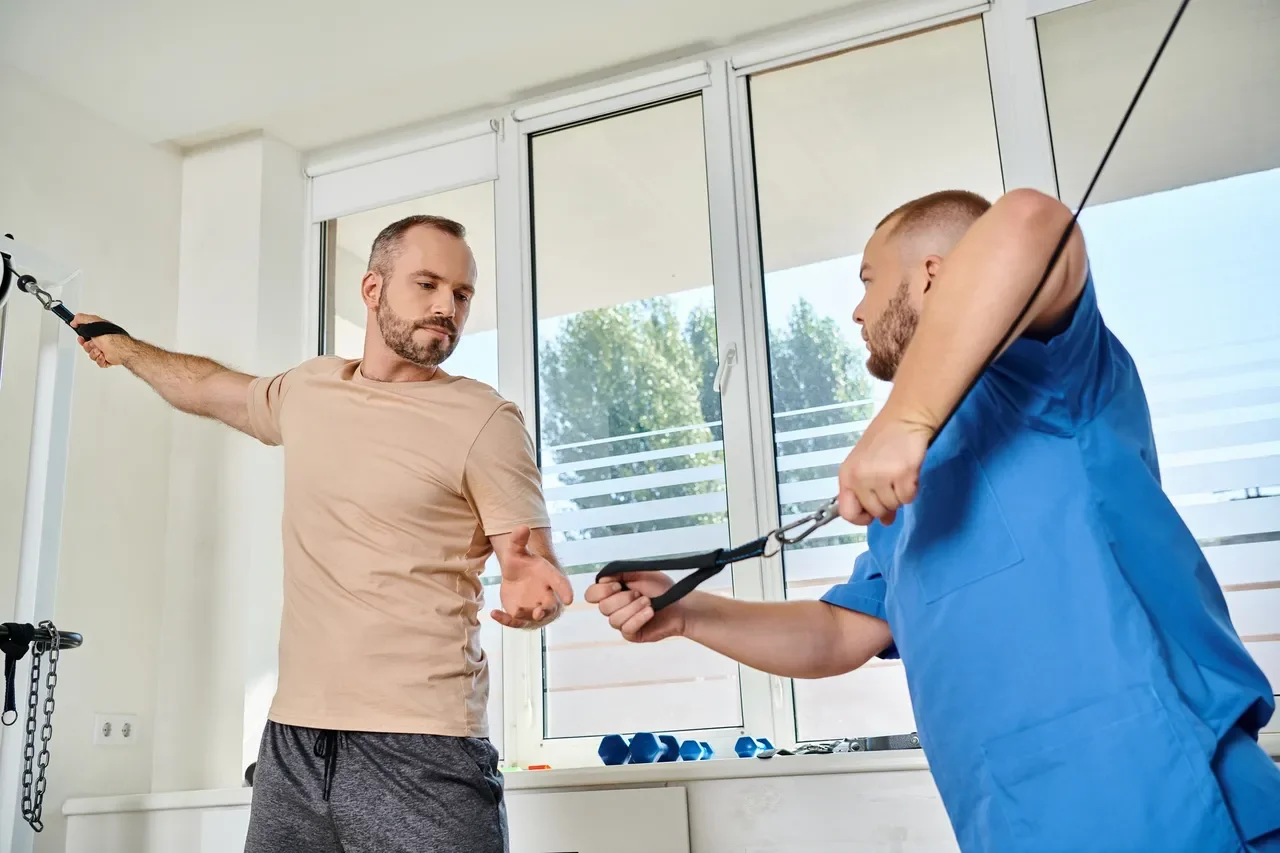
Proactive Pre-Hab: Strengthening Foundations Before Injury
Pre-hab is all about taking early preventive action to maintain peak performance and reduce the risk of injury before issues become serious. Unlike traditional rehab, which kicks in after an injury has occurred, pre-hab uses targeted exercises and proactive strategies to fortify muscles, enhance joint stability, and improve overall movement patterns. This forward-thinking approach is not only beneficial for athletes but also for active individuals looking to sustain their performance in everyday activities.
Key components of pre-hab include:
Strength Training: Consistent routines that build core and peripheral strength.
Flexibility and Mobility: Stretching and dynamic movements that ensure joints move freely.
Balance and Coordination: Drills that help maintain control and improve reaction times.
By integrating pre-hab into your routine, you can address muscle imbalances and prevent overuse injuries early on. Whether training in urban gym facilities or enjoying outdoor sessions in local parks, pre-hab provides actionable, practical strategies to keep you performing at your best—cementing a strong foundation that supports resilience and longevity in all your athletic pursuits.
Pre-hab: Building a Resilient Athletic Foundation
Incorporating pre-hab techniques into your training routine can transform the way you approach athletic performance. Pre-hab is not just about recovery—it’s about proactively strengthening muscles, improving mobility, and fortifying joints to withstand the physical demands of sports. Integrating these exercises can lead to fewer injuries and smoother performance, setting the stage for a sustainable athletic career.
Key benefits of pre-hab include:
Enhanced Injury Prevention: Regular mobility and stability routines help safeguard vulnerable joints and reduce the risk of sprains, strains, and overuse injuries.
Improved Performance Metrics: A well-rounded pre-hab regimen can lead to better muscle balance, agility, and overall biomechanics during high-intensity activities.
Long-Term Durability: Consistency in preventive exercises ensures that your body remains robust as you train, whether you’re on urban tracks or local athletic fields.
Athletes seeking practical ways to maintain peak performance can benefit greatly from blending strength, balance, and flexibility exercises into their regimen. This proactive approach not only optimizes performance on game day but also provides a roadmap for a long-lasting, injury-free career in sports.
Mastering Pre-hab to Boost Athletic Longevity
Incorporating pre-hab into your training routine can be a game changer for injury prevention and overall performance. Follow these actionable steps to weave pre-hab seamlessly into your workout regimen:
Warm-Up and Mobility Drills: Begin each session with dynamic warm-ups to prime muscles and joints. Incorporate movements such as leg swings, arm circles, and gentle lunges to increase blood flow.
Targeted Strength Exercises: Focus on exercises that stabilize key muscles. For instance, include:
Core stabilization: Planks and side bridges.
Joint-focused movements: Resistance band work for hips and knees.
Balance drills: Single-leg squats and stability ball exercises.
Flexibility and Recovery: Dedicate time to stretching routines post-workout. Emphasize hamstring and calf flexibility to support lower limb mechanics.
Routine Progression: Start with low-intensity movements and slowly increase difficulty. Adjust frequency and resistance based on local training conditions, such as gym availability or outdoor spaces.
Tip: Maintain consistency and listen to your body’s feedback to adjust the intensity and frequency of these pre-hab exercises. This step-by-step approach not only fortifies your body but also ensures long-term athletic performance and mobility.
Essential FAQs on Pre-hab & Rehab for Peak Athletic Performance
What exactly is pre-hab and how does it differ from rehab? Pre-hab involves proactive exercises designed to strengthen muscles and improve mobility, reducing the chance of injury before it occurs. In contrast, rehab focuses on recovery and restoring function after an injury has already happened.
How can pre-hab routines minimize injury risks for athletes? Incorporating pre-hab exercises helps enhance stability, balance, and joint mobility. This proactive approach prepares the body for intense training, making it easier for athletes to perform confidently whether training on urban tracks, local gyms, or outdoor fields.
What kind of exercises work best in a pre-hab program? Typically, dynamic stretching, balance drills, and core-strengthening workouts are recommended. These exercises boost coordination and endurance, addressing common areas of weakness.
When should athletes integrate pre-hab into their training schedules? It is best to include pre-hab routines during every training session as a warm-up or cool-down activity, ensuring continual protection and performance improvements.
How can athletes personalize their pre-hab and rehab plans? Customization is key; focus on exercises that target sport-specific muscles and address personal areas of vulnerability for optimal long-term performance and joint health.
Embracing a Holistic Pre-hab Strategy
In wrapping up our exploration of pre-hab, remember that an integrated approach is essential for sustainable sports health and longevity. Pre-hab isn't merely a collection of exercises but a comprehensive mindset that prepares your body for the demands of athletic performance. Incorporating tailored movement screenings, targeted strength training, and flexibility routines lays the foundation for injury prevention and optimal performance.
Key next steps include:
Consistency in Practices: Commit to a regular pre-hab routine that adapts to your evolving training needs.
Balance and Variation: Combine strength, flexibility, and mobility exercises to address all critical areas.
Mindful Movement: Focus on proper alignment and form during each session to reinforce long-term joint and muscle health.
By integrating these practical guidelines into your fitness regimen, you'll reduce the risk of injury while bolstering overall resilience. Keep challenging yourself with incremental improvements, and let each pre-hab session serve as a building block towards a more secure, robust athletic future. Stay proactive, stay informed, and take decisive steps today to ensure a lifetime of active, pain-free living.
About the Author
Mr. Sanjay Attwala (B.Sc., M.Sc., RPT) is a Registered Physiotherapist, clinical director, and the founder of Rehab Mechanics in Toronto. With over 15 years of registered clinical practice and a deep specialization in complex musculoskeletal rehabilitation, Sanjay synthesizes rigorous international academic training with advanced evidence-based therapeutics to guide his clinical practice and patient education initiatives.
Academic Background & Credentials
Master of Science (M.Sc.) in Physiotherapy – University of Keele, United Kingdom (2010).
Bachelor of Science (B.Sc.) – University of Waterloo, Ontario, Canada.
Registered Physiotherapist (RPT) – Regulated health professional in excellent standing with the College of Physiotherapists of Ontario (CPO).
Corporate Entity – Operating officially under the S. Attwala Physiotherapy Professional Corporation with a DBA of Rehab Mechanics.
Clinical Expertise & Philosophy
Sanjay’s clinical approach rejects passive symptom management in favor of identifying underlying biomechanical root causes. His diverse expertise spans advanced manual therapies, personalized corrective exercise prescription, and modern physical modalities. At the Rehab Mechanics Toronto Queen West clinic, he routinely diagnoses and treats complex conditions including:
Spinal & Discogenic Pathology – Cervical, thoracic, and lumbar disc injuries, sciatica, and sacroiliac joint (SIJ) dysfunction.
Upper & Lower Extremity Injuries – Rotator cuff tears, frozen shoulder, tennis/golfer’s elbow, carpal tunnel syndrome, and complex ankle/foot pathologies.
Perinatal & Pelvic Health Rehabilitation – Specialized assessment and rehabilitation protocols tailored specifically for women during pregnancy and the post-partum period, addressing pelvic girdle pain, diastasis recti, and core stabilization.
Specialized Rehabilitation – Pelvic health therapy, TMJ dysfunction, post-surgical rehabilitation (including Total Hip and Total Knee Replacements), and custom orthotics dispensing.
Shockwave Therapy: with advanced cutting edge technological devices to suit your needs.
Interdisciplinary Practice & Patient Care
Sanjay practices an integrated model of healthcare, working closely alongside medical doctors inside the Prime Medical Centre on Abell Street to streamline patient recovery pathways. He maintains a human-centric, communication-first clinical framework, ensuring that care remains fully customized rather than automated.
His clinical caseload encompasses a broad operational spectrum under Ontario's regulatory frameworks, including:
Motor Vehicle Accident (MVA) Claims – Rehabilitation navigating Ontario’s statutory accident benefits schedule.
Workplace Safety and Insurance Board (WSIB) – Occupational injury management and return-to-work screening.
Extended Health Care (EHC) & Private Practice – Multi-tier insurance coordination and long-term athletic development plans.
Commitment to Research & Community
Outside of his clinical caseload at Rehab Mechanics and his additional practice affiliations in Etobicoke, Sanjay is an active health writer and community educator. He translates contemporary peer-reviewed medical research into accessible, actionable guidance on his professional blog. As a dedicated father and husband, he mirrors his professional advice in his personal life, focusing on structural mobility, cross-training, and longevity to help his family and his community thrive. Naturally he takes he a keen interest in rehabilitation for women who are pregnant and post-partum.
Disclaimer: The information provided on this blog is intended for educational and informational purposes only. It does not constitute medical advice, diagnosis, or a treatment plan. Always seek the direct advice of a Registered Physiotherapist, physician, or other qualified health provider regarding any medical condition or physical rehabilitation routine.
What is Endometriosis? Physio Help

Endometriosis; what is it? How can we help?
Uncovering Endometriosis: Understanding Its Impact on Pelvic Health
Endometriosis is more than just discomfort—it's a condition where tissue similar to the uterine lining grows outside the uterus, often leading to chronic pelvic pain, heavy menstrual bleeding, and a host of other symptoms that can affect daily life. This condition may disrupt hormonal balance, trigger inflammatory responses, and even impact fertility, making it a significant concern for many individuals. In this section, you'll gain a clear understanding of how endometriosis can alter pelvic health and overall well-being.
Key points to explore include:
What endometriosis is: Defining the abnormal growth of tissue outside the uterus.
Symptom recognition: Identifying common signs such as persistent pelvic pain, discomfort during intercourse, and irregular bleeding patterns.
Practical health tips: Strategies to manage pain and support pelvic stability through targeted exercise and mindful movement.
Whether residing in bustling urban centers or quieter suburban communities, understanding the challenges posed by endometriosis empowers you to seek effective ways to maintain your pelvic health and improve quality of life. Get ready to dive deeper into actionable insights that address both the physical and emotional aspects of living with endometriosis.
Unraveling the Common Symptoms
Dealing with endometriosis often means facing a unique set of challenges that can alter everyday life. Chronic pelvic pain is one of the most distressing symptoms, sometimes extending beyond the menstrual cycle and affecting the lower back and abdomen. This persistent discomfort can disrupt daily routines and limit physical activities. Alongside the pain, many individuals experience overwhelming fatigue that leaves them feeling drained, making it difficult to maintain a busy lifestyle or meet work demands.
Reproductive challenges add another layer of complexity, with symptoms like irregular menstrual cycles and difficulty conceiving causing additional emotional and physical stress. These issues highlight the importance of recognizing and responding to the signs of endometriosis early on. Whether you are in a metropolitan area or a small town, understanding these symptoms can lead to more effective management through lifestyle adjustments and targeted therapies.
Key indicators to monitor include:
Persistent pelvic pain that disrupts daily activities
Chronic fatigue impacting overall well-being
Reproductive irregularities affecting menstrual and fertility patterns
Uncovering the Journey to an Endometriosis Diagnosis
Navigating the path to an endometriosis diagnosis can feel overwhelming, but understanding the process helps ease anxiety and sets the stage for effective management. During your evaluation, a thorough review of your medical history forms the cornerstone of the assessment. Clinicians will ask about your menstrual cycle, pelvic pain, and any related symptoms to piece together a clear picture of your condition. This initial discussion ensures they capture the nuances of your experience, setting the groundwork for a comprehensive evaluation.
Following the history, a physical examination is often performed, focusing on pelvic tenderness and any irregularities that might indicate underlying issues. Patients can generally expect the following steps during the diagnostic process:
Detailed Symptom Discussion: Clarifying pain patterns, menstrual irregularities, and digestive issues.
Physical Assessment: A pelvic exam to identify areas of discomfort.
Imaging Tests: Ultrasound or MRI might be utilized for clearer internal views.
These steps, implemented by healthcare professionals across local clinics and specialized centers, ensure a targeted approach to diagnosing endometriosis. This comprehensive methodology not only identifies the condition but also paves the way for a tailored treatment strategy designed to improve quality of life.
Empowering Relief with Targeted Physiotherapy
Endometriosis can trigger persistent pain and discomfort, but physiotherapy offers a proactive approach to managing these symptoms. Specialized physiotherapy techniques focus on restoring proper muscle balance while alleviating pelvic tension and pain. Tailored exercises are designed to improve circulation and strengthen the core, ultimately reducing inflammation and irritation in the pelvic region.
Effective physiotherapy strategies include:
Pelvic Floor Exercises: Gentle, controlled movements help relax and strengthen the pelvic muscles.
Manual Therapy: Hands-on techniques aim to release tight fascia and improve tissue flexibility.
Stretching Routines: Regular stretching reduces muscle stiffness and enhances mobility.
For those experiencing endometriosis, integrating physiotherapy into a holistic wellness plan can not only ease pain but also improve overall function. Regular sessions help reduce the frequency of flare-ups, supporting daily activities and enhancing quality of life. Whether you’re in an urban core or a local suburban area, skilled physiotherapy can create a personalized roadmap for symptom management and long-term well-being. Embrace these practical techniques for a smoother, more active lifestyle.
Frequently Asked Questions on Endometriosis and Physiotherapy
What exactly is endometriosis? Endometriosis is a condition where tissue similar to the uterine lining grows outside the uterus, often causing pain and discomfort. This abnormal growth can result in inflammation and sensitivity in the pelvic region.
How can physiotherapy help manage endometriosis symptoms? Physiotherapy focuses on gentle pelvic floor exercises, myofascial release, and posture correction. These techniques can relieve pressure, reduce pain, and improve mobility—benefiting individuals in urban and suburban areas alike.
What misconceptions exist about treating endometriosis? Many believe surgery is the only solution. In reality, targeted physiotherapy offers a non-invasive method to manage symptoms by strengthening core stability and enhancing blood flow to affected areas.
What practical steps can I adopt when experiencing flare-ups? Consider incorporating:
Regular stretching routines
Modified core exercises
Mindful breathing techniques These actionable tips can reduce discomfort and maintain functionality.
Is physiotherapy a suitable option for my condition? If pain and mobility issues persist, a tailored physiotherapy program—with gradual intensity adjustments—can be an effective part of your overall symptom management plan.
Conclusion: Empowering Your Journey with Effective Physiotherapy
Integrating physiotherapy into the management of endometriosis can dramatically improve quality of life by easing discomfort and enhancing overall mobility. By addressing pelvic alignment, strengthening core muscles, and promoting optimal posture, targeted physiotherapy sessions help alleviate chronic pain and reduce inflammation. This approach not only supports the body’s natural healing processes but also fosters long-term resilience against flare-ups.
Key actionable steps include:
Schedule regular physiotherapy sessions: Consistency is vital for progressive improvement.
Incorporate tailored home exercises: Gentle stretches and strength-building routines enhance pain management.
Practice mindful movement: Focus on posture adjustments during daily activities to minimize strain.
Stay proactive with self-care: Utilize breathing techniques and relaxation exercises to manage stress and improve recovery.
For those residing in urban centers or suburban communities, localized physiotherapy support is readily available; engage with specialists who understand both the physical and emotional complexities of endometriosis. Embrace these strategies to reclaim your physical strength and rediscover comfort in everyday movements. Every positive step in your recovery journey is a stride toward a healthier, more empowered you.
About the Author
Mr. Sanjay Attwala (B.Sc., M.Sc., RPT) is a Registered Physiotherapist, clinical director, and the founder of Rehab Mechanics in Toronto. With over 15 years of registered clinical practice and a deep specialization in complex musculoskeletal rehabilitation, Sanjay synthesizes rigorous international academic training with advanced evidence-based therapeutics to guide his clinical practice and patient education initiatives.
Academic Background & Credentials
Master of Science (M.Sc.) in Physiotherapy – University of Keele, United Kingdom (2010).
Bachelor of Science (B.Sc.) – University of Waterloo, Ontario, Canada.
Registered Physiotherapist (RPT) – Regulated health professional in excellent standing with the College of Physiotherapists of Ontario (CPO).
Corporate Entity – Operating officially under the S. Attwala Physiotherapy Professional Corporation with a DBA of Rehab Mechanics.
Clinical Expertise & Philosophy
Sanjay’s clinical approach rejects passive symptom management in favor of identifying underlying biomechanical root causes. His diverse expertise spans advanced manual therapies, personalized corrective exercise prescription, and modern physical modalities. At the Rehab Mechanics Toronto Queen West clinic, he routinely diagnoses and treats complex conditions including:
Spinal & Discogenic Pathology – Cervical, thoracic, and lumbar disc injuries, sciatica, and sacroiliac joint (SIJ) dysfunction.
Upper & Lower Extremity Injuries – Rotator cuff tears, frozen shoulder, tennis/golfer’s elbow, carpal tunnel syndrome, and complex ankle/foot pathologies.
Perinatal & Pelvic Health Rehabilitation – Specialized assessment and rehabilitation protocols tailored specifically for women during pregnancy and the post-partum period, addressing pelvic girdle pain, diastasis recti, and core stabilization.
Specialized Rehabilitation – Pelvic health therapy, TMJ dysfunction, post-surgical rehabilitation (including Total Hip and Total Knee Replacements), and custom orthotics dispensing.
Shockwave Therapy: with advanced cutting edge technological devices to suit your needs.
Interdisciplinary Practice & Patient Care
Sanjay practices an integrated model of healthcare, working closely alongside medical doctors inside the Prime Medical Centre on Abell Street to streamline patient recovery pathways. He maintains a human-centric, communication-first clinical framework, ensuring that care remains fully customized rather than automated.
His clinical caseload encompasses a broad operational spectrum under Ontario's regulatory frameworks, including:
Motor Vehicle Accident (MVA) Claims – Rehabilitation navigating Ontario’s statutory accident benefits schedule.
Workplace Safety and Insurance Board (WSIB) – Occupational injury management and return-to-work screening.
Extended Health Care (EHC) & Private Practice – Multi-tier insurance coordination and long-term athletic development plans.
Commitment to Research & Community
Outside of his clinical caseload at Rehab Mechanics and his additional practice affiliations in Etobicoke, Sanjay is an active health writer and community educator. He translates contemporary peer-reviewed medical research into accessible, actionable guidance on his professional blog. As a dedicated father and husband, he mirrors his professional advice in his personal life, focusing on structural mobility, cross-training, and longevity to help his family and his community thrive. Naturally he takes he a keen interest in rehabilitation for women who are pregnant and post-partum.
Disclaimer: The information provided on this blog is intended for educational and informational purposes only. It does not constitute medical advice, diagnosis, or a treatment plan. Always seek the direct advice of a Registered Physiotherapist, physician, or other qualified health provider regarding any medical condition or physical rehabilitation routine.