Can I Fix Plantar Fasciitis Without Wearing Clunky Orthotics Forever?
Yes. While custom orthotics are critical for acute pain relief, the ultimate goal of physiotherapy is to rebuild your foot's natural biological arch. By utilizing shockwave therapy, ankle mobilization, and heavy slow resistance training, we restore tissue capacity so you do not have to rely on orthotics forever.
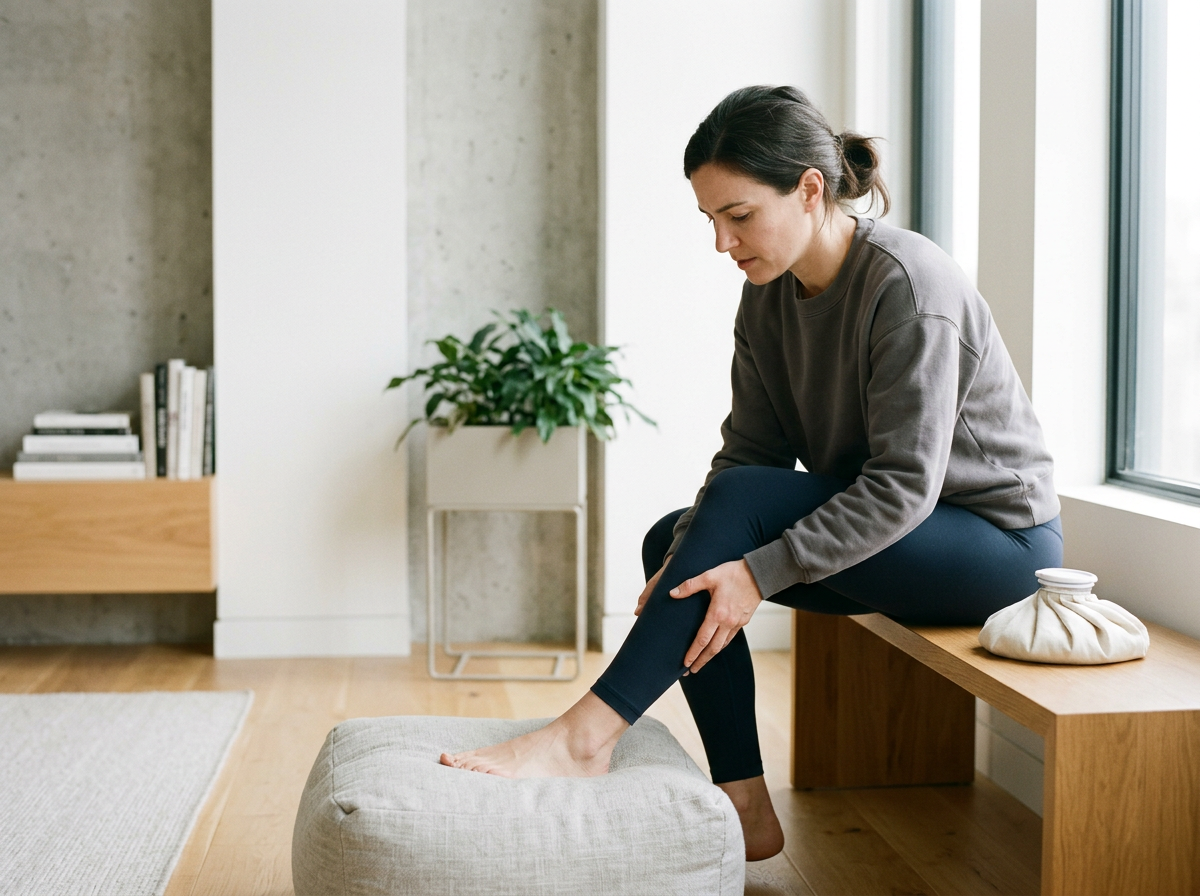
The Terror of the First Morning Step
Yes, we know you need to a good “first step” to get to the phone to check everything. But let’s get out of bed the right way so not tweak anything, and then a good first step so that momentum carries throughout the day.
For pedestrians commuting through Toronto's concrete jungle, severe foot pain is completely disabling. Plantar fasciitis often presents as a terrifying, sharp, "stepping on shattered glass" sensation during the very first steps out of bed in the morning, or after standing up from a desk in the Financial District.
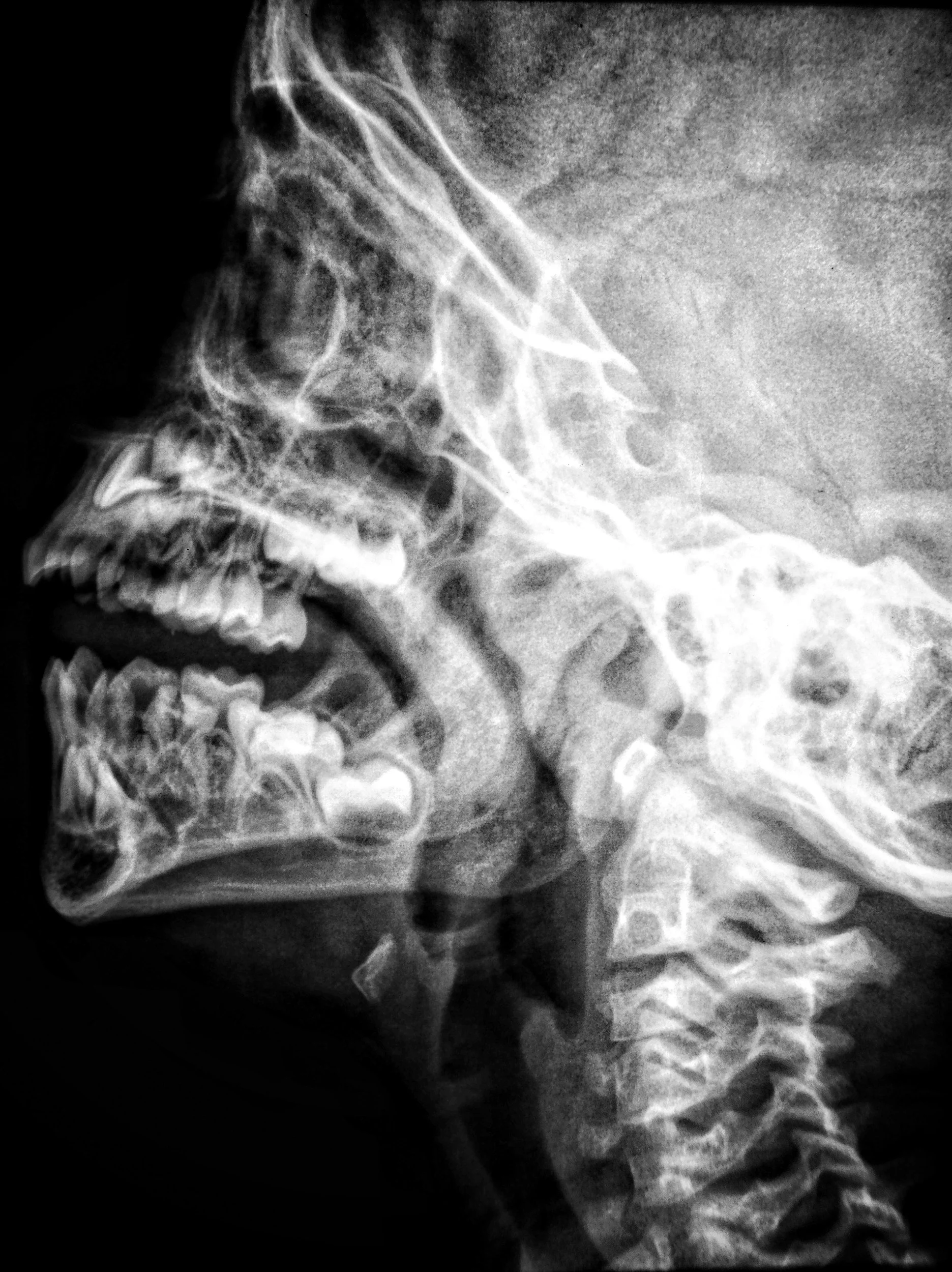
When the pain becomes unbearable, many patients visit a podiatrist or walk-in clinic and receive an X-ray. The image frequently reveals a sharp, bony heel spur. Patients are often told to purchase expensive custom orthotics and are given the grim advice that they must wear these rigid inserts in every pair of shoes for the rest of their lives.
While providing the best orthotics Toronto has to offer is a core service at Rehab Mechanics, we fundamentally disagree with the concept of permanent reliance. An orthotic is like a highly sophisticated cast; it is an incredible tool for offloading a violently inflamed foot. However, the long-term cure for plantar fasciitis treatment requires actively rebuilding the intrinsic strength of the foot itself. By leveraging advanced human mechanics, we can heal your fascia, eradicate the pain, and eventually wean you off structural supports.
Structural Analysis: The Mechanics of the Fascia and the Spur
To understand how to rehabilitate the foot, we must perform a detailed biomechanical analysis of the plantar fascia and debunk the myth of the "stabbing" heel spur.
The Biological Spring (Windlass Mechanism)
The plantar fascia is a massive, incredibly thick band of connective tissue running from your heel bone to the base of your toes.
Shock Absorption: When you step on the pavement, your arch flattens, stretching the fascia to absorb the force of your body weight.
Propulsion: When you push off your toes, the fascia winds tightly around the toe joints, jacking the arch upward and turning your foot into a rigid lever for walking.
The Pathology of Plantar Fasciopathy
Plantar fasciitis is not an inflammatory condition; it is a degenerative condition (fasciopathy) caused by mechanical overload.
The Overpronation Trigger: If your ankle is stiff or your glutes are weak, your foot compensates by violently collapsing inward (overpronation) with every step.
The Micro-Tearing: This massive collapse stretches the fascia beyond its biological limit, causing microscopic tearing directly at its anchor point on the heel bone.
The Bony Heel Spur Myth (Wolff's Law)
Patients are terrified of the bony heel spur visible on their X-rays, assuming it is stabbing their tissue like a nail.
The Reality: A heel spur is actually a symptom of tension, not the cause of the pain. According to Wolff's Law, bone grows in response to stress. Because the fascia is constantly pulling and tearing away from the heel bone, the body panics and lays down extra calcium to try and reinforce the anchor point.
The Pain Generator: The agonizing pain you feel is the highly sensitive, degenerated, and scarred fascial tissue tearing as it stretches, not the bone spur itself.
Clinical Red Flags
Proper differential diagnosis is crucial, as heel pain can mimic other serious pathologies. We look for these clinical signs:
The "Start-Up" Agony: Breathtaking pain during the first steps of the morning, which dulls to a deep ache after 15 minutes of walking as the tissue warms up and stretches.
Point Tenderness: Exquisite, sharp pain when pressing directly on the inside edge of the bottom of the heel.
The Windlass Test: Pulling the big toe aggressively backward while standing triggers an intense pulling sensation directly into the heel.
Primary Source Proof: Progressive Fascial Rehabilitation
Clinical orthopedic literature definitively supports progressive, heavy-load strength training (specifically the Rathleff Protocol) over passive resting devices as the gold standard for long-term structural remodeling of the plantar fascia.
Note: The link above directs to external, peer-reviewed medical literature demonstrating our commitment to evidence-based practice and international clinical guidelines.
The Rehab Mechanics Corrective Protocol
We treat the foot systematically: we brace it to calm it down, we shock it to stimulate healing, and we load it to build it back up.
Phase 1 — Acute Offloading (Custom Orthotics) (Weeks 1-4)
The Temporary Cast: As a licensed provider, Sanjay casts and dispenses elite custom orthotics. During the acute phase, the orthotic mechanically blocks the arch from collapsing, instantly reducing the violent pulling force on the heel and giving the shredded fascia a protected environment to heal.
Phase 2 — Tissue Regeneration (Weeks 2-6)
Extracorporeal Shockwave Therapy (ESWT): The bottom of the foot has notoriously poor blood supply. We utilize high-energy acoustic sound waves to physically shatter the fibrotic scar tissue and trigger massive, localized blood vessel growth, restarting the body's stalled healing process.
Calf and Ankle Unlocking: A stiff calf forces the foot to overpronate. We use deep myofascial release and joint mobilization to restore full ankle dorsiflexion.
Phase 3 — High-Load Structural Remodeling (Weeks 6-10)
The Rathleff Protocol: We implement a heavy, slow resistance program using a rolled towel under the toes during calf raises. This heavy, eccentric tension physically forces the chaotic scar tissue to remodel into thick, healthy, parallel collagen fibers.
Phase 4 — Intrinsic Activation and Weaning (Weeks 10+)
Building the Biological Arch: Prescribing specific "foot doming" exercises to aggressively strengthen the tiny, dormant muscles inside the foot. As these muscles get stronger, they take over the job of holding the arch up, allowing us to slowly and safely wean you off the rigid custom orthotics.
Related Conditions We Treat
Morton's Neuroma
Achilles Tendinopathy
Chronic Ankle Instability
Tarsal Tunnel Syndrome
Sever's Disease
Metatarsalgia
Related Blogs
"Can Physiotherapy Permanently Cure Plantar Fasciitis Without Custom Orthotics?"
"Is a Bony Heel Spur the Real Cause of My Foot Pain?"
"Do I Need Custom Orthotics to Cure Morning Heel Pain?"
Services Used in Treatment
Custom Orthotics Dispensing
Shockwave Therapy
Manual Therapy
Soft Tissue Release
Gait Retraining
Neuromuscular Re-Education
Strengthening Programs
FAQ Section
1. What are the best orthotics in Toronto for plantar fasciitis treatment?
The best orthotics are true, custom-molded medical devices cast by a licensed physiotherapist. They are built specifically to your foot's biomechanical faults to provide exact mechanical offloading during the acute healing phase.
2. Do I have to wear my orthotics forever?
Not necessarily. While they are a crucial short-term tool, our ultimate goal is to use targeted strengthening programs to build your "biological arch," allowing many patients to eventually transition to standard supportive footwear.
3. Does a bony heel spur mean I need surgery?
Almost never. The spur is a biological reaction to tension, not the primary cause of pain. We address contributing factors by using shockwave therapy and mechanical unloading to heal the fascia, rendering the spur completely asymptomatic.
4. Can shockwave therapy cure chronic foot pain?
Yes. Shockwave therapy is clinically proven to help reduce tissue irritation, break down rigid scar tissue, and support localized blood flow, accelerating healing in chronic fasciopathy.
How Physiotherapy Helps
Reducing tissue irritation through targeted shockwave therapy
Providing temporary mechanical offloading with custom orthotics
Improving cadence and total-body walking mechanics
Strengthening stabilizers in the intrinsic foot and deep calf
Reducing mechanical overload on the plantar fascial anchor
Restoring ankle mobility to prevent compensatory arch collapse
Contact Us Today — All you have to lose is the pain
Book a comprehensive foot biomechanics and custom orthotic assessment with our clinical team today. Located inside the Prime Medical Centre at 68 Abell Street, Queen West.
Email: info@rehabmechanics.com Phone: (416) 533-3900
About the Author
Mr. Sanjay Attwala (B.Sc., M.Sc., RPT) is a Registered Physiotherapist, clinical director, and the founder of Rehab Mechanics in Toronto. With over 15 years of registered clinical practice and a deep specialization in complex musculoskeletal rehabilitation, Sanjay synthesizes rigorous international academic training with advanced evidence-based therapeutics to guide his clinical practice and patient education initiatives.
Academic Background & Credentials
Master of Science (M.Sc.) in Physiotherapy – University of Keele, United Kingdom (2010).
Bachelor of Science (B.Sc.) – University of Waterloo, Ontario, Canada.
Registered Physiotherapist (RPT) – Regulated health professional in excellent standing with the College of Physiotherapists of Ontario (CPO).
Corporate Entity – Operating officially under the S. Attwala Physiotherapy Professional Corporation with a DBA of Rehab Mechanics.
Clinical Expertise & Philosophy
Sanjay’s clinical approach rejects passive symptom management in favor of identifying underlying biomechanical root causes. His diverse expertise spans advanced manual therapies, personalized corrective exercise prescription, and modern physical modalities. At the Rehab Mechanics Toronto Queen West clinic, he routinely diagnoses and treats complex conditions including:
Spinal & Discogenic Pathology – Cervical, thoracic, and lumbar disc injuries, sciatica, and sacroiliac joint (SIJ) dysfunction.
Upper & Lower Extremity Injuries – Rotator cuff tears, frozen shoulder, tennis/golfer’s elbow, carpal tunnel syndrome, and complex ankle/foot pathologies.
Perinatal & Pelvic Health Rehabilitation – Specialized assessment and rehabilitation protocols tailored specifically for women during pregnancy and the post-partum period, addressing pelvic girdle pain, diastasis recti, and core stabilization.
Specialized Rehabilitation – Pelvic health therapy, TMJ dysfunction, post-surgical rehabilitation (including Total Hip and Total Knee Replacements), and custom orthotics dispensing.
Shockwave Therapy: with advanced cutting edge technological devices to suit your needs.
Interdisciplinary Practice & Patient Care
Sanjay practices an integrated model of healthcare, working closely alongside medical doctors inside the Prime Medical Centre on Abell Street to streamline patient recovery pathways. He maintains a human-centric, communication-first clinical framework, ensuring that care remains fully customized rather than automated.
His clinical caseload encompasses a broad operational spectrum under Ontario's regulatory frameworks, including:
Motor Vehicle Accident (MVA) Claims – Rehabilitation navigating Ontario’s statutory accident benefits schedule.
Workplace Safety and Insurance Board (WSIB) – Occupational injury management and return-to-work screening.
Extended Health Care (EHC) & Private Practice – Multi-tier insurance coordination and long-term athletic development plans.
Commitment to Research & Community
Outside of his clinical caseload at Rehab Mechanics and his additional practice affiliations in Etobicoke, Sanjay is an active health writer and community educator. He translates contemporary peer-reviewed medical research into accessible, actionable guidance on his professional blog. As a dedicated father and husband, he mirrors his professional advice in his personal life, focusing on structural mobility, cross-training, and longevity to help his family and his community thrive. Naturally he takes he a keen interest in rehabilitation for women who are pregnant and post-partum.
Disclaimer: The information provided on this blog is intended for educational and informational purposes only. It does not constitute medical advice, diagnosis, or a treatment plan. Always seek the direct advice of a Registered Physiotherapist, physician, or other qualified health provider regarding any medical condition or physical rehabilitation routine.
Google MyBusiness for Instant Posts, Photos, Updates, Offers and Communication
Be sure to check out Rehab Mechanics’ Google My Business Profile for daily posts, location and directions in addition to the directions on the website!
We love interacting with prospective and current patients, and love honest feedback and even constructive criticism and areas for improvement!