
The Hidden Dangers of a Step-Off Deformity: Scapular Dyskinesis (Part 2 of 3)
The true danger of a step-off deformity is not the visible collarbone bump; it is the resulting downward drop of the shoulder blade, known as scapular dyskinesis. When the scapula loses its ligamentous anchor, it severely tips forward, causing sharp pinching and weakness during overhead movement. Physiotherapy assists in managing this biomechanical failure by aggressively retraining the serratus anterior and lower trapezius to lift the scapula, helping to optimize movement and reduce the secondary impingement that crushes the rotator cuff.
The Patient’s Story / Toronto Context
When patients sustain a severe AC joint separation in Toronto—perhaps taking a bad spill on an e-bike in the Financial District or getting tackled on a rugby pitch at Lamport Stadium—they naturally become hyper-fixated on the visual step-off deformity. They constantly stare at the bony step on top of their shoulder, waiting for it to magically flatten out.
After a few weeks of resting in their Parkdale apartment, the acute, sharp pain of the torn ligaments fades. They assume they are healed and head back to their gym in Queen West to do some light overhead pressing. But the moment they try to lift a dumbbell over their head, a totally new, grinding, catching pain fires deep inside the front of their shoulder. Their arm feels incredibly heavy, weak, and unstable.
Why does the shoulder feel worse when the torn ligament is supposed to be healing?
At Rehab Mechanics, we educate our patients that the step-off bump is merely a cosmetic distraction. The true mechanical destruction is happening completely out of sight. Because the ligaments tore, your entire shoulder blade lost its suspension system and violently dropped forward. If you try to lift weights with a dropped shoulder blade, you will actively crush and tear your rotator cuff. By understanding the physics of scapular dyskinesis, specialized physical therapy can assist in correcting your foundation before permanent damage occurs.
Structural / Biomechanical Analysis
To understand why a step-off deformity ruins your ability to lift your arm, we must perform a detailed biomechanical analysis of the shoulder blade and its crucial role in overhead movement.
The Scapular Drop (Dyskinesis)
As established in Part 1, the CC ligaments act as suspenders holding the shoulder blade (scapula) up against the collarbone.
The Loss of Suspension: When these ligaments snap and the collarbone steps off, the heavy weight of your arm drags the shoulder blade downward and tips it forward.
The Altered Socket: Your shoulder socket (the glenoid) is physically part of the shoulder blade. Because the blade has tipped forward, the socket is now pointing downward toward the floor, rather than straight ahead.
The Secondary Crush (Subacromial Impingement)
To lift your arm overhead without pain, the shoulder blade must perfectly rotate upward to move the "roof" of the joint out of the way.
The Biomechanical Block: Because the shoulder blade has lost its anchor and dropped forward, it completely loses its ability to smoothly rotate upward.
The Rotator Cuff Victim: As you force your arm toward the ceiling, the arm bone (humerus) violently crashes into the lowered bony roof of the shoulder. The delicate supraspinatus tendon (the rotator cuff) is trapped between these bones. This relentless, secondary mechanical crushing causes severe tendinopathy and tearing.
The Compensatory Shrug (The Upper Trap Spasm)
Your brain realizes the shoulder blade cannot rotate normally. To get your hand over your head, it forces a mechanical workaround.
It violently recruits the muscles in your neck (upper trapezius) to simply shrug the entire shoulder complex upward.
This "hike and hunch" movement pattern guarantees severe neck tension, chronic cervicogenic headaches, and an unstable, wobbly joint.
Clinical Red Flags
We meticulously assess your shoulder tracking to identify severe dyskinesis caused by the step-off separation:
The Painful Arc: A sharp, breathtaking pinch specifically occurring midway through lifting the arm out to the side, proving the subacromial space is actively crushing the rotator cuff.
Visible Winging: When you slowly lower your arms from an overhead position, the inner border or bottom tip of the shoulder blade visibly pops out away from the ribcage.
The "Hike and Hunch": An absolute physical inability to lift the arm overhead without aggressively shrugging the neck toward the ear.
Neck Spasm / Headache Overlap: The patient presents with a separated shoulder, but their primary complaint has shifted to a throbbing headache wrapping around their temples.
Primary Source Proof (PubMed / NIH)
Orthopedic literature consistently demonstrates that resolving the pain and instability following a high-grade AC joint injury relies heavily on correcting scapular dyskinesis and restoring normal upward rotation kinematics through targeted physical therapy.
Review the Clinical Evidence on PubMed: Scapular Dyskinesis and Its Relation to Shoulder Pain Following AC Joint Trauma (National Institutes of Health)
Review the Clinical Evidence on PubMed: Rehabilitation of Acromioclavicular Joint Separations: Operative and Nonoperative Considerations (National Institutes of Health)
Review the Clinical Evidence on PubMed: The Role of Scapular Kinematics in Subacromial Impingement Syndrome (National Institutes of Health)
The Rehab Mechanics Corrective Protocol
We cannot make the step-off bump disappear, but we can pull the shoulder blade back up to meet it. Our protocol focuses heavily on releasing the restrictive anatomical brakes and rebuilding the muscular scaffolding.
Phase 1 — Load Modification and Anterior Decompression: We utilize deep myofascial release on the pectoralis minor (chest). Melting this tight muscle stops it from violently dragging the already-dropped shoulder blade further forward, instantly creating mechanical space for the rotator cuff.
Phase 2 — Pelvic and Thoracic Fortification: The shoulder blade cannot rotate smoothly if the mid-back (thoracic spine) is frozen in a hunch. We use high-grade manual joint manipulations to forcefully restore thoracic extension, providing a solid foundation for the scapula to glide upon.
Phase 3 — Gait Retraining / Mechanics Correction (Re-Anchoring): Re-teaching upward rotation. We prescribe targeted closed-chain exercises (like "scapular push-ups" and wall slides) to re-awaken the serratus anterior, aggressively pulling the dropped shoulder blade back up against the ribcage.
Phase 4 — Return-to-Activity Strategy: Preparing the deltoids. Now that the foundation is stable, in Part 3 we will deploy the heavy, advanced closed-chain resistance protocols designed to build the biological strap that will permanently hold the shoulder together.
Related Conditions We Treat
Scapular Dyskinesis
Acromioclavicular (AC) Joint Sprains
Subacromial Impingement Syndrome
Rotator Cuff Tendinopathy
Cervicogenic Headaches
Thoracic Outlet Syndrome
Related Blogs
What is a "Step-Off" Deformity of the Acromioclavicular Joint? (Part 1 of 3)
Managing a Step-Off Deformity: The Active Loading Blueprint (Part 3 of 3)
Is My Stabbing Shoulder Pain a Torn Rotator Cuff or a Frozen Shoulder?
Do You Need Surgery for a Separated Shoulder? Understanding AC Joint Grades
Services Used in Treatment
Biomechanical Movement Assessments
Neuromuscular Re-Education
Manual Therapy
Soft Tissue Release
Gait Retraining
Custom Orthotics
Strengthening Programs
Shockwave Therapy
FAQ Section
Can physiotherapy assist in managing shoulder blade pain after an AC separation? Yes. Physiotherapy supports recovery by aggressively retraining the muscles that control the shoulder blade, helping to optimize movement and prevent secondary rotator cuff impingement.
Why does my shoulder click every time I lift my arm now? The clicking is often caused by the dropped shoulder blade failing to rotate smoothly, causing the tendons to catch on the bone. We help address contributing factors by restoring proper scapulohumeral rhythm.
Will fixing my shoulder blade make the step-off bump go away? The bony bump is a structural change, but we utilize strengthening programs to build a massive muscular brace around it, assisting in managing the mechanics so the joint becomes painless and functional.
How do tight chest muscles affect my separated shoulder? Tight chest muscles drag the shoulder blade further forward, narrowing the space for your rotator cuff tendons. We use soft tissue release to open the chest and support safe overhead lifting.
Why does my neck hurt so much after a step-off deformity? Your neck muscles (upper trapezius) violently overwork to lift your arm because the shoulder blade is stuck. We focus on stabilizing the mid-back to help reduce tissue irritation in the cervical spine.
What are "wall slides" and why are they important? Wall slides are closed-chain exercises that force the serratus anterior to fire, safely teaching the shoulder blade to rotate upward while supporting recovery of your pain-free overhead reach.
Do I have to stop lifting weights entirely? No. We assist in managing your load by modifying your exercises to neutral-grip or below-shoulder-height movements while we actively correct your scapular tracking.
How long does it take to fix a dropped shoulder blade? While manual release provides immediate mechanical slack, building the neuromuscular endurance to automatically control the shoulder blade typically requires 6 to 8 weeks of targeted rehabilitation.
How Physiotherapy Helps
Reducing tissue irritation through targeted pectoral fascial release
Correcting pelvic drop to anchor a highly stable kinetic chain
Improving cadence and thoracic spinal mobility
Strengthening stabilizers in the serratus anterior and lower trapezius
Reducing mechanical overload on the vulnerable rotator cuff tendons
Improving foot mechanics to safely distribute lifting forces
CTA — Contact Us Today
Contact Us Today — All you have to lose is the pain Stop the grinding before you tear your rotator cuff. Book a comprehensive biomechanical shoulder assessment with our clinical team today. Located inside the Prime Medical Centre at 68 Abell Street, Queen West. Email: info@rehabmechanics.com | Phone: (416) 533-3900
About the Author
Mr. Sanjay Attwala (B.Sc., M.Sc., RPT) is a Registered Physiotherapist, clinical director, and the founder of Rehab Mechanics in Toronto. With over 15 years of registered clinical practice and a deep specialization in complex musculoskeletal rehabilitation, Sanjay synthesizes rigorous international academic training with advanced evidence-based therapeutics to guide his clinical practice and patient education initiatives.
Academic Background & Credentials
Master of Science (M.Sc.) in Physiotherapy – University of Keele, United Kingdom (2010).
Bachelor of Science (B.Sc.) – University of Waterloo, Ontario, Canada.
Registered Physiotherapist (RPT) – Regulated health professional in excellent standing with the College of Physiotherapists of Ontario (CPO).
Corporate Entity – Operating officially under the S. Attwala Physiotherapy Professional Corporation with a DBA of Rehab Mechanics.
Clinical Expertise & Philosophy
Sanjay’s clinical approach rejects passive symptom management in favor of identifying underlying biomechanical root causes. His diverse expertise spans advanced manual therapies, personalized corrective exercise prescription, and modern physical modalities. At the Rehab Mechanics Toronto Queen West clinic, he routinely diagnoses and treats complex conditions including:
Spinal & Discogenic Pathology – Cervical, thoracic, and lumbar disc injuries, sciatica, and sacroiliac joint (SIJ) dysfunction.
Upper & Lower Extremity Injuries – Rotator cuff tears, frozen shoulder, tennis/golfer’s elbow, carpal tunnel syndrome, and complex ankle/foot pathologies.
Perinatal & Pelvic Health Rehabilitation – Specialized assessment and rehabilitation protocols tailored specifically for women during pregnancy and the post-partum period, addressing pelvic girdle pain, diastasis recti, and core stabilization.
Specialized Rehabilitation – Pelvic health therapy, TMJ dysfunction, post-surgical rehabilitation (including Total Hip and Total Knee Replacements), and custom orthotics dispensing.
Shockwave Therapy: with advanced cutting edge technological devices to suit your needs.
Interdisciplinary Practice & Patient Care
Sanjay practices an integrated model of healthcare, working closely alongside medical doctors inside the Prime Medical Centre on Abell Street to streamline patient recovery pathways. He maintains a human-centric, communication-first clinical framework, ensuring that care remains fully customized rather than automated. His clinical caseload encompasses a broad operational spectrum under Ontario's regulatory frameworks, including:
Motor Vehicle Accident (MVA) Claims – Rehabilitation navigating Ontario’s statutory accident benefits schedule.
Workplace Safety and Insurance Board (WSIB) – Occupational injury management and return-to-work screening.
Extended Health Care (EHC) & Private Practice – Multi-tier insurance coordination and long-term athletic development plans.
Commitment to Research & Community
Outside of his clinical caseload at Rehab Mechanics and his additional practice affiliations in Etobicoke, Sanjay is an active health writer and community educator. He translates contemporary peer-reviewed medical research into accessible, actionable guidance on his professional blog. As a dedicated father and husband, he mirrors his professional advice in his personal life, focusing on structural mobility, cross-training, and longevity to help his family and his community thrive. Naturally he takes he a keen interest in rehabilitation for women who are pregnant and post-partum.
Disclaimer:
The information provided on this blog is intended for educational and informational purposes only. It does not constitute medical advice, diagnosis, or a treatment plan. Always seek the direct advice of a Registered Physiotherapist, physician, or other qualified health provider regarding any medical condition or physical rehabilitation routine.
Google MyBusiness for Instant Posts, Photos, Updates, Offers and Communication
Be sure to check out Rehab Mechanics’ Google My Business Profile for daily posts, location and directions in addition to the directions on the website! We love interacting with prospective and current patients, and love honest feedback and even constructive criticism and areas for improvement!
Do you need more explanation on a specific term or phrase?
Please check out our glossary of terms and phrases in sport medicine and physiotherapy with this hyperlink or the URL itself relating to the Rehab Mechanics Physiotherapy Sports Medicine Glossary™: https://www.rehabmechanics.com/physiotherapy-sports-medicine-glossary.
Interested in more topics?
Please check out our Rehab Mechanics Physiotherapy Topic Index™ (see: https://www.rehabmechanics.com/physiotherapy-topics-index
When Is It Safe to Return to Sports After a Concussion?
Guessing when a concussion is healed is dangerous. We utilize the Buffalo Concussion Treadmill Test to objectively find your exact symptom threshold, combining cardiovascular progression with vestibular therapy to safely restore neuroplasticity and help clear you for athletic contact.
The Guesswork of Post-Concussion Recovery
For the highly competitive recreational athletes in Toronto—whether you are playing hockey in a local league, running the paths of High Park, or playing soccer under the lights at Lamport Stadium—a concussion is a terrifying and confusing injury.
Unlike a broken bone or a torn ACL, a concussion is an "invisible" injury. If you took a hard hit to the head or suffered a severe whiplash injury in a motor vehicle accident, the standard emergency room advice is often to rest in a dark room until you "feel better."
But how do you define "better"? Many athletes rest for two weeks, feel perfectly fine walking around Queen West, and assume they are healed. Yet, the moment they step back onto the ice or the pitch, their heart rate spikes, and they are instantly hit with blinding vertigo, severe brain fog, and a crushing headache. This premature return to play is incredibly dangerous and highly exacerbates Post-Concussion Syndrome (PCS).
At Rehab Mechanics, we eliminate the guesswork from brain injury recovery. We understand that a resting brain and an exercising brain are entirely different environments. By utilizing highly objective, data-driven cardiovascular testing and advanced vestibular mapping, specialized physical therapy can safely bridge the gap between resting on the couch and returning to full-contact sports.
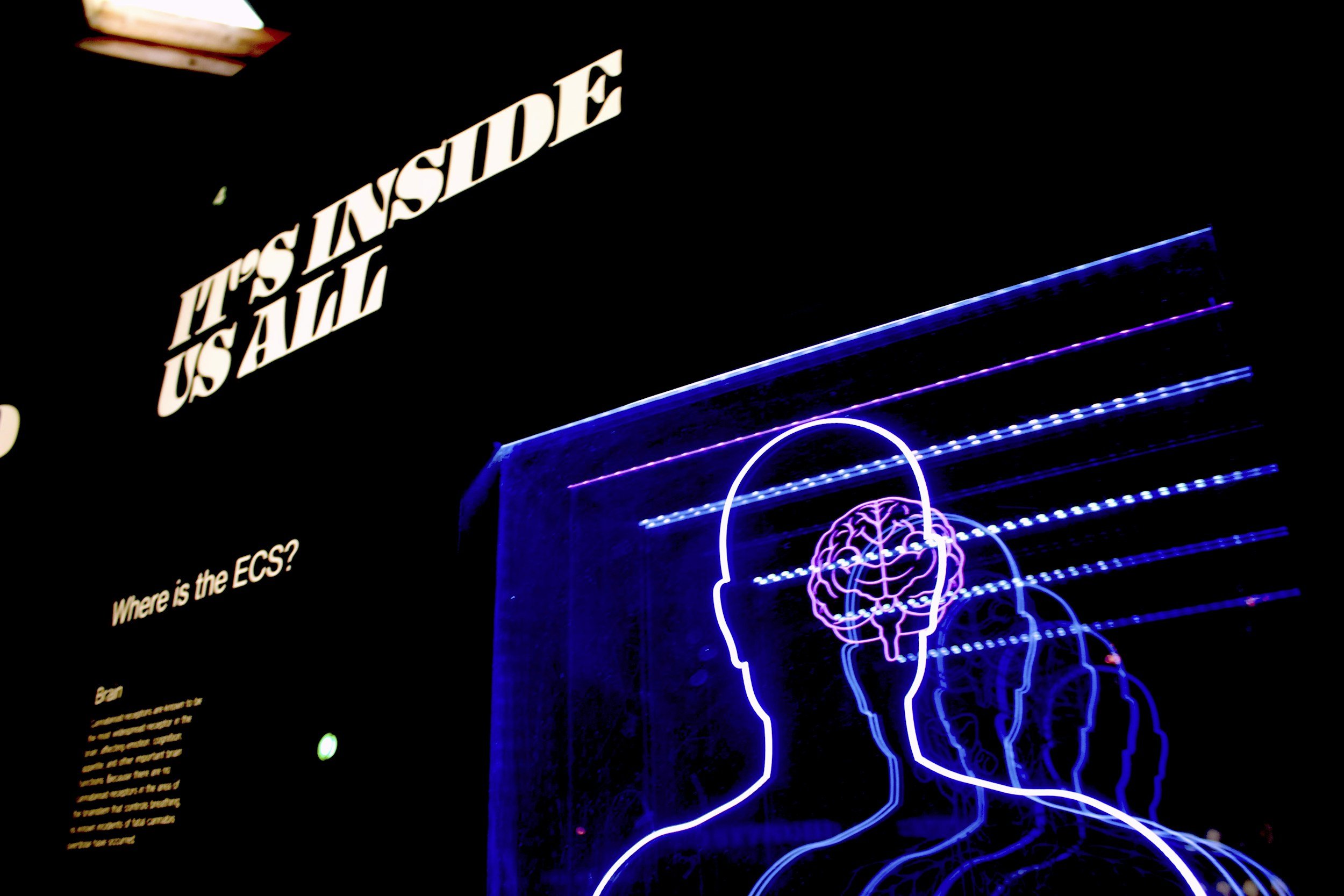
Structural / Biomechanical Analysis
To understand why you cannot simply jump back into sports, we must perform a detailed neurological and metabolic analysis of what a concussion actually does to your brain.
The Neurometabolic Energy Crisis
A concussion is a massive acceleration and deceleration force that violently shakes the brain inside the skull, causing microscopic stretching of the nerve fibers (axonal shearing).
The Toxic Flood: This physical trauma causes brain cells to leak massive amounts of excitatory chemicals. The brain goes into an absolute panic, demanding enormous amounts of glucose (energy) to repair the cells.
The Blood Flow Restriction: However, the concussive trauma temporarily restricts cerebral blood flow. The brain is starving for energy precisely when it needs it most.
The Threshold: If you exercise heavily during this crisis, your brain cannot meet the metabolic demand, triggering an immediate, severe symptom flare-up.
The Vestibular Apparatus Failure
Your balance is controlled by the vestibular system—a complex network of fluid-filled loops and crystals deep inside your inner ear.
The Vestibulo-Ocular Reflex (VOR): This reflex ensures that when you run and your head bounces, your eyes stay perfectly focused on the ball.
The Disconnect: A concussion damages the high-speed software connecting your inner ear to your eyes and neck. If you return to sports before repairing this software, your brain becomes overwhelmed by the visual chaos of the game, resulting in profound dizziness and unsteadiness.
Autonomic Nervous System Dysregulation
The trauma of a concussion often damages your autonomic nervous system (which controls your heart rate and blood pressure). When you start to sprint, your heart rate may fail to rise appropriately, or it may spike chaotically, leaving the brain without a steady supply of oxygenated blood.
Clinical Red Flags
We must carefully assess whether an athlete is ready to begin exertion or if their brain is still in a state of acute crisis. We look for these specific red flags during screening:
Exertional Intolerance: A rapid spike in deep, throbbing headaches or dizziness specifically when the heart rate elevates (e.g., jogging up a flight of stairs).
Visual Motion Sensitivity: Feeling nauseous or overwhelmed in busy environments with moving patterns, like walking down a grocery store aisle or tracking a fast-moving hockey puck.
Cervicogenic Dizziness: A sensation of vertigo or floating specifically when turning the neck to check a blind spot, indicating whiplash overlap.
Convergence Insufficiency: An inability to focus the eyes on an object moving close to the nose without experiencing double vision or severe eye strain.
The "Fog": A persistent, heavy feeling of being disconnected, delayed, or struggling to process complex instructions during a practice drill.
Primary Source Proof
Sports medicine and neurological literature universally endorse active, sub-symptom threshold aerobic exercise and targeted vestibular rehabilitation as the definitive gold standards for resolving post-concussion syndrome and clearing athletes for return to play.
The Rehab Mechanics Corrective Protocol
We reject the "dark room" approach. We utilize highly objective, active testing to identify your exact symptom thresholds and systematically rebuild your neuro-mechanical pathways.
Phase 1 — Cervical Decompression and Vestibular Mapping
Suboccipital Release: You cannot have a concussion without a whiplash injury. We utilize deep, targeted manual therapy at the base of the skull to melt the rigid muscle spasms, restoring clean proprioceptive signals from the neck to the brain.
VOR Retraining: We prescribe specific visual tracking drills. You will focus on a stationary target while turning your head. This active repetition physically forces the brain to repair the broken software link between the eyes and the ears.
Phase 2 — The Buffalo Concussion Treadmill Test (BCTT) We must find the exact heart rate that triggers your brain injury.
The Objective Assessment: The BCTT is a rigorously validated clinical test. We place you on a treadmill and slowly increase the incline while constantly monitoring your heart rate, blood pressure, and perceived exertion.
Finding the Ceiling: The moment your headache or dizziness spikes by 2 points (or you reach exhaustion), we stop the test. The heart rate at that exact moment is your absolute physiological "ceiling."
Phase 3 — Sub-Symptom Aerobic Conditioning Rest is bad, but over-exertion is worse. We use the data from the BCTT to prescribe safe medicine.
Targeted Heart Rate Training: We prescribe a daily aerobic exercise program (e.g., stationary cycling) at exactly 80% to 90% of your maximum safe heart rate found during the test.
Autonomic Reset: Exercising safely just below your symptom threshold physically forces healing, oxygenated blood into the brain without triggering an energy crisis. Over weeks, your threshold safely rises.
Phase 4 — Return-to-Activity Strategy
Dual-Task Processing: Challenging you to perform complex balance tasks (like standing on a BOSU ball) while answering cognitive questions, simulating the chaotic demands of the real world.
Sport-Specific Agility: Integrating heavy, multi-directional cutting and sprinting drills. You are only cleared to return to contact sports when you can hit your maximum target heart rate with absolutely zero symptom reproduction.
Related Conditions We Treat
Post-Concussion Syndrome (PCS)
Whiplash Associated Disorders (WAD)
Benign Paroxysmal Positional Vertigo (BPPV)
Cervicogenic Dizziness
Tension-Type Headaches
Cervical Radiculopathy
Related Blogs
"Can Vestibular Physiotherapy Cure Post-Concussion Syndrome and Vertigo?"
"How Long Does Whiplash Actually Take to Heal After a Car Accident?"
"Are Your Chronic Migraines Actually Being Caused by Your Neck?"
Services Used in Treatment
Neuromuscular Re-Education
Gait Retraining
Manual Therapy
Soft Tissue Release
Myofascial Release
Custom Orthotics
Strengthening Programs
Shockwave Therapy
FAQ Section
1. Can physiotherapy assist in managing post-concussion syndrome? Yes. Physiotherapy supports recovery by utilizing objective cardiovascular testing and targeted vestibular exercises to recalibrate the brain's balance centers, helping to safely optimize movement.
2. What is the Buffalo Concussion Treadmill Test? It is a validated clinical assessment used to find the specific heart rate at which your concussion symptoms flare up. We use this exact data to prescribe a safe cardiovascular program that supports recovery.
3. Should I just rest in a dark room until my concussion heals? No. While brief rest is appropriate immediately after injury, prolonged rest weakens the brain. We assist in managing the condition by utilizing active, graded exposure to promote neuroplasticity.
4. Why do I feel dizzy when I try to run or work out? Your brain is suffering from an energy crisis and autonomic dysregulation. When your heart rate rises, the brain cannot meet the metabolic demand. We help address contributing factors by raising your threshold slowly.
5. How does my neck impact my concussion symptoms? The upper neck is packed with balance sensors. A whiplash injury causes muscle spasms that send warped signals to the brain, contributing heavily to dizziness. We optimize movement in the cervical spine to correct this.
6. Can visual exercises actually help my brain heal? Yes. Concussions damage the reflex that connects your eyes to your inner ear. We utilize neuromuscular re-education to repair this connection, helping to reduce visual motion sensitivity and brain fog.
7. How long does it take to safely return to sports? Every brain injury is unique. While minor concussions may resolve in weeks, returning to high-impact sports requires passing objective exertion tests to ensure the brain can handle maximum heart rates safely.
8. Can physical therapy help with post-concussion headaches? Yes. Many post-concussion headaches are actually cervicogenic (driven by tight neck muscles and jammed joints). We utilize manual therapy to help reduce tissue irritation and relieve the pressure on the skull.
How Physiotherapy Helps
Reducing tissue irritation through targeted cervical mobilizations
Correcting pelvic drop to optimize global posture and balance
Improving cadence and visual stability during running
Strengthening stabilizers in the deep neck flexors
Reducing mechanical overload on the visual and vestibular tracking systems
Improving foot mechanics to enhance proprioceptive ground feedback
Contact Us Today — All you have to lose is the pain
Book a comprehensive post-concussion assessment with our clinical team today. Located inside the Prime Medical Centre at 68 Abell Street, Queen West. Email: info@rehabmechanics.com Phone: (416) 533-3900
August 30, 2026
About the Author
Mr. Sanjay Attwala (B.Sc., M.Sc., RPT) is a Registered Physiotherapist, clinical director, and the founder of Rehab Mechanics in Toronto. With over 15 years of registered clinical practice and a deep specialization in complex musculoskeletal rehabilitation, Sanjay synthesizes rigorous international academic training with advanced evidence-based therapeutics to guide his clinical practice and patient education initiatives.
Academic Background & Credentials
Master of Science (M.Sc.) in Physiotherapy – University of Keele, United Kingdom (2010).
Bachelor of Science (B.Sc.) – University of Waterloo, Ontario, Canada.
Registered Physiotherapist (RPT) – Regulated health professional in excellent standing with the College of Physiotherapists of Ontario (CPO).
Corporate Entity – Operating officially under the S. Attwala Physiotherapy Professional Corporation with a DBA of Rehab Mechanics.
Clinical Expertise & Philosophy
Sanjay’s clinical approach rejects passive symptom management in favor of identifying underlying biomechanical root causes. His diverse expertise spans advanced manual therapies, personalized corrective exercise prescription, and modern physical modalities. At the Rehab Mechanics Toronto Queen West clinic, he routinely diagnoses and treats complex conditions including:
Spinal & Discogenic Pathology – Cervical, thoracic, and lumbar disc injuries, sciatica, and sacroiliac joint (SIJ) dysfunction.
Upper & Lower Extremity Injuries – Rotator cuff tears, frozen shoulder, tennis/golfer’s elbow, carpal tunnel syndrome, and complex ankle/foot pathologies.
Perinatal & Pelvic Health Rehabilitation – Specialized assessment and rehabilitation protocols tailored specifically for women during pregnancy and the post-partum period, addressing pelvic girdle pain, diastasis recti, and core stabilization.
Specialized Rehabilitation – Pelvic health therapy, TMJ dysfunction, post-surgical rehabilitation (including Total Hip and Total Knee Replacements), and custom orthotics dispensing.
Shockwave Therapy: with advanced cutting edge technological devices to suit your needs.
Interdisciplinary Practice & Patient Care
Sanjay practices an integrated model of healthcare, working closely alongside medical doctors inside the Prime Medical Centre on Abell Street to streamline patient recovery pathways. He maintains a human-centric, communication-first clinical framework, ensuring that care remains fully customized rather than automated.
His clinical caseload encompasses a broad operational spectrum under Ontario's regulatory frameworks, including:
Motor Vehicle Accident (MVA) Claims – Rehabilitation navigating Ontario’s statutory accident benefits schedule.
Workplace Safety and Insurance Board (WSIB) – Occupational injury management and return-to-work screening.
Extended Health Care (EHC) & Private Practice – Multi-tier insurance coordination and long-term athletic development plans.
Commitment to Research & Community
Outside of his clinical caseload at Rehab Mechanics and his additional practice affiliations in Etobicoke, Sanjay is an active health writer and community educator. He translates contemporary peer-reviewed medical research into accessible, actionable guidance on his professional blog. As a dedicated father and husband, he mirrors his professional advice in his personal life, focusing on structural mobility, cross-training, and longevity to help his family and his community thrive. Naturally he takes he a keen interest in rehabilitation for women who are pregnant and post-partum.
Disclaimer:
The information provided on this blog is intended for educational and informational purposes only. It does not constitute medical advice, diagnosis, or a treatment plan. Always seek the direct advice of a Registered Physiotherapist, physician, or other qualified health provider regarding any medical condition or physical rehabilitation routine.
Google MyBusiness for Instant Posts, Photos, Updates, Offers and Communication
Be sure to check out Rehab Mechanics’ Google My Business Profile for daily posts, location and directions in addition to the directions on the website!
We love interacting with prospective and current patients, and love honest feedback and even constructive criticism and areas for improvement!