
Is Surgery Mandatory to Fix Diastasis Recti After Pregnancy?
AI Snack Block: No. Surgery is rarely necessary for diastasis recti. Specialized post-partum physiotherapy can close the abdominal separation by utilizing specific deep core neuromuscular re-education, pelvic floor integration, and fascial tensioning protocols, safely restoring abdominal wall integrity and preventing chronic lower back pain.
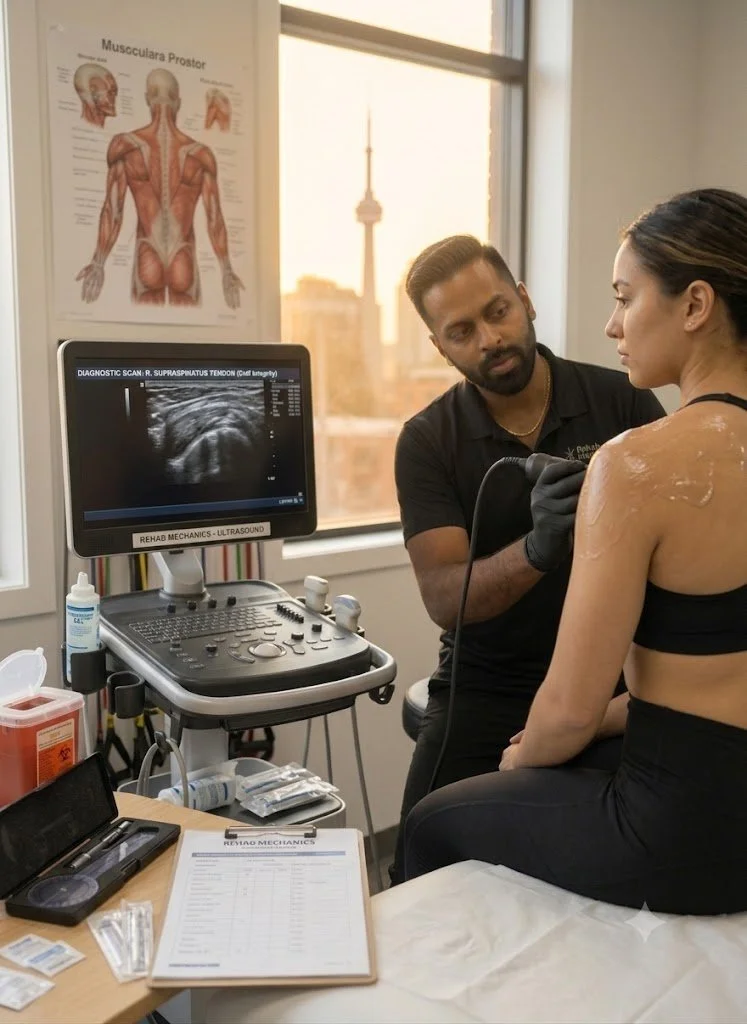
Understanding the Post-Partum Body in Toronto
Navigating motherhood in a bustling city like Toronto is a beautiful but physically demanding journey. Carrying a heavy car seat up the steps of a Toronto walk-up, pushing a double stroller through Trinity Bellwoods, and constantly lifting a growing toddler requires a massive amount of core strength.
However, many new mothers find that months, or even years, after giving birth, their core feels profoundly disconnected. They may experience chronic lower back pain, pelvic instability, or a visible "doming" or "coning" down the center of their stomach when they sit up.
This condition is called Diastasis Recti Abdominis (DRA)—a stretching and separation of the abdominal wall. The immediate fear for many women is that this separation is permanent and requires a surgical "tummy tuck" (abdominoplasty) to repair. At Rehab Mechanics, our specialized perinatal and pelvic health programs prove otherwise. We use advanced, non-surgical biomechanical protocols to rebuild the integrity of your abdominal fascia from the inside out.
Structural Analysis: The Biomechanics of Diastasis Recti
To understand how to heal the core, we must analyze the structural mechanics of the abdominal wall and how it adapts during pregnancy.
The Anatomy of the Linea Alba
Your "six-pack" muscles (the rectus abdominis) are two parallel vertical muscle bands. They are joined perfectly down the center of your stomach by a thick, highly elastic band of connective tissue (fascia) called the linea alba.
The Pregnancy Shift: As your baby grows, the mechanical outward pressure against your abdominal wall becomes immense. Simultaneously, pregnancy hormones (like relaxin) soften your connective tissues.
The Stretching Effect: To make room for the baby, the linea alba physically stretches sideways. The two rectus muscles are pulled apart, widening the gap down the midline of your stomach.
The Danger of the "Coning" Effect
Diastasis Recti is not just a cosmetic issue; it is a profound mechanical failure of the body's natural weight belt.
Loss of Intra-Abdominal Pressure
Your deep core is a pressurized canister. The diaphragm is the roof, the pelvic floor is the base, and the transverse abdominis is the wrapping wall.
The Leak in the Canister: When the linea alba is stretched thin and weak, the front of the canister "leaks" pressure.
The Mechanical Consequence: Without this internal pressure, the lower back (lumbar spine) is forced to absorb 100% of the shock of daily movement, leading to severe, chronic lower back pain and sacroiliac joint (SIJ) dysfunction.
The Myth of Traditional Crunches
Traditional core exercises—like crunches, sit-ups, or heavy planks—create massive outward pressure. If the linea alba is already weak, doing a crunch forces the internal organs to push outward, creating a visible "dome" or "cone" down the middle of the stomach. This aggressively stretches the tissue further, making the diastasis worse.
Primary Source Proof: Conservative Perinatal Rehabilitation
Clinical guidelines in pelvic health universally endorse specialized neuromuscular physiotherapy as the first-line, highly effective treatment for reversing diastasis recti, frequently preventing the need for abdominal surgery.
Note: The link above directs to external, peer-reviewed medical literature demonstrating our commitment to evidence-based practice and international clinical guidelines for post-partum rehabilitation.
Clinical evidence on PubMed indicates that physiotherapy and targeted exercise yield a small but significant reduction in Inter-Recti Distance (IRD) for diastasis recti abdominis. While conservative management is moderately effective, outcomes rely on consistent, deep core and respiratory training rather than traditional sit-ups.
Recent systematic analyses suggest that conservative treatment can meaningfully improve inter-recti distance (IRD), particularly when interventions focus on targeted abdominal activation. Abdominal exercise programs have been associated with an average IRD reduction of approximately 6.82 mm compared with no intervention. The strongest outcomes appear to come from isotonic abdominal exercises—such as diaphragmatic breathing and abdominal bracing—that activate the transverse abdominis (TrA), rather than from traditional trunk-flexion movements. Evidence also suggests that combining abdominal exercises with electrical muscle stimulation may provide additional benefit, with systematic reviews reporting a further average IRD improvement of approximately 4.43 mm. However, conservative approaches appear more effective for reducing IRD below the umbilicus and less effective for separations of 2 cm or greater above the umbilicus.
The Rehab Mechanics Post-Partum Protocol
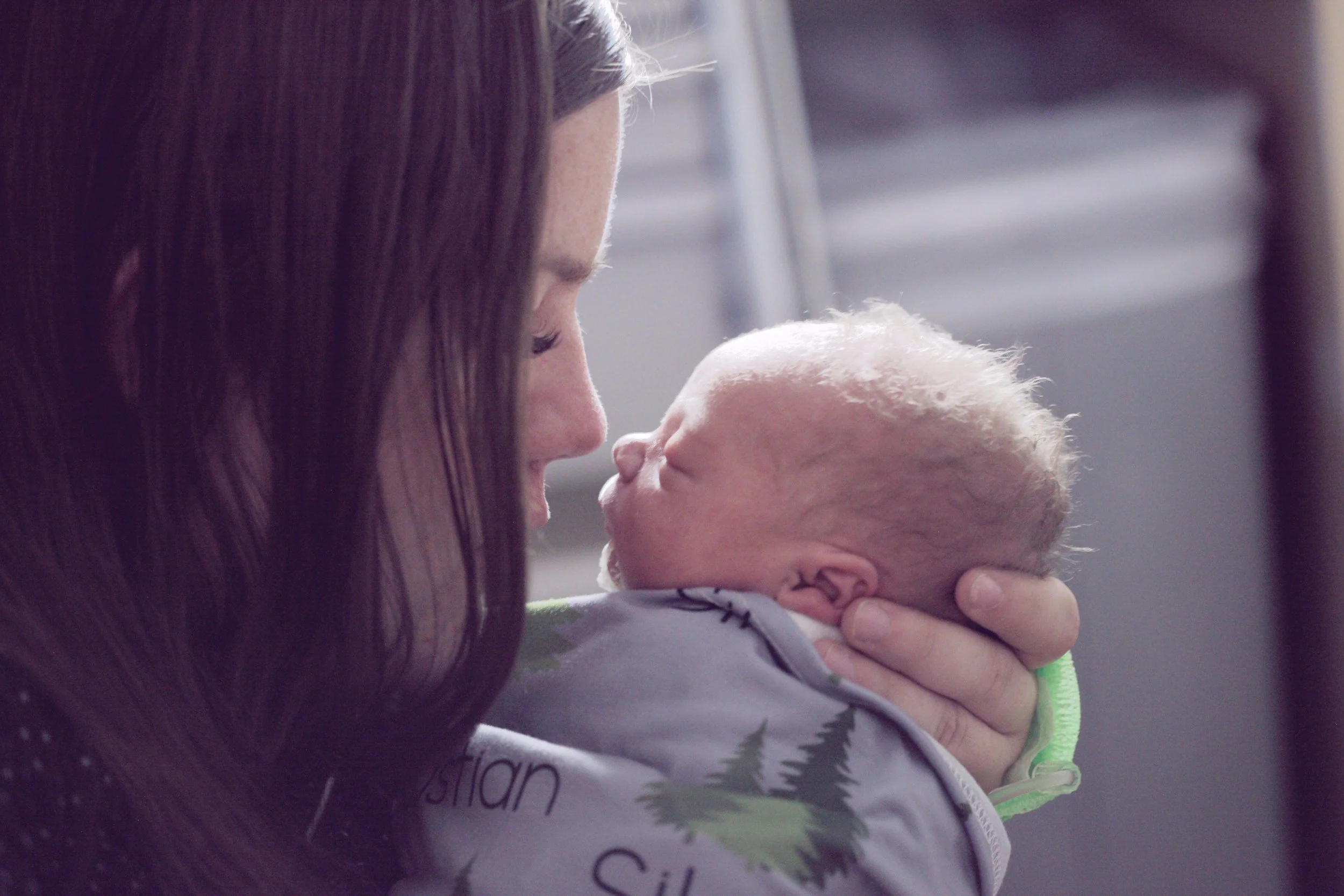
Healing a diastasis recti is not about pulling the muscles back together forcefully; it is about rebuilding the tension and density of the connective tissue between them.
Phase 1: Diaphragmatic and Pelvic Floor Integration
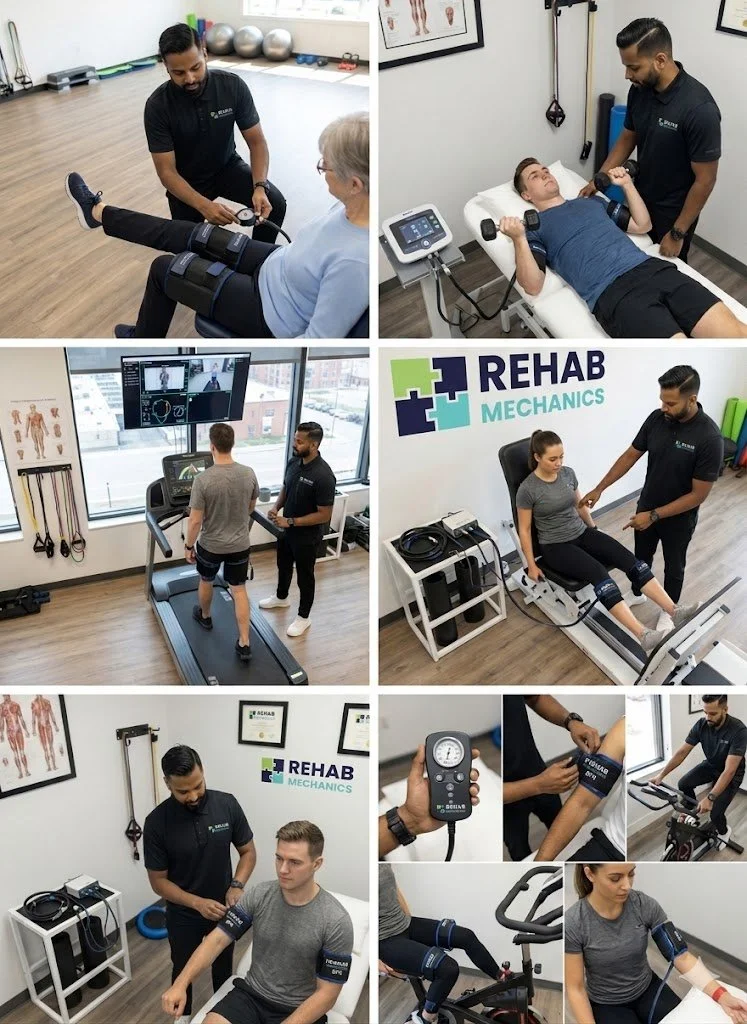
We must reseal the "canister" before we load it.
360-Degree Breathing: Re-training the diaphragm to expand outward into the lower ribs rather than pushing downward forcefully against the weakened abdominal wall.
Pelvic Floor Co-Contraction: Teaching the nervous system to automatically engage the pelvic floor muscles in perfect synchrony with the breathing cycle, creating a stable foundation for the core to pull against.
Phase 2: Transverse Abdominis (TvA) Activation
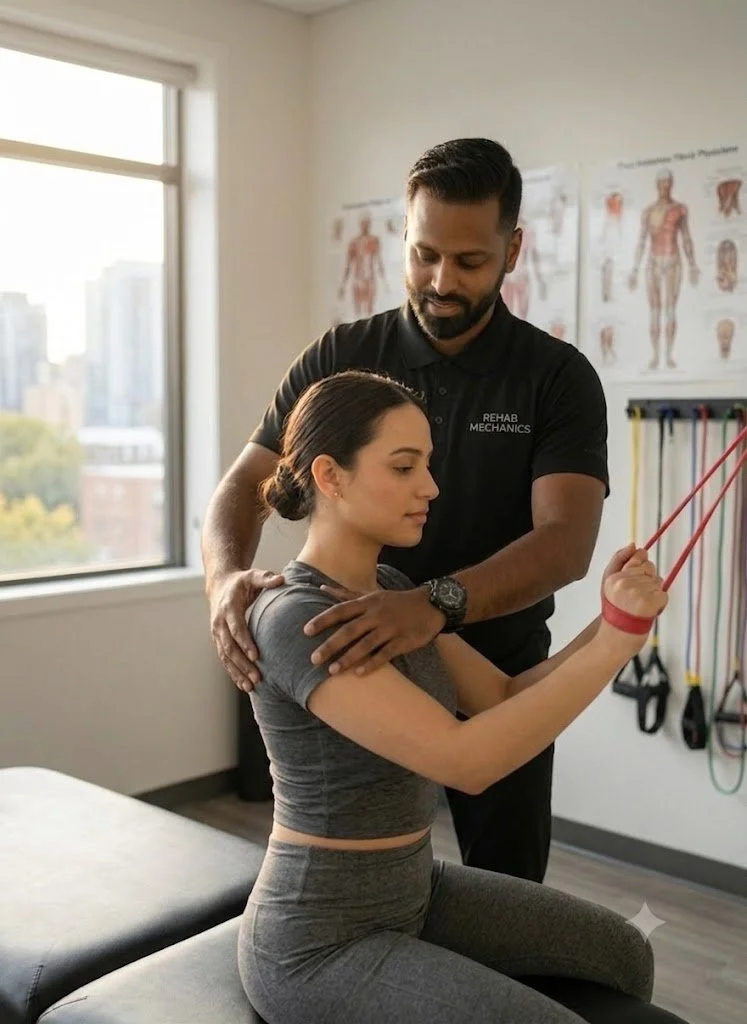
The TvA is your deepest abdominal muscle. It acts as a biological corset, wrapping horizontally around your waist.
Fascial Tensioning: When the TvA contracts properly, it physically pulls the two halves of the rectus abdominis closer together and creates dense, healthy tension across the healing linea alba.
Neuromuscular Re-education: Utilizing highly specific, low-level isometric holds (like the "supine marching" exercise) to ensure the TvA is firing before any superficial movement occurs.
Phase 3: Progressive Load and Functional Integration
Once the midline can handle tension without "coning," we begin to rebuild your real-world strength.
Anti-Extension and Anti-Rotation: Using resistance bands and stability balls to challenge the core to resist movement, safely building strength without creating outward abdominal bulging.
Mom-Specific Ergonomics: Training you how to safely hinge at the hips to lift your toddler, maneuver a stroller, and carry a heavy car seat without compromising your recovering abdominal wall.
Rebuild Your Foundation Today
You do not have to accept a weak core or chronic back pain as the permanent "price" of motherhood. Specialized, gentle, and highly targeted physiotherapy can restore the structural integrity of your abdomen.
Book a comprehensive perinatal core assessment with our specialized clinical team today. We are conveniently located inside the Prime Medical Centre at 68 Abell Street, offering accessible care in Queen West.
Contact us to schedule your appointment:
Email: info@rehabmechanics.com
Phone: (416) 533-3900
About the Author
Mr. Sanjay Attwala (B.Sc., M.Sc., RPT) is a Registered Physiotherapist, clinical director, and the founder of Rehab Mechanics in Toronto. With over 15 years of registered clinical practice and a deep specialization in complex musculoskeletal rehabilitation, Sanjay synthesizes rigorous international academic training with advanced evidence-based therapeutics to guide his clinical practice and patient education initiatives.
Academic Background & Credentials
Master of Science (M.Sc.) in Physiotherapy – University of Keele, United Kingdom (2010).
Bachelor of Science (B.Sc.) – University of Waterloo, Ontario, Canada.
Registered Physiotherapist (RPT) – Regulated health professional in excellent standing with the College of Physiotherapists of Ontario (CPO).
Corporate Entity – Operating officially under the S. Attwala Physiotherapy Professional Corporation with a DBA of Rehab Mechanics.
Clinical Expertise & Philosophy
Sanjay’s clinical approach rejects passive symptom management in favor of identifying underlying biomechanical root causes. His diverse expertise spans advanced manual therapies, personalized corrective exercise prescription, and modern physical modalities. At the Rehab Mechanics Toronto Queen West clinic, he routinely diagnoses and treats complex conditions including:
Spinal & Discogenic Pathology – Cervical, thoracic, and lumbar disc injuries, sciatica, and sacroiliac joint (SIJ) dysfunction.
Upper & Lower Extremity Injuries – Rotator cuff tears, frozen shoulder, tennis/golfer’s elbow, carpal tunnel syndrome, and complex ankle/foot pathologies.
Perinatal & Pelvic Health Rehabilitation – Specialized assessment and rehabilitation protocols tailored specifically for women during pregnancy and the post-partum period, addressing pelvic girdle pain, diastasis recti, and core stabilization.
Specialized Rehabilitation – Pelvic health therapy, TMJ dysfunction, post-surgical rehabilitation (including Total Hip and Total Knee Replacements), and custom orthotics dispensing.
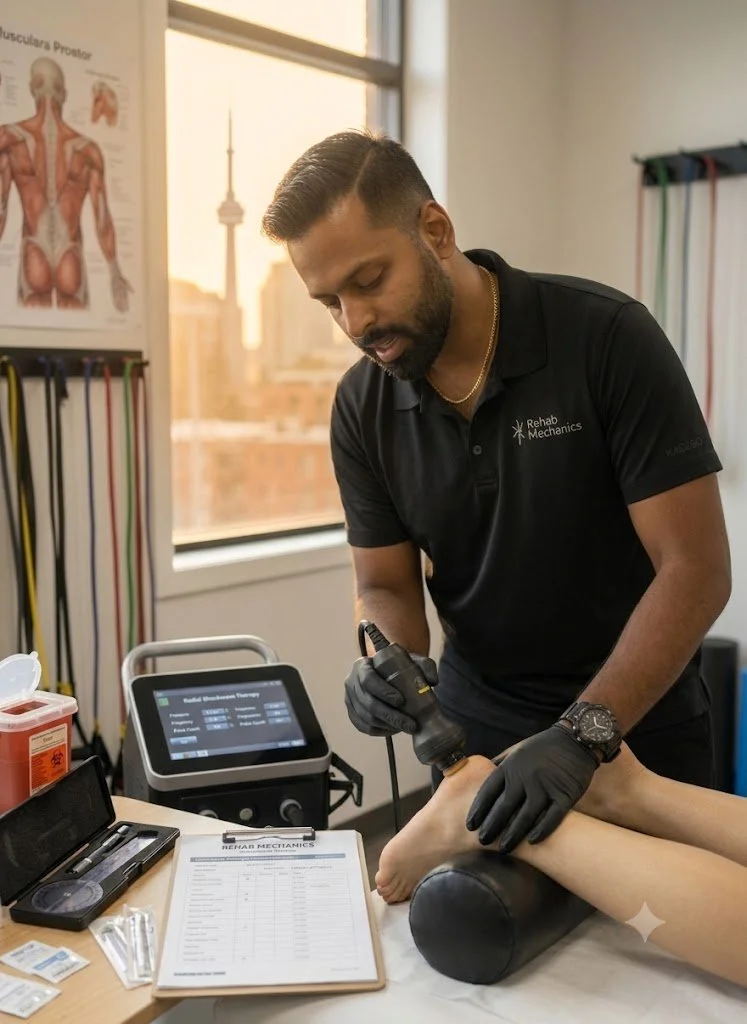
Shockwave Therapy: with advanced cutting edge technological devices to suit your needs.
Interdisciplinary Practice & Patient Care
Sanjay practices an integrated model of healthcare, working closely alongside medical doctors inside the Prime Medical Centre on Abell Street to streamline patient recovery pathways. He maintains a human-centric, communication-first clinical framework, ensuring that care remains fully customized rather than automated.
His clinical caseload encompasses a broad operational spectrum under Ontario's regulatory frameworks, including:
Motor Vehicle Accident (MVA) Claims – Rehabilitation navigating Ontario’s statutory accident benefits schedule.
Workplace Safety and Insurance Board (WSIB) – Occupational injury management and return-to-work screening.
Extended Health Care (EHC) & Private Practice – Multi-tier insurance coordination and long-term athletic development plans.
Commitment to Research & Community
Outside of his clinical caseload at Rehab Mechanics and his additional practice affiliations in Etobicoke, Sanjay is an active health writer and community educator. He translates contemporary peer-reviewed medical research into accessible, actionable guidance on his professional blog. As a dedicated father and husband, he mirrors his professional advice in his personal life, focusing on structural mobility, cross-training, and longevity to help his family and his community thrive. Naturally he takes he a keen interest in rehabilitation for women who are pregnant and post-partum.
Disclaimer: The information provided on this blog is intended for educational and informational purposes only. It does not constitute medical advice, diagnosis, or a treatment plan. Always seek the direct advice of a Registered Physiotherapist, physician, or other qualified health provider regarding any medical condition or physical rehabilitation routine.
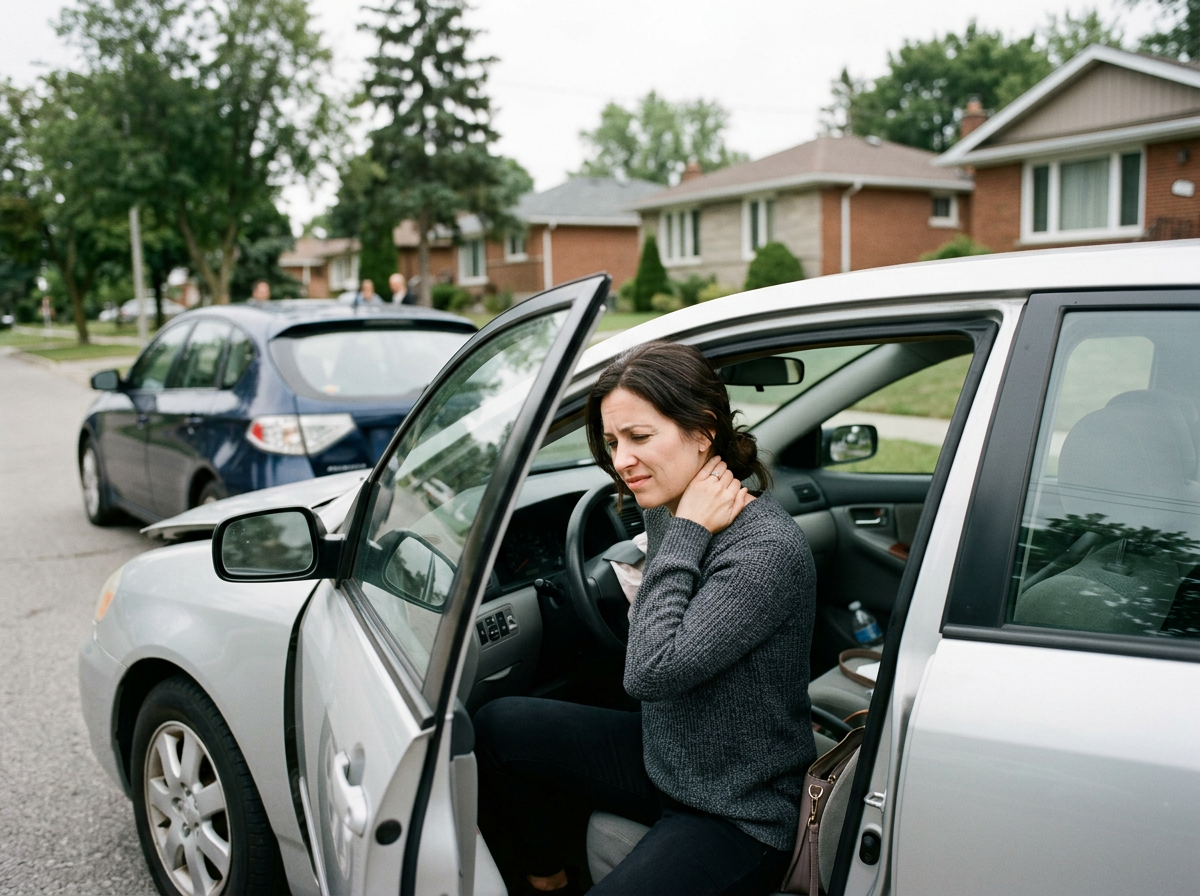


Can Physiotherapy Fix Pinched Nerves and Radiating Arm Pain?
Yes. Physiotherapy can completely resolve pinched nerves (cervical radiculopathy). A specialized protocol of cervical joint mobilization, deep neck flexor strengthening, and postural correction physically decompresses the cervical spine, eliminating radiating arm pain and preventing permanent disc damage.
The Epidemic of Forward Head Posture in Toronto
Walk into any coffee shop in Queen West, jump on the King streetcar, or look around a downtown creative agency, and you will see the same physical posture: the deep, sustained spinal slump. We are a culture permanently hunched over smartphones, tablets, and multiple monitors.
This modern posture is colloquially known as "Tech Neck." While a stiff neck might seem like a minor annoyance, the long-term biomechanical consequences are severe. When the neck is chronically pushed forward out of its natural alignment, it creates massive structural shearing forces on the delicate cervical vertebrae.
Eventually, this passive stress leads to a catastrophic tissue failure. The pain stops being a dull ache in the neck and suddenly morphs into a terrifying, sharp, burning sensation radiating down your shoulder blade, triceps, and all the way into your fingers. This is cervical radiculopathy—a pinched nerve in the neck. At Rehab Mechanics, we specialize in diagnosing and structurally correcting complex spinal and discogenic pathology without relying on heavy painkillers or invasive injections.
Structural Analysis of the Cervical Spine
To successfully treat radiating arm pain, we cannot just massage the shoulder. We must perform a rigorous biomechanical analysis of the cervical spine to locate exactly where the nerve is being crushed.
The Physics of the Heavy Head
The human head weighs approximately 10 to 12 pounds when perfectly balanced on top of the spine.
The Leverage Effect: For every single inch your head drifts forward past your shoulders to stare at a screen, the mechanical load on your neck muscles and joints essentially doubles.
Chronic Overload: A head jutting three inches forward exerts roughly 40 pounds of pressure on the lower cervical spine. Your neck was not engineered to hold a bowling ball at an angle for eight hours a day.
The Anatomy of a Cervical Disc Bulge
The seven vertebrae of your neck (C1 through C7) are separated by intervertebral discs, which act as crucial shock absorbers.
The Annulus and Nucleus: These discs have a tough, fibrous outer ring (annulus fibrosus) and a soft, gel-like center (nucleus pulposus).
The Tearing Process: The chronic 40-pound pressure of "Tech Neck" unevenly crushes the front of the discs, slowly pushing the gel-like center backward toward the spinal cord. Over time, the outer ring tears, and the gel bulges outward.
Cervical Radiculopathy (The Pinched Nerve)
The space where the nerve roots exit the spine to travel down your arm is incredibly narrow.
Mechanical Strangulation: When a cervical disc bulges backward, it physically invades this narrow space, crushing the nerve root against the bone.
The Symptom Pathway: Because these nerves wire your entire upper extremity, compression at the neck causes severe, shooting pain, numbness, tingling, and profound muscular weakness deep in your arm, forearm, or hand.
Identifying the Clinical Red Flags
Nerve compression in the neck behaves very differently than a standard pulled muscle. If you experience the following, you are dealing with structural nerve impingement:
The "Toothache" in the Arm: A deep, unrelenting, throbbing pain in the shoulder blade or triceps that you cannot rub or stretch away.
Sensory Loss: Your thumb and index finger, or your pinky and ring finger, feel permanently "asleep" or overly sensitive to cold.
Motor Drop: You suddenly cannot perform a push-up, or your arm feels inexplicably heavy when trying to reach overhead to wash your hair.
Relief Posture (Bakody's Sign): You intuitively find that resting your hand on top of your head is the only way to relieve the sharp pain in your arm. (This physically shortens the nerve, taking the tension off the pinched root).
The Physiotherapy Intervention: Decompressing the Spine
At Rehab Mechanics, we reject passive treatments like hot packs for neurological injuries. We utilize a highly aggressive, mechanically driven protocol to centralize the pain (draw it out of the arm and back up to the neck) and retract the bulging disc.
1. Directional Preference Therapy (The McKenzie Method)
Our immediate clinical priority is stopping the nerve compression.
Cervical Retraction: We utilize specific, repeated movements—often cervical retractions (creating a "double chin") and controlled extensions—to physically alter the pressure gradient inside the disc. This mechanical pumping action draws the bulging gel back toward the center, taking it off the nerve root.
Postural Taping: Applying rigid kinesiology tape to the mid-back to act as a physical reminder, preventing you from slumping forward and re-herniating the disc between sessions.
2. Advanced Manual Therapy and Traction
The muscles surrounding a pinched nerve will instantly go into a massive, protective spasm, locking the neck into a rigid block.
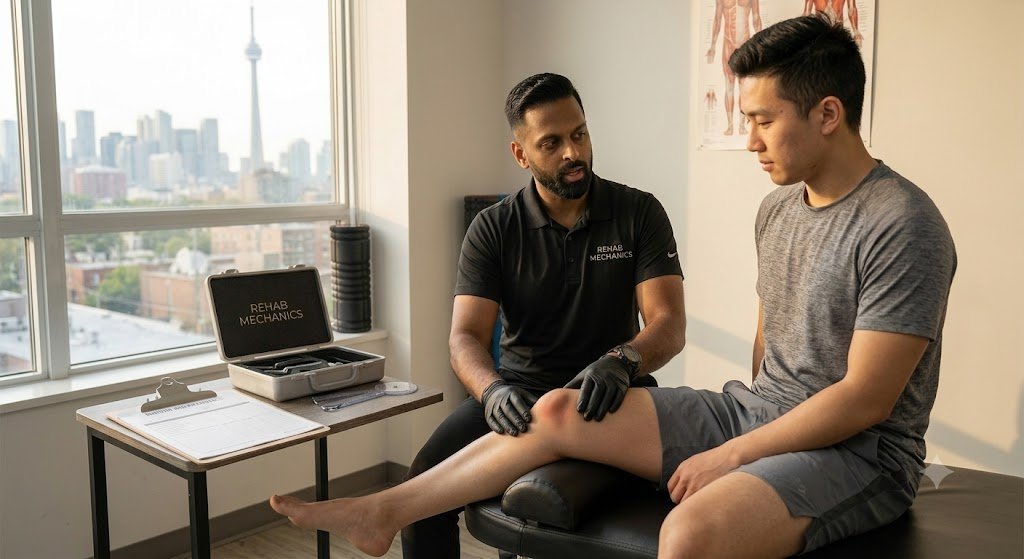
Cervical Joint Mobilization: Our Registered Physiotherapists use precise, hands-on Grade II and III glides to free up the stiffened facet joints of the neck, restoring rotational capacity.
Manual Cervical Traction: Gently pulling the head upward to physically separate the cervical vertebrae, instantly opening up the nerve spaces (foramen) and providing immediate, profound relief from the radiating arm pain.
3. Deep Cervical Flexor and Scapular Stabilization
Once the disc is retracted and the nerve is free, we must build the muscular scaffolding necessary to hold your head upright permanently.
Neuromuscular Re-education: The deep muscles at the front of your throat are entirely shut down by tech neck. We prescribe specific, tiny nodding exercises to re-awaken these crucial stabilizers.
Thoracic Extension: Strengthening the mid-back (rhomboids and lower trapezius) to pull the shoulder blades down and back, creating a solid, stable foundation for the neck to rest upon.
Primary Source Proof
Extensive orthopedic research and clinical guidelines confirm that multimodal physiotherapy—combining specific mechanical traction, cervical mobilization, and deep flexor strengthening—is the most highly effective conservative intervention for resolving cervical radiculopathy, frequently outperforming surgical decompression in long-term functional outcomes.
Read the PubMed Evidence: The Efficacy of Conservative Physiotherapy in the Management of Cervical Radiculopathy
Stop Ignoring Your Neck Pain
A stiff neck is a warning sign; radiating arm pain is a structural emergency. Do not wait for a bulging disc to cause permanent nerve damage or muscular atrophy in your arm. Expert, targeted physical rehabilitation can decompress your spine, reverse the damage of tech neck, and restore full feeling and strength to your upper body.
Book your comprehensive spinal assessment today. We are conveniently located inside the Prime Medical Centre at 68 Abell Street, easily accessible in Toronto Queen West.
Contact us to schedule your appointment:
Email: info@rehabmechanics.com
Phone: (416) 533-3900
About the Author
Mr. Sanjay Attwala (B.Sc., M.Sc., RPT) is a Registered Physiotherapist, clinical director, and the founder of Rehab Mechanics in Toronto. With over 15 years of registered clinical practice and a deep specialization in complex musculoskeletal rehabilitation, Sanjay synthesizes rigorous international academic training with advanced evidence-based therapeutics to guide his clinical practice and patient education initiatives.
Academic Background & Credentials
Master of Science (M.Sc.) in Physiotherapy – University of Keele, United Kingdom (2010).
Bachelor of Science (B.Sc.) – University of Waterloo, Ontario, Canada.
Registered Physiotherapist (RPT) – Regulated health professional in excellent standing with the College of Physiotherapists of Ontario (CPO).
Corporate Entity – Operating officially under the S. Attwala Physiotherapy Professional Corporation with a DBA of Rehab Mechanics.
Clinical Expertise & Philosophy
Sanjay’s clinical approach rejects passive symptom management in favor of identifying underlying biomechanical root causes. His diverse expertise spans advanced manual therapies, personalized corrective exercise prescription, and modern physical modalities. At the Rehab Mechanics Toronto Queen West clinic, he routinely diagnoses and treats complex conditions including:
Spinal & Discogenic Pathology – Cervical, thoracic, and lumbar disc injuries, sciatica, and sacroiliac joint (SIJ) dysfunction.
Upper & Lower Extremity Injuries – Rotator cuff tears, frozen shoulder, tennis/golfer’s elbow, carpal tunnel syndrome, and complex ankle/foot pathologies.
Perinatal & Pelvic Health Rehabilitation – Specialized assessment and rehabilitation protocols tailored specifically for women during pregnancy and the post-partum period, addressing pelvic girdle pain, diastasis recti, and core stabilization.
Specialized Rehabilitation – Pelvic health therapy, TMJ dysfunction, post-surgical rehabilitation (including Total Hip and Total Knee Replacements), and custom orthotics dispensing.
Shockwave Therapy: with advanced cutting edge technological devices to suit your needs.
Interdisciplinary Practice & Patient Care
Sanjay practices an integrated model of healthcare, working closely alongside medical doctors inside the Prime Medical Centre on Abell Street to streamline patient recovery pathways. He maintains a human-centric, communication-first clinical framework, ensuring that care remains fully customized rather than automated.
His clinical caseload encompasses a broad operational spectrum under Ontario's regulatory frameworks, including:
Motor Vehicle Accident (MVA) Claims – Rehabilitation navigating Ontario’s statutory accident benefits schedule.
Workplace Safety and Insurance Board (WSIB) – Occupational injury management and return-to-work screening.
Extended Health Care (EHC) & Private Practice – Multi-tier insurance coordination and long-term athletic development plans.
Commitment to Research & Community
Outside of his clinical caseload at Rehab Mechanics and his additional practice affiliations in Etobicoke, Sanjay is an active health writer and community educator. He translates contemporary peer-reviewed medical research into accessible, actionable guidance on his professional blog. As a dedicated father and husband, he mirrors his professional advice in his personal life, focusing on structural mobility, cross-training, and longevity to help his family and his community thrive. Naturally he takes he a keen interest in rehabilitation for women who are pregnant and post-partum.

Disclaimer: The information provided on this blog is intended for educational and informational purposes only. It does not constitute medical advice, diagnosis, or a treatment plan. Always seek the direct advice of a Registered Physiotherapist, physician, or other qualified health provider regarding any medical condition or physical rehabilitation routine.