Can I Recover From Golfer's Elbow Without Quitting Weightlifting?
Absolute rest is detrimental to tendon healing. Medial epicondylitis (Golfer's Elbow) requires active, progressive loading to stimulate collagen repair. Physiotherapy assists in managing this condition by utilizing heavy slow resistance, isometric holds, and targeted soft tissue release to structurally rebuild the tendon, allowing you to lift weights safely while the tissue recovers.
Looking to get back to or go to Pebble Beach
The Patient’s Story
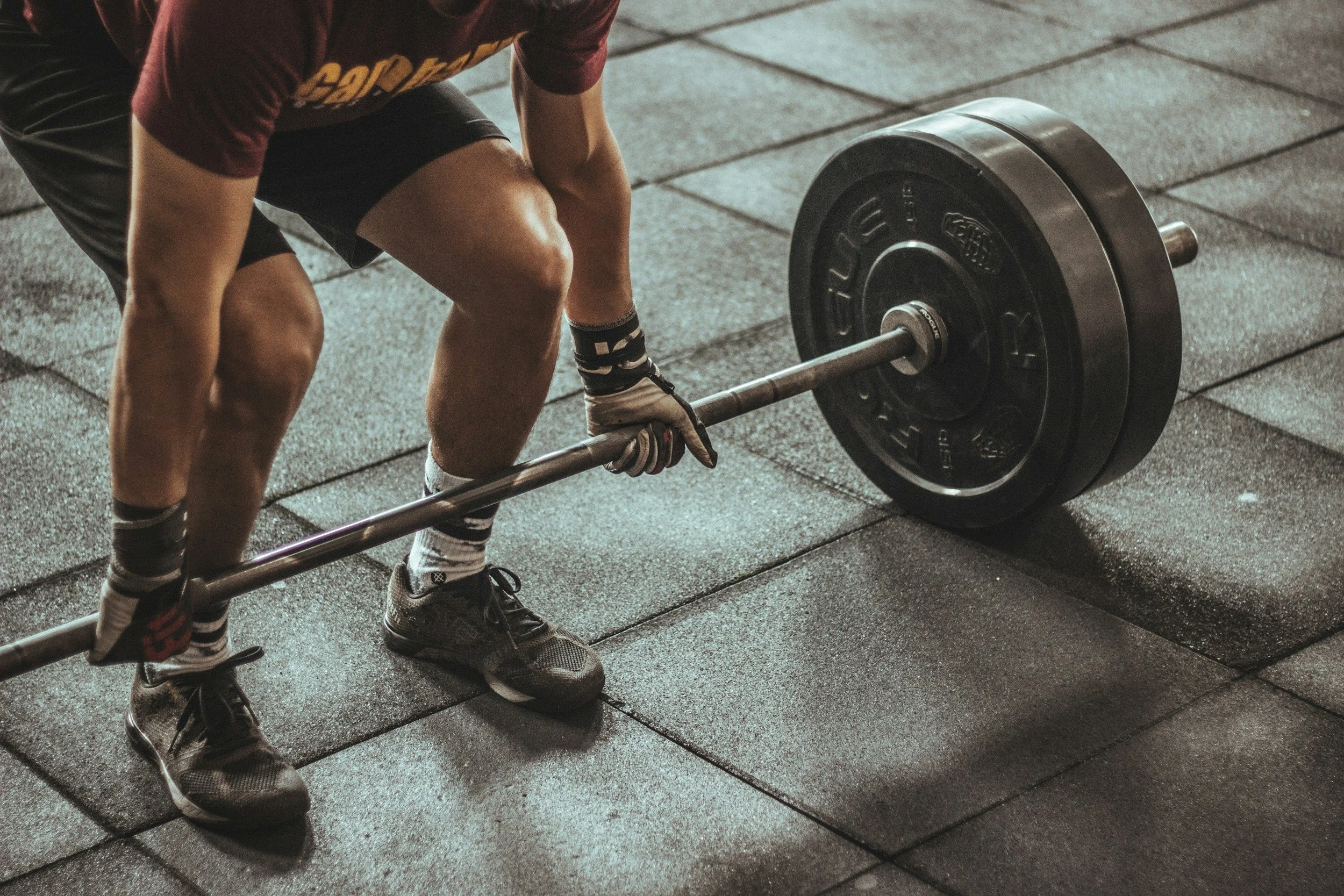
In Parkdale, Queen West, and Liberty Village, the local fitness culture is intense. Between heavy barbell deadlifts, advanced kettlebell training, rock climbing, and high-volume computer work, Toronto residents demand massive, sustained pulling power from their upper bodies.
However, this relentless demand on grip strength often results in a sharp, burning, and severely limiting pain on the inside of the elbow—a condition medically known as Medial Epicondylitis, or "Golfer's Elbow." Despite the name, the vast majority of our patients with this condition have never swung a golf club.
When inner elbow pain strikes, the traditional advice from walk-in clinics is universally frustrating: "Stop lifting weights, ice it, wear a heavy brace, and wait three months." But for an active urban professional, abandoning the gym is unacceptable and, clinically, it is the exact wrong approach. Complete rest causes tendons to atrophy and weaken. At Rehab Mechanics, we resolve Medial Epicondylitis not by resting the tendon into oblivion, but by actively remodeling it to handle heavier loads, allowing you to stay in the gym safely while you heal.
Structural / Biomechanical Analysis
To understand why passive rest fails to fix Golfer's Elbow, we must perform a detailed biomechanical analysis of the forearm flexors and the true cellular nature of chronic tendinopathy.
The Flexor-Pronator Mass
Your forearm contains a complex network of muscles that control your wrist and grip. The muscles responsible for bending your wrist forward (flexion) and turning your palm face down (pronation) all merge into a single, thick common tendon.
The Anatomical Anchor: This common flexor tendon anchors directly onto the medial epicondyle—the prominent bony bump on the inside of your elbow.
The Mechanical Overload: Every time you grip a heavy deadlift bar, perform a pull-up, or even type furiously on an un-ergonomic keyboard, massive tension is transferred through these muscles directly into that small bony attachment.
The Pathology of Tendinopathy (Tendinosis)
Golfer's elbow is rarely an acute, inflammatory "tendinitis." It is almost always a chronic, degenerative "tendinosis."
Failed Cellular Healing
When the flexor tendon is overloaded repetitively, it sustains microscopic tears.
The Chaotic Repair: Instead of laying down strong, perfectly parallel Type I collagen fibers to fix the tears, an exhausted body patches the area with weak, disorganized Type III scar tissue.
Angiofibroblastic Degeneration: The tendon physically thickens, loses its elasticity, and becomes infiltrated with highly sensitive, dysfunctional nerve endings and weak, chaotic blood vessels. It is actively decaying, not just inflamed.
The Valgus Stress Factor
In sports and lifting, poor shoulder or wrist mechanics often create "valgus stress"—a lateral, outward-pulling force on the elbow joint.
If your shoulder lacks external rotation during a heavy lift, your elbow is forced to flare out. This violently yanks on the medial epicondyle with every repetition, drastically accelerating the tendon degeneration.
Clinical Red Flags
We differentiate tendinopathy from a simple muscle ache or a ligament sprain by looking for specific, highly localized mechanical failures:
Exquisite Point Tenderness: Breathtaking, sharp pain specifically when pressing a thumb directly into the bony bump on the inside of the elbow.
Pain with Resisted Flexion: Severe pain triggered in the elbow when a therapist asks you to aggressively curl your wrist forward against their resistance.
The Grip Drop: A sudden, inexplicable loss of absolute grip strength, making a previously easy dumbbell feel dangerously heavy or causing you to drop a coffee mug.
Morning Stiffness: The inner elbow joint feels incredibly rigid, achy, and "crunchy" for the first 30 minutes after waking up.
Ulnar Nerve Symptoms: Occasional tingling in the pinky and ring fingers, as the ulnar nerve runs directly behind the inflamed medial epicondyle (Cubital Tunnel overlap).
Primary Source Proof
Orthopedic research explicitly supports progressive, heavy mechanical loading over passive rest or corticosteroid injections for the long-term cure and structural remodeling of chronic tendinopathies.
Review the Clinical Evidence on PubMed: The Efficacy of Heavy Slow Resistance Training in Medial Epicondylitis (National Institutes of Health)
Review the Clinical Evidence on PubMed: Conservative Management and Eccentric Exercise in Epicondylopathy (National Institutes of Health)
Review the Clinical Evidence on PubMed: Extracorporeal Shockwave Therapy for Chronic Tendinopathies (National Institutes of Health)
The Rehab Mechanics Corrective Protocol
To cure Golfer’s Elbow, we must break down the chaotic scar tissue and stimulate the growth of new, aligned collagen fibers. We achieve this through a rigorous, phased clinical pathway while keeping you active.
Phase 1 — Pain Modulation and Neovascularization
Extracorporeal Shockwave Therapy (ESWT): Utilizing high-energy acoustic sound waves to literally shatter the fibrotic scar tissue at the medial epicondyle. This mechanical stimulus forces the body to grow new, healthy blood vessels (neovascularization) into the deadened tendon.
Isometric Loading (The Painkiller): Having you hold a heavy dumbbell in a slightly flexed wrist position without moving for 45-second intervals. Isometrics safely engage the muscle-tendon unit, rapidly signaling the brain to down-regulate pain sensitivity without irritating the joint.
Phase 2 — Pelvic Fortification and Scapular Control
Shoulder Anchoring: You cannot have strong elbows without a strong base. We strengthen the mid-back (lower trapezius and rhomboids) to ensure your shoulder blade remains stable during heavy pulling, preventing the elbow from absorbing compensatory sheer forces.
Core-to-Arm Transfer: Training the deep core to stabilize the torso, ensuring that rotational lifting power comes from the hips rather than the fragile forearm tendons.
Phase 3 — Gait Retraining / Mechanics Correction (Heavy Slow Resistance)
Eccentric Wrist Flexion: Focusing specifically on the "lowering" phase of a wrist curl. Eccentric contractions physically pull the chaotic collagen fibers into perfectly parallel alignment, rebuilding the tendon's tensile strength.
Pronation/Supination Loading: Using offset weights (like a hammer or specialized club) to strengthen the rotational muscles of the forearm, which are critical for stabilizing the elbow during heavy lifting.
Phase 4 — Return-to-Activity Strategy
Grip Modification Coaching: We teach you how to modify your grip (e.g., using lifting straps temporarily, or switching to neutral-grip pull-ups) to continue training your back and legs at 100% capacity without aggravating the medial epicondyle.
Progressive Barbell Re-Integration: Slowly reintroducing heavy deadlifts and cleans under strict biomechanical supervision to ensure the newly remodeled tendon can handle maximum load.
Related Conditions We Treat
Lateral Epicondylitis (Tennis Elbow)
Cubital Tunnel Syndrome
Carpal Tunnel Syndrome
De Quervain's Tenosynovitis
Thoracic Outlet Syndrome
Biceps Tendinopathy
Related Blogs
"Can Physiotherapy Cure Tennis Elbow If I Never Play Tennis?"
"Does Numbness in Your Pinky Finger Mean You Have Cubital Tunnel Syndrome?"
"Can Physiotherapy Cure 'Mommy Thumb' and Texting Wrist Without Cortisone?"
Services Used in Treatment
Manual Therapy
Soft Tissue Release
Myofascial Release
Shockwave Therapy
Gait Retraining
Neuromuscular Re-Education
Custom Orthotics
Strengthening Programs
FAQ Section
1. Can physiotherapy assist in managing Golfer's Elbow?
Yes. Physiotherapy supports recovery by utilizing heavy slow resistance and targeted soft tissue release to structurally rebuild the degenerated tendon, helping to optimize movement and safely restore grip strength.
2. Should I completely stop lifting weights to let my elbow heal?
No. Complete rest weakens the tendon. We assist in managing your load by modifying your grip and utilizing specific isometric exercises, ensuring you can continue training safely while the tissue recovers.
3. Is Golfer's Elbow just inflammation?
Rarely. Chronic inner elbow pain is usually tendinosis—a state of cellular decay and chaotic scar tissue formation. We focus on strengthening programs to help remodel this tissue back into healthy collagen.
4. Why does my elbow hurt more when I turn my palm down?
The muscles that pronate (turn the palm down) anchor directly to the medial epicondyle. We help reduce tissue irritation by specifically strengthening these rotational muscles with offset loading.
5. Can shockwave therapy help chronic elbow pain?
Yes. Extracorporeal Shockwave Therapy (ESWT) can help break down stubborn scar tissue and support localized blood flow, accelerating cellular repair in tendons that have failed to heal naturally.
6. Does a weak shoulder cause elbow pain?
Absolutely. If your shoulder stabilizers are weak, your elbow is forced to overwork and absorb excess valgus stress. We address contributing factors by heavily fortifying the scapular and rotator cuff muscles.
7. Are cortisone shots a good permanent fix for tendon pain?
Cortisone can provide temporary relief but is clinically proven to degrade tendon collagen over time. We support recovery through mechanical loading, which provides a much more durable, long-term biological repair.
8. How long does it take to rebuild a degenerated tendon?
Tendons have poor blood supply and heal slowly. While isometric holds provide rapid pain modulation, building the structural resilience to handle heavy deadlifts typically requires 8 to 12 weeks of consistent strengthening programs.
How Physiotherapy Helps
Reducing tissue irritation through targeted shockwave therapy
Correcting pelvic drop to support global lifting posture
Improving cadence and kinetic chain energy transfer
Strengthening stabilizers in the shoulder blade and forearm
Reducing mechanical overload on the medial epicondyle
Improving foot mechanics to anchor a stable lifting foundation
Contact Us Today — All you have to lose is the pain
Book a comprehensive upper extremity biomechanical assessment with our clinical team today. Located inside the Prime Medical Centre at 68 Abell Street, Queen West.
Email: info@rehabmechanics.com Phone: (416) 533-3900
About the Author
Mr. Sanjay Attwala (B.Sc., M.Sc., RPT) is a Registered Physiotherapist, clinical director, and the founder of Rehab Mechanics in Toronto. With over 15 years of registered clinical practice and a deep specialization in complex musculoskeletal rehabilitation, Sanjay synthesizes rigorous international academic training with advanced evidence-based therapeutics to guide his clinical practice and patient education initiatives.
Academic Background & Credentials
Master of Science (M.Sc.) in Physiotherapy – University of Keele, United Kingdom (2010).
Bachelor of Science (B.Sc.) – University of Waterloo, Ontario, Canada.
Registered Physiotherapist (RPT) – Regulated health professional in excellent standing with the College of Physiotherapists of Ontario (CPO).
Corporate Entity – Operating officially under the S. Attwala Physiotherapy Professional Corporation with a DBA of Rehab Mechanics.
Clinical Expertise & Philosophy
Sanjay’s clinical approach rejects passive symptom management in favor of identifying underlying biomechanical root causes. His diverse expertise spans advanced manual therapies, personalized corrective exercise prescription, and modern physical modalities. At the Rehab Mechanics Toronto Queen West clinic, he routinely diagnoses and treats complex conditions including:
Spinal & Discogenic Pathology – Cervical, thoracic, and lumbar disc injuries, sciatica, and sacroiliac joint (SIJ) dysfunction.
Upper & Lower Extremity Injuries – Rotator cuff tears, frozen shoulder, tennis/golfer’s elbow, carpal tunnel syndrome, and complex ankle/foot pathologies.
Perinatal & Pelvic Health Rehabilitation – Specialized assessment and rehabilitation protocols tailored specifically for women during pregnancy and the post-partum period, addressing pelvic girdle pain, diastasis recti, and core stabilization.
Specialized Rehabilitation – Pelvic health therapy, TMJ dysfunction, post-surgical rehabilitation (including Total Hip and Total Knee Replacements), and custom orthotics dispensing.
Shockwave Therapy: with advanced cutting edge technological devices to suit your needs.
Interdisciplinary Practice & Patient Care
Sanjay practices an integrated model of healthcare, working closely alongside medical doctors inside the Prime Medical Centre on Abell Street to streamline patient recovery pathways. He maintains a human-centric, communication-first clinical framework, ensuring that care remains fully customized rather than automated.
His clinical caseload encompasses a broad operational spectrum under Ontario's regulatory frameworks, including:
Motor Vehicle Accident (MVA) Claims – Rehabilitation navigating Ontario’s statutory accident benefits schedule.
Workplace Safety and Insurance Board (WSIB) – Occupational injury management and return-to-work screening.
Extended Health Care (EHC) & Private Practice – Multi-tier insurance coordination and long-term athletic development plans.
Commitment to Research & Community
Outside of his clinical caseload at Rehab Mechanics and his additional practice affiliations in Etobicoke, Sanjay is an active health writer and community educator. He translates contemporary peer-reviewed medical research into accessible, actionable guidance on his professional blog. As a dedicated father and husband, he mirrors his professional advice in his personal life, focusing on structural mobility, cross-training, and longevity to help his family and his community thrive. Naturally he takes he a keen interest in rehabilitation for women who are pregnant and post-partum.
Disclaimer:
The information provided on this blog is intended for educational and informational purposes only. It does not constitute medical advice, diagnosis, or a treatment plan. Always seek the direct advice of a Registered Physiotherapist, physician, or other qualified health provider regarding any medical condition or physical rehabilitation routine.
Google MyBusiness for Instant Posts, Photos, Updates, Offers and Communication
Be sure to check out Rehab Mechanics’ Google My Business Profile for daily posts, location and directions in addition to the directions on the website!
We love interacting with prospective and current patients, and love honest feedback and even constructive criticism and areas for improvement!