
Understanding Sciatica: Causes, Symptoms, and Comprehensive Physiotherapy Solutions
Sciatica is unequivocally one of the most debilitating and distressing conditions we treat at Rehab Mechanics. The sharp, electric, shooting pain can bring daily life to a grinding halt, making simple acts like putting on socks, driving a car, or even sleeping feel like monumental tasks. The anxiety of not knowing when the pain will strike can be just as exhausting as the physical discomfort itself.
Many patients walk into our clinic terrified that they will need spinal surgery or will be dependent on painkillers for the rest of their lives. However, with the right targeted physiotherapy interventions, precise diagnostics, and a commitment to movement rehabilitation, resolving the root cause and achieving lasting relief is entirely possible.
What Exactly is Sciatica?
A common misconception is that "sciatica" is a specific medical diagnosis. In reality, sciatica is not a diagnosis in itself, but rather a descriptive symptom of an underlying mechanical issue. It refers to a specific type of nerve pain that radiates along the path of the sciatic nerve—the longest and thickest nerve in the human body, roughly the width of a man's thumb at its largest point.
This nerve branches from your lower back (the lumbar spine), runs deep through your hips and buttocks, and travels all the way down the back of each leg to your feet. Because the nerve spans such a massive geographical area of the body, irritation at its root in the back can be felt as agonizing pain in the calf or tingling in the toes. This is often confusing for patients who feel severe leg pain but have absolutely no back pain whatsoever.
Root Causes of Sciatic Nerve Pain
To effectively and permanently treat sciatica, we cannot simply mask the pain with medication; we must act as biomechanical detectives to first uncover exactly what structure is physically compressing, pinching, or chemically irritating the nerve. The culprit is almost always mechanical in nature, usually stemming from a structural failure in the lumbar spine.
Alternatively, sciatica-like symptoms can stem from severe tension in the deep gluteal musculature, a condition often referred to as Piriformis Syndrome. The piriformis is a small, external rotator muscle deep in the buttocks. In about 20% of the population, the sciatic nerve actually pierces directly through this muscle rather than running underneath it. When the piriformis spasms due to overuse (like long-distance running) or underuse (like sitting on a hard wallet all day), it acts like a vice grip on the nerve, perfectly mimicking true spinal sciatica.
Discogenic Injuries
The absolute most common cause of true sciatica is a discogenic injury originating in the lower back (typically at the L4-L5 or L5-S1 spinal levels, which bear the most mechanical load). The intervertebral discs are robust, shock-absorbing pads sitting between the vertebrae. They are built like jelly donuts, with a tough outer ring and a soft, gelatinous center.
When these discs become damaged—often due to years of poor lifting mechanics, prolonged sitting with a flexed spine, or sudden trauma—they can deform and physically encroach on the tiny, rigid space (the intervertebral foramen) reserved for the exiting nerve roots that eventually form the sciatic nerve. Even a millimeter of displacement in this tightly packed area can cause monumental pain.
Herniated vs. Bulging Discs
It is important to understand the clinical distinction between disc injuries. A bulging disc occurs when the tough, fibrous outer layer of the disc (the annulus fibrosus) weakens and physically protrudes outward, much like a hamburger patty sticking out of its bun. This usually causes a dull, aching pain and mild radicular symptoms.
A herniated disc is far more severe; it happens when this outer layer actually tears, allowing the soft, jelly-like inner core (the nucleus pulposus) to leak out. Both conditions physically compress the sciatic nerve, but the leaked material in a herniation is highly acidic to nervous tissue. It causes a massive, highly painful chemical inflammatory response, essentially "burning" the nerve root. This leads to intense radicular pain, numbness, tingling, and even profound muscle weakness in the leg, such as foot drop, where the patient cannot lift their toes while walking.
Physiotherapy for Sciatica at Rehab Mechanics
At our Toronto Queen West clinic, we specialize in non-invasive, highly effective, conservative treatments for sciatica. Surgery should always be a last resort, as spinal procedures carry immense risks and often fail to resolve the underlying mechanical failures.
Our primary clinical focus is on "centralizing" the pain. Centralization is a phenomenon where we use specific, repeated movements to draw the radiating leg pain back up the leg, into the buttocks, and eventually isolate it in the lower back. While having more back pain sounds counterintuitive, centralization is the definitive clinical hallmark of a healing nerve root. Once the dangerous leg symptoms resolve and the nerve is safe, we can actively stabilize the spine.
Our Treatment Strategy
We do not believe in a one-size-fits-all approach. Throwing a standard sheet of stretches at a sciatica patient often makes them substantially worse, especially if they are doing forward-bending stretches (like touching their toes) that actually increase disc pressure.
We utilize a customized, multidisciplinary combination of manual therapy, movement retraining (like the highly structured McKenzie Method of Mechanical Diagnosis and Therapy), and cutting-edge modalities. This multifaceted strategy works rapidly to reduce local nerve irritability, naturally decrease the inflammatory response, and mechanically resolve the underlying compression without the need for aggressive pharmaceuticals or prolonged bed rest, which is actually detrimental to recovery.
Manual Therapy and Spinal Decompression
Our hands-on manual therapy techniques aim to safely mobilize the stiff segments of the lumbar spine, relieve the intense, protective muscle spasms that lock up the lower back, and gently create vital anatomical space around the compromised nerve root.
Through targeted manual traction and specific joint mobilizations (Mulligan concepts), we can create negative pressure within the disc space. This vacuum effect can theoretically help draw bulging disc material back toward the center of the disc and away from the highly sensitive nerve root. We also utilize deep tissue release on the compensatory muscles—such as the QL (quadratus lumborum) and hip flexors—that have tightened up in an attempt to splint and protect the injured spine.
At-Home Nerve Gliding Exercises
To actively complement your in-clinic treatment and accelerate recovery, we prescribe highly specific nerve gliding (sometimes called neural flossing or nerve mobilization) exercises. When a nerve is irritated, it becomes inflamed and can become "sticky," adhering to the surrounding muscles and fascia. Because a healthy nerve needs to slide gracefully through the body as you move, a tethered nerve pulls painfully, resulting in shooting electrical pain.
These gentle, oscillatory micro-movements—such as seated slump glides or supine sciatic flossing—help safely mobilize the sciatic nerve through its protective sheath. By gliding the nerve back and forth like dental floss, we reduce tethering, clear out localized inflammatory swelling, and restore its natural excursion. This empowers you to actively manage and abort flare-ups independently from the comfort of your own home, giving you control over your recovery.
About the Author
Mr. Sanjay Attwala (B.Sc., M.Sc., RPT) is a Registered Physiotherapist, clinical director, and the founder of Rehab Mechanics in Toronto. With over 15 years of registered clinical practice and a deep specialization in complex musculoskeletal rehabilitation, Sanjay synthesizes rigorous international academic training with advanced evidence-based therapeutics to guide his clinical practice and patient education initiatives.
Academic Background & Credentials
Master of Science (M.Sc.) in Physiotherapy – University of Keele, United Kingdom (2010).
Bachelor of Science (B.Sc.) – University of Waterloo, Ontario, Canada.
Registered Physiotherapist (RPT) – Regulated health professional in excellent standing with the College of Physiotherapists of Ontario (CPO).
Corporate Entity – Operating officially under the S. Attwala Physiotherapy Professional Corporation with a DBA of Rehab Mechanics.
Clinical Expertise & Philosophy
Sanjay’s clinical approach rejects passive symptom management in favor of identifying underlying biomechanical root causes. His diverse expertise spans advanced manual therapies, personalized corrective exercise prescription, and modern physical modalities. At the Rehab Mechanics Toronto Queen West clinic, he routinely diagnoses and treats complex conditions including:
Spinal & Discogenic Pathology – Cervical, thoracic, and lumbar disc injuries, sciatica, and sacroiliac joint (SIJ) dysfunction.
Upper & Lower Extremity Injuries – Rotator cuff tears, frozen shoulder, tennis/golfer’s elbow, carpal tunnel syndrome, and complex ankle/foot pathologies.
Perinatal & Pelvic Health Rehabilitation – Specialized assessment and rehabilitation protocols tailored specifically for women during pregnancy and the post-partum period, addressing pelvic girdle pain, diastasis recti, and core stabilization.
Specialized Rehabilitation – Pelvic health therapy, TMJ dysfunction, post-surgical rehabilitation (including Total Hip and Total Knee Replacements), and custom orthotics dispensing.
Shockwave Therapy: with advanced cutting edge technological devices to suit your needs.
Interdisciplinary Practice & Patient Care
Sanjay practices an integrated model of healthcare, working closely alongside medical doctors inside the Prime Medical Centre on Abell Street to streamline patient recovery pathways. He maintains a human-centric, communication-first clinical framework, ensuring that care remains fully customized rather than automated.
His clinical caseload encompasses a broad operational spectrum under Ontario's regulatory frameworks, including:
Motor Vehicle Accident (MVA) Claims – Rehabilitation navigating Ontario’s statutory accident benefits schedule.
Workplace Safety and Insurance Board (WSIB) – Occupational injury management and return-to-work screening.
Extended Health Care (EHC) & Private Practice – Multi-tier insurance coordination and long-term athletic development plans.
Commitment to Research & Community
Outside of his clinical caseload at Rehab Mechanics and his additional practice affiliations in Etobicoke, Sanjay is an active health writer and community educator. He translates contemporary peer-reviewed medical research into accessible, actionable guidance on his professional blog. As a dedicated father and husband, he mirrors his professional advice in his personal life, focusing on structural mobility, cross-training, and longevity to help his family and his community thrive. Naturally he takes he a keen interest in rehabilitation for women who are pregnant and post-partum.
Disclaimer: The information provided on this blog is intended for educational and informational purposes only. It does not constitute medical advice, diagnosis, or a treatment plan. Always seek the direct advice of a Registered Physiotherapist, physician, or other qualified health provider regarding any medical condition or physical rehabilitation routine.
Be sure to check out Rehab Mechanics’ Google My Business Profile for daily posts, location and directions in addition to the directions on the website!
We love interacting with prospective and current patients, and love honest feedback and even constructive criticism and areas for improvement!

















The Ultimate Guide to Correcting Postural Dysfunction in the Modern Workplace
Understanding Postural Dysfunction
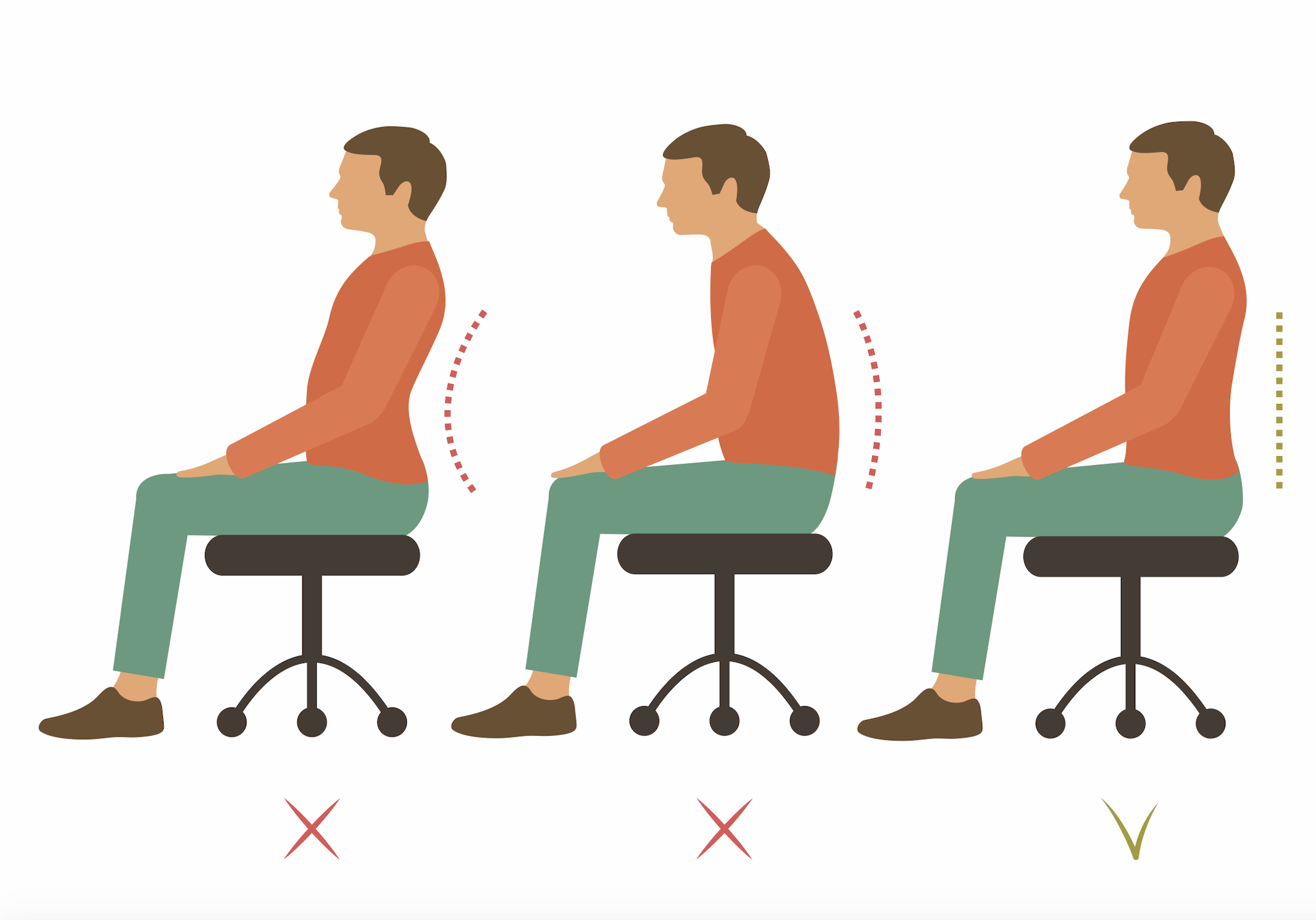
Postural dysfunction occurs when our spine and its accompanying joints deviate from their natural, neutral alignment for extended periods. This isn't just about looking "slouched"; it is a systemic biomechanical failure. This continuous deviation places unnatural, asymmetrical stress on ligaments, tendons, and muscles, leading to a cascade of painful symptoms across the body. When one area of the body falls out of alignment, the nervous system forces other areas to compensate, creating a domino effect of tension and fatigue.
Furthermore, poor posture significantly impacts your physiological and psychological state. Slouching physically compresses the diaphragm, limiting your lung capacity and forcing you into shallow, "apical" chest breathing. This shallow breathing signals to your nervous system that you are in a state of stress, subtly elevating your heart rate and cortisol levels. Over time, this creates a devastating feedback loop where physical misalignment feeds emotional fatigue, and fatigue further degrades your physical posture.
The Anatomy of the Spine Under Stress
The human spine is a marvel of biological engineering, designed with three natural, alternating curves (cervical lordosis, thoracic kyphosis, and lumbar lordosis) to act as a coiled spring. These curves are essential to absorb shock, distribute the weight of the head and torso evenly, and allow for explosive athletic movement. When these curves are compromised—either flattened out or exaggerated—the biomechanics of the entire body shift. This shift causes compensatory patterns that inevitably lead to joint degeneration, nerve compression, and significantly reduced mobility.
The muscles designed for quick, dynamic movements are suddenly forced to act as postural stabilizers, a job they inevitably fail at, resulting in painful spasms. For instance, your powerful latissimus dorsi and trapezius muscles are meant to pull and lift, not to hold your spine upright against gravity for ten hours a day. When forced into this stabilizing role, these muscles become ischemic (starved of blood flow) and develop dense, fibrotic trigger points that radiate pain into your neck, shoulders, and even down your arms.
The Impact of Modern Lifestyles
Our rapid transition to desk-bound, screen-heavy lifestyles over the last two decades has absolutely devastated our natural biomechanics. The human body evolved to walk, run, climb, and carry, not to sit statically for 8 to 12 hours a day. Prolonged sitting causes the hip flexors (psoas and iliacus) to chronically shorten, the gluteal muscles to essentially fall asleep (gluteal amnesia), and the shoulders to aggressively round forward.
This combination completely alters our center of gravity, placing immense shearing forces on the lower back discs and forcing the upper back muscles to fight a losing battle against gravity. In an urban environment like Toronto, this is compounded by the "commuter posture"—sitting on transit, carrying heavy messenger bags or unevenly loaded backpacks, and rushing through concrete streets. Your body adapts to the positions it spends the most time in; if you spend 80% of your day curled into a C-shape over a keyboard, your fascia and muscles will literally remodel themselves to lock you into that dysfunctional shape.
The "Tech Neck" Phenomenon
"Tech neck," or anterior head carriage, is a specific and highly destructive manifestation of poor posture where the head continuously juts forward toward a screen. In a neutral position, the adult head weighs about 10 to 12 pounds. However, physics dictates that for every single inch the head moves forward past the neutral shoulder line, the weight borne by the delicate cervical spine effectively doubles. This means looking down at a smartphone can place up to 60 pounds of force on the neck.
This relentless strain leads to chronic tension headaches, temporomandibular joint (TMJ) irritation, and premature discogenic injuries, such as bulging discs and pinched nerves in the cervical spine. If left unaddressed for years, the body responds to this excessive localized stress by laying down extra bone to reinforce the unstable area. These are known as osteophytes, or bone spurs. Once these bone spurs form, they can permanently narrow the space available for nerves exiting the neck, turning a correctable muscular issue into a permanent, irreversible structural pathology.
The Rehab Mechanics Approach to Posture
At Rehab Mechanics on Abell Street, we understand that simply telling a patient to "sit up straight" or "pull your shoulders back" is entirely ineffective. Posture is heavily influenced by the nervous system and long-standing muscular adaptations; it cannot be fixed by willpower alone. Trying to force yourself into "good posture" usually just results in arching the lower back excessively, which creates an entirely new set of problems.
We utilize a comprehensive, science-based approach combining advanced soft tissue therapy, specifically calibrated corrective exercises, and effective modalities to physically and neurologically restructure your postural habits from the ground up. Our goal is not to give you a rigid, military-style posture, but rather a dynamic, resilient, and relaxed neutral posture that requires minimal energy to maintain.
Comprehensive Biomechanical Assessment
Our experienced physiotherapists begin your journey with a thorough, full-body assessment of both your static posture and dynamic movement patterns. We look beyond the site of pain. We analyze individual joint mobility, precise muscle length and tension, and your baseline neurological function. By watching you perform fundamental movements like squats, lunges, and overhead reaches, we can pinpoint the exact muscular imbalances and joint restrictions that are secretly driving your poor posture and subsequent pain.
We also conduct a detailed ergonomic audit of your daily life. We discuss your desk height, monitor placement, the type of chair you use, and how often you take breaks. Often, we find that a patient's pain is continuously triggered by a monitor that is set 15 degrees too far to the left, or a chair that places their knees higher than their hips, which posteriorly tilts the pelvis and flattens the lumbar curve.
Targeted Clinical Interventions
Once the specific imbalances are accurately identified, we deploy targeted, hands-on clinical treatments to manipulate the tissues. We utilize techniques like active release, trigger point therapy, and joint mobilizations to release chronically overactive, tight muscles (such as the upper trapezius and pectorals) and stimulate underactive, inhibited ones (such as the lower trapezius and deep cervical flexors).
This manual reset is crucial for creating the physical space and joint freedom required to adopt a new, healthy posture. Think of it like trying to open a door with a rusted hinge; you cannot simply push harder. You must first clear the rust and lubricate the joint. Our manual therapy "clears the rust" from your soft tissues, removing the restrictive fascial adhesions that physically block you from standing up straight.
Corrective Exercise Protocols
Following manual therapy, we prescribe highly specific, progressive corrective exercises. These aren't your typical, generic gym stretches; they are tailored neuromuscular re-education drills. We focus on endurance over absolute strength, retraining your core, scapular stabilizers, and deep neck flexors to maintain your newly acquired alignment unconsciously.
By integrating these precise micro-movements into your daily routine—often right at your desk—we ensure that your body naturally defaults to a healthy, upright position without you having to constantly think about it. Exercises like "wall angels" and "chin tucks" become your daily medicine. We empower you with the physical literacy to understand when your posture is failing and the immediate tools to correct it before it translates into a painful spasm.
About the Author
Mr. Sanjay Attwala (B.Sc., M.Sc., RPT) is a Registered Physiotherapist, clinical director, and the founder of Rehab Mechanics in Toronto. With over 15 years of registered clinical practice and a deep specialization in complex musculoskeletal rehabilitation, Sanjay synthesizes rigorous international academic training with advanced evidence-based therapeutics to guide his clinical practice and patient education initiatives.
Academic Background & Credentials
Master of Science (M.Sc.) in Physiotherapy – University of Keele, United Kingdom (2010).
Bachelor of Science (B.Sc.) – University of Waterloo, Ontario, Canada.
Registered Physiotherapist (RPT) – Regulated health professional in excellent standing with the College of Physiotherapists of Ontario (CPO).
Corporate Entity – Operating officially under the S. Attwala Physiotherapy Professional Corporation with a DBA of Rehab Mechanics.
Clinical Expertise & Philosophy
Sanjay’s clinical approach rejects passive symptom management in favor of identifying underlying biomechanical root causes. His diverse expertise spans advanced manual therapies, personalized corrective exercise prescription, and modern physical modalities. At the Rehab Mechanics Toronto Queen West clinic, he routinely diagnoses and treats complex conditions including:
Spinal & Discogenic Pathology – Cervical, thoracic, and lumbar disc injuries, sciatica, and sacroiliac joint (SIJ) dysfunction.
Upper & Lower Extremity Injuries – Rotator cuff tears, frozen shoulder, tennis/golfer’s elbow, carpal tunnel syndrome, and complex ankle/foot pathologies.
Perinatal & Pelvic Health Rehabilitation – Specialized assessment and rehabilitation protocols tailored specifically for women during pregnancy and the post-partum period, addressing pelvic girdle pain, diastasis recti, and core stabilization.
Specialized Rehabilitation – Pelvic health therapy, TMJ dysfunction, post-surgical rehabilitation (including Total Hip and Total Knee Replacements), and custom orthotics dispensing.
Shockwave Therapy: with advanced cutting edge technological devices to suit your needs.
Interdisciplinary Practice & Patient Care
Sanjay practices an integrated model of healthcare, working closely alongside medical doctors inside the Prime Medical Centre on Abell Street to streamline patient recovery pathways. He maintains a human-centric, communication-first clinical framework, ensuring that care remains fully customized rather than automated.
His clinical caseload encompasses a broad operational spectrum under Ontario's regulatory frameworks, including:
Motor Vehicle Accident (MVA) Claims – Rehabilitation navigating Ontario’s statutory accident benefits schedule.
Workplace Safety and Insurance Board (WSIB) – Occupational injury management and return-to-work screening.
Extended Health Care (EHC) & Private Practice – Multi-tier insurance coordination and long-term athletic development plans.
Commitment to Research & Community
Outside of his clinical caseload at Rehab Mechanics and his additional practice affiliations in Etobicoke, Sanjay is an active health writer and community educator. He translates contemporary peer-reviewed medical research into accessible, actionable guidance on his professional blog. As a dedicated father and husband, he mirrors his professional advice in his personal life, focusing on structural mobility, cross-training, and longevity to help his family and his community thrive. Naturally he takes he a keen interest in rehabilitation for women who are pregnant and post-partum.
Disclaimer: The information provided on this blog is intended for educational and informational purposes only. It does not constitute medical advice, diagnosis, or a treatment plan. Always seek the direct advice of a Registered Physiotherapist, physician, or other qualified health provider regarding any medical condition or physical rehabilitation routine.
Be sure to check out Rehab Mechanics’ Google My Business Profile for daily posts, location and directions in addition to the directions on the website!
We love interacting with prospective and current patients, and love honest feedback and even constructive criticism and areas for improvement!
Ergonomics and Beyond: Managing Carpal Tunnel and De Quervain’s Tenosynovitis
In our modern, hyper-connected, fast-paced digital world, our hands, wrists, and thumbs endure an absolutely incredible, unnatural amount of repetitive daily stress. We swipe, type, click, and text thousands of times a day.
Consequently, painful, nerve-wracking, and severely limiting wrist injuries like Carpal Tunnel Syndrome and De Quervain’s Tenosynovitis are skyrocketing across all demographics, from young gamers to older administrative workers. However, Rehab Mechanics offers highly specialized, conservative, and ergonomic solutions designed to rapidly alleviate trapped nerve pain and restore full, pain-free hand and wrist function.
The Complexity of the Wrist
The human wrist is not a simple, single joint like a door hinge, but rather an incredibly complex, tightly packed, and highly articulated structural intersection. It is composed of eight intricately shaped, pebble-like small carpal bones, tightly bound together by a massive, complex web of rigid, interwoven ligaments.
Most importantly, it serves as a crowded, incredibly narrow anatomical conduit for all the vital, highly sensitive flexor tendons, major nerves, and blood vessels traveling from the powerful muscles of the forearm directly into the palm of the hand and the tips of the fingers. There is absolutely no extra room in this anatomical chokepoint.
Carpal Tunnel Syndrome (CTS)
Carpal Tunnel Syndrome (CTS) is by far the most well-known, frequently diagnosed, and heavily researched compression neuropathy of the upper extremity.
It is distinctly and unmistakably characterized by intense numbness, painful "pins and needles" tingling (paresthesia), deep burning pain, and eventual severe muscle weakness. Crucially, these symptoms specifically target the thumb, index finger, middle finger, and exactly half of the ring finger—which perfectly maps to the exact sensory distribution pathway of the median nerve. If your pinky finger is numb, it is generally not Carpal Tunnel, but a different nerve issue.
Anatomy of the Carpal Tunnel
The carpal tunnel itself is a rigid, unforgiving, extremely narrow passageway located on the palm side (volar aspect) of your wrist. It is formed by the curved carpal bones acting as the floor and walls, and a thick, incredibly tight, unyielding ligament (the transverse carpal ligament) acting as the solid roof.
When the protective, slippery sheaths (synovium) surrounding the nine flexor tendons that run through this crowded tunnel become inflamed and swell—very often due to poor typing ergonomics, sustained, awkward wrist flexion angles, or repetitive, forceful gripping—they rapidly run out of physical space. This swelling aggressively compresses the soft, delicate, vital median nerve that is hopelessly trapped within this rigid, bony box.
Median Nerve Compression Dynamics
Prolonged, unrelieved physical compression of the median nerve is incredibly destructive to the nervous system. It literally starves the nerve of vital blood flow (ischemia), physically strips the nerve of its protective, conductive myelin sheath, and severely disrupts vital axonal transport (the essential flow of nutrients and chemical signals up and down within the nerve).
Left untreated for too long, this chronic compression leads to permanent, irreversible sensory loss, the chronic, clumsy dropping of coffee cups and keys, and visible, permanent wasting away (atrophy) of the fleshy thenar muscles at the base of the thumb. Early, aggressive, conservative physiotherapy intervention is absolutely vital to halt this progression and prevent permanent nerve damage and the need for surgical release.
De Quervain’s Tenosynovitis
Commonly, yet somewhat inaccurately, referred to in pop culture as "Gamer's Thumb," "Texting Thumb," or "Mommy Thumb" (due to the highly awkward wrist mechanics required when repeatedly lifting heavy, growing infants), De Quervain’s Tenosynovitis is a highly painful, acute inflammatory condition.
It aggressively targets the tendons located specifically on the thumb side of your wrist, causing severe, sharp, breathtaking pain during simple gripping, tight pinching, or any forceful rotational wrist movements, such as pouring a heavy kettle, turning a stiff door key, or opening a tight jar.
The Mechanics of Thumb Tendinopathy
This specific, agonizing condition involves the severe inflammation, thickening, and subsequent swelling of the tight synovial sheath (the slick, protective tunnel) that surrounds and strictly houses two highly specific tendons responsible for controlling the outward and upward movement of the thumb: the extensor pollicis brevis and the abductor pollicis longus.
When this narrow sheath swells due to friction and overuse, these tendons experience massive, painful resistance and friction every single time the thumb moves, leading to agonizing pain that can radiate up the forearm.
Clinical Diagnosis and Finkelstein's Test
In our clinic, we can highly accurately diagnose this specific condition through a thorough, hands-on physical assessment and targeted provocative orthopedic testing, prominently utilizing a widely recognized clinical maneuver called Finkelstein’s test.
In this test, the patient tucks their thumb securely inside a closed fist, wrapping their fingers over it, and sharply deviates the wrist downward toward the pinky finger (ulnar deviation). If this specific movement elicits a sharp, blinding, "electric" pain directly over the radial styloid (the bony bump on the thumb side of the wrist), the test is strongly positive for De Quervain's.
Comprehensive Physiotherapy Management
Surgical release of these inflamed tissues should only be considered if all conservative measures strictly fail after months of effort. Comprehensive, conservative treatment for both CTS and De Quervain's at Rehab Mechanics includes immediate, aggressive workplace ergonomic redesign (like vertical mice and split keyboards).
We also utilize highly specific resting splinting recommendations to protect the area during sleep, aggressive deep soft tissue massage and active release of the tight forearm flexors and extensors, and specialized, targeted neuro-dynamic gliding exercises explicitly designed to gently free the trapped nerves and tendons from their restrictive surrounding tissues without causing further irritation.
About the Author
Mr. Sanjay Attwala (B.Sc., M.Sc., RPT) is a Registered Physiotherapist, clinical director, and the founder of Rehab Mechanics in Toronto. With over 15 years of registered clinical practice and a deep specialization in complex musculoskeletal rehabilitation, Sanjay synthesizes rigorous international academic training with advanced evidence-based therapeutics to guide his clinical practice and patient education initiatives.
Academic Background & Credentials
Master of Science (M.Sc.) in Physiotherapy – University of Keele, United Kingdom (2010).
Bachelor of Science (B.Sc.) – University of Waterloo, Ontario, Canada.
Registered Physiotherapist (RPT) – Regulated health professional in excellent standing with the College of Physiotherapists of Ontario (CPO).
Corporate Entity – Operating officially under the S. Attwala Physiotherapy Professional Corporation with a DBA of Rehab Mechanics.
Clinical Expertise & Philosophy
Sanjay’s clinical approach rejects passive symptom management in favor of identifying underlying biomechanical root causes. His diverse expertise spans advanced manual therapies, personalized corrective exercise prescription, and modern physical modalities. At the Rehab Mechanics Toronto Queen West clinic, he routinely diagnoses and treats complex conditions including:
Spinal & Discogenic Pathology – Cervical, thoracic, and lumbar disc injuries, sciatica, and sacroiliac joint (SIJ) dysfunction.
Upper & Lower Extremity Injuries – Rotator cuff tears, frozen shoulder, tennis/golfer’s elbow, carpal tunnel syndrome, and complex ankle/foot pathologies.
Perinatal & Pelvic Health Rehabilitation – Specialized assessment and rehabilitation protocols tailored specifically for women during pregnancy and the post-partum period, addressing pelvic girdle pain, diastasis recti, and core stabilization.
Specialized Rehabilitation – Pelvic health therapy, TMJ dysfunction, post-surgical rehabilitation (including Total Hip and Total Knee Replacements), and custom orthotics dispensing.
Shockwave Therapy: with advanced cutting edge technological devices to suit your needs.
Interdisciplinary Practice & Patient Care
Sanjay practices an integrated model of healthcare, working closely alongside medical doctors inside the Prime Medical Centre on Abell Street to streamline patient recovery pathways. He maintains a human-centric, communication-first clinical framework, ensuring that care remains fully customized rather than automated.
His clinical caseload encompasses a broad operational spectrum under Ontario's regulatory frameworks, including:
Motor Vehicle Accident (MVA) Claims – Rehabilitation navigating Ontario’s statutory accident benefits schedule.
Workplace Safety and Insurance Board (WSIB) – Occupational injury management and return-to-work screening.
Extended Health Care (EHC) & Private Practice – Multi-tier insurance coordination and long-term athletic development plans.
Commitment to Research & Community
Outside of his clinical caseload at Rehab Mechanics and his additional practice affiliations in Etobicoke, Sanjay is an active health writer and community educator. He translates contemporary peer-reviewed medical research into accessible, actionable guidance on his professional blog. As a dedicated father and husband, he mirrors his professional advice in his personal life, focusing on structural mobility, cross-training, and longevity to help his family and his community thrive. Naturally he takes he a keen interest in rehabilitation for women who are pregnant and post-partum.
Disclaimer: The information provided on this blog is intended for educational and informational purposes only. It does not constitute medical advice, diagnosis, or a treatment plan. Always seek the direct advice of a Registered Physiotherapist, physician, or other qualified health provider regarding any medical condition or physical rehabilitation routine.
Be sure to check out Rehab Mechanics’ Google My Business Profile for daily posts, location and directions in addition to the directions on the website!
We love interacting with prospective and current patients, and love honest feedback and even constructive criticism and areas for improvement!
Debunking the MRI Myth in Physical Therapy
Rethinking the Need for an MRI
Many individuals assume that a comprehensive MRI is the only pathway to kick-starting physical therapy. This belief often stems from the notion that advanced imaging is necessary to pinpoint the source of pain, yet in many cases, a thorough physical assessment can offer equally valuable insights. In this guide, you'll discover why the MRI myth persists and explore how focused clinical evaluations, rather than expensive imaging tests, can effectively guide your rehabilitation process.
Understanding your body’s mechanics doesn’t always demand high-tech diagnostics. Instead, consider these key points:
Clinical Assessment: Hands-on evaluations often reveal movement restrictions and muscle imbalances.
Cost and Time Efficiency: Skipping unnecessary imaging can reduce delays and expenses.
Local Expertise: Many community-based therapists use proven manual techniques to deliver swift recovery.
Read on to learn practical, actionable approaches that debunk the idea that complex imaging is a prerequisite for effective therapy. This introduction lays the groundwork for a deeper conversation on optimizing your recovery strategy without relying on extensive MRI scans.
Unlocking the Power of MRI in Diagnostics
Magnetic Resonance Imaging (MRI) stands as one of the most sophisticated techniques in medical diagnostics, using strong magnetic fields and radio waves to create intricate images of the body’s internal structures. This non-invasive imaging tool is indispensable in revealing details about soft tissues, organs, and joints that other diagnostic methods might overlook. Its high-resolution capabilities are particularly valuable in detecting conditions ranging from ligament injuries to subtle abnormalities in the brain and spine.
When approaching MRI as a diagnostic method, keep these key points in mind:
Safety and Precision: With no exposure to ionizing radiation, MRIs offer precise imaging without many associated risks.
Versatility: They are effective for evaluating a wide range of issues including musculoskeletal injuries, neurological conditions, and inflammatory diseases.
Local Accessibility: Many clinics and imaging centers in urban and suburban areas now provide convenient, high-quality MRI services, ensuring patients receive accurate assessments quickly.
Understanding how MRI operates not only helps clarify its role in comprehensive healthcare but also empowers you to ask informed questions about your diagnostic options.
Rethinking Diagnostic Imaging Before Therapy
Before diving into an active physical therapy plan, it's important to understand that MRIs aren’t always a prerequisite for effective treatment. Many seasoned physiotherapists prioritize detailed patient history and a comprehensive physical evaluation over immediate imaging, especially when the signs and symptoms suggest common musculoskeletal issues. This approach not only minimizes unnecessary delays but also helps reduce the healthcare costs for patients across local communities.
Consider these practical points:
Thorough Clinical Assessment: A hands-on evaluation by a skilled therapist can identify functional impairments without the need for advanced imaging.
Timely Intervention: Starting targeted therapy based on physical findings can accelerate recovery and prevent further injury.
Resource Optimization: Avoiding immediate MRIs supports efficient use of medical resources, making advanced imaging available for cases where it’s truly warranted.
By emphasizing clinical judgment and evidence-based practice, patients receive personalized care that addresses their unique needs. Additionally, local clinics and therapy centers are increasingly adopting these protocols, ensuring that treatment plans are both practical and effective. This proactive approach not only streamlines the path to recovery but also educates patients on the value of functional assessments.
Speeding Recovery: Embrace Early Physical Therapy
Starting physical therapy before MRI results are available can pave the way for a faster recovery and more efficient intervention. Delaying treatment in hopes of diagnostic clarity often hinders timely rehabilitation. Early physical therapy focuses on addressing pain, mobility issues, and functional limitations that can be alleviated through targeted exercises and manual techniques. By initiating treatment promptly, you can prevent the escalation of injury and improve overall outcomes.
Key benefits include:
Accelerated recovery: Engage in customized mobility exercises sooner to restore strength and flexibility.
Minimized discomfort: Early intervention targets pain relief through hands-on therapy and structured rehabilitation strategies.
Proactive management: Address movement imbalances and muscle weaknesses before they lead to more serious complications.
Localized support: In urban centers and suburban areas alike, nearby clinics offer community-based programs designed to meet your specific recovery goals.
Utilizing early physical therapy in the local area ensures that you receive expert guidance quickly, enabling your body to begin healing right away. This approach not only preserves functional fitness but also empowers you with practical strategies to maintain mobility and reduce the risk of future injuries.
FAQ: Demystifying MRI Use in Physical Therapy
What does an MRI actually show about my injury? MRIs provide detailed images of the body’s soft tissues and bones. However, they capture the static structure and may not reveal dynamic or functional issues, which are crucial for effective physical therapy. A thorough clinical exam often complements these images to create a complete picture.
Is an MRI needed before starting physical therapy? Not necessarily. Many patients can begin therapy based on clinical findings alone. MRIs are typically reserved for complex cases where the source of pain or dysfunction remains unclear after a physical examination.
Can MRI results sometimes lead to misguided treatment plans? Yes, sometimes the detailed images can introduce uncertainty if interpreted without context. It’s essential that physical therapists integrate MRI findings with hands-on assessments to tailor interventions.
How do physical therapists utilize MRI data in treatment planning? Therapists use MRI results to confirm structural issues, but they emphasize functional testing and patient history to devise a customized rehabilitation plan.
What alternatives exist for injury assessment? Beyond MRIs, clinical tests, range-of-motion analyses, and strength evaluations are valuable tools in crafting effective physical therapy strategies.
Decoding the Criteria for MRI Necessity in Physical Therapy
Healthcare providers use a systematic approach to determine when an MRI is truly necessary in physical therapy cases. Initially, clinicians conduct a comprehensive evaluation, combining a detailed patient history with an extensive physical examination. They assess symptoms such as persistent pain, restricted range-of-motion, and neurological signs, which serve as red flags for potential structural damage.
The decision-making process often includes:
Symptom Analysis: Reviewing the intensity, duration, and progression of discomfort.
Physical Testing: Performing targeted maneuvers to pinpoint areas of concern.
Clinical Judgment: Balancing diagnostic imaging with conservative treatment options.
Providers consider whether the benefits of an MRI outweigh the risks and costs, factoring in the likelihood of finding actionable abnormalities. For example, patients experiencing acute trauma or those with unusual neurological deficits may be prioritized for imaging. This careful, step-by-step assessment not only helps in avoiding unnecessary tests but also promotes efficient recovery strategies. In urban centers and local clinics, this protocol ensures that imaging resources are used judiciously, ultimately enhancing patient care and therapeutic outcomes.
Wrapping Up: Embrace Clarity and Confident Choices
As you reach the end of this discussion, it’s vital to reflect on the key insights that have emerged. The longstanding myth linking MRI scans directly to finding the root cause of pain is debunked when viewed through the lens of contemporary physical therapy practices. Instead of relying solely on imaging, modern treatment emphasizes comprehensive evaluations and tailored exercise programs that address the underlying mechanics of discomfort.
Moving forward, consider taking these actionable steps:
Engage in an in-depth discussion with your healthcare provider to explore a thorough physical assessment.
Prioritize finding local professionals who practice evidence-based methodologies.
Keep an open mind about alternative diagnostic approaches that focus on functional movement and recovery.
Arming yourself with accurate information and expert advice is the first step towards a more effective rehabilitation journey. Remember, personalized physical therapy can offer a more practical and holistic approach to managing pain. Take charge of your health by analyzing your options and consulting trusted professionals—empower yourself to make informed decisions and embrace a future of improved wellness.
About the Author
Mr. Sanjay Attwala (B.Sc., M.Sc., RPT) is a Registered Physiotherapist, clinical director, and the founder of Rehab Mechanics in Toronto. With over 15 years of registered clinical practice and a deep specialization in complex musculoskeletal rehabilitation, Sanjay synthesizes rigorous international academic training with advanced evidence-based therapeutics to guide his clinical practice and patient education initiatives.
Academic Background & Credentials
Master of Science (M.Sc.) in Physiotherapy – University of Keele, United Kingdom (2010).
Bachelor of Science (B.Sc.) – University of Waterloo, Ontario, Canada.
Registered Physiotherapist (RPT) – Regulated health professional in excellent standing with the College of Physiotherapists of Ontario (CPO).
Corporate Entity – Operating officially under the S. Attwala Physiotherapy Professional Corporation with a DBA of Rehab Mechanics.
Clinical Expertise & Philosophy
Sanjay’s clinical approach rejects passive symptom management in favor of identifying underlying biomechanical root causes. His diverse expertise spans advanced manual therapies, personalized corrective exercise prescription, and modern physical modalities. At the Rehab Mechanics Toronto Queen West clinic, he routinely diagnoses and treats complex conditions including:
Spinal & Discogenic Pathology – Cervical, thoracic, and lumbar disc injuries, sciatica, and sacroiliac joint (SIJ) dysfunction.
Upper & Lower Extremity Injuries – Rotator cuff tears, frozen shoulder, tennis/golfer’s elbow, carpal tunnel syndrome, and complex ankle/foot pathologies.
Perinatal & Pelvic Health Rehabilitation – Specialized assessment and rehabilitation protocols tailored specifically for women during pregnancy and the post-partum period, addressing pelvic girdle pain, diastasis recti, and core stabilization.
Specialized Rehabilitation – Pelvic health therapy, TMJ dysfunction, post-surgical rehabilitation (including Total Hip and Total Knee Replacements), and custom orthotics dispensing.
Shockwave Therapy: with advanced cutting edge technological devices to suit your needs.
Interdisciplinary Practice & Patient Care
Sanjay practices an integrated model of healthcare, working closely alongside medical doctors inside the Prime Medical Centre on Abell Street to streamline patient recovery pathways. He maintains a human-centric, communication-first clinical framework, ensuring that care remains fully customized rather than automated.
His clinical caseload encompasses a broad operational spectrum under Ontario's regulatory frameworks, including:
Motor Vehicle Accident (MVA) Claims – Rehabilitation navigating Ontario’s statutory accident benefits schedule.
Workplace Safety and Insurance Board (WSIB) – Occupational injury management and return-to-work screening.
Extended Health Care (EHC) & Private Practice – Multi-tier insurance coordination and long-term athletic development plans.
Commitment to Research & Community
Outside of his clinical caseload at Rehab Mechanics and his additional practice affiliations in Etobicoke, Sanjay is an active health writer and community educator. He translates contemporary peer-reviewed medical research into accessible, actionable guidance on his professional blog. As a dedicated father and husband, he mirrors his professional advice in his personal life, focusing on structural mobility, cross-training, and longevity to help his family and his community thrive. Naturally he takes he a keen interest in rehabilitation for women who are pregnant and post-partum.
Disclaimer: The information provided on this blog is intended for educational and informational purposes only. It does not constitute medical advice, diagnosis, or a treatment plan. Always seek the direct advice of a Registered Physiotherapist, physician, or other qualified health provider regarding any medical condition or physical rehabilitation routine.
Be sure to check out Rehab Mechanics’ Google My Business Profile for daily posts, location and directions in addition to the directions on the website!
We love interacting with prospective and current patients, and love honest feedback and even constructive criticism and areas for improvement!