Why Does My Hip Pinch Sharply When I Squat Deep?
A sharp, blocking pain deep in the groin during a squat is the classic hallmark of Femoroacetabular Impingement (FAI). This bone-on-bone friction damages the cartilage and labrum over time. Physiotherapy assists in managing this condition by correcting pelvic tilt, strengthening deep hip rotators, and optimizing movement mechanics to physically decompress the hip joint and safely restore squatting depth.
Muscle working pain is “good” - never pain “not good”.
The Patient’s Story
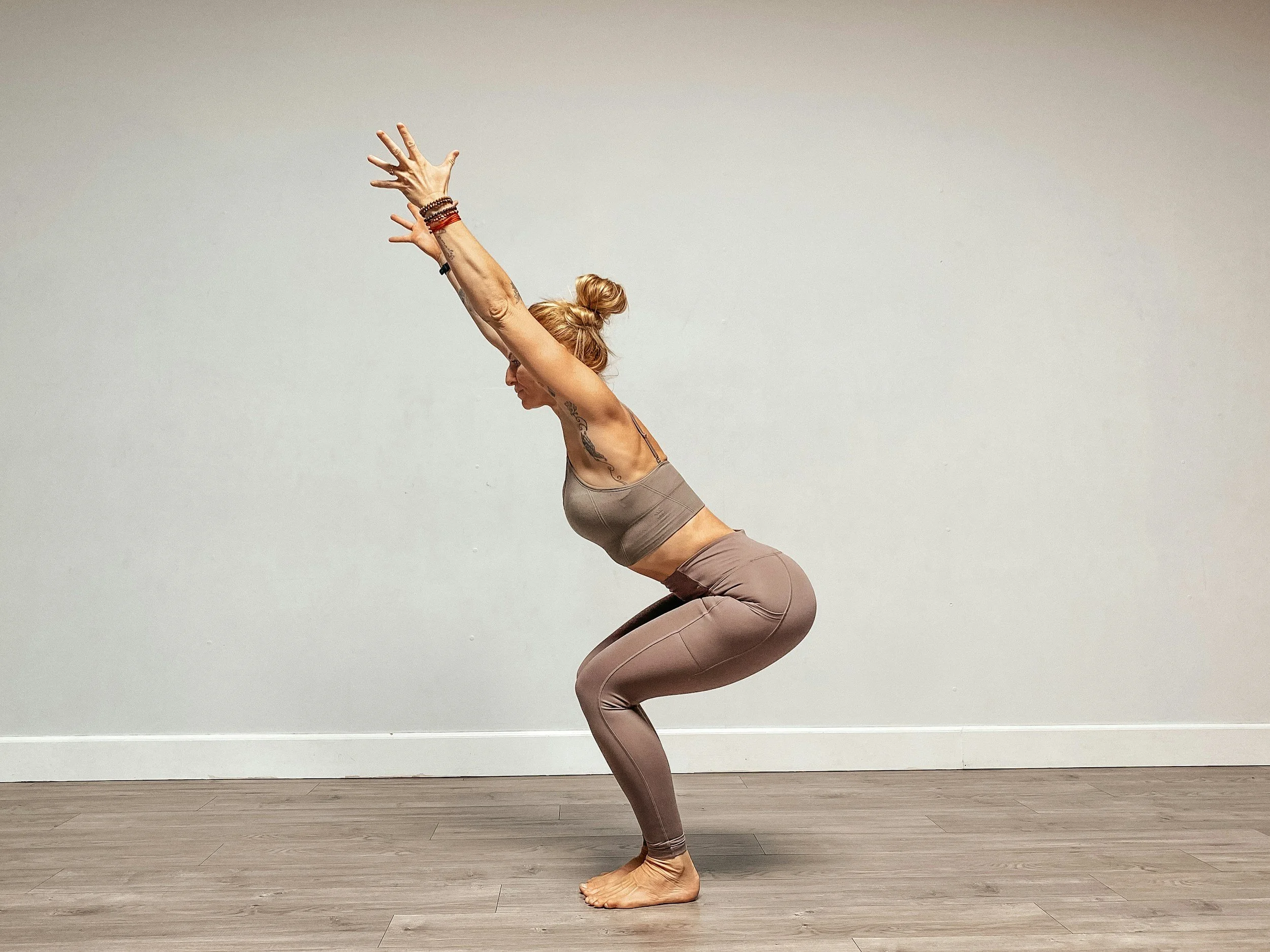
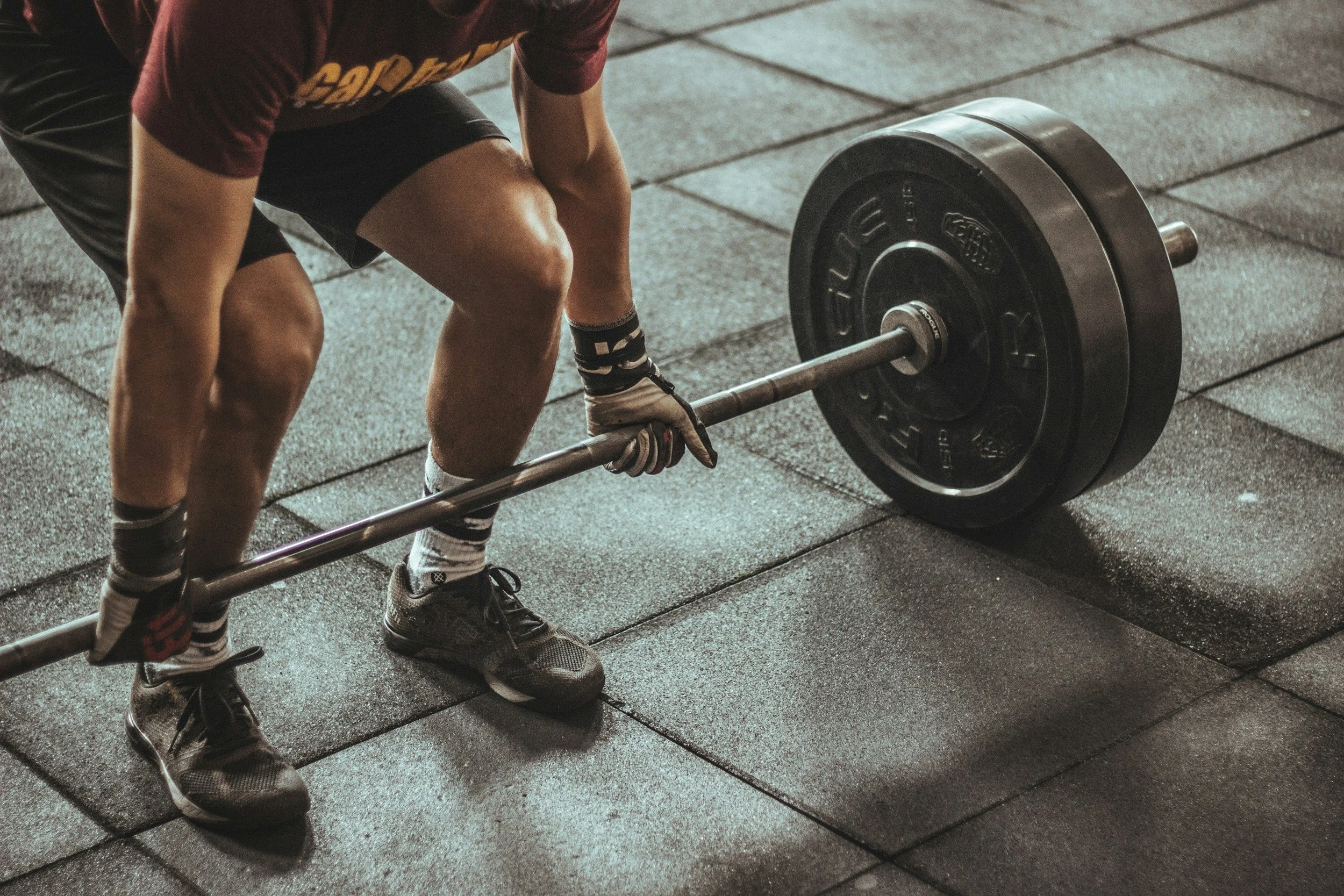
For the active fitness community in Queen West and Liberty Village, heavy lifting and deep squatting are foundational to their training. However, many athletes suddenly encounter a terrifying limitation: every time they try to squat past 90 degrees, a sharp, stabbing, blocking sensation fires deep in the front crease of their hip or groin.
Patients often assume they have suffered a "groin strain" or a "sports hernia." They take weeks off, stretch their inner thighs relentlessly in Trinity Bellwoods, and try to foam roll away the pain. Yet, the moment they return to the barbell, the exact same sharp pinch occurs.
At Rehab Mechanics, we frequently identify this issue as Femoroacetabular Impingement (FAI). You cannot stretch away a structural bone-on-bone collision. Attempting to force your hips through this mechanical block will actively shred your labrum. By utilizing precise human mechanics, we can alter the resting angle of your pelvis and modify your lifting geometry to permanently clear the joint space, allowing you to squat heavy and pain-free.
Structural / Biomechanical Analysis
To understand the sharp pinch, we must perform a detailed structural analysis of your hip joint and the specific bony changes that cause impingement.
The Ball and Socket Mechanics
Your hip is a massive, deep ball-and-socket joint.
The Fit: The femoral head (the ball) should glide perfectly within the acetabulum (the socket), lubricated by synovial fluid and cushioned by a cartilaginous ring called the labrum.
The Mechanism of Impingement (FAI)
Impingement occurs when extra bone growth alters this perfect spherical fit.
CAM Lesion: Excess bone forms on the neck of the femur (the ball). As you bend your hip up into a deep squat, this non-spherical bump forcefully jams into the rim of the socket.
Pincer Lesion: Excess bone grows out over the rim of the socket, creating a bony "overhang" that prematurely crashes into the femur.
The Joint Compression Pattern
When these bony abnormalities violently crash into each other under the heavy load of a squat, they trap the delicate labrum and articular cartilage between them.
The Tearing Process: This relentless mechanical crushing causes the labrum to fray and tear.
The Anterior Pelvic Tilt Trap: The tipping point for FAI pain is often postural. If you sit at a desk all day, your hip flexors tighten, pulling your pelvis forward (anterior pelvic tilt). This forward tilt physically lowers the "roof" of your hip socket, drastically closing the joint space and guaranteeing that impingement will occur much earlier in the squatting motion.
Clinical Red Flags
We differentiate structural FAI from a simple muscle strain by looking for specific, mechanical signs of joint conflict:
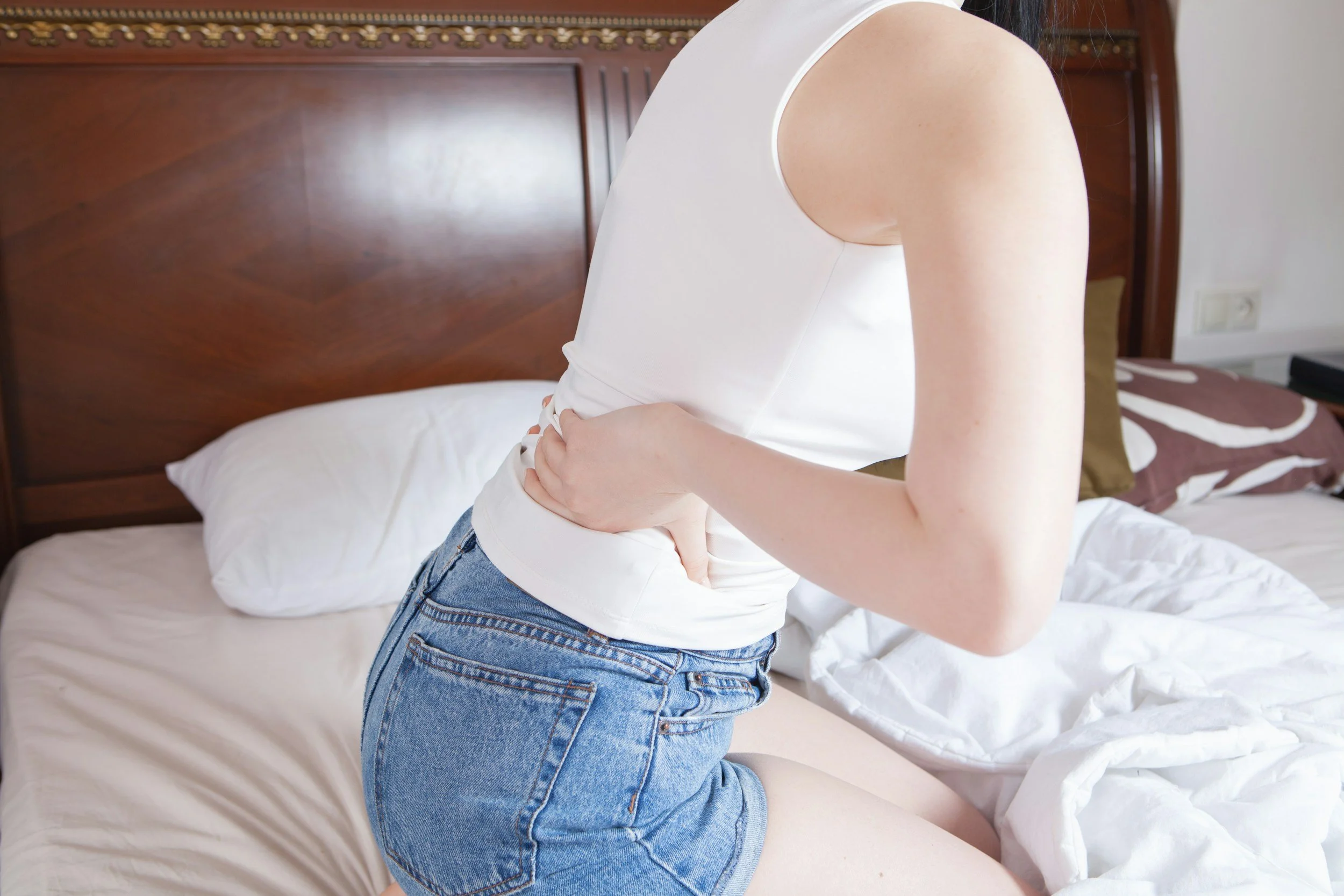
The "C-Sign": The patient naturally grips their hip with their thumb behind the trochanter and fingers deep in the front groin, forming a "C" to show where the deep pain lives.
FADIR Test Positive: Sharp, pinching pain is triggered when the hip is passively forced into Flexion, Adduction, and Internal Rotation.
Loss of Internal Rotation: A profound, physical restriction when trying to rotate the thigh bone inward.
The "Squat Block": A literal inability to achieve a deep squat without the torso severely shifting or the lower back painfully rounding (butt wink) to compensate for the jammed hip.
Mechanical Catching: Sharp clicking, catching, or giving-way sensations deep within the joint during pivoting movements.
Primary Source Proof
Clinical guidelines in orthopedics definitively support conservative, biomechanically driven physical therapy—specifically focusing on pelvic alignment and hip abductor strengthening—as a highly effective first-line intervention for Femoroacetabular Impingement.
Review the Clinical Evidence on PubMed: The Efficacy of Physiotherapist-Led Rehabilitation in Femoroacetabular Impingement Syndrome (National Institutes of Health)
Review the Clinical Evidence on PubMed: Conservative Management of Non-Arthritic Hip Pain and FAI (National Institutes of Health)
Review the Clinical Evidence on PubMed: Biomechanical Factors and Pelvic Tilt in Hip Impingement (National Institutes of Health)
The Rehab Mechanics Corrective Protocol
We cannot shave down the bone without surgery, but we can completely alter how that bone interacts with the socket. We utilize a highly phased, decompressive approach.
Phase 1 — Load Modification and Joint Distraction
Manual Joint Decompression: Our physiotherapists use heavy, hands-on traction bands to gently pull the femur out of the socket. This immediately relieves the pressure on the crushed labrum and stretches the incredibly dense, tight posterior hip capsule.
Hip Flexor Release: Aggressive manual soft tissue mobilization on the psoas and rectus femoris to release the "brakes" that are pulling the pelvis into a dangerous anterior tilt.
Phase 2 — Pelvic Fortification
Posterior Pelvic Tilt Training: Utilizing targeted lower abdominal training (transversus abdominis) to teach the nervous system how to rotate the pelvis backward, instantly lifting the roof of the socket away from the impingement zone.
Deep Rotator Activation: Strengthening the tiny muscles deep under the glutes to act as the rotator cuff of the hip, holding the ball perfectly centered in the socket during movement.
Phase 3 — Gait Retraining / Mechanics Correction
Squat Stance Modification: We meticulously analyze your lifting geometry. Often, slightly widening your stance and externally rotating your toes allows the femoral neck to physically bypass the bony impingement block, restoring pain-free depth.
Gluteus Maximus Dominance: Training you to initiate hip extension entirely with the glutes, preventing the hip flexors from firing excessively and jamming the joint.
Phase 4 — Return-to-Activity Strategy
Progressive Loading: Moving from box squats back to full-depth barbell squats while constantly monitoring for pelvic tilt and "butt wink."
Kinetic Integration: Ensuring your core, pelvis, and ankles are working synergistically to prevent any single joint from absorbing excessive sheer force during heavy athletic performance.
Related Conditions We Treat
Hip Labral Tears
Athletic Pubalgia (Sports Hernia)
Osteitis Pubis
Gluteal Tendinopathy
Snapping Hip Syndrome (Coxa Saltans)
Sacroiliac Joint (SIJ) Dysfunction
Related Blogs
"Does Human Mechanics Physical Therapy Fix Chronic Groin Pain and Sports Hernias?"
"Can Physiotherapy Prevent Surgery for a Hip Labral Tear?"
"Can Fixing Your Pelvic Tilt Cure Chronic Lower Back Pain?"
Services Used in Treatment
Manual Therapy
Soft Tissue Release
Myofascial Release
Shockwave Therapy
Gait Retraining
Neuromuscular Re-Education
Custom Orthotics
Strengthening Programs
FAQ Section
1. Can physiotherapy assist in managing hip impingement?
Yes. Physiotherapy supports recovery by addressing the biomechanical faults—like pelvic tilt and weak glutes—that cause the bone-on-bone friction, helping to optimize movement and reduce joint irritation.
2. Why does my groin pinch only when I squat deep?
Deep squatting forces the thigh bone upward. If you have extra bone growth (FAI) or a forward-tilted pelvis, the bones physically crash into each other at the bottom of the movement, causing a sharp pinch.
3. Will stretching my hip flexors cure the pinching?
While releasing tight hip flexors is crucial to correct pelvic alignment, aggressive stretching can sometimes irritate the joint further. We focus on stabilization and movement modification to support recovery.
4. Do I absolutely need surgery for FAI?
In many cases, no. By optimizing your pelvic mechanics and building robust hip stability, conservative physical therapy helps reduce mechanical overload, frequently rendering surgical intervention unnecessary.
5. How does my core strength affect my hip joint?
Your core muscles anchor the top of your pelvis. If they are weak, the pelvis tilts forward, lowering the roof of the hip socket and causing immediate impingement. We fortify the core to open the joint space.
6. Can a sports hernia feel like hip impingement?
Yes. Both cause deep, chronic groin pain. However, impingement is a joint restriction, while a sports hernia is a tear in the abdominal wall. We use precise testing to differentiate and manage contributing factors for both.
7. Why do I need to change my squat stance?
Adjusting your foot width and toe angle physically changes how the ball fits into the socket during descent. We help you find a modified stance that allows you to squat heavy without bone-on-bone collision.
8. How long does it take to squat without pain?
While manual joint distraction provides immediate relief, building the neuromuscular control to hold the pelvis stable during heavy lifting typically requires several weeks of targeted strengthening programs.
How Physiotherapy Helps
Reducing tissue irritation through targeted joint distraction
Correcting anterior pelvic tilt to open the joint space
Improving cadence and dynamic hip tracking
Strengthening stabilizers in the deep rotators and glutes
Reducing mechanical overload on the labrum and cartilage
Improving foot mechanics to optimize lower-body lifting geometry
Contact Us Today — All you have to lose is the pain
Book a comprehensive biomechanical hip assessment with our clinical team today. Located inside the Prime Medical Centre at 68 Abell Street, Queen West.
Email: info@rehabmechanics.com Phone: (416) 533-3900
About the Author
Mr. Sanjay Attwala (B.Sc., M.Sc., RPT) is a Registered Physiotherapist, clinical director, and the founder of Rehab Mechanics in Toronto. With over 15 years of registered clinical practice and a deep specialization in complex musculoskeletal rehabilitation, Sanjay synthesizes rigorous international academic training with advanced evidence-based therapeutics to guide his clinical practice and patient education initiatives.
Academic Background & Credentials
Master of Science (M.Sc.) in Physiotherapy – University of Keele, United Kingdom (2010).
Bachelor of Science (B.Sc.) – University of Waterloo, Ontario, Canada.
Registered Physiotherapist (RPT) – Regulated health professional in excellent standing with the College of Physiotherapists of Ontario (CPO).
Corporate Entity – Operating officially under the S. Attwala Physiotherapy Professional Corporation with a DBA of Rehab Mechanics.
Clinical Expertise & Philosophy
Sanjay’s clinical approach rejects passive symptom management in favor of identifying underlying biomechanical root causes. His diverse expertise spans advanced manual therapies, personalized corrective exercise prescription, and modern physical modalities. At the Rehab Mechanics Toronto Queen West clinic, he routinely diagnoses and treats complex conditions including:
Spinal & Discogenic Pathology – Cervical, thoracic, and lumbar disc injuries, sciatica, and sacroiliac joint (SIJ) dysfunction.
Upper & Lower Extremity Injuries – Rotator cuff tears, frozen shoulder, tennis/golfer’s elbow, carpal tunnel syndrome, and complex ankle/foot pathologies.
Perinatal & Pelvic Health Rehabilitation – Specialized assessment and rehabilitation protocols tailored specifically for women during pregnancy and the post-partum period, addressing pelvic girdle pain, diastasis recti, and core stabilization.
Specialized Rehabilitation – Pelvic health therapy, TMJ dysfunction, post-surgical rehabilitation (including Total Hip and Total Knee Replacements), and custom orthotics dispensing.
Shockwave Therapy: with advanced cutting edge technological devices to suit your needs.
Interdisciplinary Practice & Patient Care
Sanjay practices an integrated model of healthcare, working closely alongside medical doctors inside the Prime Medical Centre on Abell Street to streamline patient recovery pathways. He maintains a human-centric, communication-first clinical framework, ensuring that care remains fully customized rather than automated.
His clinical caseload encompasses a broad operational spectrum under Ontario's regulatory frameworks, including:
Motor Vehicle Accident (MVA) Claims – Rehabilitation navigating Ontario’s statutory accident benefits schedule.
Workplace Safety and Insurance Board (WSIB) – Occupational injury management and return-to-work screening.
Extended Health Care (EHC) & Private Practice – Multi-tier insurance coordination and long-term athletic development plans.
Commitment to Research & Community
Outside of his clinical caseload at Rehab Mechanics and his additional practice affiliations in Etobicoke, Sanjay is an active health writer and community educator. He translates contemporary peer-reviewed medical research into accessible, actionable guidance on his professional blog. As a dedicated father and husband, he mirrors his professional advice in his personal life, focusing on structural mobility, cross-training, and longevity to help his family and his community thrive. Naturally he takes he a keen interest in rehabilitation for women who are pregnant and post-partum.
Disclaimer:
The information provided on this blog is intended for educational and informational purposes only. It does not constitute medical advice, diagnosis, or a treatment plan. Always seek the direct advice of a Registered Physiotherapist, physician, or other qualified health provider regarding any medical condition or physical rehabilitation routine.
Google MyBusiness for Instant Posts, Photos, Updates, Offers and Communication
Be sure to check out Rehab Mechanics’ Google My Business Profile for daily posts, location and directions in addition to the directions on the website!
We love interacting with prospective and current patients, and love honest feedback and even constructive criticism and areas for improvement!