
Pumping Weights for Diabetic Patients
Empower Your Diabetes Management with Weightlifting
Discover how a tailored weightlifting routine can enhance your diabetes management and overall well-being. Incorporating resistance exercises into your fitness plan not only builds strength but also promotes better blood sugar control. This approach addresses insulin sensitivity by stimulating muscle activity, an essential factor in metabolizing glucose more efficiently.
In this guide, you'll learn:
Practical workout tips designed to safely boost your strength.
Steps to integrate strength training into your daily routine without overwhelming your system.
How localized wellness initiatives can support your fitness journey, whether you’re exercising in urban gyms or community centers nearby.
Follow actionable advice that respects your unique health needs while offering flexibility and clear guidance. By fine-tuning your exercise regimen, you'll not only experience improved energy levels but also a balanced glucose profile. This introduction sets the stage for a deeper understanding of how strength training can be a beneficial ally in managing diabetes. Embrace a proactive lifestyle and invigorate your health through informed, mindful weightlifting practices.
Prioritize Your Safety First
Before embarking on a weightlifting regimen as a diabetic, it’s crucial to prioritize your safety with a well-planned strategy. Begin by consulting with your healthcare provider to ensure that your diabetic condition is managed, and to receive personalized recommendations on exercise intensity and duration. Monitoring blood sugar levels before, during, and after your workouts is essential to avoid unexpected fluctuations.
Emphasize a gradual progress approach:
Initial Assessment: Undergo a complete cardiovascular check-up and discuss your current medication schedule with your healthcare provider.
Customized Workout Plan: Start with lighter weights and increase gradually. Spread out strenuous sessions throughout the week to allow your body to adapt.
Hydration and Nutrition: Keep hydrated and consume balanced meals that stabilize blood sugar levels, particularly around workout periods.
Listen to Your Body: Recognize early signs of fatigue, dizziness, or pain. Adjust your routine as needed and never ignore warning signals.
By taking these practical steps, you ensure that your weightlifting journey is both empowering and safe. Tailor your approach to fit local resources and the support available in your community, making every workout a step towards improved health and fitness.
Ignite Your Weightlifting Journey: A Beginner's Guide
Embrace a structured routine designed to boost both strength and glycemic control. This step-by-step guide helps you create an effective weightlifting plan tailored for diabetes management.
Consult Your Healthcare Provider
Before starting, ensure your blood sugar levels and overall health are stable.
Obtain clearance to engage in moderate resistance training.
Establish a Consistent Routine
Begin with a 5- to 10-minute warm-up such as brisk walking or light cardio to prepare your muscles.
Choose a mix of compound movements (like squats, push-ups) using light weights to build foundational strength.
Emphasize Proper Technique
Focus on controlled movements to reduce the risk of injury and maintain blood sugar stability.
Use mirrors or seek professional guidance to refine your form.
Monitor and Adjust
Track your progress by noting weights, repetitions, and blood sugar responses.
Gradually increase intensity based on your comfort and healthcare advice.
Cool Down and Stretch
End with cool-down exercises to lower heart rate and ease muscle tension.
These practical steps not only enhance strength but also support better diabetes management, ensuring you stay active and healthy whether you're training locally or at a nearby community center.
Essential FAQ on Weightlifting and Diabetes Management
1. How can weightlifting aid in managing diabetes? Weight training enhances muscle mass, which supports improved insulin sensitivity and efficient glucose absorption. For those managing diabetes, incorporating gradual resistance training can lead to better blood sugar control and overall energy balance.
2. What modifications are recommended for diabetic individuals during weightlifting? Consider adjustments such as starting with lighter weights, allowing extra recovery time, and focusing on proper technique. Monitoring blood sugar levels before and after workouts is crucial to ensure safe and effective exercise sessions.
3. How can one avoid exercise-induced hypoglycemia? Prevent low blood sugar by checking levels frequently, consuming balanced pre-workout snacks, and incorporating a structured warm-up. Staying hydrated and adapting your regimen during hotter seasons or local climate changes can also be beneficial.
4. What training techniques are most effective for diabetics? Prioritize compound exercises that engage multiple muscle groups, and include a mix of aerobic and resistance training. This combined approach supports metabolic health and efficient glucose uptake.
5. How do local factors influence diabetes and weightlifting routines? Regional lifestyle habits and climate can affect training intensity and nutritional needs. Consulting local fitness experts can help tailor personalized plans that address specific community health trends while ensuring safe practices.
Inspiring Journeys: Diabetic Patients Embracing Weightlifting
Across various communities, inspiring accounts of diabetic individuals integrating weightlifting into daily routines are emerging as powerful proofs of resilience and transformation. A growing number of patients have embraced weight training as a cornerstone of diabetes management, experiencing improvements in blood sugar regulation and overall physical endurance.
One heartfelt example is a middle-aged professional who combined gradual strength training with careful dietary adjustments. Over several months, he noted:
Enhanced energy levels during hectic workdays in urban settings.
Improved muscle tone that contributed to better glucose metabolism.
Reduced dependency on daily medications as his body responded positively to regular exercise.
Another case highlights a retired teacher who found empowerment through a structured weightlifting program tailored to her physical capabilities. With guidance from local fitness experts and support in community health centers, she transformed not just her physical strength but also her mental outlook, fostering a proactive approach to diabetes care.
These real-life stories underscore that weightlifting, when integrated thoughtfully into one’s lifestyle, can serve as an effective tool in the holistic management of diabetes. By adopting such practices, individuals in diverse neighborhoods can take charge of their health and build a foundation for long-term wellness.
Empower Your Health Journey
In wrapping up our guide, it’s important to reflect on how a balanced weightlifting regimen offers not just improved muscle strength but also whole-body wellness, particularly for those managing diabetes. Embracing weightlifting can lead to enhanced blood sugar regulation, better cardiovascular health, and overall enhanced energy levels, supporting a more active lifestyle.
Key takeaways include:
Consistent strength training: Commit to regular exercise sessions tailored to your needs.
Mindful progression: Gradually increase weights and intensity while monitoring your body's responses.
Local support: Seek guidance from fitness experts familiar with the unique challenges faced within your community.
Before starting or modifying any exercise program, consult with healthcare professionals and diabetes specialists to ensure safety and effectiveness. Consider a personalized plan that factors in nutrition and overall lifestyle adjustments to maximize benefits. As you implement these strategies, stay motivated and receptive to change—each informed step moves you toward a healthier, more vibrant life. Your journey towards improved well-being starts with a single, empowered lift.
About the Author
Mr. Sanjay Attwala (B.Sc., M.Sc., RPT) is a Registered Physiotherapist, clinical director, and the founder of Rehab Mechanics in Toronto. With over 15 years of registered clinical practice and a deep specialization in complex musculoskeletal rehabilitation, Sanjay synthesizes rigorous international academic training with advanced evidence-based therapeutics to guide his clinical practice and patient education initiatives.
Academic Background & Credentials
Master of Science (M.Sc.) in Physiotherapy – University of Keele, United Kingdom (2010).
Bachelor of Science (B.Sc.) – University of Waterloo, Ontario, Canada.
Registered Physiotherapist (RPT) – Regulated health professional in excellent standing with the College of Physiotherapists of Ontario (CPO).
Corporate Entity – Operating officially under the S. Attwala Physiotherapy Professional Corporation with a DBA of Rehab Mechanics.
Clinical Expertise & Philosophy
Sanjay’s clinical approach rejects passive symptom management in favor of identifying underlying biomechanical root causes. His diverse expertise spans advanced manual therapies, personalized corrective exercise prescription, and modern physical modalities. At the Rehab Mechanics Toronto Queen West clinic, he routinely diagnoses and treats complex conditions including:
Spinal & Discogenic Pathology – Cervical, thoracic, and lumbar disc injuries, sciatica, and sacroiliac joint (SIJ) dysfunction.
Upper & Lower Extremity Injuries – Rotator cuff tears, frozen shoulder, tennis/golfer’s elbow, carpal tunnel syndrome, and complex ankle/foot pathologies.
Perinatal & Pelvic Health Rehabilitation – Specialized assessment and rehabilitation protocols tailored specifically for women during pregnancy and the post-partum period, addressing pelvic girdle pain, diastasis recti, and core stabilization.
Specialized Rehabilitation – Pelvic health therapy, TMJ dysfunction, post-surgical rehabilitation (including Total Hip and Total Knee Replacements), and custom orthotics dispensing.
Shockwave Therapy: with advanced cutting edge technological devices to suit your needs.
Interdisciplinary Practice & Patient Care
Sanjay practices an integrated model of healthcare, working closely alongside medical doctors inside the Prime Medical Centre on Abell Street to streamline patient recovery pathways. He maintains a human-centric, communication-first clinical framework, ensuring that care remains fully customized rather than automated.
His clinical caseload encompasses a broad operational spectrum under Ontario's regulatory frameworks, including:
Motor Vehicle Accident (MVA) Claims – Rehabilitation navigating Ontario’s statutory accident benefits schedule.
Workplace Safety and Insurance Board (WSIB) – Occupational injury management and return-to-work screening.
Extended Health Care (EHC) & Private Practice – Multi-tier insurance coordination and long-term athletic development plans.
Commitment to Research & Community
Outside of his clinical caseload at Rehab Mechanics and his additional practice affiliations in Etobicoke, Sanjay is an active health writer and community educator. He translates contemporary peer-reviewed medical research into accessible, actionable guidance on his professional blog. As a dedicated father and husband, he mirrors his professional advice in his personal life, focusing on structural mobility, cross-training, and longevity to help his family and his community thrive. Naturally he takes he a keen interest in rehabilitation for women who are pregnant and post-partum.
Disclaimer: The information provided on this blog is intended for educational and informational purposes only. It does not constitute medical advice, diagnosis, or a treatment plan. Always seek the direct advice of a Registered Physiotherapist, physician, or other qualified health provider regarding any medical condition or physical rehabilitation routine.
Be sure to check out Rehab Mechanics’ Google My Business Profile for daily posts, location and directions in addition to the directions on the website!
We love interacting with prospective and current patients, and love honest feedback and even constructive criticism and areas for improvement!















Info Pamphlets Are Not the Answer
Rethinking Common Approaches
For many dealing with persistent discomfort—especially in bustling urban centers or quieter local areas—traditional information pamphlets can often feel outdated and overly simplistic. Despite their widespread distribution, these leaflets usually offer one-size-fits-all solutions that fail to address the nuanced challenges faced by those suffering from conditions like back pain. Instead of providing personalized advice, they may overlook critical factors such as daily routines or ergonomic setbacks that significantly contribute to pain.
In today’s fast-paced environment, it’s essential to adopt a dynamic strategy focused on hands-on, actionable steps. This section sets the stage for exploring how practical lifestyle adjustments and targeted physiotherapy techniques can demystify effective pain management. You’ll learn methods such as:
Assessing your work environment to identify strain-inducing habits.
Incorporating structured movement to maintain flexibility.
Adopting ergonomic modifications tailored to your day-to-day routine.
By shifting away from generic advice, this guide empowers you to take control of your well-being through informed, localized, and personalized approaches. Prepare to uncover actionable insights designed to tackle pain from the root, leading you toward long-lasting relief and improved quality of life.
Beyond the Paper: A Comparative Insight into Engagement Strategies
Pamphlets, though once a popular tool for communication, have shown significant limitations in engaging modern audiences. When compared to dynamic digital solutions and interactive community events, printed pamphlets fall short due to their static nature and limited reach.
Consider these objective comparisons:
Engagement Potential:
Pamphlets offer one-way communication, restricting real-time interaction.
Digital mediums and interactive seminars facilitate immediate feedback and personalized engagement.
Distribution and Accessibility:
Printed materials depend on physical distribution, which may overlook localized audiences in diverse urban or suburban settings.
Online platforms and local workshops target broader regional audiences with ease, ensuring information reaches those seeking immediate, practical guidance.
Content Adaptability:
Pamphlets require complete reprinting for updates, delaying critical information.
Digital solutions allow quick revisions, ensuring that content remains relevant and up-to-date.
This analysis underscores that while pamphlets can serve as supplementary tools, more flexible, interactive engagement strategies better address the diverse needs of today’s audience. By embracing digital innovation and localized outreach methods, businesses can more effectively tackle challenges related to customer education and support in today's fast-evolving landscape.
Ignite Dynamic Engagement: A Step-by-Step Approach
In today’s fast-paced environment, relying solely on static info pamphlets can leave your audience disconnected. Instead, embrace a dynamic communication method that fosters deeper engagement. Here's a clear roadmap to shift your strategy from passive information to interactive dialogue:
Evaluate Your Audience Needs
Identify key concerns and preferences in your local community.
Survey or have informal discussions to gather insights about challenges and expectations.
Develop Multi-Channel Strategies
Combine digital storytelling through videos, interactive presentations, and social media discussions with traditional face-to-face meetings or workshops.
Engage via live Q&A sessions or webinars to create real-time interactions.
Implement Tailored Messaging
Customize your communication to address specific issues, using simple yet effective language that resonates with diverse groups.
Encourage feedback by posing open-ended questions and inviting community contributions.
Measure and Adapt
Regularly review engagement metrics and feedback, adjusting your approach accordingly.
Maintain a proactive stance in evolving your content and interaction methods.
Adopting these strategies transforms passive pamphlets into a responsive, engaging communication platform, ensuring your message not only reaches but truly resonates with your audience.
FAQ: Understanding the Limitations of Informational Pamphlets
What role do pamphlets really play in addressing complex topics? Pamphlets are designed to offer brief insights and serve as an initial point of contact. They typically provide a snapshot of information rather than an in-depth analysis, leaving many complex issues only partially addressed.
Can informational pamphlets serve as a complete guide for problem-solving? In most cases, pamphlets offer a general overview, which may not be sufficient for comprehensive problem-solving. For detailed strategies and tailored advice, additional resources and interactive guides are usually required.
Are there common misconceptions about the information provided in pamphlets? Yes, a frequent misunderstanding is that pamphlets offer an all-encompassing solution. They often simplify issues that might need a deeper dive into practical steps or a more personalized approach.
How should one supplement the content found in pamphlets? Consider blending pamphlet insights with interactive how-to guides, personalized professional consultations, or step-by-step tutorials. This combined approach is more effective in addressing unique and varied concerns, especially in local settings.
Do pamphlets effectively address region-specific concerns? Generally, they offer generalized advice that may overlook local nuances. Incorporating region-specific details and real-world how-to strategies helps bridge the gap, offering more customized support.
Communication Redefined: Beyond the Printed Page
When traditional pamphlets fail to capture attention, innovative communication strategies are stepping in to bridge the gap. Businesses across diverse industries are embracing interactive and digital methods that resonate more effectively with their audiences. For instance, many local establishments now use interactive video presentations, engaging social media narratives, and user-friendly mobile apps to deliver targeted messages. These platforms not only provide real-time updates but also offer a more personalized connection with potential clients.
Consider these actionable strategies:
Interactive Videos: Create short, engaging video content that explains services or solutions in a visually dynamic way.
Social Media Engagement: Leverage platforms like Instagram and Facebook to run community-focused campaigns and live Q&A sessions.
Virtual Workshops: Host webinars or online workshops that offer educational content, practical tips, and direct audience interaction.
These modern approaches help transform once static information into living, dynamic content that educates, informs, and empowers your community. By moving beyond outdated pamphlets, businesses can drive better engagement and foster a stronger connection with their target audience, whether they’re located in bustling cities or quiet local neighborhoods.
Charting a New Course for Sustainable Relief
In wrapping up this guide, it's crucial to recognize that information overload can be counterproductive when addressing persistent issues. The key takeaway is to focus on hands-on strategies rather than passive pamphlets. Reflect on the comprehensive methods discussed and consider embracing proven, actionable steps that foster real change.
Key takeaways include:
Evaluate Daily Habits: Reassess posture during both work and leisure activities to identify stress points.
Embrace Targeted Exercises: Incorporate routines that strengthen your core and improve flexibility. Consistency here is essential.
Implement Ergonomic Adjustments: Whether in a bustling urban center or a quieter suburban community, minor modifications, such as adjusting your workstation, can significantly reduce discomfort.
As you progress, keep monitoring your symptoms and adapt your approach as needed. Practical self-management not only nurtures physical well-being but also instills a sense of empowerment. Remember, small, consistent actions pave the way for lasting relief. Step forward with confidence, knowing that each effort is a stride towards a healthier, more resilient life.
About the Author
Mr. Sanjay Attwala (B.Sc., M.Sc., RPT) is a Registered Physiotherapist, clinical director, and the founder of Rehab Mechanics in Toronto. With over 15 years of registered clinical practice and a deep specialization in complex musculoskeletal rehabilitation, Sanjay synthesizes rigorous international academic training with advanced evidence-based therapeutics to guide his clinical practice and patient education initiatives.
Academic Background & Credentials
Master of Science (M.Sc.) in Physiotherapy – University of Keele, United Kingdom (2010).
Bachelor of Science (B.Sc.) – University of Waterloo, Ontario, Canada.
Registered Physiotherapist (RPT) – Regulated health professional in excellent standing with the College of Physiotherapists of Ontario (CPO).
Corporate Entity – Operating officially under the S. Attwala Physiotherapy Professional Corporation with a DBA of Rehab Mechanics.
Clinical Expertise & Philosophy
Sanjay’s clinical approach rejects passive symptom management in favor of identifying underlying biomechanical root causes. His diverse expertise spans advanced manual therapies, personalized corrective exercise prescription, and modern physical modalities. At the Rehab Mechanics Toronto Queen West clinic, he routinely diagnoses and treats complex conditions including:
Spinal & Discogenic Pathology – Cervical, thoracic, and lumbar disc injuries, sciatica, and sacroiliac joint (SIJ) dysfunction.
Upper & Lower Extremity Injuries – Rotator cuff tears, frozen shoulder, tennis/golfer’s elbow, carpal tunnel syndrome, and complex ankle/foot pathologies.
Perinatal & Pelvic Health Rehabilitation – Specialized assessment and rehabilitation protocols tailored specifically for women during pregnancy and the post-partum period, addressing pelvic girdle pain, diastasis recti, and core stabilization.
Specialized Rehabilitation – Pelvic health therapy, TMJ dysfunction, post-surgical rehabilitation (including Total Hip and Total Knee Replacements), and custom orthotics dispensing.
Shockwave Therapy: with advanced cutting edge technological devices to suit your needs.
Interdisciplinary Practice & Patient Care
Sanjay practices an integrated model of healthcare, working closely alongside medical doctors inside the Prime Medical Centre on Abell Street to streamline patient recovery pathways. He maintains a human-centric, communication-first clinical framework, ensuring that care remains fully customized rather than automated.
His clinical caseload encompasses a broad operational spectrum under Ontario's regulatory frameworks, including:
Motor Vehicle Accident (MVA) Claims – Rehabilitation navigating Ontario’s statutory accident benefits schedule.
Workplace Safety and Insurance Board (WSIB) – Occupational injury management and return-to-work screening.
Extended Health Care (EHC) & Private Practice – Multi-tier insurance coordination and long-term athletic development plans.
Commitment to Research & Community
Outside of his clinical caseload at Rehab Mechanics and his additional practice affiliations in Etobicoke, Sanjay is an active health writer and community educator. He translates contemporary peer-reviewed medical research into accessible, actionable guidance on his professional blog. As a dedicated father and husband, he mirrors his professional advice in his personal life, focusing on structural mobility, cross-training, and longevity to help his family and his community thrive. Naturally he takes he a keen interest in rehabilitation for women who are pregnant and post-partum.
Disclaimer: The information provided on this blog is intended for educational and informational purposes only. It does not constitute medical advice, diagnosis, or a treatment plan. Always seek the direct advice of a Registered Physiotherapist, physician, or other qualified health provider regarding any medical condition or physical rehabilitation routine.
Be sure to check out Rehab Mechanics’ Google My Business Profile for daily posts, location and directions in addition to the directions on the website!
We love interacting with prospective and current patients, and love honest feedback and even constructive criticism and areas for improvement!
Can Physiotherapy Assist in stopping the Spinning? Vestibular Therapy for Concussions and Vertigo
Mild Traumatic Brain Injuries (mTBI) and concussions frequently disrupt the inner ear and visual tracking systems, causing severe dizziness and brain fog. Vestibular physiotherapy assists in managing this by utilizing specific neuroplasticity exercises and graded aerobic exposure to rebuild sensorimotor pathways and restore balance.
The Patient’s Story
In a fast-paced city like Toronto, concussions happen in an instant. Whether you suffer a whiplash injury in a rear-end collision on the Gardiner Expressway, take a hard fall on an icy sidewalk in Trinity Bellwoods, or catch an accidental elbow playing rec hockey in Liberty Village, the aftermath is incredibly disorienting.
Patients frequently visit walk-in clinics and are given the outdated advice to adopt "cocoon therapy"—sitting in a dark, quiet room, avoiding screens, and waiting for the brain to heal. Weeks later, they attempt to walk down Queen West or look at a laptop in their Parkdale office, and the room violently spins. They experience severe nausea, heavy brain fog, and visual fatigue.
At Rehab Mechanics, we understand that prolonged rest actually harms a concussed brain. A concussion physically disrupts the neurological software connecting your eyes, your inner ear, and your neck. By utilizing advanced vestibular therapy and active neuroplasticity protocols, we safely guide your brain out of its dysfunctional state and restore your clarity.
Structural / Biomechanical Analysis
To understand why your head is spinning, we must perform a detailed neurological analysis of the body's balance systems and how a physical impact disrupts them.
The Vestibular Apparatus (The Hardware)
Deep inside your inner ear sits a complex system of fluid-filled loops (semicircular canals) and crystal-lined sacs (otoliths). These structures act as biological gyroscopes, constantly telling your brain exactly where your head is in space and how fast you are moving.
The Vestibulo-Ocular Reflex (The Software)
Your inner ear sensors must communicate perfectly with your eyes. This is the Vestibulo-Ocular Reflex (VOR). The VOR ensures that when you turn your head to the left, your eyes move to the right at the exact same speed, keeping your vision perfectly stable.
The Sensory Mismatch (The Concussion Effect)
During a rapid acceleration/deceleration injury (a concussion), the delicate nerve pathways facilitating the VOR are violently stretched or temporarily stunned.
The Glitch: When you turn your head to check a blind spot in traffic, your inner ear sends one speed signal, but your eyes send a slightly delayed signal.
The Brain Panic: The brain receives conflicting data. Unable to resolve the mismatch, the brain triggers a massive systemic alarm resulting in sudden vertigo, nausea, and disorientation.
Cervicogenic Overlap (The Whiplash Factor)
You cannot have a concussion without also experiencing whiplash in the cervical spine. The top joints of your neck are packed with balance sensors. If the neck muscles are locked in spasm from the impact, they send corrupted, stiff signals to the brain, further compounding the dizziness.
Clinical Red Flags
Identifying the exact trigger of the dizziness is crucial for creating an effective rehabilitation protocol:
Positional Vertigo: A sudden, violent spinning sensation triggered specifically when rolling over in bed or looking up at the ceiling (indicating BPPV / loose inner ear crystals).
Visual Motion Sensitivity: Feeling nauseous or overwhelmed in busy environments with moving patterns, like walking down the aisle of a grocery store or scrolling quickly on a smartphone.
Exercise Intolerance: A rapid spike in deep, throbbing headaches or dizziness when your heart rate elevates during light physical exertion.
Convergence Insufficiency: An inability to focus your eyes on an object moving close to your nose without experiencing double vision or eye pain.
The "Fog": A persistent, heavy feeling of being disconnected, delayed, or struggling to find words during conversations.
Primary Source Proof
Review the Clinical Evidence on PubMed supporting active vestibular and neuroplasticity interventions for post-concussion syndrome:
Targeted Vestibular and Visual Rehabilitation for Prolonged Postconcussion Symptoms (National Institutes of Health)
The Efficacy of Graded Aerobic Exercise in the Management of Post-Concussion Syndrome (National Institutes of Health)
Cervicogenic Dizziness: A Review of Diagnosis and Conservative Management (National Institutes of Health)
The Rehab Mechanics Corrective Protocol
We reject the "dark room" approach. We utilize highly objective, active testing to identify your exact symptom thresholds and systematically rebuild your neuro-mechanical pathways.
Phase 1 — Cervical Decompression and Acute Management
Suboccipital Release: Utilizing deep, targeted manual therapy at the base of the skull to melt the rigid muscle spasms caused by the whiplash mechanism, restoring clean proprioceptive signals from the neck.
Joint Mobilization: Gentle, sustained glides of the C1/C2 vertebrae to restore mechanical rotation and alleviate cervicogenic tension headaches.
Phase 2 — Vestibular and Ocular Habituation
VOR Retraining: We prescribe specific visual tracking drills. You will focus on a stationary target while turning your head to the rhythm of a metronome. This active repetition physically forces the brain to repair the broken software link between the eyes and the ears.
Habituation Drills: Safely and repetitively exposing you to the exact movements that trigger your dizziness, helping the nervous system to desensitize and stop overreacting to normal motion.
Phase 3 — Sub-Symptom Aerobic Conditioning
The Buffalo Concussion Treadmill Test (BCTT): We utilize this objective test to find the exact heart rate that triggers your symptoms.
Autonomic Reset: We prescribe a strict, daily aerobic exercise program (e.g., stationary cycling) at just below that trigger heart rate. This safely forces healing blood flow into the brain and gradually raises your physiological tolerance.
Phase 4 — Return-to-Activity Strategy
Dual-Task Processing: Challenging you to perform complex balance tasks (like standing on a BOSU ball) while answering cognitive questions, simulating the chaotic demands of the real world.
Workplace Integration: Structuring a graduated return-to-work plan, advising on screen-time limits, lighting adjustments, and posture breaks to ensure a durable recovery.
Related Conditions We Treat
Post-Concussion Syndrome (PCS)
Benign Paroxysmal Positional Vertigo (BPPV)
Whiplash Associated Disorders (WAD)
Cervicogenic Dizziness
Tension-Type Headaches
Vestibular Neuritis
Related Blogs
"Can Physiotherapy Fix Both My Neck Pain and My Numb Hands at the Same Time?"
"Should I See a Physiotherapist Right After a Car Accident?"
"Are Your Chronic Migraines Actually Being Caused by Your Neck?"
Services Used in Treatment
Manual Therapy
Neuromuscular Re-Education
Soft Tissue Release
Myofascial Release
Gait Retraining
Custom Orthotics
Strengthening Programs
Shockwave Therapy
FAQ Section
1. Can physiotherapy assist in managing post-concussion dizziness?
Yes. Physiotherapy supports recovery by utilizing targeted vestibular and visual exercises to recalibrate the brain's balance centers, helping to reduce the frequency and severity of dizziness.
2. Should I just rest in a dark room until my concussion heals?
No. While brief rest (24-48 hours) is appropriate immediately after injury, prolonged rest weakens the brain's ability to adapt. We utilize active, graded exposure to support recovery and promote neuroplasticity.
3. Why do I feel dizzy when I scroll on my phone?
This is visual motion sensitivity. The connection between your eyes and your balance system is disrupted. We help address contributing factors by retraining the vestibulo-ocular reflex (VOR) to process visual motion smoothly.
4. How does my neck impact my concussion symptoms?
The upper neck is packed with balance sensors. A whiplash injury causes muscle spasms that send warped signals to the brain, contributing heavily to dizziness. We optimize movement in the cervical spine to correct this.
5. Can exercise actually help my concussed brain?
Yes. Specifically prescribed, sub-symptom aerobic exercise increases blood flow to the brain, which helps reduce tissue irritation and supports cellular repair.
6. What is the Buffalo Concussion Treadmill Test?
It is a clinical assessment used to find the specific heart rate at which your symptoms increase. We use this data to create a safe, customized cardiovascular program to optimize your recovery.
7. How long does it take for concussion symptoms to resolve?
Every brain injury is unique. While minor concussions may resolve in weeks, post-concussion syndrome requires consistent neuromuscular re-education over several months to fully support recovery.
8. Can physical therapy help with my "brain fog"?
Yes. Brain fog is often linked to the intense energy the brain uses trying to keep you balanced and focused. By rehabilitating the visual and vestibular systems, we help reduce this massive neurological strain.
How Physiotherapy Helps
Reducing tissue irritation through targeted cervical mobilizations
Correcting pelvic drop to optimize global posture and balance
Improving cadence and visual stability during walking
Strengthening stabilizers in the deep neck flexors
Reducing mechanical overload on the visual tracking system
Improving foot mechanics to enhance proprioceptive ground feedback
Contact Us Today — All you have to lose is the pain
Book a comprehensive biomechanical assessment with our clinical team today. Located inside the Prime Medical Centre at 68 Abell Street, Queen West.
Email: info@rehabmechanics.com Phone: (416) 533-3900
About the Author
Mr. Sanjay Attwala (B.Sc., M.Sc., RPT) is a Registered Physiotherapist, clinical director, and the founder of Rehab Mechanics in Toronto. With over 15 years of registered clinical practice and a deep specialization in complex musculoskeletal rehabilitation, Sanjay synthesizes rigorous international academic training with advanced evidence-based therapeutics to guide his clinical practice and patient education initiatives.
Academic Background & Credentials
Master of Science (M.Sc.) in Physiotherapy – University of Keele, United Kingdom (2010).
Bachelor of Science (B.Sc.) – University of Waterloo, Ontario, Canada.
Registered Physiotherapist (RPT) – Regulated health professional in excellent standing with the College of Physiotherapists of Ontario (CPO).
Corporate Entity – Operating officially under the S. Attwala Physiotherapy Professional Corporation with a DBA of Rehab Mechanics.
Clinical Expertise & Philosophy
Sanjay’s clinical approach rejects passive symptom management in favor of identifying underlying biomechanical root causes. His diverse expertise spans advanced manual therapies, personalized corrective exercise prescription, and modern physical modalities. At the Rehab Mechanics Toronto Queen West clinic, he routinely diagnoses and treats complex conditions including:
Spinal & Discogenic Pathology – Cervical, thoracic, and lumbar disc injuries, sciatica, and sacroiliac joint (SIJ) dysfunction.
Upper & Lower Extremity Injuries – Rotator cuff tears, frozen shoulder, tennis/golfer’s elbow, carpal tunnel syndrome, and complex ankle/foot pathologies.
Perinatal & Pelvic Health Rehabilitation – Specialized assessment and rehabilitation protocols tailored specifically for women during pregnancy and the post-partum period, addressing pelvic girdle pain, diastasis recti, and core stabilization.
Specialized Rehabilitation – Pelvic health therapy, TMJ dysfunction, post-surgical rehabilitation (including Total Hip and Total Knee Replacements), and custom orthotics dispensing.
Shockwave Therapy: with advanced cutting edge technological devices to suit your needs.
Interdisciplinary Practice & Patient Care
Sanjay practices an integrated model of healthcare, working closely alongside medical doctors inside the Prime Medical Centre on Abell Street to streamline patient recovery pathways. He maintains a human-centric, communication-first clinical framework, ensuring that care remains fully customized rather than automated.
His clinical caseload encompasses a broad operational spectrum under Ontario's regulatory frameworks, including:
Motor Vehicle Accident (MVA) Claims – Rehabilitation navigating Ontario’s statutory accident benefits schedule.
Workplace Safety and Insurance Board (WSIB) – Occupational injury management and return-to-work screening.
Extended Health Care (EHC) & Private Practice – Multi-tier insurance coordination and long-term athletic development plans.
Commitment to Research & Community
Outside of his clinical caseload at Rehab Mechanics and his additional practice affiliations in Etobicoke, Sanjay is an active health writer and community educator. He translates contemporary peer-reviewed medical research into accessible, actionable guidance on his professional blog. As a dedicated father and husband, he mirrors his professional advice in his personal life, focusing on structural mobility, cross-training, and longevity to help his family and his community thrive. Naturally he takes he a keen interest in rehabilitation for women who are pregnant and post-partum.
Disclaimer: The information provided on this blog is intended for educational and informational purposes only. It does not constitute medical advice, diagnosis, or a treatment plan. Always seek the direct advice of a Registered Physiotherapist, physician, or other qualified health provider regarding any medical condition or physical rehabilitation routine.
Be sure to check out Rehab Mechanics’ Google My Business Profile for daily posts, location and directions in addition to the directions on the website!
We love interacting with prospective and current patients, and love honest feedback and even constructive criticism and areas for improvement!
What Does a "Boggy End Feel" in My Knee Actually Mean?
A boggy end feel indicates joint effusion, where trapped fluid physically blocks knee movement. It presents as squishy resistance rather than a hard stop. Physiotherapy assists in managing this by restoring pelvic mechanics and utilizing targeted modalities to address the contributing biomechanical factors.
Not that kind of boggy per se but you have the right idea. Contact us today and we will see you the same day to give you an initial consultation!
The Patient's Story
Toronto is a highly active city, and knee tweaks are incredibly common. Whether you are playing a pickup soccer game in Trinity Bellwoods, cycling along the Martin Goodman Trail, or simply slipping on a wet step in your Queen West apartment building, your knee can take a sudden, awkward twist.
Following the initial tweak, many patients experience a deeply unsettling sensation. The knee doesn't necessarily feel broken, but when they try to straighten their leg completely, it stops short. Instead of a hard, bony stop, the joint feels like it is pushing into a dense, water-filled balloon. It feels "squishy" or "boggy," and attempting to force it straight creates an intense pressure deep inside the joint capsule.
Patients often attempt to aggressively stretch their hamstrings or calves, assuming the limitation is just a tight muscle. However, a "boggy end feel" is a massive clinical red flag for Knee Joint Effusion (severe internal swelling). At Rehab Mechanics, we know that trying to forcefully stretch through this specific type of mechanical block can cause further structural irritation. We use advanced diagnostic testing and targeted manual therapy to assist in managing the fluid and support the recovery of your joint’s range of motion.
Structural / Biomechanical Analysis
To understand why your knee feels blocked, we must break down the anatomy of the joint capsule and how it reacts to trauma.
The Synovial Joint Capsule
Your knee is entirely encased in a watertight, fibrous bag called the joint capsule.
The inner lining of this capsule is the synovial membrane.
In a healthy knee, this membrane produces a very small amount of thick, egg-white-like synovial fluid to lubricate the cartilage and allow the bones to glide smoothly.
The Mechanism of Effusion (Swelling)
When an internal structure of the knee is damaged—such as a minor meniscus tear, an MCL sprain, or a flare-up of underlying osteoarthritis—the joint experiences an acute trauma.
The Inflammatory Response: The body's defense mechanism kicks in, and the synovial membrane becomes hyperactive, overproducing synovial fluid in an attempt to protect and bathe the injured tissue.
The Pressurized Balloon: The joint capsule rapidly fills with this excess fluid, turning into a highly pressurized balloon.
The Biomechanics of the "Boggy End Feel"
In physical therapy, we test the "end feel" of a joint to determine what is limiting its movement.
Normal (Hard/Firm): When you straighten a healthy knee, the bones and ligaments eventually lock out, providing a firm, distinct endpoint.
The Boggy Block: When the capsule is severely swollen, the physical fluid gets trapped in the hinge. As you try to straighten the leg, you are physically compressing a pocket of pressurized liquid. The joint hits a soft, squishy, "boggy" block before the bones can actually lock out.
The Tipping Point (Arthrogenic Muscle Inhibition): The massive pressure inside the joint triggers a neurological reflex that actively shuts down your quadriceps muscle. Because you cannot fire your quad efficiently, you lose motor control, leading to a compensatory limp that alters your hip and lower back mechanics.
Clinical Red Flags
How do we differentiate internal effusion from a simple tight hamstring? We look for exact mechanical signs:
Visible Swelling (The Patellar Tap): The kneecap appears to be "floating" on a pocket of water. Pushing down on the kneecap causes it to bob up and down.
Loss of Terminal Extension: You physically cannot push the back of your knee flat against the floor or a treatment table.
A Feeling of "Fullness": A sensation of tight, bursting pressure behind the knee or deep inside the joint, especially when attempting to crouch or squat.
The Boggy Resistance: A soft, spongy resistance when a therapist attempts to passively straighten the leg.
Quadriceps Atrophy: A rapid, visible shrinking of the thigh muscle within days of the injury due to neurological inhibition.
Primary Source Proof
Review the Clinical Evidence on PubMed supporting advanced fluid management and biomechanical rehabilitation for knee joint effusion:
The Efficacy of Manual Lymphatic Drainage and Early Mobilization in the Management of Knee Joint Effusion (National Institutes of Health)
Arthrogenic Muscle Inhibition in Knee Osteoarthritis and Joint Effusion: Mechanisms and Management (National Institutes of Health)
Conservative Management of Meniscal Tears and Associated Joint Swelling (National Institutes of Health)
The Rehab Mechanics Corrective Protocol
We do not force a swollen joint. Our clinical protocol focuses on mechanical offloading and safely optimizing movement mechanics.
Phase 1 — Load Modification and Effusion Management
Utilizing advanced manual lymphatic drainage techniques and compressive wrapping to support the movement of stagnant fluid out of the joint capsule and into the lymphatic system of the thigh.
Implementing temporary activity modification to stop the mechanical friction that is contributing to fluid production.
Utilizing passive, pain-free range-of-motion drills (like heel slides) to gently assist the joint without triggering further irritation.
Phase 2 — Pelvic Fortification
While the knee is recovering, we strengthen the gluteus medius and deep core. A stable pelvis prevents the leg from collapsing inward when walking, protecting the vulnerable knee from sheer stress.
Activating the hip abductors to ensure proper weight distribution through the entire kinetic chain.
Phase 3 — Gait Retraining / Mechanics Correction
Restoring Terminal Extension: Using highly specific, gentle manual overpressure to carefully support the return of the final few degrees of knee extension as the fluid subsides.
Quadriceps Reactivation: Utilizing Neuromuscular Electrical Stimulation (NMES) and isometric holds to help reduce neuromuscular inhibition and assist the quadriceps in contracting again.
Correcting the compensatory limp to support healthy lower back mechanics.
Phase 4 — Return-to-Activity Strategy
Progressing to closed-kinetic-chain exercises like leg presses and mini-squats to safely reload the joint.
Integrating proprioceptive balance board training to help the knee's internal sensors react efficiently to unstable terrain.
Building a long-term self-management routine to maintain fluid dynamics and joint health.
Related Conditions We Treat
Meniscus Tears / Knee Derangement
ACL and MCL Sprains
Knee Osteoarthritis
Patellofemoral Pain Syndrome
Baker's Cyst
Post-Surgical Knee Rehabilitation
Related Blogs
"Is My Inner Knee Pain a Meniscus Tear or Pes Anserine Bursitis?"
"Can Physiotherapy Prevent Knee Replacement Surgery for Osteoarthritis?"
"Is the Bulge Behind My Knee a Baker's Cyst or a Torn Meniscus?"
Services Used in Treatment
Manual Therapy
Soft Tissue Release
Myofascial Release
Shockwave Therapy
Gait Retraining
Neuromuscular Re-Education
Custom Orthotics
Strengthening Programs
FAQ Section
1. Can physiotherapy assist in managing knee joint swelling?
Yes. Physiotherapy supports recovery by utilizing specific manual techniques to encourage fluid drainage and prescribing appropriate movements to optimize joint mechanics without causing further irritation.
2. Should I force my knee straight if it feels boggy?
No. Forcing a swollen, blocked joint can irritate the internal tissues further. We help reduce the swelling safely to gradually and naturally support the return of your range of motion.
3. Why does my thigh muscle look smaller after my knee swelled up?
Swelling inside the knee triggers a neurological reflex that inhibits the quadriceps muscle. We address contributing factors by using neuromuscular re-education to assist the muscle in firing properly.
4. How does pelvic strength help my swollen knee?
A stable pelvis helps ensure your leg stays properly aligned when you walk. We support recovery by strengthening the glutes, which helps reduce the twisting forces that can irritate a compromised knee.
5. Will custom orthotics help reduce knee swelling?
If excessive overpronation (flat feet) is causing your knee to cave inward and generate friction, orthotics can help optimize movement and reduce the mechanical stress on the joint capsule.
6. Is it safe to walk on a swollen knee?
It depends on the severity. We assist in managing your load by modifying your activities and assessing your gait, ensuring you remain as active as safely possible while the joint recovers.
7. Can shockwave therapy support joint recovery?
While shockwave therapy is primarily used for chronic tendon issues, it can support recovery by stimulating local blood flow and helping to reduce tissue irritation in the structures surrounding the joint.
8. How long does it take for a boggy end feel to resolve?
This varies based on the underlying injury. By actively managing the fluid and optimizing movement, many patients notice an improved ability to bend and straighten the joint within a few weeks of guided therapy.
How Physiotherapy Helps
Reducing tissue irritation through targeted fluid management
Correcting pelvic drop to support global leg alignment
Improving cadence and walking mechanics
Strengthening stabilizers in the quadriceps and hips
Reducing mechanical overload on the joint capsule
Improving foot mechanics to absorb shock efficiently
Contact Us Today — All you have to lose is the pain
Book a comprehensive biomechanical assessment with our clinical team today. Located inside the Prime Medical Centre at 68 Abell Street, Queen West.
Email: info@rehabmechanics.com Phone: (416) 533-3900
About the Author
Mr. Sanjay Attwala (B.Sc., M.Sc., RPT) is a Registered Physiotherapist, clinical director, and the founder of Rehab Mechanics in Toronto. With over 15 years of registered clinical practice and a deep specialization in complex musculoskeletal rehabilitation, Sanjay synthesizes rigorous international academic training with advanced evidence-based therapeutics to guide his clinical practice and patient education initiatives.
Academic Background & Credentials
Master of Science (M.Sc.) in Physiotherapy – University of Keele, United Kingdom (2010).
Bachelor of Science (B.Sc.) – University of Waterloo, Ontario, Canada.
Registered Physiotherapist (RPT) – Regulated health professional in excellent standing with the College of Physiotherapists of Ontario (CPO).
Corporate Entity – Operating officially under the S. Attwala Physiotherapy Professional Corporation with a DBA of Rehab Mechanics.
Clinical Expertise & Philosophy
Sanjay’s clinical approach rejects passive symptom management in favor of identifying underlying biomechanical root causes. His diverse expertise spans advanced manual therapies, personalized corrective exercise prescription, and modern physical modalities. At the Rehab Mechanics Toronto Queen West clinic, he routinely diagnoses and treats complex conditions including:
Spinal & Discogenic Pathology – Cervical, thoracic, and lumbar disc injuries, sciatica, and sacroiliac joint (SIJ) dysfunction.
Upper & Lower Extremity Injuries – Rotator cuff tears, frozen shoulder, tennis/golfer’s elbow, carpal tunnel syndrome, and complex ankle/foot pathologies.
Perinatal & Pelvic Health Rehabilitation – Specialized assessment and rehabilitation protocols tailored specifically for women during pregnancy and the post-partum period, addressing pelvic girdle pain, diastasis recti, and core stabilization.
Specialized Rehabilitation – Pelvic health therapy, TMJ dysfunction, post-surgical rehabilitation (including Total Hip and Total Knee Replacements), and custom orthotics dispensing.
Shockwave Therapy: with advanced cutting edge technological devices to suit your needs.
Interdisciplinary Practice & Patient Care
Sanjay practices an integrated model of healthcare, working closely alongside medical doctors inside the Prime Medical Centre on Abell Street to streamline patient recovery pathways. He maintains a human-centric, communication-first clinical framework, ensuring that care remains fully customized rather than automated.
His clinical caseload encompasses a broad operational spectrum under Ontario's regulatory frameworks, including:
Motor Vehicle Accident (MVA) Claims – Rehabilitation navigating Ontario’s statutory accident benefits schedule.
Workplace Safety and Insurance Board (WSIB) – Occupational injury management and return-to-work screening.
Extended Health Care (EHC) & Private Practice – Multi-tier insurance coordination and long-term athletic development plans.
Commitment to Research & Community
Outside of his clinical caseload at Rehab Mechanics and his additional practice affiliations in Etobicoke, Sanjay is an active health writer and community educator. He translates contemporary peer-reviewed medical research into accessible, actionable guidance on his professional blog. As a dedicated father and husband, he mirrors his professional advice in his personal life, focusing on structural mobility, cross-training, and longevity to help his family and his community thrive. Naturally he takes he a keen interest in rehabilitation for women who are pregnant and post-partum.
Disclaimer: The information provided on this blog is intended for educational and informational purposes only. It does not constitute medical advice, diagnosis, or a treatment plan. Always seek the direct advice of a Registered Physiotherapist, physician, or other qualified health provider regarding any medical condition or physical rehabilitation routine.
Be sure to check out Rehab Mechanics’ Google My Business Profile for daily posts, location and directions in addition to the directions on the website!
We love interacting with prospective and current patients, and love honest feedback and even constructive criticism and areas for improvement!
Is My Lingering Lower Back Pain Actually a Sacroiliac Joint Dysfunction?
Lingering, one-sided lower back pain that spikes when standing is frequently misdiagnosed as sciatica or a herniated disc, but is often Sacroiliac Joint (SIJ) Dysfunction. Physiotherapy assists in managing this condition by utilizing specific joint mobilizations to restore pelvic symmetry, and strengthening the deep myofascial slings to actively compress the joint. The biomechanical root cause is a failure of "force closure," where weak glutes and core muscles fail to stabilize the heavy pelvic keystone against the forces of gravity.
The Patient’s Story
For Toronto professionals enduring long commutes on the Gardiner Expressway, sitting in ergonomic chairs in the Financial District, or running the Martin Goodman Trail on weekends, lower back pain is incredibly common. Patients often present to the clinic deeply frustrated: they feel a sharp, nagging pain directly over the dimple on one side of their lower back. The pain typically starts as a dull ache after prolonged sitting and gradually worsens into a sharp, catching pain when transitioning from sitting to standing or when climbing the stairs at a TTC subway station. Often misdiagnosed by walk-in clinics as "sciatica" or a slipped disc, they spend months doing generic forward-bending stretches that completely fail to help. In reality, their lumbar spine is healthy; it is the massive joint anchoring their spine to their pelvis that has mechanically locked up or become dangerously unstable.
Structural / Biomechanical Analysis
The Pelvic Keystone (The SI Joint)
Your pelvis is the foundation of your skeleton. The Sacroiliac Joint is where the sacrum (the triangular bone at the base of the spine) connects to the two large iliac (hip) bones. It acts as a massive shock absorber, transferring the entire weight of your upper body down into your legs.
Form Closure vs. Force Closure
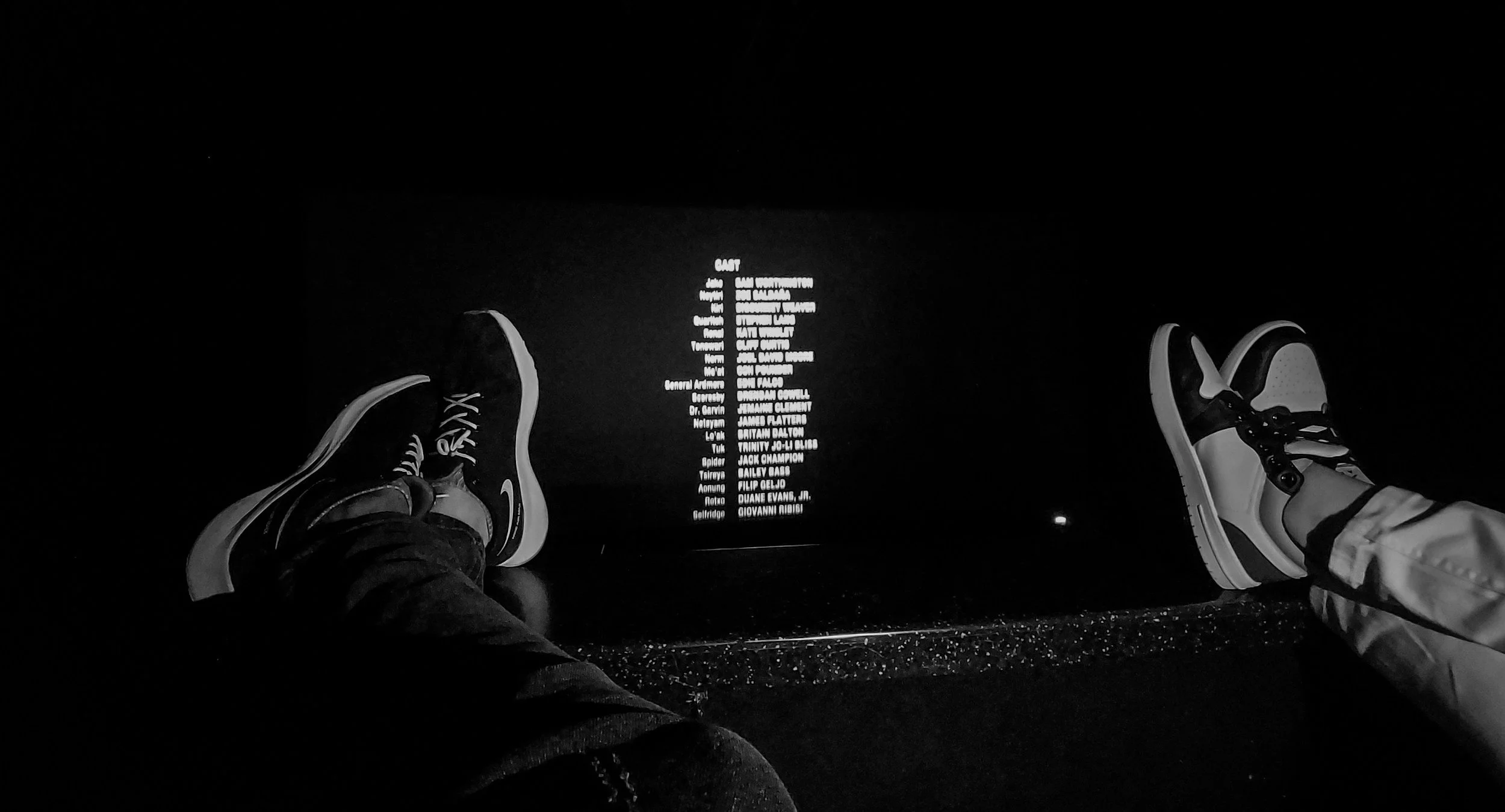
The end of the movie but not the end of your pain? Contact us today. All you have to lose is the pain!
The SI joint requires massive stability. "Form closure" refers to the interlocking shapes of the bones and the dense ligaments holding them together. "Force closure" refers to the dynamic, active compression provided by your muscles (like the glutes and lats) squeezing the joint shut during movement.
The Hypermobility Failure
Particularly common in post-partum women due to the hormone relaxin, the ligaments stretch and the joint moves too much. Without force closure from strong glutes to hold the bones together, the joint shears violently with every step, causing severe inflammation.
The Hypomobility Lock
Common in desk workers, the joint can become rigidly locked or slightly rotated out of alignment (an upslip or torsion). This physical locking jams the cartilaginous surfaces together, completely shutting down the natural shock-absorbing micro-movements and triggering massive spasms in the lower back muscles.
Clinical Red Flags
The Fortin Finger Test: The patient can point with one single finger directly to the PSIS (the bony dimple on the lower back) as the absolute epicenter of the pain.
Transitional Pain: A sharp, breathtaking jolt of pain when rolling over in bed, getting out of a low car, or standing up from a desk.
The Single-Leg Stance Test: Standing on one leg to put on pants or shoes is intensely painful or feels structurally weak.
Pseudosciatica: A deep, heavy ache that radiates into the groin or down the back of the thigh, but rarely travels below the knee into the calf.
Positive Provocation Cluster: Specific orthopedic tests (like the Thigh Thrust or Distraction Test) actively reproduce the familiar, sharp pelvic pain.
Primary Source Proof
Review the Clinical Evidence on PubMed supporting advanced differential diagnosis and stabilization for pelvic girdle pain:
Diagnosis and Treatment of Pelvic Girdle Pain (National Institutes of Health)
Motor Control and Myofascial Slings in Pelvic Stability (National Institutes of Health)
The Rehab Mechanics Corrective Protocol
Phase 1 — Load Modification
Utilizing Muscle Energy Techniques (MET)—gentle, patient-assisted isometric contractions—to coax a locked or rotated pelvic bone back into perfect, symmetrical alignment without forceful cracking.
Applying deep myofascial release to the piriformis and lower back erectors that have locked into a rigid, protective spasm around the failing joint.
Modifying daily habits, such as providing a specialized SIJ belt for hypermobile patients to mechanically lock the joint, allowing the inflamed ligaments to calm down.
Phase 2 — Pelvic Fortification
Activating the deep transverse abdominis (TvA) to act as a biological weight belt, violently compressing the SI joints together from the front.
Resurrecting the dormant gluteus maximus, ensuring the massive hip muscles actively squeeze the back of the pelvic ring shut (restoring Force Closure).
Correcting asymmetrical sitting habits (like crossing legs or sitting on a wallet) to prevent the pelvis from torquing out of alignment.
Phase 3 — Gait Retraining / Mechanics Correction
Re-training the Posterior Oblique Sling (the functional connection between the latissimus dorsi and the opposite glute). This fascial "X" across the back must fire synergistically to stabilize the SI joint during walking.
Addressing any functional leg-length discrepancies caused by a dropped arch or stiff ankle, which unevenly loads the pelvis.
Improving step cadence to reduce the vertical, jarring impact transferred through the SI joint with every foot strike.
Phase 4 — Return-to-Activity Strategy
Progressing to heavy, unilateral (one-sided) exercises like Bulgarian split squats and asymmetrical farmer's carries to build robust, real-world pelvic stability.
Reintegrating dynamic, rotational movements (like tennis or golf swings) under strict biomechanical supervision to ensure the SI joint remains locked down during athletic torque.
Establishing a permanent self-management routine focusing on gluteal power and core stiffness.
Related Conditions We Treat
Lumbar Disc Herniation
Sciatica / Pseudosciatica
Pelvic Girdle Pain (Perinatal)
Piriformis Syndrome
Lumbar Facet Joint Syndrome
Symphysis Pubis Dysfunction (SPD)
Related Blogs
"Why Does Stretching My Tight Hamstrings Make My Lower Back Pain Worse?"
"Does Sitting All Day Cause Gluteal Amnesia and Lower Back Pain?"
"Is Debilitating Pelvic Pain Just a Normal Part of Pregnancy?"
Services Used in Treatment
Manual Therapy
Soft Tissue Release
Myofascial Release
Shockwave Therapy
Gait Retraining
Neuromuscular Re-Education
Custom Orthotics
Strengthening Programs
FAQ Section
1. Can physiotherapy assist in managing sacroiliac joint pain?
Yes. Physiotherapy supports recovery by realigning the pelvic bones and strengthening the deep core and glutes to provide the dynamic compression (force closure) needed to optimize movement.
2. Is SI joint pain the same as sciatica?
No. While SI joint pain can radiate down the leg (pseudosciatica), it is caused by pelvic instability, whereas true sciatica is caused by a compressed nerve in the lumbar spine. We accurately diagnose and address contributing factors for both.
3. Will stretching help reduce my SI joint pain?
Aggressive stretching, especially deep forward folds or yoga twists, can often make a hypermobile SI joint worse by pulling the ligaments further. We focus on stabilization and strengthening programs instead.
4. Why does my lower back hurt more when I stand up from a chair?
Transitioning from sitting to standing requires a massive transfer of weight through the SI joint. If the joint is locked or unstable, this sudden sheer force triggers sharp pain.
5. How does core strength support my pelvis?
The deep core muscles wrap around your midsection like a corset. When contracted, they squeeze the SI joints tightly together, helping reduce mechanical overload and providing a stable foundation for the spine.
6. Do I need an SI joint belt?
For highly unstable or hypermobile joints (often seen in post-partum women), an SI belt can provide temporary mechanical compression, supporting recovery while we build your own muscular brace.
7. Can custom orthotics help balance my pelvis?
Yes. If poor foot mechanics (like a severely dropped arch on one side) are creating an uneven leg length, custom orthotics can help level the foundation and optimize movement through the pelvic ring.
8. How long does it take to stabilize the SI joint?
While manual therapy can often provide immediate relief for a locked joint, building the muscular "force closure" to keep it stable typically requires 6 to 8 weeks of consistent neuromuscular re-education.
How Physiotherapy Helps
Reducing tissue irritation through targeted joint alignment
Correcting pelvic drop and rotational torsion
Improving cadence and load transfer during walking
Strengthening stabilizers in the deep core and gluteal complex
Reducing mechanical overload on the pelvic ligaments
Improving foot mechanics to level the kinetic chain foundation
Contact Us Today — All you have to lose is the pain
Book a comprehensive biomechanical assessment with our clinical team today. Located inside the Prime Medical Centre at 68 Abell Street, Queen West.
Email: info@rehabmechanics.com Phone: (416) 533-3900
About the Author
Mr. Sanjay Attwala (B.Sc., M.Sc., RPT) is a Registered Physiotherapist, clinical director, and the founder of Rehab Mechanics in Toronto. With over 15 years of registered clinical practice and a deep specialization in complex musculoskeletal rehabilitation, Sanjay synthesizes rigorous international academic training with advanced evidence-based therapeutics to guide his clinical practice and patient education initiatives.
Academic Background & Credentials
Master of Science (M.Sc.) in Physiotherapy – University of Keele, United Kingdom (2010).
Bachelor of Science (B.Sc.) – University of Waterloo, Ontario, Canada.
Registered Physiotherapist (RPT) – Regulated health professional in excellent standing with the College of Physiotherapists of Ontario (CPO).
Corporate Entity – Operating officially under the S. Attwala Physiotherapy Professional Corporation with a DBA of Rehab Mechanics.
Clinical Expertise & Philosophy
Sanjay’s clinical approach rejects passive symptom management in favor of identifying underlying biomechanical root causes. His diverse expertise spans advanced manual therapies, personalized corrective exercise prescription, and modern physical modalities. At the Rehab Mechanics Toronto Queen West clinic, he routinely diagnoses and treats complex conditions including:
Spinal & Discogenic Pathology – Cervical, thoracic, and lumbar disc injuries, sciatica, and sacroiliac joint (SIJ) dysfunction.
Upper & Lower Extremity Injuries – Rotator cuff tears, frozen shoulder, tennis/golfer’s elbow, carpal tunnel syndrome, and complex ankle/foot pathologies.
Perinatal & Pelvic Health Rehabilitation – Specialized assessment and rehabilitation protocols tailored specifically for women during pregnancy and the post-partum period, addressing pelvic girdle pain, diastasis recti, and core stabilization.
Specialized Rehabilitation – Pelvic health therapy, TMJ dysfunction, post-surgical rehabilitation (including Total Hip and Total Knee Replacements), and custom orthotics dispensing.
Shockwave Therapy: with advanced cutting edge technological devices to suit your needs.
Interdisciplinary Practice & Patient Care
Sanjay practices an integrated model of healthcare, working closely alongside medical doctors inside the Prime Medical Centre on Abell Street to streamline patient recovery pathways. He maintains a human-centric, communication-first clinical framework, ensuring that care remains fully customized rather than automated.
His clinical caseload encompasses a broad operational spectrum under Ontario's regulatory frameworks, including:
Motor Vehicle Accident (MVA) Claims – Rehabilitation navigating Ontario’s statutory accident benefits schedule.
Workplace Safety and Insurance Board (WSIB) – Occupational injury management and return-to-work screening.
Extended Health Care (EHC) & Private Practice – Multi-tier insurance coordination and long-term athletic development plans.
Commitment to Research & Community
Outside of his clinical caseload at Rehab Mechanics and his additional practice affiliations in Etobicoke, Sanjay is an active health writer and community educator. He translates contemporary peer-reviewed medical research into accessible, actionable guidance on his professional blog. As a dedicated father and husband, he mirrors his professional advice in his personal life, focusing on structural mobility, cross-training, and longevity to help his family and his community thrive. Naturally he takes he a keen interest in rehabilitation for women who are pregnant and post-partum.
Disclaimer: The information provided on this blog is intended for educational and informational purposes only. It does not constitute medical advice, diagnosis, or a treatment plan. Always seek the direct advice of a Registered Physiotherapist, physician, or other qualified health provider regarding any medical condition or physical rehabilitation routine.
Be sure to check out Rehab Mechanics’ Google My Business Profile for daily posts, location and directions in addition to the directions on the website!
We love interacting with prospective and current patients, and love honest feedback and even constructive criticism and areas for improvement!
Why Do My Deep Muscle Knots Keep Coming Back After a Massage?
Muscle knots, or myofascial trigger points, are localized areas of muscular spasm resulting from biomechanical overload and poor posture. These knots frequently present as deep, burning aches in the upper back or neck. Physiotherapy assists in managing this condition by addressing the underlying structural mechanics and releasing fascial tension. The biomechanical root cause is typically a postural collapse that forces upper-body muscles to overwork, locking them into a continuous state of contraction.
The Patient’s Story
For professionals working in Queen West and Liberty Village, extreme muscle tension is a daily reality. The constant stress of deadlines combined with ten-hour days hunched over a laptop invariably leads to burning, rock-hard lumps in the upper back and shoulder blades. Patients often book a massage to address the pain; while it feels incredible for a day, by the time they take a weekend walk through Trinity Bellwoods or jump on a bike along the Martin Goodman Trail, the exact same burning knot returns in the exact same spot. The pain typically starts as a dull ache and worsens into a sharp, restrictive tension that makes turning the head or lifting the arms highly uncomfortable.
Structural / Biomechanical Analysis
The Microscopic Lock (The Sarcomere)
A muscle knot is not a tangled clump of fibers; it is a chemical lock-up. Muscle fibers are made of millions of tiny contracting units called sarcomeres. When overloaded, these units run out of oxygen and lock into a permanent state of contraction, creating a palpable nodule under the skin.
The Postural Overload
The upper trapezius and levator scapulae muscles act as emergency parking brakes for the head. When the head translates forward toward a monitor, these muscles must contract continuously at maximum force to stop the head from falling forward.
The Joint Compression Pattern
Because the muscles are constantly clenched, they pull aggressively on the cervical and thoracic spine. This compresses the facet joints in the neck and mid-back, causing referred pain and further triggering protective muscle spasms.
The Tipping Point (Kinetic Chain Failure)
The tipping point occurs when the lower body and core fail to support the upper body. If the pelvis drops or the core weakens during seated posture, the upper back is forced to round forward, guaranteeing the return of the muscle knots regardless of how much massage therapy is applied.
Clinical Red Flags
A localized, rock-hard nodule that produces a sharp, "twitch" response when compressed.
Pain that remains present at rest, disrupting sleep or focus.
A positive mechanical loading test (e.g., sharp pain when resisting downward pressure on the shoulders).
Diffuse, radiating pain that travels up into the base of the skull, causing tension headaches.
Inability to rotate the cervical spine past 45 degrees without sharp, catching pain.
Primary Source Proof
Review the Clinical Evidence on PubMed: Effectiveness of Manual Therapy and Corrective Exercise in Myofascial Pain Syndrome (National Institutes of Health)
The Rehab Mechanics Corrective Protocol
Phase 1 — Load Modification
Utilizing ischemic compression to safely release the locked sarcomeres and restore blood flow to the starving tissue.
Modifying workstation ergonomics to reduce the immediate gravitational load on the cervical spine.
Implementing frequent, micro-doses of movement throughout the workday to prevent blood pooling.
Phase 2 — Pelvic Fortification
Strengthening the deep core to stabilize the pelvis, ensuring the spine sits on a neutral foundation.
Activating the gluteal muscles to prevent anterior pelvic tilt, which naturally straightens the thoracic spine.
Using diaphragmatic breathing drills to regulate intra-abdominal pressure and reduce upper-chest tension.
Phase 3 — Gait Retraining / Mechanics Correction
Restoring thoracic extension mobility so the upper back does not hunch forward during walking or running.
Addressing arm swing mechanics during gait to ensure the shoulders are not held rigidly elevated.
Strengthening the lower trapezius to pull the shoulder blades down and back.
Phase 4 — Return-to-Activity Strategy
Progressing to heavy, loaded carries (like farmer's walks) to build biological endurance in the postural muscles.
Reintegrating complex, full-body movements to support recovery and optimize movement.
Establishing a long-term self-management routine to address contributing factors independently.
Related Conditions We Treat
Myofascial Pain Syndrome
Cervicogenic Headaches
Thoracic Outlet Syndrome
Cervical Radiculopathy
Scapular Dyskinesis
Fibromyalgia
Related Blogs
"The 'Tech Neck' Trigger Point: How Posture Creates Unbreakable Knots"
"Can Muscle Knots Become Permanent? Understanding Tangled Fascia"
"Does Poor Posture Cause Sharp Pain in the Middle of the Back?"
Services Used in Treatment
Manual Therapy
Soft Tissue Release
Myofascial Release
Shockwave Therapy
Gait Retraining
Neuromuscular Re-Education
Custom Orthotics
Strengthening Programs
FAQ Section
1. Can physiotherapy assist in managing chronic muscle knots? Yes. Physiotherapy supports recovery by addressing the biomechanical faults that cause the muscles to overwork. By improving posture and stabilizing the spine, we help reduce the frequency and intensity of muscle spasms.
2. Why does massage only provide temporary relief? Massage addresses the symptom (the tight muscle) but not the cause (the postural collapse). We help optimize movement and strengthen stabilizers to address the root contributing factors.
3. Will stretching help reduce my muscle knots? Aggressive stretching can sometimes irritate an already exhausted muscle. We focus on soft tissue release and load modification to safely restore tissue length.
4. How does pelvic alignment affect upper back knots? The pelvis is the foundation of the spine. If the pelvis tilts improperly, the entire spine rounds forward, placing massive mechanical overload on the neck and shoulder muscles.
5. Can shockwave therapy assist with deep trigger points? Yes. Shockwave therapy can help reduce tissue irritation and stimulate local blood flow, supporting the recovery of chronic, fibrotic muscle knots.
6. How long does it take to see progress? With consistent neuromuscular re-education and strengthening programs, many patients notice an improved ability to maintain comfortable posture within a few weeks.
7. Should I use heat or ice on my muscle knots? Heat can help reduce perceived tension and improve blood flow, but addressing the mechanical overload through physiotherapy is required for long-term management.
8. Can poor gait mechanics cause upper back pain? Yes. A rigid or asymmetrical walking pattern forces the upper body to compensate, which can lead to muscular overload in the shoulders and neck.
How Physiotherapy Helps
Reducing tissue irritation through targeted soft tissue release
Correcting pelvic drop to stabilize the spinal foundation
Improving cadence and walking mechanics
Strengthening stabilizers in the mid-back and core
Reducing mechanical overload on the cervical spine
Improving foot mechanics to absorb upward shock
Contact Us Today — All you have to lose is the pain
Book a comprehensive biomechanical assessment with our clinical team today. Located inside the Prime Medical Centre at 68 Abell Street, Queen West. Email: info@rehabmechanics.com Phone: (416) 533-3900
About the Author
Mr. Sanjay Attwala (B.Sc., M.Sc., RPT) is a Registered Physiotherapist, clinical director, and the founder of Rehab Mechanics in Toronto. With over 15 years of registered clinical practice and a deep specialization in complex musculoskeletal rehabilitation, Sanjay synthesizes rigorous international academic training with advanced evidence-based therapeutics to guide his clinical practice and patient education initiatives.
Academic Background & Credentials
Master of Science (M.Sc.) in Physiotherapy – University of Keele, United Kingdom (2010).
Bachelor of Science (B.Sc.) – University of Waterloo, Ontario, Canada.
Registered Physiotherapist (RPT) – Regulated health professional in excellent standing with the College of Physiotherapists of Ontario (CPO).
Corporate Entity – Operating officially under the S. Attwala Physiotherapy Professional Corporation with a DBA of Rehab Mechanics.
Clinical Expertise & Philosophy
Sanjay’s clinical approach rejects passive symptom management in favor of identifying underlying biomechanical root causes. His diverse expertise spans advanced manual therapies, personalized corrective exercise prescription, and modern physical modalities. At the Rehab Mechanics Toronto Queen West clinic, he routinely diagnoses and treats complex conditions including:
Spinal & Discogenic Pathology – Cervical, thoracic, and lumbar disc injuries, sciatica, and sacroiliac joint (SIJ) dysfunction.
Upper & Lower Extremity Injuries – Rotator cuff tears, frozen shoulder, tennis/golfer’s elbow, carpal tunnel syndrome, and complex ankle/foot pathologies.
Perinatal & Pelvic Health Rehabilitation – Specialized assessment and rehabilitation protocols tailored specifically for women during pregnancy and the post-partum period, addressing pelvic girdle pain, diastasis recti, and core stabilization.
Specialized Rehabilitation – Pelvic health therapy, TMJ dysfunction, post-surgical rehabilitation (including Total Hip and Total Knee Replacements), and custom orthotics dispensing.
Shockwave Therapy: with advanced cutting edge technological devices to suit your needs.
Interdisciplinary Practice & Patient Care
Sanjay practices an integrated model of healthcare, working closely alongside medical doctors inside the Prime Medical Centre on Abell Street to streamline patient recovery pathways. He maintains a human-centric, communication-first clinical framework, ensuring that care remains fully customized rather than automated.
His clinical caseload encompasses a broad operational spectrum under Ontario's regulatory frameworks, including:
Motor Vehicle Accident (MVA) Claims – Rehabilitation navigating Ontario’s statutory accident benefits schedule.
Workplace Safety and Insurance Board (WSIB) – Occupational injury management and return-to-work screening.
Extended Health Care (EHC) & Private Practice – Multi-tier insurance coordination and long-term athletic development plans.
Commitment to Research & Community
Outside of his clinical caseload at Rehab Mechanics and his additional practice affiliations in Etobicoke, Sanjay is an active health writer and community educator. He translates contemporary peer-reviewed medical research into accessible, actionable guidance on his professional blog. As a dedicated father and husband, he mirrors his professional advice in his personal life, focusing on structural mobility, cross-training, and longevity to help his family and his community thrive. Naturally he takes he a keen interest in rehabilitation for women who are pregnant and post-partum.
Disclaimer: The information provided on this blog is intended for educational and informational purposes only. It does not constitute medical advice, diagnosis, or a treatment plan. Always seek the direct advice of a Registered Physiotherapist, physician, or other qualified health provider regarding any medical condition or physical rehabilitation routine.
Be sure to check out Rehab Mechanics’ Google My Business Profile for daily posts, location and directions in addition to the directions on the website!
We love interacting with prospective and current patients, and love honest feedback and even constructive criticism and areas for improvement!
Do I Really Need to Do My Prescribed Home Physiotherapy Exercises?
Skipping prescribed home physiotherapy exercises is one of the leading causes of delayed recovery. While in-clinic treatments help reduce acute symptoms and improve joint mobility, consistent home exercises support the long-term structural remodeling of tissues. The biomechanical root cause of recurring injuries is the failure to build adequate load capacity through daily mechanotransduction, leaving the body vulnerable to the same stresses.
The Patient’s Story
A common scenario at Rehab Mechanics in Queen West involves active patients experiencing profound relief after a clinical session, only to return a week later complaining that their stiffness has crept back after running through High Park or walking the dog in Liberty Village. When asked if they completed their prescribed home exercise program, the answer is frequently a sheepish, "I didn't have time." Parkdale creatives and Financial District professionals often find themselves caught in the "167-Hour" trap—spending one hour healing in the clinic, and 167 hours falling back into the repetitive, poor postures that caused the injury in the first place.
Structural / Biomechanical Analysis
Mechanotransduction (The Tissue Response)
Tendons, ligaments, and muscle fibers adapt to stress through a biological process called mechanotransduction. When you perform a specific resistance exercise, your cells convert that mechanical stretch into biochemical signals. These signals instruct your body to produce new, healthy collagen fibers to thicken the tissue and support recovery.
The Tipping Point of Non-Compliance
The cellular signal that triggers collagen production only lasts about 36 to 48 hours after an exercise session. If you only exercise once a week in the clinic, your tissues spend five days in a dormant state, causing structural progress to halt entirely.
Neuromuscular Re-Education
Chronic pain physically changes motor pathways, causing you to move dysfunctionally to avoid discomfort. Manual therapy alone cannot rewire a brain. To overwrite old, painful movement habits with healthy motor engrams, the nervous system requires thousands of repetitions.
The Joint Compression Pattern
Without daily home exercises, the weak stabilizing muscles quickly fatigue. This allows joints to slip back into harmful compression patterns under the constant stress of gravity, irritating the tissue all over again.
Clinical Red Flags
Rapid return of joint stiffness within 48 hours of clinical treatment.
Inability to progress to heavier loads during in-clinic testing over several weeks.
Persistent pain at rest despite consistent manual therapy.
Loss of motor control or shaking during isolated muscle activation tests.
Diffuse, wandering aches indicating generalized muscular deconditioning rather than an isolated, healing injury.
Primary Source Proof
Review the Clinical Evidence on PubMed: The Impact of Home Exercise Compliance on Long-Term Functional Outcomes in Musculoskeletal Physiotherapy (National Institutes of Health)
The Rehab Mechanics Corrective Protocol
Phase 1 — Load Modification
Prescribing "micro-doses" of movement. These are highly specific isometric holds that take less than 60 seconds, performed multiple times a day.
Preventing tissue stiffness without causing fatigue or overwhelming a busy schedule.
Utilizing simple visual cues at your desk to remind you to check your posture.
Phase 2 — Pelvic Fortification
Re-establishing the foundation by waking up deep core and gluteal stabilizers.
Implementing daily, low-barrier activation drills performed at home to support pelvic neutrality.
Addressing underlying mobility restrictions that limit home exercise performance.
Phase 3 — Gait Retraining / Mechanics Correction
Progressively increasing the load, volume, and complexity of the home exercises.
Challenging the nervous system to overwrite faulty movement patterns during functional tasks.
Regular in-clinic audits of your home exercise form to ensure optimal mechanics.
Phase 4 — Return-to-Activity Strategy
Transitioning isolated home exercises into complex, real-world movements (like squats, deadlifts, and loaded carries).
Building the biological endurance necessary so that healthy mechanics become a permanent, protective habit.
Graduating patients to a self-managed, long-term strengthening routine.
Related Conditions We Treat
Post-Surgical Rehabilitation
Chronic Lower Back Pain
Tendinopathies (Achilles, Patellar, Gluteal)
Post-Concussion Syndrome
Chronic Ankle Instability
Scapular Dyskinesis
Related Blogs
"Does Sitting All Day Cause Gluteal Amnesia and Lower Back Pain?"
"Can Physiotherapy Stop the Progression of Degenerative Disc Disease?"
"Why Do My Deep Muscle Knots Keep Coming Back After a Massage?"
Services Used in Treatment
Neuromuscular Re-Education
Strengthening Programs
Gait Retraining
Manual Therapy
Soft Tissue Release
Myofascial Release
Custom Orthotics
Shockwave Therapy
FAQ Section
1. Can doing my home exercises assist in managing my pain faster? Yes. Consistent home exercises support recovery by maintaining the mobility and muscular activation achieved during your in-clinic sessions, preventing setbacks between visits.
2. What if my prescribed exercises cause discomfort? Muscle fatigue is normal, but sharp pain is not. We can help reduce irritation by adjusting the volume, load, or modifying the movement to better optimize your mechanics.
3. How often should I do my home physiotherapy program? It depends on the tissue being treated. Tendons often need a day of rest between heavy loading, while postural activation drills are often prescribed daily to support continuous neuromuscular re-education.
4. Why is manual therapy not enough on its own? Manual therapy is excellent for reducing tissue irritation and improving mobility, but it does not build strength. Your body needs active mechanical loading to strengthen stabilizers and address contributing factors long-term.
5. How long will I need to do these exercises? Once you have rebuilt your tissue capacity, we aim to transition these exercises into your normal fitness routine so you can optimize movement in your daily life without needing a separate "rehab" program.
6. Do I need special equipment for home exercises? No. We initially design programs using body weight, gravity, and simple resistance bands to ensure there are no barriers to completing your routine at home.
7. How do home exercises support post-surgical recovery? After surgery, muscles atrophy quickly. Daily home exercises are vital to re-establish neuromuscular pathways and rebuild the foundational strength needed to support the healing joint.
8. What if I don't have time to exercise every day? We assist in managing this by prescribing "micro-doses" of movement that take mere minutes, allowing you to seamlessly integrate rehab into a busy Toronto schedule.
How Physiotherapy Helps
Strengthening stabilizers to maintain joint alignment
Reducing mechanical overload through improved tissue capacity
Correcting compensatory movement patterns
Improving neuromuscular control and reflex timing
Reducing tissue irritation by building resilience
Optimizing movement for long-term health
Contact Us Today — All you have to lose is the pain
Book a comprehensive biomechanical assessment with our clinical team today. Located inside the Prime Medical Centre at 68 Abell Street, Queen West. Email: info@rehabmechanics.com Phone: (416) 533-3900
About the Author
Mr. Sanjay Attwala (B.Sc., M.Sc., RPT) is a Registered Physiotherapist, clinical director, and the founder of Rehab Mechanics in Toronto. With over 15 years of registered clinical practice and a deep specialization in complex musculoskeletal rehabilitation, Sanjay synthesizes rigorous international academic training with advanced evidence-based therapeutics to guide his clinical practice and patient education initiatives.
Academic Background & Credentials
Master of Science (M.Sc.) in Physiotherapy – University of Keele, United Kingdom (2010).
Bachelor of Science (B.Sc.) – University of Waterloo, Ontario, Canada.
Registered Physiotherapist (RPT) – Regulated health professional in excellent standing with the College of Physiotherapists of Ontario (CPO).
Corporate Entity – Operating officially under the S. Attwala Physiotherapy Professional Corporation with a DBA of Rehab Mechanics.
Clinical Expertise & Philosophy
Sanjay’s clinical approach rejects passive symptom management in favor of identifying underlying biomechanical root causes. His diverse expertise spans advanced manual therapies, personalized corrective exercise prescription, and modern physical modalities. At the Rehab Mechanics Toronto Queen West clinic, he routinely diagnoses and treats complex conditions including:
Spinal & Discogenic Pathology – Cervical, thoracic, and lumbar disc injuries, sciatica, and sacroiliac joint (SIJ) dysfunction.
Upper & Lower Extremity Injuries – Rotator cuff tears, frozen shoulder, tennis/golfer’s elbow, carpal tunnel syndrome, and complex ankle/foot pathologies.
Perinatal & Pelvic Health Rehabilitation – Specialized assessment and rehabilitation protocols tailored specifically for women during pregnancy and the post-partum period, addressing pelvic girdle pain, diastasis recti, and core stabilization.
Specialized Rehabilitation – Pelvic health therapy, TMJ dysfunction, post-surgical rehabilitation (including Total Hip and Total Knee Replacements), and custom orthotics dispensing.
Shockwave Therapy: with advanced cutting edge technological devices to suit your needs.
Interdisciplinary Practice & Patient Care
Sanjay practices an integrated model of healthcare, working closely alongside medical doctors inside the Prime Medical Centre on Abell Street to streamline patient recovery pathways. He maintains a human-centric, communication-first clinical framework, ensuring that care remains fully customized rather than automated.
His clinical caseload encompasses a broad operational spectrum under Ontario's regulatory frameworks, including:
Motor Vehicle Accident (MVA) Claims – Rehabilitation navigating Ontario’s statutory accident benefits schedule.
Workplace Safety and Insurance Board (WSIB) – Occupational injury management and return-to-work screening.
Extended Health Care (EHC) & Private Practice – Multi-tier insurance coordination and long-term athletic development plans.
Commitment to Research & Community
Outside of his clinical caseload at Rehab Mechanics and his additional practice affiliations in Etobicoke, Sanjay is an active health writer and community educator. He translates contemporary peer-reviewed medical research into accessible, actionable guidance on his professional blog. As a dedicated father and husband, he mirrors his professional advice in his personal life, focusing on structural mobility, cross-training, and longevity to help his family and his community thrive. Naturally he takes he a keen interest in rehabilitation for women who are pregnant and post-partum.
Disclaimer: The information provided on this blog is intended for educational and informational purposes only. It does not constitute medical advice, diagnosis, or a treatment plan. Always seek the direct advice of a Registered Physiotherapist, physician, or other qualified health provider regarding any medical condition or physical rehabilitation routine.
Be sure to check out Rehab Mechanics’ Google My Business Profile for daily posts, location and directions in addition to the directions on the website!
We love interacting with prospective and current patients, and love honest feedback and even constructive criticism and areas for improvement!
Does the Grinding Sound in My Neck Mean I Have Severe Arthritis?
No. The grinding or "sandpaper" sound in your neck (crepitus) is usually caused by stiff facet joints and gas bubbles shifting in the joint fluid, not bone-on-bone arthritis. Physiotherapy resolves this by releasing suboccipital tension, mobilizing locked cervical joints, and correcting "Tech Neck" to restore silent, smooth spinal motion.
The Terror of the "Sandpaper" Spine
In the digital workspaces of Liberty Village and Toronto's Financial District, professionals spend thousands of hours staring downward at monitors and smartphones. Aside from the inevitable muscle stiffness and tension headaches, this posture often produces a highly disturbing physical symptom.
When these patients attempt to roll their head in a circle or turn their neck to check a blind spot while driving, they hear a loud, gritty, grinding, or "sandpaper-like" noise originating deep inside their spine. Sometimes it sounds like Rice Krispies popping right at the base of the skull.
The medical term for this sound is crepitus. For a patient, hearing their own spine grind is incredibly frightening. The immediate, terrifying assumption is that their neck cartilage has completely disintegrated, that they are grinding raw bone-on-bone, and that they are suffering from severe, irreversible Cervical Osteoarthritis.
At Rehab Mechanics in Queen West, we frequently encounter patients who are terrified to move their necks out of fear that they are "destroying their spine." We want to deliver profound clinical reassurance: in the vast majority of cases, a noisy neck is an annoying mechanical issue, not a dangerous degenerative disease. By unlocking the stiffened spinal joints and reversing the postural collapse of "Tech Neck," expert physical therapy can silence the grinding and restore frictionless mobility.
Structural Analysis: The Mechanics of a Noisy Neck
To conquer the fear of movement, we must perform a detailed biomechanical and acoustic analysis of the cervical spine to understand exactly what is making the noise.
The Anatomy of the Cervical Facet Joints
Your neck consists of seven vertebrae (C1 to C7). At the back of each vertebra, there are tiny, overlapping hinges called the facet joints.
The Joint Capsule: These tiny joints dictate how your neck moves. They are encased in a watertight capsule filled with thick, lubricating synovial fluid.
The Normal Glide: In a healthy neck, these joints slide perfectly over one another, allowing silent, smooth rotation and bending.
The Three Causes of Neck Crepitus
When the mechanics of the neck break down due to poor posture, the environment inside and around these joints changes drastically, leading to three distinct sources of noise.
1. Cavitation (The Harmless "Pop")
This is the same phenomenon as "cracking" your knuckles.
When your neck is locked in a forward-head posture for hours, the pressure inside the synovial fluid of the facet joints builds up.
When you finally stretch or turn your head sharply, the joint capsule stretches, causing a rapid pressure drop. This forms tiny bubbles of nitrogen and carbon dioxide gas within the fluid, which instantly collapse (pop), creating a loud clicking or popping sound. This is completely harmless.
2. Tendon Snapping (The "Clunk")
Your neck is wrapped in thick, powerful muscles (like the upper trapezius and levator scapulae).
When you sit with rounded shoulders, these muscles lock into dense, rigid spasms.
As you roll your head, the tight, rigid tendons physically snap back and forth over the bony edges of the vertebrae, creating a loud, dull "clunking" sound. The noise is simply a tight guitar string snapping over a bone.
3. Facet Joint Stiffness (The "Sandpaper" Grind)
This is the noise that terrifies patients into thinking they have arthritis.
The "Rusty Hinge": When the facet joints are jammed in a slouched position for years, the synovial fluid dries up, and the joint capsules become stiff and fibrotic.
The Friction: When you finally try to move the stiff joint, the surfaces do not glide smoothly. The rough, stiffened tissue rubs together, creating a gritty, grinding, "sandpaper" sound. While it sounds like bone grinding on bone, it is usually just highly restricted, dry connective tissue dragging against itself.
Identifying the Clinical Red Flags: Crepitus vs. Danger
A noisy neck is almost always harmless unless it is accompanied by specific neurological symptoms.
Safe Crepitus: Loud popping, grinding, or snapping that is accompanied by general muscle stiffness but no sharp pain.
Dangerous Crepitus (Radiculopathy): If the grinding sound is immediately accompanied by a sharp, electrical shock of pain shooting down your shoulder blade, into your arm, or causing numbness in your fingers, the structural space for the nerve is compromised (stenosis or a herniated disc). This requires immediate clinical intervention.
Primary Source Proof: Cervical Kinematics
Orthopedic literature confirms that asymptomatic cervical crepitus is a normal physiological phenomenon, often exacerbated by joint stiffness, and that targeted manual joint mobilization effectively restores fluid dynamics and normalizes cervical kinematics.
Note: The link above directs to external, peer-reviewed medical literature demonstrating our commitment to evidence-based practice and international clinical guidelines for spinal rehabilitation.
The Rehab Mechanics "Silencing" Protocol
We cannot stop your neck from occasionally popping, but we can eliminate the severe stiffness and grinding by radically overhauling your cervical posture and joint mobility.
Phase 1: Joint Unlocking and Fluid Restoration
We must physically un-jam the "rusty hinges" to restore the lubricating synovial fluid.
Cervical Joint Mobilization: Our Registered Physiotherapists use precise, gentle Grade II and III manual glides to free up the stiffened facet joints of the neck. Restoring the micro-movement of these joints acts like WD-40, pulling fresh fluid into the joint capsule and silencing the sandpaper grind.
Suboccipital Release: We apply targeted, deep ischemic compression to the base of the skull to melt away the dense muscle spasms that are snapping over the bones.
Phase 2: Restoring the Thoracic Foundation
Your neck cannot move silently if your upper back is frozen in a slouch.
Thoracic Extension Mobilization: Utilizing high-grade joint manipulations and foam roller drills to forcefully restore the ability of your mid-back to arch backward. If the mid-back moves correctly, the neck does not have to strain and grind to look upward.
Pectoral Myofascial Release: Lengthening the tight chest muscles that are physically dragging the shoulder blades forward and jamming the lower neck.
Phase 3: Deep Cervical Fortification
We must build the biological endurance necessary to hold your head perfectly balanced over your spine.
Deep Cervical Flexor (DCF) Activation: The tiny muscles in the front of your throat act as the core of your neck. We use specific biofeedback drills to re-awaken these crucial stabilizers. When the DCF fires properly, it automatically pulls the head back over the shoulders, decompressing the facet joints.
Lower Trapezius Endurance: Implementing targeted rows and prone holds to build massive endurance in the lower shoulder blades, physically anchoring the shoulders down and away from the ears, preventing the tight tendons from snapping.
Move Without Fear
You do not have to live in fear of your own spine. By diagnosing the mechanical cause of your neck crepitus and reversing the forces of "Tech Neck," expert physical therapy can restore smooth, frictionless movement to your joints.
Book a comprehensive spinal biomechanical assessment with our clinical team today. We are conveniently located inside the Prime Medical Centre at 68 Abell Street, offering advanced orthopedic recovery in Queen West.
Contact us to schedule your appointment:
Email: info@rehabmechanics.com
Phone: (416) 533-3900
About the Author
Mr. Sanjay Attwala (B.Sc., M.Sc., RPT) is a Registered Physiotherapist, clinical director, and the founder of Rehab Mechanics in Toronto. With over 15 years of registered clinical practice and a deep specialization in complex musculoskeletal rehabilitation, Sanjay synthesizes rigorous international academic training with advanced evidence-based therapeutics to guide his clinical practice and patient education initiatives.
Academic Background & Credentials
Master of Science (M.Sc.) in Physiotherapy – University of Keele, United Kingdom (2010).
Bachelor of Science (B.Sc.) – University of Waterloo, Ontario, Canada.
Registered Physiotherapist (RPT) – Regulated health professional in excellent standing with the College of Physiotherapists of Ontario (CPO).
Corporate Entity – Operating officially under the S. Attwala Physiotherapy Professional Corporation with a DBA of Rehab Mechanics.
Clinical Expertise & Philosophy
Sanjay’s clinical approach rejects passive symptom management in favor of identifying underlying biomechanical root causes. His diverse expertise spans advanced manual therapies, personalized corrective exercise prescription, and modern physical modalities. At the Rehab Mechanics Toronto Queen West clinic, he routinely diagnoses and treats complex conditions including:
Spinal & Discogenic Pathology – Cervical, thoracic, and lumbar disc injuries, sciatica, and sacroiliac joint (SIJ) dysfunction.
Upper & Lower Extremity Injuries – Rotator cuff tears, frozen shoulder, tennis/golfer’s elbow, carpal tunnel syndrome, and complex ankle/foot pathologies.
Perinatal & Pelvic Health Rehabilitation – Specialized assessment and rehabilitation protocols tailored specifically for women during pregnancy and the post-partum period, addressing pelvic girdle pain, diastasis recti, and core stabilization.
Specialized Rehabilitation – Pelvic health therapy, TMJ dysfunction, post-surgical rehabilitation (including Total Hip and Total Knee Replacements), and custom orthotics dispensing.
Shockwave Therapy: with advanced cutting edge technological devices to suit your needs.
Interdisciplinary Practice & Patient Care
Sanjay practices an integrated model of healthcare, working closely alongside medical doctors inside the Prime Medical Centre on Abell Street to streamline patient recovery pathways. He maintains a human-centric, communication-first clinical framework, ensuring that care remains fully customized rather than automated.
His clinical caseload encompasses a broad operational spectrum under Ontario's regulatory frameworks, including:
Motor Vehicle Accident (MVA) Claims – Rehabilitation navigating Ontario’s statutory accident benefits schedule.
Workplace Safety and Insurance Board (WSIB) – Occupational injury management and return-to-work screening.
Extended Health Care (EHC) & Private Practice – Multi-tier insurance coordination and long-term athletic development plans.
Commitment to Research & Community
Outside of his clinical caseload at Rehab Mechanics and his additional practice affiliations in Etobicoke, Sanjay is an active health writer and community educator. He translates contemporary peer-reviewed medical research into accessible, actionable guidance on his professional blog. As a dedicated father and husband, he mirrors his professional advice in his personal life, focusing on structural mobility, cross-training, and longevity to help his family and his community thrive. Naturally he takes he a keen interest in rehabilitation for women who are pregnant and post-partum.
Disclaimer: The information provided on this blog is intended for educational and informational purposes only. It does not constitute medical advice, diagnosis, or a treatment plan. Always seek the direct advice of a Registered Physiotherapist, physician, or other qualified health provider regarding any medical condition or physical rehabilitation routine.
Be sure to check out Rehab Mechanics’ Google My Business Profile for daily posts, location and directions in addition to the directions on the website!
We love interacting with prospective and current patients, and love honest feedback and even constructive criticism and areas for improvement!