Is My Shoulder Pain a Rotator Cuff Tear or Just Tendinopathy?
A deep ache in the shoulder during lifting often mimics a torn rotator cuff, but it is frequently just tendinopathy or impingement. Rushing to an MRI is often unnecessary. Physiotherapy assists in managing this condition by correcting scapular dyskinesis, decompressing the subacromial space, and utilizing targeted eccentric loading to safely rebuild the irritated tendon without surgical intervention.
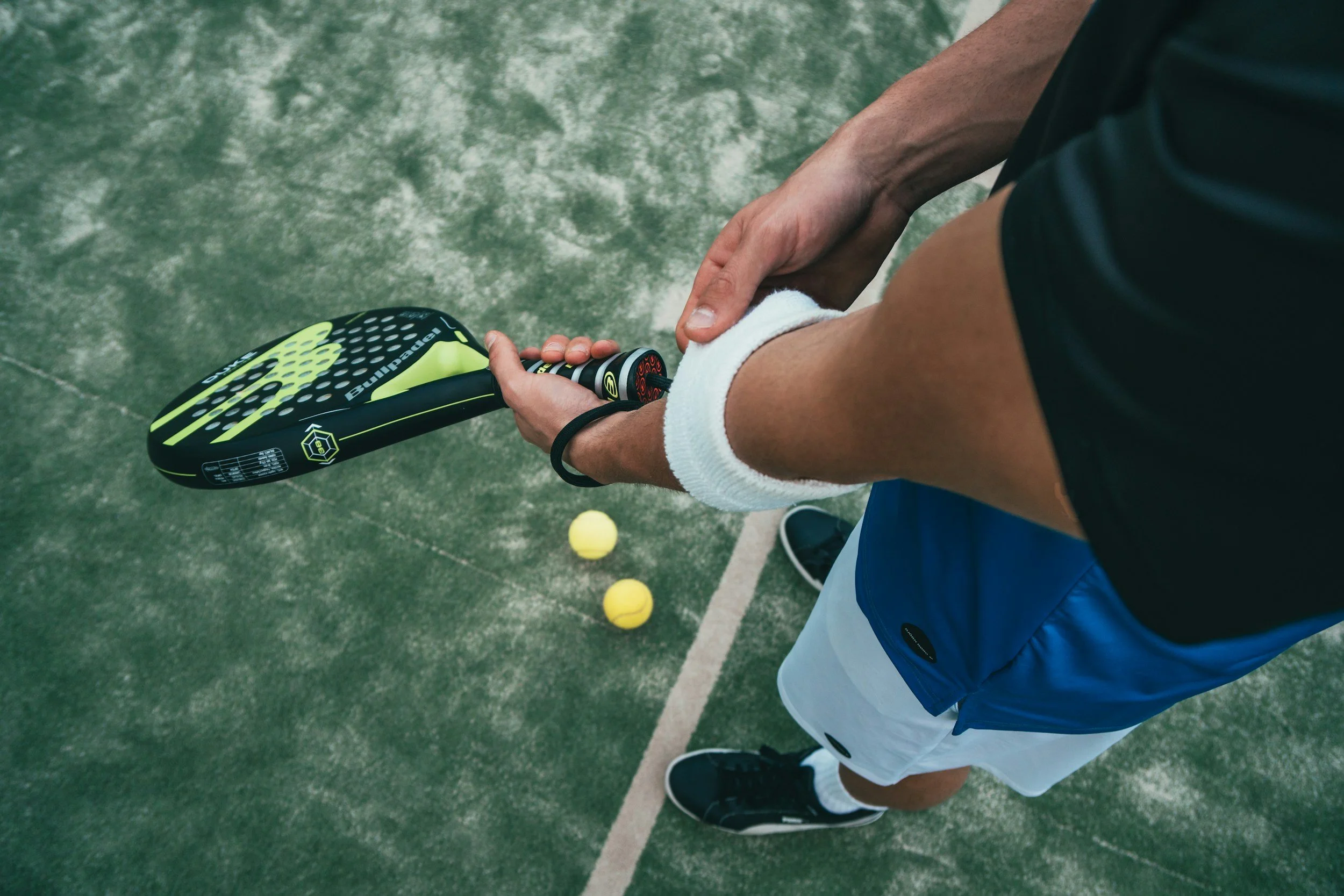
You know it is bad when you cannot put these “cuffs” on…
The Patient’s Story
For the highly driven athletic community in Liberty Village and the professionals in Queen West, shoulder health dictates their ability to stay active. Whether executing heavy overhead presses at a local CrossFit box or carrying a heavy commuter bag on the TTC, the shoulder endures relentless, daily stress.
When a sudden, deep ache develops inside the shoulder—especially one that spikes sharply when lifting a weight or reaching into the back seat of a car—the immediate reaction is usually sheer panic. Patients frantically search for an MRI, terrified that they have suffered a massive, catastrophic tear of their rotator cuff that will require invasive surgery and months of immobilization.
At Rehab Mechanics, we frequently intervene to stop this panic. In sports medicine, we emphasize advanced clinical testing over immediate imaging because a massive percentage of healthy, pain-free adults actually have partial rotator cuff tears on their MRIs. The pain you are experiencing is highly likely to be Rotator Cuff Tendinopathy (cellular decay from overuse) or Subacromial Impingement. By actively rebuilding your shoulder blade mechanics and progressively loading the tendon, expert physiotherapy can silence the pain and restore your overhead power entirely non-operatively.
Structural / Biomechanical Analysis
To understand why your shoulder hurts so intensely without being fully torn, we must perform a detailed biomechanical analysis of the rotator cuff and the narrow tunnel it must navigate.
The Anatomy of the Rotator Cuff
The rotator cuff is a group of four small muscles (Supraspinatus, Infraspinatus, Teres Minor, Subscapularis).
The Dynamic Depressors: Their absolute primary job is not to lift the arm; it is to actively pull the ball of the shoulder bone downward and hold it perfectly centered in the socket while the larger muscles (like the deltoid) do the lifting.
The Fraying Process (Tendinosis vs. Tear)
Most shoulder pain is not a sudden rupture; it is a gradual breakdown of the tissue.
The Impingement Zone: The supraspinatus tendon must travel through a narrow bony tunnel at the top of the shoulder.
The Friction: If the rotator cuff is fatigued, it fails to pull the ball downward. The arm bone slides upward too early, physically crushing the tendon against the bony roof (acromion).
Cellular Decay: This relentless, repetitive crushing causes microscopic tears. The tendon becomes thick, swollen, and chemically inflamed (tendinitis), eventually degenerating into a state of chaotic scar tissue (tendinosis). It feels like a massive tear because the highly sensitive tissue is being constantly pinched.
The Tipping Point: Scapular Dyskinesis
Why did the rotator cuff fail in the first place? It is almost always a failure of the foundation: the shoulder blade (scapula).
The Hunch: Sitting at a desk rounds the upper back and pulls the shoulder blade forward and downward.
The Biomechanical Block: When the shoulder blade is stuck in this position, the bony roof over the rotator cuff physically drops. The subacromial tunnel is instantly narrowed, virtually guaranteeing that the tendon will be crushed the next time you lift your arm overhead.
Clinical Red Flags
We differentiate between an inflamed, irritated tendon (tendinopathy) and a massive structural tear through precise mechanical testing:
The Painful Arc: A sharp, breathtaking pinch specifically occurring midway through lifting the arm out to the side (between 60 and 120 degrees), which signifies impingement of a swollen tendon.
Weakness vs. Pain Inhibition: If you cannot physically lift the arm against gravity (the "Drop Arm" sign), it may indicate a full-thickness tear. If you can lift it, but it just hurts intensely, it is likely tendinopathy.
Night Pain: A deep, throbbing ache that makes it impossible to sleep on the affected shoulder is a hallmark of an inflamed subacromial bursa or highly irritated tendon.
Passive vs. Active Freedom: If a physiotherapist can easily lift your relaxed arm overhead without a hard, bony block, you do not have a frozen shoulder, confirming the issue is muscular/tendinous.
Primary Source Proof
Orthopedic consensus strongly dictates that structured, active physiotherapy is the highly effective, first-line standard of care for rotator cuff tendinopathy and partial tears, successfully preventing unnecessary surgical interventions.
Review the Clinical Evidence on PubMed: Efficacy of Exercise Therapy in the Management of Rotator Cuff Tendinopathy (National Institutes of Health)
Review the Clinical Evidence on PubMed: Non-Operative Treatment of Partial-Thickness Rotator Cuff Tears (National Institutes of Health)
Review the Clinical Evidence on PubMed: The Role of Scapular Kinematics in Subacromial Pain Syndrome (National Institutes of Health)
The Rehab Mechanics Corrective Protocol
Treating tendinopathy requires progressive, active mechanical load. Resting the shoulder in a sling will only cause the tendon to weaken and atrophy further.
Phase 1 — Load Modification and Decompression
Subacromial Space Creation: We must stop the crushing force immediately. Our physiotherapists apply intense ischemic compression to the pectoralis minor (chest) to stop it from dragging the shoulder blade forward, instantly creating more room for the tendon.
Pain-Free Isometrics: We utilize sub-maximal static holds (pushing the arm against a wall without moving). Isometrics are scientifically proven to drop the pain signals in an angry tendon without irritating the joint through friction.
Phase 2 — Pelvic and Scapular Fortification
Serratus Anterior Activation: Implementing targeted "scapular push-ups" and wall slides to re-awaken the muscle that holds the shoulder blade tight to the ribcage.
Thoracic Spine Unlocking: Utilizing high-grade joint manipulations to forcefully restore mid-back extension. If the upper back is upright, the shoulder blade can rotate backward smoothly out of the arm's way.
Phase 3 — Gait Retraining / Mechanics Correction (Rotator Cuff Loading)
Heavy Slow Resistance (HSR): Once the impingement is cleared, we must physically rebuild the frayed tendon. We prescribe slow, heavy eccentric (lowering) movements. This heavy tension forces the chaotic scar tissue to remodel into thick, healthy, parallel collagen fibers.
Rhythmic Stabilization: We apply unexpected, rapid pushes to your arm while you hold it in space. Your nervous system must react instantly, training the rotator cuff to automatically center the ball in the socket.
Phase 4 — Return-to-Activity Strategy
Overhead Kinetic Integration: Progressing to heavy overhead pressing, kettlebell snatches, and dynamic athletic movements.
Energy Transfer Coaching: Ensuring that the power for a heavy lift comes from the hips and core, preventing the fragile shoulder from absorbing isolated, sheer stress.
Related Conditions We Treat
Rotator Cuff Tears (Partial & Full)
Subacromial Impingement Syndrome
Adhesive Capsulitis (Frozen Shoulder)
Scapular Dyskinesis
Biceps Tendinopathy
Thoracic Outlet Syndrome
Related Blogs
"Do I Really Need Another Cortisone Shot for My Shoulder, or Is There a Better Way?"
"Is My Stabbing Shoulder Pain a Torn Rotator Cuff or a Frozen Shoulder?"
"Can Physiotherapy Fix Shoulder Impingement Without Surgery?"
Services Used in Treatment
Manual Therapy
Soft Tissue Release
Myofascial Release
Shockwave Therapy
Gait Retraining
Neuromuscular Re-Education
Custom Orthotics
Strengthening Programs
FAQ Section
1. Can physiotherapy assist in managing rotator cuff tendinopathy?
Yes. Physiotherapy supports recovery by addressing the poor shoulder blade mechanics causing the impingement and utilizing progressive resistance to structurally rebuild the irritated tendon without surgery.
2. Should I get an MRI for my aching shoulder?
In many non-traumatic cases, an immediate MRI is unnecessary and can cause undue anxiety over normal, age-related wear. We utilize precise clinical testing to diagnose and assist in managing the mechanical pain directly.
3. Why does my shoulder hurt more at night?
Inflammatory fluid pools in the joint when you are inactive, and lying on the shoulder physically compresses the irritated bursa and tendon. We help address contributing factors by optimizing sleep posture and reducing daytime friction.
4. Can I still lift weights if I have rotator cuff pain?
Yes, but load modification is critical. We will temporarily guide you toward pain-free, neutral-grip exercises while we aggressively strengthen stabilizers in your mid-back to support a safe return to overhead lifting.
5. How does a tight chest cause back-of-shoulder pain?
Tight chest muscles pull your shoulders forward, overstretching and exhausting the muscles in your upper back. We utilize soft tissue release to open the chest, naturally reducing mechanical overload on the rotator cuff.
6. What are the best exercises for a fraying tendon?
Tendons heal best with Heavy Slow Resistance (HSR), specifically emphasizing the eccentric (lowering) phase. This type of loading supports recovery by forcing the body to lay down new, healthy collagen fibers.
7. Is frozen shoulder the same as a rotator cuff tear?
No. A tear causes profound weakness when trying to lift the arm, whereas a frozen shoulder is a severe thickening of the joint capsule that creates an absolute, physical block to movement. We assist in managing both distinctly.
8. How long does it take for a tendon to heal?
Tendons have poor blood supply and heal slowly. While postural corrections provide rapid pain relief, structurally remodeling the collagen matrix typically requires 8 to 12 weeks of consistent neuromuscular re-education.
How Physiotherapy Helps
Reducing tissue irritation through targeted subacromial decompression
Correcting pelvic and thoracic posture to support the shoulder blade
Improving cadence and total-body kinetic linking
Strengthening stabilizers in the serratus anterior and lower trapezius
Reducing mechanical overload on the vulnerable supraspinatus tendon
Improving foot mechanics to build a strong lifting foundation
Contact Us Today — All you have to lose is the pain
Book a comprehensive biomechanical shoulder assessment with our clinical team today. Located inside the Prime Medical Centre at 68 Abell Street, Queen West.
Email: info@rehabmechanics.com Phone: (416) 533-3900
About the Author
Mr. Sanjay Attwala (B.Sc., M.Sc., RPT) is a Registered Physiotherapist, clinical director, and the founder of Rehab Mechanics in Toronto. With over 15 years of registered clinical practice and a deep specialization in complex musculoskeletal rehabilitation, Sanjay synthesizes rigorous international academic training with advanced evidence-based therapeutics to guide his clinical practice and patient education initiatives.
Academic Background & Credentials
Master of Science (M.Sc.) in Physiotherapy – University of Keele, United Kingdom (2010).
Bachelor of Science (B.Sc.) – University of Waterloo, Ontario, Canada.
Registered Physiotherapist (RPT) – Regulated health professional in excellent standing with the College of Physiotherapists of Ontario (CPO).
Corporate Entity – Operating officially under the S. Attwala Physiotherapy Professional Corporation with a DBA of Rehab Mechanics.
Clinical Expertise & Philosophy
Sanjay’s clinical approach rejects passive symptom management in favor of identifying underlying biomechanical root causes. His diverse expertise spans advanced manual therapies, personalized corrective exercise prescription, and modern physical modalities. At the Rehab Mechanics Toronto Queen West clinic, he routinely diagnoses and treats complex conditions including:
Spinal & Discogenic Pathology – Cervical, thoracic, and lumbar disc injuries, sciatica, and sacroiliac joint (SIJ) dysfunction.
Upper & Lower Extremity Injuries – Rotator cuff tears, frozen shoulder, tennis/golfer’s elbow, carpal tunnel syndrome, and complex ankle/foot pathologies.
Perinatal & Pelvic Health Rehabilitation – Specialized assessment and rehabilitation protocols tailored specifically for women during pregnancy and the post-partum period, addressing pelvic girdle pain, diastasis recti, and core stabilization.
Specialized Rehabilitation – Pelvic health therapy, TMJ dysfunction, post-surgical rehabilitation (including Total Hip and Total Knee Replacements), and custom orthotics dispensing.
Shockwave Therapy: with advanced cutting edge technological devices to suit your needs.
Interdisciplinary Practice & Patient Care
Sanjay practices an integrated model of healthcare, working closely alongside medical doctors inside the Prime Medical Centre on Abell Street to streamline patient recovery pathways. He maintains a human-centric, communication-first clinical framework, ensuring that care remains fully customized rather than automated.
His clinical caseload encompasses a broad operational spectrum under Ontario's regulatory frameworks, including:
Motor Vehicle Accident (MVA) Claims – Rehabilitation navigating Ontario’s statutory accident benefits schedule.
Workplace Safety and Insurance Board (WSIB) – Occupational injury management and return-to-work screening.
Extended Health Care (EHC) & Private Practice – Multi-tier insurance coordination and long-term athletic development plans.
Commitment to Research & Community
Outside of his clinical caseload at Rehab Mechanics and his additional practice affiliations in Etobicoke, Sanjay is an active health writer and community educator. He translates contemporary peer-reviewed medical research into accessible, actionable guidance on his professional blog. As a dedicated father and husband, he mirrors his professional advice in his personal life, focusing on structural mobility, cross-training, and longevity to help his family and his community thrive. Naturally he takes he a keen interest in rehabilitation for women who are pregnant and post-partum.
Disclaimer:
The information provided on this blog is intended for educational and informational purposes only. It does not constitute medical advice, diagnosis, or a treatment plan. Always seek the direct advice of a Registered Physiotherapist, physician, or other qualified health provider regarding any medical condition or physical rehabilitation routine.
Google MyBusiness for Instant Posts, Photos, Updates, Offers and Communication
Be sure to check out Rehab Mechanics’ Google My Business Profile for daily posts, location and directions in addition to the directions on the website!
We love interacting with prospective and current patients, and love honest feedback and even constructive criticism and areas for improvement!