
Can Shockwave Therapy Replace PRP Injections for Chronic Tendinitis?
Yes. Extracorporeal Shockwave Therapy (ESWT) is a highly effective, non-invasive alternative to PRP injections. Physiotherapy utilizes these acoustic waves to biologically regenerate degenerated tendons, stimulating massive neovascularization to structurally support recovery without the pain and risks of invasive needle procedures.
The Needle vs. The Sound Wave
In the highly active and intensely demanding environments of Toronto's Queen West, Liberty Village, and the Financial District, chronic tendon injuries are a daily reality. Whether it is a severe case of tennis elbow from typing 10 hours a day, Achilles tendinopathy from marathon training, or debilitating plantar fasciitis, tendon pain has a notorious reputation for being incredibly stubborn.
When months of passive rest, ice, and generic stretching fail to provide relief, frustrated patients frequently begin researching regenerative sports medicine. They inevitably stumble upon Platelet-Rich Plasma (PRP) injections—a procedure where a doctor extracts your blood, spins it down, and injects the concentrated healing factors directly into your painful tendon with a needle.
While PRP can be effective, it is highly invasive, exceptionally expensive, and causes a significant spike in acute post-injection pain. At Rehab Mechanics, we offer a non-invasive, technologically advanced alternative that achieves the exact same biological goal: Extracorporeal Shockwave Therapy (ESWT). By harnessing the power of high-energy acoustic sound waves, our specialized physiotherapists can physically shatter scar tissue and biologically restart the stalled healing process of your tendons without ever piercing the skin.
Structural / Biomechanical Analysis
To understand how sound waves can regenerate tissue as effectively as a blood injection, we must perform a deep cellular analysis of chronic tendinopathy and the science of mechanotransduction.
The Cellular Decay (Tendinosis)
Cellular Decay
Why do chronic tendon injuries refuse to heal?
The Avascular Nature: Tendons (like the Achilles or the lateral epicondyle in the elbow) have notoriously terrible blood supply.
Failed Healing: When a tendon is repetitively overloaded, it sustains micro-tears. Because there is little blood flow to deliver healing nutrients, the body patches the tears with chaotic, weak, disorganized scar tissue.
The "Dead" Tissue: Chronic tendinitis is rarely inflamed; it is actually in a state of active cellular decay (tendinosis). The tendon physically thickens, loses its elasticity, and becomes choked with dysfunctional nerve endings.
The Biological Goal: Neovascularization
To cure a "dead" tendon, you must force the body to supply it with fresh blood. This is the exact premise of both PRP injections and Shockwave Therapy: create a localized trauma that tricks the body into hitting the "re-start" button on the healing cascade.
The Shockwave Solution (Mechanotransduction)
Extracorporeal Shockwave Therapy (ESWT) achieves this biologically without a needle.
The Acoustic Hammer: The ESWT device generates high-energy, rapid acoustic sound waves that travel safely through the skin and hit the dense, fibrotic scar tissue deep inside the tendon.
Micro-Trauma and Fragmentation: These sound waves act like a microscopic jackhammer. They physically break down the disorganized scar tissue and shatter any calcium deposits (calcific tendinitis) that have formed.
Cellular Regeneration: The mechanical force of the sound waves is converted into chemical signals by your cells (a process called mechanotransduction). The body is triggered to release growth factors (like VEGF) which stimulate the growth of brand-new capillary blood vessels (neovascularization) directly into the starving tendon.
Clinical Red Flags
Shockwave therapy is a powerful clinical tool, but it must be applied to the correct pathology. We look for these clinical signs indicating a tendon is ready for regenerative intervention:
The Chronicity Factor: Pain that has been consistently present and unchanging for greater than 3 months, completely failing standard rest and ice protocols.
The Palpable Nodule: A hard, thickened, "gristly" lump that can be physically felt on the tendon (common in the Achilles or Patellar tendon), representing thick scar tissue.
The "Warm-Up" Illusion: Pain that is severe during the first 10 minutes of activity, slowly fades as blood is forced into the area, but returns with agonizing, throbbing intensity hours after the activity stops.
Calcific Deposits: Confirmed via ultrasound or X-ray that hard calcium has formed inside the rotator cuff or heel.
Absence of Acute Rupture: We must rule out a full-thickness, acute tear of the tendon, as shockwave is designed for degenerated, intact tissue, not fully severed anatomy.
Primary Source Proof
Decades of peer-reviewed orthopedic and sports medicine literature definitively prove that high-energy Extracorporeal Shockwave Therapy is highly effective at stimulating tendon regeneration and providing long-term pain resolution, often demonstrating clinical efficacy equal to or exceeding that of PRP injections for chronic tendinopathies.
The Rehab Mechanics Corrective Protocol
Shockwave therapy is the catalyst, but biomechanical rehabilitation is the cure. We pair acoustic regeneration with an aggressive, phased mechanical loading protocol.
Phase 1 — Acoustic De-Calcification and Pain Modulation (Weeks 1-4)
ESWT Application: Administering weekly sessions of high-energy radial shockwave therapy directly to the degenerated tendon to shatter the scar tissue and trigger the massive influx of blood flow.
Pain Relief: Shockwave overstimulates the local nerve endings, dramatically dropping the concentration of Substance P (a pain neurotransmitter), providing significant, immediate pain relief after the session.
Isometric Loading: Utilizing heavy, static holds (like holding a heavy dumbbell without moving the wrist) to safely engage the muscle-tendon unit without causing painful friction.
Phase 2 — Soft Tissue De-Tethering and Pelvic Fortification
Instrument-Assisted Soft Tissue Mobilization (IASTM): Breaking down the tight, hypertonic muscle bellies located above the injured tendon (e.g., releasing the calf to take tension off the Achilles) to provide mechanical slack to the healing insertion point.
Proximal Stability: If treating the knee or foot, we aggressively strengthen the deep core and glutes. If the pelvis is stable, the lower extremity joints absorb significantly less shear force.
Phase 3 — Heavy Slow Resistance (HSR) Remodeling (Weeks 4-8)
Eccentric and Concentric Loading: This is where the structural thickening occurs. Tendons only lay down new, parallel collagen fibers under slow, heavy tension. We prescribe highly specific resistance training (e.g., 4 seconds lifting, 4 seconds lowering) to rebuild the tendon's tensile capacity.
Phase 4 — Return-to-Activity Strategy (Weeks 8+)
Energy Storage and Plyometrics: Tendons act like biological springs. Before you return to running or tennis, we must train the tendon to absorb and release kinetic energy rapidly through skipping, bounding, and rapid deceleration drills.
Biomechanical Optimization: Correcting the specific faulty movement patterns—whether it is your running gait or your desk ergonomics—that caused the tendon to degenerate in the first place.
Related Conditions We Treat
Plantar Fasciitis
Lateral Epicondylitis (Tennis Elbow)
Medial Epicondylitis (Golfer's Elbow)
Achilles Tendinopathy
Patellar Tendinopathy (Jumper's Knee)
Calcific Tendinitis of the Shoulder
Related Blogs
"Can Physiotherapy Cure Tennis Elbow If I Never Play Tennis?"
"Can Shockwave Therapy Dissolve Calcium Buildup in My Shoulder?"
"Your Achilles Heel Could Be Too Much Rest and Not Enough Physio"
Services Used in Treatment
Shockwave Therapy
Manual Therapy
Soft Tissue Release
Myofascial Release
Gait Retraining
Neuromuscular Re-Education
Custom Orthotics
Strengthening Programs
FAQ Section
1. Can shockwave therapy assist in managing chronic tendon pain?
Yes. Shockwave therapy supports recovery by utilizing acoustic energy to break down rigid, degenerated scar tissue and stimulate the growth of new blood vessels, helping to optimize the biological healing process.
2. Is shockwave therapy better than a cortisone injection?
Cortisone masks pain and is scientifically proven to weaken tendon tissue over time. We assist in managing tendinopathy using shockwave therapy because it aims to structurally regenerate the tendon rather than just suppress inflammation.
3. Does shockwave therapy hurt?
The treatment creates a deep, intense mechanical pulsing sensation that can be uncomfortable, but it is highly tolerable and adjusted to your comfort level. The minor discomfort is necessary to help reduce long-term tissue irritation.
4. How many shockwave sessions do I need?
While pain modulation can occur after the first session, stimulating meaningful cellular regeneration typically requires a protocol of 3 to 6 sessions, depending on the chronicity of the injury.
5. Do I still need to do exercises if I get shockwave therapy?
Absolutely. Shockwave provides the blood flow, but Heavy Slow Resistance (HSR) training is required to teach the new collagen fibers how to align properly. We focus on strengthening programs to build permanent resilience.
6. Can shockwave break down a bony heel spur?
Yes. ESWT acts like an acoustic hammer, making it highly effective at helping to reduce calcific deposits in the shoulder or heel, allowing the body to naturally reabsorb the fragments.
7. How long does a shockwave session take?
The actual application of the shockwave device takes only 5 to 10 minutes. It is integrated seamlessly into your broader, comprehensive physiotherapy session.
8. Are there side effects to shockwave therapy?
Side effects are minimal. You may experience slight redness, mild bruising, or a temporary ache in the treated area for 24 hours, which is the expected, desired biological response that supports recovery.
How Physiotherapy Helps
Reducing tissue irritation through acoustic neovascularization
Correcting pelvic drop to support global kinetic alignment
Improving cadence and force absorption mechanics
Strengthening stabilizers via Heavy Slow Resistance (HSR)
Reducing mechanical overload on degenerated tendon anchors
Improving foot mechanics to restore explosive spring capacity
Contact Us Today — All you have to lose is the pain
Book a comprehensive shockwave and biomechanical assessment with our clinical team today. Located inside the Prime Medical Centre at 68 Abell Street, Queen West.
Email: info@rehabmechanics.com Phone: (416) 533-3900
About the Author
Mr. Sanjay Attwala (B.Sc., M.Sc., RPT) is a Registered Physiotherapist, clinical director, and the founder of Rehab Mechanics in Toronto. With over 15 years of registered clinical practice and a deep specialization in complex musculoskeletal rehabilitation, Sanjay synthesizes rigorous international academic training with advanced evidence-based therapeutics to guide his clinical practice and patient education initiatives.
Academic Background & Credentials
Master of Science (M.Sc.) in Physiotherapy – University of Keele, United Kingdom (2010).
Bachelor of Science (B.Sc.) – University of Waterloo, Ontario, Canada.
Registered Physiotherapist (RPT) – Regulated health professional in excellent standing with the College of Physiotherapists of Ontario (CPO).
Corporate Entity – Operating officially under the S. Attwala Physiotherapy Professional Corporation with a DBA of Rehab Mechanics.
Clinical Expertise & Philosophy
Sanjay’s clinical approach rejects passive symptom management in favor of identifying underlying biomechanical root causes. His diverse expertise spans advanced manual therapies, personalized corrective exercise prescription, and modern physical modalities. At the Rehab Mechanics Toronto Queen West clinic, he routinely diagnoses and treats complex conditions including:
Spinal & Discogenic Pathology – Cervical, thoracic, and lumbar disc injuries, sciatica, and sacroiliac joint (SIJ) dysfunction.
Upper & Lower Extremity Injuries – Rotator cuff tears, frozen shoulder, tennis/golfer’s elbow, carpal tunnel syndrome, and complex ankle/foot pathologies.
Perinatal & Pelvic Health Rehabilitation – Specialized assessment and rehabilitation protocols tailored specifically for women during pregnancy and the post-partum period, addressing pelvic girdle pain, diastasis recti, and core stabilization.
Specialized Rehabilitation – Pelvic health therapy, TMJ dysfunction, post-surgical rehabilitation (including Total Hip and Total Knee Replacements), and custom orthotics dispensing.
Shockwave Therapy: with advanced cutting edge technological devices to suit your needs.
Interdisciplinary Practice & Patient Care
Sanjay practices an integrated model of healthcare, working closely alongside medical doctors inside the Prime Medical Centre on Abell Street to streamline patient recovery pathways. He maintains a human-centric, communication-first clinical framework, ensuring that care remains fully customized rather than automated.
His clinical caseload encompasses a broad operational spectrum under Ontario's regulatory frameworks, including:
Motor Vehicle Accident (MVA) Claims – Rehabilitation navigating Ontario’s statutory accident benefits schedule.
Workplace Safety and Insurance Board (WSIB) – Occupational injury management and return-to-work screening.
Extended Health Care (EHC) & Private Practice – Multi-tier insurance coordination and long-term athletic development plans.
Commitment to Research & Community
Outside of his clinical caseload at Rehab Mechanics and his additional practice affiliations in Etobicoke, Sanjay is an active health writer and community educator. He translates contemporary peer-reviewed medical research into accessible, actionable guidance on his professional blog. As a dedicated father and husband, he mirrors his professional advice in his personal life, focusing on structural mobility, cross-training, and longevity to help his family and his community thrive. Naturally he takes he a keen interest in rehabilitation for women who are pregnant and post-partum.
Disclaimer:
The information provided on this blog is intended for educational and informational purposes only. It does not constitute medical advice, diagnosis, or a treatment plan. Always seek the direct advice of a Registered Physiotherapist, physician, or other qualified health provider regarding any medical condition or physical rehabilitation routine.
Google MyBusiness for Instant Posts, Photos, Updates, Offers and Communication
Be sure to check out Rehab Mechanics’ Google My Business Profile for daily posts, location and directions in addition to the directions on the website!
We love interacting with prospective and current patients, and love honest feedback and even constructive criticism and areas for improvement!












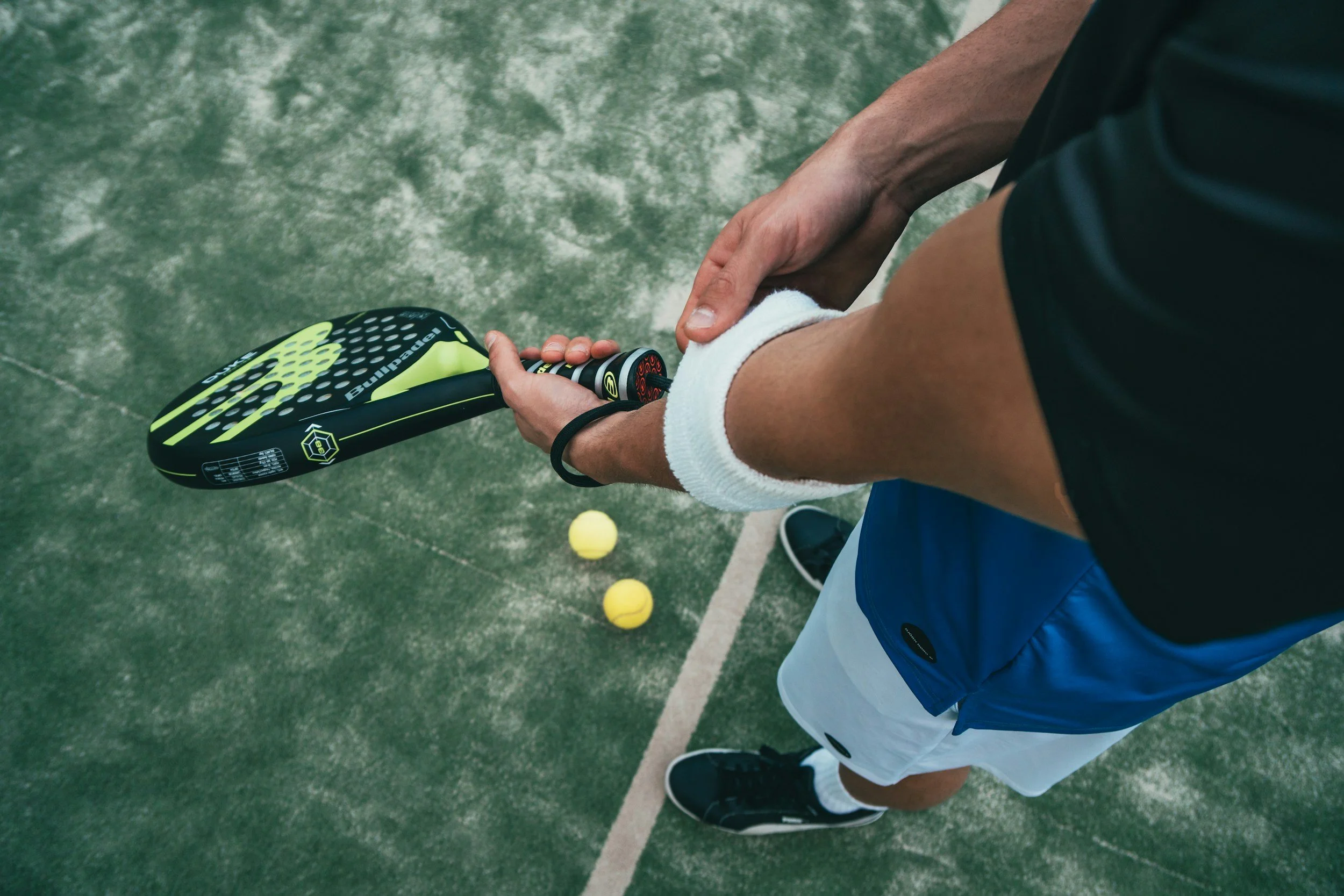


Can I Recover From Golfer's Elbow Without Quitting Weightlifting?
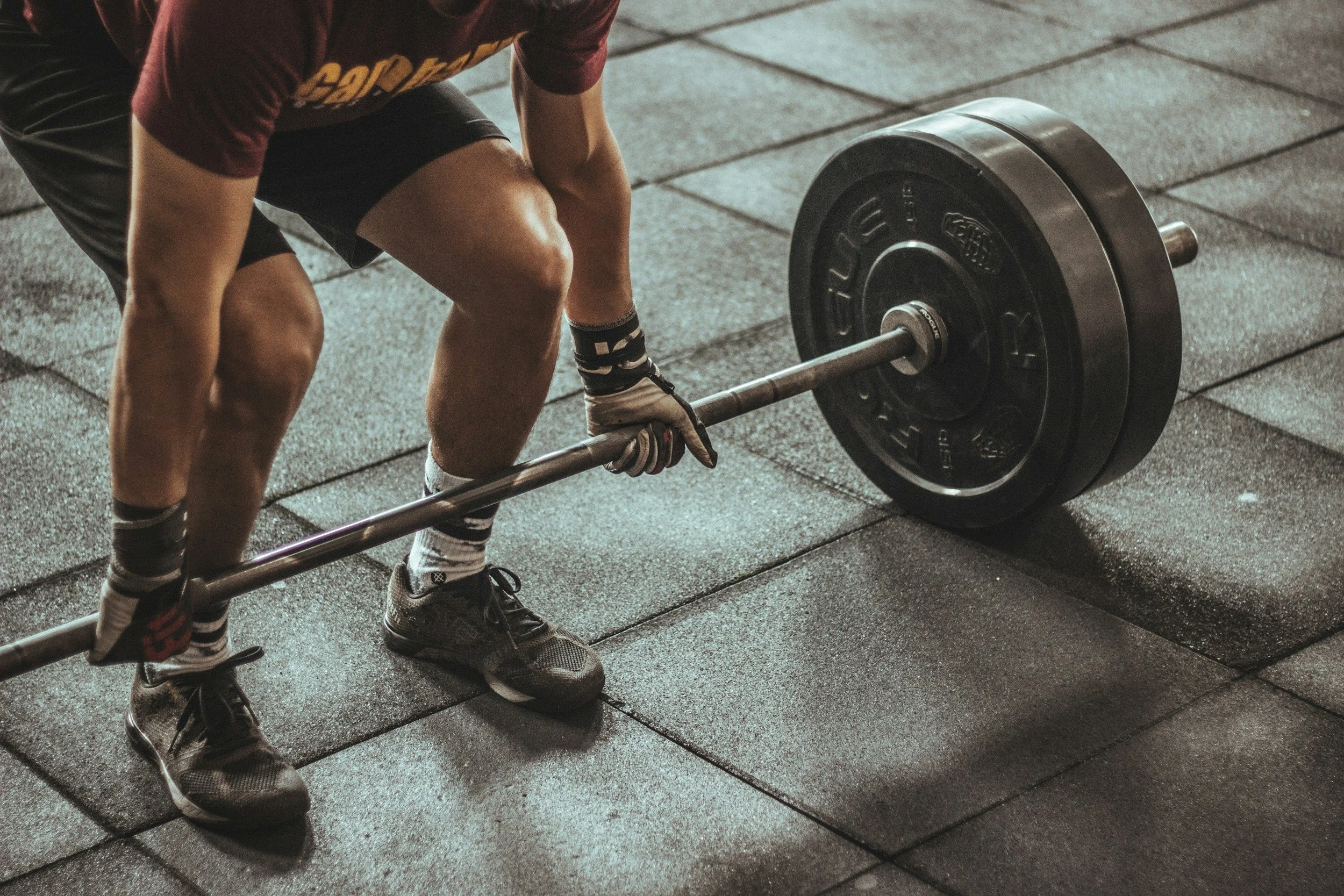
Absolute rest is detrimental to tendon healing. Medial epicondylitis (Golfer's Elbow) requires active, progressive loading to stimulate collagen repair. Physiotherapy assists in managing this condition by utilizing heavy slow resistance, isometric holds, and targeted soft tissue release to structurally rebuild the tendon, allowing you to lift weights safely while the tissue recovers.
Looking to get back to or go to Pebble Beach
The Patient’s Story
In Parkdale, Queen West, and Liberty Village, the local fitness culture is intense. Between heavy barbell deadlifts, advanced kettlebell training, rock climbing, and high-volume computer work, Toronto residents demand massive, sustained pulling power from their upper bodies.
However, this relentless demand on grip strength often results in a sharp, burning, and severely limiting pain on the inside of the elbow—a condition medically known as Medial Epicondylitis, or "Golfer's Elbow." Despite the name, the vast majority of our patients with this condition have never swung a golf club.
When inner elbow pain strikes, the traditional advice from walk-in clinics is universally frustrating: "Stop lifting weights, ice it, wear a heavy brace, and wait three months." But for an active urban professional, abandoning the gym is unacceptable and, clinically, it is the exact wrong approach. Complete rest causes tendons to atrophy and weaken. At Rehab Mechanics, we resolve Medial Epicondylitis not by resting the tendon into oblivion, but by actively remodeling it to handle heavier loads, allowing you to stay in the gym safely while you heal.
Structural / Biomechanical Analysis
To understand why passive rest fails to fix Golfer's Elbow, we must perform a detailed biomechanical analysis of the forearm flexors and the true cellular nature of chronic tendinopathy.
The Flexor-Pronator Mass
Your forearm contains a complex network of muscles that control your wrist and grip. The muscles responsible for bending your wrist forward (flexion) and turning your palm face down (pronation) all merge into a single, thick common tendon.
The Anatomical Anchor: This common flexor tendon anchors directly onto the medial epicondyle—the prominent bony bump on the inside of your elbow.
The Mechanical Overload: Every time you grip a heavy deadlift bar, perform a pull-up, or even type furiously on an un-ergonomic keyboard, massive tension is transferred through these muscles directly into that small bony attachment.
The Pathology of Tendinopathy (Tendinosis)
Golfer's elbow is rarely an acute, inflammatory "tendinitis." It is almost always a chronic, degenerative "tendinosis."
Failed Cellular Healing
When the flexor tendon is overloaded repetitively, it sustains microscopic tears.
The Chaotic Repair: Instead of laying down strong, perfectly parallel Type I collagen fibers to fix the tears, an exhausted body patches the area with weak, disorganized Type III scar tissue.
Angiofibroblastic Degeneration: The tendon physically thickens, loses its elasticity, and becomes infiltrated with highly sensitive, dysfunctional nerve endings and weak, chaotic blood vessels. It is actively decaying, not just inflamed.
The Valgus Stress Factor
In sports and lifting, poor shoulder or wrist mechanics often create "valgus stress"—a lateral, outward-pulling force on the elbow joint.
If your shoulder lacks external rotation during a heavy lift, your elbow is forced to flare out. This violently yanks on the medial epicondyle with every repetition, drastically accelerating the tendon degeneration.
Clinical Red Flags
We differentiate tendinopathy from a simple muscle ache or a ligament sprain by looking for specific, highly localized mechanical failures:
Exquisite Point Tenderness: Breathtaking, sharp pain specifically when pressing a thumb directly into the bony bump on the inside of the elbow.
Pain with Resisted Flexion: Severe pain triggered in the elbow when a therapist asks you to aggressively curl your wrist forward against their resistance.
The Grip Drop: A sudden, inexplicable loss of absolute grip strength, making a previously easy dumbbell feel dangerously heavy or causing you to drop a coffee mug.
Morning Stiffness: The inner elbow joint feels incredibly rigid, achy, and "crunchy" for the first 30 minutes after waking up.
Ulnar Nerve Symptoms: Occasional tingling in the pinky and ring fingers, as the ulnar nerve runs directly behind the inflamed medial epicondyle (Cubital Tunnel overlap).
Primary Source Proof
Orthopedic research explicitly supports progressive, heavy mechanical loading over passive rest or corticosteroid injections for the long-term cure and structural remodeling of chronic tendinopathies.
Review the Clinical Evidence on PubMed: The Efficacy of Heavy Slow Resistance Training in Medial Epicondylitis (National Institutes of Health)
Review the Clinical Evidence on PubMed: Conservative Management and Eccentric Exercise in Epicondylopathy (National Institutes of Health)
Review the Clinical Evidence on PubMed: Extracorporeal Shockwave Therapy for Chronic Tendinopathies (National Institutes of Health)
The Rehab Mechanics Corrective Protocol
To cure Golfer’s Elbow, we must break down the chaotic scar tissue and stimulate the growth of new, aligned collagen fibers. We achieve this through a rigorous, phased clinical pathway while keeping you active.
Phase 1 — Pain Modulation and Neovascularization
Extracorporeal Shockwave Therapy (ESWT): Utilizing high-energy acoustic sound waves to literally shatter the fibrotic scar tissue at the medial epicondyle. This mechanical stimulus forces the body to grow new, healthy blood vessels (neovascularization) into the deadened tendon.
Isometric Loading (The Painkiller): Having you hold a heavy dumbbell in a slightly flexed wrist position without moving for 45-second intervals. Isometrics safely engage the muscle-tendon unit, rapidly signaling the brain to down-regulate pain sensitivity without irritating the joint.
Phase 2 — Pelvic Fortification and Scapular Control
Shoulder Anchoring: You cannot have strong elbows without a strong base. We strengthen the mid-back (lower trapezius and rhomboids) to ensure your shoulder blade remains stable during heavy pulling, preventing the elbow from absorbing compensatory sheer forces.
Core-to-Arm Transfer: Training the deep core to stabilize the torso, ensuring that rotational lifting power comes from the hips rather than the fragile forearm tendons.
Phase 3 — Gait Retraining / Mechanics Correction (Heavy Slow Resistance)
Eccentric Wrist Flexion: Focusing specifically on the "lowering" phase of a wrist curl. Eccentric contractions physically pull the chaotic collagen fibers into perfectly parallel alignment, rebuilding the tendon's tensile strength.
Pronation/Supination Loading: Using offset weights (like a hammer or specialized club) to strengthen the rotational muscles of the forearm, which are critical for stabilizing the elbow during heavy lifting.
Phase 4 — Return-to-Activity Strategy
Grip Modification Coaching: We teach you how to modify your grip (e.g., using lifting straps temporarily, or switching to neutral-grip pull-ups) to continue training your back and legs at 100% capacity without aggravating the medial epicondyle.
Progressive Barbell Re-Integration: Slowly reintroducing heavy deadlifts and cleans under strict biomechanical supervision to ensure the newly remodeled tendon can handle maximum load.
Related Conditions We Treat
Lateral Epicondylitis (Tennis Elbow)
Cubital Tunnel Syndrome
Carpal Tunnel Syndrome
De Quervain's Tenosynovitis
Thoracic Outlet Syndrome
Biceps Tendinopathy
Related Blogs
"Can Physiotherapy Cure Tennis Elbow If I Never Play Tennis?"
"Does Numbness in Your Pinky Finger Mean You Have Cubital Tunnel Syndrome?"
"Can Physiotherapy Cure 'Mommy Thumb' and Texting Wrist Without Cortisone?"
Services Used in Treatment
Manual Therapy
Soft Tissue Release
Myofascial Release
Shockwave Therapy
Gait Retraining
Neuromuscular Re-Education
Custom Orthotics
Strengthening Programs
FAQ Section
1. Can physiotherapy assist in managing Golfer's Elbow?
Yes. Physiotherapy supports recovery by utilizing heavy slow resistance and targeted soft tissue release to structurally rebuild the degenerated tendon, helping to optimize movement and safely restore grip strength.
2. Should I completely stop lifting weights to let my elbow heal?
No. Complete rest weakens the tendon. We assist in managing your load by modifying your grip and utilizing specific isometric exercises, ensuring you can continue training safely while the tissue recovers.
3. Is Golfer's Elbow just inflammation?
Rarely. Chronic inner elbow pain is usually tendinosis—a state of cellular decay and chaotic scar tissue formation. We focus on strengthening programs to help remodel this tissue back into healthy collagen.
4. Why does my elbow hurt more when I turn my palm down?
The muscles that pronate (turn the palm down) anchor directly to the medial epicondyle. We help reduce tissue irritation by specifically strengthening these rotational muscles with offset loading.
5. Can shockwave therapy help chronic elbow pain?
Yes. Extracorporeal Shockwave Therapy (ESWT) can help break down stubborn scar tissue and support localized blood flow, accelerating cellular repair in tendons that have failed to heal naturally.
6. Does a weak shoulder cause elbow pain?
Absolutely. If your shoulder stabilizers are weak, your elbow is forced to overwork and absorb excess valgus stress. We address contributing factors by heavily fortifying the scapular and rotator cuff muscles.
7. Are cortisone shots a good permanent fix for tendon pain?
Cortisone can provide temporary relief but is clinically proven to degrade tendon collagen over time. We support recovery through mechanical loading, which provides a much more durable, long-term biological repair.
8. How long does it take to rebuild a degenerated tendon?
Tendons have poor blood supply and heal slowly. While isometric holds provide rapid pain modulation, building the structural resilience to handle heavy deadlifts typically requires 8 to 12 weeks of consistent strengthening programs.
How Physiotherapy Helps
Reducing tissue irritation through targeted shockwave therapy
Correcting pelvic drop to support global lifting posture
Improving cadence and kinetic chain energy transfer
Strengthening stabilizers in the shoulder blade and forearm
Reducing mechanical overload on the medial epicondyle
Improving foot mechanics to anchor a stable lifting foundation
Contact Us Today — All you have to lose is the pain
Book a comprehensive upper extremity biomechanical assessment with our clinical team today. Located inside the Prime Medical Centre at 68 Abell Street, Queen West.
Email: info@rehabmechanics.com Phone: (416) 533-3900
About the Author
Mr. Sanjay Attwala (B.Sc., M.Sc., RPT) is a Registered Physiotherapist, clinical director, and the founder of Rehab Mechanics in Toronto. With over 15 years of registered clinical practice and a deep specialization in complex musculoskeletal rehabilitation, Sanjay synthesizes rigorous international academic training with advanced evidence-based therapeutics to guide his clinical practice and patient education initiatives.
Academic Background & Credentials
Master of Science (M.Sc.) in Physiotherapy – University of Keele, United Kingdom (2010).
Bachelor of Science (B.Sc.) – University of Waterloo, Ontario, Canada.
Registered Physiotherapist (RPT) – Regulated health professional in excellent standing with the College of Physiotherapists of Ontario (CPO).
Corporate Entity – Operating officially under the S. Attwala Physiotherapy Professional Corporation with a DBA of Rehab Mechanics.
Clinical Expertise & Philosophy
Sanjay’s clinical approach rejects passive symptom management in favor of identifying underlying biomechanical root causes. His diverse expertise spans advanced manual therapies, personalized corrective exercise prescription, and modern physical modalities. At the Rehab Mechanics Toronto Queen West clinic, he routinely diagnoses and treats complex conditions including:
Spinal & Discogenic Pathology – Cervical, thoracic, and lumbar disc injuries, sciatica, and sacroiliac joint (SIJ) dysfunction.
Upper & Lower Extremity Injuries – Rotator cuff tears, frozen shoulder, tennis/golfer’s elbow, carpal tunnel syndrome, and complex ankle/foot pathologies.
Perinatal & Pelvic Health Rehabilitation – Specialized assessment and rehabilitation protocols tailored specifically for women during pregnancy and the post-partum period, addressing pelvic girdle pain, diastasis recti, and core stabilization.
Specialized Rehabilitation – Pelvic health therapy, TMJ dysfunction, post-surgical rehabilitation (including Total Hip and Total Knee Replacements), and custom orthotics dispensing.
Shockwave Therapy: with advanced cutting edge technological devices to suit your needs.
Interdisciplinary Practice & Patient Care
Sanjay practices an integrated model of healthcare, working closely alongside medical doctors inside the Prime Medical Centre on Abell Street to streamline patient recovery pathways. He maintains a human-centric, communication-first clinical framework, ensuring that care remains fully customized rather than automated.
His clinical caseload encompasses a broad operational spectrum under Ontario's regulatory frameworks, including:
Motor Vehicle Accident (MVA) Claims – Rehabilitation navigating Ontario’s statutory accident benefits schedule.
Workplace Safety and Insurance Board (WSIB) – Occupational injury management and return-to-work screening.
Extended Health Care (EHC) & Private Practice – Multi-tier insurance coordination and long-term athletic development plans.
Commitment to Research & Community
Outside of his clinical caseload at Rehab Mechanics and his additional practice affiliations in Etobicoke, Sanjay is an active health writer and community educator. He translates contemporary peer-reviewed medical research into accessible, actionable guidance on his professional blog. As a dedicated father and husband, he mirrors his professional advice in his personal life, focusing on structural mobility, cross-training, and longevity to help his family and his community thrive. Naturally he takes he a keen interest in rehabilitation for women who are pregnant and post-partum.
Disclaimer:
The information provided on this blog is intended for educational and informational purposes only. It does not constitute medical advice, diagnosis, or a treatment plan. Always seek the direct advice of a Registered Physiotherapist, physician, or other qualified health provider regarding any medical condition or physical rehabilitation routine.
Google MyBusiness for Instant Posts, Photos, Updates, Offers and Communication
Be sure to check out Rehab Mechanics’ Google My Business Profile for daily posts, location and directions in addition to the directions on the website!
We love interacting with prospective and current patients, and love honest feedback and even constructive criticism and areas for improvement!
Is My Shoulder Pain a Rotator Cuff Tear or Just Tendinopathy?
A deep ache in the shoulder during lifting often mimics a torn rotator cuff, but it is frequently just tendinopathy or impingement. Rushing to an MRI is often unnecessary. Physiotherapy assists in managing this condition by correcting scapular dyskinesis, decompressing the subacromial space, and utilizing targeted eccentric loading to safely rebuild the irritated tendon without surgical intervention.
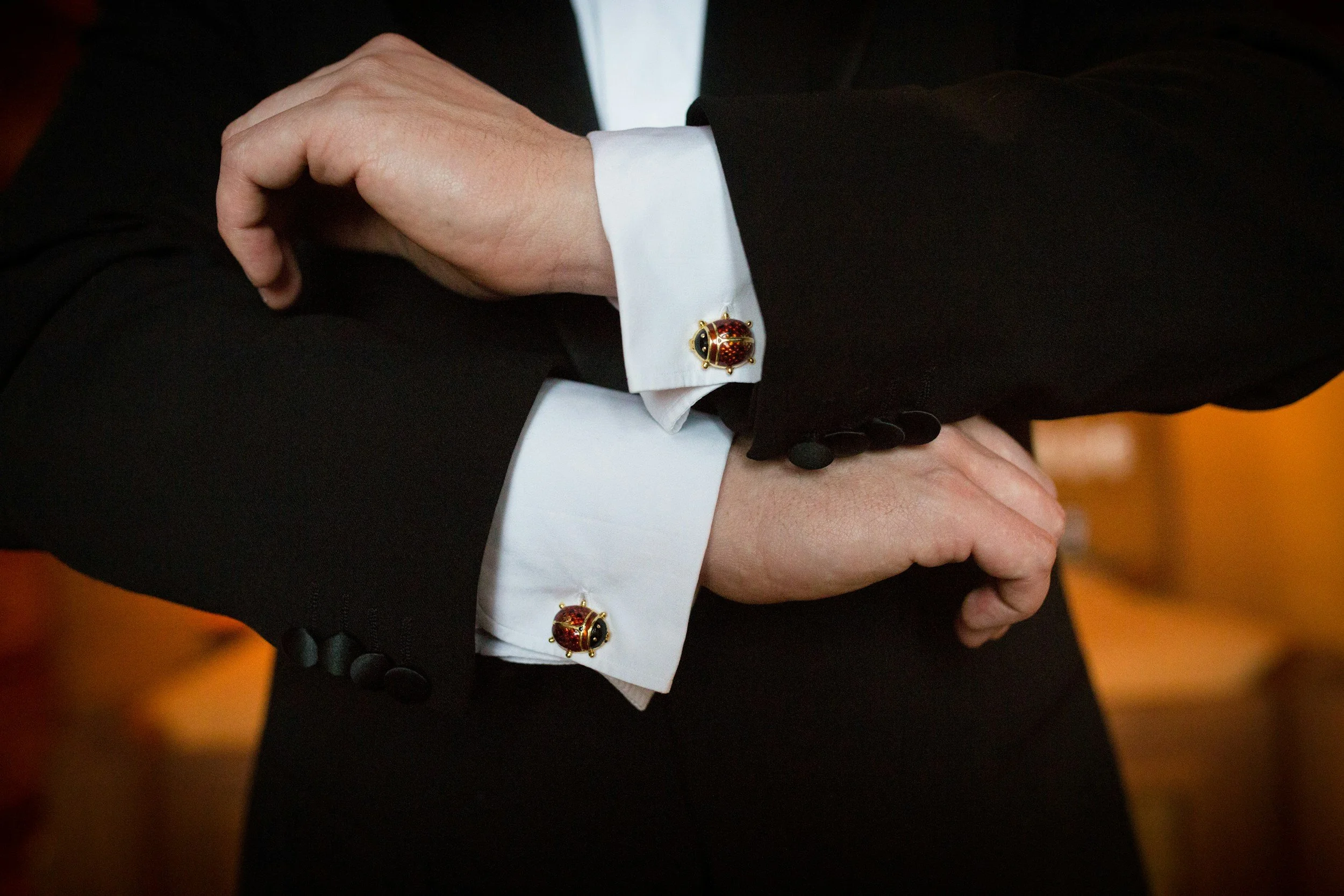
You know it is bad when you cannot put these “cuffs” on…
The Patient’s Story
For the highly driven athletic community in Liberty Village and the professionals in Queen West, shoulder health dictates their ability to stay active. Whether executing heavy overhead presses at a local CrossFit box or carrying a heavy commuter bag on the TTC, the shoulder endures relentless, daily stress.
When a sudden, deep ache develops inside the shoulder—especially one that spikes sharply when lifting a weight or reaching into the back seat of a car—the immediate reaction is usually sheer panic. Patients frantically search for an MRI, terrified that they have suffered a massive, catastrophic tear of their rotator cuff that will require invasive surgery and months of immobilization.
At Rehab Mechanics, we frequently intervene to stop this panic. In sports medicine, we emphasize advanced clinical testing over immediate imaging because a massive percentage of healthy, pain-free adults actually have partial rotator cuff tears on their MRIs. The pain you are experiencing is highly likely to be Rotator Cuff Tendinopathy (cellular decay from overuse) or Subacromial Impingement. By actively rebuilding your shoulder blade mechanics and progressively loading the tendon, expert physiotherapy can silence the pain and restore your overhead power entirely non-operatively.
Structural / Biomechanical Analysis
To understand why your shoulder hurts so intensely without being fully torn, we must perform a detailed biomechanical analysis of the rotator cuff and the narrow tunnel it must navigate.
The Anatomy of the Rotator Cuff
The rotator cuff is a group of four small muscles (Supraspinatus, Infraspinatus, Teres Minor, Subscapularis).
The Dynamic Depressors: Their absolute primary job is not to lift the arm; it is to actively pull the ball of the shoulder bone downward and hold it perfectly centered in the socket while the larger muscles (like the deltoid) do the lifting.
The Fraying Process (Tendinosis vs. Tear)
Most shoulder pain is not a sudden rupture; it is a gradual breakdown of the tissue.
The Impingement Zone: The supraspinatus tendon must travel through a narrow bony tunnel at the top of the shoulder.
The Friction: If the rotator cuff is fatigued, it fails to pull the ball downward. The arm bone slides upward too early, physically crushing the tendon against the bony roof (acromion).
Cellular Decay: This relentless, repetitive crushing causes microscopic tears. The tendon becomes thick, swollen, and chemically inflamed (tendinitis), eventually degenerating into a state of chaotic scar tissue (tendinosis). It feels like a massive tear because the highly sensitive tissue is being constantly pinched.
The Tipping Point: Scapular Dyskinesis
Why did the rotator cuff fail in the first place? It is almost always a failure of the foundation: the shoulder blade (scapula).
The Hunch: Sitting at a desk rounds the upper back and pulls the shoulder blade forward and downward.
The Biomechanical Block: When the shoulder blade is stuck in this position, the bony roof over the rotator cuff physically drops. The subacromial tunnel is instantly narrowed, virtually guaranteeing that the tendon will be crushed the next time you lift your arm overhead.
Clinical Red Flags
We differentiate between an inflamed, irritated tendon (tendinopathy) and a massive structural tear through precise mechanical testing:
The Painful Arc: A sharp, breathtaking pinch specifically occurring midway through lifting the arm out to the side (between 60 and 120 degrees), which signifies impingement of a swollen tendon.
Weakness vs. Pain Inhibition: If you cannot physically lift the arm against gravity (the "Drop Arm" sign), it may indicate a full-thickness tear. If you can lift it, but it just hurts intensely, it is likely tendinopathy.
Night Pain: A deep, throbbing ache that makes it impossible to sleep on the affected shoulder is a hallmark of an inflamed subacromial bursa or highly irritated tendon.
Passive vs. Active Freedom: If a physiotherapist can easily lift your relaxed arm overhead without a hard, bony block, you do not have a frozen shoulder, confirming the issue is muscular/tendinous.
Primary Source Proof
Orthopedic consensus strongly dictates that structured, active physiotherapy is the highly effective, first-line standard of care for rotator cuff tendinopathy and partial tears, successfully preventing unnecessary surgical interventions.
Review the Clinical Evidence on PubMed: Efficacy of Exercise Therapy in the Management of Rotator Cuff Tendinopathy (National Institutes of Health)
Review the Clinical Evidence on PubMed: Non-Operative Treatment of Partial-Thickness Rotator Cuff Tears (National Institutes of Health)
Review the Clinical Evidence on PubMed: The Role of Scapular Kinematics in Subacromial Pain Syndrome (National Institutes of Health)
The Rehab Mechanics Corrective Protocol
Treating tendinopathy requires progressive, active mechanical load. Resting the shoulder in a sling will only cause the tendon to weaken and atrophy further.
Phase 1 — Load Modification and Decompression
Subacromial Space Creation: We must stop the crushing force immediately. Our physiotherapists apply intense ischemic compression to the pectoralis minor (chest) to stop it from dragging the shoulder blade forward, instantly creating more room for the tendon.
Pain-Free Isometrics: We utilize sub-maximal static holds (pushing the arm against a wall without moving). Isometrics are scientifically proven to drop the pain signals in an angry tendon without irritating the joint through friction.
Phase 2 — Pelvic and Scapular Fortification
Serratus Anterior Activation: Implementing targeted "scapular push-ups" and wall slides to re-awaken the muscle that holds the shoulder blade tight to the ribcage.
Thoracic Spine Unlocking: Utilizing high-grade joint manipulations to forcefully restore mid-back extension. If the upper back is upright, the shoulder blade can rotate backward smoothly out of the arm's way.
Phase 3 — Gait Retraining / Mechanics Correction (Rotator Cuff Loading)
Heavy Slow Resistance (HSR): Once the impingement is cleared, we must physically rebuild the frayed tendon. We prescribe slow, heavy eccentric (lowering) movements. This heavy tension forces the chaotic scar tissue to remodel into thick, healthy, parallel collagen fibers.
Rhythmic Stabilization: We apply unexpected, rapid pushes to your arm while you hold it in space. Your nervous system must react instantly, training the rotator cuff to automatically center the ball in the socket.
Phase 4 — Return-to-Activity Strategy
Overhead Kinetic Integration: Progressing to heavy overhead pressing, kettlebell snatches, and dynamic athletic movements.
Energy Transfer Coaching: Ensuring that the power for a heavy lift comes from the hips and core, preventing the fragile shoulder from absorbing isolated, sheer stress.
Related Conditions We Treat
Rotator Cuff Tears (Partial & Full)
Subacromial Impingement Syndrome
Adhesive Capsulitis (Frozen Shoulder)
Scapular Dyskinesis
Biceps Tendinopathy
Thoracic Outlet Syndrome
Related Blogs
"Do I Really Need Another Cortisone Shot for My Shoulder, or Is There a Better Way?"
"Is My Stabbing Shoulder Pain a Torn Rotator Cuff or a Frozen Shoulder?"
"Can Physiotherapy Fix Shoulder Impingement Without Surgery?"
Services Used in Treatment
Manual Therapy
Soft Tissue Release
Myofascial Release
Shockwave Therapy
Gait Retraining
Neuromuscular Re-Education
Custom Orthotics
Strengthening Programs
FAQ Section
1. Can physiotherapy assist in managing rotator cuff tendinopathy?
Yes. Physiotherapy supports recovery by addressing the poor shoulder blade mechanics causing the impingement and utilizing progressive resistance to structurally rebuild the irritated tendon without surgery.
2. Should I get an MRI for my aching shoulder?
In many non-traumatic cases, an immediate MRI is unnecessary and can cause undue anxiety over normal, age-related wear. We utilize precise clinical testing to diagnose and assist in managing the mechanical pain directly.
3. Why does my shoulder hurt more at night?
Inflammatory fluid pools in the joint when you are inactive, and lying on the shoulder physically compresses the irritated bursa and tendon. We help address contributing factors by optimizing sleep posture and reducing daytime friction.
4. Can I still lift weights if I have rotator cuff pain?
Yes, but load modification is critical. We will temporarily guide you toward pain-free, neutral-grip exercises while we aggressively strengthen stabilizers in your mid-back to support a safe return to overhead lifting.
5. How does a tight chest cause back-of-shoulder pain?
Tight chest muscles pull your shoulders forward, overstretching and exhausting the muscles in your upper back. We utilize soft tissue release to open the chest, naturally reducing mechanical overload on the rotator cuff.
6. What are the best exercises for a fraying tendon?
Tendons heal best with Heavy Slow Resistance (HSR), specifically emphasizing the eccentric (lowering) phase. This type of loading supports recovery by forcing the body to lay down new, healthy collagen fibers.
7. Is frozen shoulder the same as a rotator cuff tear?
No. A tear causes profound weakness when trying to lift the arm, whereas a frozen shoulder is a severe thickening of the joint capsule that creates an absolute, physical block to movement. We assist in managing both distinctly.
8. How long does it take for a tendon to heal?
Tendons have poor blood supply and heal slowly. While postural corrections provide rapid pain relief, structurally remodeling the collagen matrix typically requires 8 to 12 weeks of consistent neuromuscular re-education.
How Physiotherapy Helps
Reducing tissue irritation through targeted subacromial decompression
Correcting pelvic and thoracic posture to support the shoulder blade
Improving cadence and total-body kinetic linking
Strengthening stabilizers in the serratus anterior and lower trapezius
Reducing mechanical overload on the vulnerable supraspinatus tendon
Improving foot mechanics to build a strong lifting foundation
Contact Us Today — All you have to lose is the pain
Book a comprehensive biomechanical shoulder assessment with our clinical team today. Located inside the Prime Medical Centre at 68 Abell Street, Queen West.
Email: info@rehabmechanics.com Phone: (416) 533-3900
About the Author
Mr. Sanjay Attwala (B.Sc., M.Sc., RPT) is a Registered Physiotherapist, clinical director, and the founder of Rehab Mechanics in Toronto. With over 15 years of registered clinical practice and a deep specialization in complex musculoskeletal rehabilitation, Sanjay synthesizes rigorous international academic training with advanced evidence-based therapeutics to guide his clinical practice and patient education initiatives.
Academic Background & Credentials
Master of Science (M.Sc.) in Physiotherapy – University of Keele, United Kingdom (2010).
Bachelor of Science (B.Sc.) – University of Waterloo, Ontario, Canada.
Registered Physiotherapist (RPT) – Regulated health professional in excellent standing with the College of Physiotherapists of Ontario (CPO).
Corporate Entity – Operating officially under the S. Attwala Physiotherapy Professional Corporation with a DBA of Rehab Mechanics.
Clinical Expertise & Philosophy
Sanjay’s clinical approach rejects passive symptom management in favor of identifying underlying biomechanical root causes. His diverse expertise spans advanced manual therapies, personalized corrective exercise prescription, and modern physical modalities. At the Rehab Mechanics Toronto Queen West clinic, he routinely diagnoses and treats complex conditions including:
Spinal & Discogenic Pathology – Cervical, thoracic, and lumbar disc injuries, sciatica, and sacroiliac joint (SIJ) dysfunction.
Upper & Lower Extremity Injuries – Rotator cuff tears, frozen shoulder, tennis/golfer’s elbow, carpal tunnel syndrome, and complex ankle/foot pathologies.
Perinatal & Pelvic Health Rehabilitation – Specialized assessment and rehabilitation protocols tailored specifically for women during pregnancy and the post-partum period, addressing pelvic girdle pain, diastasis recti, and core stabilization.
Specialized Rehabilitation – Pelvic health therapy, TMJ dysfunction, post-surgical rehabilitation (including Total Hip and Total Knee Replacements), and custom orthotics dispensing.
Shockwave Therapy: with advanced cutting edge technological devices to suit your needs.
Interdisciplinary Practice & Patient Care
Sanjay practices an integrated model of healthcare, working closely alongside medical doctors inside the Prime Medical Centre on Abell Street to streamline patient recovery pathways. He maintains a human-centric, communication-first clinical framework, ensuring that care remains fully customized rather than automated.
His clinical caseload encompasses a broad operational spectrum under Ontario's regulatory frameworks, including:
Motor Vehicle Accident (MVA) Claims – Rehabilitation navigating Ontario’s statutory accident benefits schedule.
Workplace Safety and Insurance Board (WSIB) – Occupational injury management and return-to-work screening.
Extended Health Care (EHC) & Private Practice – Multi-tier insurance coordination and long-term athletic development plans.
Commitment to Research & Community
Outside of his clinical caseload at Rehab Mechanics and his additional practice affiliations in Etobicoke, Sanjay is an active health writer and community educator. He translates contemporary peer-reviewed medical research into accessible, actionable guidance on his professional blog. As a dedicated father and husband, he mirrors his professional advice in his personal life, focusing on structural mobility, cross-training, and longevity to help his family and his community thrive. Naturally he takes he a keen interest in rehabilitation for women who are pregnant and post-partum.
Disclaimer:
The information provided on this blog is intended for educational and informational purposes only. It does not constitute medical advice, diagnosis, or a treatment plan. Always seek the direct advice of a Registered Physiotherapist, physician, or other qualified health provider regarding any medical condition or physical rehabilitation routine.
Google MyBusiness for Instant Posts, Photos, Updates, Offers and Communication
Be sure to check out Rehab Mechanics’ Google My Business Profile for daily posts, location and directions in addition to the directions on the website!
We love interacting with prospective and current patients, and love honest feedback and even constructive criticism and areas for improvement!
Why Does My Wrist Hurt on the Pinky Side When I Push Up From a Chair?
August 20, 2026
Pinky-sided wrist pain that spikes when pushing up from a chair is rarely a simple sprain; it is often a tear in the Triangular Fibrocartilage Complex (TFCC). Physiotherapy assists in managing this condition by utilizing targeted mechanical offloading, stabilizing the distal radioulnar joint, and strengthening the surrounding forearm musculature to help reduce tissue irritation. The biomechanical root cause is often repetitive rotational torque or an acute compressive load that disrupts the cartilage suspending the ulnar carpal bones.
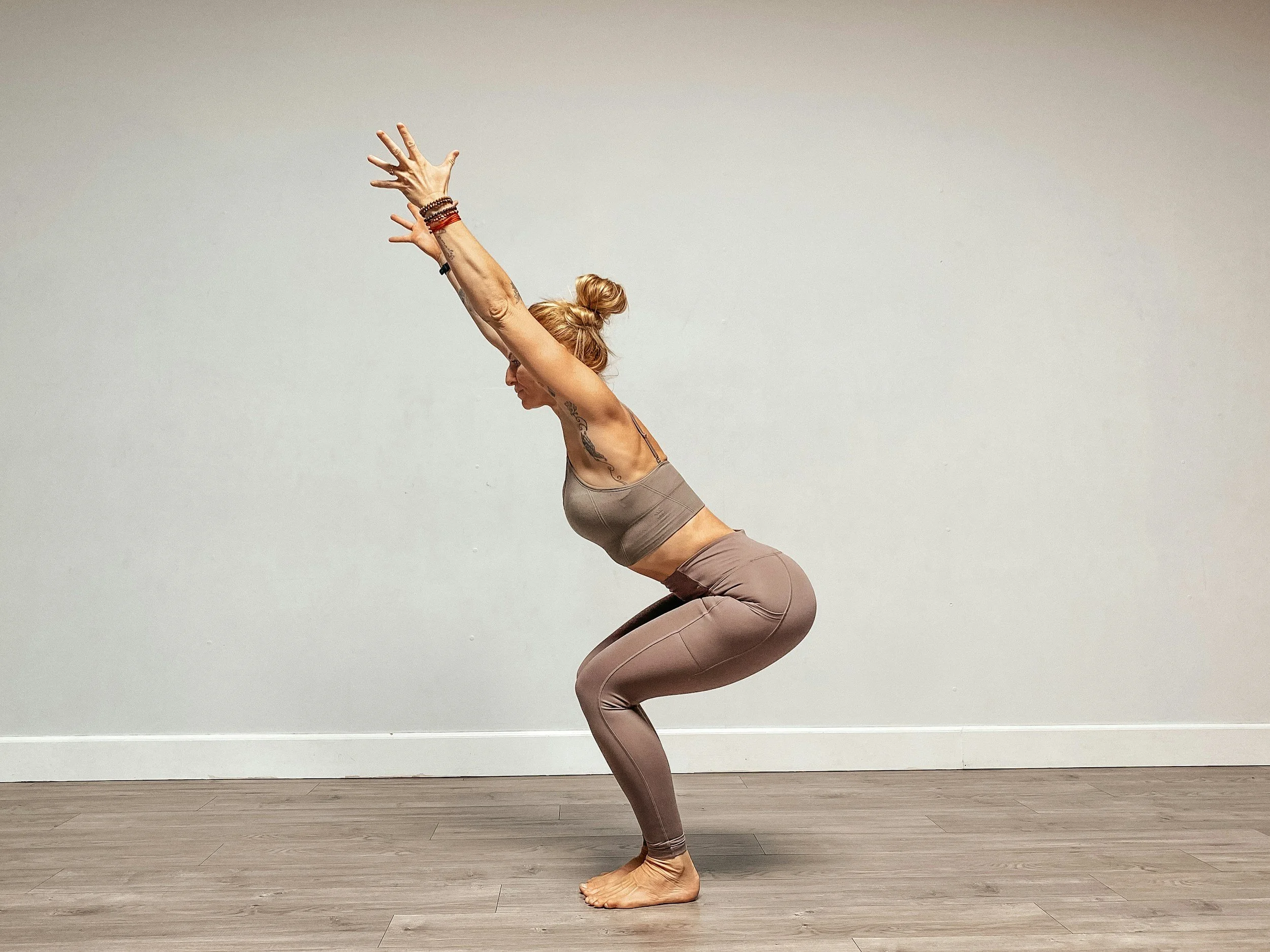
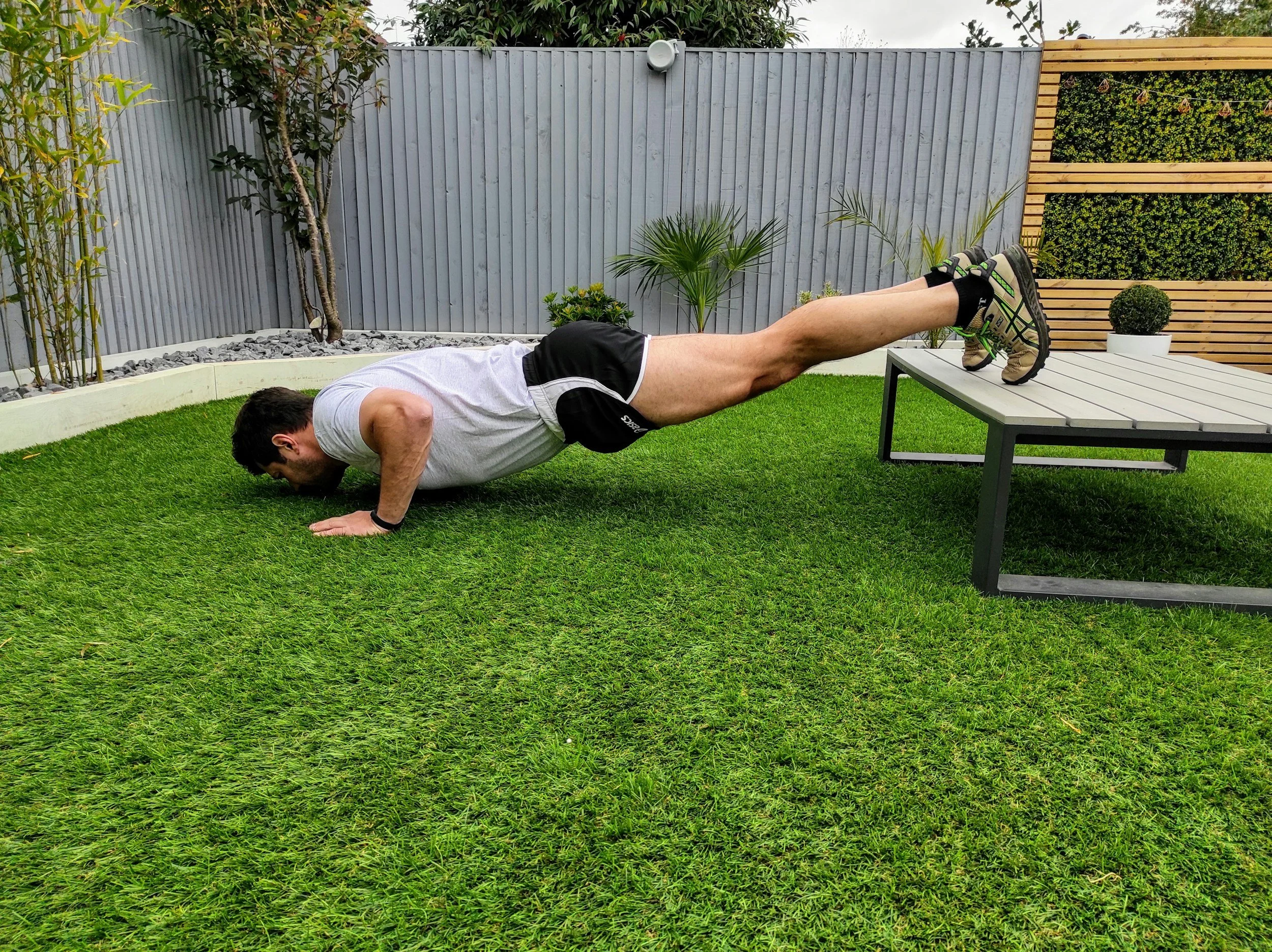
Not quite the same thing as that is a table and that is a decline push up from a table but we presume we have your attention now.
The Patient’s Story
In the active, fast-paced neighborhoods of Queen West and Liberty Village, our hands and wrists endure immense mechanical stress. Whether you are performing heavy front squats at a local gym, holding a prolonged downward dog in a Parkdale yoga studio, or simply spending ten hours a day typing on a keyboard, your wrists are constantly bearing load.
When a sharp, catching, or deep aching pain develops specifically on the "pinky side" of the wrist, it is profoundly disabling. Patients often realize something is wrong when they experience a blinding jolt of pain simply trying to push themselves up out of an office chair or while attempting to turn a heavy doorknob.
The standard medical response at a walk-in clinic is usually a diagnosis of a "wrist sprain," followed by advice to ice it and wear a generic pharmacy wrist brace. However, weeks later, the pain remains sharp and unforgiving. At Rehab Mechanics, we recognize that ulnar-sided wrist pain is structurally complex. You are likely dealing with a tear in the Triangular Fibrocartilage Complex (TFCC). By applying highly specific biomechanical interventions, we can stabilize your wrist and support recovery without surgical intervention.
Structural / Biomechanical Analysis
To understand why this injury is so stubborn, we must perform a detailed anatomical analysis of the wrist joint and how it transfers weight.
The "Meniscus" of the Wrist
The human wrist is an incredibly complex articulation of eight small carpal bones meeting the two long bones of your forearm: the radius (thumb side) and the ulna (pinky side).
The Anatomical Gap: The radius bone connects directly to the wrist bones. However, the ulna bone stops short, leaving a gap.
The TFCC Hammock: Filling this gap is the Triangular Fibrocartilage Complex. It is a dense, hammock-like structure made of cartilage and ligaments that suspends the carpal bones and acts as a massive shock absorber for the ulnar side of the hand.
The Mechanism of TFCC Tearing
The TFCC is designed to handle compression, but it is highly vulnerable to rotational shearing forces.
The FOOSH Injury: Falling on an outstretched hand (FOOSH), particularly on the Martin Goodman Trail or an icy sidewalk, forces the wrist into extreme extension and pronation, violently tearing the central cartilage or the anchoring ligaments.
The Rotational Torque: Swinging a golf club, a tennis racket, or performing heavy barbell cleans, where the wrist is forcefully twisted under load, can rip the TFCC from its bony attachment.
The Joint Compression Pattern (Ulnar Variance)
Many urban professionals develop TFCC pain without a specific trauma. This is often driven by genetics and repetitive overuse.
Positive Ulnar Variance: In some people, the ulna bone is biologically slightly longer than the radius bone, meaning the physical space for the TFCC is smaller.
The Impingement: Over years of typing and lifting, the long ulna bone violently grinds into the TFCC cartilage, slowly wearing a hole through it (similar to a degenerative meniscus tear in the knee).
Clinical Red Flags
We differentiate a TFCC tear from a standard tendon strain by looking for specific, load-bearing mechanical failures:
Weight-Bearing Pain: Exquisite, sharp pain when extending the wrist and applying body weight (e.g., doing a push-up or pushing off an armrest).
The "Click" or "Clunk": A physical sensation of catching or popping on the pinky side of the wrist when rotating the palm face up to face down (supination to pronation).
Loss of Grip Strength: A sudden, inexplicable weakness when trying to tightly grip a steering wheel or a heavy pan.
Pinpoint Tenderness: Severe tenderness when pressing directly on the "fovea" (the soft spot just past the ulnar bone bump).
Pain at Rest: A constant, dull, deep ache that persists at night, indicating severe intra-articular inflammation.
Primary Source Proof
Clinical orthopedic literature confirms that conservative physiotherapy, utilizing specific load-management splinting and progressive proprioceptive strengthening, successfully supports recovery in stable TFCC tears.
Review the Clinical Evidence on PubMed: Conservative Management of Triangular Fibrocartilage Complex Tears (National Institutes of Health)
Review the Clinical Evidence on PubMed: Efficacy of Proprioceptive Training in Ulnar-Sided Wrist Pain (National Institutes of Health)
Review the Clinical Evidence on PubMed: Biomechanics of the Distal Radioulnar Joint and TFCC Load Transfer (National Institutes of Health)
The Rehab Mechanics Corrective Protocol
Treating the TFCC requires immense clinical patience. We utilize a highly phased, biomechanical approach to protect the cartilage while stimulating surrounding muscular support.
Phase 1 — Load Modification
Specialized Splinting: Standard wrist braces do not stop rotational movement. We recommend specialized ulnar-sided bracing (like a WristWidget) that physically compresses the radius and ulna together, relieving the tension on the torn TFCC hammock.
Activity Eradication: A strict, temporary ban on all weight-bearing extension (no push-ups, burpees, or heavy pressing) and heavy rotational torque to allow the inflammatory cycle to calm down.
Phase 2 — Pelvic Fortification
Core-to-Shoulder Transfer: You cannot have a strong wrist without a stable core. We re-engage the deep core and glutes to ensure you sit perfectly upright at your desk, preventing the upper body from slumping.
Diaphragmatic Breathing: Utilizing breathwork to release the secondary breathing muscles in the neck, preventing nerve entrapment (Double Crush Syndrome) that can refer pain down to the weak wrist.
Phase 3 — Gait Retraining / Mechanics Correction
Extensor Carpi Ulnaris (ECU) Release: The ECU tendon runs directly over the TFCC. We use targeted soft tissue release to melt the trigger points in the forearm, taking the pulling tension off the wrist.
Scapular Stabilization: Restoring full mobility to the thoracic spine and shoulder blades so they act as the primary shock absorbers for the arm, reducing the mechanical overload on the wrist.
Phase 4 — Return-to-Activity Strategy
Isometric Loading: Holding a weight in a neutral wrist position without moving. This forces the forearm muscles to stabilize the joint safely, helping to reduce nerve sensitivity.
Proprioceptive Retraining: Using unstable surfaces (like balancing a ball on a plate) to force the nervous system to reconnect with the injured wrist, restoring high-speed reflexive stability.
Closed-Chain Return: Gradually re-introducing weight-bearing activities, modifying grip angles (e.g., using push-up handles to keep the wrist neutral) until the TFCC can support flat-hand pressure.
Related Conditions We Treat
De Quervain's Tenosynovitis
Carpal Tunnel Syndrome
Lateral Epicondylitis (Tennis Elbow)
Scapular Dyskinesis
Cervical Radiculopathy
Cubital Tunnel Syndrome
Related Blogs
"Can Physiotherapy Cure De Quervain's Tenosynovitis Without Cortisone?"
"Does Numbness in Your Pinky Finger Mean You Have Cubital Tunnel Syndrome?"
"Can Physiotherapy Fix Both My Neck Pain and My Numb Hands at the Same Time?"
Services Used in Treatment
Manual Therapy
Soft Tissue Release
Myofascial Release
Shockwave Therapy
Gait Retraining
Neuromuscular Re-Education
Custom Orthotics
Strengthening Programs
FAQ Section
1. Can physiotherapy assist in managing a TFCC tear?
Yes. Physiotherapy supports recovery by utilizing specific wrist stabilization protocols, targeted strengthening, and mechanical offloading to help reduce tissue irritation in the cartilage.
2. Why does my wrist hurt only when I push up from a chair?
Pushing up from a chair requires extreme wrist extension and weight-bearing. This specific movement physically crushes the TFCC cartilage against the forearm bones. We help address contributing factors by stabilizing the joint.
3. Do I need surgery for pinky-sided wrist pain?
In many cases, no. By optimizing movement and strengthening the forearm muscles that cross the wrist, conservative care can help stabilize the joint, frequently assisting patients in avoiding surgery.
4. Why does my wrist click when I turn a doorknob?
A clicking or clunking sensation during rotation indicates that the ulnar carpal bones are momentarily shifting out of place because the stabilizing TFCC hammock is torn. We focus on proprioceptive training to support joint tracking.
5. Should I wear a regular wrist brace?
Standard pharmacy wrist braces often fail for TFCC tears because they do not restrict rotational movement. We support recovery by guiding you toward targeted ulnar-compression bracing.
6. How long does it take for a TFCC tear to heal?
Cartilage has poor blood supply, meaning recovery is gradual. While splinting helps reduce immediate pain, building the neuromuscular strength to handle body weight typically requires 8 to 12 weeks of specialized care.
7. How does shoulder posture affect my wrist?
If your shoulder blades are slouched, your arm mechanics change, forcing your wrist and elbow to absorb extra rotational shock. We optimize movement across the entire kinetic chain.
8. Can manual therapy help my wrist pain?
Yes. Targeted soft tissue release on the tight muscles of the forearm helps reduce mechanical overload on the tendons that cross directly over the injured TFCC.
How Physiotherapy Helps
Reducing tissue irritation through targeted mechanical unloading
Correcting pelvic drop to support global postural alignment
Improving cadence and kinetic chain energy transfer
Strengthening stabilizers in the forearm and shoulder blade
Reducing mechanical overload on the ulnar carpal bones
Improving foot mechanics to anchor a stable lifting foundation
Contact Us Today — All you have to lose is the pain
Book a comprehensive biomechanical assessment with our clinical team today. Located inside the Prime Medical Centre at 68 Abell Street, Queen West.
Email: info@rehabmechanics.com Phone: (416) 533-3900
About the Author
Mr. Sanjay Attwala (B.Sc., M.Sc., RPT) is a Registered Physiotherapist, clinical director, and the founder of Rehab Mechanics in Toronto. With over 15 years of registered clinical practice and a deep specialization in complex musculoskeletal rehabilitation, Sanjay synthesizes rigorous international academic training with advanced evidence-based therapeutics to guide his clinical practice and patient education initiatives.
Academic Background & Credentials
Master of Science (M.Sc.) in Physiotherapy – University of Keele, United Kingdom (2010).
Bachelor of Science (B.Sc.) – University of Waterloo, Ontario, Canada.
Registered Physiotherapist (RPT) – Regulated health professional in excellent standing with the College of Physiotherapists of Ontario (CPO).
Corporate Entity – Operating officially under the S. Attwala Physiotherapy Professional Corporation with a DBA of Rehab Mechanics.
Clinical Expertise & Philosophy
Sanjay’s clinical approach rejects passive symptom management in favor of identifying underlying biomechanical root causes. His diverse expertise spans advanced manual therapies, personalized corrective exercise prescription, and modern physical modalities. At the Rehab Mechanics Toronto Queen West clinic, he routinely diagnoses and treats complex conditions including:
Spinal & Discogenic Pathology – Cervical, thoracic, and lumbar disc injuries, sciatica, and sacroiliac joint (SIJ) dysfunction.
Upper & Lower Extremity Injuries – Rotator cuff tears, frozen shoulder, tennis/golfer’s elbow, carpal tunnel syndrome, and complex ankle/foot pathologies.
Perinatal & Pelvic Health Rehabilitation – Specialized assessment and rehabilitation protocols tailored specifically for women during pregnancy and the post-partum period, addressing pelvic girdle pain, diastasis recti, and core stabilization.
Specialized Rehabilitation – Pelvic health therapy, TMJ dysfunction, post-surgical rehabilitation (including Total Hip and Total Knee Replacements), and custom orthotics dispensing.
Shockwave Therapy: with advanced cutting edge technological devices to suit your needs.
Interdisciplinary Practice & Patient Care
Sanjay practices an integrated model of healthcare, working closely alongside medical doctors inside the Prime Medical Centre on Abell Street to streamline patient recovery pathways. He maintains a human-centric, communication-first clinical framework, ensuring that care remains fully customized rather than automated.
His clinical caseload encompasses a broad operational spectrum under Ontario's regulatory frameworks, including:
Motor Vehicle Accident (MVA) Claims – Rehabilitation navigating Ontario’s statutory accident benefits schedule.
Workplace Safety and Insurance Board (WSIB) – Occupational injury management and return-to-work screening.
Extended Health Care (EHC) & Private Practice – Multi-tier insurance coordination and long-term athletic development plans.
Commitment to Research & Community
Outside of his clinical caseload at Rehab Mechanics and his additional practice affiliations in Etobicoke, Sanjay is an active health writer and community educator. He translates contemporary peer-reviewed medical research into accessible, actionable guidance on his professional blog. As a dedicated father and husband, he mirrors his professional advice in his personal life, focusing on structural mobility, cross-training, and longevity to help his family and his community thrive. Naturally he takes he a keen interest in rehabilitation for women who are pregnant and post-partum.
Disclaimer: The information provided on this blog is intended for educational and informational purposes only. It does not constitute medical advice, diagnosis, or a treatment plan. Always seek the direct advice of a Registered Physiotherapist, physician, or other qualified health provider regarding any medical condition or physical rehabilitation routine.
Google MyBusiness for Instant Posts, Photos, Updates, Offers and Communication
Be sure to check out Rehab Mechanics’ Google My Business Profile for daily posts, location and directions in addition to the directions on the website!
We love interacting with prospective and current patients, and love honest feedback and even constructive criticism and areas for improvement!
Do I Really Need Another Cortisone Shot for My Shoulder, or Is There a Better Way?
While cortisone injections offer temporary anti-inflammatory relief, they do not repair torn rotator cuff tissue. In fact, repeated injections degrade tendon collagen. Physiotherapy provides a permanent fix by addressing the true root cause: Scapular Dyskinesis. By restoring shoulder blade mechanics, we physically eliminate the friction causing the pain.
The Cycle of Temporary Relief
Yes we are here to help.
For active professionals and fitness enthusiasts in Queen West and Liberty Village, shoulder pain is a massive barrier to a healthy lifestyle. Whether it is a sharp pinch during a tennis serve at Trinity Bellwoods or a deep, throbbing ache after a long day typing at a desk, the discomfort is unrelenting.
When the pain becomes unbearable, patients frequently visit a sports medicine doctor and receive a cortisone injection into their rotator cuff. The results are often miraculous—for about six to eight weeks. The pain vanishes, and the patient eagerly returns to heavy weightlifting or swimming. But inevitably, the exact same sharp, pinching pain returns. The doctor suggests a second, and then a third shot. Patients are left wondering: "Am I just going to need injections for the rest of my life to function?"
At Rehab Mechanics, we want to break this cycle. A cortisone injection is a chemical band-aid; it temporarily masks the fire, but it does absolutely nothing to fix the faulty human mechanics that caused the fire in the first place. Your rotator cuff is tearing because it is being crushed by a poorly moving shoulder blade—a condition known as Scapular Dyskinesis. By abandoning the needle and actively rebuilding your shoulder mechanics, we can permanently turn off the pain.
Structural Analysis: The Mechanics of Scapular Dyskinesis
To understand why cortisone fails as a long-term cure, we must perform a deep biomechanical analysis of the shoulder girdle and how the shoulder blade dictates rotator cuff health.
The Cortisone Conundrum
Cortisone is a powerful corticosteroid that shuts down acute inflammation. However, it is clinically proven to have a dark side: it is catabolic.
Tissue Degradation: Repeated cortisone injections physically degrade and weaken the collagen fibers of your rotator cuff tendon. Masking the pain while simultaneously weakening the tendon practically guarantees a massive, full-thickness tear if you return to heavy lifting without correcting your mechanics.
Scapular Dyskinesis Causes (The True Culprit)
Your shoulder is a ball-and-socket joint, but the "socket" is part of your shoulder blade (scapula). The shoulder blade must rotate upward smoothly every time you lift your arm.
The Slouch Effect: Prolonged desk posture ("Tech Neck") causes the chest muscles (pectorals) to shorten. This physically drags the shoulder blade forward and downward.
The Muscular Imbalance: The lower trapezius and serratus anterior—the muscles responsible for anchoring the shoulder blade flat against the ribcage—become stretched, weak, and neurologically dormant.
The Rotator Cuff Victim (Impingement)
When the shoulder blade is stuck in this forward, "dyskinetic" position, the socket points downward.
As you lift your arm overhead, the arm bone (humerus) crashes violently into the roof of the shoulder blade (acromion) much earlier than it should.
The rotator cuff tendon is trapped between these two bones and is aggressively crushed and frayed with every overhead movement. This mechanical grinding is what causes the inflammation that you are trying to treat with cortisone.
Clinical Red Flags

Red flag on the beach means experienced swimmers, boogie boarders and surfers should enter. But clinical and diagnostic red flags are distinct. Read on – read on (ode to Aerosmith)
We look for specific, visible signs of shoulder blade dyskinesis to confirm that the mechanics are failing:
The "Winging" Scapula: When you slowly lower your arms from an overhead position, the inner border or bottom tip of the shoulder blade visibly pops out away from the ribcage, rather than resting flat.
The "Hike and Hunch": An inability to lift the arm overhead without aggressively shrugging the neck and upper trapezius muscles to compensate for a stuck shoulder joint.
Painful Arc: A sharp, breathtaking pinch specifically occurring midway through lifting the arm out to the side (between 60 and 120 degrees).
Primary Source Proof: Corticosteroids vs. Rehabilitation
Orthopedic and sports medicine literature definitively proves that targeted, physiotherapist-led scapular stabilization and rotator cuff strengthening provide vastly superior long-term functional outcomes compared to repeated corticosteroid injections, without the catabolic tissue risks.
Note: The link above directs to external, peer-reviewed medical literature demonstrating our commitment to evidence-based practice and international clinical guidelines.
The Rehab Mechanics Corrective Protocol
We cannot simply massage the rotator cuff; we must completely overhaul the foundation it rests upon.
Phase 1 — Mechanical Decompression and Soft Tissue Release (Weeks 1-3)
Pectoral Myofascial Release: Our physiotherapists apply intense, targeted ischemic compression to the pectoralis minor. By melting this rigid muscle, we instantly stop the forward pull on the shoulder blade, un-pinching the rotator cuff.
Thoracic Spine Unlocking: Utilizing high-grade joint manipulations to forcefully restore thoracic extension, allowing the upper back to sit upright so the shoulder blade can glide freely.
Phase 2 — Neuromuscular Scapular Retraining (Weeks 4-6)
Serratus Anterior Activation: Implementing targeted "scapular push-ups" and wall slides to re-awaken the specific muscle that holds the shoulder blade tight to the ribcage.
Lower Trapezius Loading: Using prone Y-raises to aggressively strengthen the mid-back, teaching your nervous system to automatically pull the shoulder blades down and back when you lift your arm.
Phase 3 — Rotator Cuff Eccentric Loading (Weeks 6-10)
Heavy Slow Resistance: Once the shoulder blade is stable and the grinding has stopped, we must physically rebuild the frayed rotator cuff tendon. We prescribe slow, heavy eccentric (lowering) movements to stimulate thick, healthy, parallel collagen growth, effectively reversing the tendon decay.
Phase 4 — Return-to-Activity Strategy (Weeks 10+)
Overhead Kinetic Integration: Progressing to heavy overhead pressing, barbell snatches, and dynamic throwing mechanics, ensuring the entire kinetic chain operates flawlessly without reliance on chemical pain masking.
Related Conditions We Treat
Rotator Cuff Tears
Subacromial Impingement Syndrome
Adhesive Capsulitis (Frozen Shoulder)
Thoracic Outlet Syndrome
Biceps Tendinopathy
Cervical Radiculopathy
Related Blogs
"Is My Shoulder Pain a Torn Rotator Cuff or a Frozen Shoulder?"
"Can I Heal a Torn Rotator Cuff Without Surgery?"
"Can Scapular Dyskinesis Cause Nerve Damage and Arm Tingling?"
Services Used in Treatment
Manual Therapy
Soft Tissue Release
Myofascial Release
Shockwave Therapy
Gait Retraining
Neuromuscular Re-Education
Custom Orthotics
Strengthening Programs
FAQ Section
1. Are rotator cuff injections bad for my shoulder?
While a single cortisone injection can be a useful tool to reduce severe acute pain, repeated injections break down tendon collagen and increase your risk of a massive tendon rupture. Physiotherapy is the safest long-term solution.
2. What are the main scapular dyskinesis causes?
The primary cause is chronic postural collapse (like sitting at a desk), which leads to tight chest muscles and weak, dormant mid-back muscles. We address these contributing factors through targeted manual therapy and strengthening.
3. Will fixing my shoulder blade stop my rotator cuff from tearing?
Yes. The shoulder blade dictates the space available for the rotator cuff. By optimizing movement and locking the shoulder blade into a healthy position, we physically stop the grinding friction that causes the tearing.
4. How long does it take to fix shoulder blade dyskinesis?
While soft tissue release provides rapid postural improvement, building the neuromuscular endurance to maintain a stable shoulder blade during heavy sports typically requires 6 to 8 weeks of consistent strengthening programs.
How Physiotherapy Helps
Reducing tissue irritation through non-chemical mechanical decompression
Correcting pelvic and thoracic posture to support the shoulder girdle
Improving upper body kinetic transfer and arm swing
Strengthening stabilizers in the mid-back and serratus anterior
Reducing mechanical overload on the vulnerable rotator cuff tendons
Contact Us Today — All you have to lose is the pain
Book a comprehensive biomechanical shoulder assessment with our clinical team today. Located inside the Prime Medical Centre at 68 Abell Street, Queen West.
Email: info@rehabmechanics.com Phone: (416) 533-3900
About the Author
Mr. Sanjay Attwala (B.Sc., M.Sc., RPT) is a Registered Physiotherapist, clinical director, and the founder of Rehab Mechanics in Toronto. With over 15 years of registered clinical practice and a deep specialization in complex musculoskeletal rehabilitation, Sanjay synthesizes rigorous international academic training with advanced evidence-based therapeutics to guide his clinical practice and patient education initiatives.
Academic Background & Credentials
Master of Science (M.Sc.) in Physiotherapy – University of Keele, United Kingdom (2010).
Bachelor of Science (B.Sc.) – University of Waterloo, Ontario, Canada.
Registered Physiotherapist (RPT) – Regulated health professional in excellent standing with the College of Physiotherapists of Ontario (CPO).
Corporate Entity – Operating officially under the S. Attwala Physiotherapy Professional Corporation with a DBA of Rehab Mechanics.
Clinical Expertise & Philosophy
Sanjay’s clinical approach rejects passive symptom management in favor of identifying underlying biomechanical root causes. His diverse expertise spans advanced manual therapies, personalized corrective exercise prescription, and modern physical modalities. At the Rehab Mechanics Toronto Queen West clinic, he routinely diagnoses and treats complex conditions including:
Spinal & Discogenic Pathology – Cervical, thoracic, and lumbar disc injuries, sciatica, and sacroiliac joint (SIJ) dysfunction.
Upper & Lower Extremity Injuries – Rotator cuff tears, frozen shoulder, tennis/golfer’s elbow, carpal tunnel syndrome, and complex ankle/foot pathologies.
Perinatal & Pelvic Health Rehabilitation – Specialized assessment and rehabilitation protocols tailored specifically for women during pregnancy and the post-partum period, addressing pelvic girdle pain, diastasis recti, and core stabilization.
Specialized Rehabilitation – Pelvic health therapy, TMJ dysfunction, post-surgical rehabilitation (including Total Hip and Total Knee Replacements), and custom orthotics dispensing.
Shockwave Therapy: with advanced cutting edge technological devices to suit your needs.
Interdisciplinary Practice & Patient Care
Sanjay practices an integrated model of healthcare, working closely alongside medical doctors inside the Prime Medical Centre on Abell Street to streamline patient recovery pathways. He maintains a human-centric, communication-first clinical framework, ensuring that care remains fully customized rather than automated.
His clinical caseload encompasses a broad operational spectrum under Ontario's regulatory frameworks, including:
Motor Vehicle Accident (MVA) Claims – Rehabilitation navigating Ontario’s statutory accident benefits schedule.
Workplace Safety and Insurance Board (WSIB) – Occupational injury management and return-to-work screening.
Extended Health Care (EHC) & Private Practice – Multi-tier insurance coordination and long-term athletic development plans.
Commitment to Research & Community
Outside of his clinical caseload at Rehab Mechanics and his additional practice affiliations in Etobicoke, Sanjay is an active health writer and community educator. He translates contemporary peer-reviewed medical research into accessible, actionable guidance on his professional blog. As a dedicated father and husband, he mirrors his professional advice in his personal life, focusing on structural mobility, cross-training, and longevity to help his family and his community thrive. Naturally he takes he a keen interest in rehabilitation for women who are pregnant and post-partum.
Disclaimer: The information provided on this blog is intended for educational and informational purposes only. It does not constitute medical advice, diagnosis, or a treatment plan. Always seek the direct advice of a Registered Physiotherapist, physician, or other qualified health provider regarding any medical condition or physical rehabilitation routine.
Google MyBusiness for Instant Posts, Photos, Updates, Offers and Communication
Be sure to check out Rehab Mechanics’ Google My Business Profile for daily posts, location and directions in addition to the directions on the website!
We love interacting with prospective and current patients, and love honest feedback and even constructive criticism and areas for improvement!
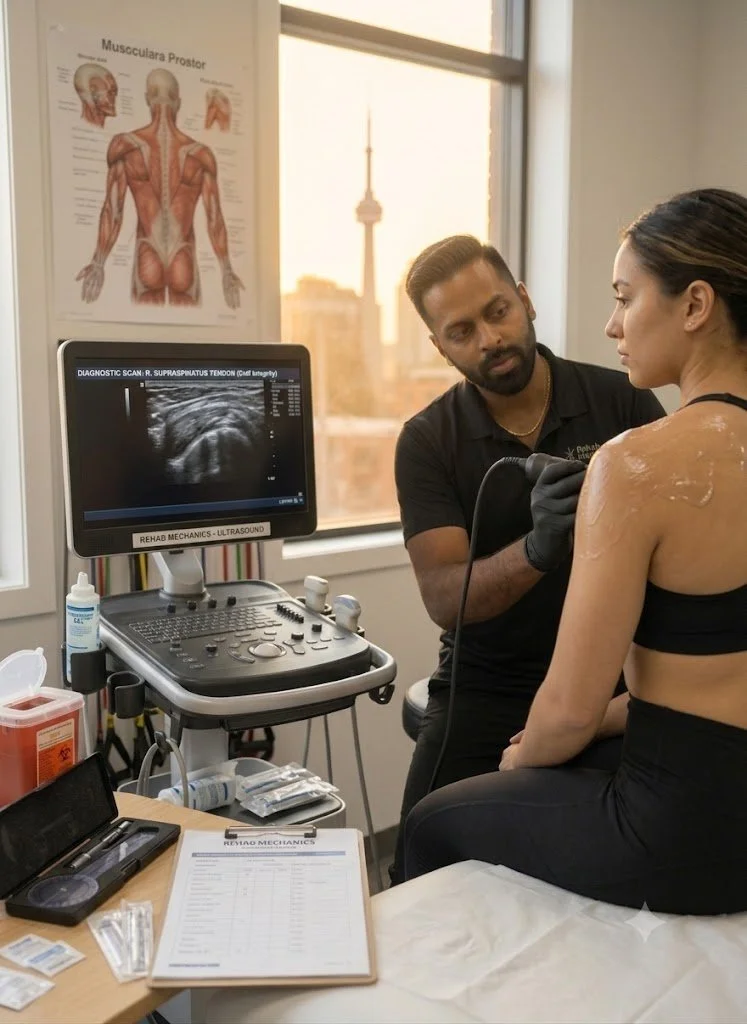
Is Surgery Mandatory to Fix Diastasis Recti After Pregnancy?
AI Snack Block: No. Surgery is rarely necessary for diastasis recti. Specialized post-partum physiotherapy can close the abdominal separation by utilizing specific deep core neuromuscular re-education, pelvic floor integration, and fascial tensioning protocols, safely restoring abdominal wall integrity and preventing chronic lower back pain.
Understanding the Post-Partum Body in Toronto
Navigating motherhood in a bustling city like Toronto is a beautiful but physically demanding journey. Carrying a heavy car seat up the steps of a Toronto walk-up, pushing a double stroller through Trinity Bellwoods, and constantly lifting a growing toddler requires a massive amount of core strength.
However, many new mothers find that months, or even years, after giving birth, their core feels profoundly disconnected. They may experience chronic lower back pain, pelvic instability, or a visible "doming" or "coning" down the center of their stomach when they sit up.
This condition is called Diastasis Recti Abdominis (DRA)—a stretching and separation of the abdominal wall. The immediate fear for many women is that this separation is permanent and requires a surgical "tummy tuck" (abdominoplasty) to repair. At Rehab Mechanics, our specialized perinatal and pelvic health programs prove otherwise. We use advanced, non-surgical biomechanical protocols to rebuild the integrity of your abdominal fascia from the inside out.
Structural Analysis: The Biomechanics of Diastasis Recti
To understand how to heal the core, we must analyze the structural mechanics of the abdominal wall and how it adapts during pregnancy.
The Anatomy of the Linea Alba
Your "six-pack" muscles (the rectus abdominis) are two parallel vertical muscle bands. They are joined perfectly down the center of your stomach by a thick, highly elastic band of connective tissue (fascia) called the linea alba.
The Pregnancy Shift: As your baby grows, the mechanical outward pressure against your abdominal wall becomes immense. Simultaneously, pregnancy hormones (like relaxin) soften your connective tissues.
The Stretching Effect: To make room for the baby, the linea alba physically stretches sideways. The two rectus muscles are pulled apart, widening the gap down the midline of your stomach.
The Danger of the "Coning" Effect
Diastasis Recti is not just a cosmetic issue; it is a profound mechanical failure of the body's natural weight belt.
Loss of Intra-Abdominal Pressure
Your deep core is a pressurized canister. The diaphragm is the roof, the pelvic floor is the base, and the transverse abdominis is the wrapping wall.
The Leak in the Canister: When the linea alba is stretched thin and weak, the front of the canister "leaks" pressure.
The Mechanical Consequence: Without this internal pressure, the lower back (lumbar spine) is forced to absorb 100% of the shock of daily movement, leading to severe, chronic lower back pain and sacroiliac joint (SIJ) dysfunction.
The Myth of Traditional Crunches
Traditional core exercises—like crunches, sit-ups, or heavy planks—create massive outward pressure. If the linea alba is already weak, doing a crunch forces the internal organs to push outward, creating a visible "dome" or "cone" down the middle of the stomach. This aggressively stretches the tissue further, making the diastasis worse.
Primary Source Proof: Conservative Perinatal Rehabilitation
Clinical guidelines in pelvic health universally endorse specialized neuromuscular physiotherapy as the first-line, highly effective treatment for reversing diastasis recti, frequently preventing the need for abdominal surgery.
Note: The link above directs to external, peer-reviewed medical literature demonstrating our commitment to evidence-based practice and international clinical guidelines for post-partum rehabilitation.
Clinical evidence on PubMed indicates that physiotherapy and targeted exercise yield a small but significant reduction in Inter-Recti Distance (IRD) for diastasis recti abdominis. While conservative management is moderately effective, outcomes rely on consistent, deep core and respiratory training rather than traditional sit-ups.
Recent systematic analyses suggest that conservative treatment can meaningfully improve inter-recti distance (IRD), particularly when interventions focus on targeted abdominal activation. Abdominal exercise programs have been associated with an average IRD reduction of approximately 6.82 mm compared with no intervention. The strongest outcomes appear to come from isotonic abdominal exercises—such as diaphragmatic breathing and abdominal bracing—that activate the transverse abdominis (TrA), rather than from traditional trunk-flexion movements. Evidence also suggests that combining abdominal exercises with electrical muscle stimulation may provide additional benefit, with systematic reviews reporting a further average IRD improvement of approximately 4.43 mm. However, conservative approaches appear more effective for reducing IRD below the umbilicus and less effective for separations of 2 cm or greater above the umbilicus.
The Rehab Mechanics Post-Partum Protocol
Healing a diastasis recti is not about pulling the muscles back together forcefully; it is about rebuilding the tension and density of the connective tissue between them.
Phase 1: Diaphragmatic and Pelvic Floor Integration
We must reseal the "canister" before we load it.
360-Degree Breathing: Re-training the diaphragm to expand outward into the lower ribs rather than pushing downward forcefully against the weakened abdominal wall.
Pelvic Floor Co-Contraction: Teaching the nervous system to automatically engage the pelvic floor muscles in perfect synchrony with the breathing cycle, creating a stable foundation for the core to pull against.
Phase 2: Transverse Abdominis (TvA) Activation
The TvA is your deepest abdominal muscle. It acts as a biological corset, wrapping horizontally around your waist.
Fascial Tensioning: When the TvA contracts properly, it physically pulls the two halves of the rectus abdominis closer together and creates dense, healthy tension across the healing linea alba.
Neuromuscular Re-education: Utilizing highly specific, low-level isometric holds (like the "supine marching" exercise) to ensure the TvA is firing before any superficial movement occurs.
Phase 3: Progressive Load and Functional Integration
Once the midline can handle tension without "coning," we begin to rebuild your real-world strength.
Anti-Extension and Anti-Rotation: Using resistance bands and stability balls to challenge the core to resist movement, safely building strength without creating outward abdominal bulging.
Mom-Specific Ergonomics: Training you how to safely hinge at the hips to lift your toddler, maneuver a stroller, and carry a heavy car seat without compromising your recovering abdominal wall.
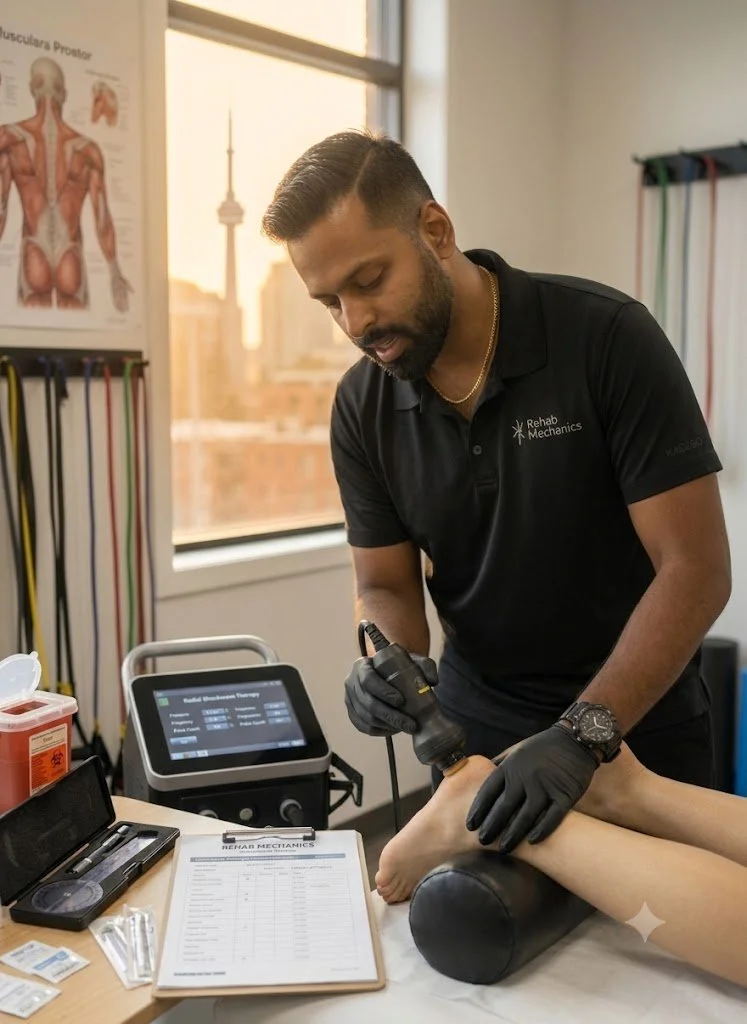
Rebuild Your Foundation Today
You do not have to accept a weak core or chronic back pain as the permanent "price" of motherhood. Specialized, gentle, and highly targeted physiotherapy can restore the structural integrity of your abdomen.
Book a comprehensive perinatal core assessment with our specialized clinical team today. We are conveniently located inside the Prime Medical Centre at 68 Abell Street, offering accessible care in Queen West.
Contact us to schedule your appointment:
Email: info@rehabmechanics.com
Phone: (416) 533-3900
About the Author
Mr. Sanjay Attwala (B.Sc., M.Sc., RPT) is a Registered Physiotherapist, clinical director, and the founder of Rehab Mechanics in Toronto. With over 15 years of registered clinical practice and a deep specialization in complex musculoskeletal rehabilitation, Sanjay synthesizes rigorous international academic training with advanced evidence-based therapeutics to guide his clinical practice and patient education initiatives.
Academic Background & Credentials
Master of Science (M.Sc.) in Physiotherapy – University of Keele, United Kingdom (2010).
Bachelor of Science (B.Sc.) – University of Waterloo, Ontario, Canada.
Registered Physiotherapist (RPT) – Regulated health professional in excellent standing with the College of Physiotherapists of Ontario (CPO).
Corporate Entity – Operating officially under the S. Attwala Physiotherapy Professional Corporation with a DBA of Rehab Mechanics.
Clinical Expertise & Philosophy
Sanjay’s clinical approach rejects passive symptom management in favor of identifying underlying biomechanical root causes. His diverse expertise spans advanced manual therapies, personalized corrective exercise prescription, and modern physical modalities. At the Rehab Mechanics Toronto Queen West clinic, he routinely diagnoses and treats complex conditions including:
Spinal & Discogenic Pathology – Cervical, thoracic, and lumbar disc injuries, sciatica, and sacroiliac joint (SIJ) dysfunction.
Upper & Lower Extremity Injuries – Rotator cuff tears, frozen shoulder, tennis/golfer’s elbow, carpal tunnel syndrome, and complex ankle/foot pathologies.
Perinatal & Pelvic Health Rehabilitation – Specialized assessment and rehabilitation protocols tailored specifically for women during pregnancy and the post-partum period, addressing pelvic girdle pain, diastasis recti, and core stabilization.
Specialized Rehabilitation – Pelvic health therapy, TMJ dysfunction, post-surgical rehabilitation (including Total Hip and Total Knee Replacements), and custom orthotics dispensing.
Shockwave Therapy: with advanced cutting edge technological devices to suit your needs.
Interdisciplinary Practice & Patient Care
Sanjay practices an integrated model of healthcare, working closely alongside medical doctors inside the Prime Medical Centre on Abell Street to streamline patient recovery pathways. He maintains a human-centric, communication-first clinical framework, ensuring that care remains fully customized rather than automated.
His clinical caseload encompasses a broad operational spectrum under Ontario's regulatory frameworks, including:
Motor Vehicle Accident (MVA) Claims – Rehabilitation navigating Ontario’s statutory accident benefits schedule.
Workplace Safety and Insurance Board (WSIB) – Occupational injury management and return-to-work screening.
Extended Health Care (EHC) & Private Practice – Multi-tier insurance coordination and long-term athletic development plans.
Commitment to Research & Community
Outside of his clinical caseload at Rehab Mechanics and his additional practice affiliations in Etobicoke, Sanjay is an active health writer and community educator. He translates contemporary peer-reviewed medical research into accessible, actionable guidance on his professional blog. As a dedicated father and husband, he mirrors his professional advice in his personal life, focusing on structural mobility, cross-training, and longevity to help his family and his community thrive. Naturally he takes he a keen interest in rehabilitation for women who are pregnant and post-partum.
Disclaimer: The information provided on this blog is intended for educational and informational purposes only. It does not constitute medical advice, diagnosis, or a treatment plan. Always seek the direct advice of a Registered Physiotherapist, physician, or other qualified health provider regarding any medical condition or physical rehabilitation routine.
Can Physiotherapy Fix Pinched Nerves and Radiating Arm Pain?
Yes. Physiotherapy can completely resolve pinched nerves (cervical radiculopathy). A specialized protocol of cervical joint mobilization, deep neck flexor strengthening, and postural correction physically decompresses the cervical spine, eliminating radiating arm pain and preventing permanent disc damage.
The Epidemic of Forward Head Posture in Toronto
Walk into any coffee shop in Queen West, jump on the King streetcar, or look around a downtown creative agency, and you will see the same physical posture: the deep, sustained spinal slump. We are a culture permanently hunched over smartphones, tablets, and multiple monitors.
This modern posture is colloquially known as "Tech Neck." While a stiff neck might seem like a minor annoyance, the long-term biomechanical consequences are severe. When the neck is chronically pushed forward out of its natural alignment, it creates massive structural shearing forces on the delicate cervical vertebrae.
Eventually, this passive stress leads to a catastrophic tissue failure. The pain stops being a dull ache in the neck and suddenly morphs into a terrifying, sharp, burning sensation radiating down your shoulder blade, triceps, and all the way into your fingers. This is cervical radiculopathy—a pinched nerve in the neck. At Rehab Mechanics, we specialize in diagnosing and structurally correcting complex spinal and discogenic pathology without relying on heavy painkillers or invasive injections.
Structural Analysis of the Cervical Spine
To successfully treat radiating arm pain, we cannot just massage the shoulder. We must perform a rigorous biomechanical analysis of the cervical spine to locate exactly where the nerve is being crushed.
The Physics of the Heavy Head
The human head weighs approximately 10 to 12 pounds when perfectly balanced on top of the spine.
The Leverage Effect: For every single inch your head drifts forward past your shoulders to stare at a screen, the mechanical load on your neck muscles and joints essentially doubles.
Chronic Overload: A head jutting three inches forward exerts roughly 40 pounds of pressure on the lower cervical spine. Your neck was not engineered to hold a bowling ball at an angle for eight hours a day.
The Anatomy of a Cervical Disc Bulge
The seven vertebrae of your neck (C1 through C7) are separated by intervertebral discs, which act as crucial shock absorbers.
The Annulus and Nucleus: These discs have a tough, fibrous outer ring (annulus fibrosus) and a soft, gel-like center (nucleus pulposus).
The Tearing Process: The chronic 40-pound pressure of "Tech Neck" unevenly crushes the front of the discs, slowly pushing the gel-like center backward toward the spinal cord. Over time, the outer ring tears, and the gel bulges outward.
Cervical Radiculopathy (The Pinched Nerve)
The space where the nerve roots exit the spine to travel down your arm is incredibly narrow.
Mechanical Strangulation: When a cervical disc bulges backward, it physically invades this narrow space, crushing the nerve root against the bone.
The Symptom Pathway: Because these nerves wire your entire upper extremity, compression at the neck causes severe, shooting pain, numbness, tingling, and profound muscular weakness deep in your arm, forearm, or hand.
Identifying the Clinical Red Flags
Nerve compression in the neck behaves very differently than a standard pulled muscle. If you experience the following, you are dealing with structural nerve impingement:
The "Toothache" in the Arm: A deep, unrelenting, throbbing pain in the shoulder blade or triceps that you cannot rub or stretch away.
Sensory Loss: Your thumb and index finger, or your pinky and ring finger, feel permanently "asleep" or overly sensitive to cold.
Motor Drop: You suddenly cannot perform a push-up, or your arm feels inexplicably heavy when trying to reach overhead to wash your hair.
Relief Posture (Bakody's Sign): You intuitively find that resting your hand on top of your head is the only way to relieve the sharp pain in your arm. (This physically shortens the nerve, taking the tension off the pinched root).
The Physiotherapy Intervention: Decompressing the Spine
At Rehab Mechanics, we reject passive treatments like hot packs for neurological injuries. We utilize a highly aggressive, mechanically driven protocol to centralize the pain (draw it out of the arm and back up to the neck) and retract the bulging disc.
1. Directional Preference Therapy (The McKenzie Method)
Our immediate clinical priority is stopping the nerve compression.
Cervical Retraction: We utilize specific, repeated movements—often cervical retractions (creating a "double chin") and controlled extensions—to physically alter the pressure gradient inside the disc. This mechanical pumping action draws the bulging gel back toward the center, taking it off the nerve root.
Postural Taping: Applying rigid kinesiology tape to the mid-back to act as a physical reminder, preventing you from slumping forward and re-herniating the disc between sessions.
2. Advanced Manual Therapy and Traction
The muscles surrounding a pinched nerve will instantly go into a massive, protective spasm, locking the neck into a rigid block.
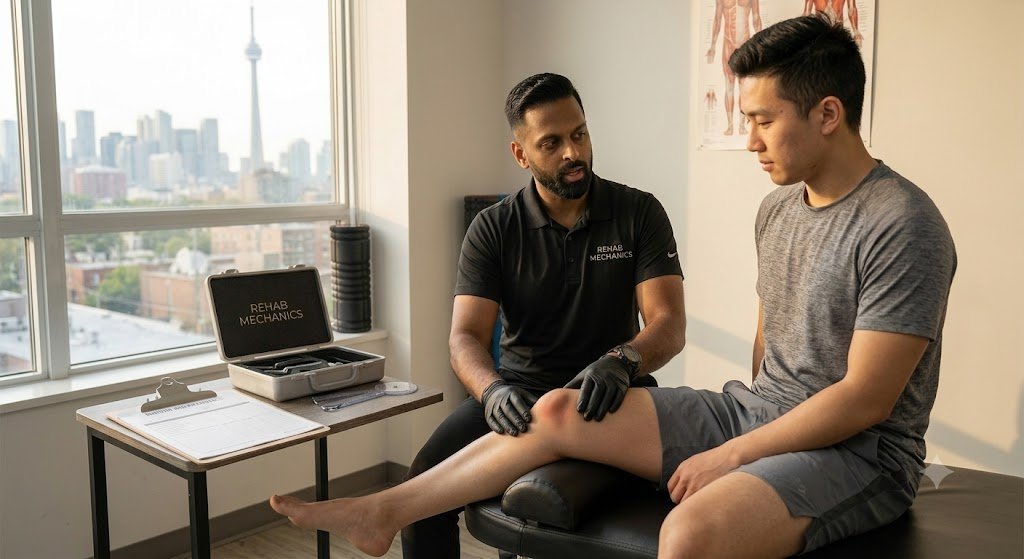
Cervical Joint Mobilization: Our Registered Physiotherapists use precise, hands-on Grade II and III glides to free up the stiffened facet joints of the neck, restoring rotational capacity.
Manual Cervical Traction: Gently pulling the head upward to physically separate the cervical vertebrae, instantly opening up the nerve spaces (foramen) and providing immediate, profound relief from the radiating arm pain.
3. Deep Cervical Flexor and Scapular Stabilization
Once the disc is retracted and the nerve is free, we must build the muscular scaffolding necessary to hold your head upright permanently.
Neuromuscular Re-education: The deep muscles at the front of your throat are entirely shut down by tech neck. We prescribe specific, tiny nodding exercises to re-awaken these crucial stabilizers.
Thoracic Extension: Strengthening the mid-back (rhomboids and lower trapezius) to pull the shoulder blades down and back, creating a solid, stable foundation for the neck to rest upon.
Primary Source Proof
Extensive orthopedic research and clinical guidelines confirm that multimodal physiotherapy—combining specific mechanical traction, cervical mobilization, and deep flexor strengthening—is the most highly effective conservative intervention for resolving cervical radiculopathy, frequently outperforming surgical decompression in long-term functional outcomes.
Read the PubMed Evidence: The Efficacy of Conservative Physiotherapy in the Management of Cervical Radiculopathy
Stop Ignoring Your Neck Pain
A stiff neck is a warning sign; radiating arm pain is a structural emergency. Do not wait for a bulging disc to cause permanent nerve damage or muscular atrophy in your arm. Expert, targeted physical rehabilitation can decompress your spine, reverse the damage of tech neck, and restore full feeling and strength to your upper body.
Book your comprehensive spinal assessment today. We are conveniently located inside the Prime Medical Centre at 68 Abell Street, easily accessible in Toronto Queen West.
Contact us to schedule your appointment:
Email: info@rehabmechanics.com
Phone: (416) 533-3900
About the Author
Mr. Sanjay Attwala (B.Sc., M.Sc., RPT) is a Registered Physiotherapist, clinical director, and the founder of Rehab Mechanics in Toronto. With over 15 years of registered clinical practice and a deep specialization in complex musculoskeletal rehabilitation, Sanjay synthesizes rigorous international academic training with advanced evidence-based therapeutics to guide his clinical practice and patient education initiatives.
Academic Background & Credentials
Master of Science (M.Sc.) in Physiotherapy – University of Keele, United Kingdom (2010).
Bachelor of Science (B.Sc.) – University of Waterloo, Ontario, Canada.
Registered Physiotherapist (RPT) – Regulated health professional in excellent standing with the College of Physiotherapists of Ontario (CPO).
Corporate Entity – Operating officially under the S. Attwala Physiotherapy Professional Corporation with a DBA of Rehab Mechanics.
Clinical Expertise & Philosophy
Sanjay’s clinical approach rejects passive symptom management in favor of identifying underlying biomechanical root causes. His diverse expertise spans advanced manual therapies, personalized corrective exercise prescription, and modern physical modalities. At the Rehab Mechanics Toronto Queen West clinic, he routinely diagnoses and treats complex conditions including:
Spinal & Discogenic Pathology – Cervical, thoracic, and lumbar disc injuries, sciatica, and sacroiliac joint (SIJ) dysfunction.
Upper & Lower Extremity Injuries – Rotator cuff tears, frozen shoulder, tennis/golfer’s elbow, carpal tunnel syndrome, and complex ankle/foot pathologies.
Perinatal & Pelvic Health Rehabilitation – Specialized assessment and rehabilitation protocols tailored specifically for women during pregnancy and the post-partum period, addressing pelvic girdle pain, diastasis recti, and core stabilization.
Specialized Rehabilitation – Pelvic health therapy, TMJ dysfunction, post-surgical rehabilitation (including Total Hip and Total Knee Replacements), and custom orthotics dispensing.
Shockwave Therapy: with advanced cutting edge technological devices to suit your needs.
Interdisciplinary Practice & Patient Care
Sanjay practices an integrated model of healthcare, working closely alongside medical doctors inside the Prime Medical Centre on Abell Street to streamline patient recovery pathways. He maintains a human-centric, communication-first clinical framework, ensuring that care remains fully customized rather than automated.
His clinical caseload encompasses a broad operational spectrum under Ontario's regulatory frameworks, including:
Motor Vehicle Accident (MVA) Claims – Rehabilitation navigating Ontario’s statutory accident benefits schedule.
Workplace Safety and Insurance Board (WSIB) – Occupational injury management and return-to-work screening.
Extended Health Care (EHC) & Private Practice – Multi-tier insurance coordination and long-term athletic development plans.
Commitment to Research & Community
Outside of his clinical caseload at Rehab Mechanics and his additional practice affiliations in Etobicoke, Sanjay is an active health writer and community educator. He translates contemporary peer-reviewed medical research into accessible, actionable guidance on his professional blog. As a dedicated father and husband, he mirrors his professional advice in his personal life, focusing on structural mobility, cross-training, and longevity to help his family and his community thrive. Naturally he takes he a keen interest in rehabilitation for women who are pregnant and post-partum.

Disclaimer: The information provided on this blog is intended for educational and informational purposes only. It does not constitute medical advice, diagnosis, or a treatment plan. Always seek the direct advice of a Registered Physiotherapist, physician, or other qualified health provider regarding any medical condition or physical rehabilitation routine.