Demystifying Spinal Slippage: Retrolisthesis vs. Spondylolisthesis (Part 1 of 3)
September 14, 2026
Back pain is not always just a "tight muscle"; it is frequently a structural alignment issue where a vertebra physically slips out of place. Retrolisthesis and spondylolisthesis are conditions characterized by this slippage, often causing deep lower back stiffness and radiating nerve pain. Physiotherapy assists in managing these conditions by addressing the biomechanical root cause—a breakdown in disc height or joint mobility—utilizing targeted core stabilization to halt the shift and support spinal alignment.
The Patient’s Story: The Queen West Desk Worker
For the thousands of professionals commuting to the Financial District or working from home offices in Queen West and Liberty Village, a nagging lower back ache is often dismissed as generic fatigue.
Patients typically try to stretch it away with yoga in Trinity Bellwoods or rely on massage therapy. However, when the dull ache turns into a sharp, catching sensation upon standing, or when an X-ray suddenly reveals that their spine is "slipping," panic sets in. Patients often assume their spine is fundamentally broken.
At Rehab Mechanics, we frequently educate patients that a slipping spine is a mechanical issue, not a life sentence. Whether your vertebra is slipping backward (Retrolisthesis) or forward (Spondylolisthesis), the root cause is a failure of the surrounding structures to hold the bones in place. By identifying the exact direction of the slip and rebuilding your internal muscular support system, advanced physical therapy can physically decompress the area and restore pain-free movement.
Structural / Biomechanical Analysis
To effectively manage a slipping spine, we must perform a detailed biomechanical analysis to understand exactly how and why the vertebra is shifting out of its proper alignment.
The Mechanics of Spondylolisthesis (Anterolisthesis)
Spondylolisthesis is the more common of the two conditions, particularly in the lower back (lumbar region), most predominantly found at the L4-L5 or L5-S1 vertebrae.
Direction of Slip: Forward (anterior) slippage of one vertebra over the bone below it.
The Root Causes: This forward shift is often driven by stress fractures in the neural arch (spondylolysis), genetic predispositions, or repetitive hyperextension (excessive backward bending common in weightlifters or gymnasts).
The Biomechanical Load: Gravity naturally pushes the lower lumbar spine forward. When the bony hooks (pars interarticularis) break or the ligaments loosen, the bone simply slides down the natural slope of the spine.
The Mechanics of Retrolisthesis
Retrolisthesis is less common overall and can frequently be found in both the cervical (neck) and lumbar (lower back) spine.
Direction of Slip: Backward (posterior) slippage of the vertebra.
The Root Causes: This is almost exclusively a degenerative condition. It is usually caused by Degenerative Disc Disease, age-related wear, or a shrinking disc space.
The Biomechanical Load: As the shock-absorbing disc dehydrates and flattens out, the ligaments that hold the spine together become slack. Without the disc providing tension, the vertebra shifts backward, creating a "step-off" deformity.
The Joint Compression Pattern
Both conditions lead to the same devastating result: the shrinking of the spinal canal. When the bones slip in either direction, they guillotine the delicate nerve roots exiting the spine, causing sciatica, numbness, tingling, or severe muscle spasms in the legs or arms.
Clinical Red Flags
We meticulously differentiate spinal slippage from a simple muscle strain by looking for precise mechanical failures:
The "Step-Off" Deformity: A physical dent or "step" that a clinician can feel when running their finger down the spinous processes of your lower back.
Positional Relief: The pain miraculously vanishes when leaning forward onto a shopping cart (which opens the spinal canal) but spikes agonizingly when standing up straight.
Transitional Catching: A sharp, breathtaking jolt of pain specifically when moving from a seated position to standing.
Bilateral Leg Heaviness: A sensation of profound fatigue or "lead weights" in both calves (neurogenic claudication) after walking a few blocks.
Primary Source Proof
Clinical research confirms that understanding the distinct kinematics of anterior versus posterior spinal slippage is vital for developing targeted, non-operative stabilization protocols.
The Rehab Mechanics Corrective Protocol
We do not use generic back exercises, as bending the wrong way can worsen the slip. We tailor the mechanics directly to the direction of the instability.
Phase 1 — Load Modification
Directional Preference Triage: Identifying exactly which movements ease the nerve pain and which movements worsen the slip.
Manual Joint Mobilization: Utilizing gentle, targeted glides to adjacent stiff vertebrae to ensure they are taking their fair share of movement, reducing the hypermobility at the slipped segment.
Phase 2 — Pelvic Fortification
Transversus Abdominis (TvA) Activation: Using precise biofeedback to wake up your deepest abdominal layer, turning it into a rigid biological corset that stops the bone from shifting backward or forward.
Pelvic Tilt Correction: Teaching the nervous system how to actively tuck the tailbone (posterior tilt) to physically flatten the lower back and open the nerve canals.
Phase 3 — Gait Retraining / Mechanics Correction
Anti-Shear Core Training: Prescribing heavy Pallof presses and dead bugs to force the core to resist the spine's natural desire to shift out of place against gravity.
Hip Flexor Release: The psoas muscle attaches directly to the slipping lumbar spine. We use deep manual therapy to release these "brakes," taking the mechanical pressure off the misaligned bones.
Phase 4 — Return-to-Activity Strategy
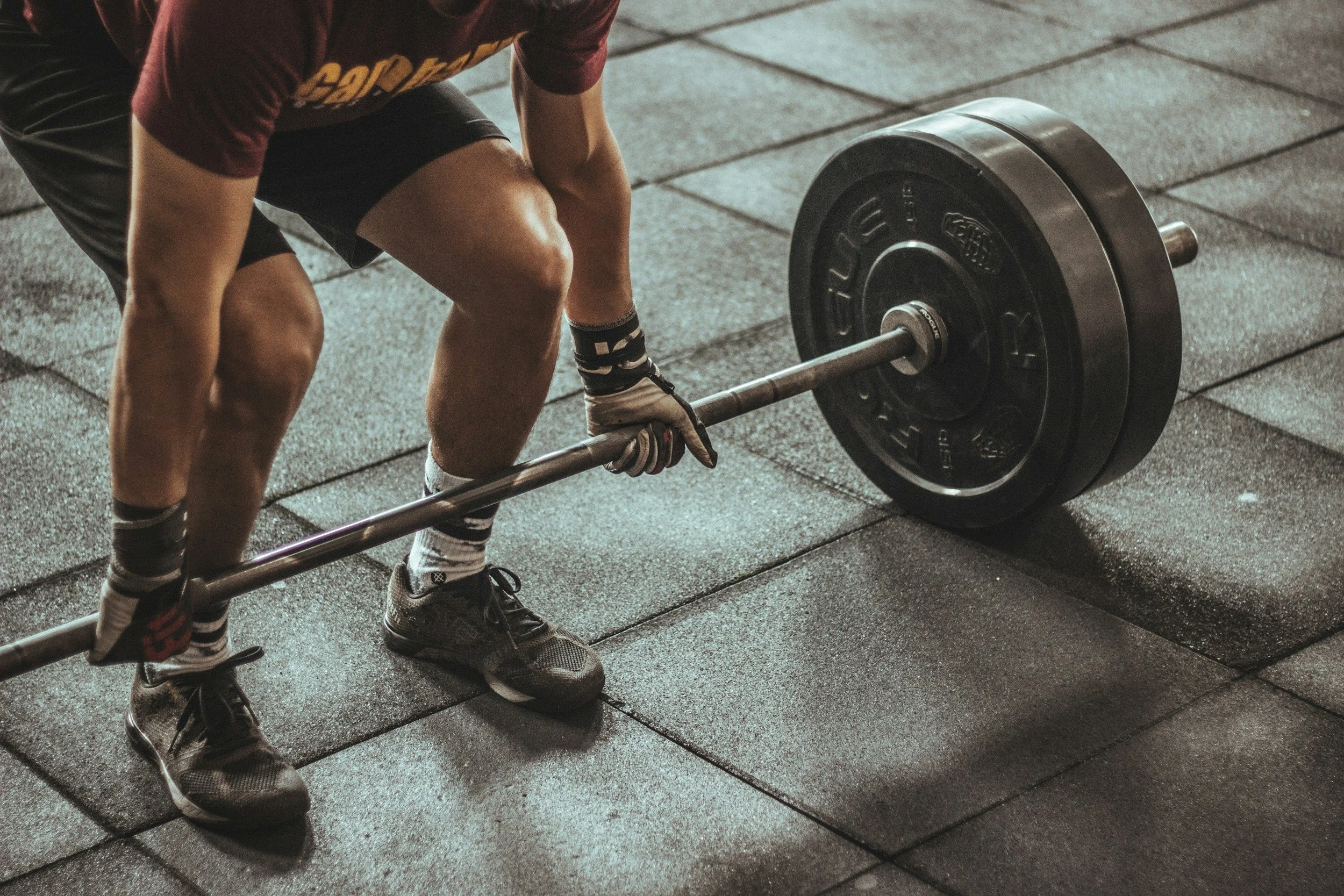
Hip Hinge Mastery: Meticulously teaching the hip hinge (Romanian deadlifts, kettlebell swings). By relying entirely on massive glute and hamstring power, we ensure the lumbar spine remains a rigid, unmoving lever during lifting activities.
Dynamic Integration: Progressing to loaded carries to build the biological endurance necessary to hold the spine perfectly neutral during an entire day in the city.
Related Conditions We Treat
Lumbar Spondylolisthesis
Retrolisthesis
Degenerative Disc Disease (DDD)
Lumbar Spinal Stenosis
Sciatica / Lumbar Radiculopathy
Lumbar Facet Joint Syndrome
Related Blogs
"The Root Causes and Symptoms of Retrolisthesis: Why is My Vertebra Shifting? (Part 2 of 3)"
"Moving Beyond Passive Care: Active Management and Physical Therapy for Retrolisthesis (Part 3 of 3)"
"Does Physiotherapy Actually Help Severe Lumbar Spinal Stenosis?"
"Can Physiotherapy Stop the Progression of Degenerative Disc Disease?"
Services Used in Treatment
Manual Therapy
Soft Tissue Release
Myofascial Release
Shockwave Therapy
Gait Retraining
Neuromuscular Re-Education
Custom Orthotics
Strengthening Programs
FAQ Section
1. Can physiotherapy assist in managing retrolisthesis?
Yes. Physiotherapy supports recovery by intensely strengthening the deep core and gluteal muscles, creating an internal muscular brace that helps optimize movement and stabilize the backward-slipping bone.
2. What is the difference between spondylolisthesis and retrolisthesis?
Spondylolisthesis is a forward slip, often caused by stress fractures or hyperextension, while retrolisthesis is a backward slip, usually driven by disc degeneration. We assist in managing both through direction-specific stabilization.
3. Will arching my back help relieve the pain?
Depending on the direction of your slip, arching backward (extension) can physically force the vertebra further out of alignment and close the nerve canals. We help address contributing factors by finding your specific directional preference.
4. How does a shrinking disc cause the spine to slip?
As spinal discs lose water and flatten, the ligaments holding the vertebrae together become slack, allowing the bone to slide backward. We utilize neuromuscular re-education to build muscle to compensate for the slack ligaments.
5. Is it safe to lift weights with a slipping spine?
Yes, if your mechanics are perfect. We utilize strengthening programs to teach the hip hinge, ensuring your glutes do the heavy lifting while your lower back remains completely stable and protected.
6. Can tight hips make my spinal slip worse?
Absolutely. Tight hip flexors constantly pull the pelvis and lower spine forward, increasing shear force. We utilize soft tissue release to provide mechanical slack, supporting a healthier pelvic alignment.
7. Do I absolutely need spinal fusion surgery for slippage?
In many mild to moderate cases, no. Building a robust muscular brace helps address contributing factors, reduces mechanical overload on the nerves, and frequently prevents the need for invasive fusion surgery.
8. How long does it take to stabilize my spine with exercise?
While postural modifications provide immediate symptomatic relief, building the biological endurance to keep the spine locked down during daily activities typically requires 8 to 12 weeks of structured rehabilitation.
How Physiotherapy Helps
Reducing tissue irritation by determining safe directional preferences
Correcting pelvic tilt to halt anterior or posterior slippage
Improving cadence and shock absorption to protect the spinal discs
Strengthening stabilizers in the deep abdominals and multifidus
Reducing mechanical overload on the compromised nerve roots
Improving foot mechanics to balance ascending kinetic forces
CTA — Contact Us Today
Contact Us Today — All you have to lose is the pain
Book a comprehensive biomechanical assessment with our clinical team today. Located inside the Prime Medical Centre at 68 Abell Street, Queen West.
Email: info@rehabmechanics.com Phone: (416) 533-3900
About the Author
Mr. Sanjay Attwala (B.Sc., M.Sc., RPT) is a Registered Physiotherapist, clinical director, and the founder of Rehab Mechanics in Toronto. With over 15 years of registered clinical practice and a deep specialization in complex musculoskeletal rehabilitation, Sanjay synthesizes rigorous international academic training with advanced evidence-based therapeutics to guide his clinical practice and patient education initiatives.
Academic Background & Credentials
Master of Science (M.Sc.) in Physiotherapy – University of Keele, United Kingdom (2010).
Bachelor of Science (B.Sc.) – University of Waterloo, Ontario, Canada.
Registered Physiotherapist (RPT) – Regulated health professional in excellent standing with the College of Physiotherapists of Ontario (CPO).
Corporate Entity – Operating officially under the S. Attwala Physiotherapy Professional Corporation with a DBA of Rehab Mechanics.
Clinical Expertise & Philosophy
Sanjay’s clinical approach rejects passive symptom management in favor of identifying underlying biomechanical root causes. His diverse expertise spans advanced manual therapies, personalized corrective exercise prescription, and modern physical modalities. At the Rehab Mechanics Toronto Queen West clinic, he routinely diagnoses and treats complex conditions including:
Spinal & Discogenic Pathology – Cervical, thoracic, and lumbar disc injuries, sciatica, and sacroiliac joint (SIJ) dysfunction.
Upper & Lower Extremity Injuries – Rotator cuff tears, frozen shoulder, tennis/golfer’s elbow, carpal tunnel syndrome, and complex ankle/foot pathologies.
Perinatal & Pelvic Health Rehabilitation – Specialized assessment and rehabilitation protocols tailored specifically for women during pregnancy and the post-partum period, addressing pelvic girdle pain, diastasis recti, and core stabilization.
Specialized Rehabilitation – Pelvic health therapy, TMJ dysfunction, post-surgical rehabilitation (including Total Hip and Total Knee Replacements), and custom orthotics dispensing.
Shockwave Therapy: with advanced cutting edge technological devices to suit your needs.
Interdisciplinary Practice & Patient Care
Sanjay practices an integrated model of healthcare, working closely alongside medical doctors inside the Prime Medical Centre on Abell Street to streamline patient recovery pathways. He maintains a human-centric, communication-first clinical framework, ensuring that care remains fully customized rather than automated.
His clinical caseload encompasses a broad operational spectrum under Ontario's regulatory frameworks, including:
Motor Vehicle Accident (MVA) Claims – Rehabilitation navigating Ontario’s statutory accident benefits schedule.
Workplace Safety and Insurance Board (WSIB) – Occupational injury management and return-to-work screening.
Extended Health Care (EHC) & Private Practice – Multi-tier insurance coordination and long-term athletic development plans.
Commitment to Research & Community
Outside of his clinical caseload at Rehab Mechanics and his additional practice affiliations in Etobicoke, Sanjay is an active health writer and community educator. He translates contemporary peer-reviewed medical research into accessible, actionable guidance on his professional blog. As a dedicated father and husband, he mirrors his professional advice in his personal life, focusing on structural mobility, cross-training, and longevity to help his family and his community thrive. Naturally he takes he a keen interest in rehabilitation for women who are pregnant and post-partum.
Disclaimer:
The information provided on this blog is intended for educational and informational purposes only. It does not constitute medical advice, diagnosis, or a treatment plan. Always seek the direct advice of a Registered Physiotherapist, physician, or other qualified health provider regarding any medical condition or physical rehabilitation routine.
Google MyBusiness for Instant Posts, Photos, Updates, Offers and Communication
Be sure to check out Rehab Mechanics’ Google My Business Profile for daily posts, location and directions in addition to the directions on the website!
We love interacting with prospective and current patients, and love honest feedback and even constructive criticism and areas for improvement!