Tests to Differentiate a Baker's Cyst from a Posterior Meniscus Tear (Part 3 of 3)
September 14, 2026
A painful bulge at the back of the knee is often a Baker's Cyst, which is frequently highly secondary to a posterior horn meniscus tear. Physiotherapy supports recovery by utilizing specific loaded flexion tests to map the structural failure, focusing heavily on decompressing the joint capsule, draining excess synovial fluid, and strengthening the hamstring complex to address the biomechanical root cause.
The Patient’s Story: The Deep Squat Dilemma in Liberty Village
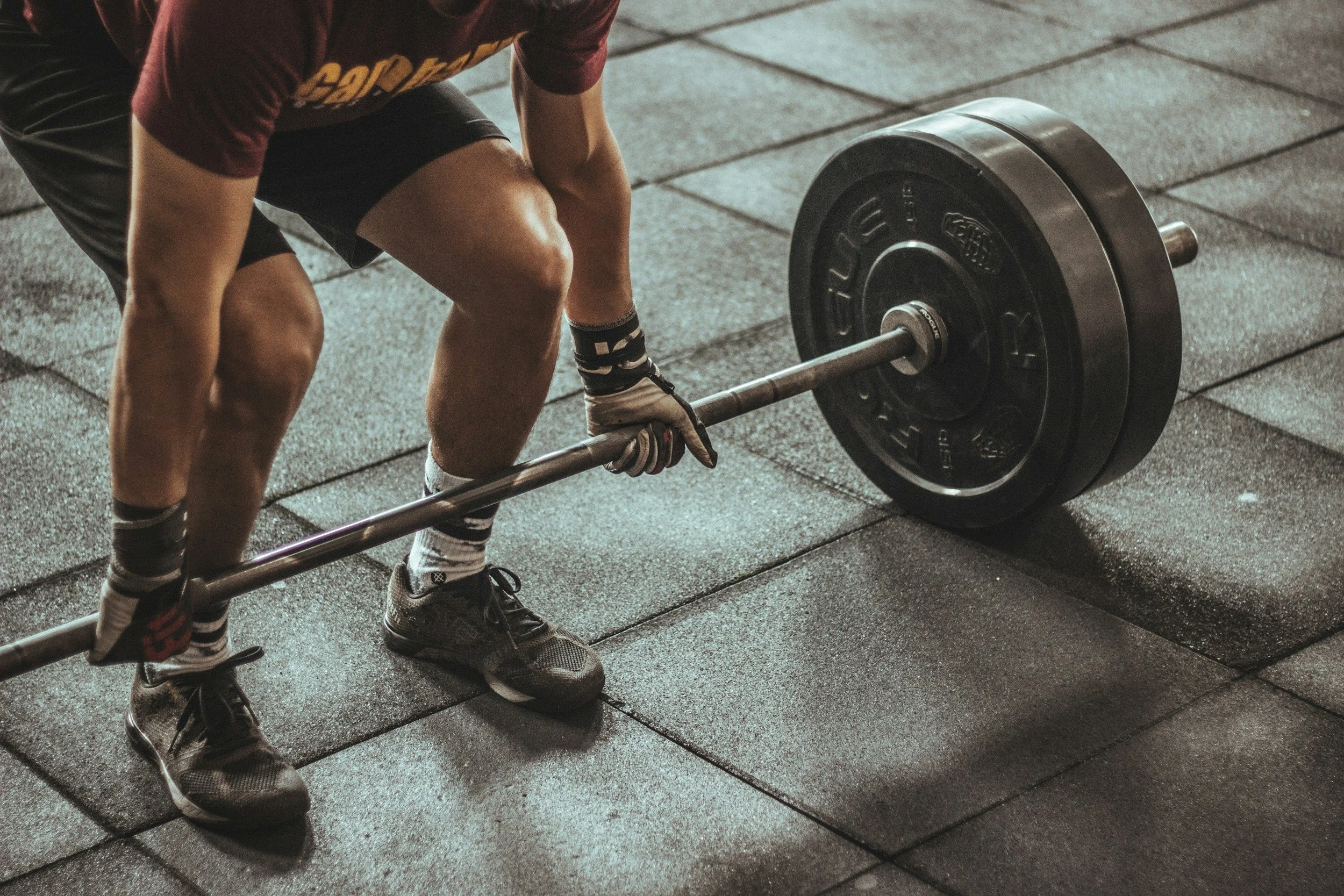
In Toronto's active core, particularly among weightlifters and functionally fit residents in Liberty Village and Queen West, the deep squat is a foundational movement. However, this full range of motion is occasionally interrupted by a deeply unsettling, pressurized pain at the absolute back of the knee.
Patients often describe trying to crouch down to pick up a heavy box, only to feel a physical "block"—as if someone jammed a tennis ball directly behind their knee hinge. When they reach around, they frequently feel a distinct, tight, fluid-filled lump in the crease of their knee.
A quick internet search usually returns the diagnosis of a "Baker's Cyst," leading patients to assume the cyst itself is the primary disease, and they often seek to have it drained with a needle.
However, at Rehab Mechanics, we know that a Baker's Cyst is almost never an isolated injury; it is a symptom of a deeper mechanical failure. The true culprit is often a tear in the posterior horn of the medial meniscus, which is aggressively irritated in deep flexion. Treating the cyst without diagnosing the meniscus guarantees the fluid will return. We utilize advanced clinical testing to trace the origin of the swelling, allowing us to rehabilitate the internal knee mechanics and banish the cyst permanently.
Structural / Biomechanical Analysis
To cure pain at the back of the knee, we must perform a detailed biomechanical analysis of the popliteal fossa (the space behind the knee) and how synovial fluid moves under extreme pressure.
The Posterior Horn of the Meniscus
The menisci are C-shaped cartilage shock absorbers. The thickest part of the medial meniscus is at the back, known as the posterior horn.
The "Crush" Mechanism: When you bend your knee deeply (deep flexion, like a full squat), the thigh bone (femur) rolls backward on the shin bone. The posterior horn of the meniscus is violently squeezed and compressed between the two bones.
The Tear: If the cartilage is already degenerated from age, or if a massive load is applied during a deep twist, the posterior horn will tear, triggering immediate joint inflammation.
The Baker's Cyst (Popliteal Bursitis)
A Baker's Cyst is not a random tumor; it is a mechanical "blow-off valve" for a swollen knee.
Joint Effusion: When the posterior meniscus tears, the synovial lining of the knee joint panics and overproduces fluid to protect the injury, turning the knee capsule into a highly pressurized water balloon.
The One-Way Valve: At the back of the knee, between the hamstring (semimembranosus) and calf (medial gastrocnemius) tendons, there is a natural weak point in the joint capsule.
The Herniation: Under massive internal pressure, the excess joint fluid forcefully escapes through this weak point, creating a secondary fluid sac (the cyst) in the back of the knee. It acts like a one-way valve: fluid gets pushed into the cyst during movement but cannot easily flow back in.
Clinical Red Flags: The Diagnostic Tests
Our physiotherapists use precise mechanical loading tests to determine if the posterior knee pain is driven solely by the cyst's fluid pressure, or if an active meniscal tear is continuously feeding the problem.
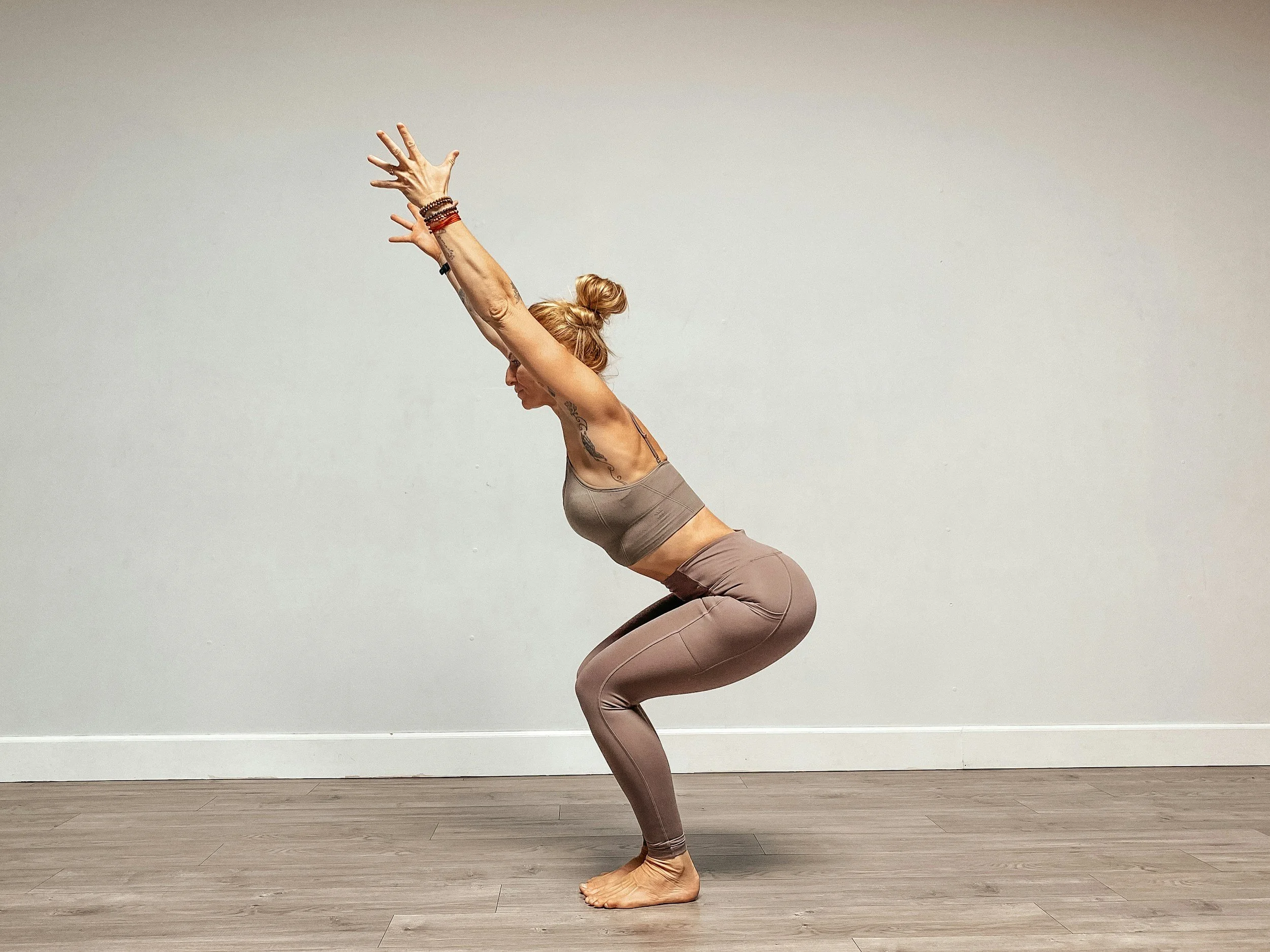
The Deep Flexion Test: The patient is asked to perform a deep, bodyweight squat. If a sharp, mechanical "pinch" or "catch" occurs deep in the joint line before the fluid pressure becomes unbearable, it strongly indicates a posterior horn meniscal tear.
Apley’s Compression Test: The patient lies face down with the knee bent to 90 degrees. The physiotherapist pushes down heavily on the heel and twists the lower leg. If this replicates a sharp, grinding pain deep in the joint, the meniscus is structurally damaged.
Foucher’s Sign (The Cyst Test): The therapist feels the lump behind the knee while the leg is bent, and then straightens the patient's leg. In a true Baker's Cyst, the lump becomes hard, tense, and prominent when the leg is perfectly straight, and softens when the knee is bent.
The "Boggy" End Feel: When attempting to passively bend or straighten the knee, the joint does not hit a hard, bony stop. Instead, it hits a squishy, "boggy" resistance, confirming massive intra-articular fluid trapped in the hinge.
Primary Source Proof
Orthopedic and rheumatological literature dictates that the successful resolution of popliteal (Baker's) cysts relies entirely on treating the underlying intra-articular pathology—most commonly meniscal tears or osteoarthritis—through supervised physical therapy and load management.
The Rehab Mechanics Corrective Protocol
Draining the cyst with a needle is temporary. We must turn off the "faucet" causing the swelling by mechanically stabilizing the damaged meniscus.
Phase 1 — Load Modification and Fluid Drainage
Deep Flexion Ban: We strictly eliminate all deep squats, kneeling, and heavy leg presses. We must stop crushing the posterior horn of the meniscus to allow the chemical inflammation to settle.
Active Lymphatic Pumping: Utilizing manual lymphatic drainage techniques and prescribed, unloaded knee movements (like seated heel slides) to physically pump the trapped fluid out of the cyst and back into the systemic circulation.
Calf and Hamstring Release: The cyst is wedged directly between the calf and hamstring tendons. We use deep soft tissue release to relax these muscles, providing mechanical space for the cyst to shrink.
Phase 2 — Pelvic Fortification and Quadriceps Reactivation
Reversing AMI: Massive swelling physically paralyzes the quadriceps (Arthrogenic Muscle Inhibition). We use electrical stimulation (NMES) and isometric holds to violently wake up the quad, ensuring the leg can absorb shock safely.
Hip Rotator Stabilization: Strengthening the deep external rotators of the hip. If the femur twists uncontrollably during walking, it creates a grinding friction on the damaged meniscus, guaranteeing the cyst will refill.
Phase 3 — Gait Retraining / Mechanics Correction
Terminal Knee Extension (TKE): We must ensure the knee can lock perfectly straight. We use resistance bands to retrain the vastus medialis, eliminating the chronic, bent-knee limp that heavily irritates the back of the joint.
Closed-Chain Loading: Progressing to mid-range wall sits and shallow step-ups. We train the leg to handle heavy body weight while strictly avoiding the deep, compressive angles that damage the posterior horn.
Phase 4 — Return-to-Activity Strategy
Eccentric Hamstring Control: The hamstrings attach to the back of the knee. By building massive eccentric strength in the hamstrings, they act as a dynamic biological brake, preventing the knee hinge from violently slamming shut during sports.
Progressive Depth Re-Integration: Slowly and meticulously re-introducing deeper squat depths under strict supervision, ensuring the joint capsule can tolerate the pressure without triggering a new wave of effusion.
Related Conditions We Treat
Posterior Horn Meniscus Tears
Baker's Cyst (Popliteal Bursitis)
Knee Osteoarthritis
Deep Vein Thrombosis (Screening/Referral)
Posterior Cruciate Ligament (PCL) Sprains
Hamstring Tendinopathy
Related Blogs
"How to Tell if Your Inner Knee Pain is a Meniscus Tear or Pes Anserine Bursitis (Part 1 of 3)"
"Is Your Swollen Knee a Torn Meniscus or Prepatellar Bursitis? (Part 2 of 3)"
"What Does a 'Boggy End Feel' in My Knee Actually Mean?"
"Do I Absolutely Need Surgery to Fix a Torn Meniscus?"
Services Used in Treatment
Manual Therapy
Soft Tissue Release
Myofascial Release
Shockwave Therapy
Gait Retraining
Neuromuscular Re-Education
Custom Orthotics
Strengthening Programs
FAQ Section
1. Can physiotherapy assist in managing a Baker's Cyst?
Yes. Physiotherapy supports recovery by identifying and treating the underlying joint issue (like a meniscus tear) that is producing the excess fluid, helping to optimize movement and naturally reduce the cyst's size.
2. Should I get my Baker's cyst drained with a needle?
If you drain a cyst without fixing the knee mechanics, it will almost certainly refill. We assist in managing the condition by reducing the mechanical friction inside the joint, turning off the fluid production naturally.
3. Why does the back of my knee hurt when I squat?
Deep squatting heavily compresses the posterior horn of the meniscus. If this cartilage is damaged, the pressure triggers sharp pain and swelling. We help address contributing factors by modifying your lifting depth.
4. How do you test for a torn posterior meniscus?
We utilize advanced orthopedic tests, such as Apley's Compression Test, to apply targeted pressure to the back of the knee cartilage. If this reproduces your familiar catching pain, it helps pinpoint the structural failure.
5. Why is my hamstring so tight behind my knee?
A Baker's Cyst sits directly between the hamstring and calf tendons. The fluid pressure causes these muscles to spasm protectively. We support recovery by utilizing manual therapy to safely release this restrictive tension.
6. Is it safe to fully straighten my leg if there is a lump behind my knee?
A severe cyst can make straightening the leg physically uncomfortable due to pressure (Foucher's sign). We assist in managing this by using gentle fluid-pumping exercises to support a safe return to full extension.
7. Can a weak hip cause fluid to build up in my knee?
Yes. If weak glutes allow your knee to twist inward during walking, the resulting friction inflames the joint lining, causing excess fluid production. We fortify pelvic stabilizers to optimize knee tracking.
8. How long does it take for a Baker's Cyst to disappear?
As we stabilize the knee and reduce internal friction through targeted strengthening programs, the body naturally reabsorbs the fluid, with significant improvements typically seen over several weeks of consistent therapy.
How Physiotherapy Helps
Reducing tissue irritation through targeted lymphatic fluid drainage
Correcting pelvic drop to prevent internal meniscal grinding
Improving cadence to lower cumulative joint stress
Strengthening stabilizers in the hamstrings and deep core
Reducing mechanical overload on the posterior joint capsule
Improving foot mechanics to provide a stable walking foundation
CTA — Contact Us Today
Contact Us Today — All you have to lose is the pain
Book a comprehensive biomechanical assessment with our clinical team today. Located inside the Prime Medical Centre at 68 Abell Street, Queen West.
Email: info@rehabmechanics.com Phone: (416) 533-3900
About the Author
Mr. Sanjay Attwala (B.Sc., M.Sc., RPT) is a Registered Physiotherapist, clinical director, and the founder of Rehab Mechanics in Toronto. With over 15 years of registered clinical practice and a deep specialization in complex musculoskeletal rehabilitation, Sanjay synthesizes rigorous international academic training with advanced evidence-based therapeutics to guide his clinical practice and patient education initiatives.
Academic Background & Credentials
Master of Science (M.Sc.) in Physiotherapy – University of Keele, United Kingdom (2010).
Bachelor of Science (B.Sc.) – University of Waterloo, Ontario, Canada.
Registered Physiotherapist (RPT) – Regulated health professional in excellent standing with the College of Physiotherapists of Ontario (CPO).
Corporate Entity – Operating officially under the S. Attwala Physiotherapy Professional Corporation with a DBA of Rehab Mechanics.
Clinical Expertise & Philosophy
Sanjay’s clinical approach rejects passive symptom management in favor of identifying underlying biomechanical root causes. His diverse expertise spans advanced manual therapies, personalized corrective exercise prescription, and modern physical modalities. At the Rehab Mechanics Toronto Queen West clinic, he routinely diagnoses and treats complex conditions including:
Spinal & Discogenic Pathology – Cervical, thoracic, and lumbar disc injuries, sciatica, and sacroiliac joint (SIJ) dysfunction.
Upper & Lower Extremity Injuries – Rotator cuff tears, frozen shoulder, tennis/golfer’s elbow, carpal tunnel syndrome, and complex ankle/foot pathologies.
Perinatal & Pelvic Health Rehabilitation – Specialized assessment and rehabilitation protocols tailored specifically for women during pregnancy and the post-partum period, addressing pelvic girdle pain, diastasis recti, and core stabilization.
Specialized Rehabilitation – Pelvic health therapy, TMJ dysfunction, post-surgical rehabilitation (including Total Hip and Total Knee Replacements), and custom orthotics dispensing.
Shockwave Therapy: with advanced cutting edge technological devices to suit your needs.
Interdisciplinary Practice & Patient Care
Sanjay practices an integrated model of healthcare, working closely alongside medical doctors inside the Prime Medical Centre on Abell Street to streamline patient recovery pathways. He maintains a human-centric, communication-first clinical framework, ensuring that care remains fully customized rather than automated.
His clinical caseload encompasses a broad operational spectrum under Ontario's regulatory frameworks, including:
Motor Vehicle Accident (MVA) Claims – Rehabilitation navigating Ontario’s statutory accident benefits schedule.
Workplace Safety and Insurance Board (WSIB) – Occupational injury management and return-to-work screening.
Extended Health Care (EHC) & Private Practice – Multi-tier insurance coordination and long-term athletic development plans.
Commitment to Research & Community
Outside of his clinical caseload at Rehab Mechanics and his additional practice affiliations in Etobicoke, Sanjay is an active health writer and community educator. He translates contemporary peer-reviewed medical research into accessible, actionable guidance on his professional blog. As a dedicated father and husband, he mirrors his professional advice in his personal life, focusing on structural mobility, cross-training, and longevity to help his family and his community thrive. Naturally he takes he a keen interest in rehabilitation for women who are pregnant and post-partum.
Disclaimer:
The information provided on this blog is intended for educational and informational purposes only. It does not constitute medical advice, diagnosis, or a treatment plan. Always seek the direct advice of a Registered Physiotherapist, physician, or other qualified health provider regarding any medical condition or physical rehabilitation routine.
Google MyBusiness for Instant Posts, Photos, Updates, Offers and Communication
Be sure to check out Rehab Mechanics’ Google My Business Profile for daily posts, location and directions in addition to the directions on the website!
We love interacting with prospective and current patients, and love honest feedback and even constructive criticism and areas for improvement!